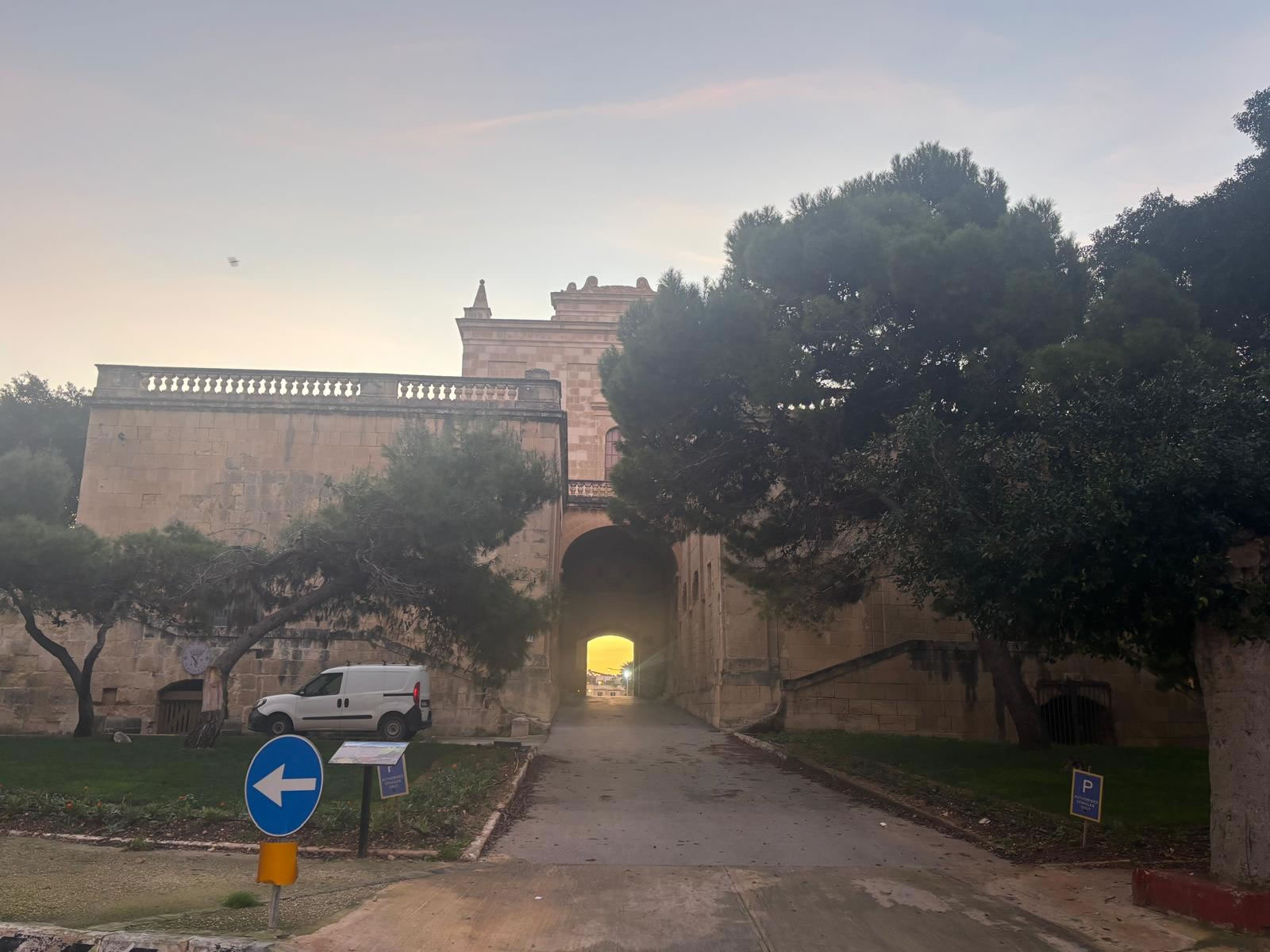
eMalta Gates • Cottonera Lines • Birgu (Vittoriosa) area
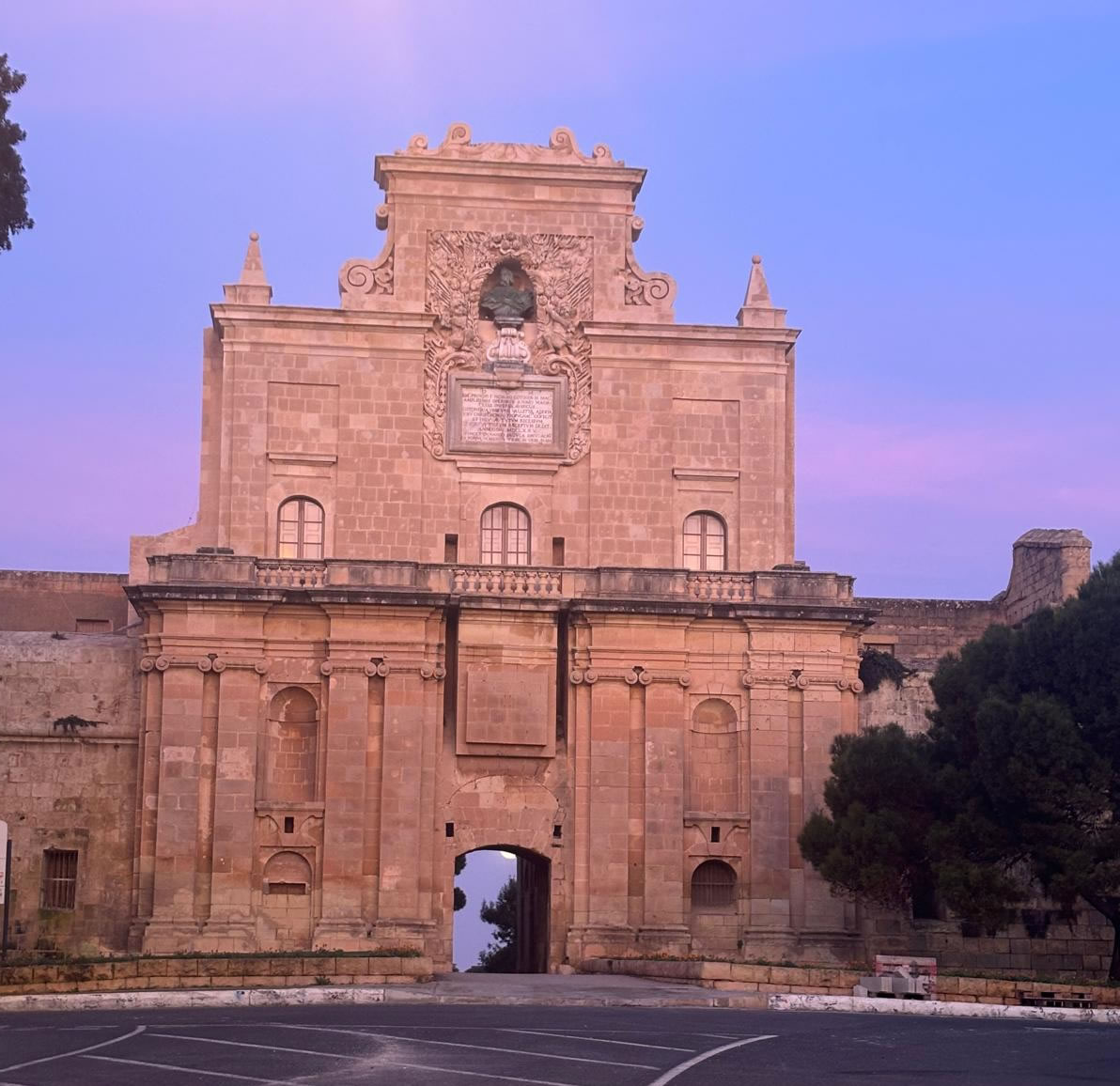
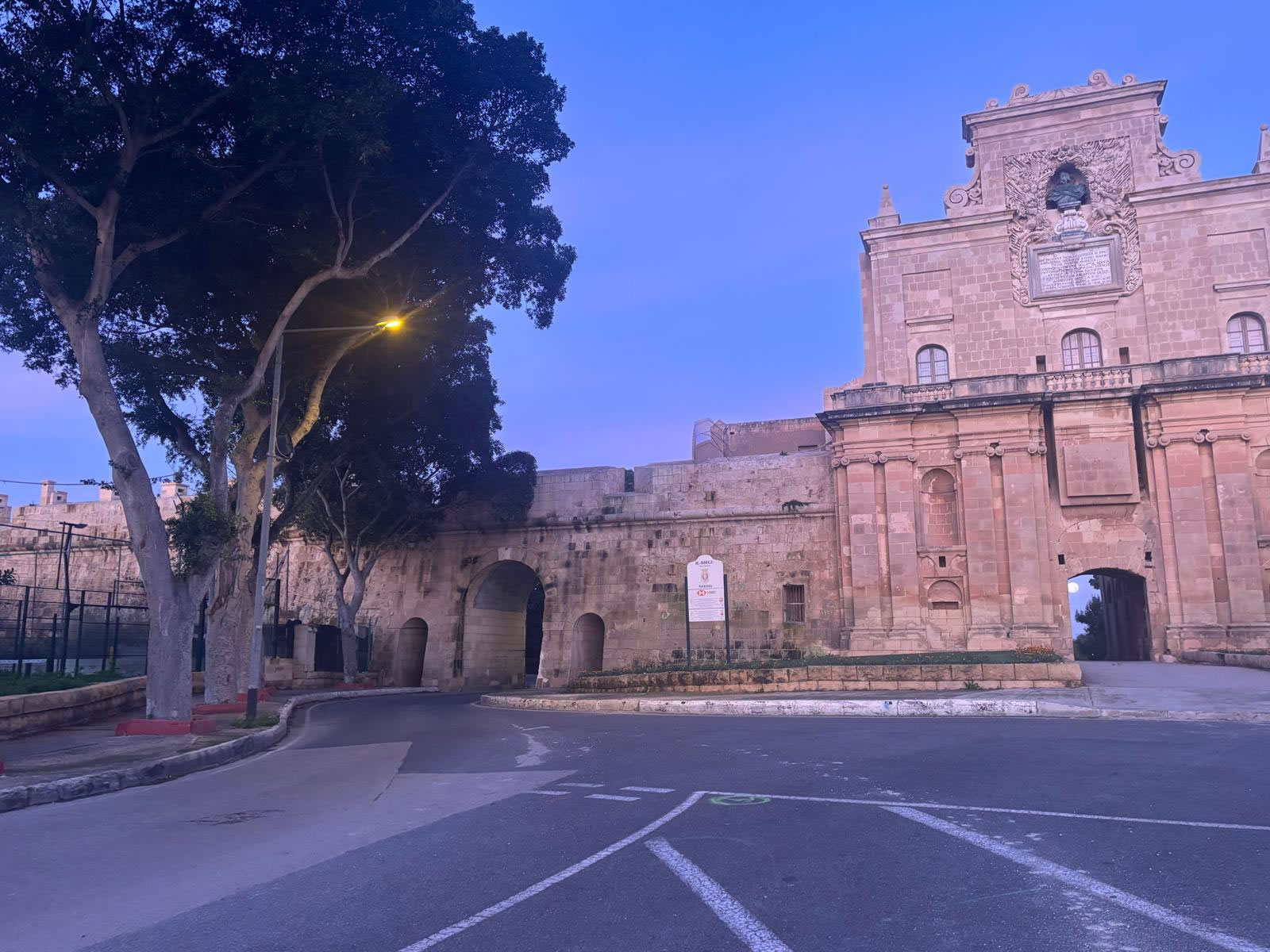
Notre Dame Gate—also called Bieb is-Sultan and the Cottonera Gate—is the monumental Baroque entrance to the Cottonera Lines. Built in 1675 by the Order of Saint John, it was designed as the primary gateway protecting access to the historic harbour cities of Birgu (Vittoriosa), Bormla (Cospicua), and Senglea.
Confirmed timeline: construction, modifications & restoration
Full detailed history
Why the Knights built this gate
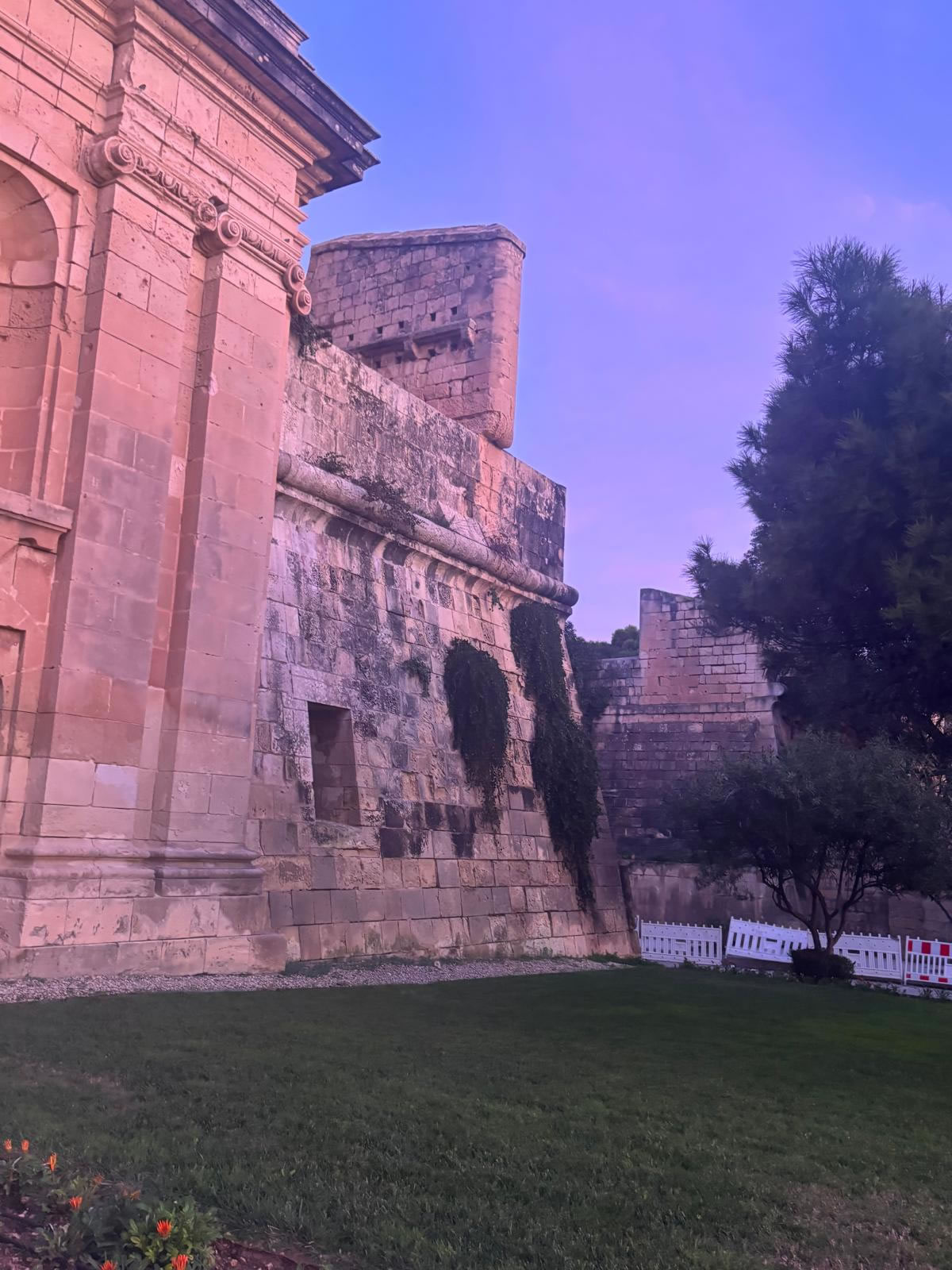
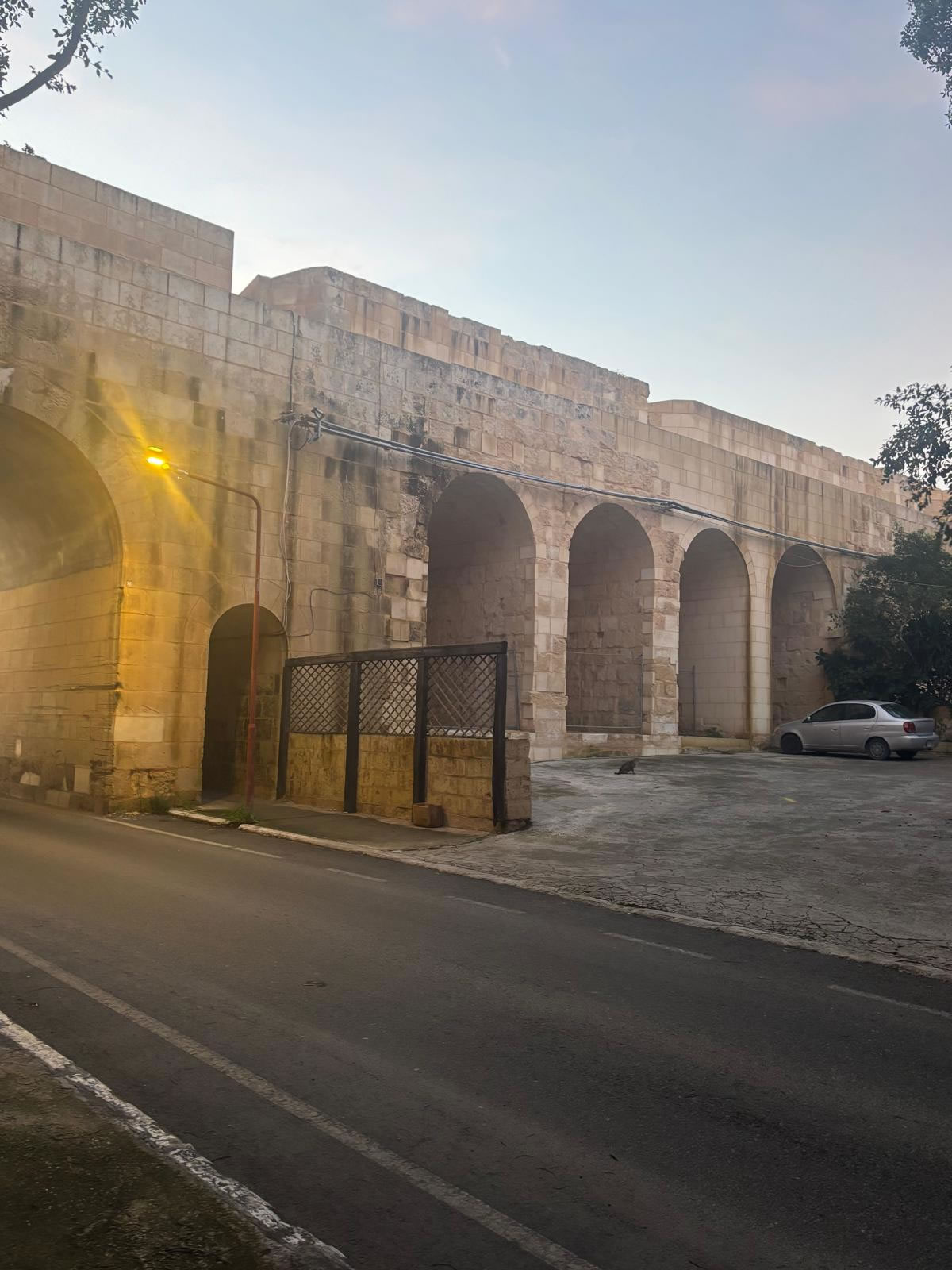
The Cottonera Lines were conceived as a major defensive ring to protect the harbour-facing settlements opposite Valletta. Notre Dame Gate was built as the principal entrance through these fortifications—both a controlled access point and a statement of power expressed through monumental Baroque architecture.
Names and identity
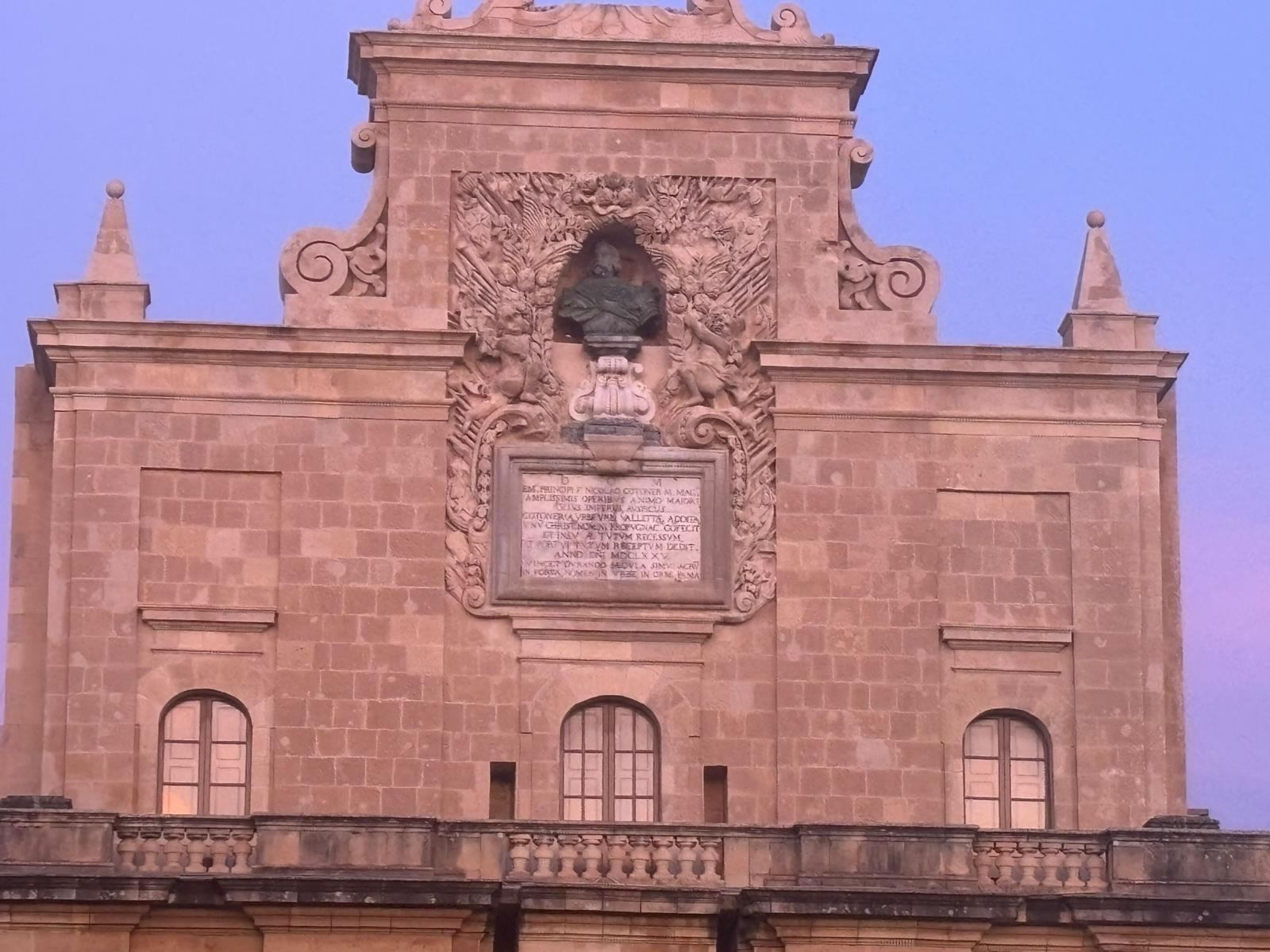
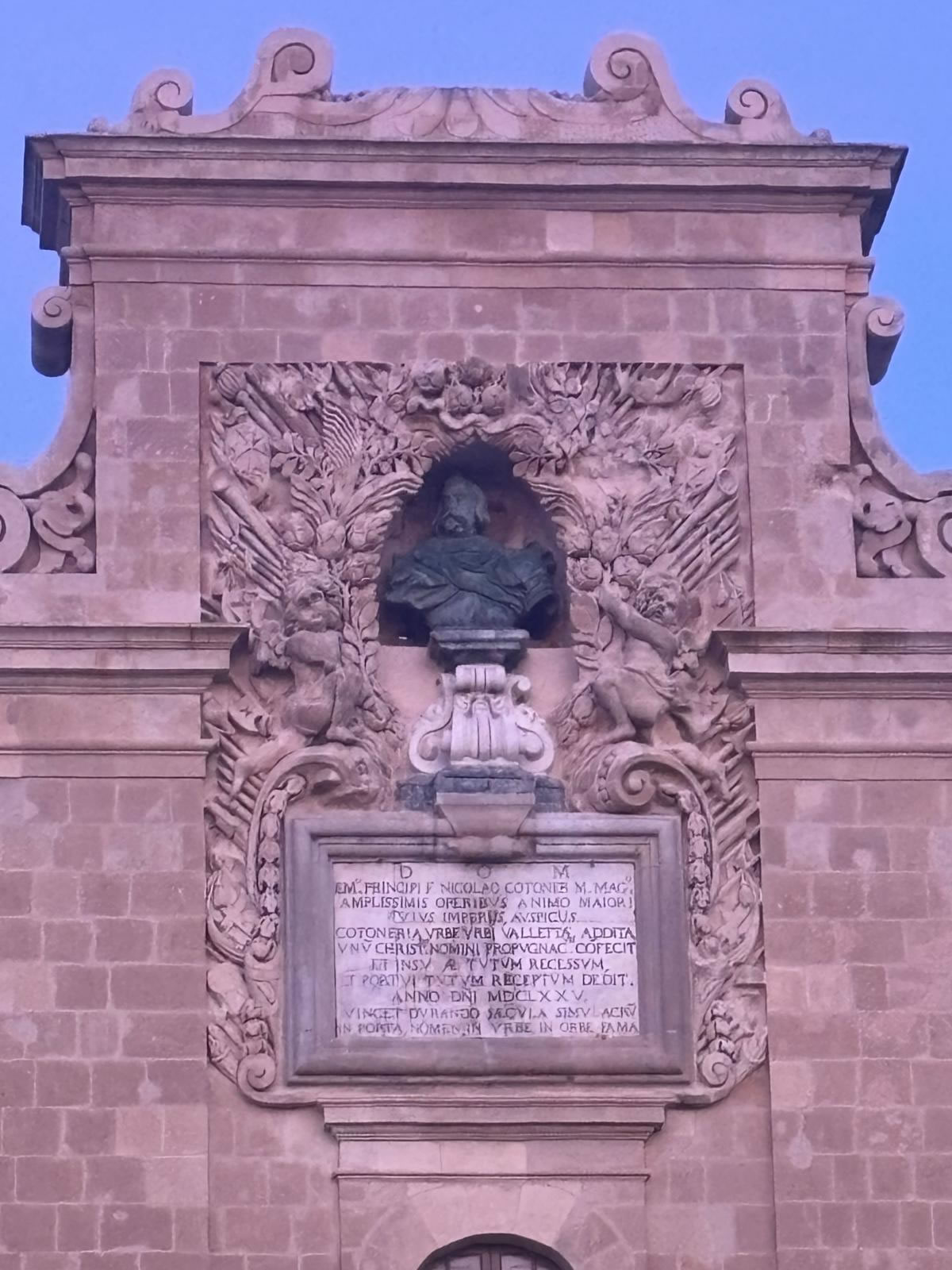
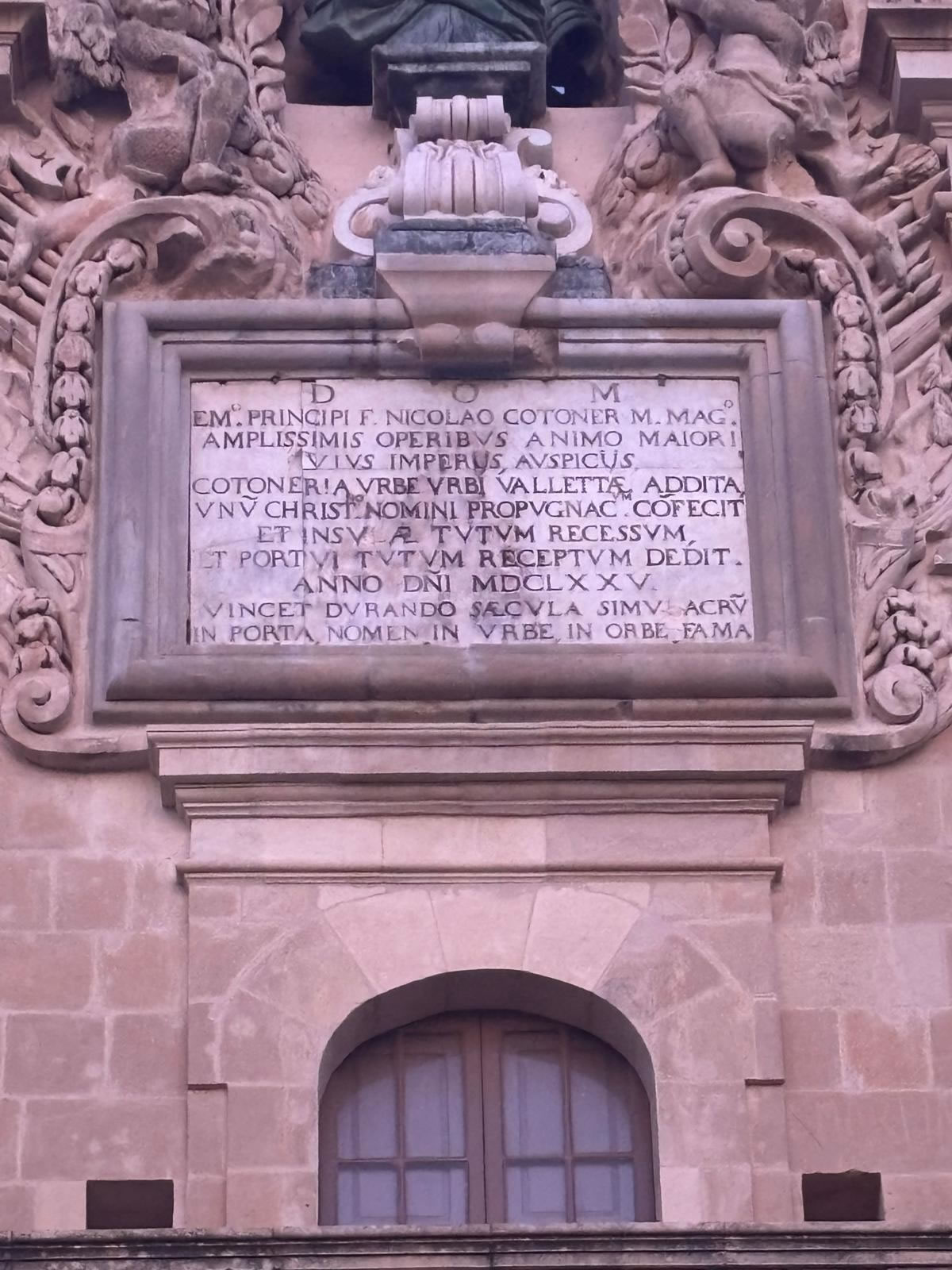
The gate is known by multiple names—Notre Dame Gate, Cottonera Gate, Żabbar Gate, and Bieb is-Sultan. The Maltese nickname “Bieb is-Sultan” (“King’s Gate”) is closely tied to the prominent bust of Grand Master Nicolas Cotoner.
Construction and architecture (what was built)
Notre Dame Gate is a five-level military superstructure: sources describe underground chambers, barrack blocks, and a gatehouse/veranda/signalling top arrangement, with a monumental façade articulated by pilasters and a central decorative programme.
Signalling and strategic viewpoint
Situated at one of the highest points of the Cottonera area, the roof served as a vantage point and was historically used for relaying signals between Valletta and other defenses.
Restoration and confirmed modifications
Cotoner bronze bust conservation
The bronze bust—cast in the 1670s—underwent extensive conservation work. Reporting confirms the conservation completion milestone (2006) and later the bust being hoisted back into position (2008), consistent with the commonly summarised restoration window of 2004–2008.
Timber apertures (windows/doors) restoration
In 2006, heritage reporting described the restoration of about 40 timber apertures (windows, shutters, and doors), with some elements dating back to the late 18th century.
Restoration Directorate works (2022–2023) and later updates
A 2023 government press release confirms substantial restoration works underway at the Notre Dame Bastion and Notre Dame Gate, carried out by the Restoration Directorate with an investment of €850,000. A later Kottonera Foundation update states restoration work on the gate and an initial bastion phase were completed, with further bastion restoration continuing.
Use today: visits, tours, and stewardship
Today, Notre Dame Gate serves as the headquarters of Fondazzjoni Wirt Artna and is typically accessible through pre-booked visits/guided arrangements.
FAQ
When was Notre Dame Gate built?
It was built in 1675 by the Order of Saint John as the main gate of the Cottonera Lines (construction began in 1670).
What are the main confirmed restorations and modifications?
Confirmed interventions include conservation of the Cotoner bronze bust (reported 2006 and 2008; commonly summarised as 2004–2008), restoration of historic timber apertures (2006), and major Restoration Directorate works with €850,000 investment underway in 2023 (with later updates noting completion of restoration on the gate).
How is it used today?
It functions as the headquarters of Fondazzjoni Wirt Artna and is visited through pre-booked guided access.