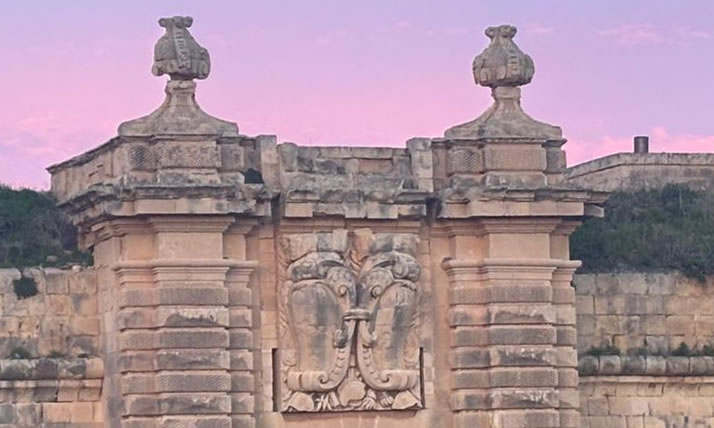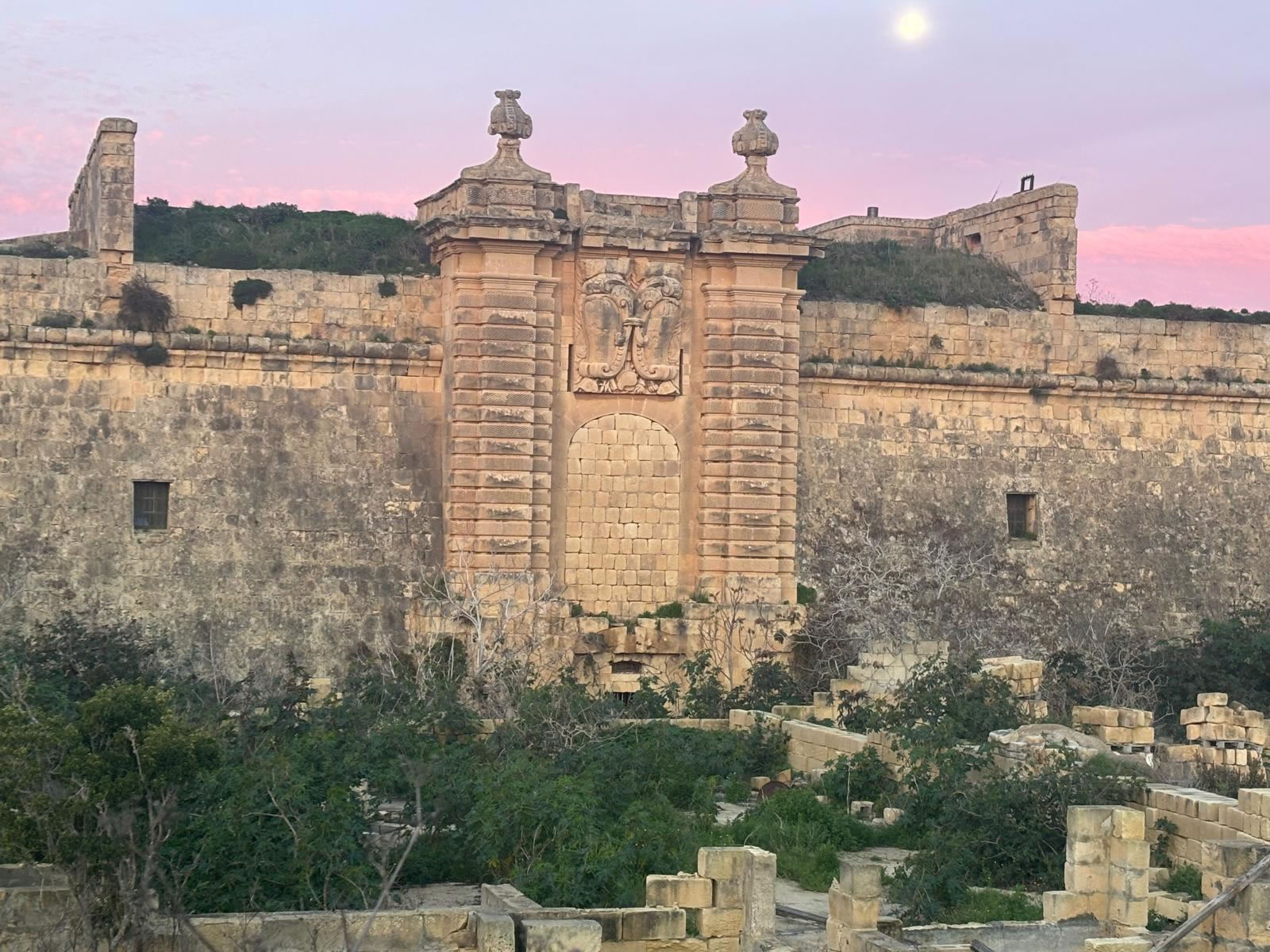
History (with key dates)
1) The late-17th-century enceinte that created the gate (1670–c.1680)
The Cottonera Lines (Valperga Lines) were begun in 1670 as an outer protective ring for the Three Cities area. The initial works created the core bastioned enceinte and its curtains—among them the St James Curtain—before work was discontinued roughly a decade later due to financial pressure. St James Gate belongs to this original defensive logic: smaller portals that supported movement and access while keeping the enceinte defensible.
2) Location: the St James Curtain between two bastions
The gate is specifically associated with the St James Curtain, described as the curtain wall between St Louis Bastion and St James Bastion. That placement suggests a practical gate used by troops and guards to move along the perimeter and between bastions—especially useful in a large enceinte where rapid repositioning could be decisive during a threat.
3) A gate that becomes redundant: blocked in later periods
In modern descriptions, St James Gate is recorded as blocked. Sealing secondary portals was a common response when siege threats diminished, when areas became more urban/industrial, or when traffic patterns changed. Today that blocked arch reads as a heritage “signature”: an unmistakable clue to how access was once distributed across the Cottonera defences.
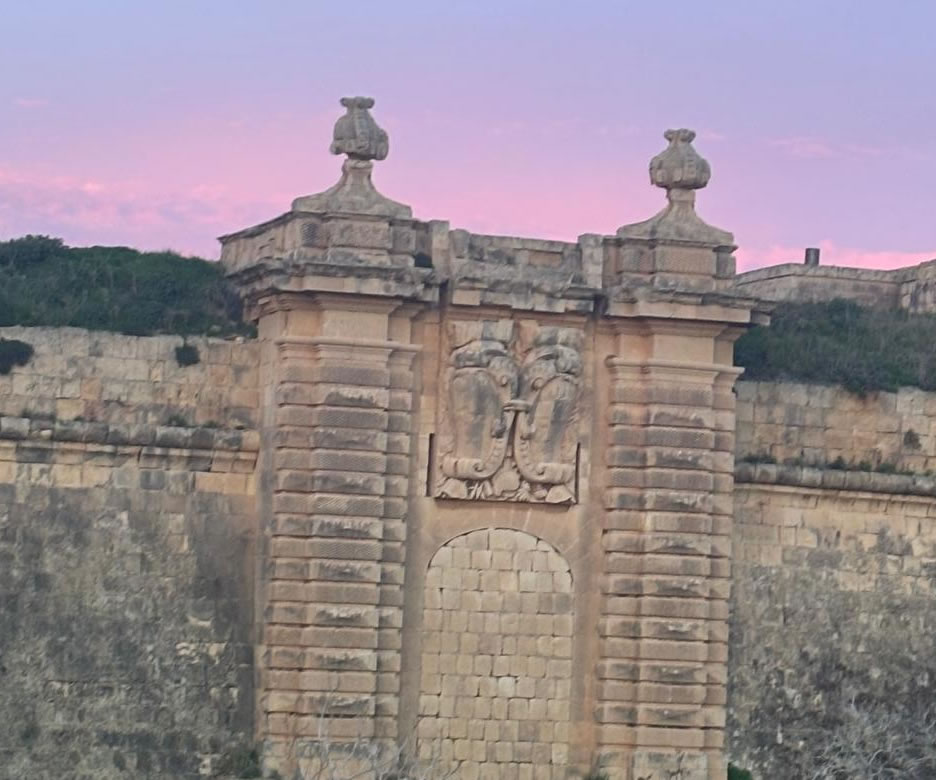
How to “read” a blocked gate
Look for the outline of the original opening, the masonry infill, and the relationship to the curtain’s slope and parapet lines. These details help distinguish an original gate later sealed from a purely modern breach.
Timeline
- 1670 — Cottonera Lines construction begins (context for St James Gate’s creation).
- c. 1680 — works discontinued due to lack of funds; key curtains and bastions already established.
- 18th century — continued strengthening and completion phases across the Cottonera Lines.
- 1760s — Cottonera Lines broadly completed (some planned works left unfinished).
- Modern era — St James Gate recorded as blocked; survives as a visible trace rather than an active entrance.
What to see nearby
St Louis Gate (same curtain sequence)
Another secondary gate in the adjacent curtain—useful for building a “gate-to-gate” story about how Cottonera controlled movement.
Notre Dame Gate (1675)
The monumental main gate of the Cottonera Lines—ideal for comparison (ceremonial gateway vs sealed military portal).
How to visit (practical snippet)
- Area: Birgu (Vittoriosa), Cottonera / Three Cities.
- Best for: fortification walks, photography, and discovering lesser-known “hidden” gate sites.
- Tip: trace the curtain line between bastions—blocked gates make the most sense when seen in full wall context.