History and local tradition
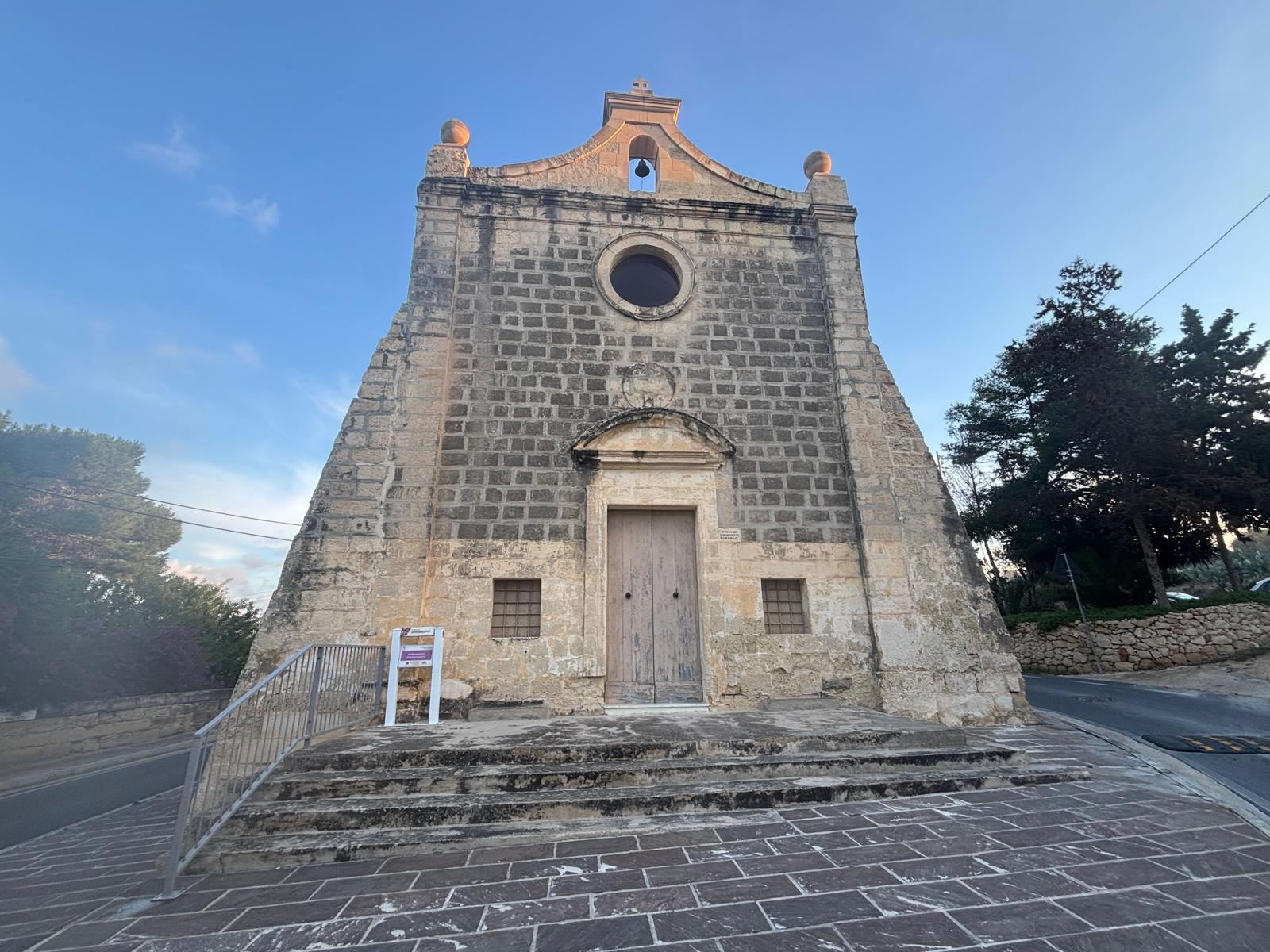
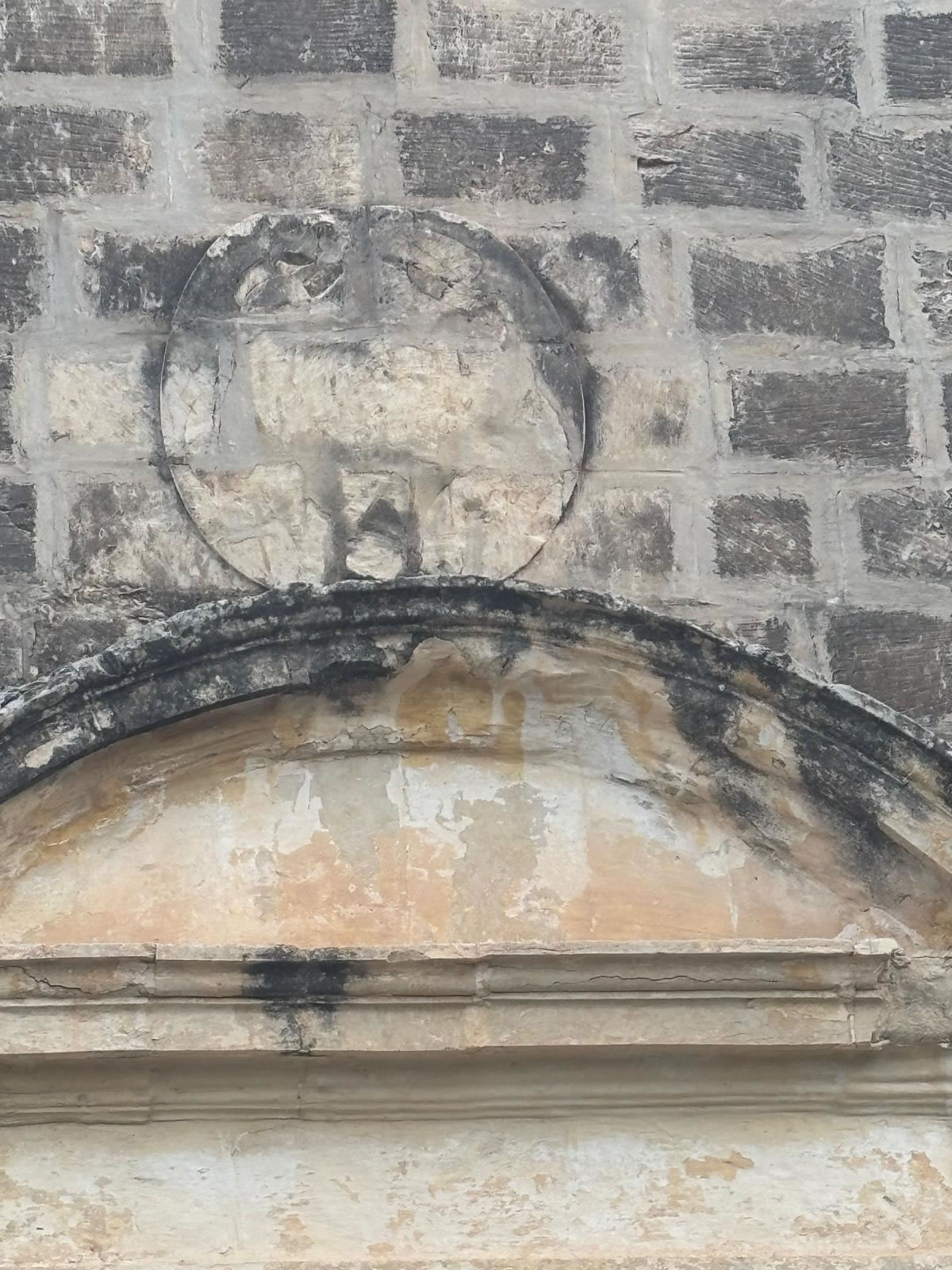
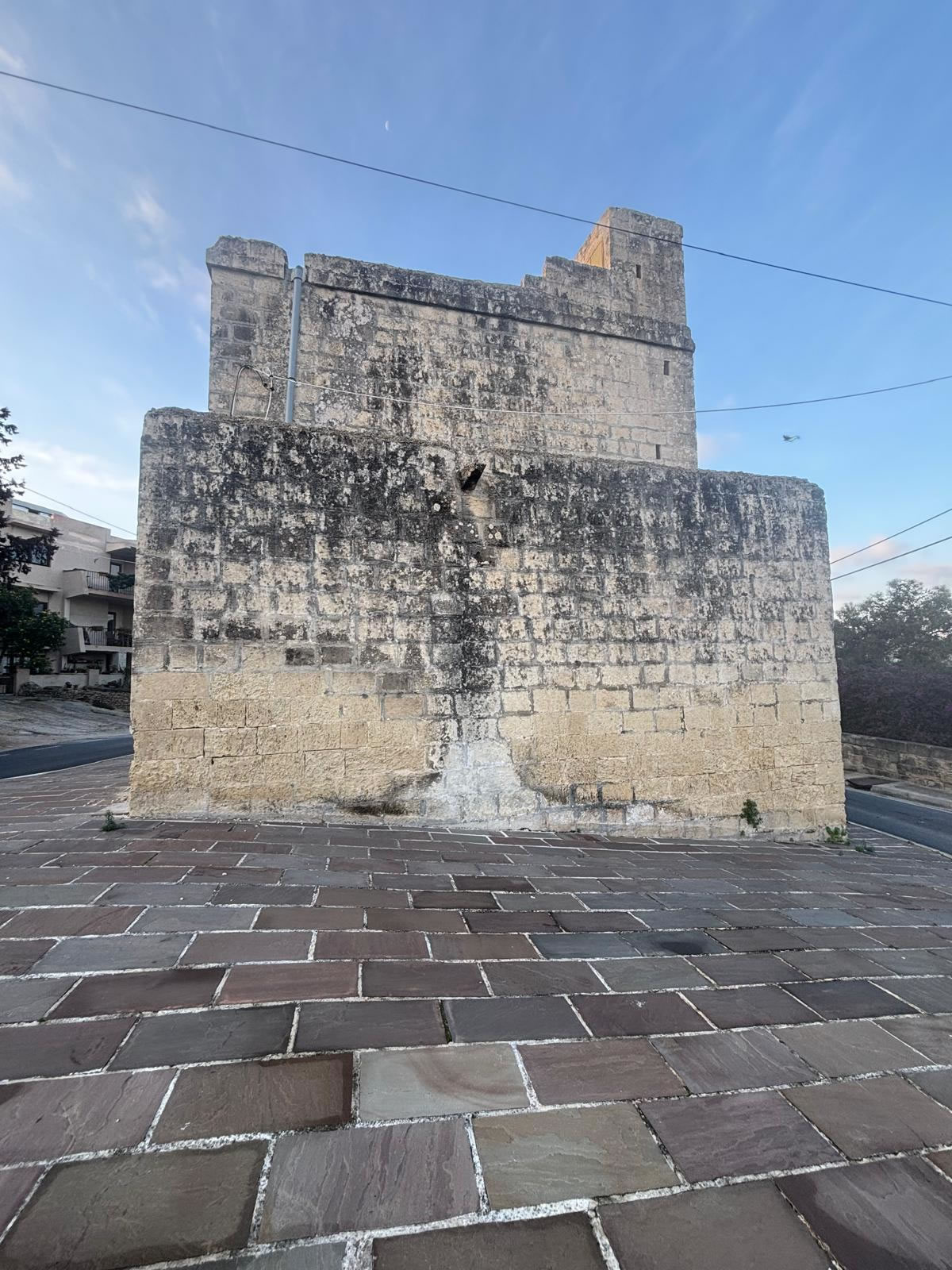
The Salini chapel is remembered as a devotional landmark for communities around Naxxar and the northern countryside.
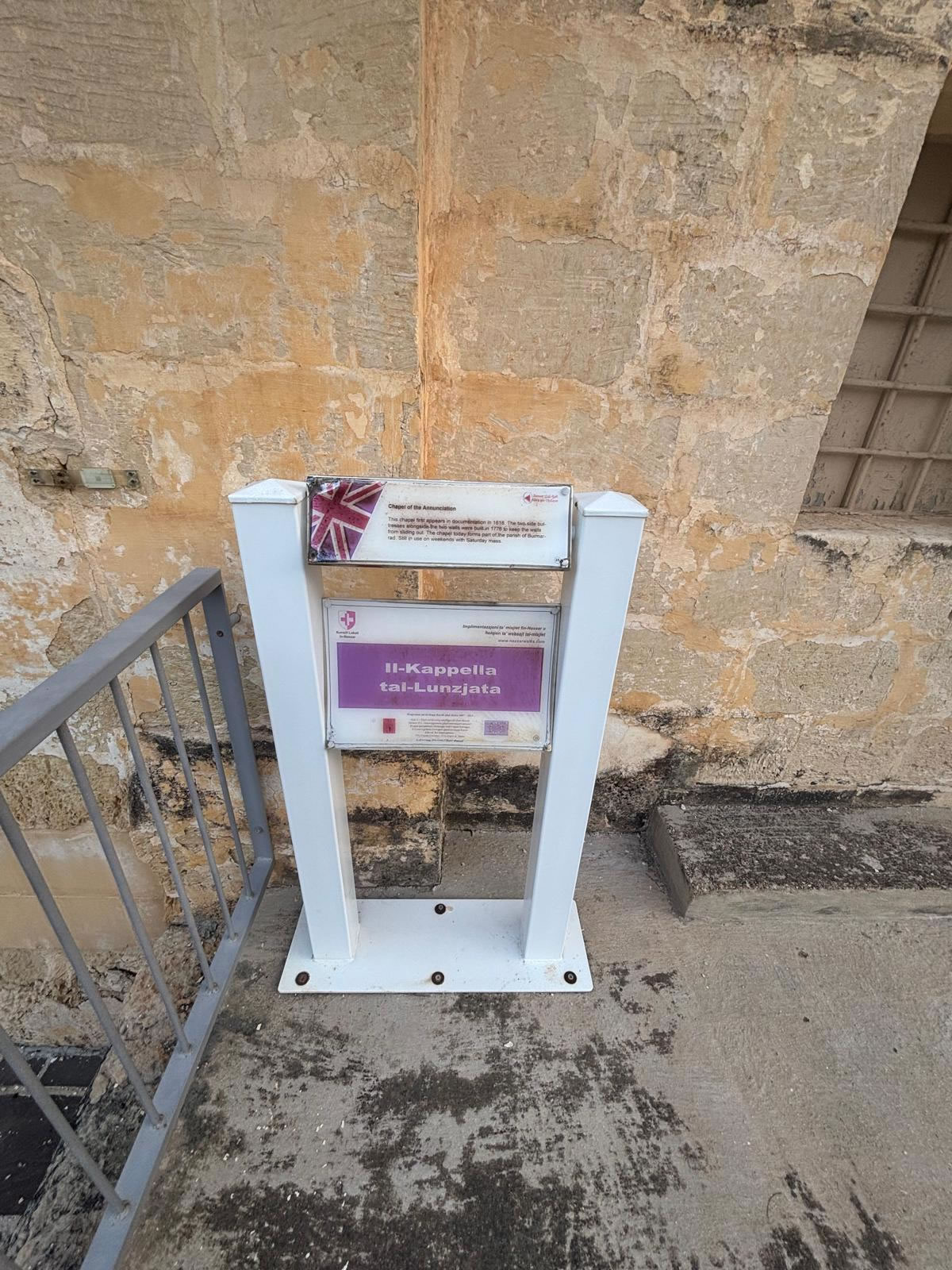
Built in 1618, it reflects the period when small chapels served farming families, travellers, and coastal workers—often
acting as spiritual “waypoints” in an otherwise open landscape.
Over the centuries, the chapel’s identity became closely linked to the name Tal-Lunzjata (the Annunciation),
and its location near the catacombs made it part of a wider heritage corridor that blends faith, archaeology, and local memory.
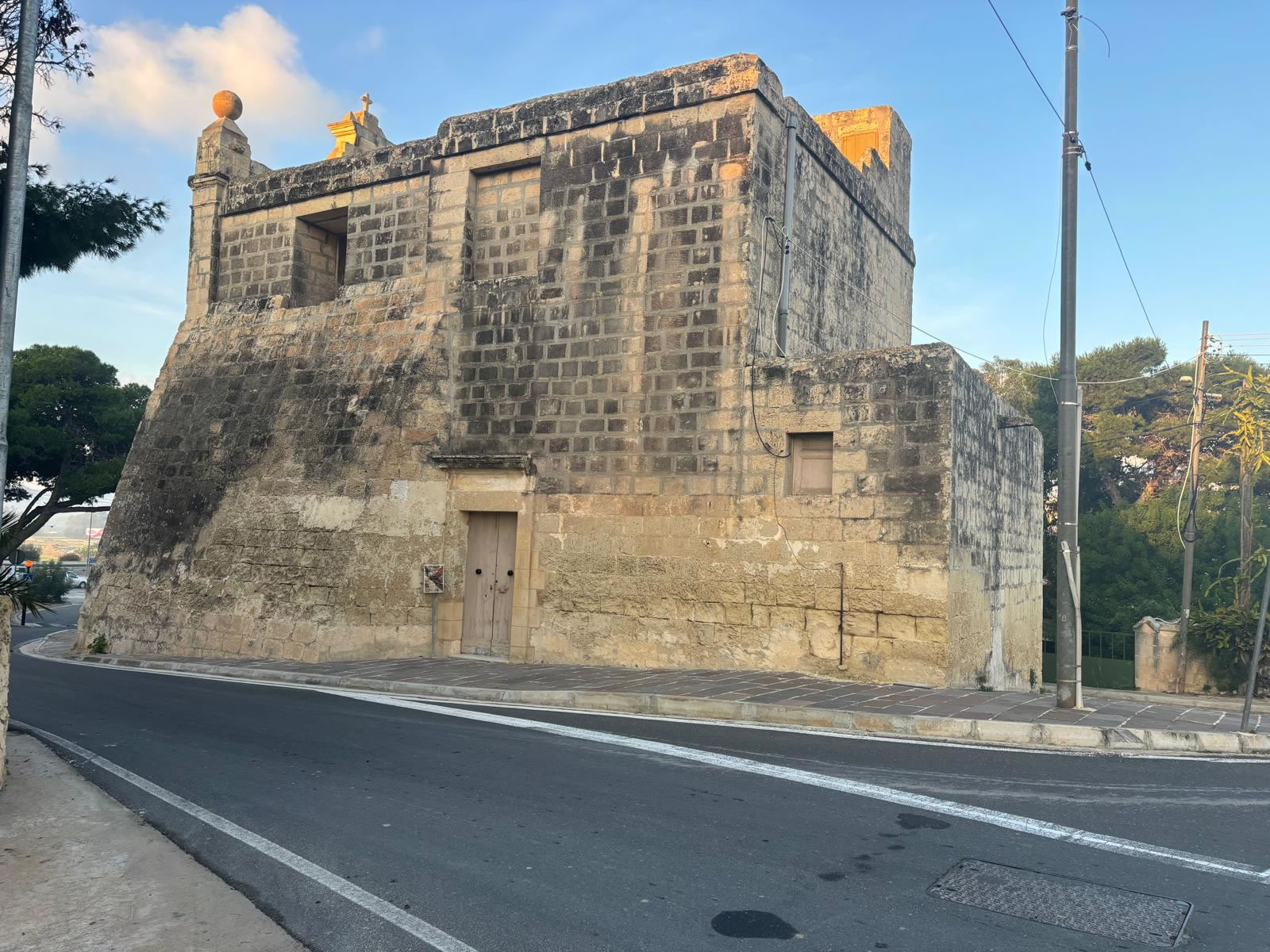
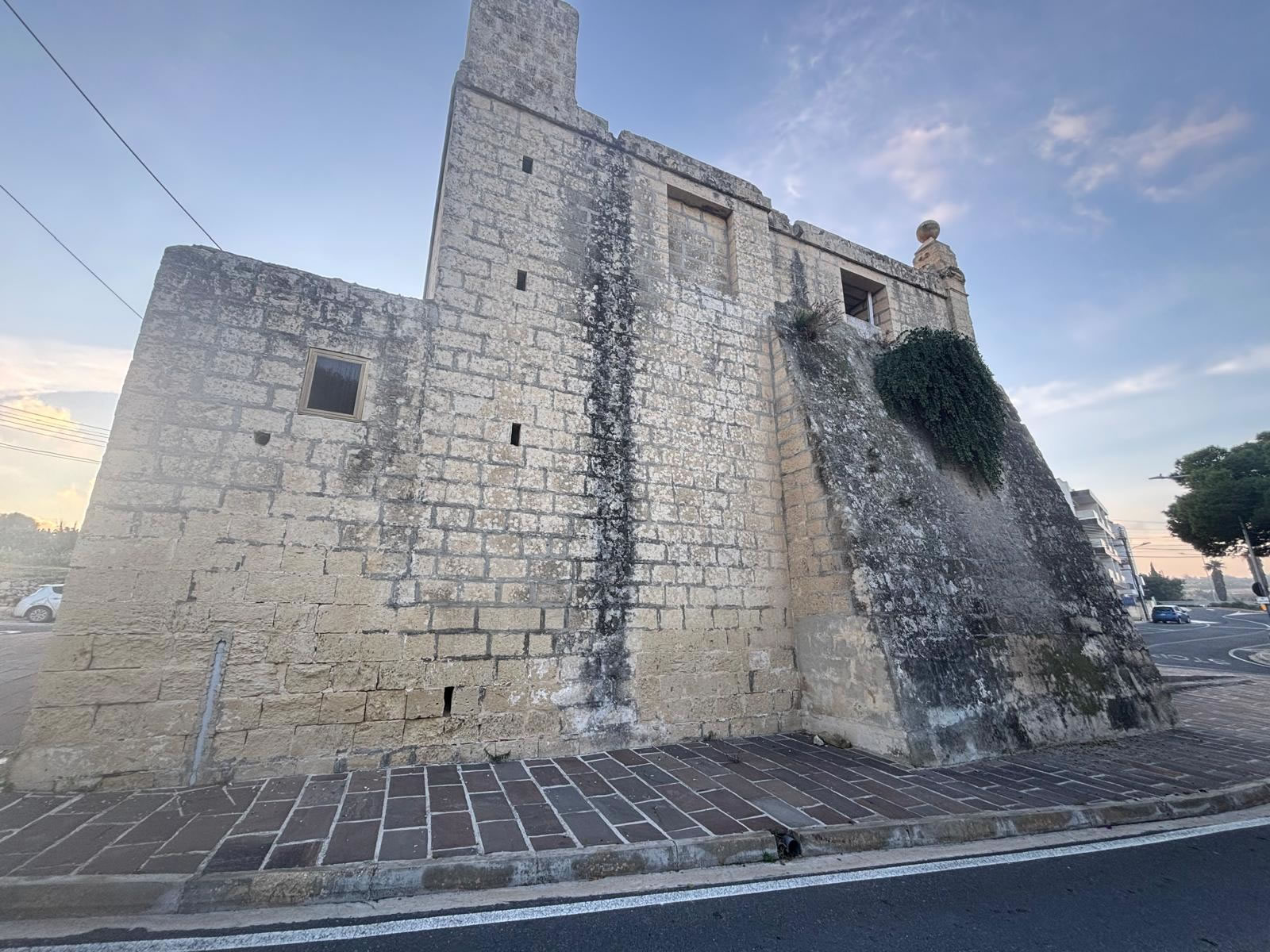
Although the chapel was built in 1618, the surrounding landscape continued to evolve. In 1776, substantial retaining walls were constructed to stabilise the terrain, reflecting ongoing efforts to preserve the chapel within the Salini countryside.
Planning your visit
Best time: mornings or late afternoons for softer light and a quieter atmosphere.
Access: smaller chapels may open only for services, feast days, or special events.
Pair it with: a short heritage stop around Salini’s countryside and nearby points of interest.
For more heritage inspiration, see:
Chapels & Churches of the Maltese Islands and
Oldest Chapels in Malta & Gozo.