Detailed history: pastoral records, decline and survival
Architecturally, San Mikiel Is-Sanċir belongs to the mid-to-late 15th century, a period when small countryside chapels supported the spiritual life
of farmers working far from the main parish centres. The chapel is located within an estate historically referred to as Ġnien is-Sultan,
which likely contributed to its survival as an unusually “unchanged” medieval structure.
The earliest well-known documentary reference is linked to the 1575 pastoral visitation associated with Bishop Pietro Dusina,
describing a church of St Michael in the Ġnien is-Sultan area. Later visitations repeatedly noted deterioration, reflecting how small rural chapels could
fall into neglect as parish structures shifted and maintenance resources were redirected.
By the late 17th century, the chapel’s condition and use had changed dramatically. In 1678, Bishop Miguel Jerónimo de Molina
deconsecrated the chapel and ordered that its principal image be removed to the parish church. After this, the building was used for practical rural purposes,
including storage and as a stable—an adaptive reuse that helped it remain standing, even as it lost its liturgical role.
1450–1500: construction of the surviving medieval chapel.
1575: referenced in pastoral visitation records as a church of St Michael at Ġnien is-Sultan.
1678: deconsecration and transfer of the chapel’s image to Rabat parish; decline accelerates.
Post-17th century: reused as storage/stable; interior altered by a dividing wall.
Restoration and conservation
After decades of non-religious use and neglect, the chapel became the focus of a volunteer-led restoration effort. In 1981,
restoration works included removing the internal wall that had split the space for stable/storage use and stabilising the fabric of the building.
The project involved volunteers associated with local heritage initiatives and visiting volunteer groups.
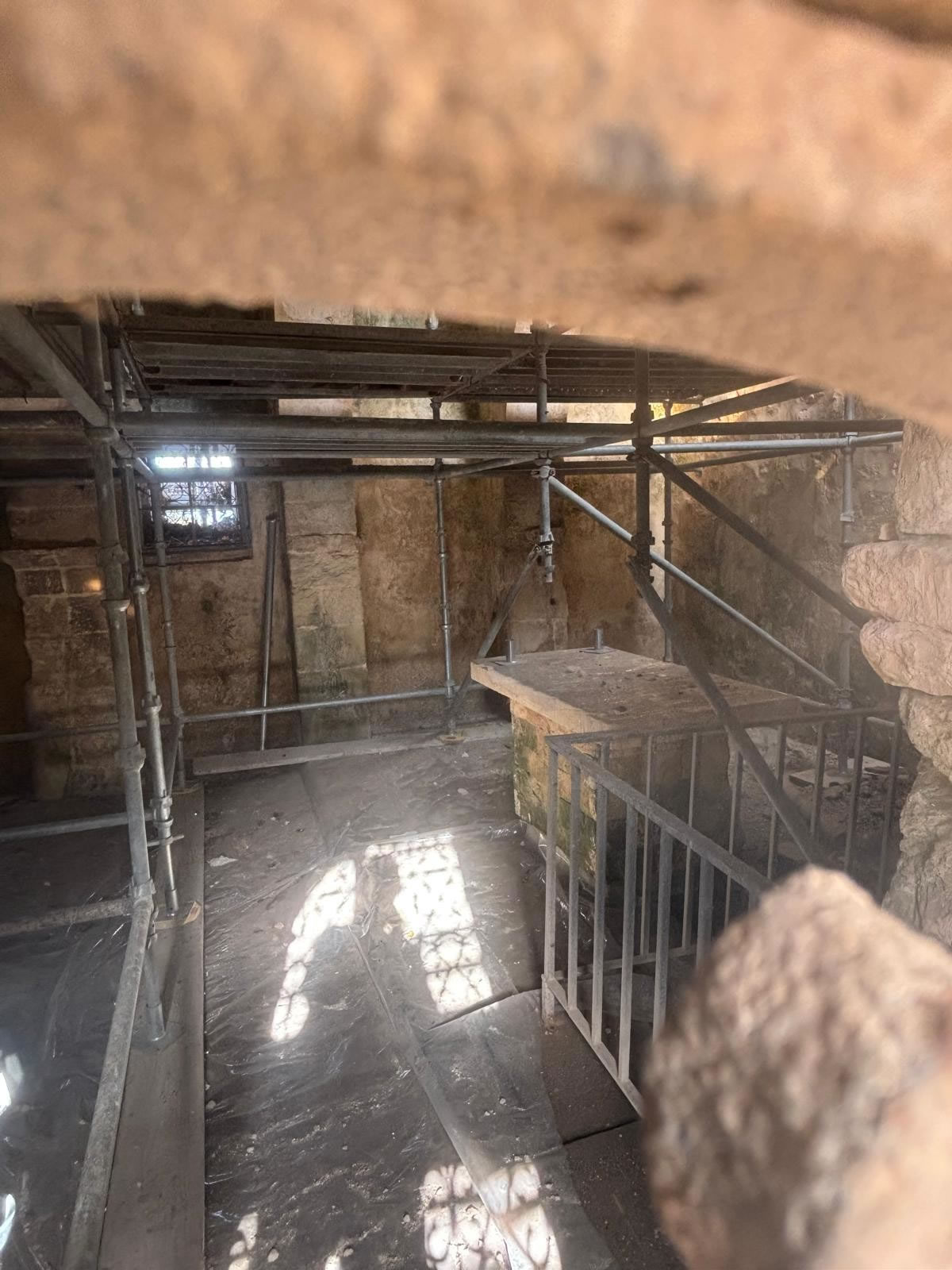
Following restoration, a stone altar was installed and the chapel was reopened for religious services in 1988. In subsequent decades,
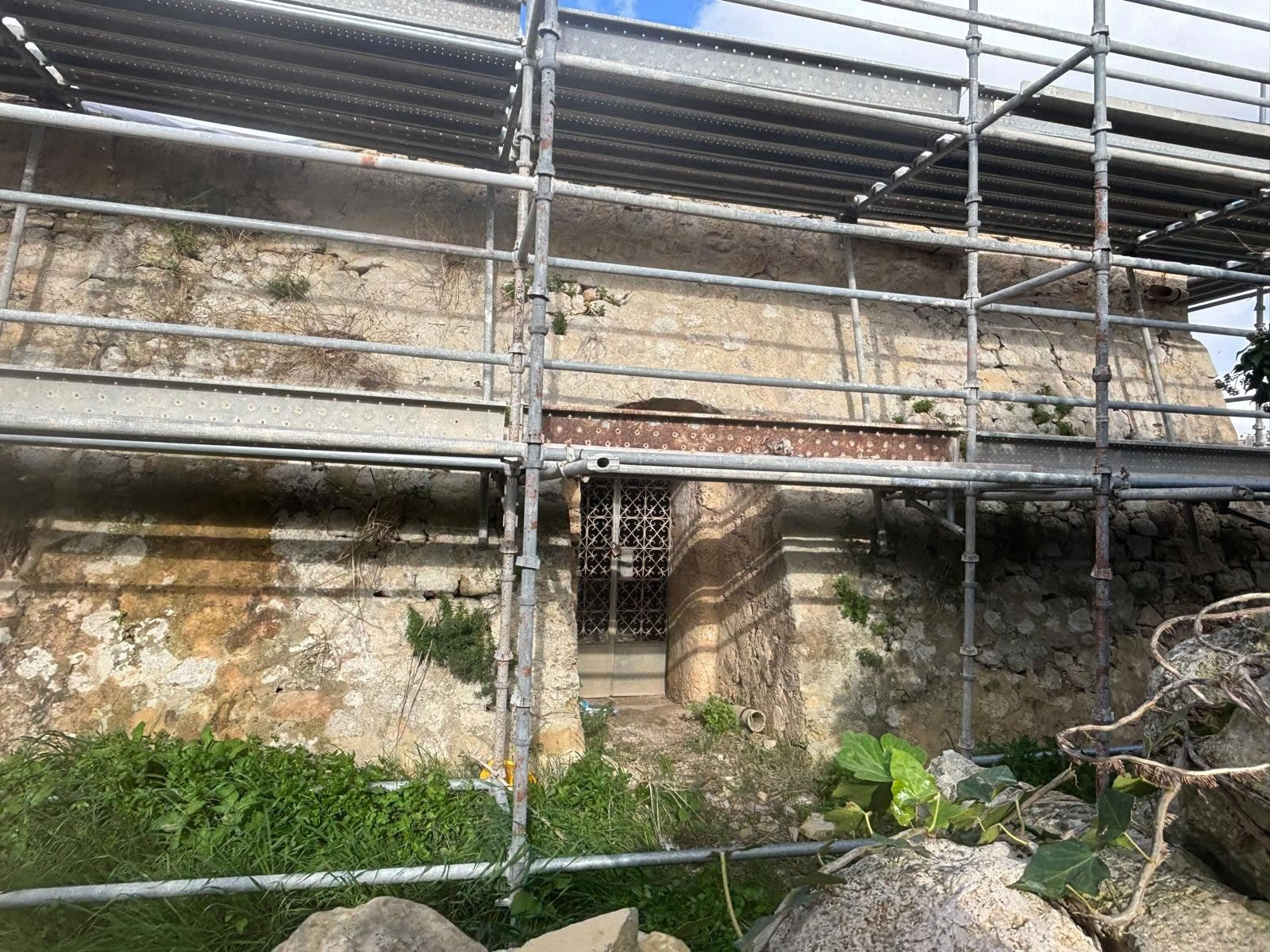
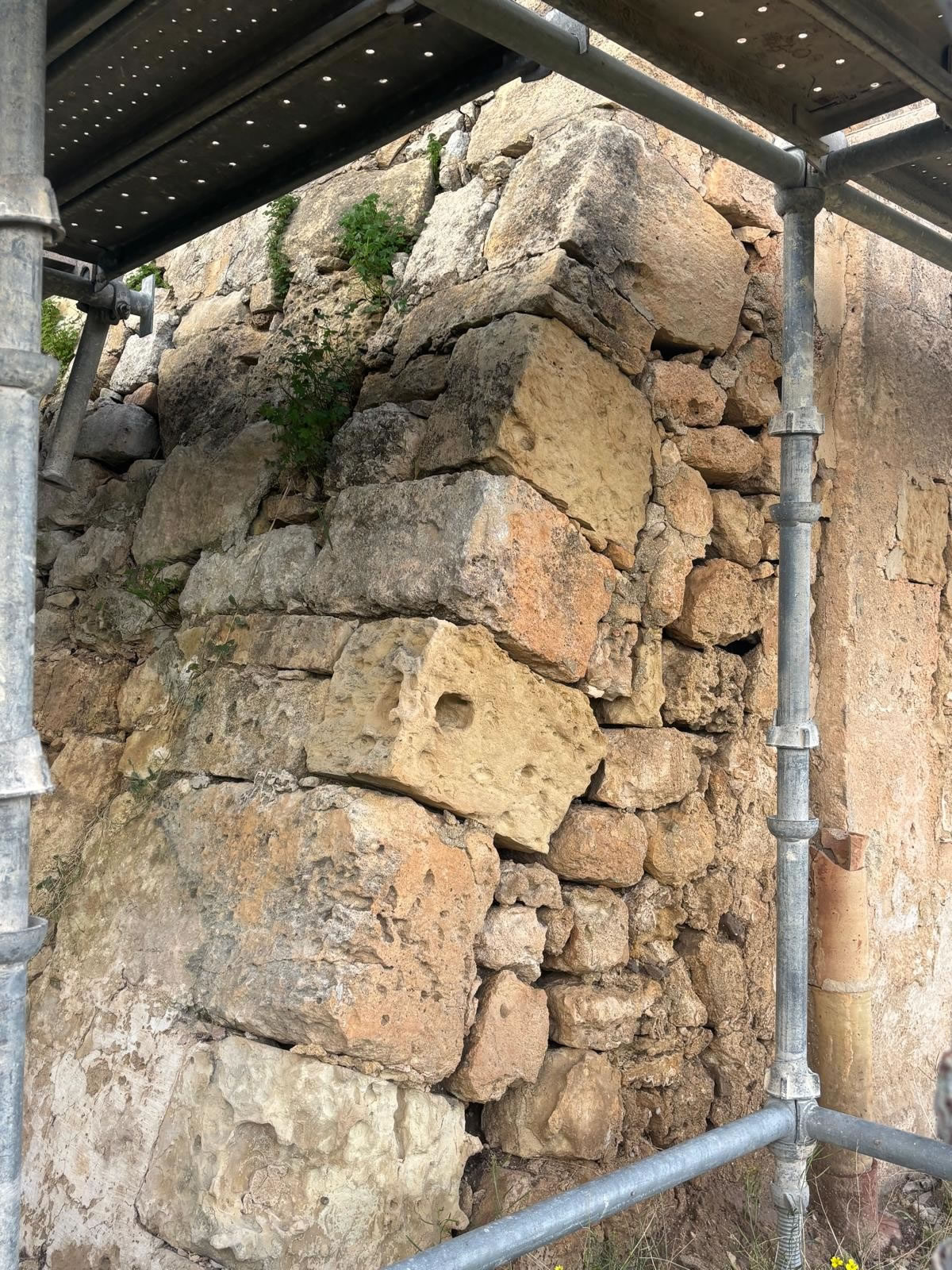
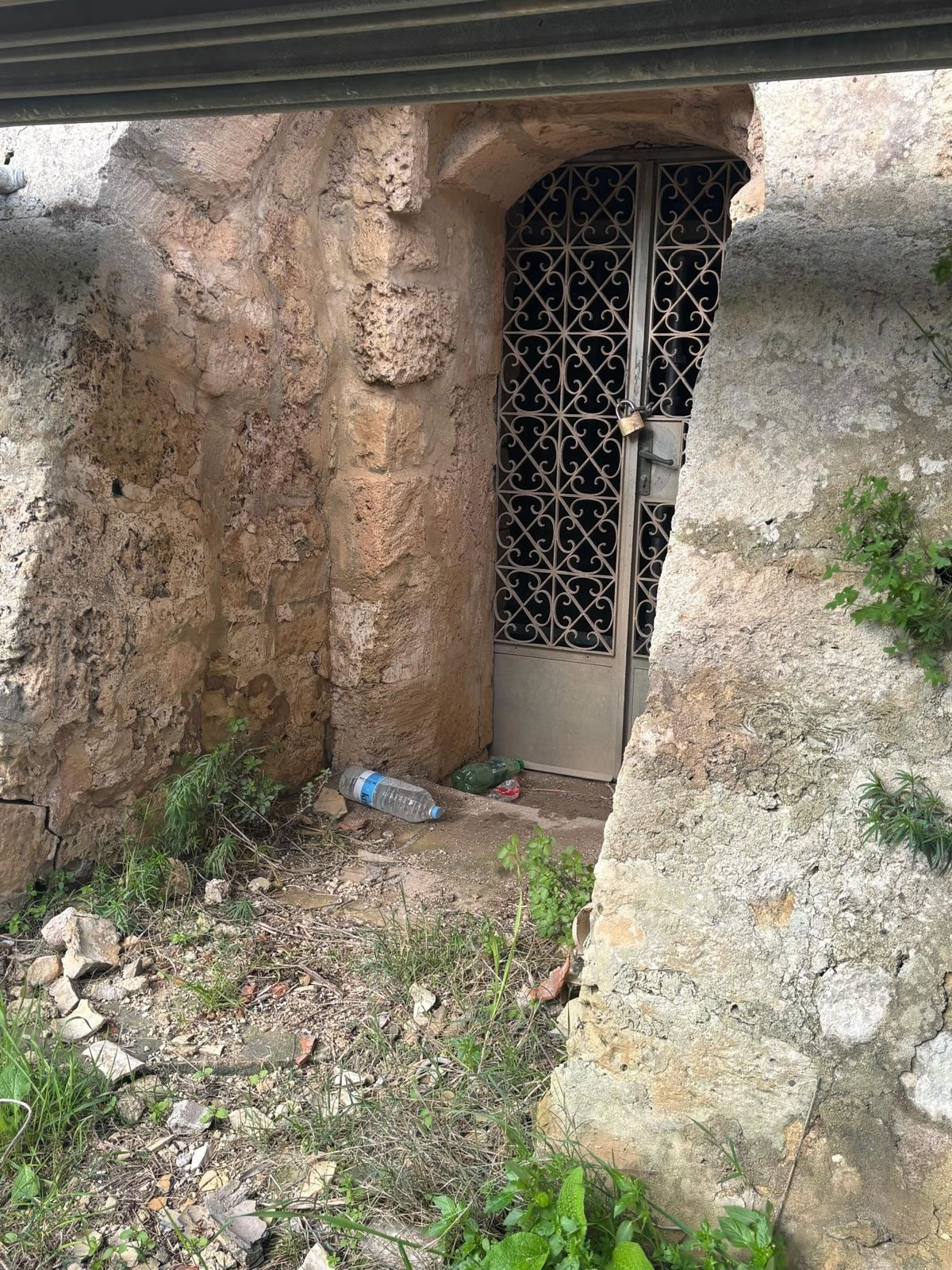
however, the chapel again slipped into disuse and its condition deteriorated, with vegetation growth, blocked access, and structural cracking reported.
More recently, heritage organisations have renewed attention on the chapel, with steps taken toward structured guardianship and rehabilitation planning.
1981: major restoration; removal of internal dividing wall; stabilisation works.
1988: reopened for services following restoration and refitting.
Recent years: renewed conservation focus and heritage management initiatives.
Use over time: from worship to reuse, then heritage
The chapel’s life can be read in three phases. First, it served as a rural devotional site for farmers and countryside communities.
Second, after deconsecration, it became a practical rural building—altered for storage and shelter. Third, it returned to public attention
as a heritage monument, where its value lies in the rarity of its medieval fabric and the cultural memory embedded in its name and setting.
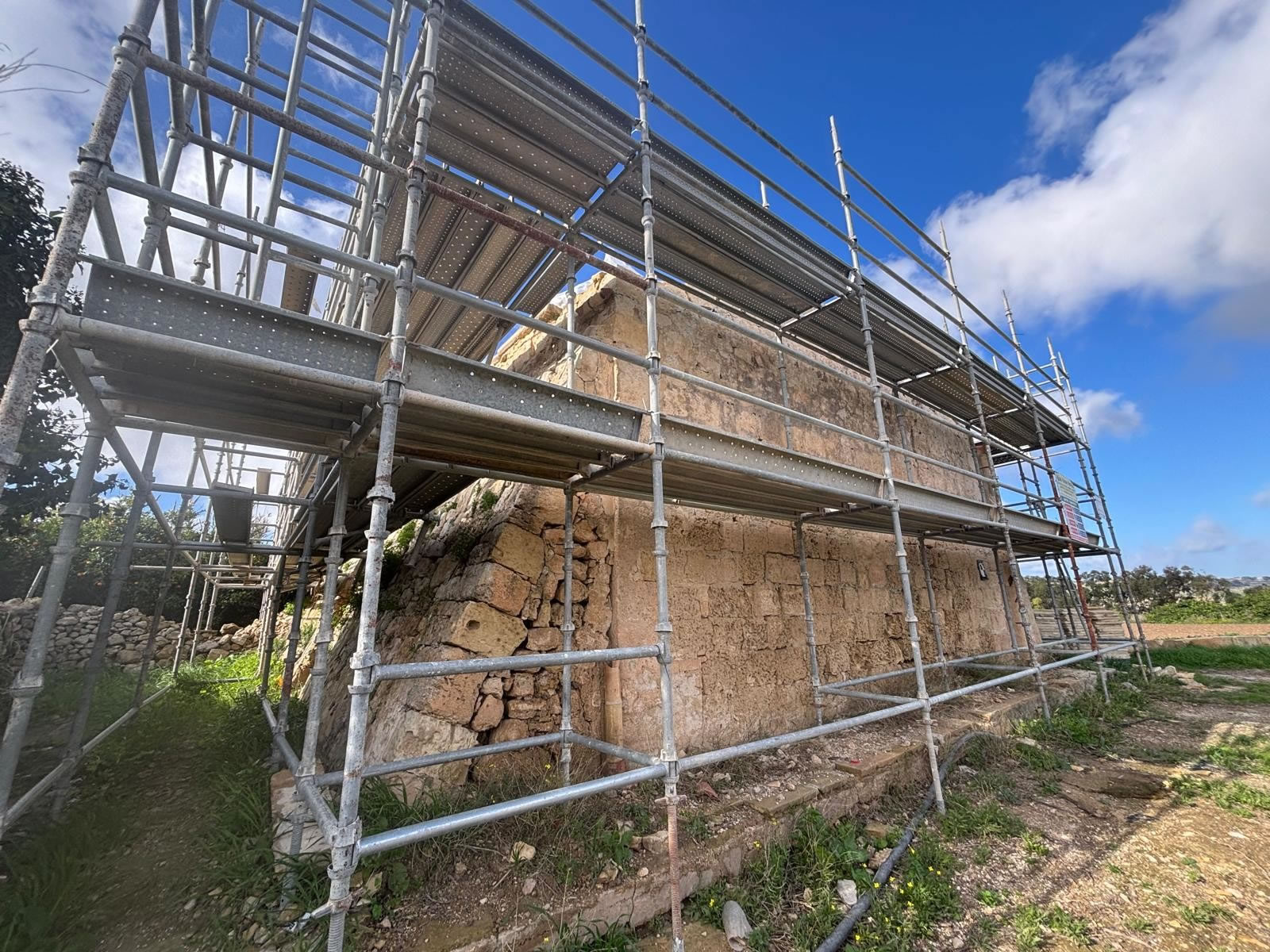
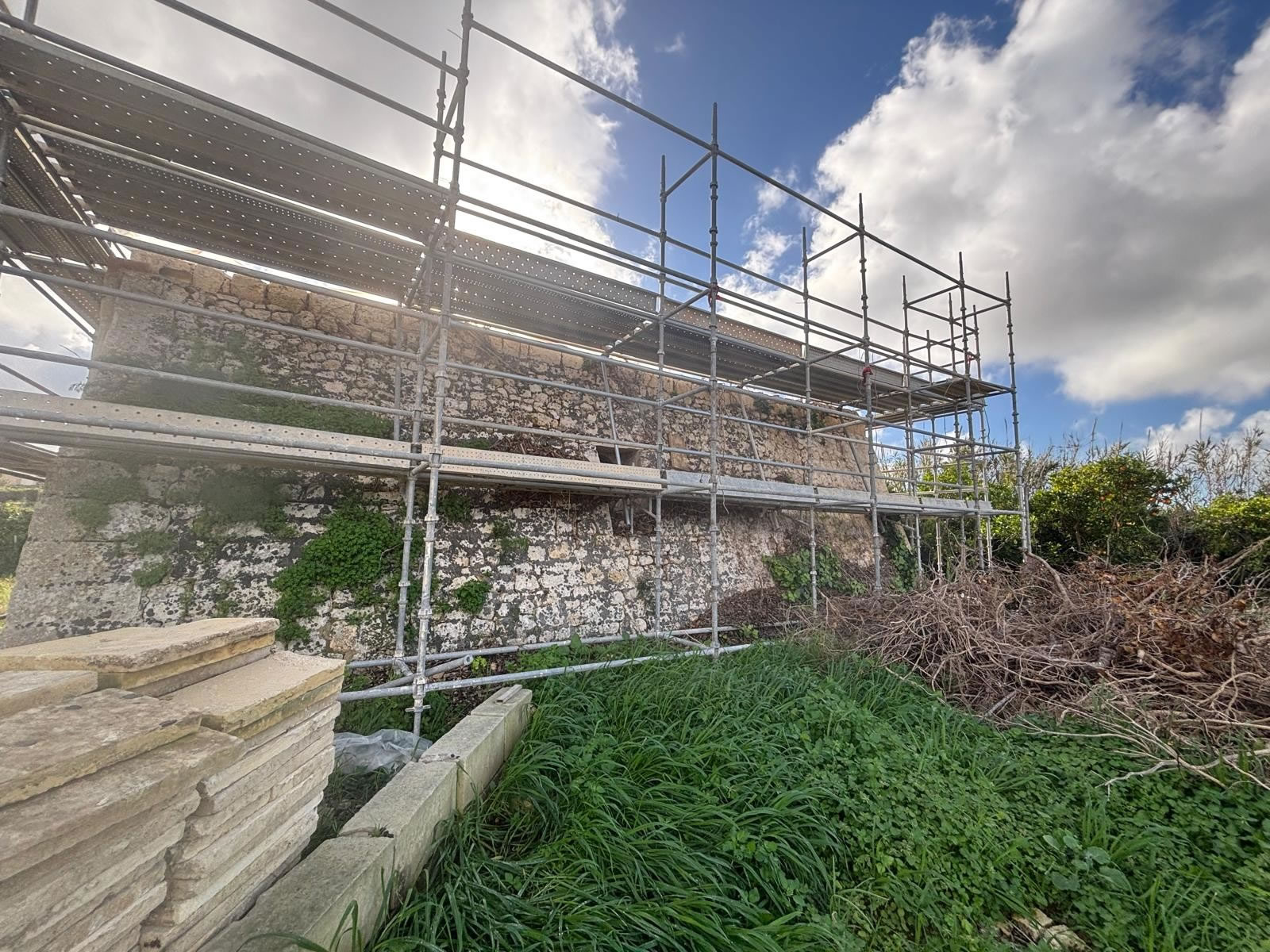
Today, San Mikiel Is-Sanċir is best understood as an at-risk historic chapel whose survival depends on conservation planning and careful site management.
Even when not open, it remains an important stop for anyone studying Malta’s medieval chapel network and the countryside estates around Rabat.