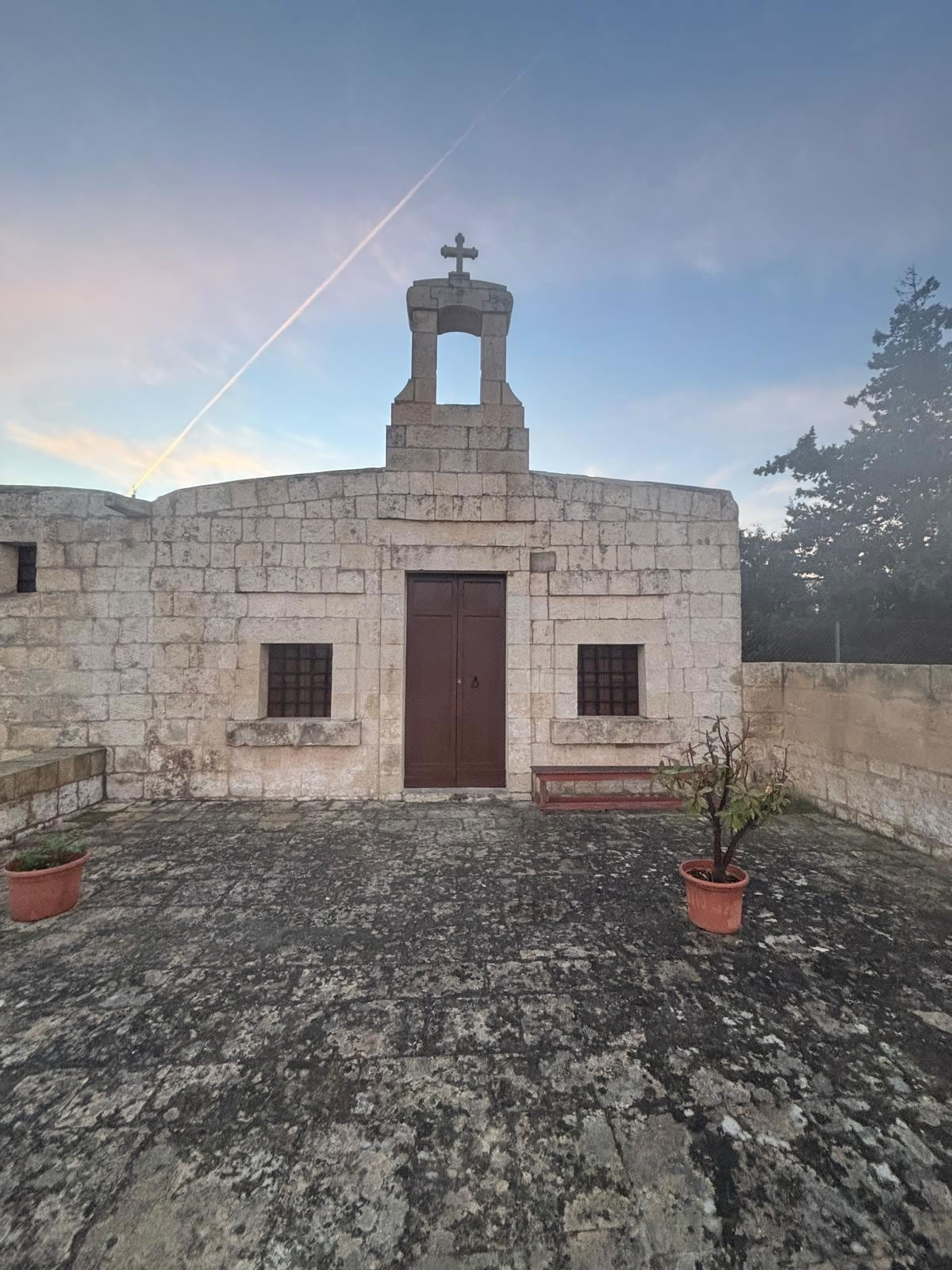
Detailed history: patronage, devotion and community tradition
St Lucy’s Chapel is commonly dated to 1535 and is frequently associated with the rural route linking the southern villages.
“Tal-Barrani” is widely understood as a reference to the outskirts—reflecting how the chapel sat outside the village core, serving fields, paths,
and a scattered rural population.
A key part of the chapel’s story is its documented connection to Cathedral Chapter patronage. The chapel is often described as being built
on land belonging to (or administered through) cathedral property, and linked to a canonical prebend system: an appointed canon was traditionally
expected to support the costs of the saint’s feast and to provide charitable help for the poor on St Lucy’s day. This practice is recorded as continuing into the
20th century, and is remembered as one of the chapel’s most distinctive community traditions.
From the 16th to 18th centuries, rural shrines could become well-known devotional destinations, and St Lucy’s Chapel is often described as attracting visitors
beyond its immediate area. In practical terms, it served as a spiritual waypoint for people working in the countryside—offering a local place for prayer, vow-making,
and occasional services tied to the agricultural calendar.
1535: commonly cited foundation date and beginning of documented patronage tradition.
16th–18th centuries: remembered as a strong devotional period for the chapel.
20th century: charitable feast-day custom recorded as lasting into the modern era.
Modern conservation: the chapel has been restored and maintained to preserve its fabric and public value.
Construction and architecture
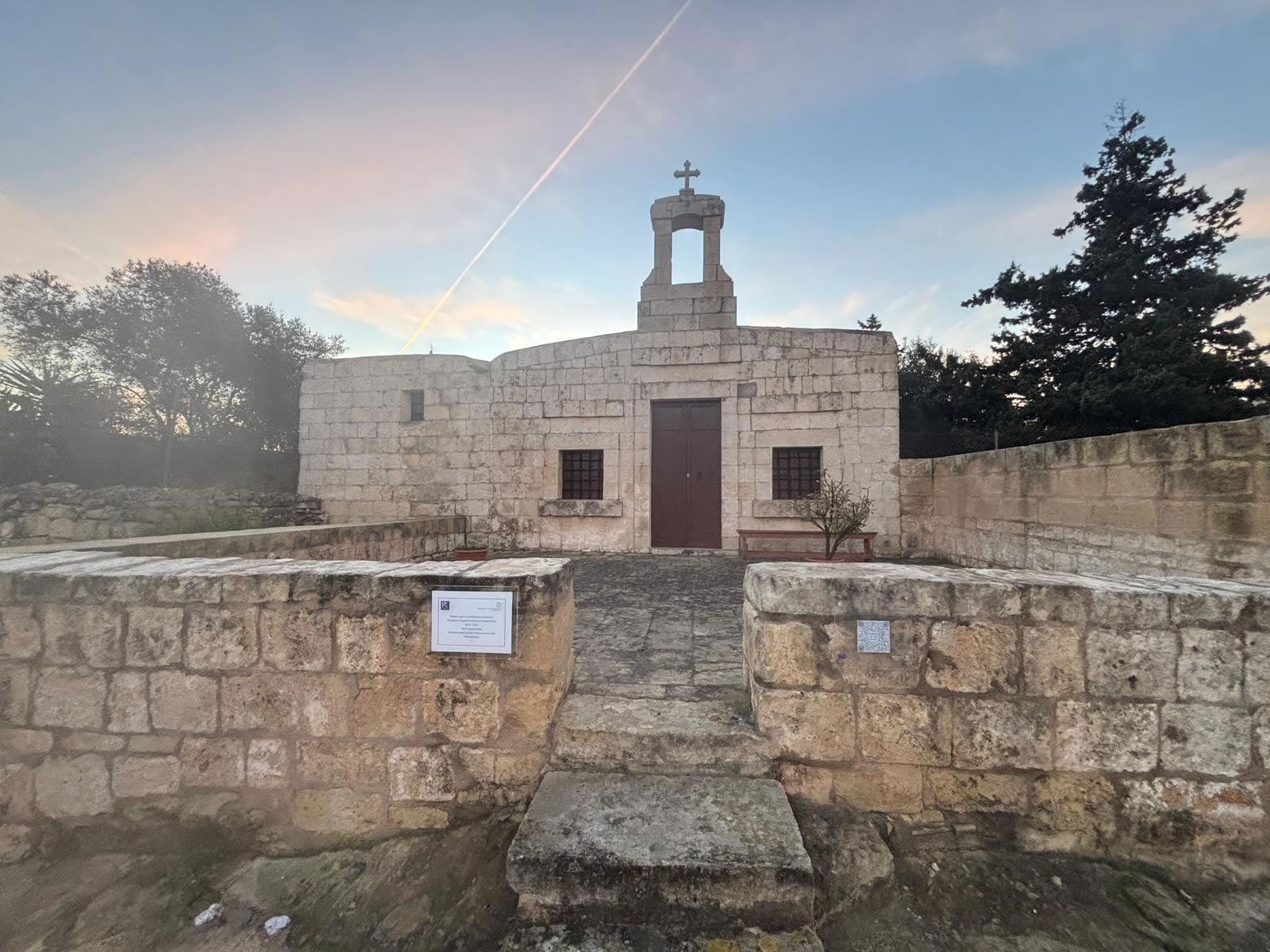
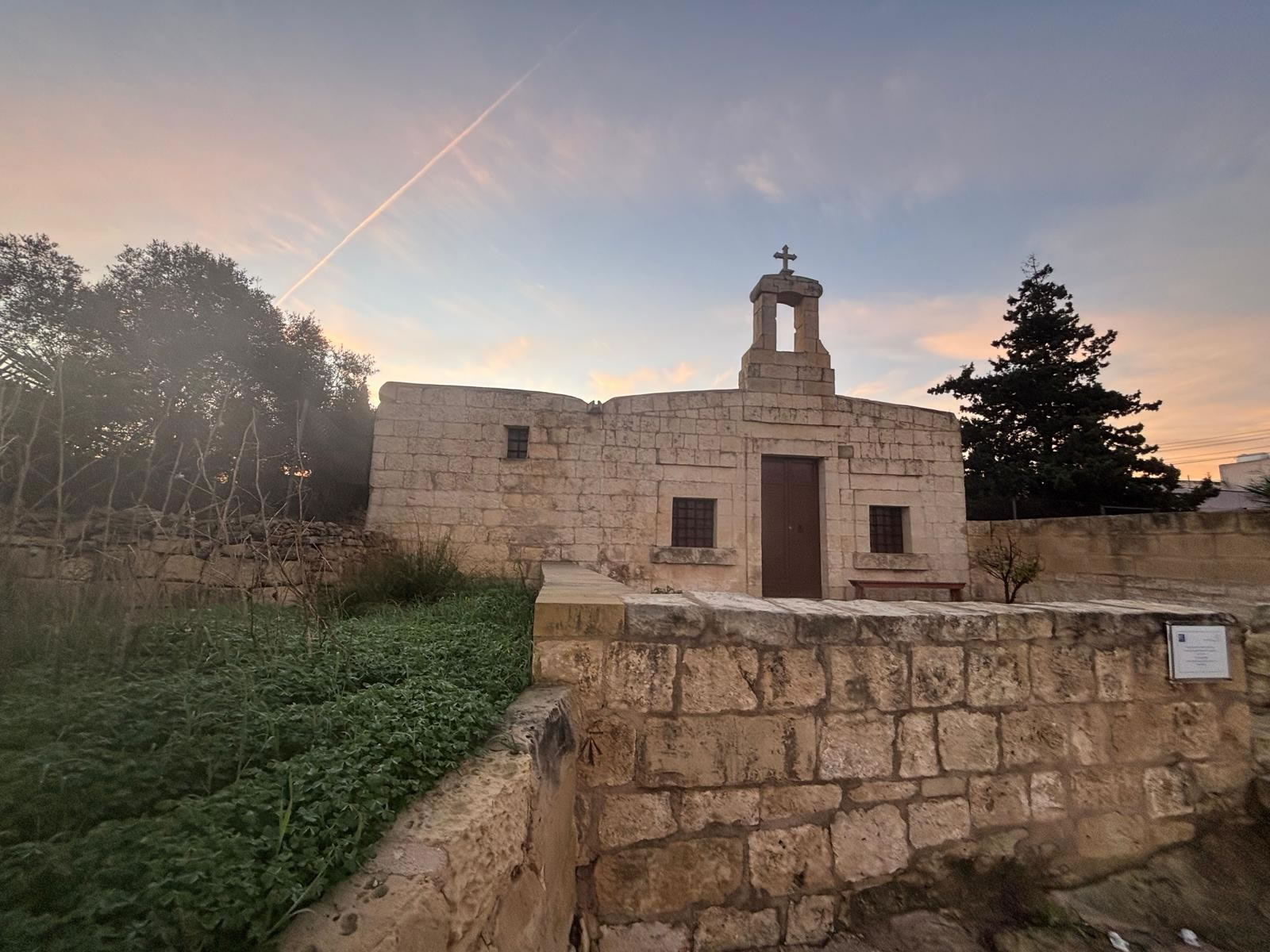
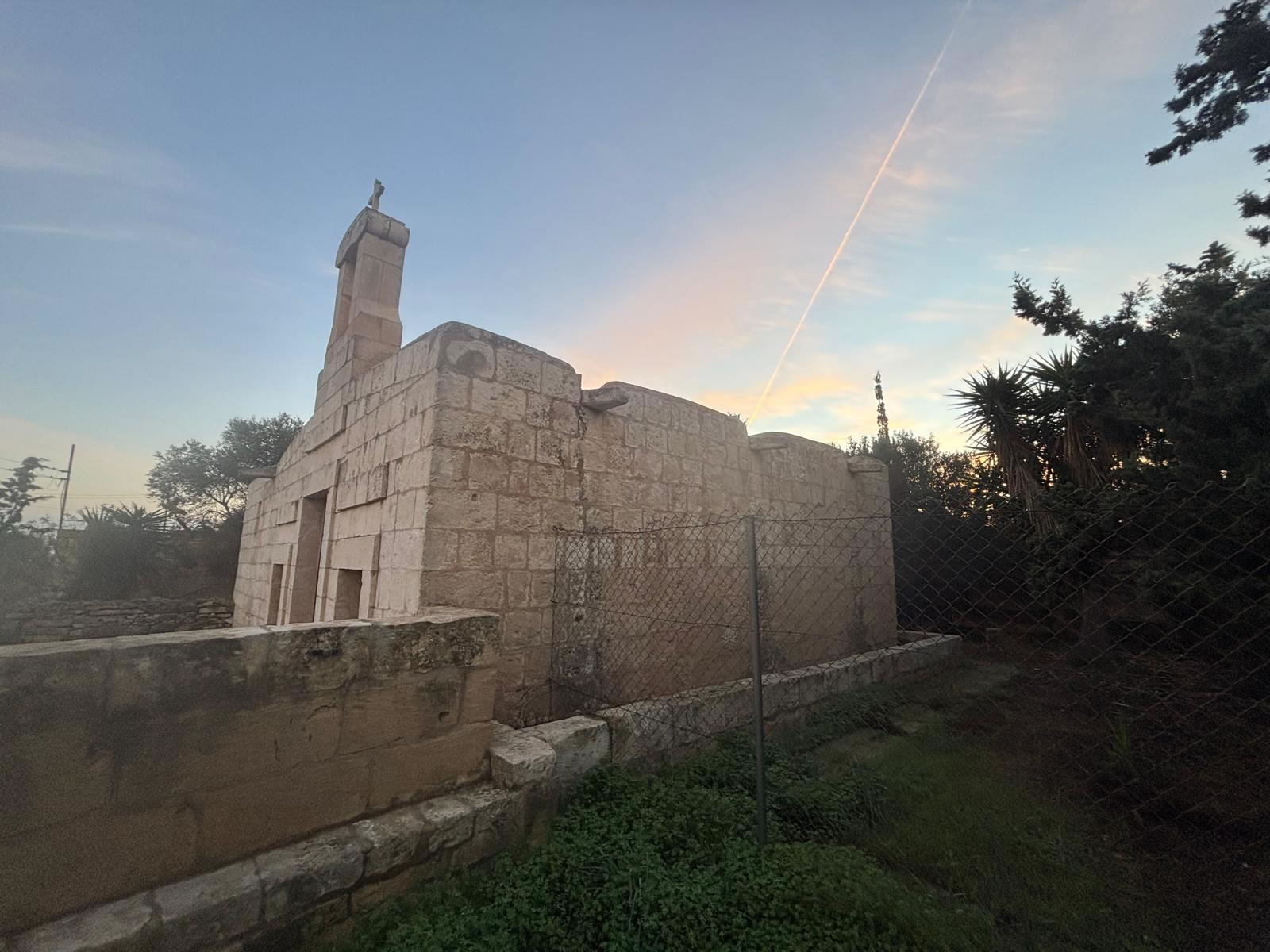
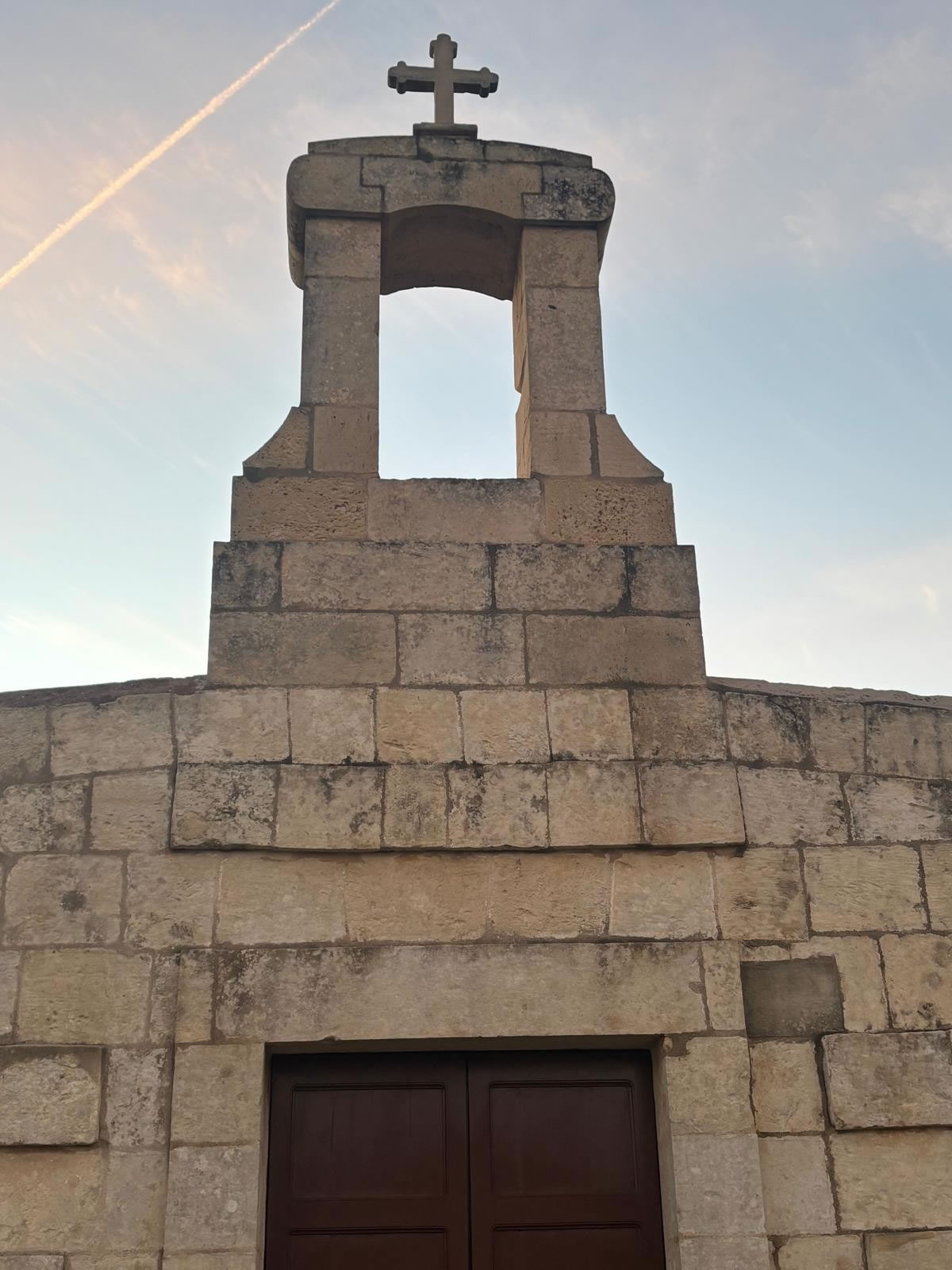
The chapel reflects the practical design of Maltese rural worship spaces: local limestone, a compact interior, and a simple devotional focus
centred on the altar. Its countryside setting is part of its meaning—small chapels were built to be close to fields and routes, allowing worship to remain
integrated with daily rural life.
- Materials: traditional Maltese limestone construction.
- Scale and plan: modest footprint intended for small gatherings and personal devotion.
- Later works: heritage descriptions often note rebuilding and additions (such as a sacristy) as the site’s use evolved.
Restoration and conservation
Like many rural chapels in Malta, St Lucy’s Chapel has required periodic conservation to protect its limestone fabric from weathering,
humidity, and long-term structural stress. Restoration works have focused on stabilising masonry, improving water management around the
building, and repairing traditional finishes so the chapel can remain safe and legible as a historic place of worship.
Conservation typically includes careful stone cleaning and re-pointing using compatible lime-based materials, attention to the roof and
water run-off to prevent damp, and repairs to openings such as doors and windows. Where interior surfaces are present, restoration aims to
preserve original layers and avoid intrusive modern finishes, keeping the chapel’s historic character intact.
These interventions help ensure the chapel’s continued use for occasional services and feast-day devotion, while also safeguarding it as a
valued element of Għaxaq’s wider cultural landscape.
Use over time: worship, feast day, and heritage value
Historically, St Lucy’s Chapel served a dual purpose: it was a place of prayer for people working in the surrounding countryside and also a focal point for
the saint’s feast-day devotion. The recorded tradition of funding the feast and distributing alms to the poor highlights how
religious life and social welfare were closely linked in Malta’s community structures.
Today, as with many rural chapels, access can be occasional—often tied to services, feast days, or heritage openings. Even when closed, the chapel remains a
significant landmark for understanding Malta’s network of countryside devotion and its layered cultural landscape.