Ta’ Ċieda Tower is one of Malta’s rare surviving Punic-Roman round-tower sites. It is generally dated to the
late Punic period (3rd century BC), with evidence that it remained relevant in the Roman era. Today, only the
lower masonry survives, but the site is important for understanding Malta’s ancient rural landscape and defensive/watch traditions.
Coordinates: 35.9074072, 14.4800292Period: Late Punic (3rd c. BC) Type: Round tower (Punic-Roman tower group)Investigated: 1960 (David H. Trump) What survives: lower base / ruins Management: San Ġwann Local Council
Date confirmation: Ta’ Ċieda is widely treated as a late Punic (3rd-century-BC) tower site, with continued
relevance in the Roman period.
Full detailed history
Context: Malta’s Punic-Roman round towers
Ta’ Ċieda belongs to a small group of round towers found in Malta, typically characterised by circular plans and large ashlar blocks
associated with late Punic construction. While their exact purpose remains debated, the towers are generally placed in the late Punic
period and are known to have been in use during the Roman era as well.
Late Punic (Punic-era) origins
The tower is commonly dated to the 3rd century BC and is frequently discussed as a Punic-era structure (Phoenician/Carthaginian sphere),
sometimes later adapted or reused under Roman administration—hence the popular local label “Roman Tower.”
Roman-period use and landscape
The wider corpus on Punic-Roman towers notes that finds and use-phases indicate Roman-era activity at multiple tower sites, supporting the
view that these points remained relevant in Malta’s countryside networks. Ta’ Ċieda is consistently included among these Punic-Roman towers.
Later activity and memory
Summaries of Ta’ Ċieda also mention later reuse of the broader site area across subsequent periods, illustrating how prominent ruins in Malta
often remained “active places” long after their original function ended.
Modern recognition and archaeological investigation
The tower site was investigated archaeologically in 1960 by the British archaeologist David H. Trump.
It is also referenced in heritage overviews by San Ġwann’s local council as one of the locality’s key ancient remains.
Construction and what survives today
Round-tower form and materials
Malta’s Punic-Roman towers are characterised by circular plans and large ashlar blocks typical of late Punic building practice.
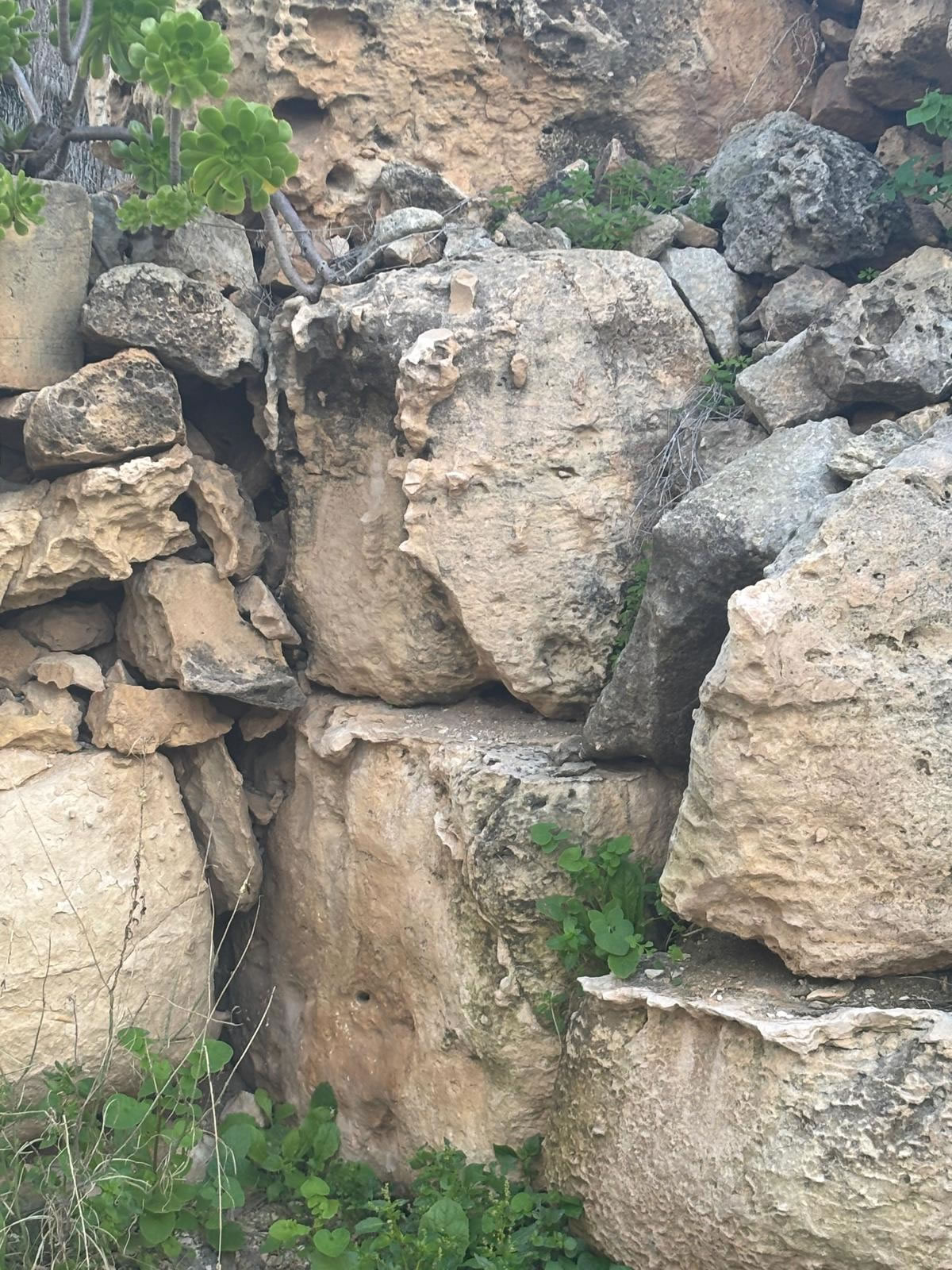
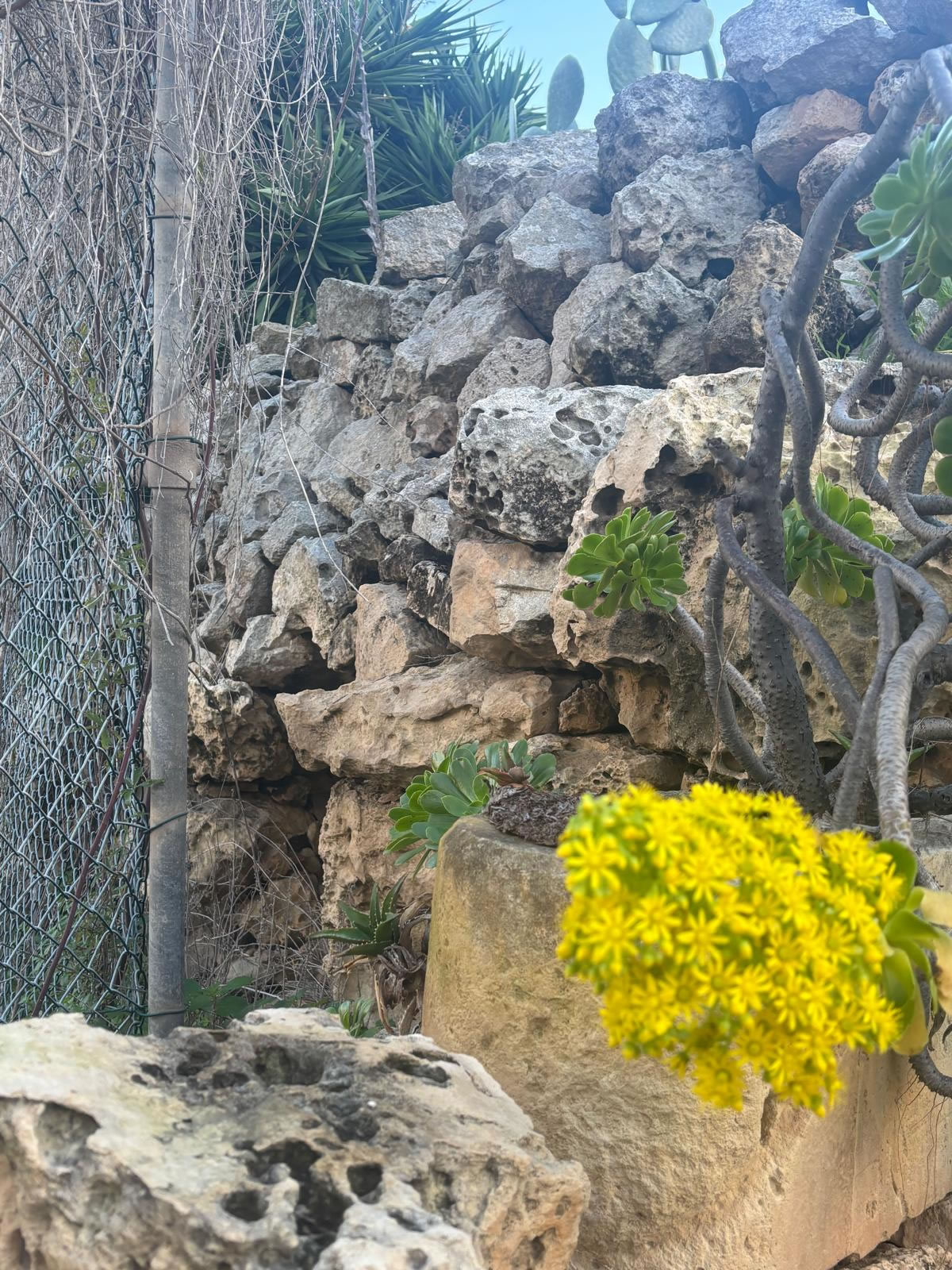
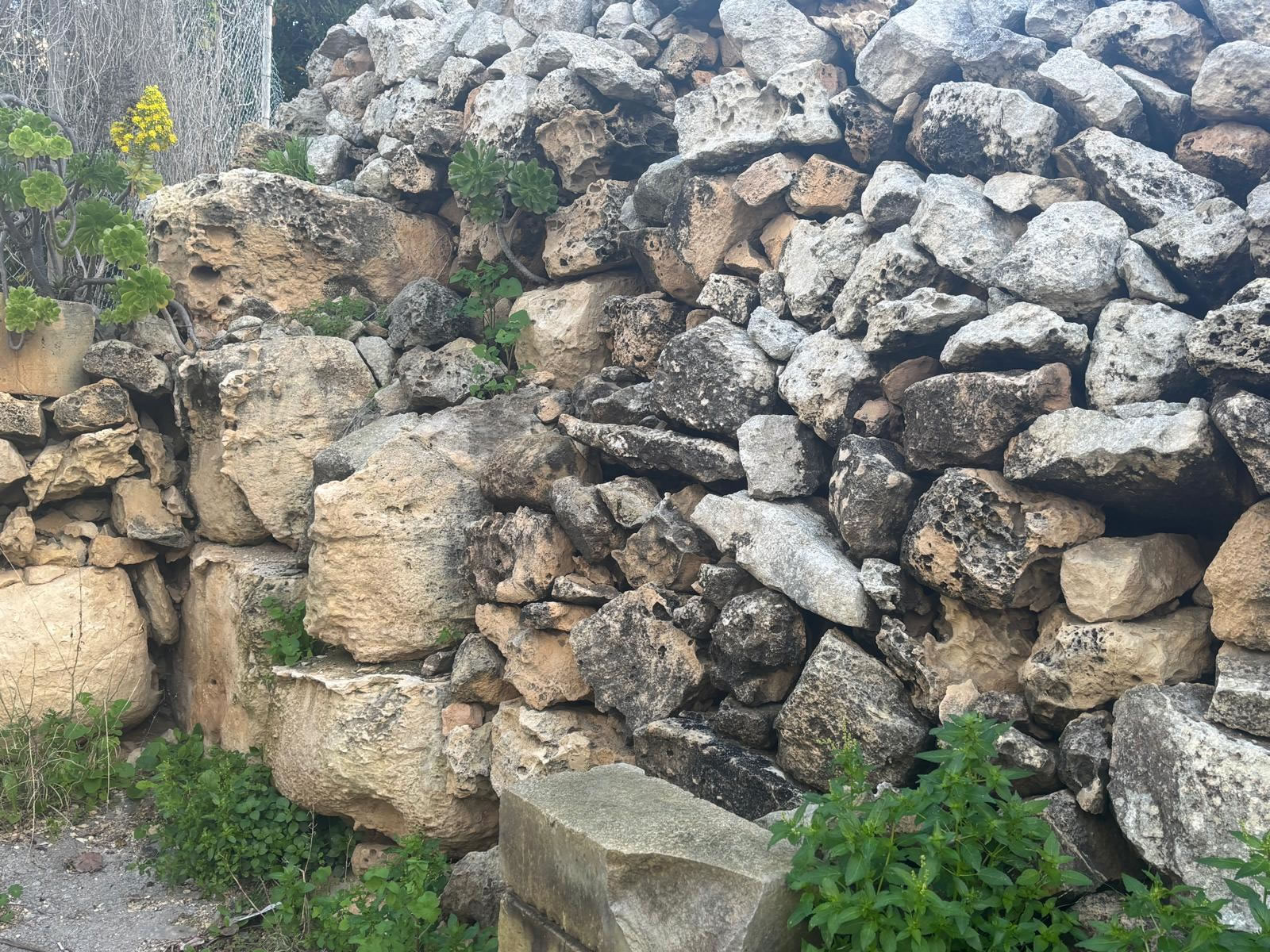
Ta’ Ċieda is recorded as a round tower built in limestone, but only the lower fabric survives, allowing its overall footprint and masonry
technique to still be appreciated on site.
Cistern links
Heritage overviews of the tower group note that ancient cisterns have been identified at some sites, including Ta’ Ċieda and Ta’ Ġawhar,
reinforcing the idea that water management was part of how these rural points operated.
On-site experience: Ta’ Ċieda is a “read the landscape” site—best understood by observing the tower footprint, the stone courses,
and how the location would have commanded views across the surrounding terrain.
Conservation and management
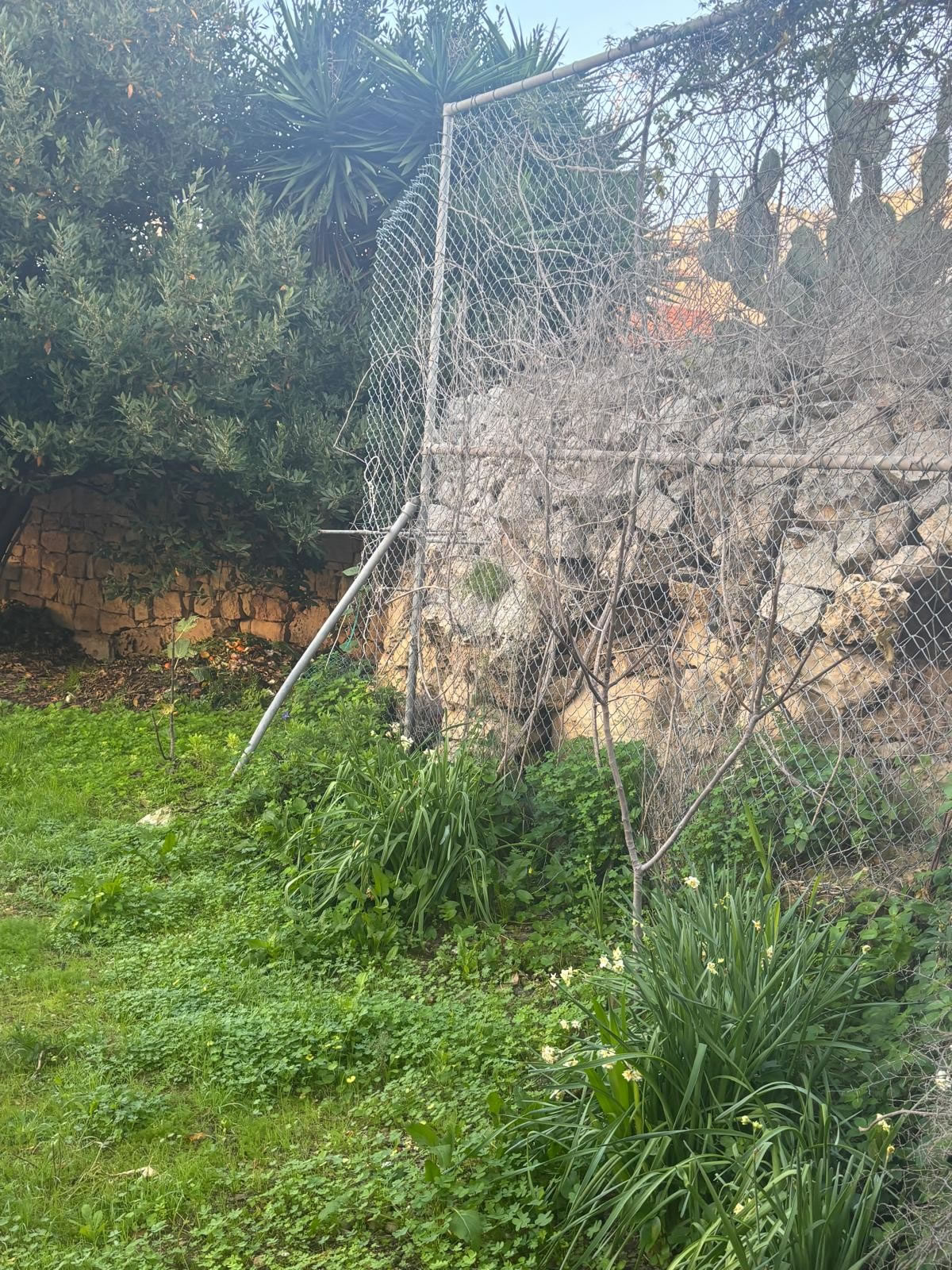
Ta’ Ċieda survives primarily as a low ruin and is generally treated as a small open-air archaeological point. The site is recorded as being
under Maltese government ownership and managed locally, with public access.
Typical conservation needs for exposed limestone ruins
Controlling vegetation and root intrusion around stone courses
Monitoring loose blocks and preventing casual displacement
Managing runoff and pooling water that accelerates stone decay
Clear, minimal interpretation panels to discourage climbing while improving understanding
Use: ancient purpose and modern role
Ancient role (best-supported interpretation)
The precise function of Malta’s Punic-Roman towers is not definitively known, but their form and distribution support interpretations
as countryside watch/defensive points, signalling stations, or elements within rural estate systems. Ta’ Ċieda is consistently discussed
within this tower network context.
Modern role
Today, Ta’ Ċieda Tower serves as a local heritage landmark—an accessible reminder of the ancient landscape that once existed across the
central Maltese countryside. It is especially valuable educationally, since round Punic-Roman towers are rare survivals on the islands.
Timeline
3rd century BC
Commonly dated to the late Punic period; round-tower site established.
Roman period
Tower group evidence supports Roman-era use at multiple sites; Ta’ Ċieda included in the Punic-Roman tower corpus.
1960
Investigated archaeologically by David H. Trump.
Today
Lower remains visible; managed locally as a small open-air heritage point.
Visiting notes
Ta’ Ċieda Tower is in San Ġwann and is generally visited as a quick stop. Because it is a low ruin, there may be no formal visitor facilities.
Please avoid climbing or moving stones, and treat the site as fragile cultural heritage.
Respect the archaeology: even small stone displacements can damage context. Photograph, observe, and leave the fabric exactly as found.