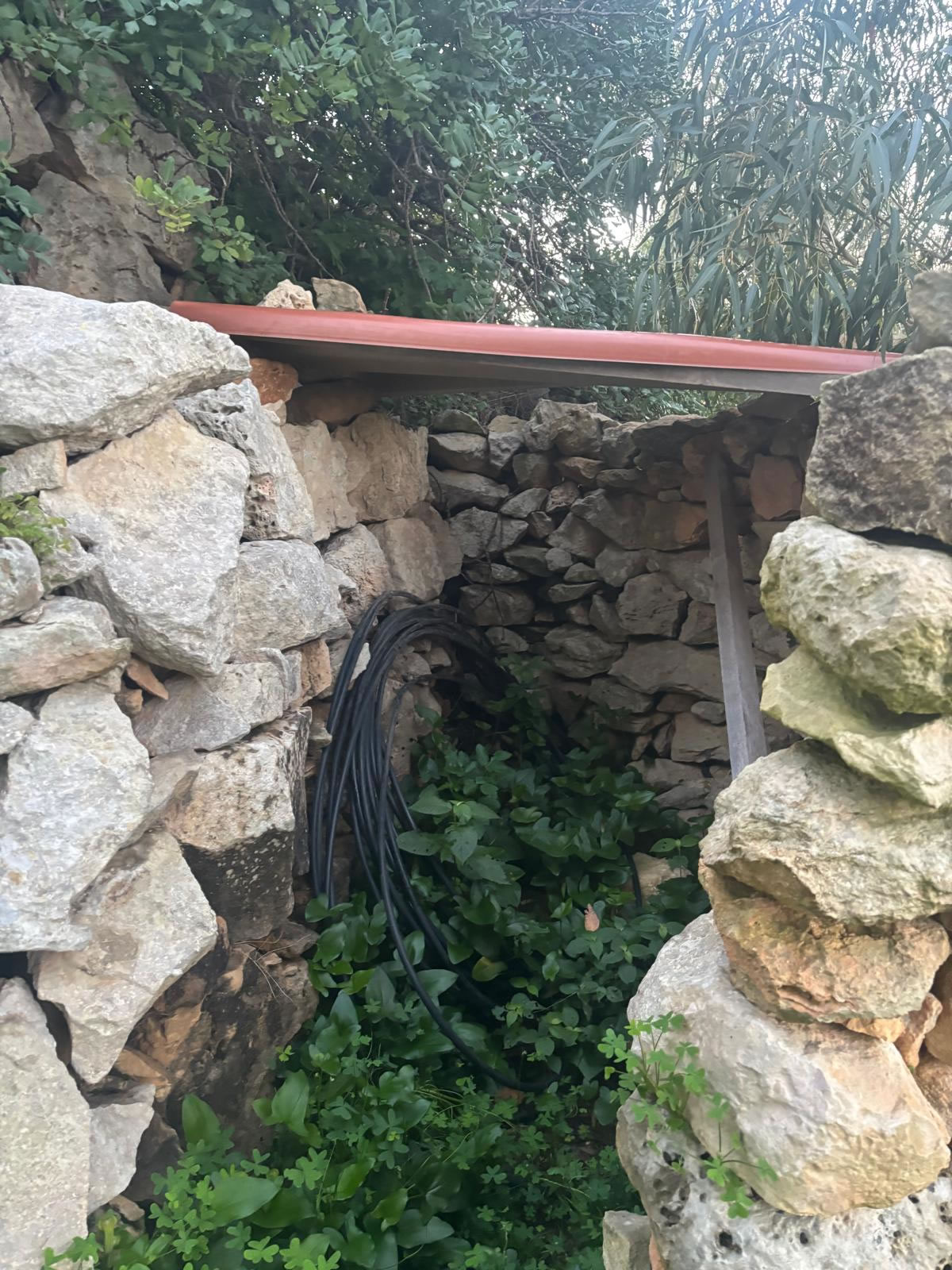
Overview and Historical Setting
The Maltese Islands sit at the centre of Mediterranean sea routes, and Malta’s landscape has long been shaped by the need to monitor movement—by sea and across inland corridors. A small group of ancient round towers survives on Malta, generally discussed within a Punic–Roman timeframe. Ta’ Ġawhar is widely regarded as the best-preserved example.
When Was Ta’ Ġawhar Tower Built?
Ta’ Ġawhar Tower is generally dated to the 3rd century BC and is often linked to the unsettled period associated with the Punic Wars. The tower appears to have remained useful into the Roman period, demonstrating how strategic places can be reused and reinterpreted across centuries.
Construction and Architecture
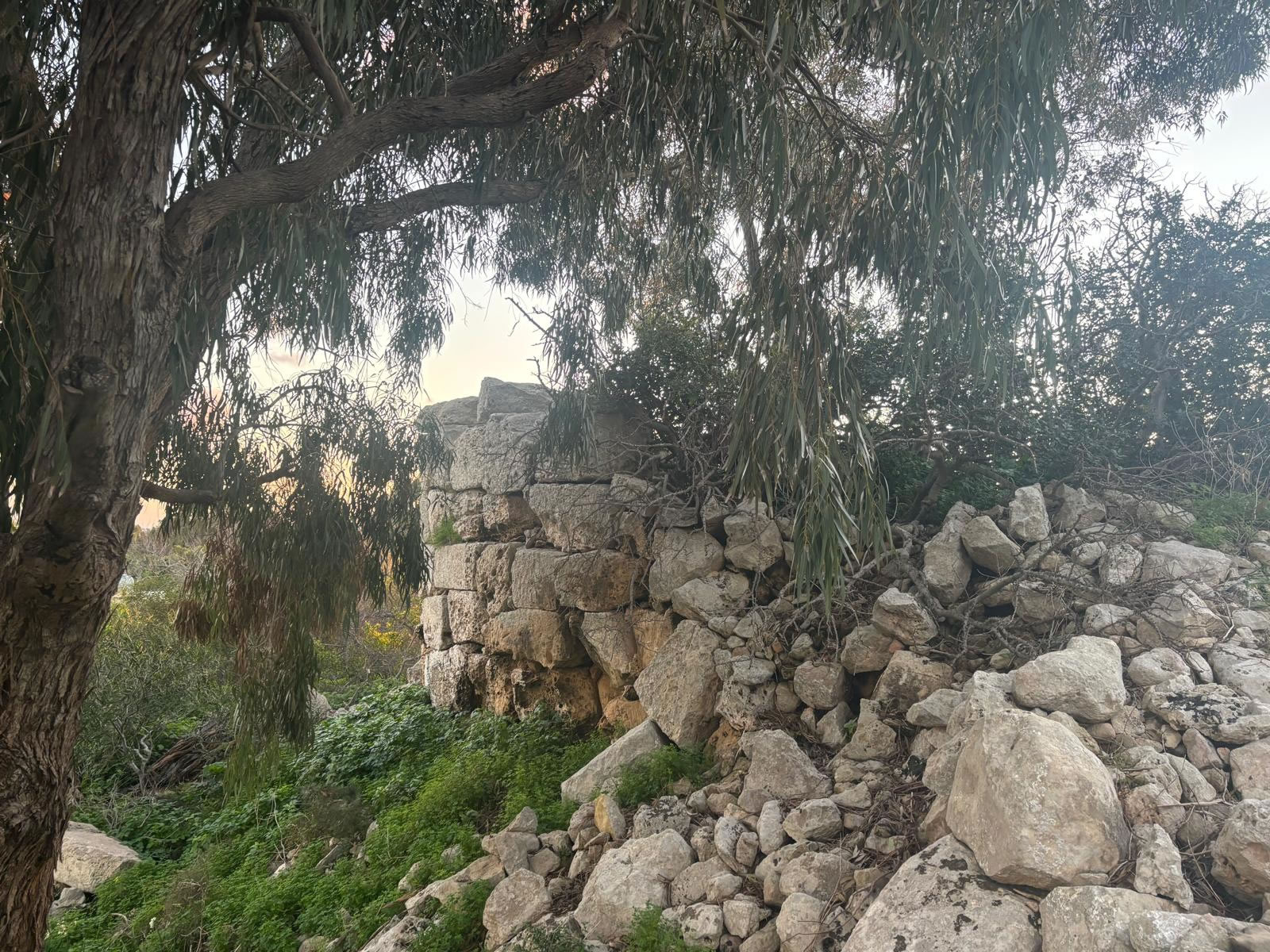
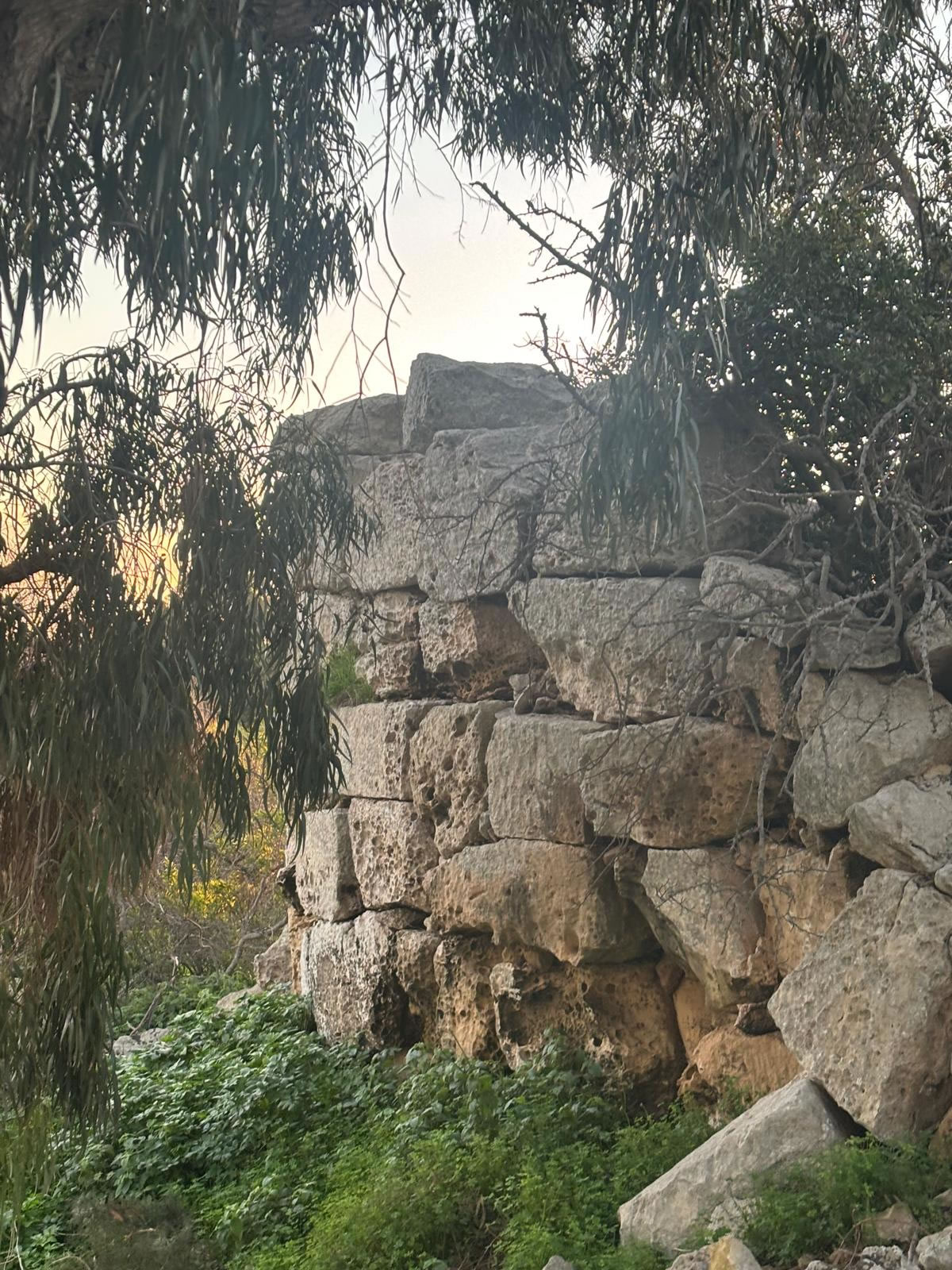
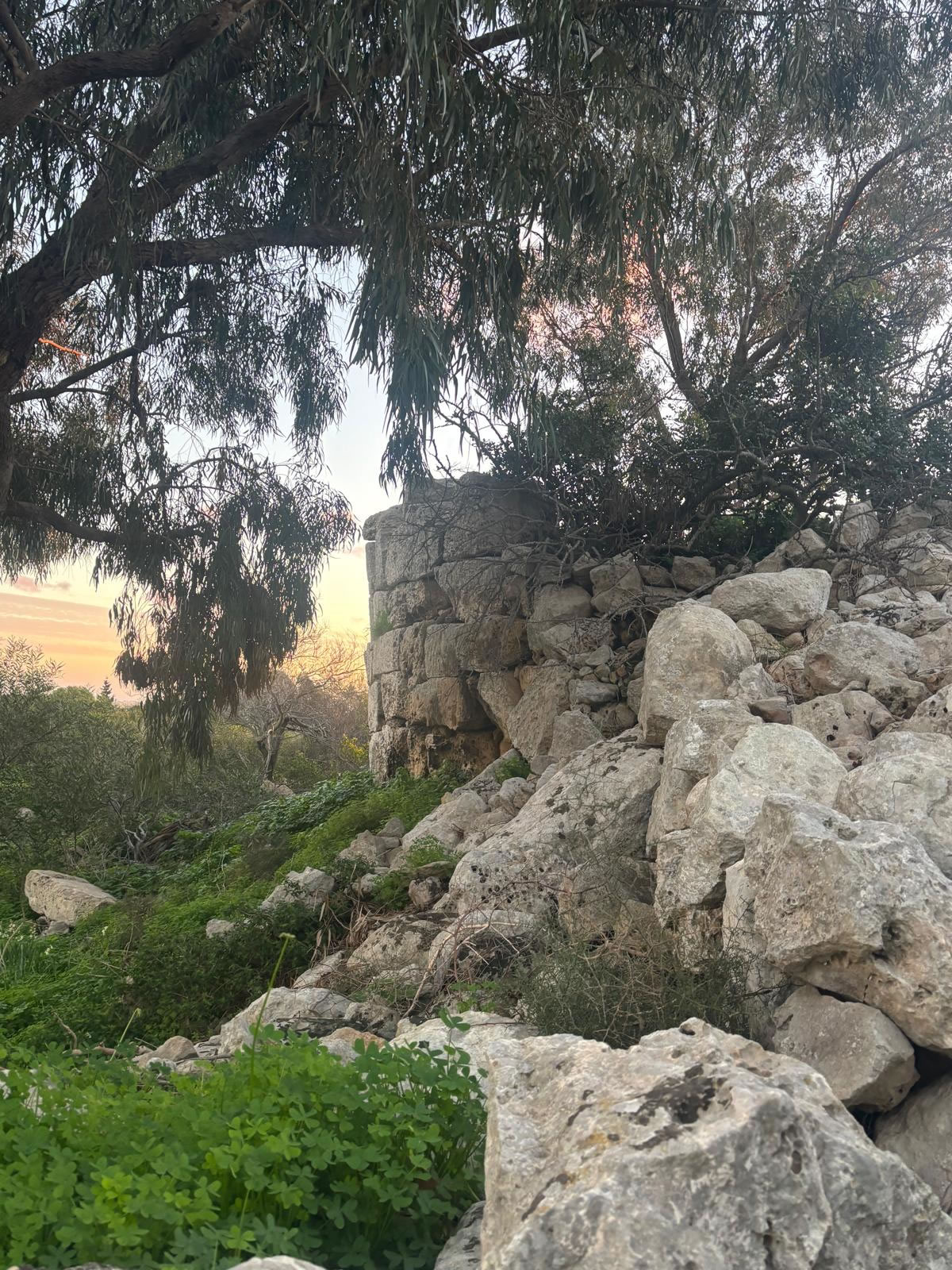
The surviving base shows a powerful circular structure built from large ashlar blocks—a hallmark often associated with Punic masonry traditions. At foundation level, the walls are exceptionally thick (reported at around 3 metres), helping explain why the lower courses still stand today.
The tower’s overall diameter is typically given as roughly 14–16 metres, and excavations identified a rectangular cistern attached to the tower, hinting at long-term use and the practical requirements of a manned or frequently visited outpost.
Excavations and Finds
Ta’ Ġawhar Tower was excavated in the 1960s by archaeologist David H. Trump. The investigation produced an exceptional group of finds, including metalwork and personal items, as well as the famous carbonised bread roll—a rare survival that adds human detail to the site’s dramatic end.
Coins recovered during excavation have been used to help interpret activity and later phases, and Trump proposed that the tower’s destruction occurred toward the end of the 3rd century AD. As with many ancient sites, these interpretations depend on archaeological context and ongoing scholarship.
Destruction and Later History
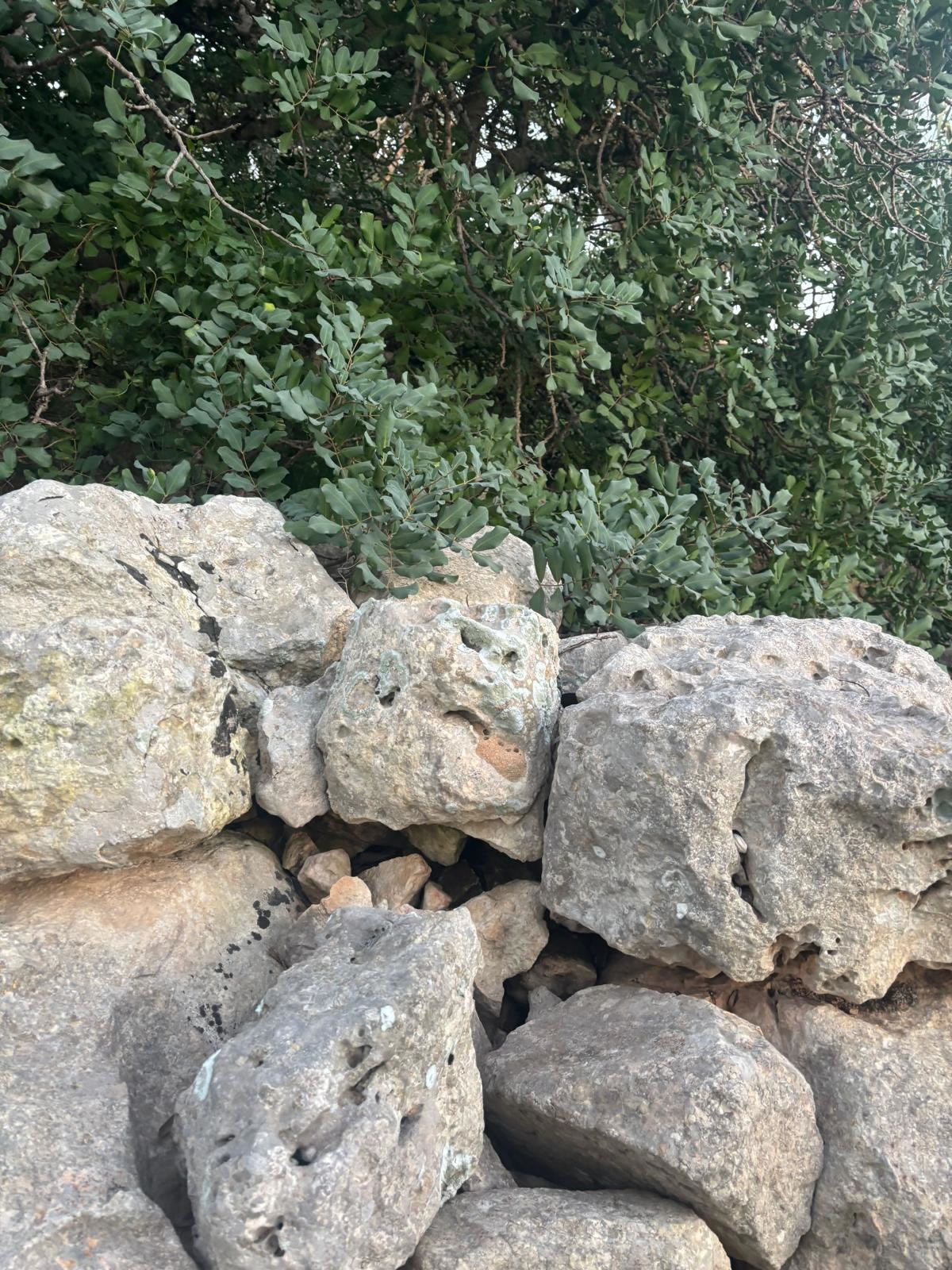
Evidence from excavation suggests the tower suffered a destructive event—often discussed as a burning episode—after which parts of the structure collapsed. Over time, agricultural activity and natural processes altered the surrounding landscape, leaving today’s visible remains: the lower courses and scattered ruin.
Protection and Heritage Value
Ta’ Ġawhar Tower is recognised as an important cultural property. Its survival, excavation record, and artefacts (including the celebrated “bread and fire” narrative) make it one of the most important reference sites for Malta’s Punic–Roman tower tradition.
Location and Map
Ta’ Ġawhar Tower lies between Ħal Safi and Ħal Far, in a rural setting. Use the map below for orientation and plan for uneven ground and limited on-site facilities.