Why Ta’ Wilġa Tower Matters
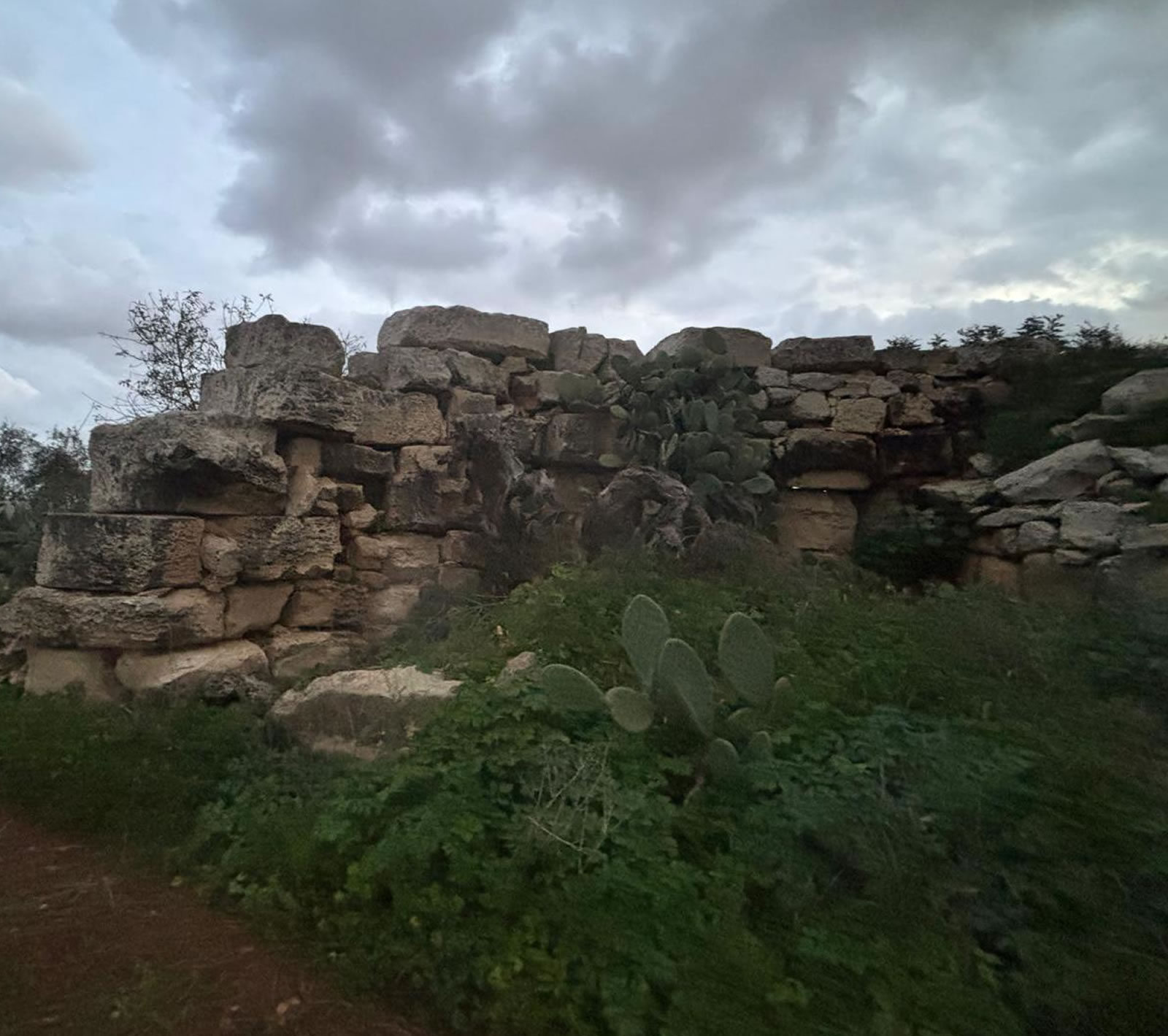
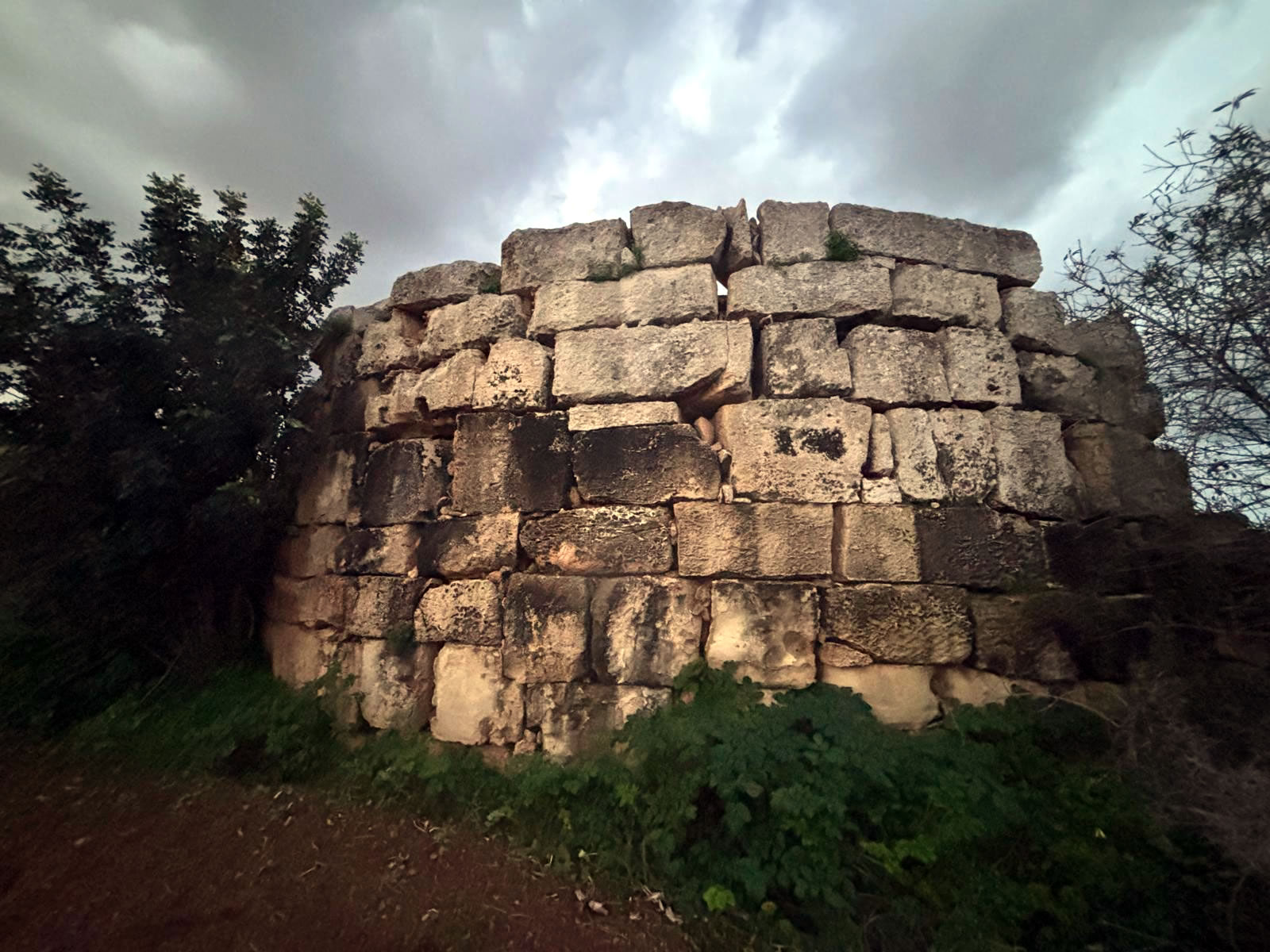
Ta’ Wilġa is frequently grouped among a small number of ancient, circular “round tower” sites on Malta, noted for their robust masonry and strategic placement. Unlike later medieval and early-modern towers, these structures are associated with earlier phases of island defence and signaling, and are therefore rare, easily damaged, and archaeologically significant.
Origins and Dating
The tower’s dating is commonly discussed within a broad Punic–Roman horizon. Some interpretations connect such towers to a late Punic context (linked to Mediterranean conflict and coastal warning systems), while other scholarship places at least part of the round-tower tradition in the Roman period, sometimes described as a network intended to provide early warning toward major settlements.
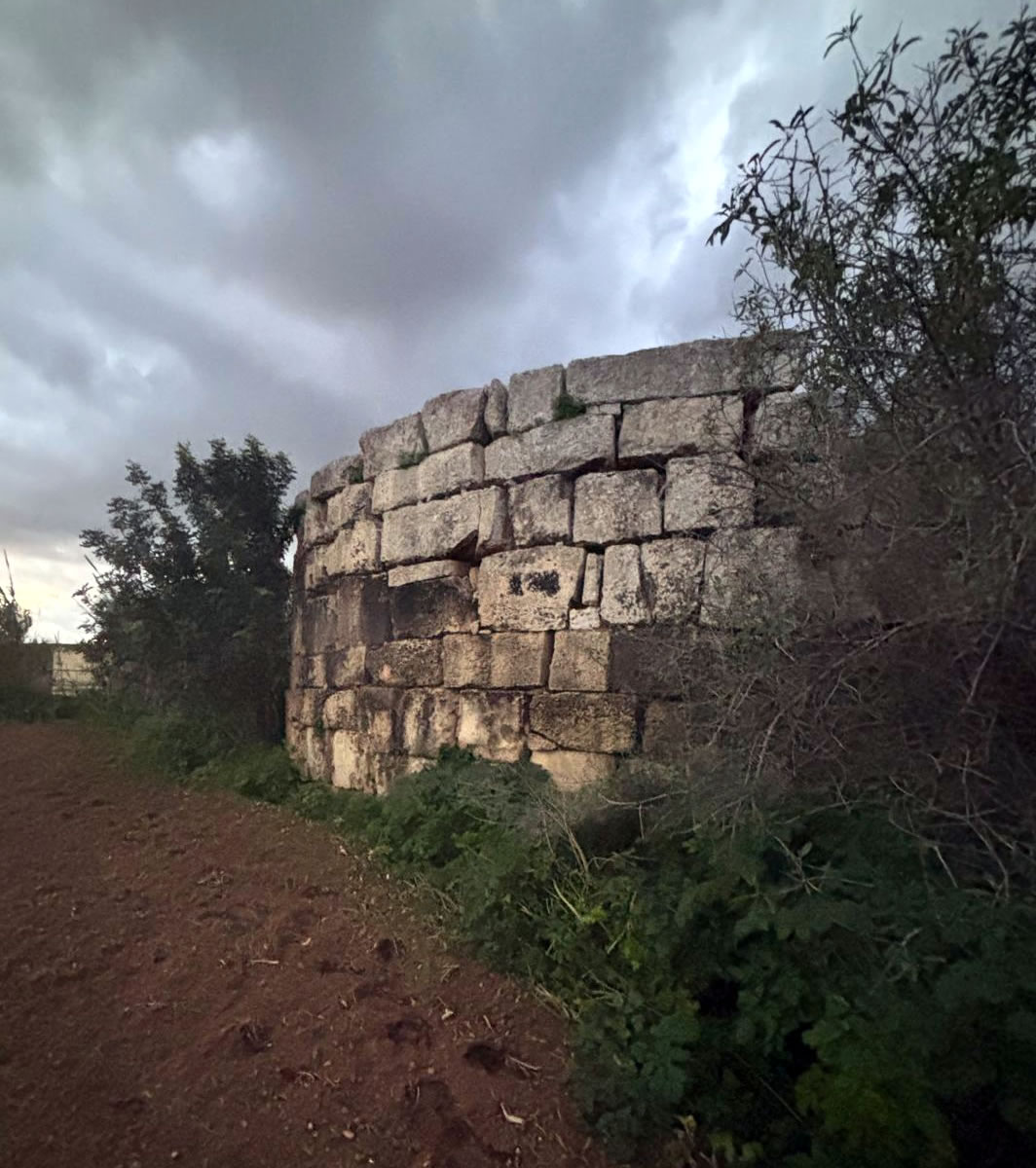
Because the structure is built in an imposing megalithic technique and survives only in part, its chronology has remained a subject of investigation rather than certainty. Modern archaeological work has therefore focused on foundations, construction sequences, and surrounding deposits to clarify when the tower was first erected and how it was used.
Construction and Architecture
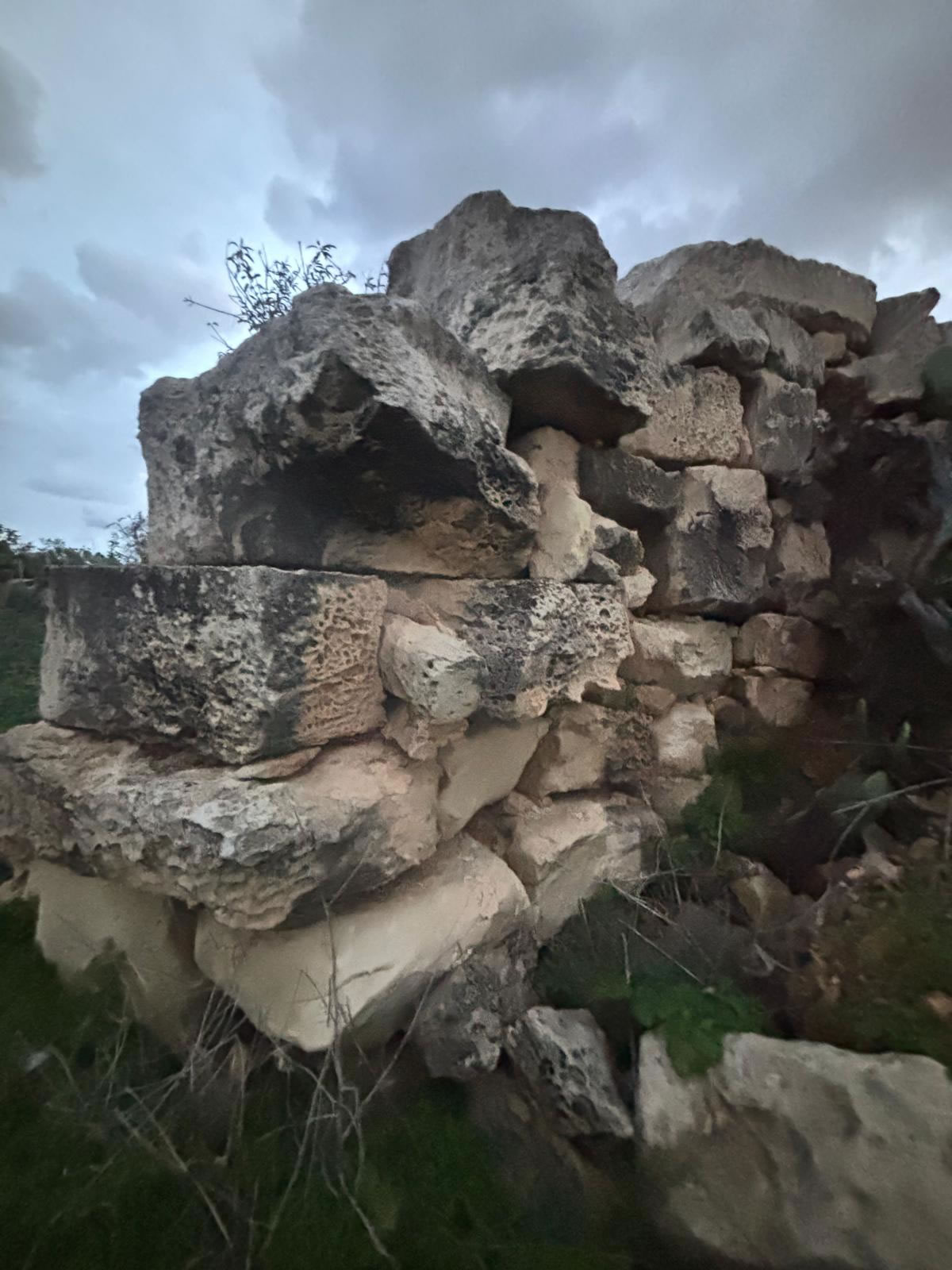
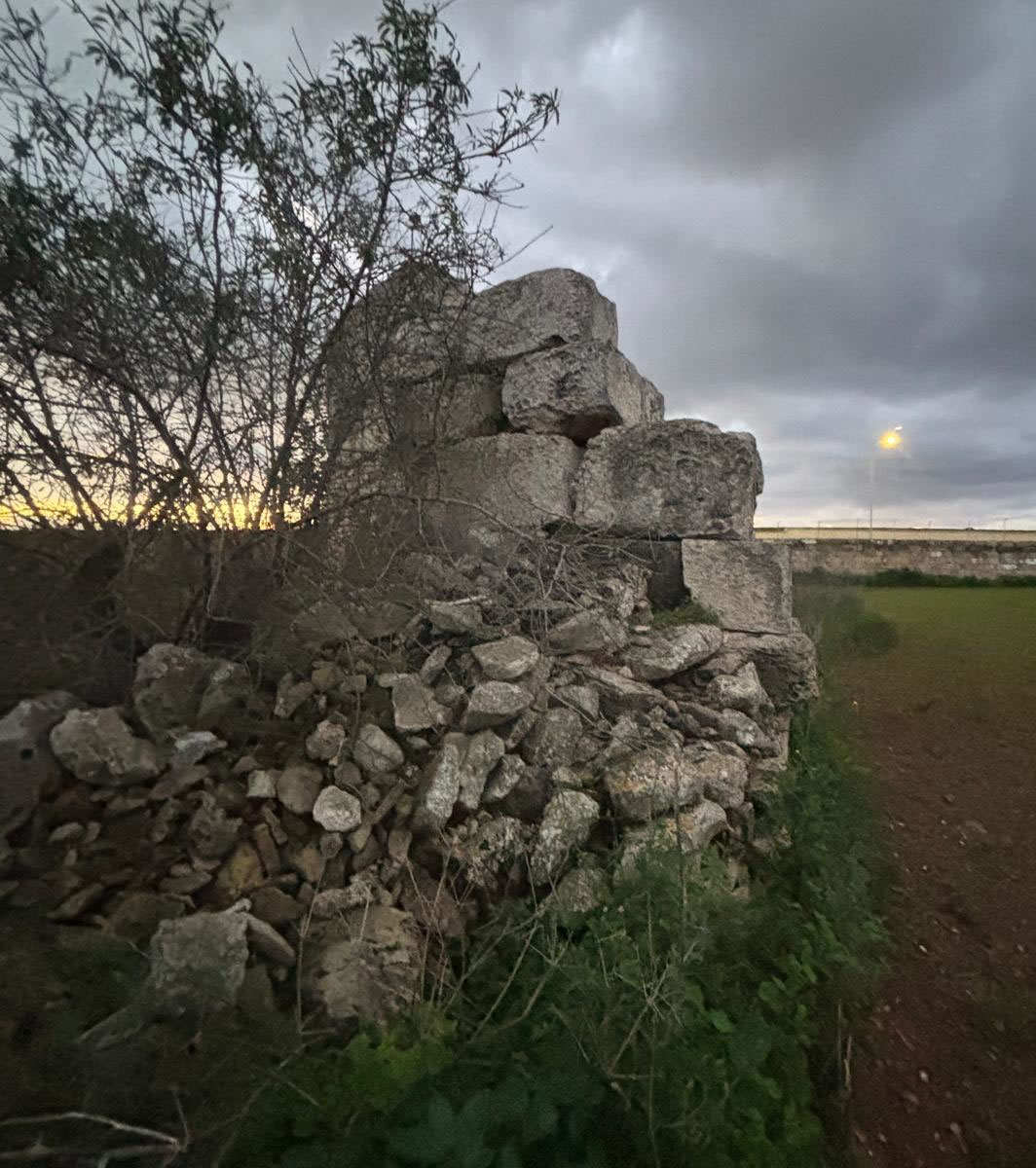
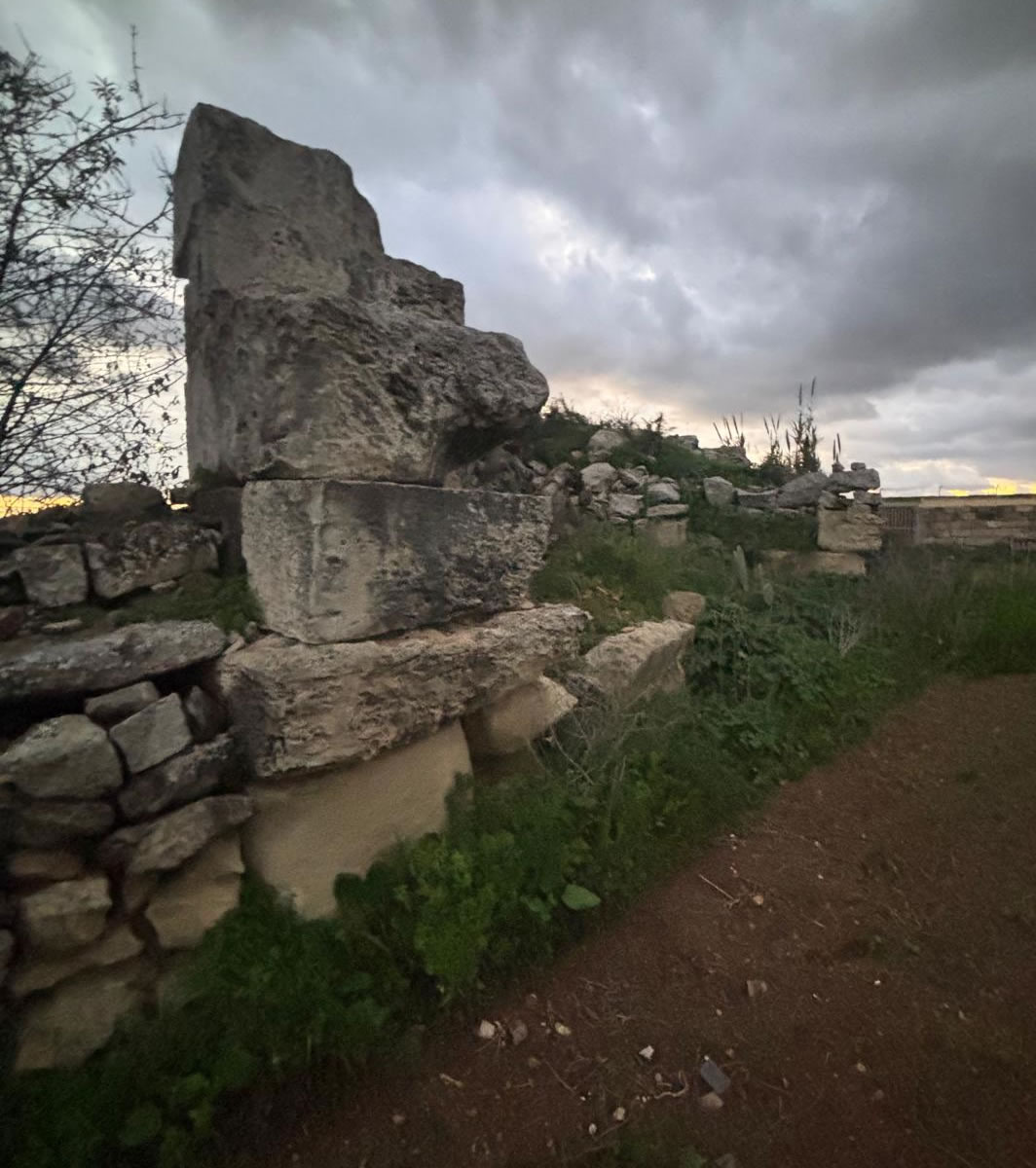
Ta’ Wilġa is characterised by a circular plan and heavy stone construction. Reports from fieldwork describe a substantial round structure built with large blocks, representing a building tradition that prioritised mass and stability over height. This form is consistent with a clarifying role as a lookout, signal point, or local strong-point rather than a fully garrisoned fortress.
Use and Function
While the tower’s exact operational history is still being studied, round towers in Malta are typically interpreted as part of a visibility-based system: a chain of elevated points that could communicate danger, movement, or coastal activity via line-of-sight signalling. In practical terms, this would have turned the surrounding landscape into an “information network” — long before modern communications.
Archaeology and Modern Investigation
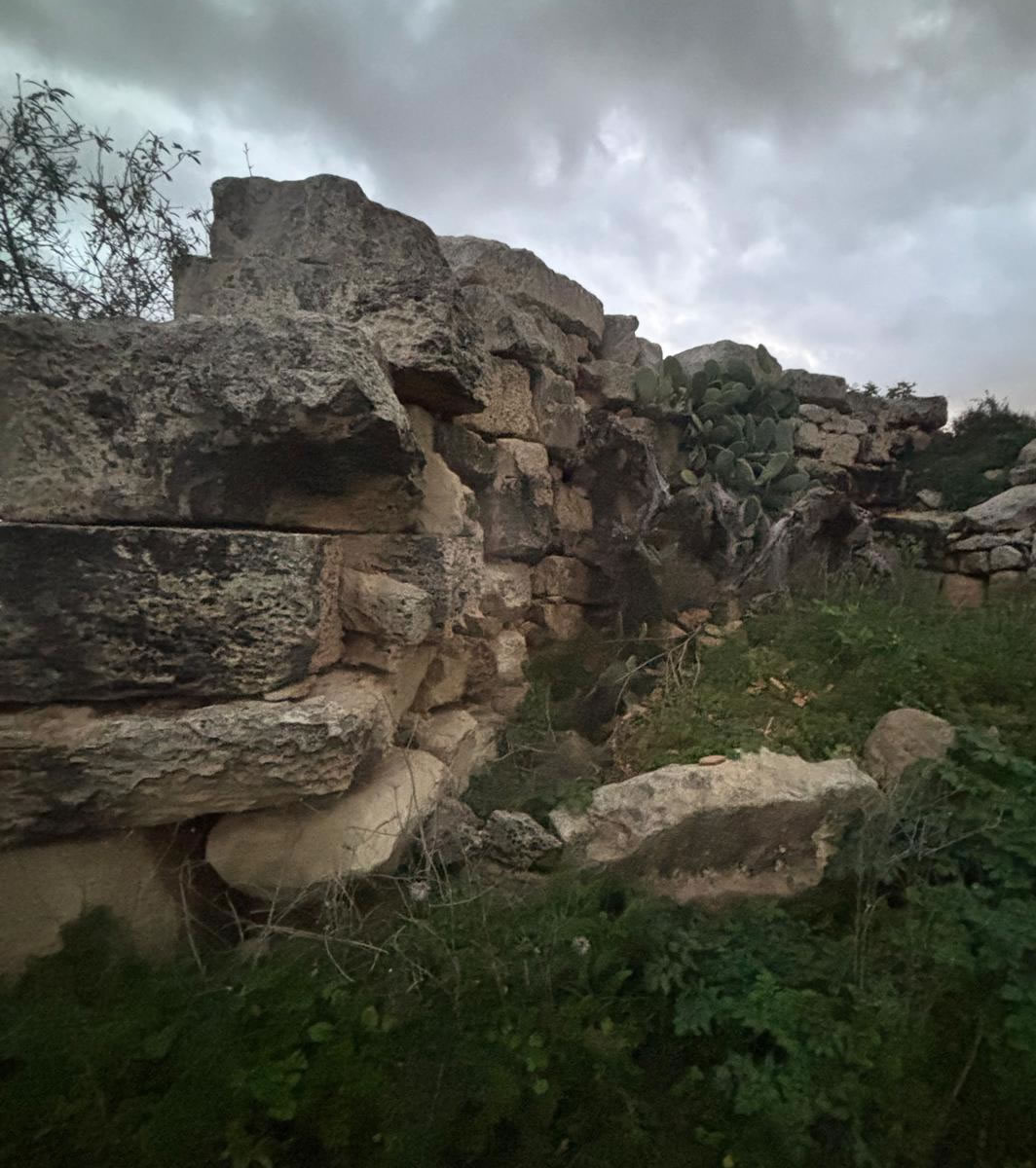
Ta’ Wilġa has drawn renewed attention in recent years through documented archaeological interest and collaborative research initiatives. Excavation and survey efforts have aimed to understand the tower’s foundation, its building phases, and the wider archaeological context — including how later activity may have altered the surrounding terrain.