📍 Location
Location Map Coordinates 35.8473304, 14.4451176
Quick highlights
- Historic role: main chapel of a medieval village community
- Architecture: late-medieval doorway and pointed/lancet arches supporting a stone-slab roof
- Notable detail: later bell-gable and stone gallery features
- Tradition: annual rural feast linked to the Assumption (mid-August)
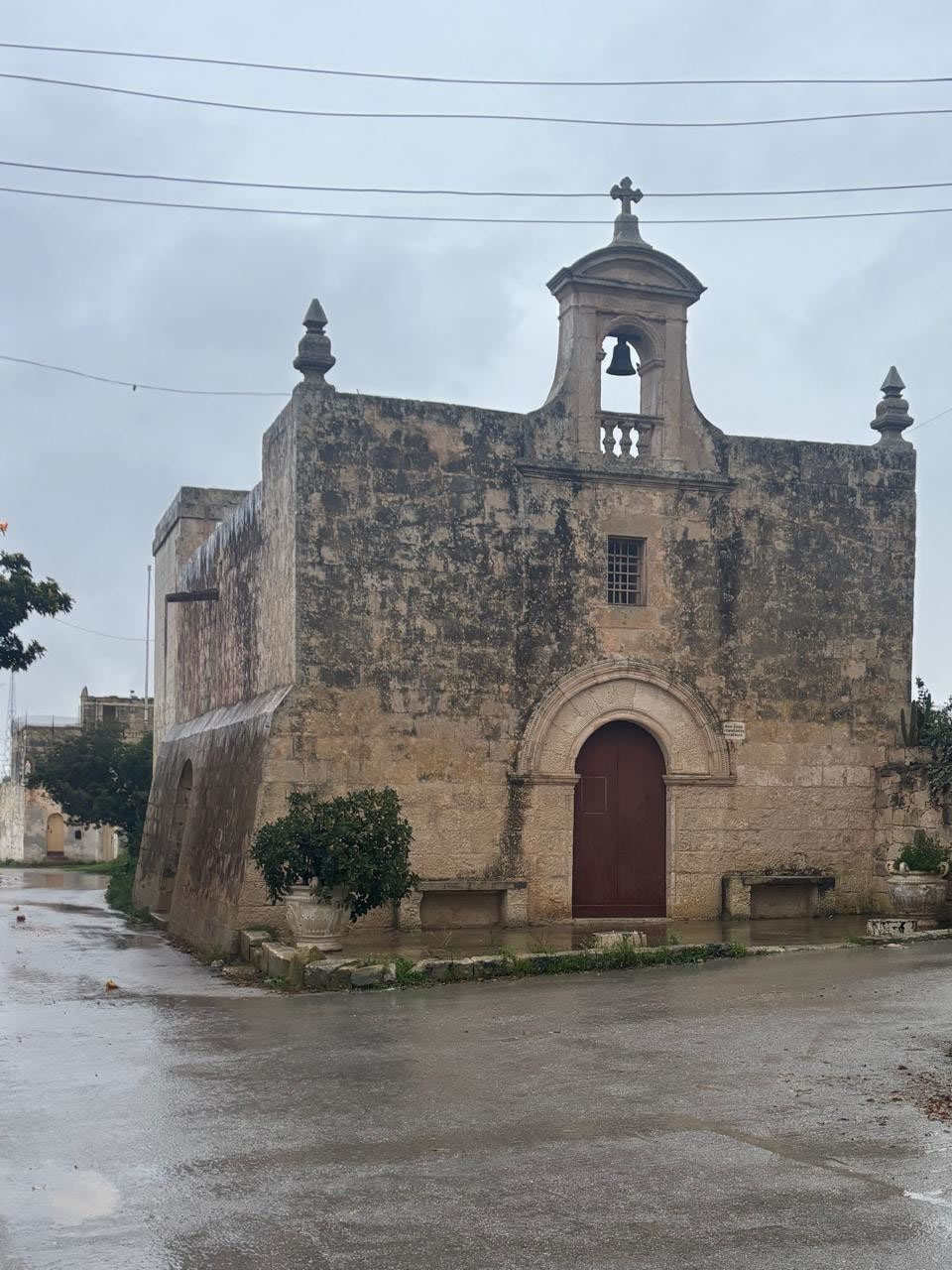
Overview
Ħal Xluq is remembered today as a small, older settlement pattern—an early rural cluster whose name survives in the place itself. The chapel stands as the most important physical reminder of that medieval community, preserving architectural forms that are rare on modern Malta: a church of modest scale, built for a small population, yet supported by a strong devotional tradition.
Map tip: Use 35.8473304, 14.4451176 for GPS navigation to the chapel.
Full detailed history
Medieval origins in the hamlet of Ħal Xluq
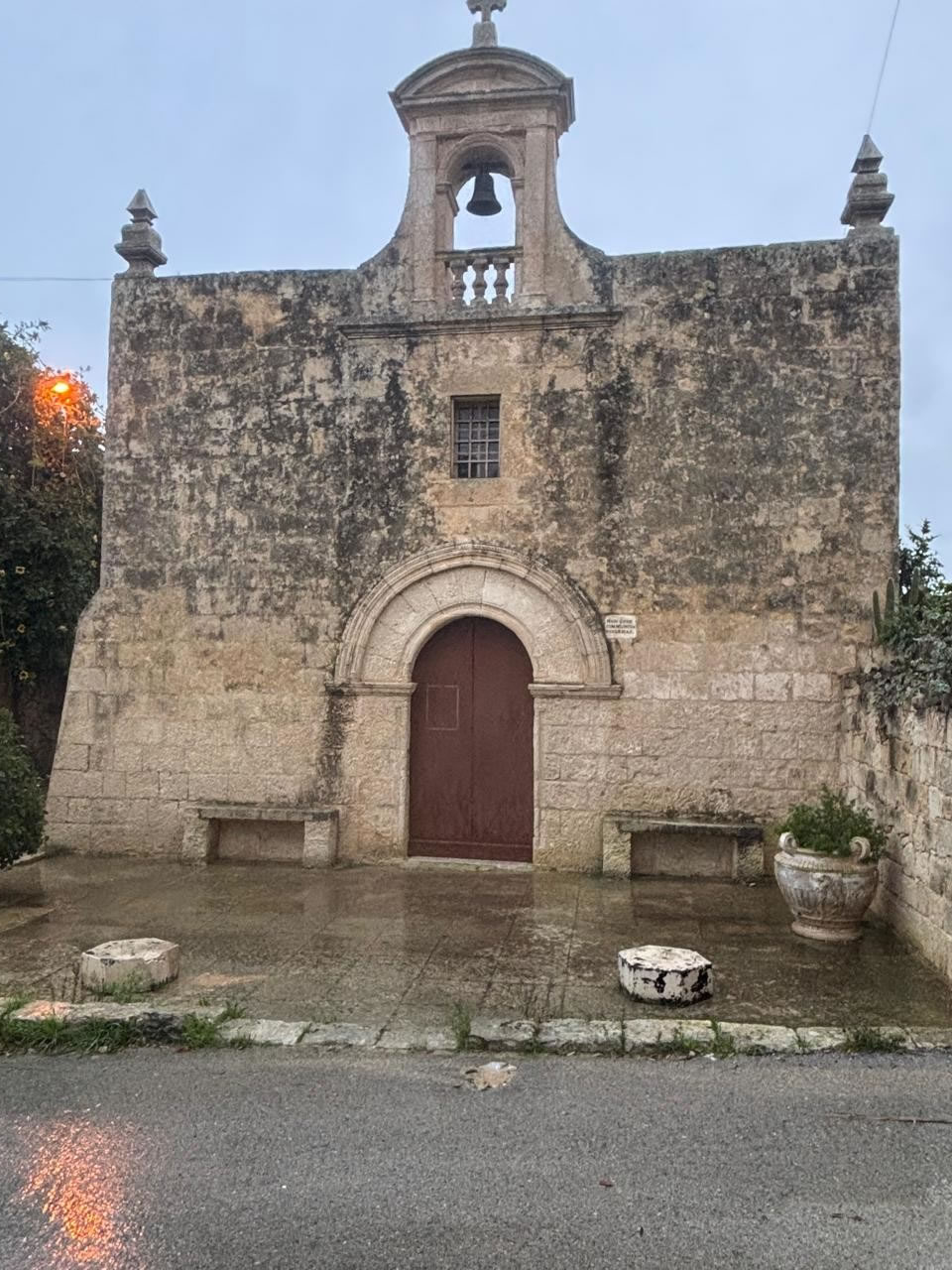
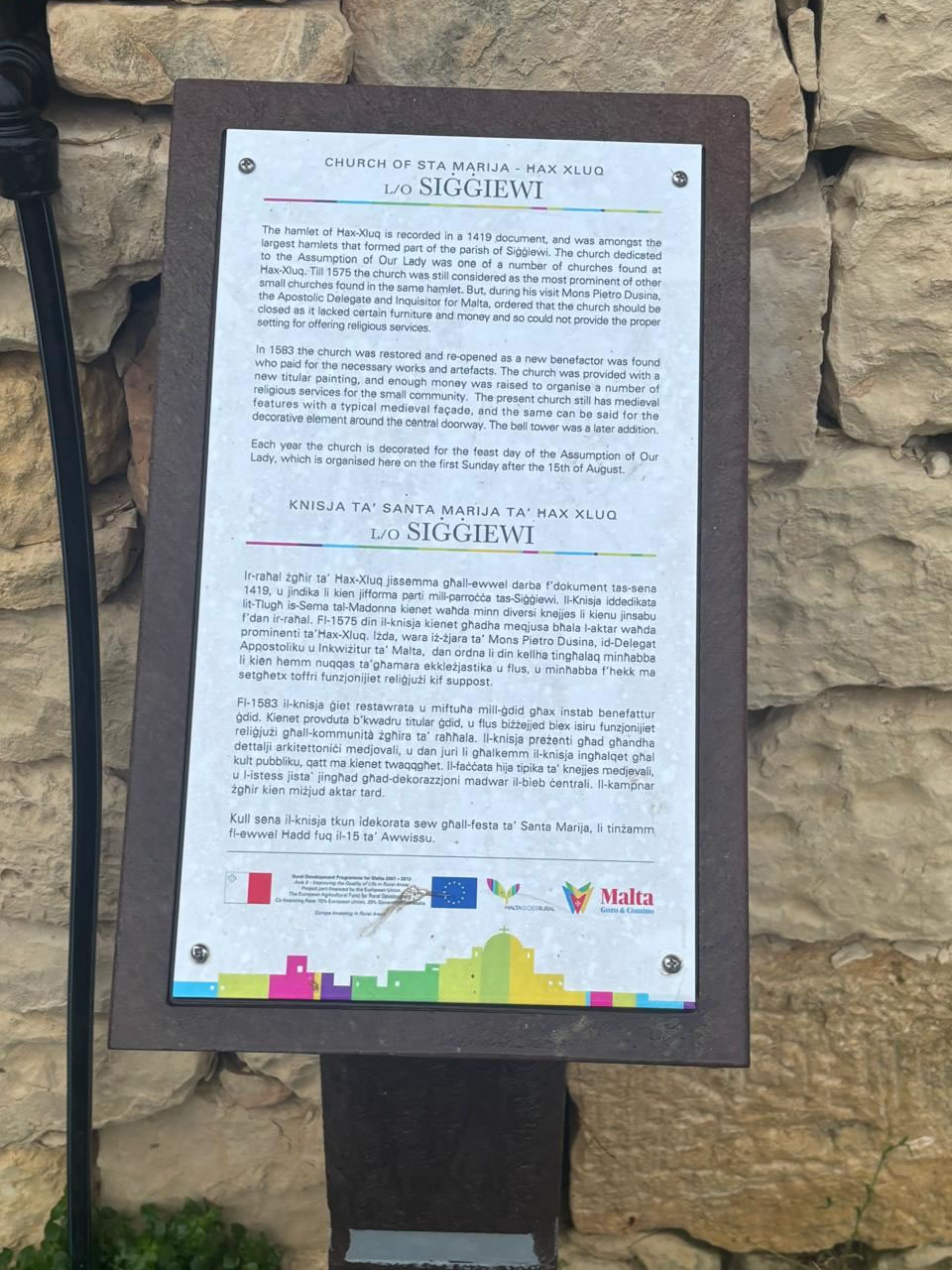
The chapel’s origins are medieval, but the exact construction date is not securely documented in popular summaries. What is clear is that this was the principal chapel of Ħal Xluq, a small medieval settlement that once had multiple chapels. Over time, the hamlet declined as population patterns shifted and rural life consolidated around other centres.
1575: closure after deterioration
In 1575 the chapel was ordered closed because it was in a poor state of repair. This moment is typical of Malta’s remote chapels: distance from the parish core and constant exposure to wind and rain often meant buildings fell into disrepair unless a benefactor intervened with funds and responsibility.
1583: rebuilt/restored by Ġann Pawl Buttigieg
The key confirmed milestone is 1583, when Ġann Pawl Buttigieg rebuilt the chapel and equipped it for worship again. This rebuilding is the central “reset” of the building’s post-medieval life and explains why the chapel carries both medieval architectural character and later post-medieval additions.
1680: continued upkeep and parish attention
By 1680 the chapel is recorded as being well maintained during an apostolic visitation. This suggests a stable devotional ecosystem: resources for upkeep, a functioning liturgical calendar, and enough community attachment to keep the building cared for.
Later changes and evolving form
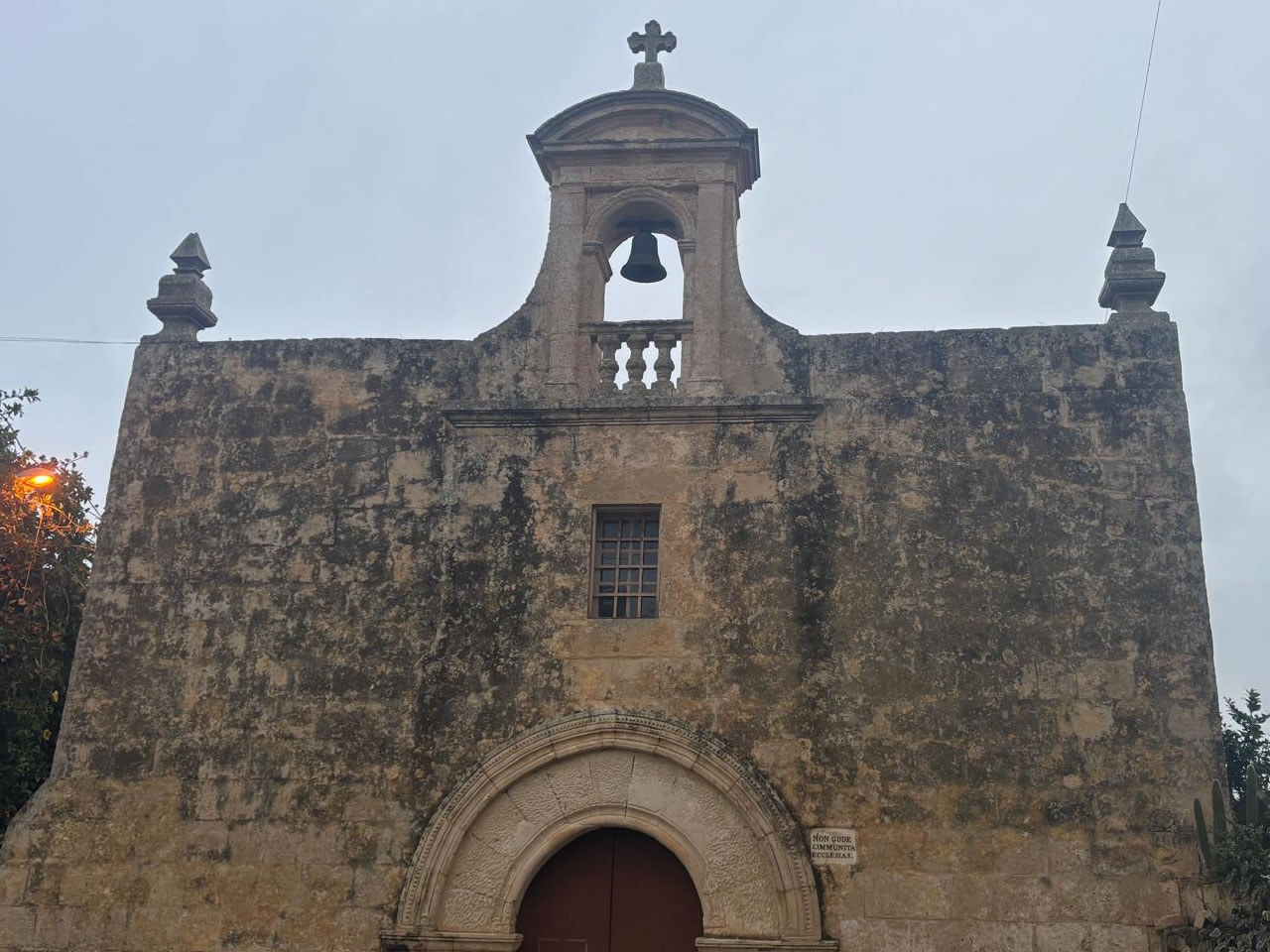
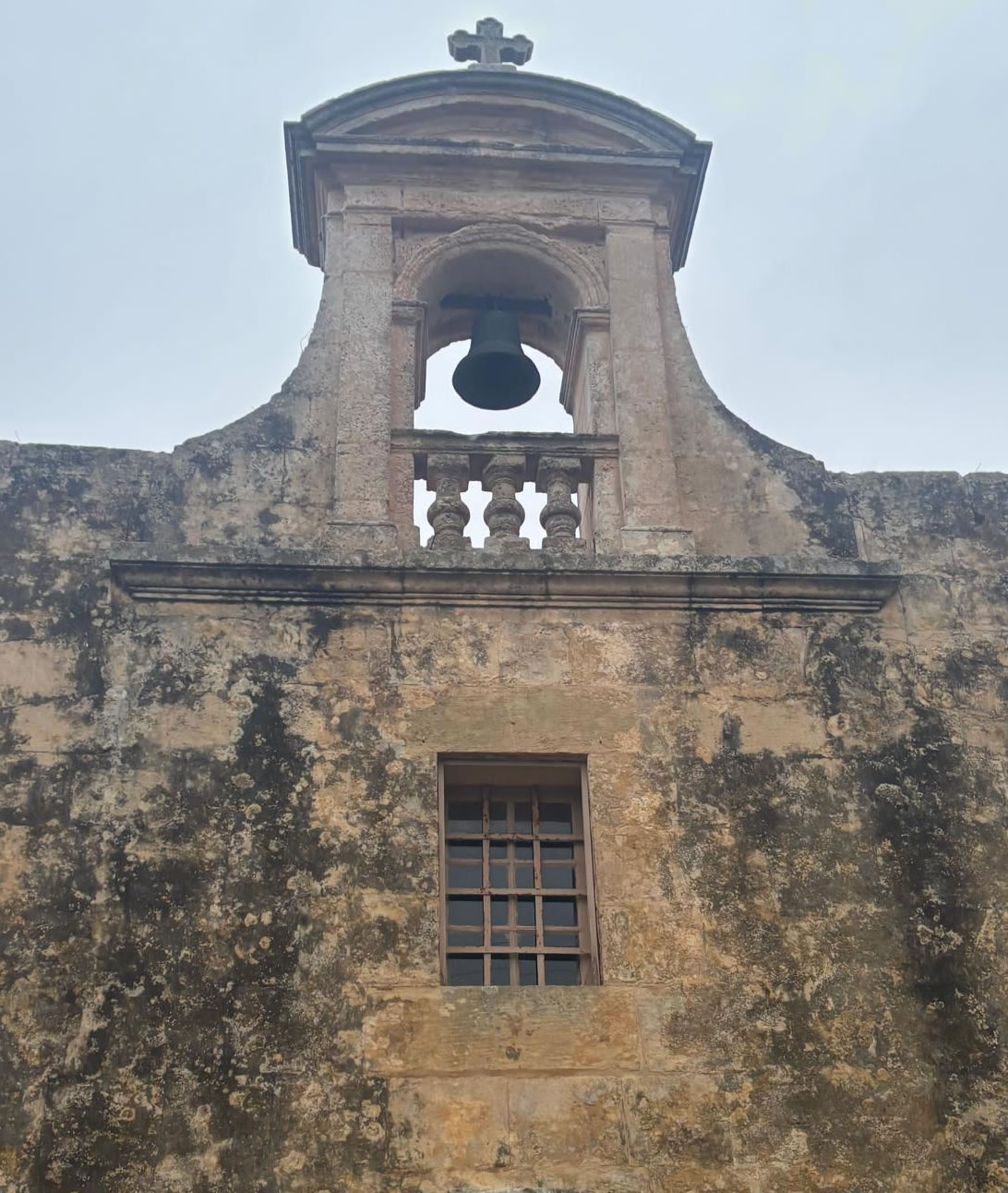
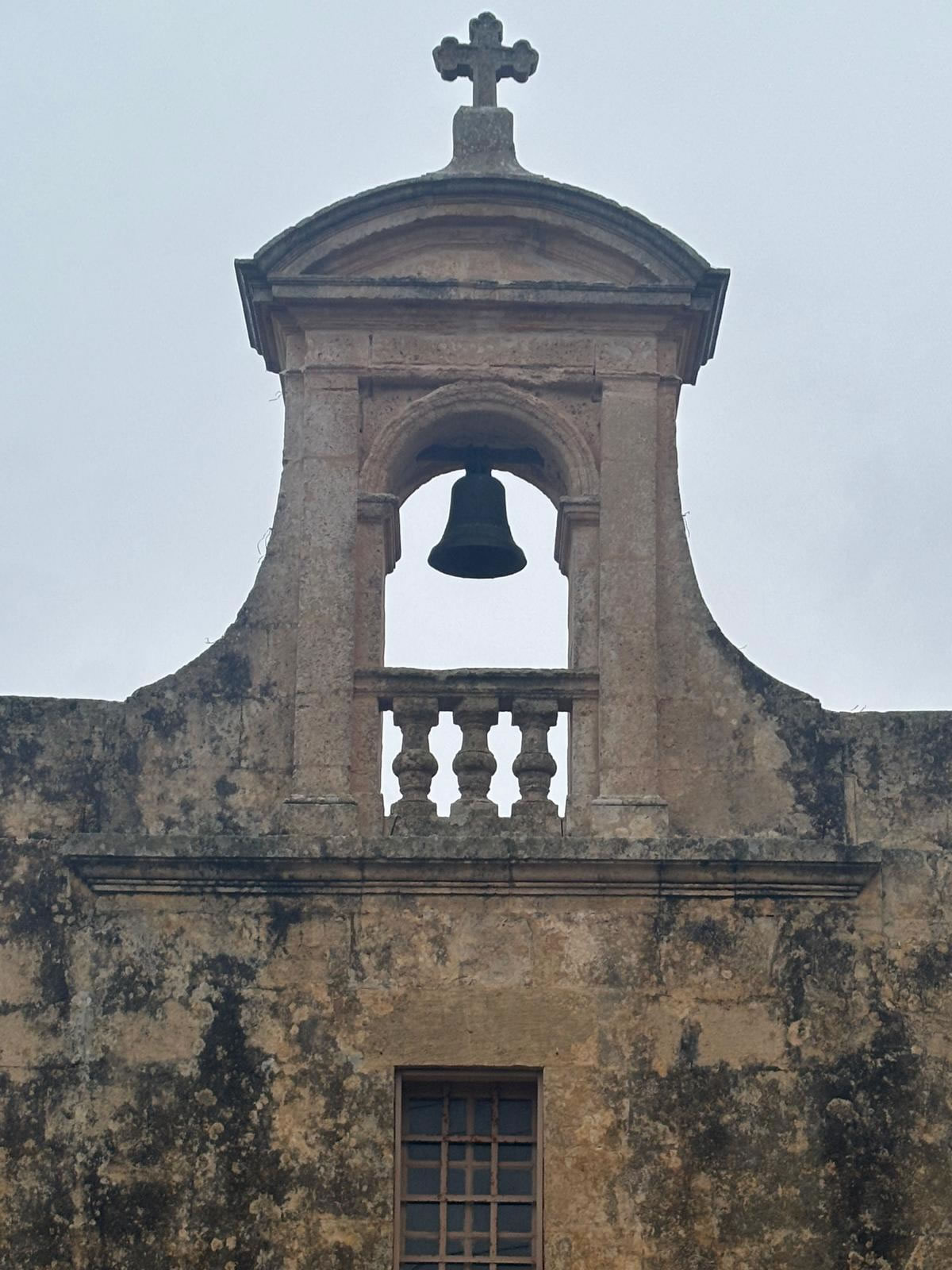
Across the centuries, the chapel acquired additions commonly described as later than the medieval core—especially the prominent bell feature above the façade and internal elements such as the stone gallery where an organ was once located. These changes reflect how Maltese chapels often evolved: the core remained small, while practical liturgical upgrades were added as resources allowed.
Modern conservation and revival of appreciation
In the modern era, the chapel became increasingly valued as cultural heritage. Conservation work in the 2000s is often highlighted as an important phase that helped protect the chapel’s fabric and keep the site presentable for worship and visitors.
Construction and architecture
Late-medieval structure
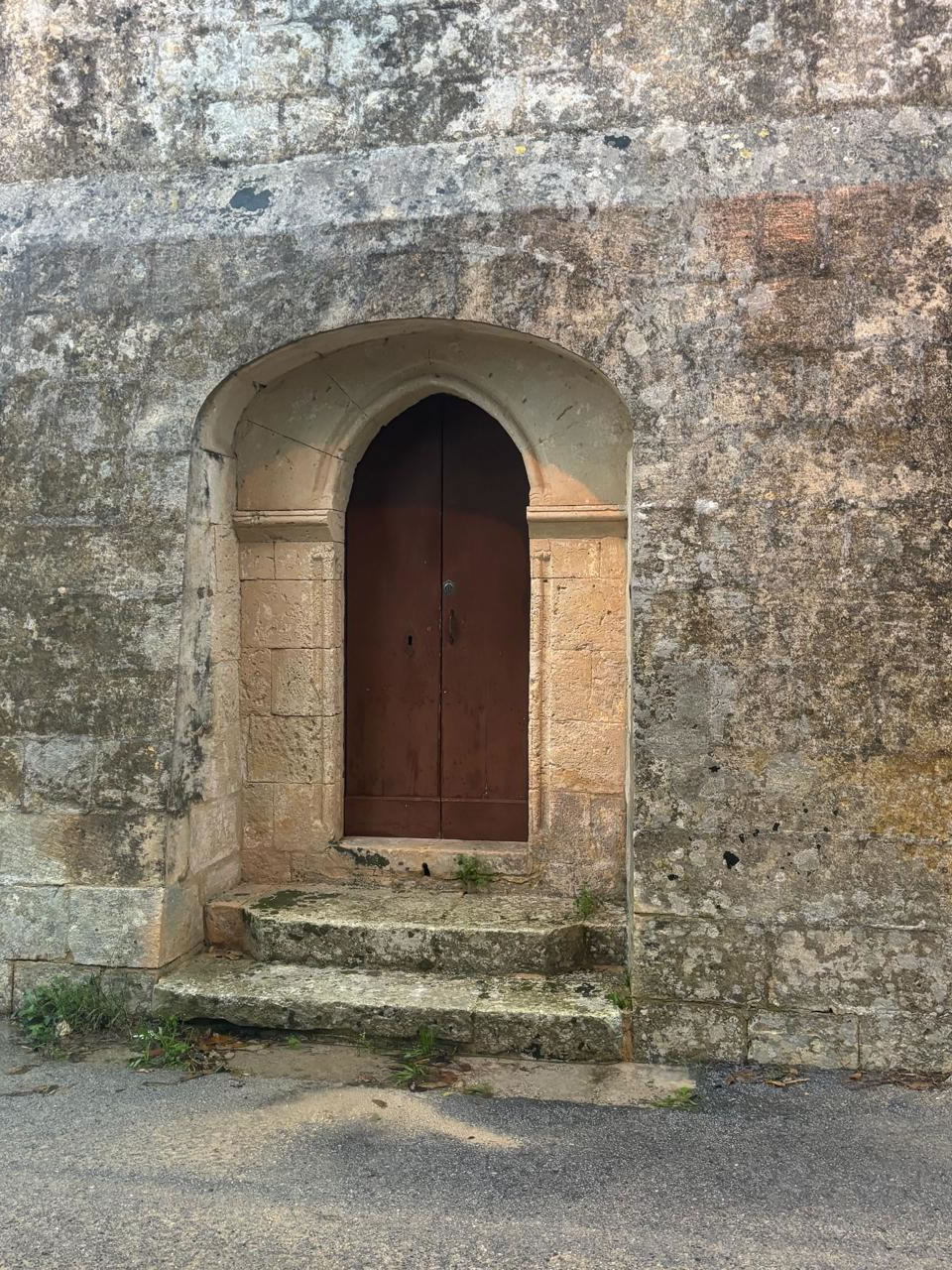
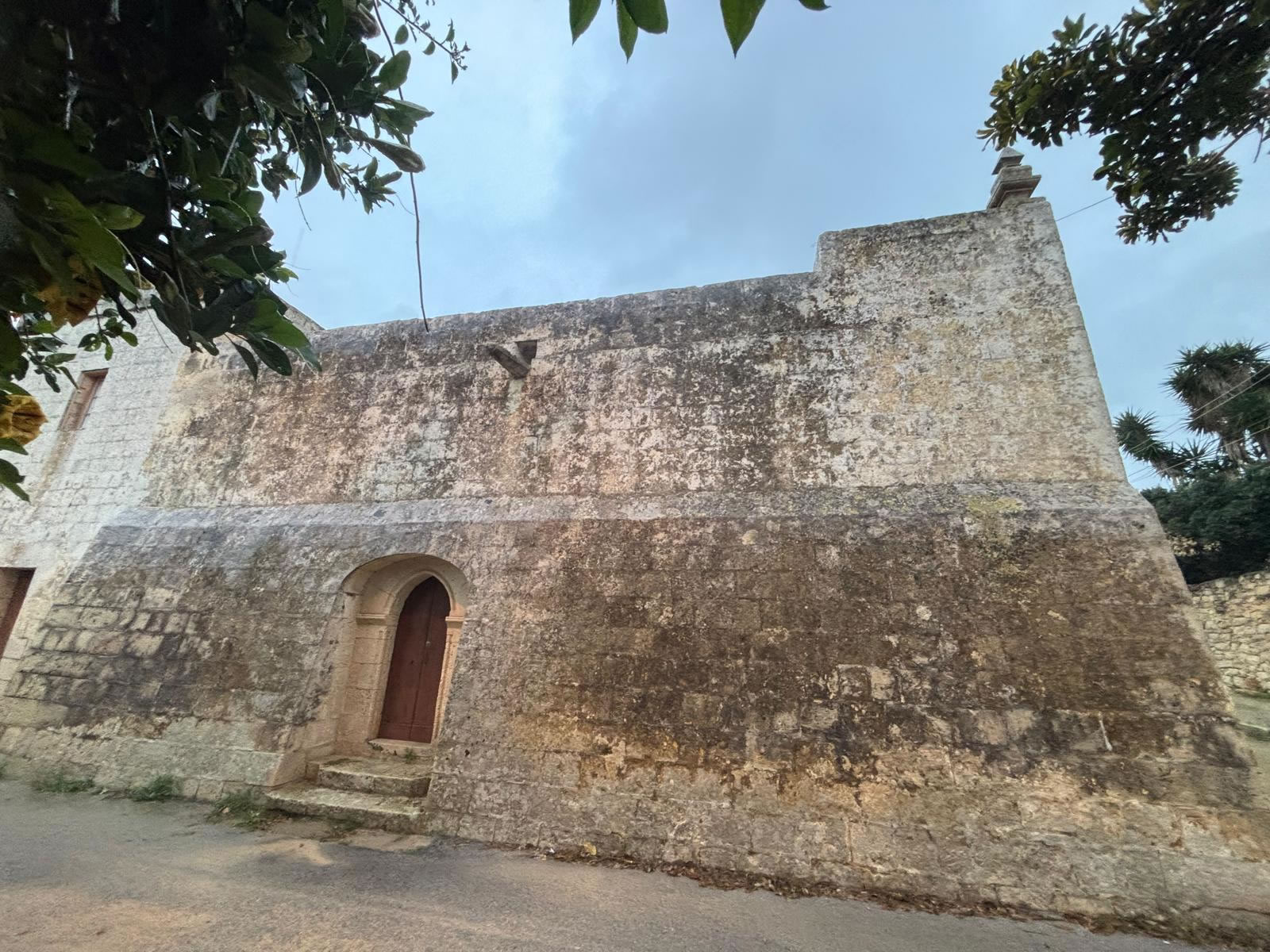
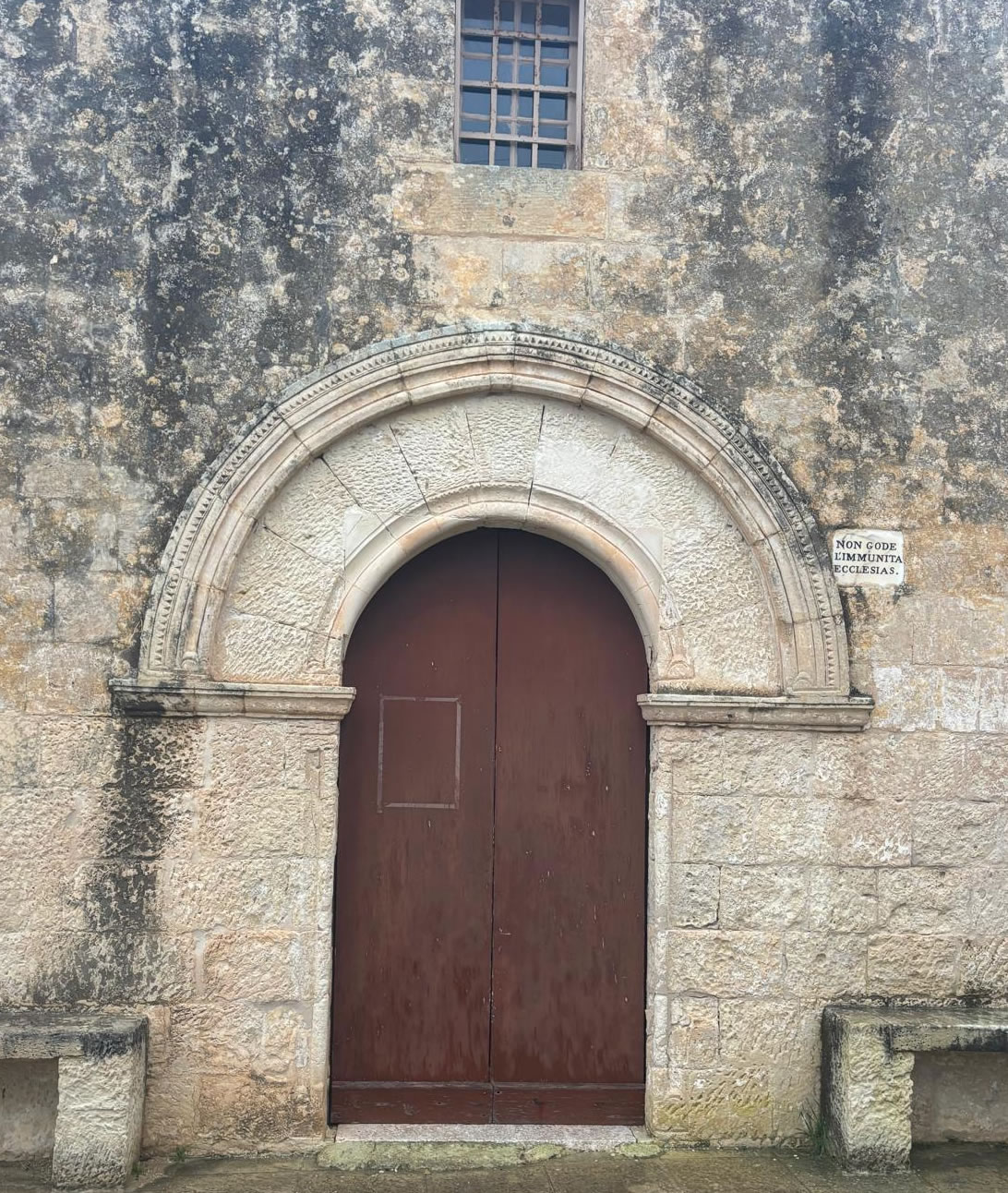
The chapel is frequently described as retaining a late-medieval character, visible in the moulded arch framing the doorway and the pointed/lancet arches inside that support a flat roof built from stone slabs.
Light, openings and simplicity
As with many small rural chapels, openings are limited. This creates a distinctive interior atmosphere: a quiet, controlled light that focuses attention on the altar and titular image rather than on architectural display.
Later additions: bell feature and gallery
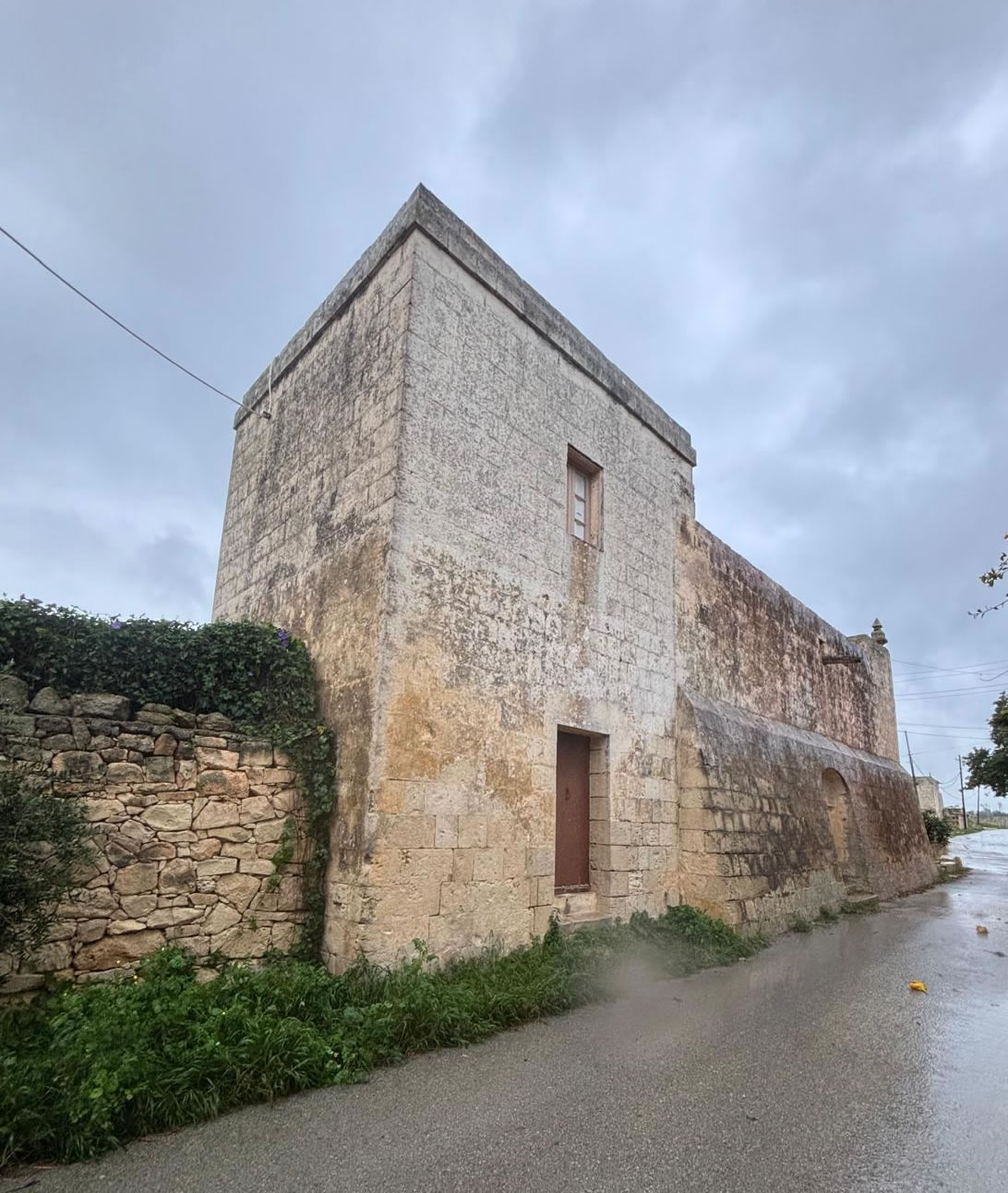
A substantial bell feature rises from the façade line, and the chapel is associated with a stone gallery where an organ was once placed. These details show the building’s living history—how a medieval place of worship absorbed later needs without losing its original character.
Art and devotion inside
The chapel’s titular artwork is a major part of its identity. Tradition links the chapel’s post-1583 renewal with the provision of a titular painting, and later references associate the chapel with high-quality religious art in a moulded frame setting.
Restoration and conservation
Why this chapel needs careful conservation
Medieval limestone buildings are vulnerable to moisture ingress, salt exposure, and incompatible cement repairs. Conservation typically prioritises breathable lime-based materials, careful stone replacement, and improved water-shedding details.
2000s conservation works
Modern restoration and conservation works are widely noted as an important recent phase that preserved what remained of the chapel’s historic fabric and improved the immediate setting for worship and respectful visiting.
Respect the site: Please do not climb stonework, scratch surfaces, or remove small fragments—small chapels are easily damaged, and repair is slow and costly.
Religious and community use today
Il-Kappella tal-Madonna ta’ Ħal Xluq remains more than a historic building: it is still a devotional destination. Its traditional rural celebration is closely associated with the Assumption season in August, when locals gather for a simple festa atmosphere that blends liturgy, place-memory, and community identity.
The chapel’s continued use is one of the best ways to understand Maltese heritage: these buildings are not only “old”, they are part of a living calendar that keeps local history active in the present.
Visiting Il-Kappella tal-Madonna ta’ Ħal Xluq
Location
The chapel lies within the limits of Siġġiewi, Malta, in the Ħal Xluq area.
Coordinates: 35.8473304, 14.4451176
Best time to visit
- Morning for quiet countryside ambience
- Late afternoon for warmer limestone colour and softer light
- Assumption season (August) to experience the devotional tradition (times vary)
Visitor etiquette
- Dress modestly if entering during services
- Keep noise low — this is a place of prayer
- Leave no litter and respect surrounding farmland
FAQ
Is this chapel the “Church of the Assumption at Ħal Xluq”?
Yes. The chapel is widely referred to as the Church/Chapel of the Assumption at Ħal Xluq, and locally as Santa Marija ta’ Ħal Xluq.
What does “restored in 1583” mean?
It refers to the confirmed rebuilding phase when Ġann Pawl Buttigieg repaired and effectively rebuilt the chapel after it had been closed in 1575 due to serious disrepair.
Is there still a feast connected to the chapel?
Yes. The chapel is traditionally linked to rural Assumption celebrations around mid-August, often experienced as a simple community gathering and Mass.