📍 Location
Location Map Coordinates 35.898323, 14.515846
Notarial Registers Archive – Malta’s Documentary Heritage
Introduction
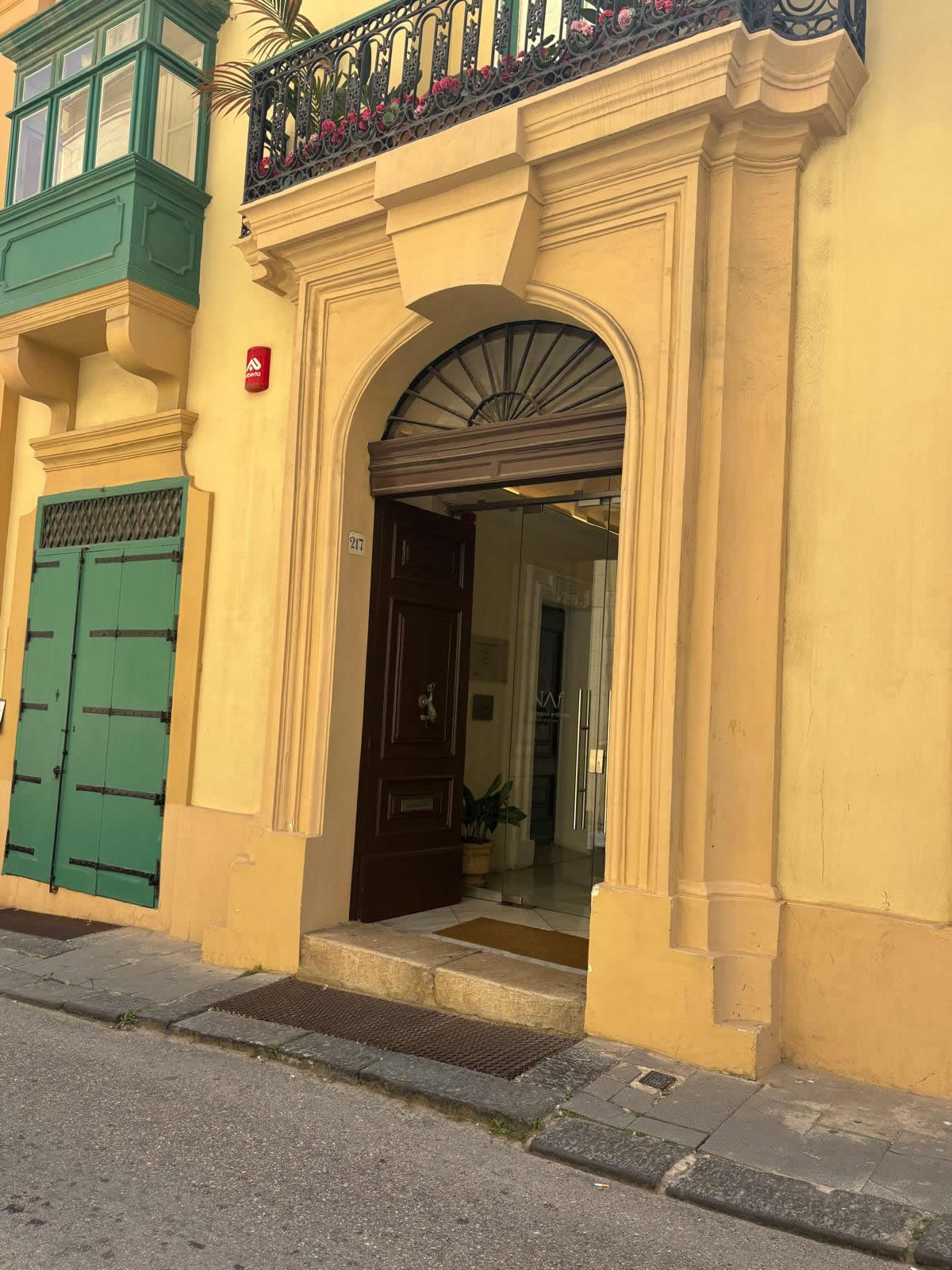
The NRA Museum in Valletta, forming part of the Notarial Registers Archive (NRA), is one of Malta’s most important yet often overlooked cultural institutions. Situated in the historic capital city of Valletta, a UNESCO World Heritage Site, the archive preserves an extraordinary collection of notarial records spanning over five centuries, making it one of the most significant documentary repositories in the Mediterranean region.
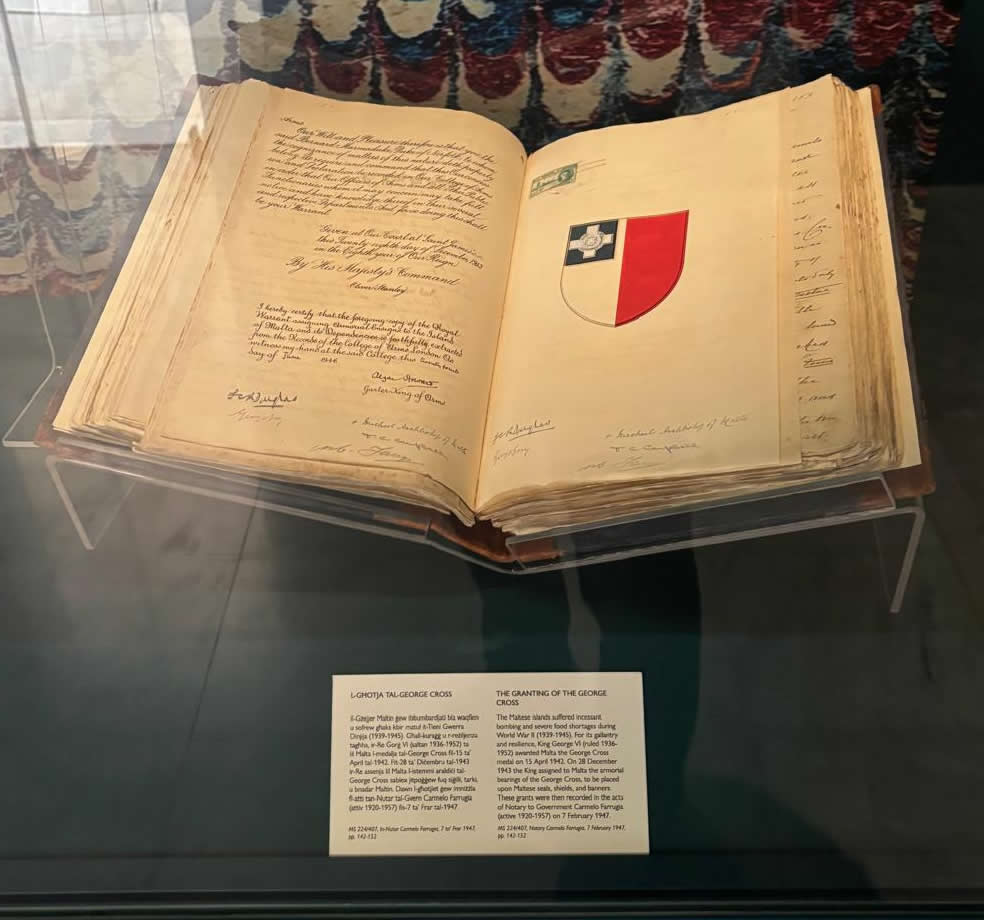
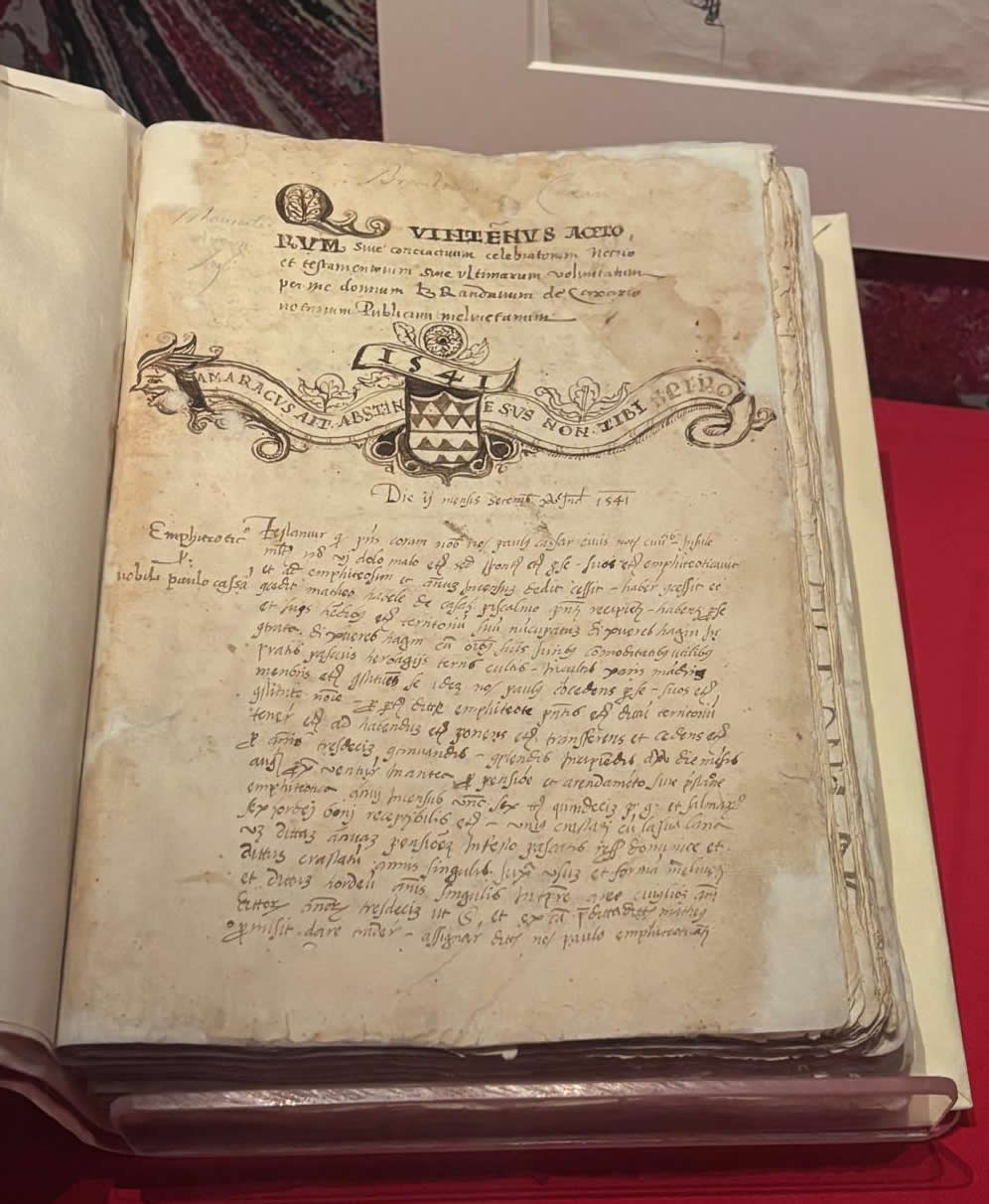
Unlike conventional museums that focus on artefacts such as paintings, sculptures, or archaeological finds, the NRA Museum is dedicated to the preservation and interpretation of original handwritten legal documents. These include wills, contracts, marriage agreements, property transfers, and commercial records, many dating back to the early 16th century. Together, they form a continuous written record of Maltese society from the time of the Knights of St John through the British colonial period and into the modern era.
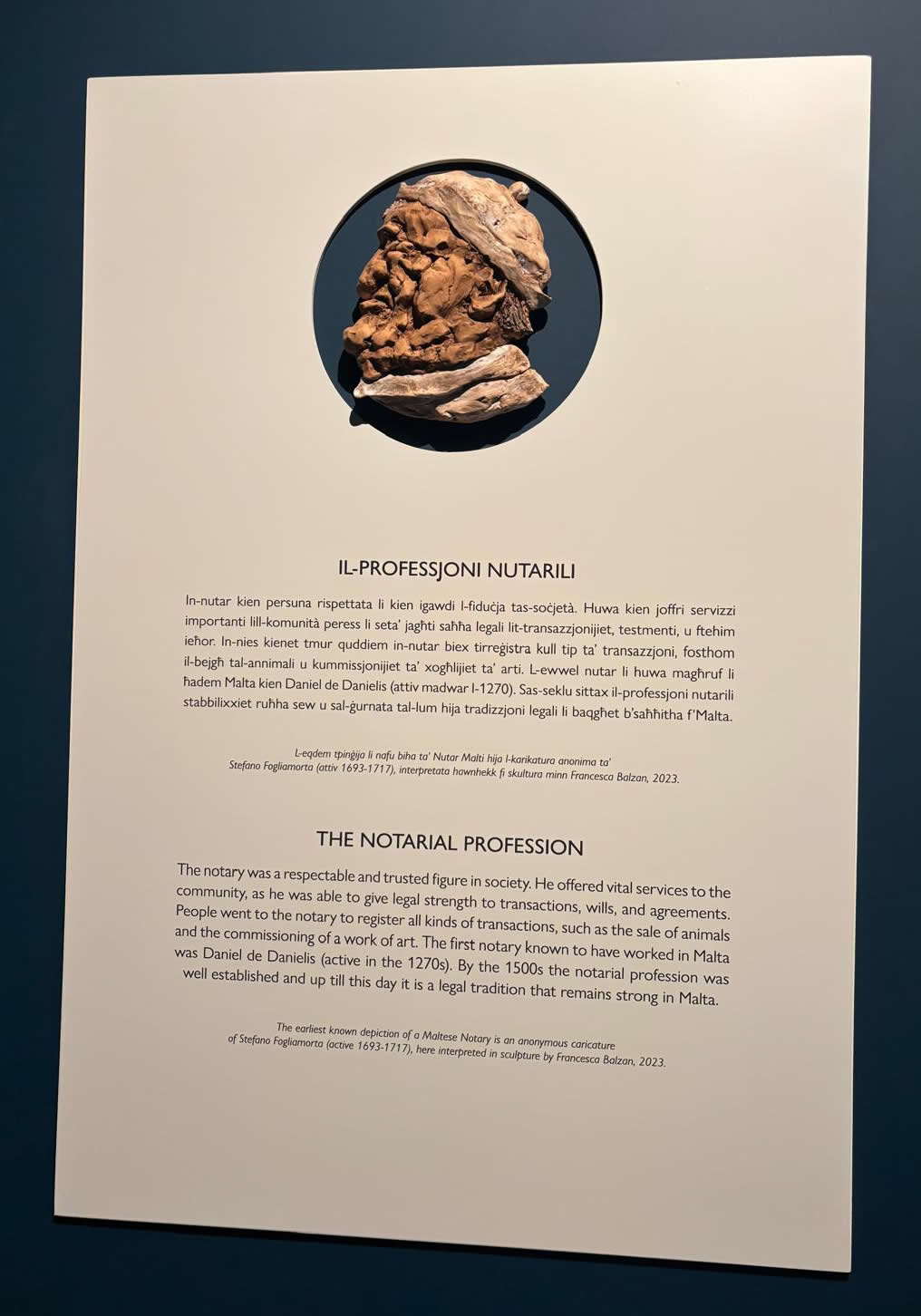
The importance of the NRA lies in its ability to reveal the everyday lives of ordinary people, not just major historical figures. Through these documents, historians and researchers can reconstruct personal stories, family histories, economic activity, and social structures that shaped Malta over time. Topics such as inheritance, trade, maritime activity, slavery, property ownership, and urban development are all documented in remarkable detail.
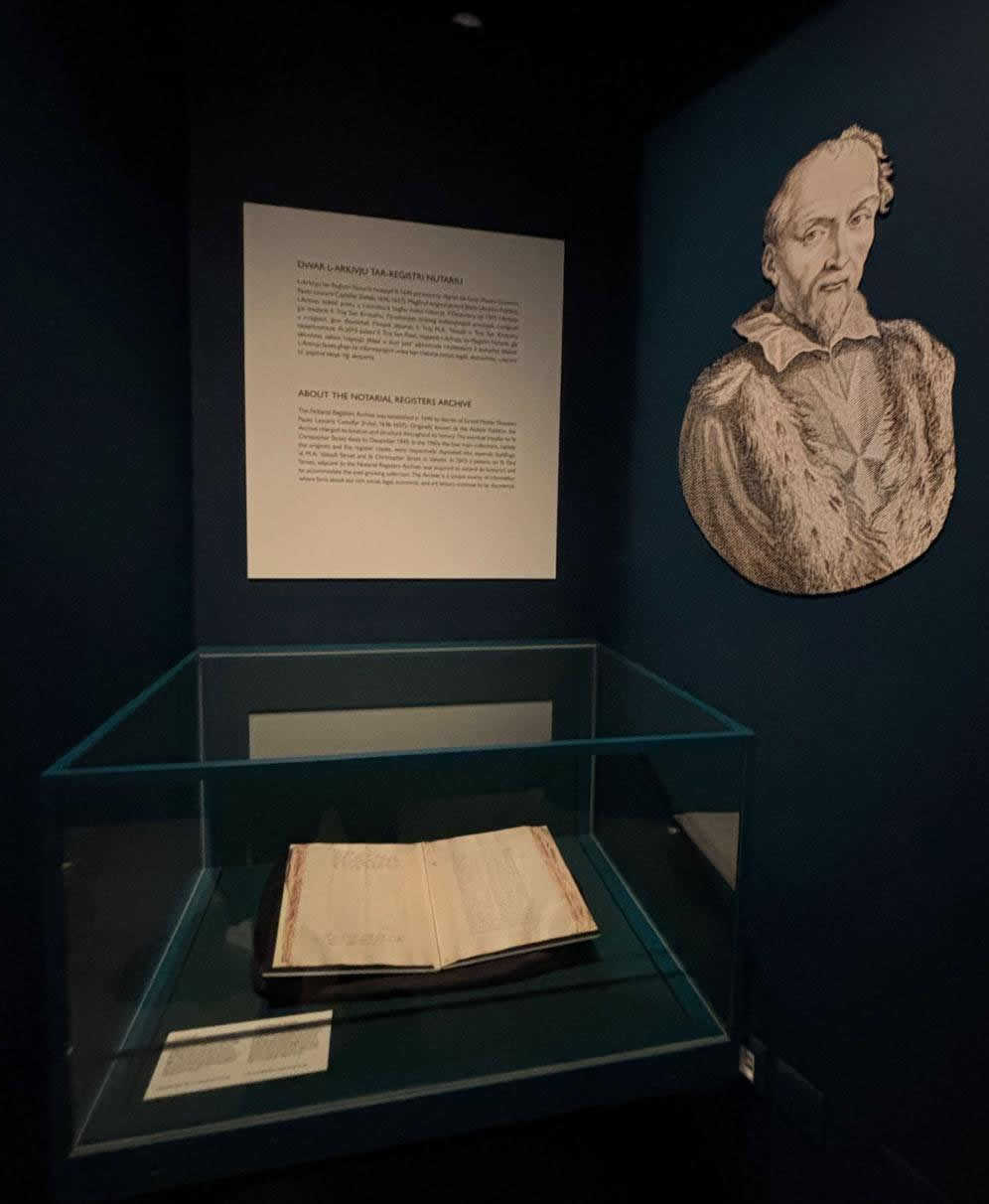
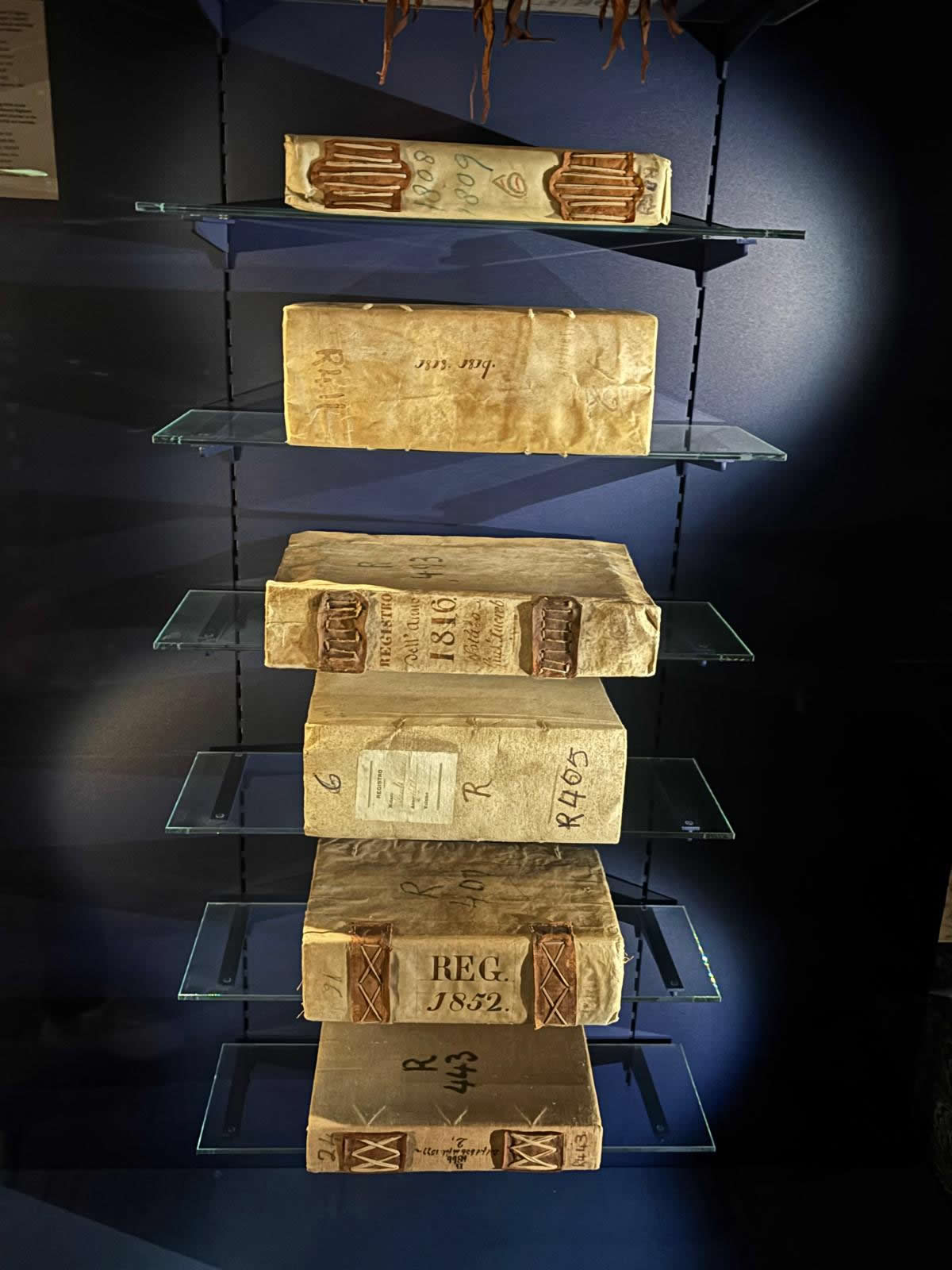
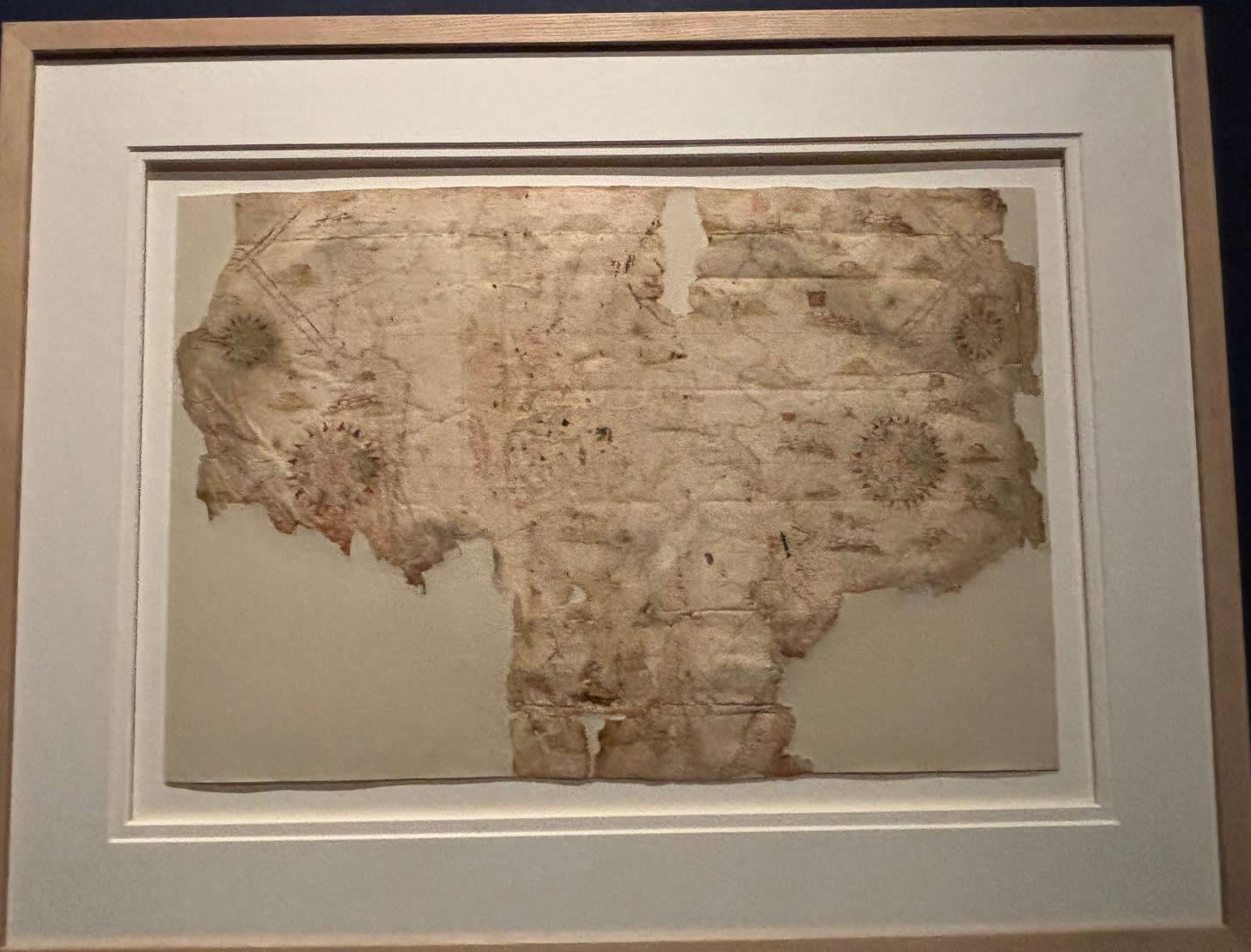
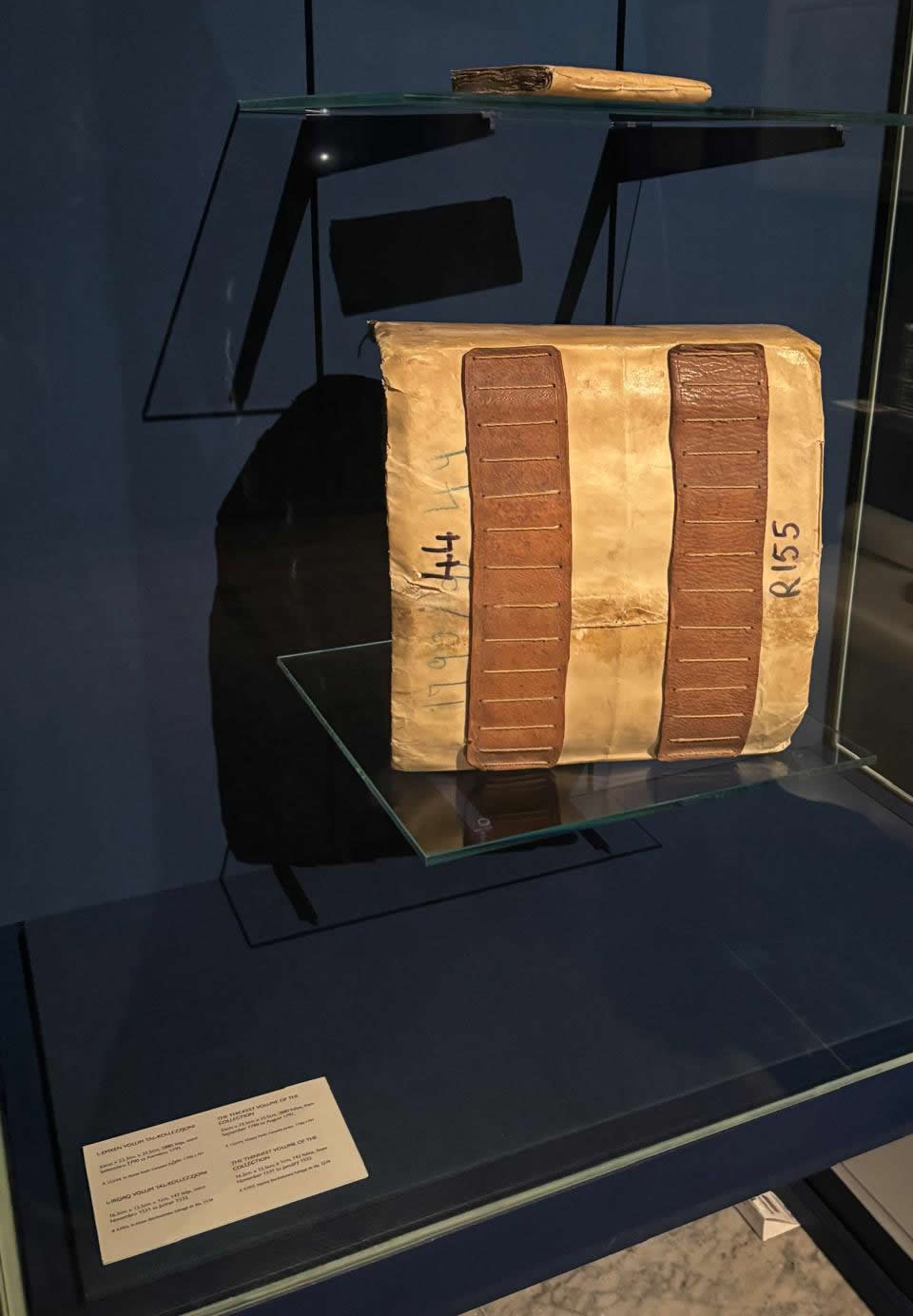
The museum component of the archive provides visitors with a curated introduction to this vast collection, explaining how notaries operated within Maltese society and how their records became an essential part of governance and legal life. Exhibits highlight the craftsmanship of historical documentation, including calligraphy, seals, ink techniques, and archival preservation methods, offering insight into both the content and the physical creation of these records.
Today, the NRA Museum serves a dual role as both a public exhibition space and a research facility, attracting historians, genealogists, students, and visitors interested in Malta’s cultural heritage. Its unique focus on documentary history makes it a vital complement to other museums in Valletta, providing a deeper understanding of the island’s social and legal evolution across centuries.
Historical Background
The archive dates back to the period following the founding of Valletta after the Great Siege of 1565. Notaries played a crucial role in Maltese society, documenting:
- Wills and inheritance records
- Marriage contracts and dowries
- Property sales and leases
- Commercial agreements
- Records related to slavery and ransoming during the Knights’ period
These records form one of the most complete historical archives in the Mediterranean region.
The Buildings
The Notarial Registers Archive (NRA) is housed within a group of historically significant buildings in the heart of Valletta, primarily along St Paul Street and St Christopher Street. These structures form part of the original urban fabric of Valletta, constructed shortly after the city’s foundation following the Great Siege of 1565.
16th-Century Origins
The buildings date to the late 16th century, when Valletta was rapidly developed under the rule of the Knights of St John. Originally designed as townhouses and commercial premises, they were built using traditional Maltese limestone and reflect the early architectural planning of the fortified city.
Their location near key administrative and ecclesiastical centres made them ideal for legal and notarial activity, as notaries were central figures in the governance and daily life of the city.
Architectural Features
Although adapted over the centuries, the buildings retain several characteristic features of Valletta’s early architecture:
- Thick load-bearing limestone walls providing insulation and structural strength
- Timber balconies and apertures, typical of Maltese urban residences
- Stone staircases and vaulted rooms designed for both durability and climate control
- Internal courtyards allowing light and ventilation into the deep-plan buildings
The overall design reflects a blend of functional administrative use and residential character, typical of Valletta’s mixed-use buildings during the Knights’ period.
Adaptation into an Archive
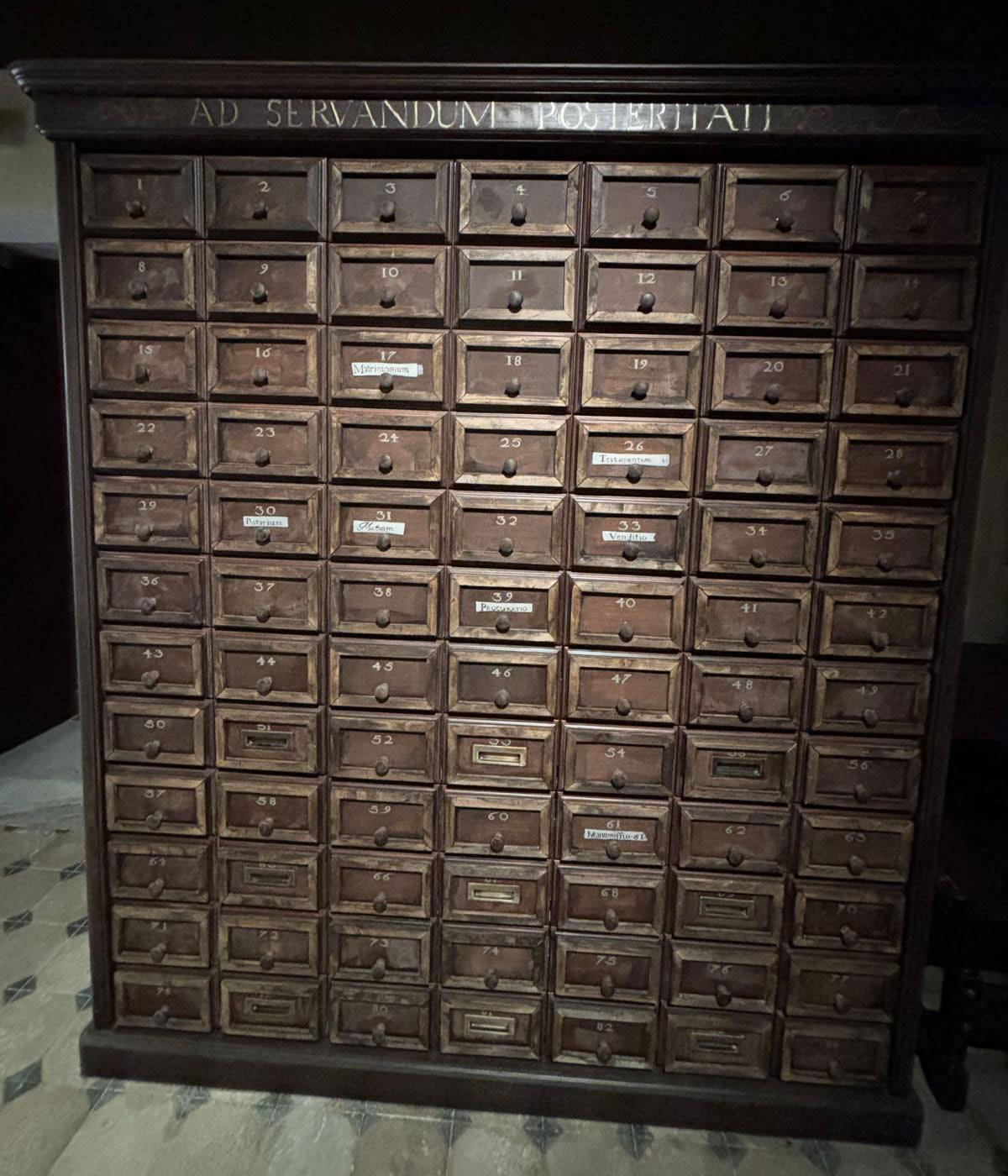
Over time, these buildings were repurposed to house Malta’s growing collection of notarial records. Their robust construction made them suitable for storing large volumes of manuscripts, although this was not originally their intended purpose.
By the 19th and 20th centuries, the interiors had been modified with shelving, storage rooms, and office spaces to accommodate the expanding archive. However, these adaptations were often carried out without modern conservation standards, contributing to the deterioration of documents.
Restoration and Conservation Works
In the early 21st century, significant restoration efforts were undertaken to preserve both the buildings and their contents. These works included:
- Structural reinforcement of historic masonry
- Installation of climate control systems for document preservation
- Careful cleaning and conservation of original architectural features
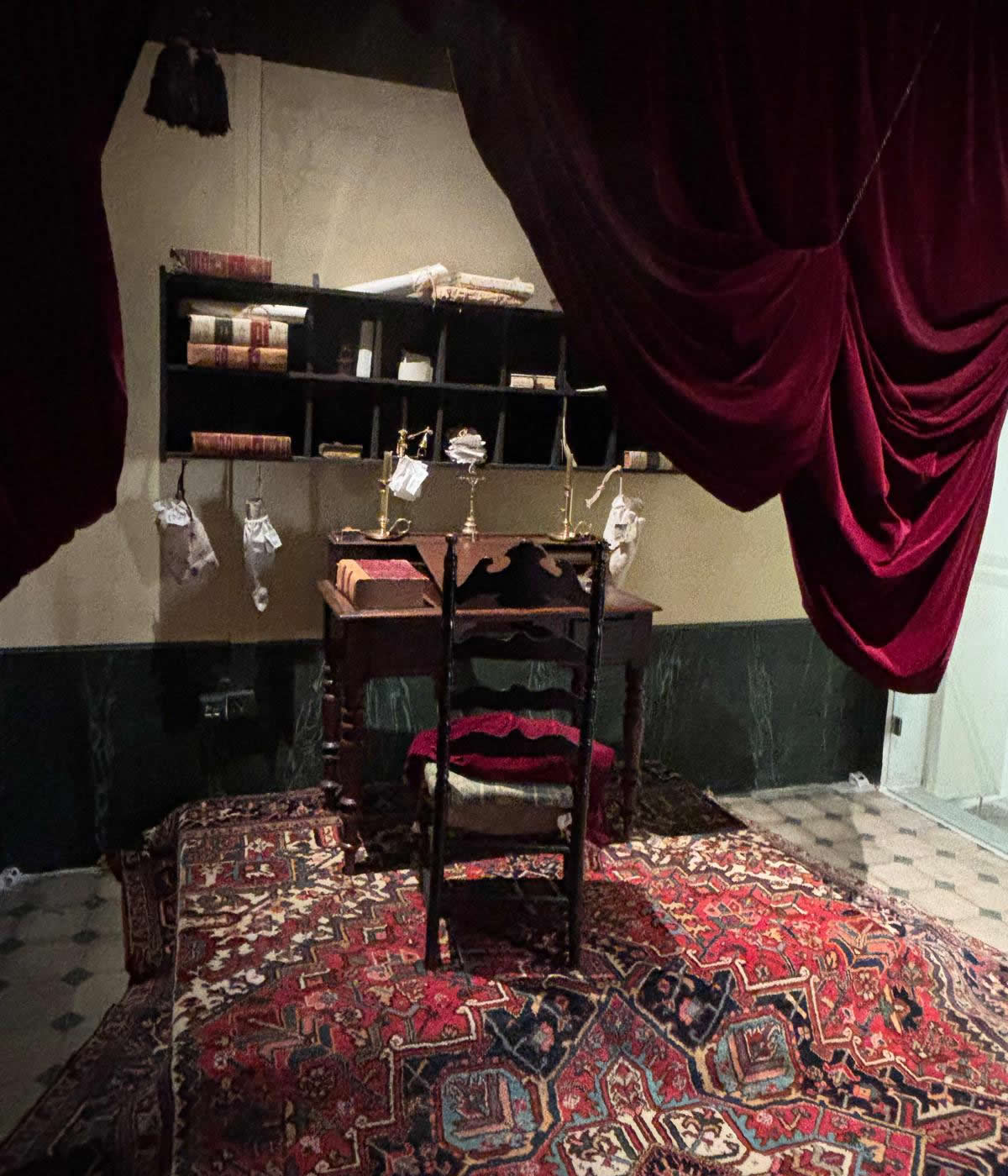
- Adaptation of spaces into research areas and exhibition rooms
These interventions were designed to balance heritage conservation with modern archival requirements, ensuring the long-term survival of both the structures and the invaluable records they contain.
Present-Day Layout
Today, the NRA complex functions as both an archive and a museum space. The St Paul Street building houses the public-facing exhibition and administrative areas, while the St Christopher Street premises serve primarily as storage and research facilities.
Together, these buildings form a unique historical environment where Valletta’s architectural heritage and Malta’s documentary history coexist, offering visitors a rare glimpse into the physical and written fabric of the island’s past.
The Museum Experience
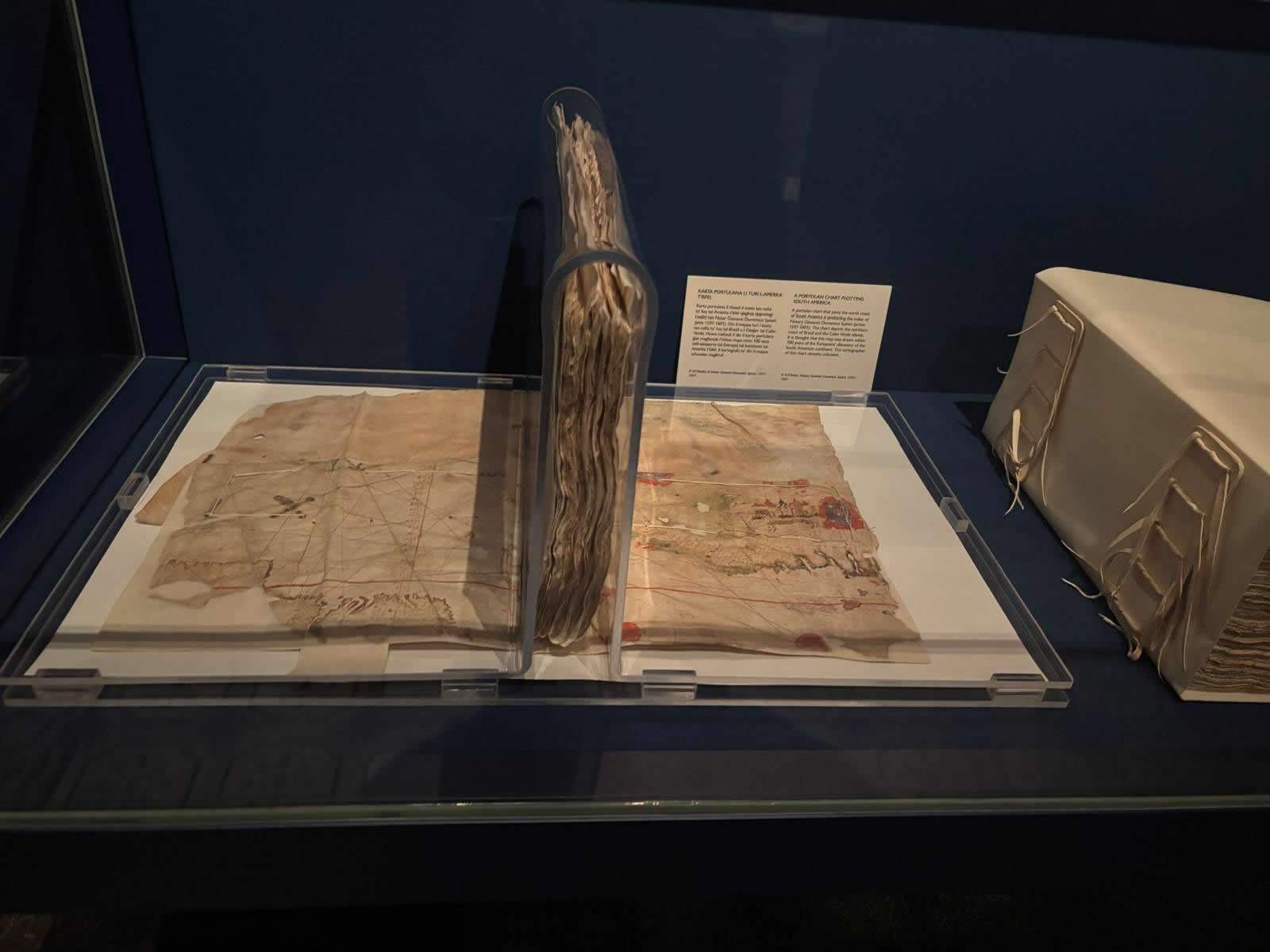
The museum section of the NRA provides visitors with an introduction to:
- Original handwritten manuscripts over 400 years old
- Traditional notarial practices and legal systems
- Historical calligraphy and seals
- Document preservation and restoration techniques
Temporary exhibitions are also held, focusing on themes such as genealogy, urban development, and Maltese social history.
Restoration and Modern Role
By the late 20th century, many of the documents were at risk due to poor storage conditions. In 2004, the Notarial Archives Foundation was established to safeguard this heritage.
Extensive restoration projects, including EU-funded initiatives, transformed the archive into a modern conservation and research facility. Today, it operates under the National Archives of Malta.
Significance
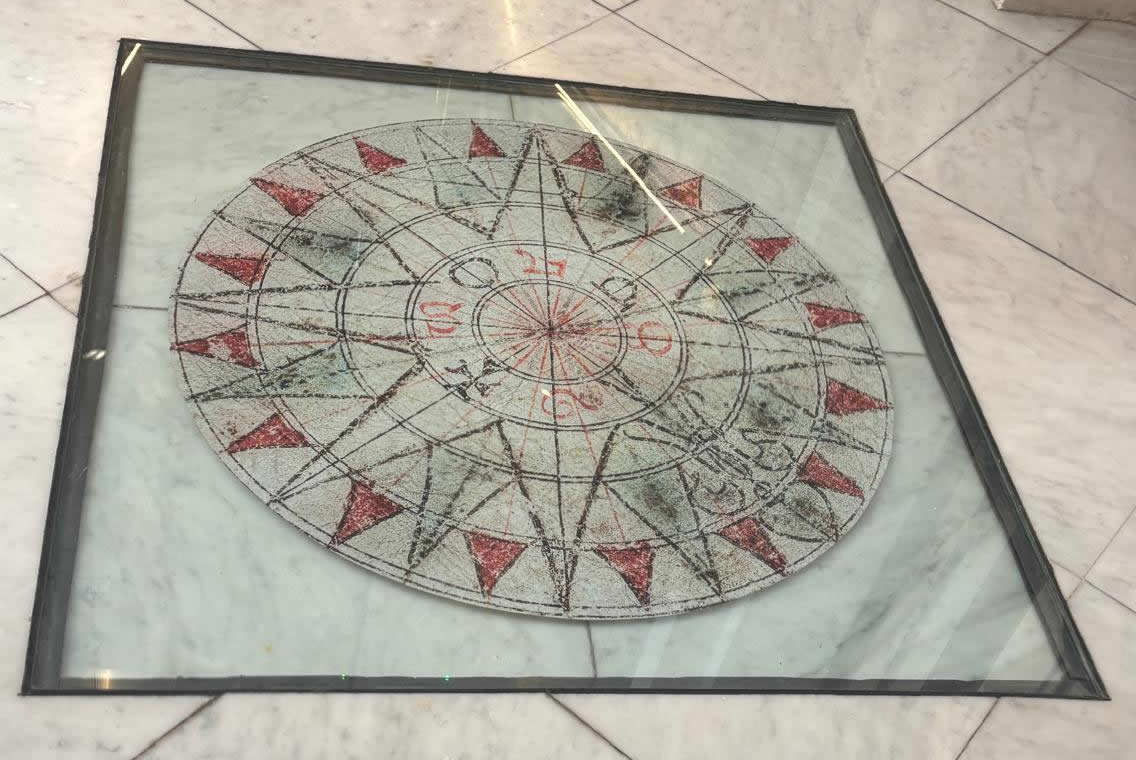
The NRA Museum is essential for understanding Malta’s past because it preserves the written record of everyday life, not just major historical events. It allows historians and researchers to reconstruct the lives of ordinary people across centuries.
Internal Links
Frequently Asked Questions
What does NRA stand for?
NRA stands for Notarial Registers Archive, a collection of historical legal documents in Malta.
Is the NRA Museum a traditional museum?
No, it is primarily an archive with a small exhibition area focusing on historical documents rather than artefacts.
How old are the documents in the archive?
Some documents date back to the early 1500s, making them over 500 years old.
Where is the NRA Museum located?
It is located on St Paul Street in Valletta, Malta.
Can the public visit the archive?
Yes, parts of the archive and museum are accessible, particularly for research and exhibitions.