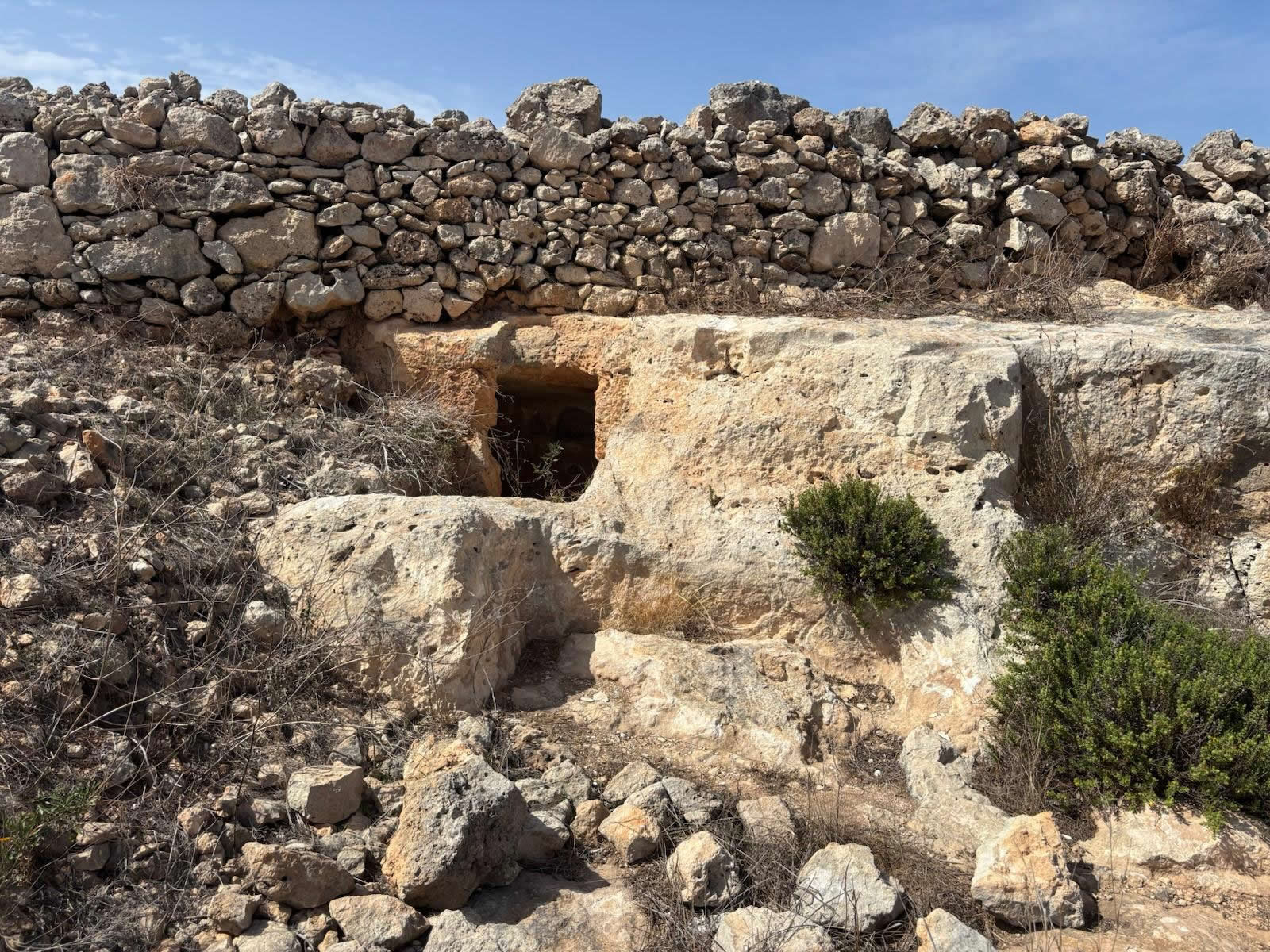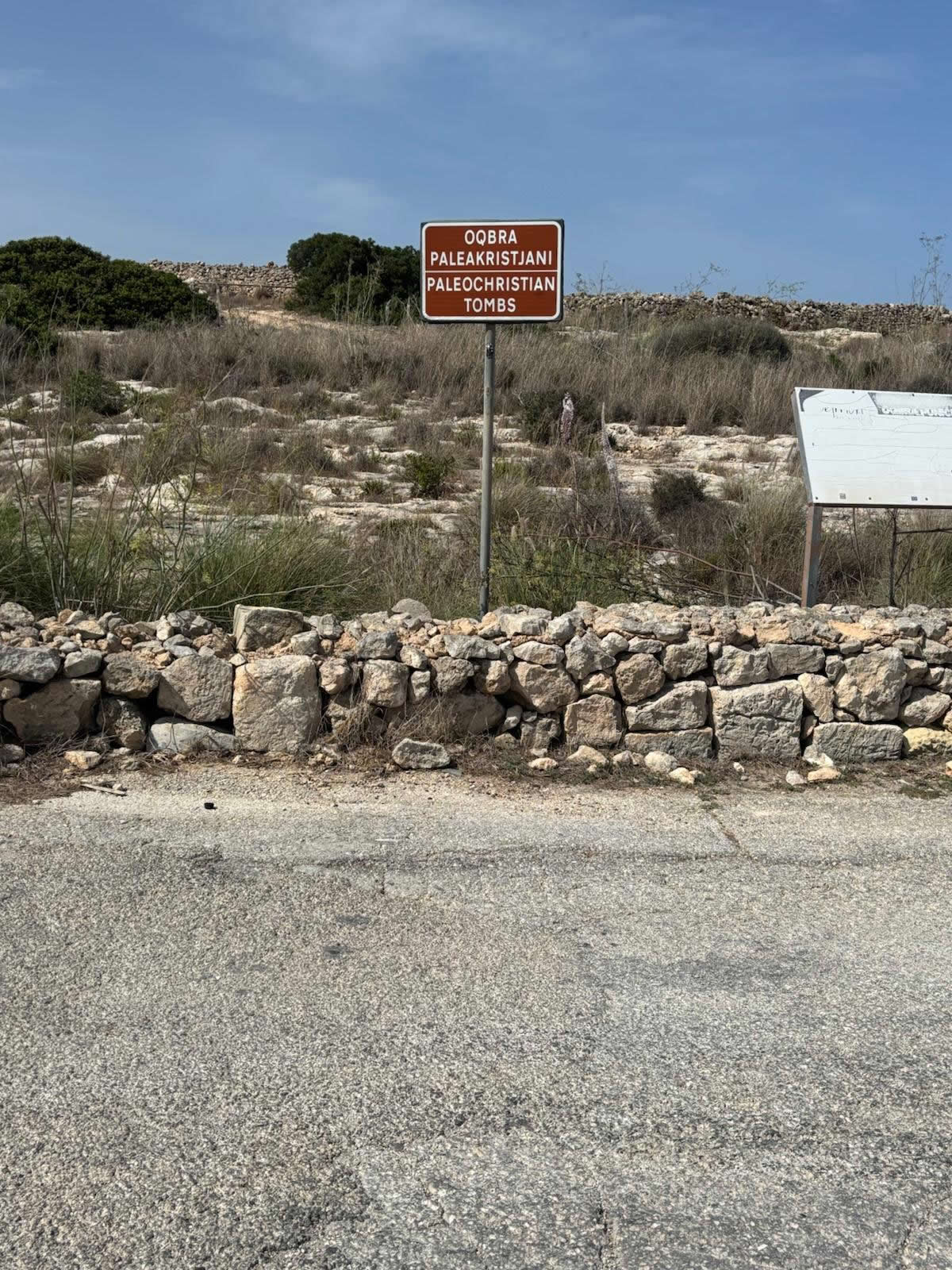
Overview
The Selmun area is a limestone landscape rich in heritage layers. Scholarly landscape writing notes that remains of a rock-cut tomb and a Roman burial complex have been identified close to Selmun Palace, indicating that funerary activity existed in the Selmun hinterland at more than one period. This helps explain why local tomb cuttings in the area can be described in mixed terms (Punic / Roman / later).
Editorial note: If you later add an official inventory record or excavation note for this exact coordinate, you can tighten wording from “traditionally described” to a specific classification.
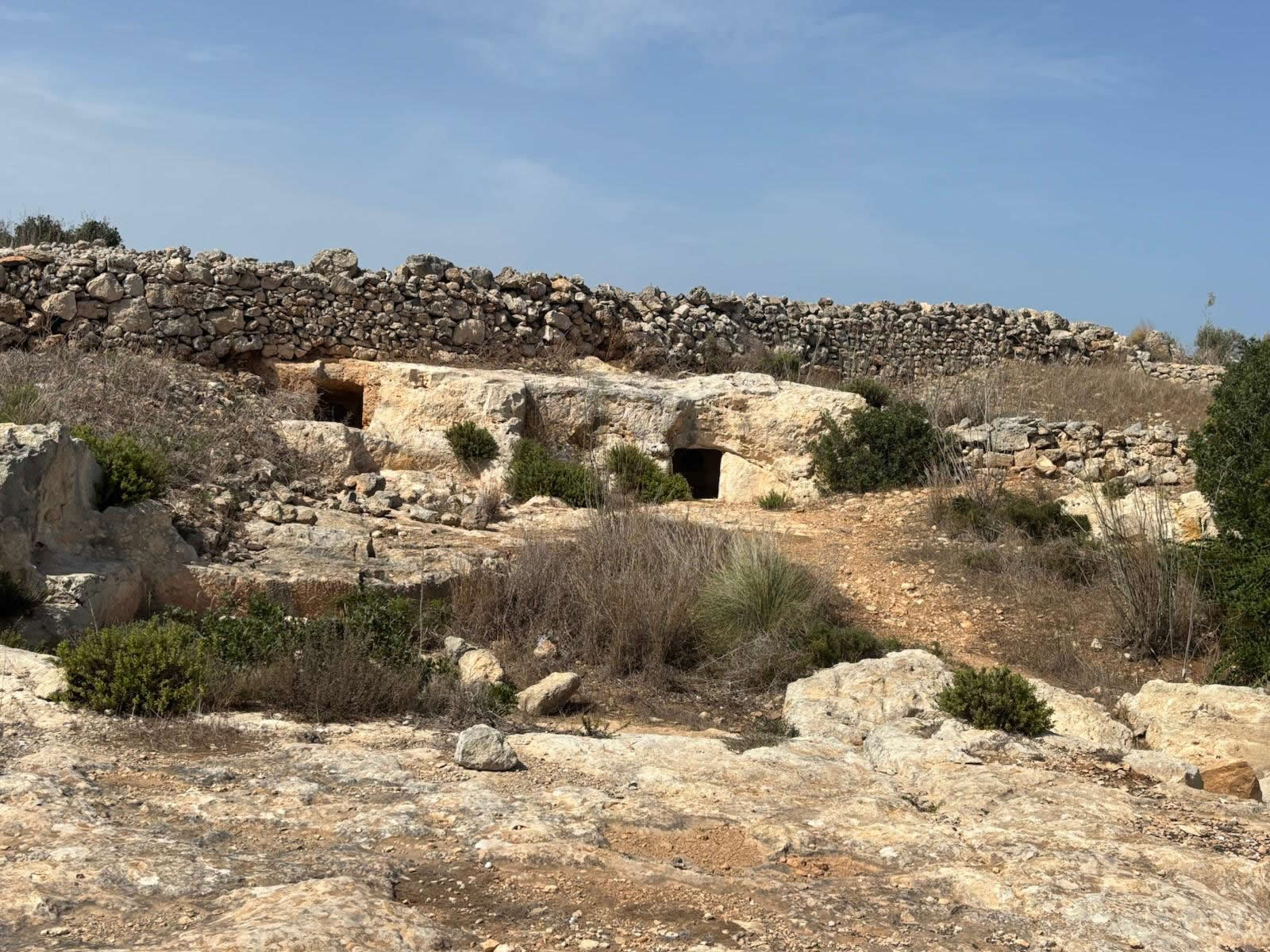
When was it probably built?
Based on how rock-cut tombs developed in Malta, the most defensible working date for “Oqbra Puniċi” style cuttings is the Phoenician-to-Punic period. A Mellieħa heritage summary describes the Phoenicians reintroducing underground rock-cut burial in Malta around 700 BC, followed by Punic-era plan changes in the 5th century BC and further evolution in the 4th–3rd centuries BC.
Practical “confirm” wording for your page: “Probably cut in the Phoenician/Punic period (c. 700–300 BC), with possible later reuse.”
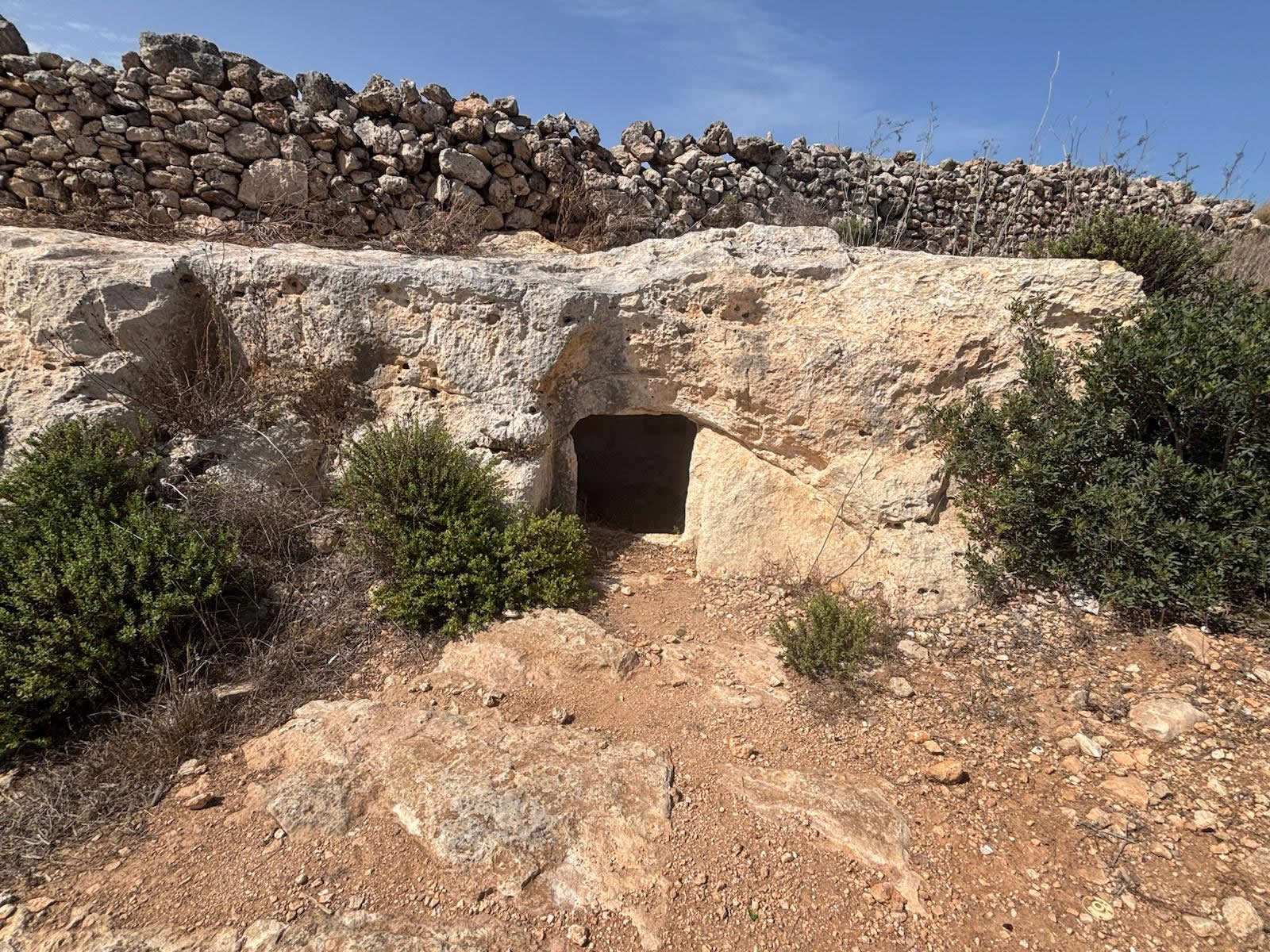
History & use (how these tombs worked)
Rock-cut Punic tombs were usually entered from the surface and led down into a burial chamber. The Mellieħa summary describes early Phoenician burials in round/oval chambers accessed via a vertical shaft, typically accompanied by pottery and personal items, and notes that cremation was also practised in some phases.
Typical use sequence
- Cutting & preparation: a shaft is cut down to the chamber; a platform or area is prepared for the deceased.
- Primary burial: inhumation (extended position) is common; offerings (pottery/jewellery) may be placed with the dead.
- Closure: the entrance is sealed (often with a slab/stone), helping protect the chamber contents.
- Reopening / reuse: older tombs were frequently reopened in later periods; Roman-era use can introduce recognisable material (e.g., blown glass after the late Republic/early Empire) and different burial containers.
- Shift to larger underground complexes: the Mellieħa summary links a later move toward collective underground systems (hypogea) by the early centuries AD, associated with early Christian-era burial landscapes.
Key dates & timeline (island context)
- c. 700 BC: Phoenician presence associated with renewed rock-cut underground burial in Malta.
- 5th century BC: early Punic changes in tomb layout (round chamber with rectangular shaft described in Maltese summaries).
- 4th–3rd centuries BC: further development of more rectilinear chambers and additional cut spaces.
- 218 BC onwards: Roman period in Malta; older necropolises continue and tombs are often reused.
- 3rd century AD (and earlier): growing use of larger collective underground burial systems (hypogea) associated with early Christian burial practice.
What to look for on site
- Shaft opening: a vertical or slightly sloped access cut down into limestone.
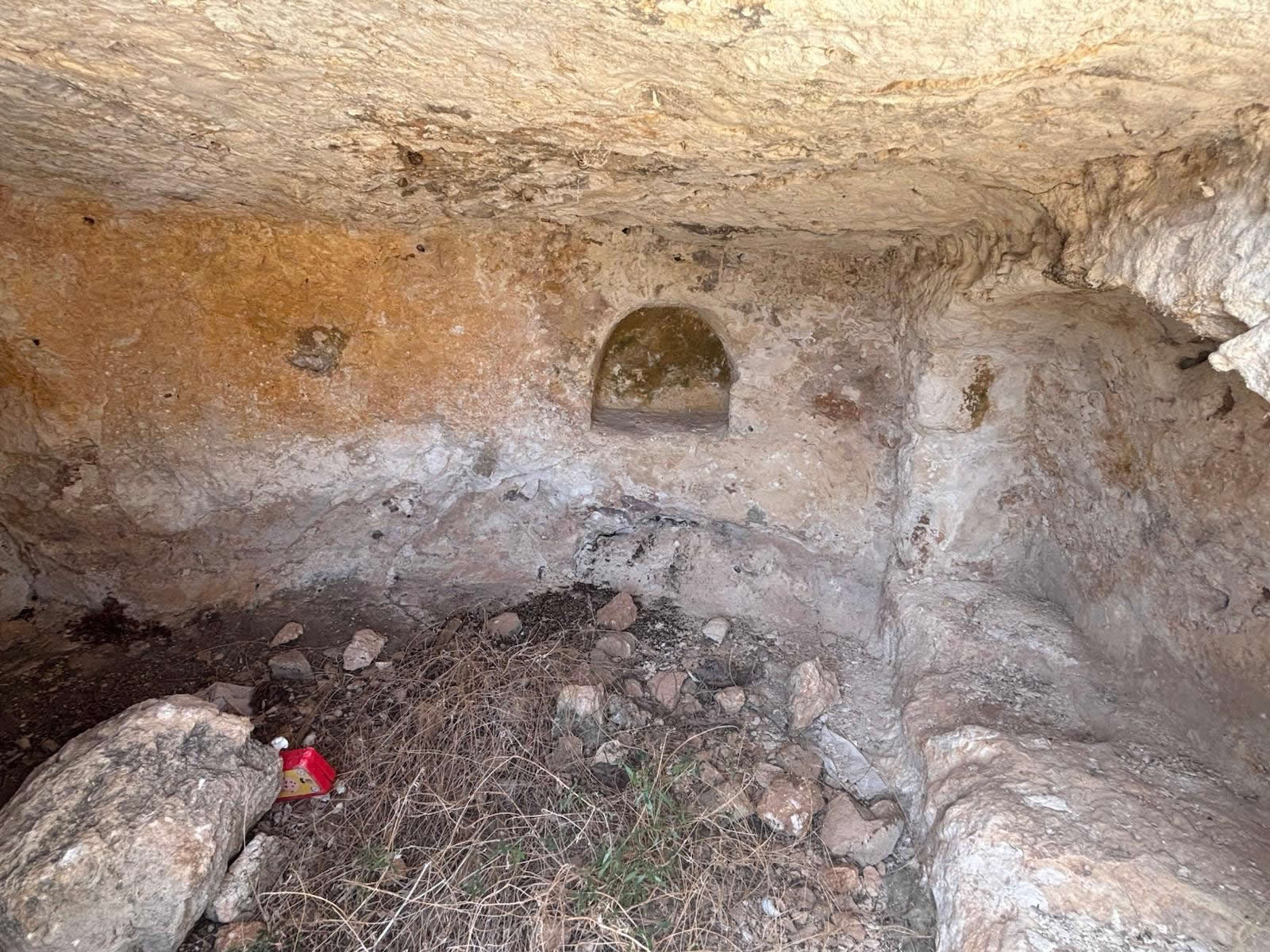
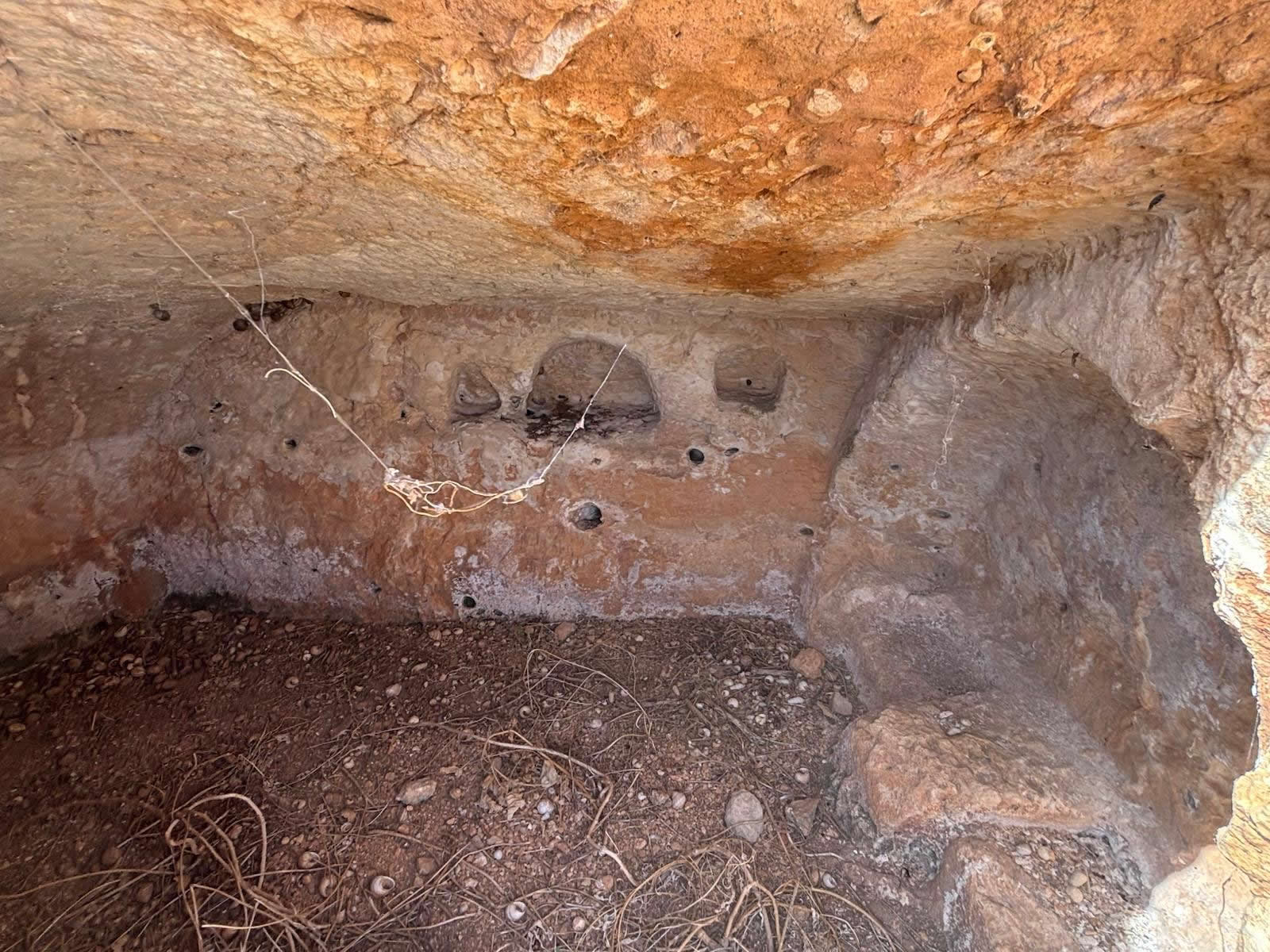
- Chamber geometry: round/oval or more rectangular forms can hint at different phases described for Malta’s Punic-era evolution. :contentReference[oaicite:11]{index=11}
- Burial recess / platform: a smoothed area where the body may have been placed.
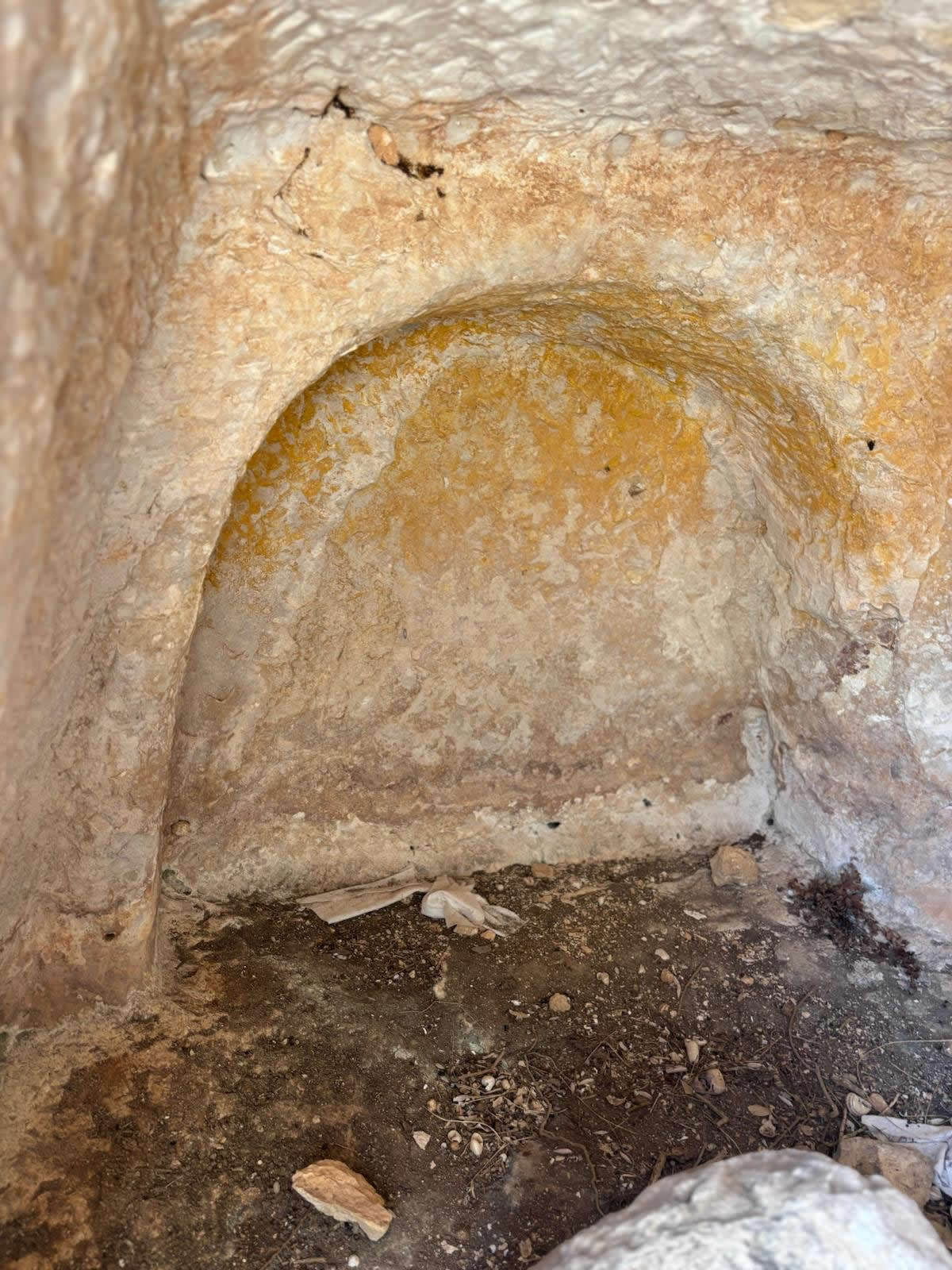
- Secondary cuttings: niches/side recesses can indicate later modification or expanded family use.
Visiting notes (responsible heritage)
- Safety: limestone edges can crumble; avoid leaning over shafts; never enter unstable cut chambers.
- Respect: do not remove stones/soil; do not scratch tool marks; leave everything in place.
- Access: if fenced or clearly private, view only from public paths.
- Best light: early morning or late afternoon makes shallow rock-cut details easier to photograph.
Rock-cut tombs are sensitive archaeological features. Enjoy them visually and leave no trace.
FAQ
Are these “Punic” or “Paleo-Christian”?
The Selmun area can contain multiple funerary phases. The physical form commonly described for Malta’s Punic tombs (shaft-and-chamber rock-cut burials) fits a Phoenician/Punic origin (c. 700–300 BC), while later reuse in Roman times and the broader shift toward collective hypogea in early centuries AD can create overlapping labels.
Nearby
Mellieħa, - Catacombs & Tombs hub, and Fort Campbell.