Nature & geologyLegends of MaltaNatura 2000 siteQrendi
Il-Maqluba is one of Malta’s most striking natural landmarks: a sudden, near-circular sinkhole formed in 1343 and now protected for its rare,
sheltered Mediterranean habitat and geological significance.
Overview
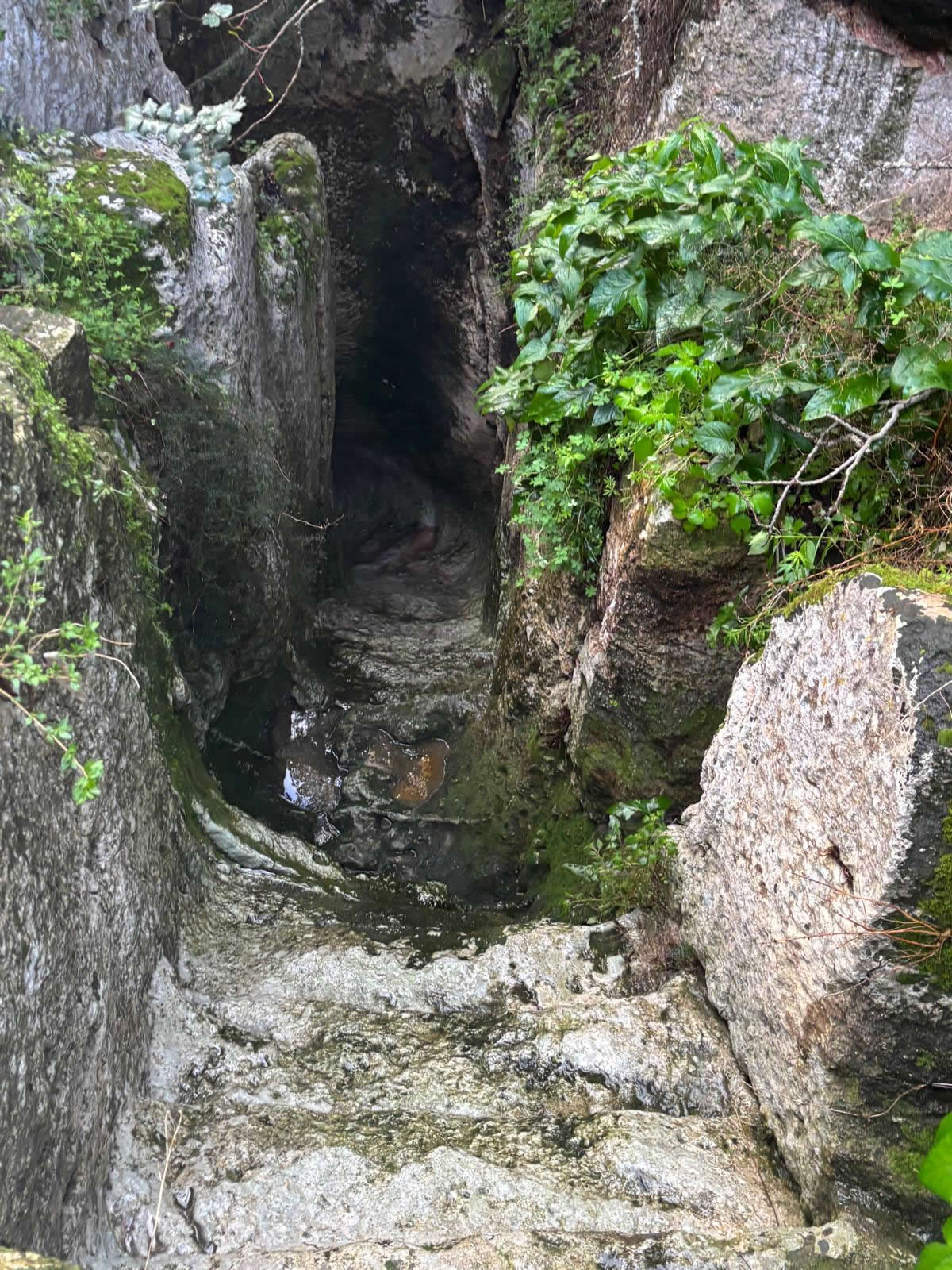
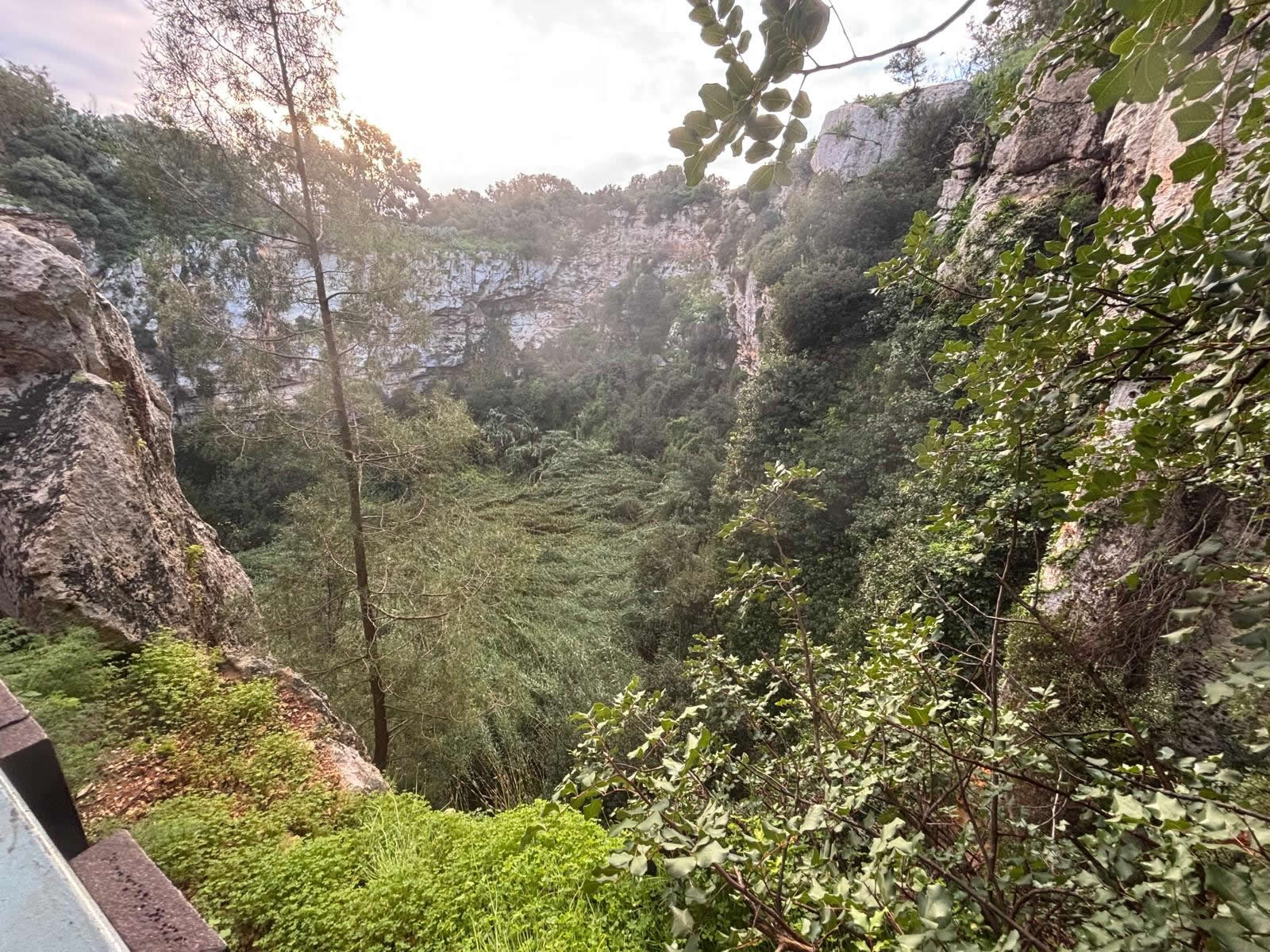
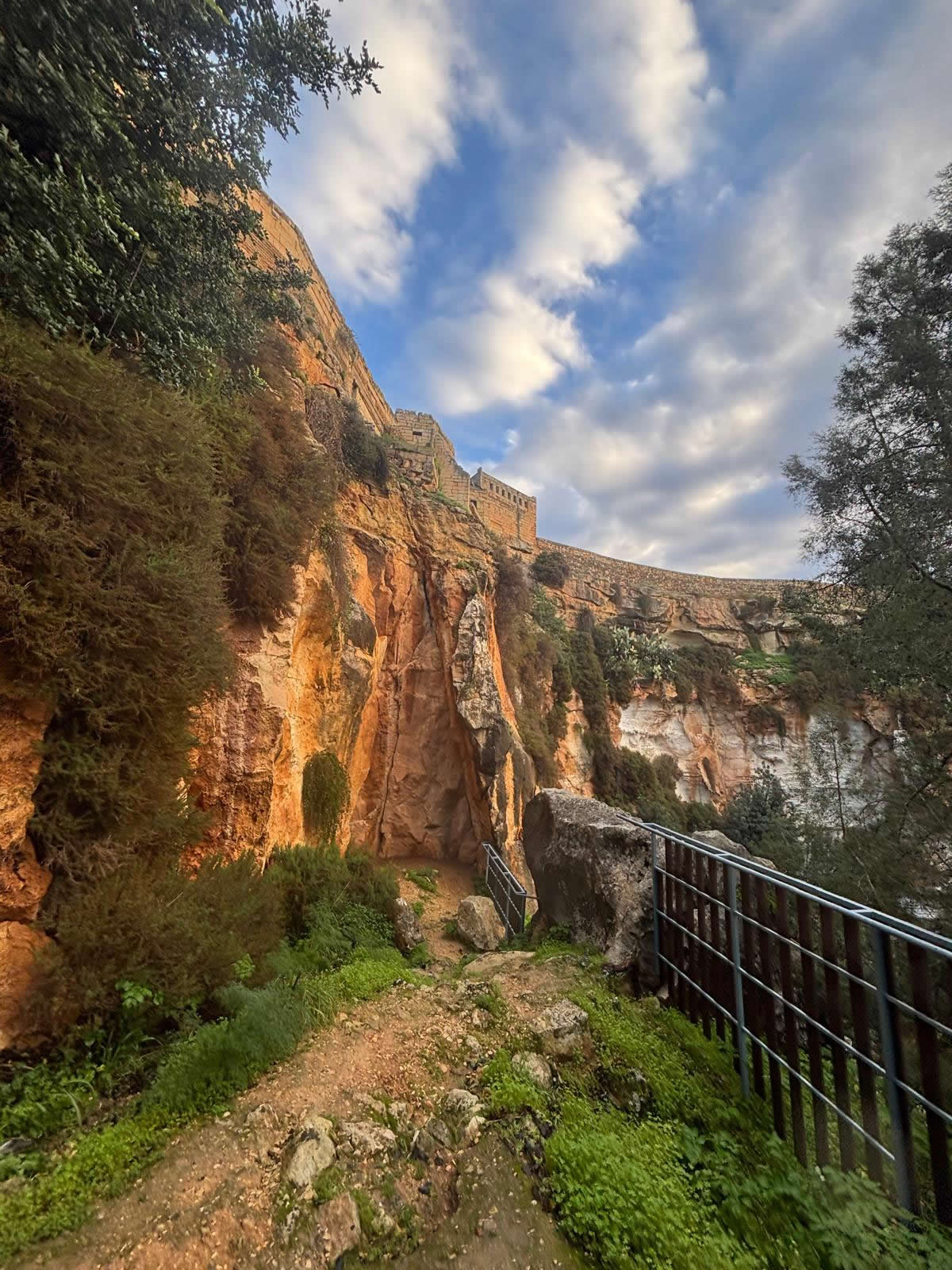
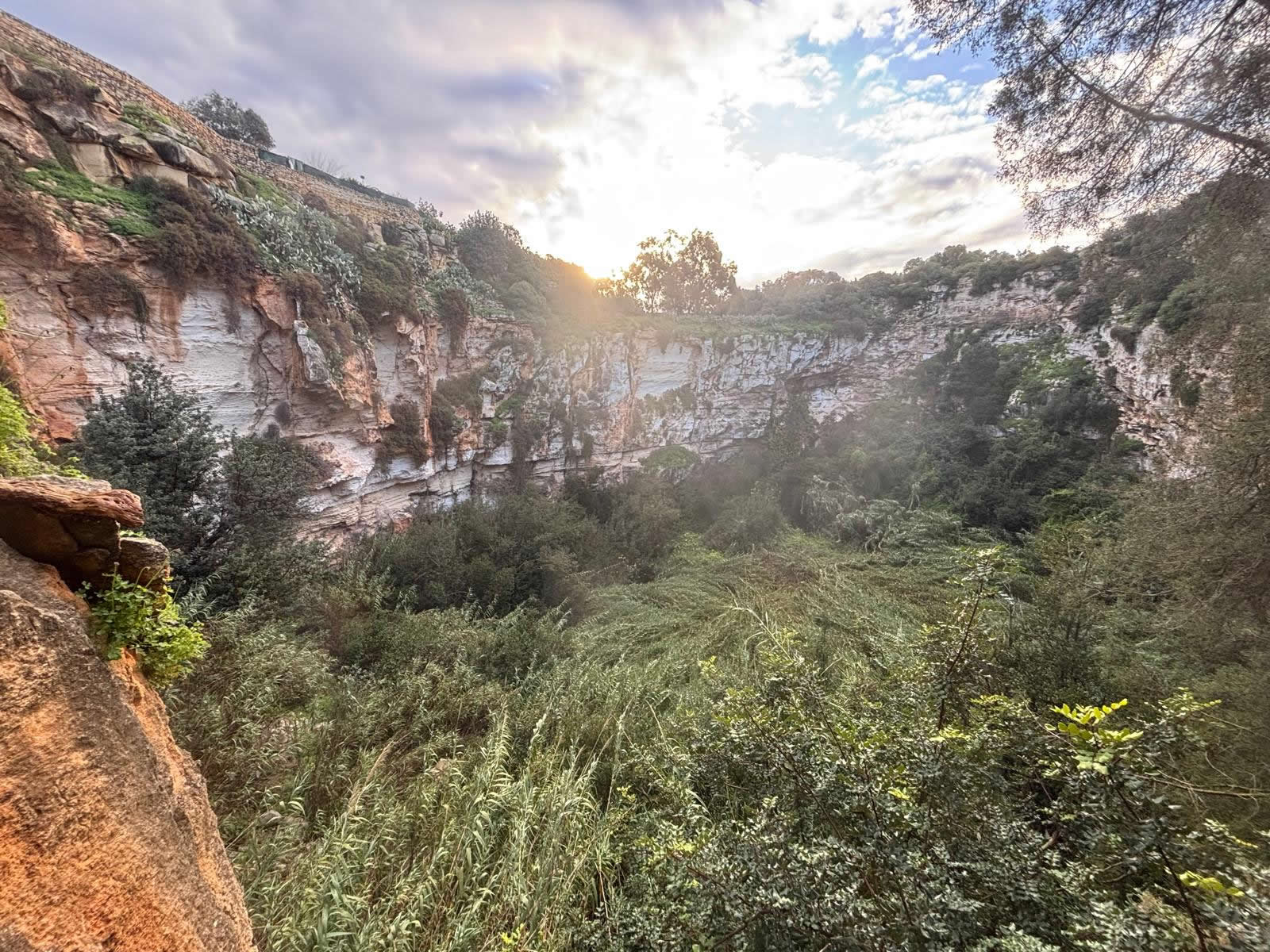
Just outside Qrendi, Il-Maqluba (“the upturned” or “upside-down”) is a deep doline created by the collapse of limestone strata into an underground void.
The sinkhole’s steep walls form a sheltered microclimate that supports dense vegetation—remarkably lush compared to the exposed landscape above.
Adjacent heritage: St Matthew chapels (“San Mattew tal-Maqluba”) at the rim
Protection: designated within Malta’s Natura 2000 network (Special Area of Conservation / candidate site)
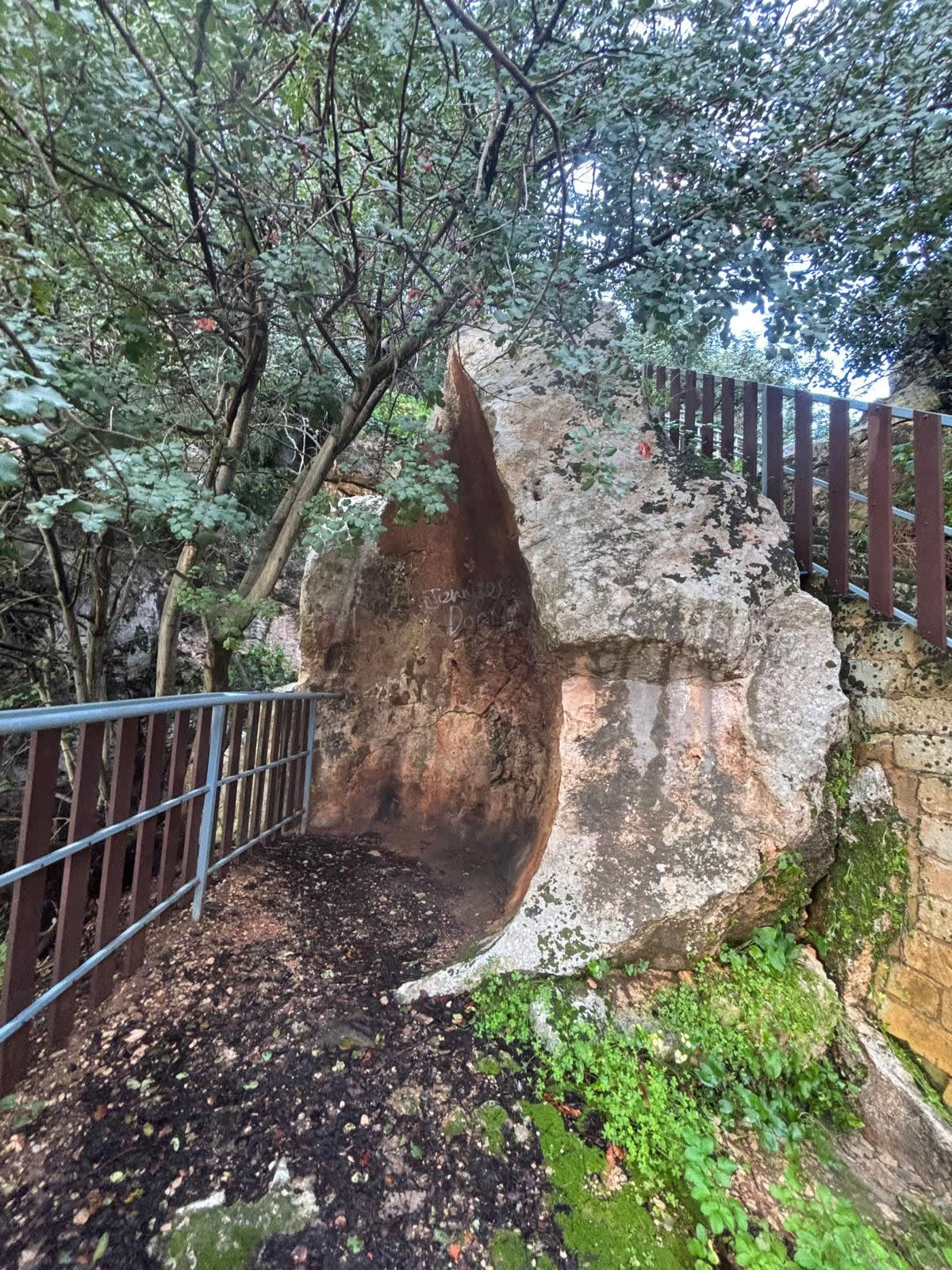
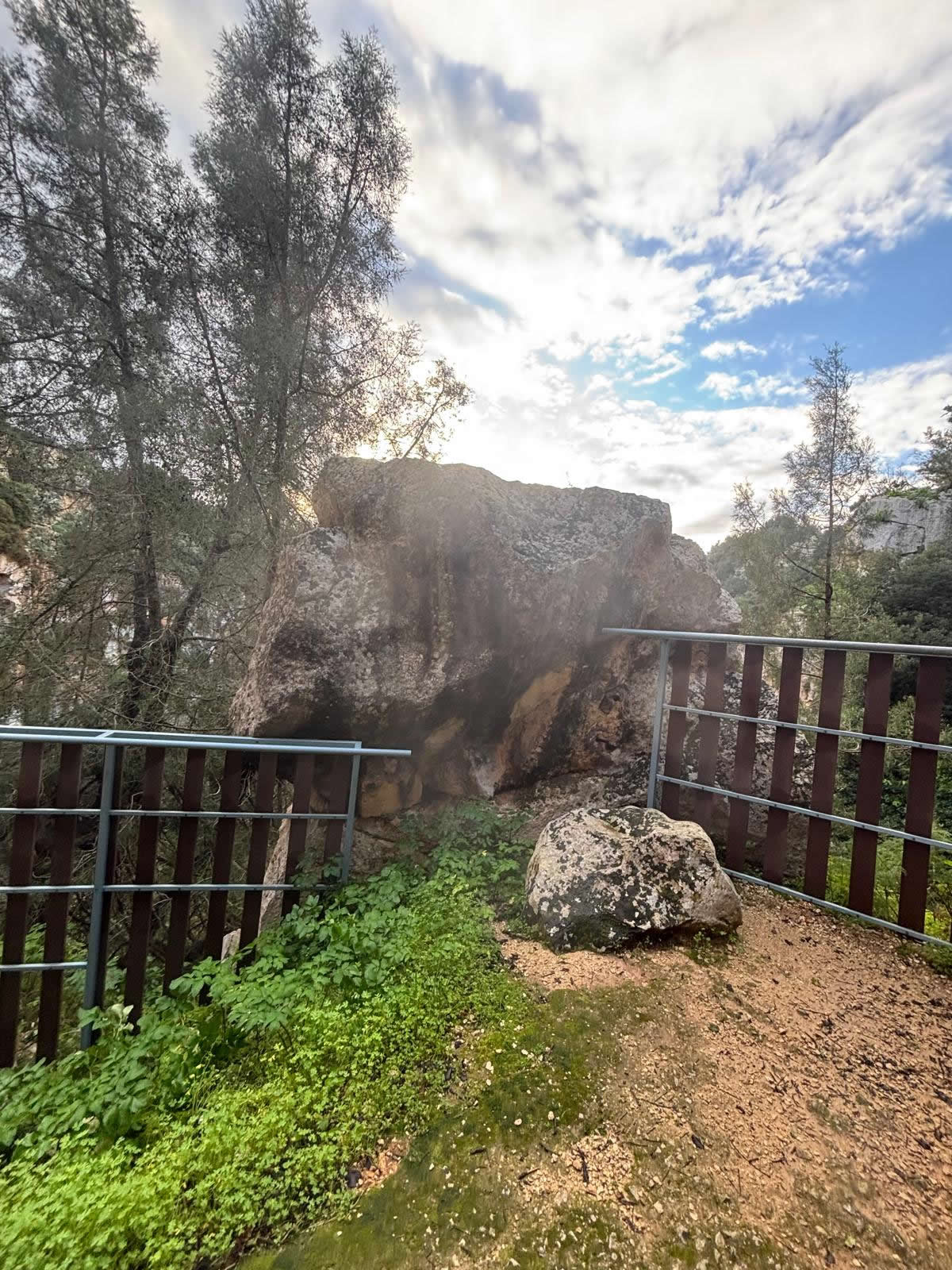
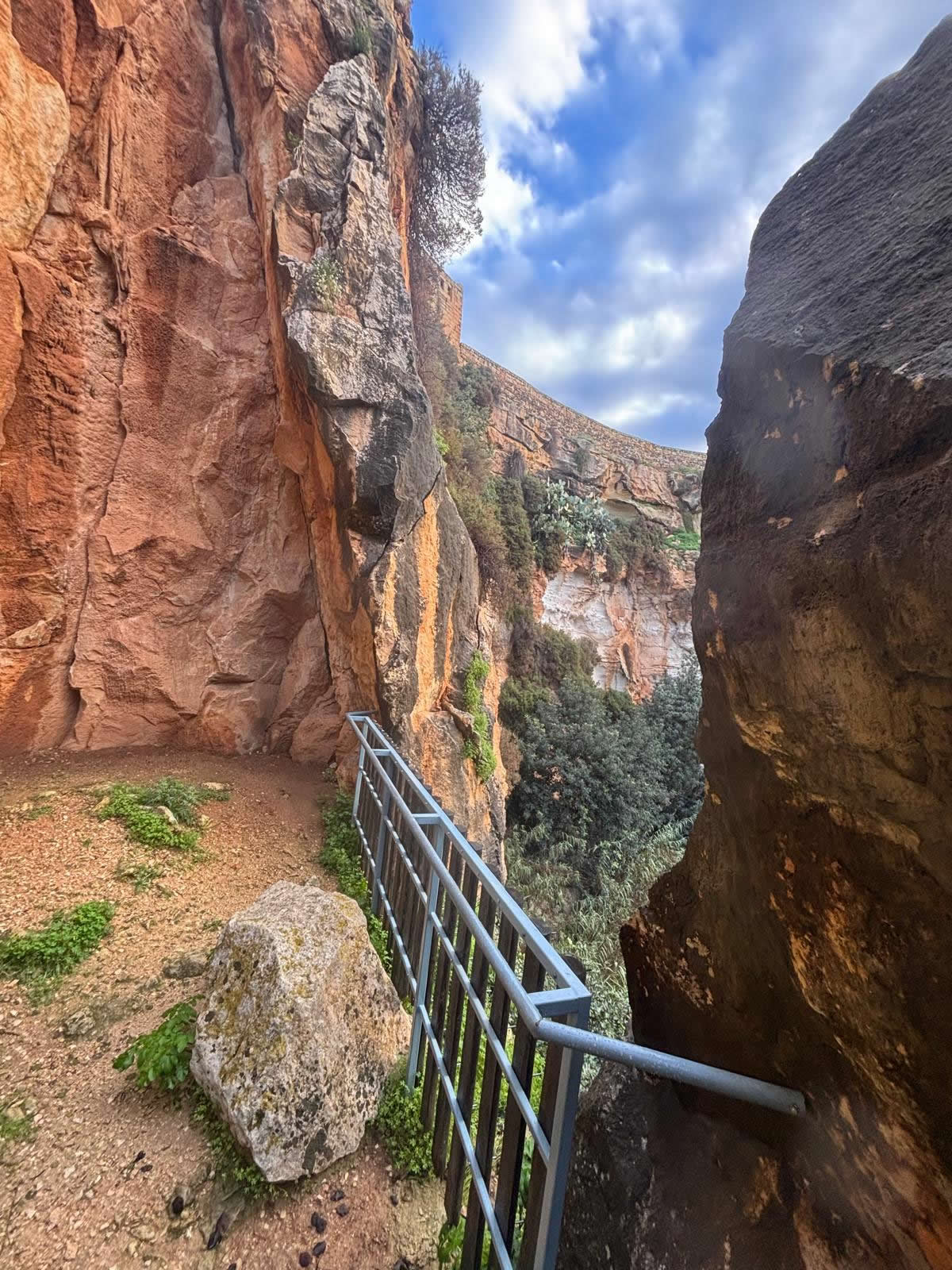
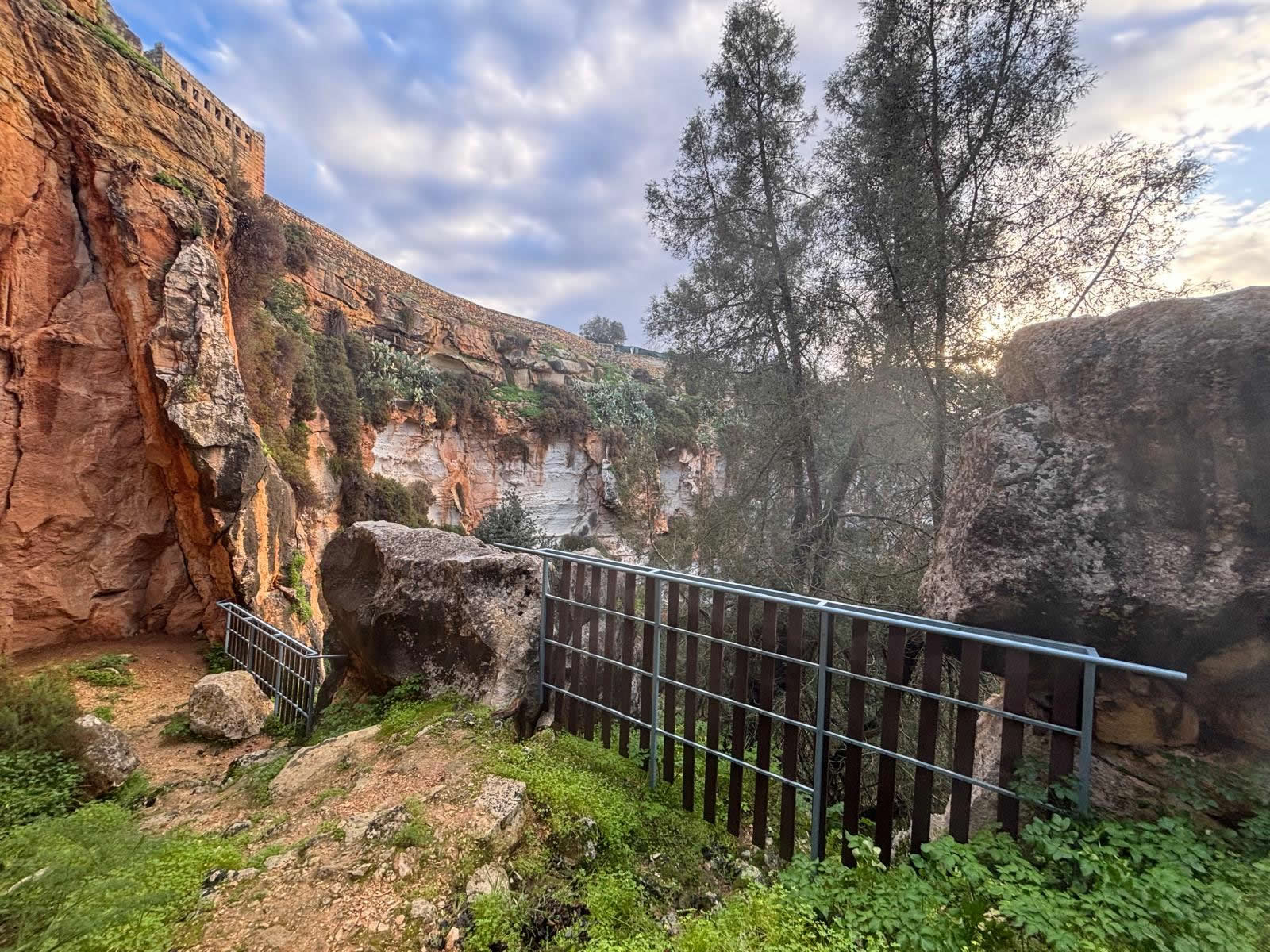
For safety and conservation, visitors should admire Il-Maqluba from designated viewpoints and paths—do not attempt to descend into the sinkhole.
Full detailed history
1) The 1343 event: “the ground turned upside-down”
Local and official summaries repeatedly connect Il-Maqluba’s formation to a violent event on 23 November 1343, described as a severe storm
and, in some accounts, possibly an earthquake. The result was a dramatic collapse: the roof of an underground void gave way, and the overlying limestone
dropped, leaving the circular cavity seen today.
2) How a doline forms (geology in plain language)
Il-Maqluba is commonly described as a collapsed solution structure. Over time, slightly acidic rainwater dissolves limestone along fractures,
enlarging cavities underground. When the cavity roof can no longer support the weight above, it collapses. The “bowl” that remains is called a doline
(a sinkhole), with steep rock walls and a debris-covered floor.
3) From disaster to sanctuary: the legend of Il-Maqluba and Filfla
No Maltese sinkhole is more steeped in folklore. The best-known legend says a sinful hamlet once stood on this spot. After warnings were ignored, the ground
opened and swallowed the settlement—saving only a pious person praying in a small chapel. Angels then carried part of the land out to sea, forming the islet
of Filfla. Variants of the story link the survivor to prayer in the St Matthew chapel/crypt at the edge of the sinkhole.
4) The St Matthew chapels on the rim
Il-Maqluba’s cultural identity is inseparable from the chapels of San Mattew tal-Maqluba.
A small, older chapel/crypt is widely described as medieval and is often presented as among the oldest crypts on the islands, while a larger church nearby
dates to the later 17th century.
5) A hidden garden: ecology and the “microclimate effect”
The sinkhole’s steep walls create shade and retain humidity, producing conditions very different from the exposed plateau above. This supports dense
Mediterranean vegetation and a distinctive community of species adapted to sheltered, sub-humid niches. Environmental summaries highlight the sinkhole’s
ecological importance, including specialised plant communities and organisms that thrive in the shaded crevices and rock faces.
6) Protection and conservation
Il-Maqluba is part of Malta’s Natura 2000 network (Special Area of Conservation / candidate site), and it is also recognised locally for
protection of its trees and habitat. This status reflects two values at once: the site’s geological rarity and its ecological role as a refuge for species
in a heavily altered landscape.
7) Il-Maqluba today
Today Il-Maqluba is visited as a natural wonder, a place of story, and a “living classroom” for geology and ecology. It rewards slow exploration: read the
landscape, notice how the rim is dry and open while the interior is green and shaded, and take time to see how a sudden event in 1343 became a protected
sanctuary of nature and memory.
Visiting guide
Getting there
Navigate using the pinned coordinates: 35.831181, 14.457803. The site is accessed from the Qrendi outskirts (Misraħ il-Maqluba area).
Use established paths and viewpoints.
Safety & site respect
Do not descend into the sinkhole—admire it from the designated belvedere/viewpoints.
Stay on paths and avoid approaching unstable edges.
Leave no trace: no litter, no fire, no plant collection.
Quiet respect around the chapels and during any local observances.
Best time to visit: early morning or late afternoon for softer light and cooler walking conditions.
FAQ — Il-Maqluba
What does “Il-Maqluba” mean?
It is commonly translated as “the upturned” or “upside-down,” reflecting the dramatic collapse that created the sinkhole.
When did Il-Maqluba form?
Many official and popular accounts link its formation to 23 November 1343, during an exceptionally violent storm (and sometimes possibly an earthquake).
Why is it so green inside?
The sinkhole walls shelter the interior from wind and direct sun, increasing shade and humidity and supporting dense vegetation (a microclimate effect).