🏰 St Julian's Tower (Torre di San Giuliano), Sliema
📍 Location
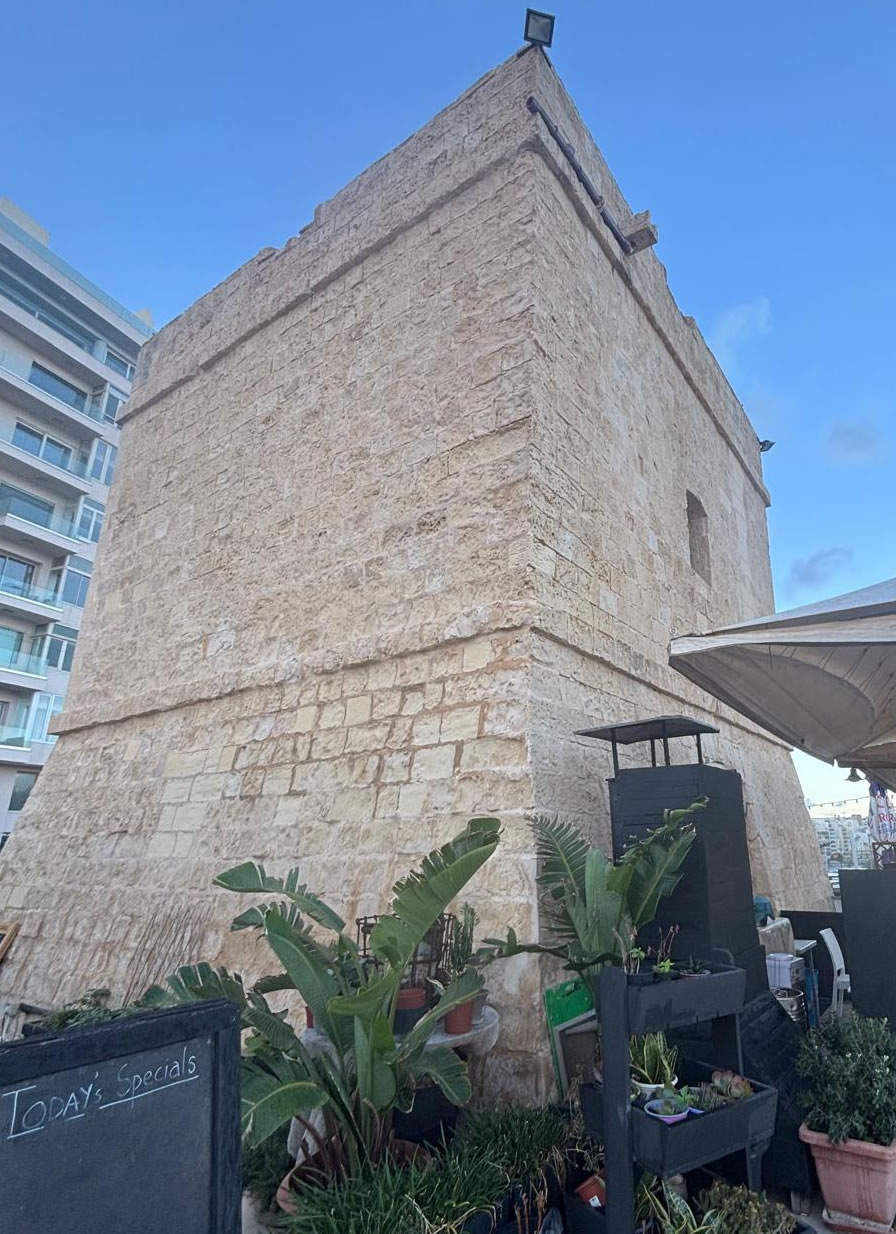
Saint Julian's Tower was built in 1658 to protect St. Julian's Bay. It follows the standard design of the De Redin towers, having a square plan with two floors and a turret on the roof. It has Saint George's Tower in its line of sight to the west, and the capital Valletta to its east.
Here’s an overview of the construction and history of Saint Julian’s Tower (Torri ta’ San Ġiljan) in Sliema, Malta, covering its origins, structural evolution, and its role over time:
Historical Background
The tower was built in 1658 by the Order of Saint John.
It is one of the 13 De Redin towers, a chain of coastal look-out towers commissioned by Grand Master Martin de Redin.
These towers were part of a broader early-modern coastal defense system: they maintained line-of-sight communication (via signals) with one another so that warnings (e.g., of pirate or Ottoman raids) could be relayed around the island.
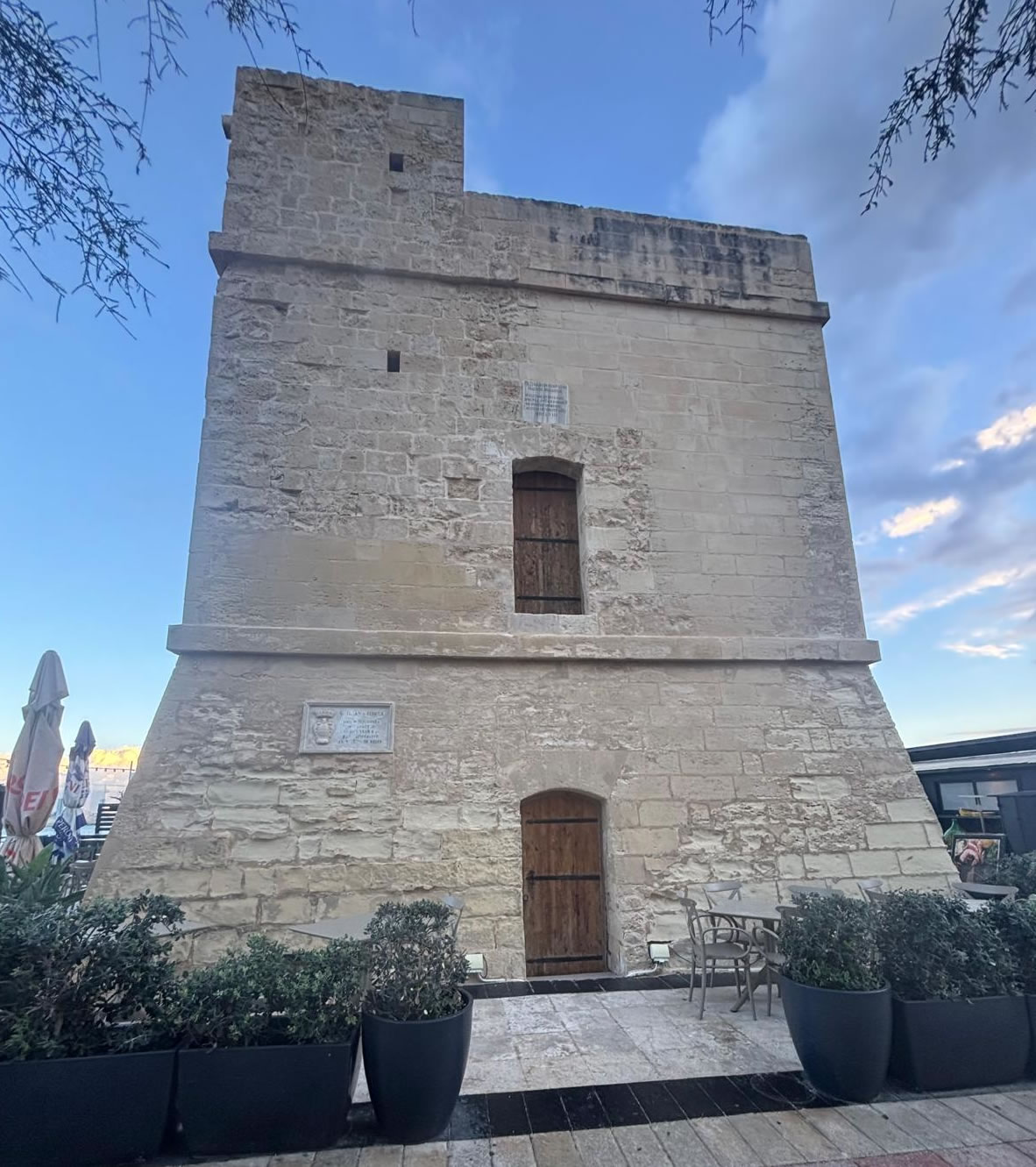
The design is “standard” for the De Redin towers: a square plan, two floors, and a small turret on the roof.
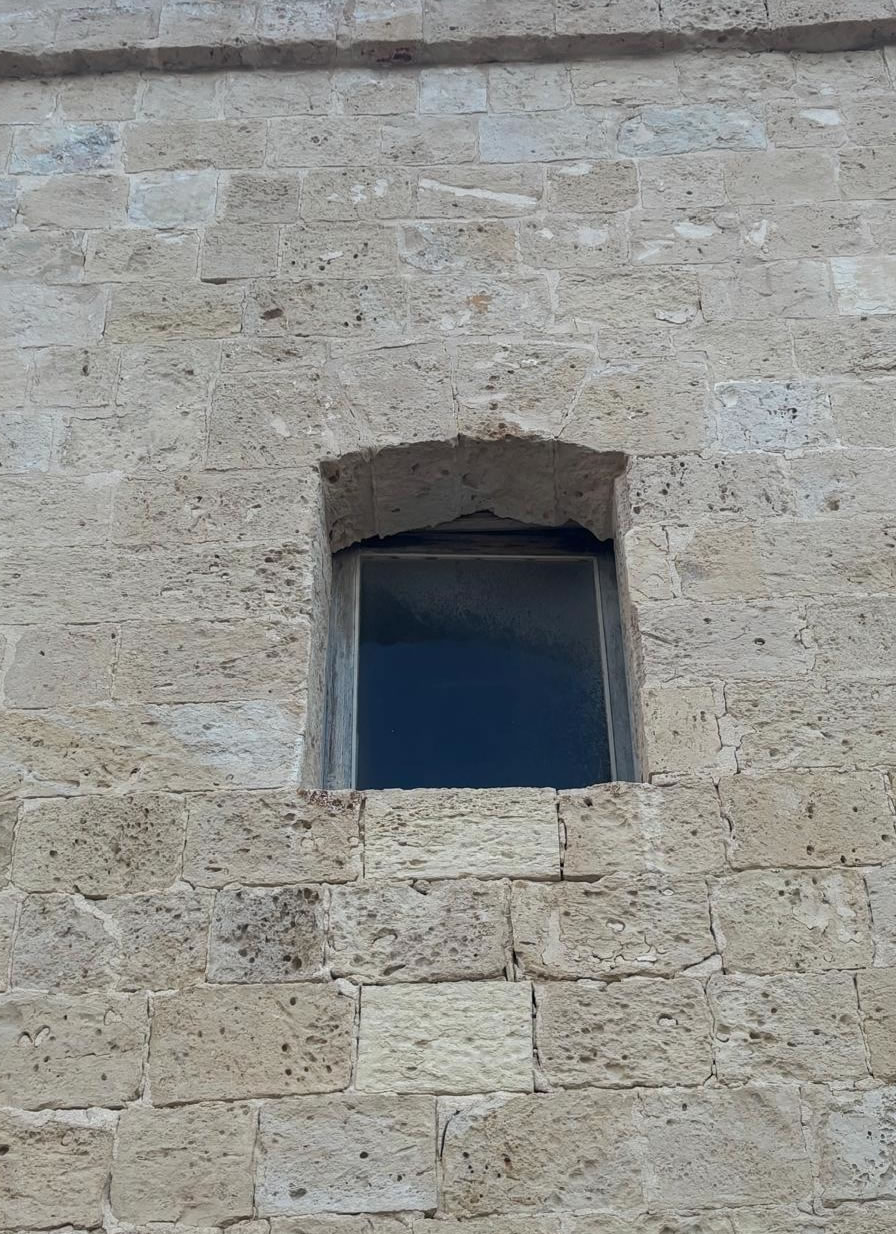
Built from limestone, which is very common in Maltese fortifications.
Its strategic location gave it sightlines to Saint George’s Tower (to the west) and toward Valletta (to the east).
In 1715, an artillery battery was constructed around the seaward side of the tower.
Part of this battery included a parapet with four embrasures (openings for cannons), while the rest of the parapet was “en barbette” (i.e., guns fired over the parapet rather than through openings).
The land-facing side of the battery was defended by a freestanding wall and a “redan” (a V-shaped fortification), which had musketry loopholes. Additionally, there was a rock-hewn ditch for extra defense.
During the French occupation of Malta (1798), there was a Maltese uprising. Vincenzo Borg (one of the insurgent leaders) and his forces captured the tower and its battery.
Later in the blockade, the guns from the battery were removed and transferred to other insurgent fortifications (e.g., Corradino Batteries), which were used to bombard the French in Valletta.
Over time, the original land-front defenses (like the redan and parapet) were dismantled or lost.
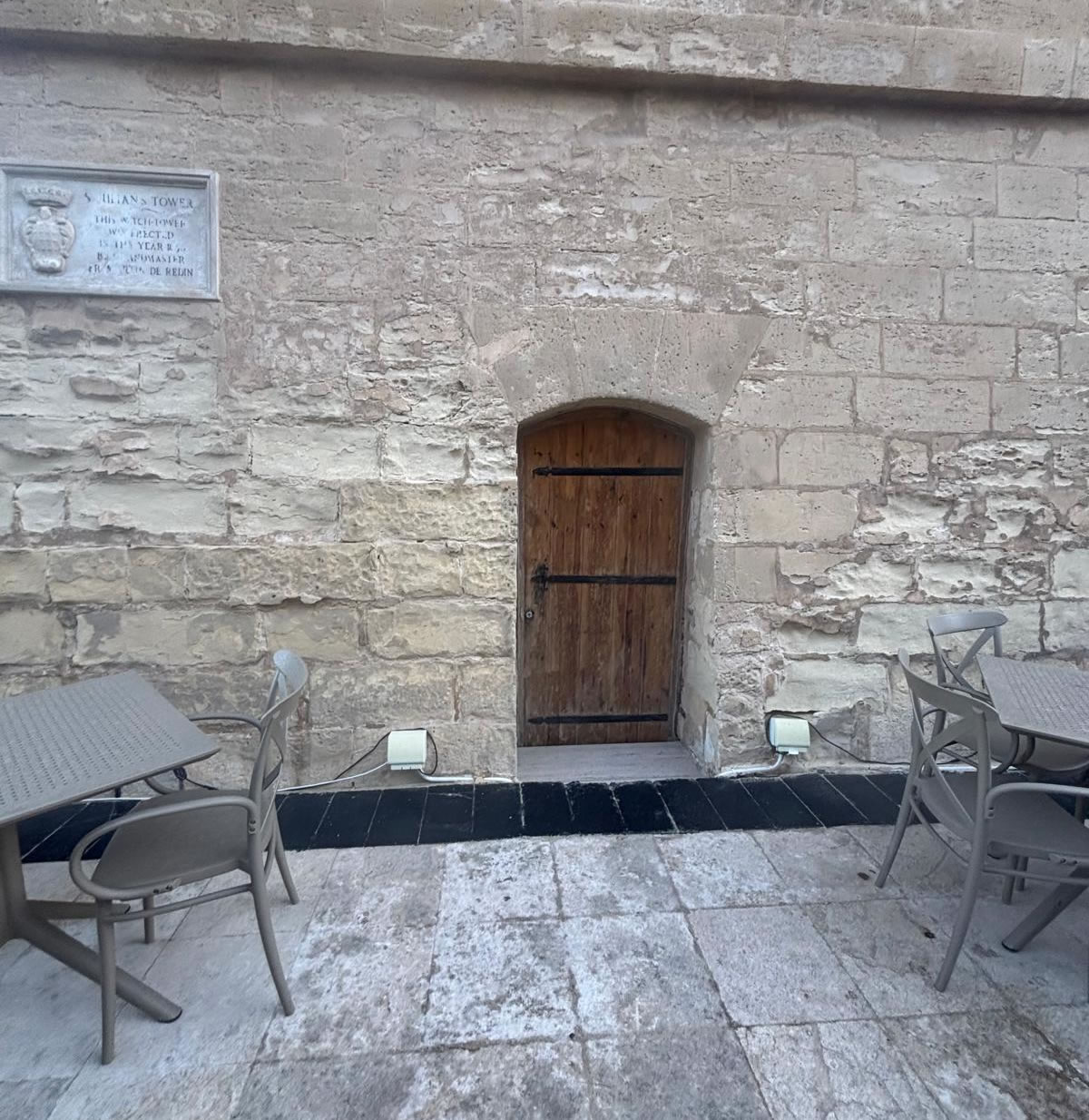
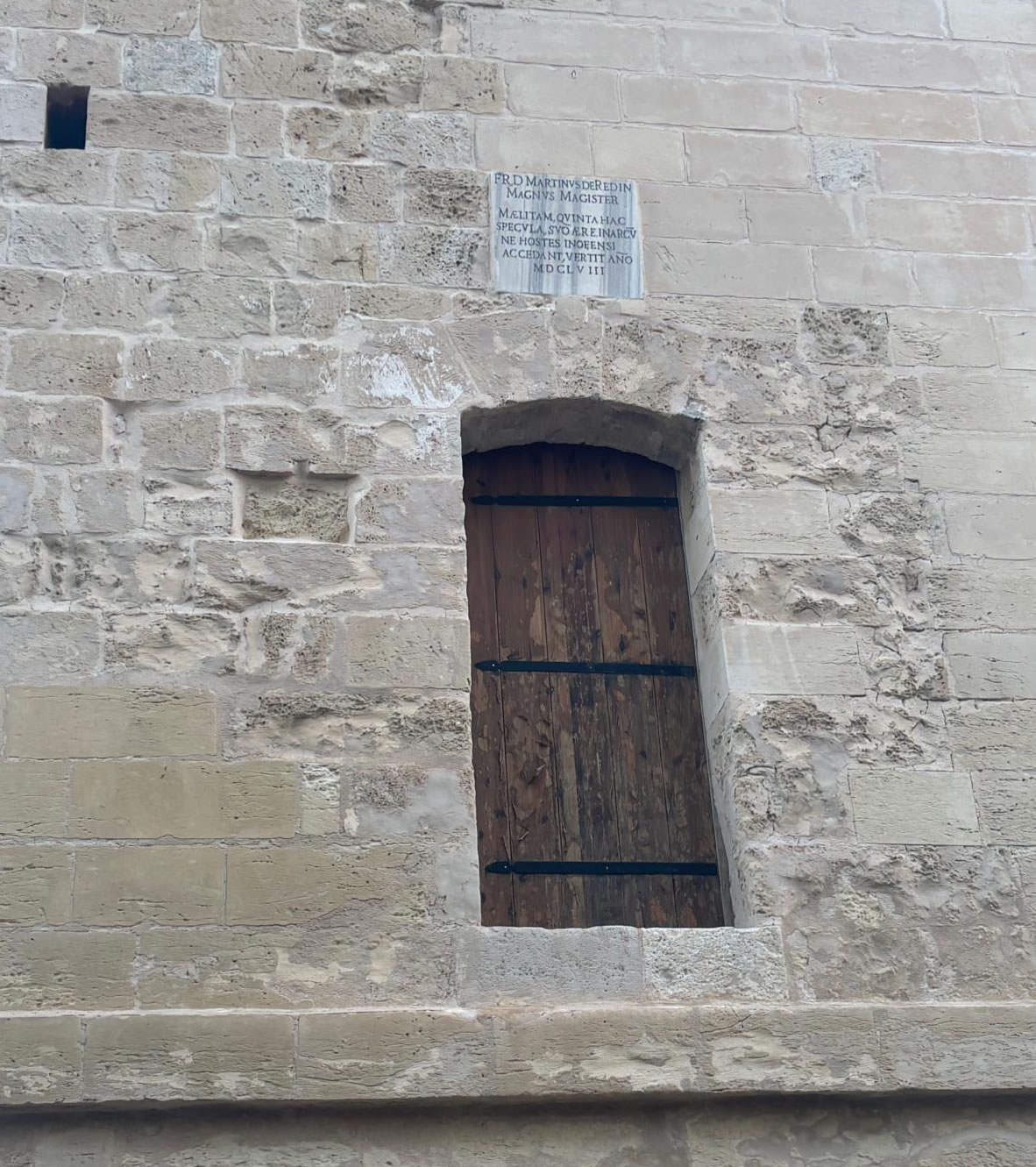
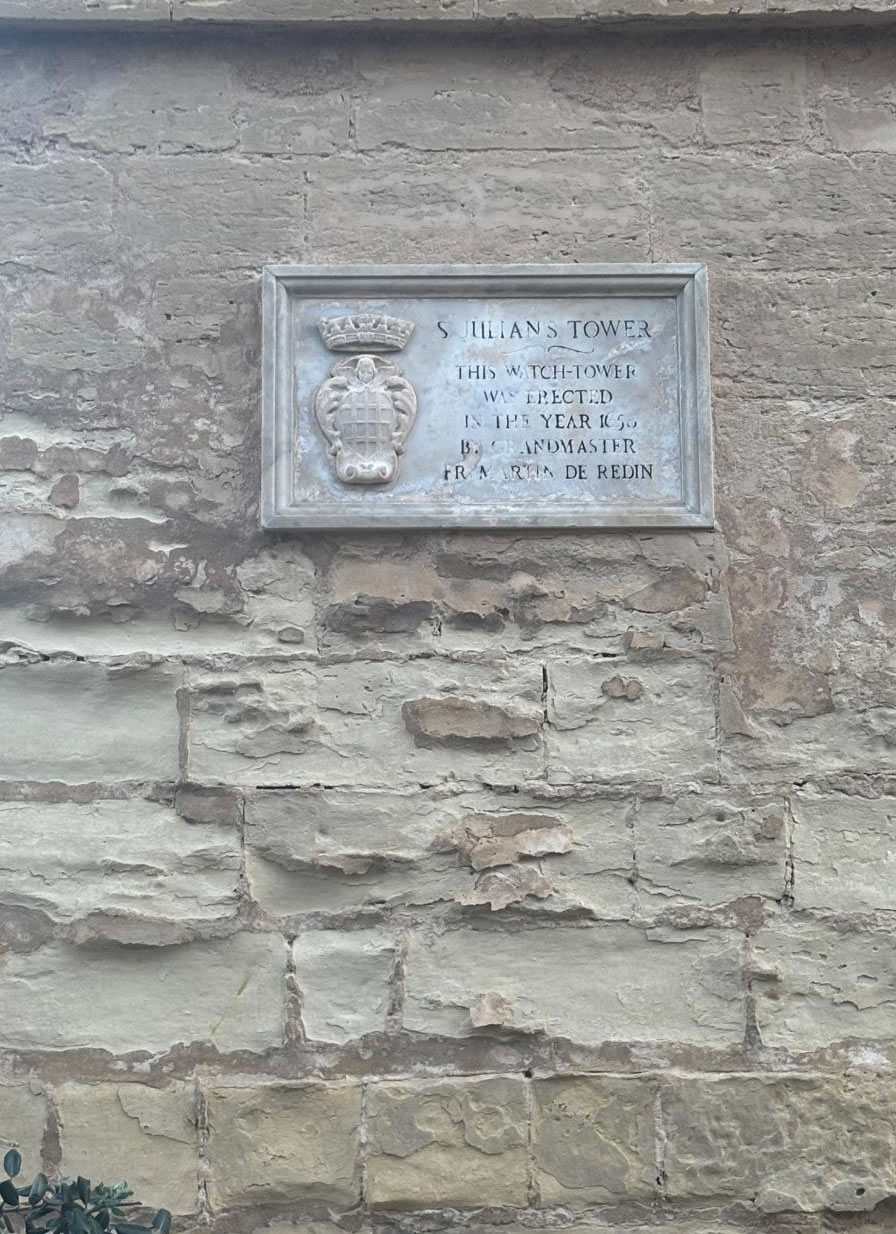
In 1951, the Maltese government placed a marble plaque on the tower bearing the coat-of-arms of the Grand Master (De Redin) who commissioned it.
The Tower Road (Triq it-Torri) promenade that runs in front of it takes its name from the tower.
Present-Day Use and Condition
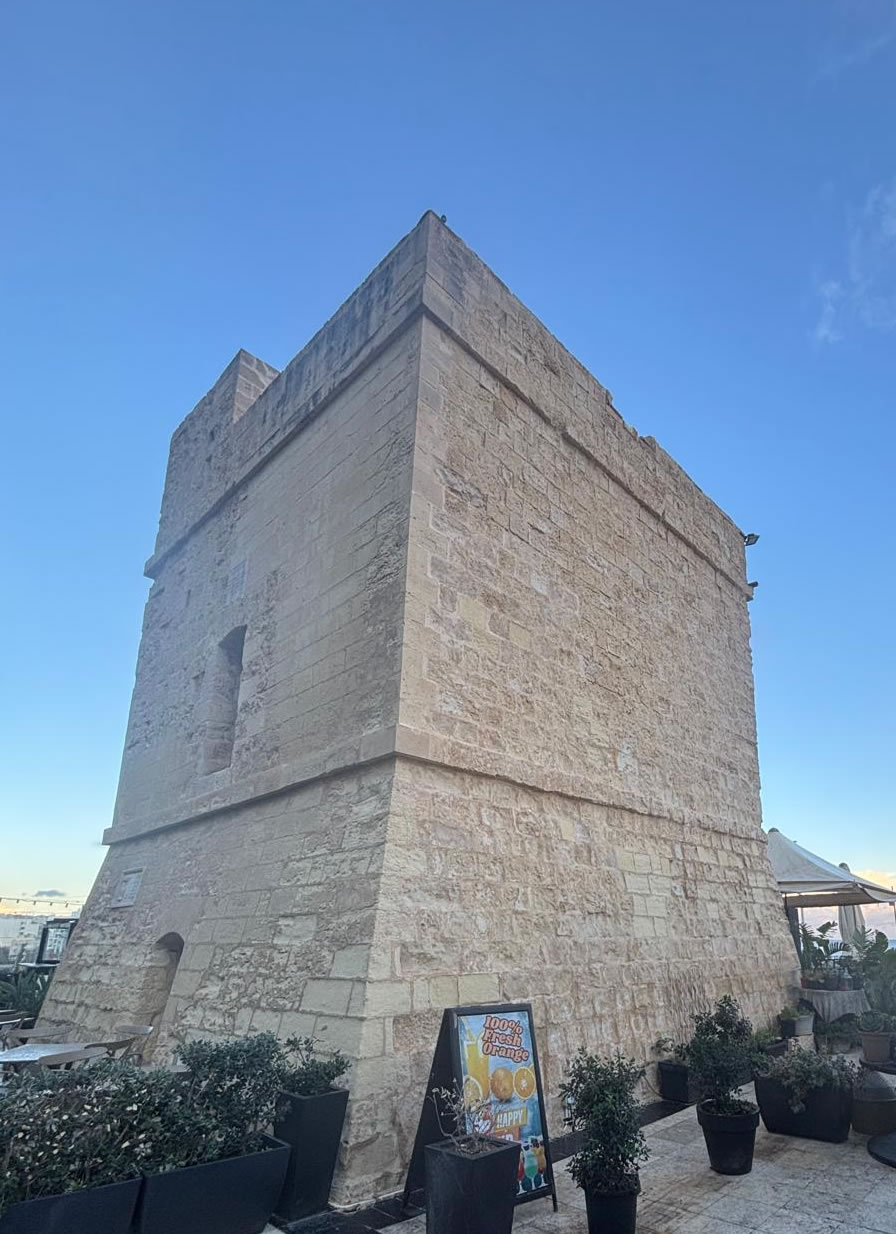
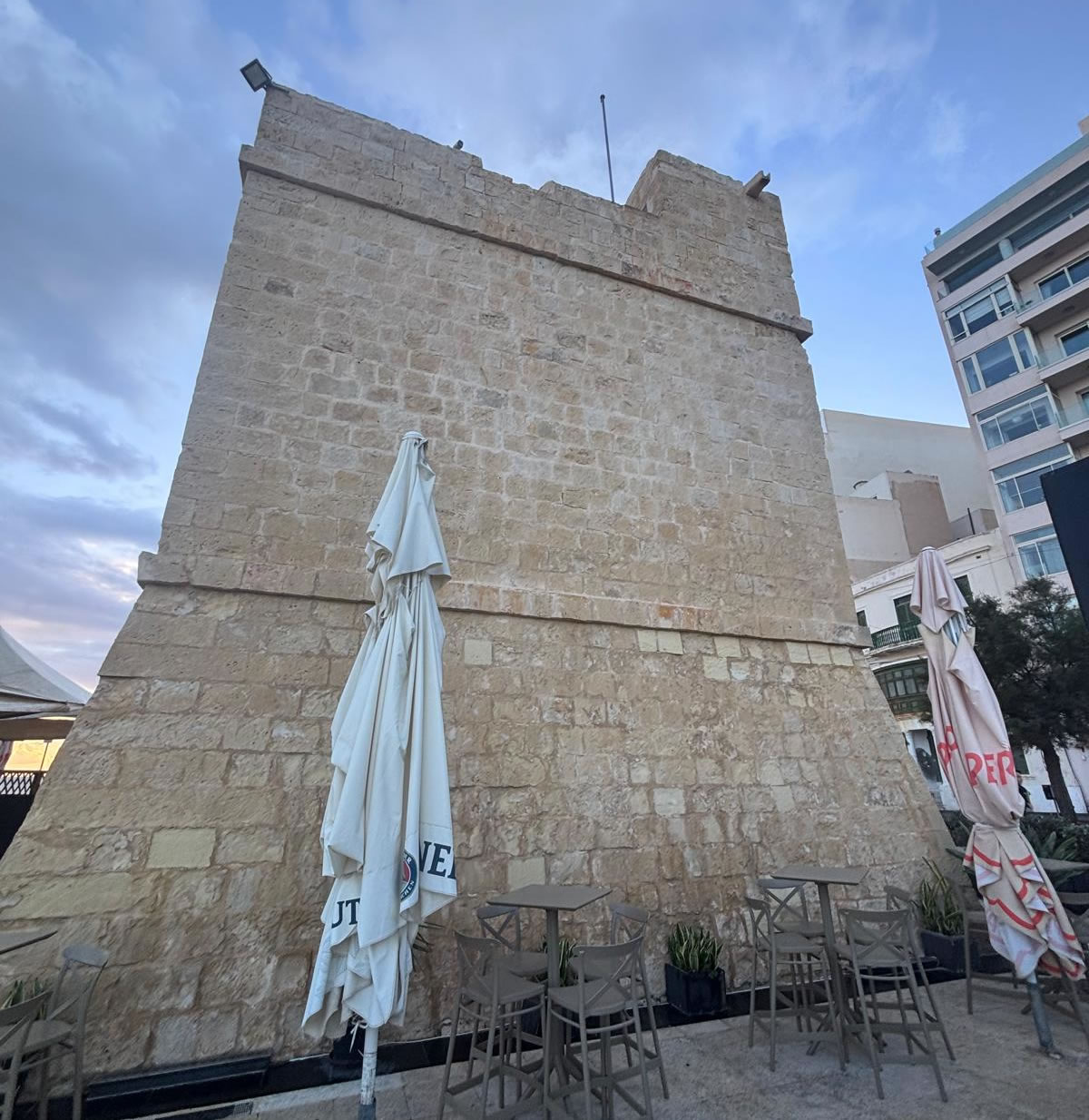
Today, the tower is intact and is in good condition.
The battery, though, is partially lost: key defensive elements like the land front, the redan, and the parapet embrasures are gone.
The site is now used commercially: the tower (and what remains of the battery) houses It-Torri Restaurant.
Because of its historical and architectural significance, it is listed in the National Inventory of the Cultural Property of the Maltese Islands.
Strategic Importance & Architectural Significance
The tower was part of a network of watchtowers — its line-of-sight with neighbouring towers meant it played a key role in early warning and communication along the coast.
The addition of the battery in 1715 reflects changes in military technology and threat perception: not just look-out but also active coastal defense (with cannon).
Its capture during the Maltese uprising of 1798 underscores its strategic value: insurgents used it as a strong point, and its artillery was later repurposed for the blockade.
Cultural & Urban Legacy
The tower’s presence has shaped modern Sliema: Tower Road, a major promenade, is named after it. (
By being turned into a restaurant, the tower has been integrated into contemporary urban life, blending historical preservation with commercial use.
The 1951 plaque helps maintain a physical connection to its origins under the Order of St John and honors its founder.
Key restoration / conservation points
1951 — commemorative marble plaque fixed
The Government affixed a marble plaque bearing the coat-of-arms of Grand Master De Redin. This is recorded as a mid-20th-century intervention/commemoration.
Tower condition recorded as “restored / intact” in recent inventories and tourist sources
Modern references and heritage listings describe the tower as intact and in good / restored condition while noting that much of the surrounding battery has been lost or replaced by the promenade. (These descriptions imply conservation work at some stage, though they do not give full project details or dates).
Adaptation for commercial use (It-Torri restaurant) — building integrated into modern use
The tower is currently controlled/operated by It-Torri (a restaurant) and its website describes the tower as a “450-year-old tower” forming part of the restaurant experience — an adaptive reuse that would have required repairs/consolidation to meet public/food-service standards. The restaurant’s site and profiles document this long-term usage but do not give a full technical restoration chronology.
Recent conservation works reported / visible
Social posts from the restaurant and visitor comments indicate recent conservation works (scaffolding / a “restoration is on the way” post), showing active maintenance / restorative attention in recent years. These social posts confirm at least one recent phase of external conservation works but don’t supply full formal project documentation.
What is not well documented online (gaps)
No single, detailed public account of the tower’s full restoration history (dates, contractors, scope, funding) is available in the mainstream sources I checked (Wikipedia, VisitMalta, NICPMI listings referenced indirectly, It-Torri pages, TripAdvisor, social posts). The national inventory (NICPMI) does list the tower as a protected cultural property, but the publicly accessible summary PDFs that hold detailed conservation records are either not readily discoverable in an indexed form or are split into multiple entries that require direct access to the Superintendence / archived PDFs.