Official status and management
The official inventory record identifies the redoubt as a coastal fortification of outstanding value and notes its managing bodies in modern times. Being both inventoried and scheduled, the site is treated as a high-importance monument where changes must be carefully controlled.
What “restoration” usually means for an 18th-century Maltese redoubt
In practice, conservation of a coastal limestone fortification focuses on keeping original fabric stable, legible, and protected from accelerating decay. For a monument like Briconet Redoubt, responsible restoration typically prioritizes:
- Limestone conservation: gentle cleaning, salt reduction strategies, repointing with compatible mortars
- Water management: addressing runoff paths, drainage, and moisture traps that drive salt crystallisation and cracking
- Structural stability: consolidating loose stones, repairing open joints, and addressing settlement or vibration impacts from nearby roads
- Minimal intervention: repairs that preserve the fort’s historic profile and avoid “over-finishing” surfaces
- Reversibility: new additions (handrails, gates, services) designed so they can be removed without harming historic stonework
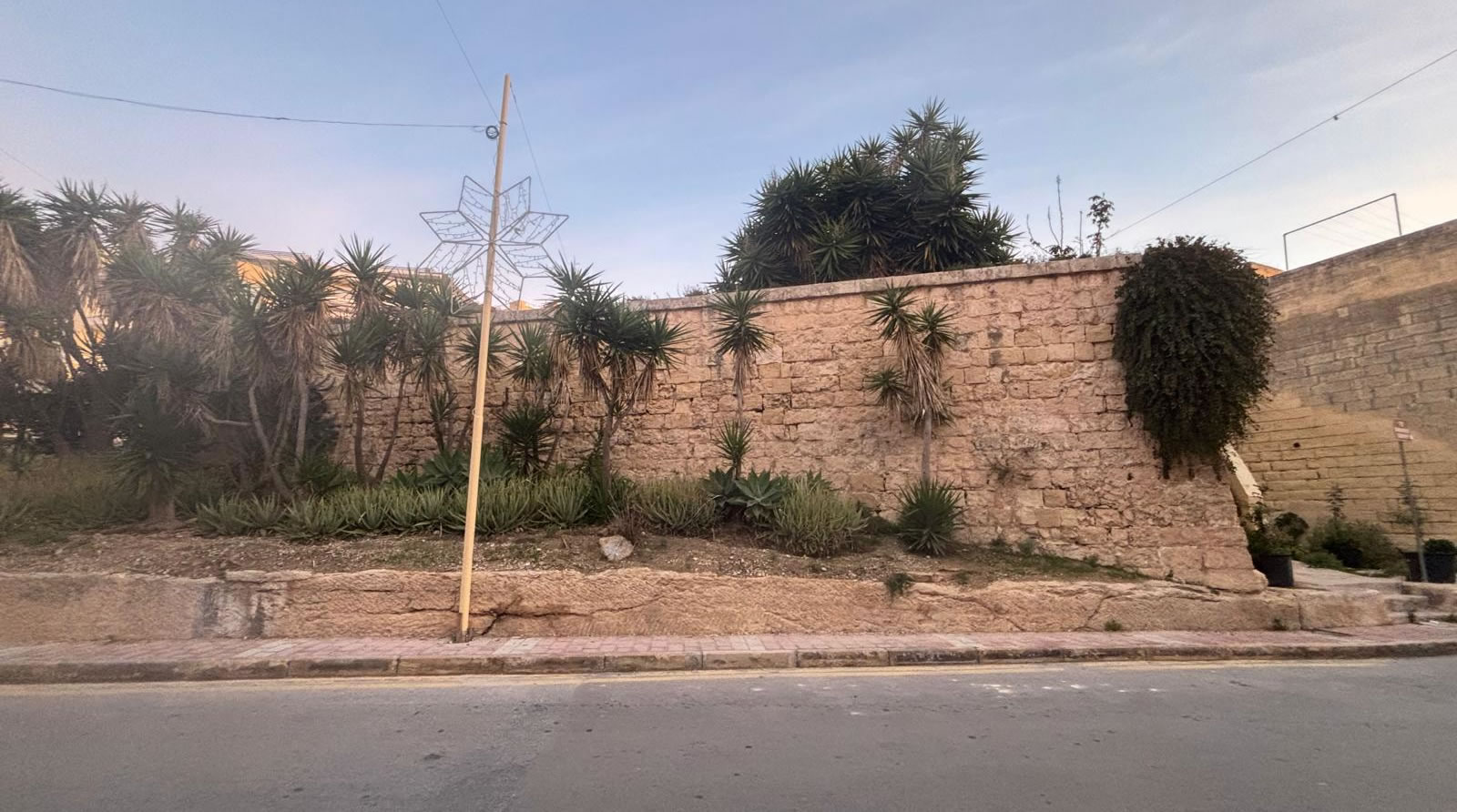
Documented modern alteration (a cautionary example)
The official inventory description notes that a small doorway was cut into a face of the redoubt to enable access from the modern road. This type of change highlights why a clear conservation policy matters: access is necessary, but it should be handled with minimal impact on historic fabric.
Urban setting and long-term care
The redoubt’s present urban surroundings create typical conservation pressures:
- Reduced visibility of the original coastal defence relationship to Marsaskala Bay
- Higher risk from adjacent development (vibration, drainage changes, construction impacts)
- Need for clear boundaries, access control, and maintenance responsibilities
If you’re planning heritage content or guided routes, pair this page with Use & Visiting so readers understand access realities and respectful viewing.