Home » Chapels » Tal-Prepostu Chapel
Dedication: Saint Philip & Saint James
Location: San Ġwann, Malta
Coordinates: 35.911817, 14.466676
Introduction
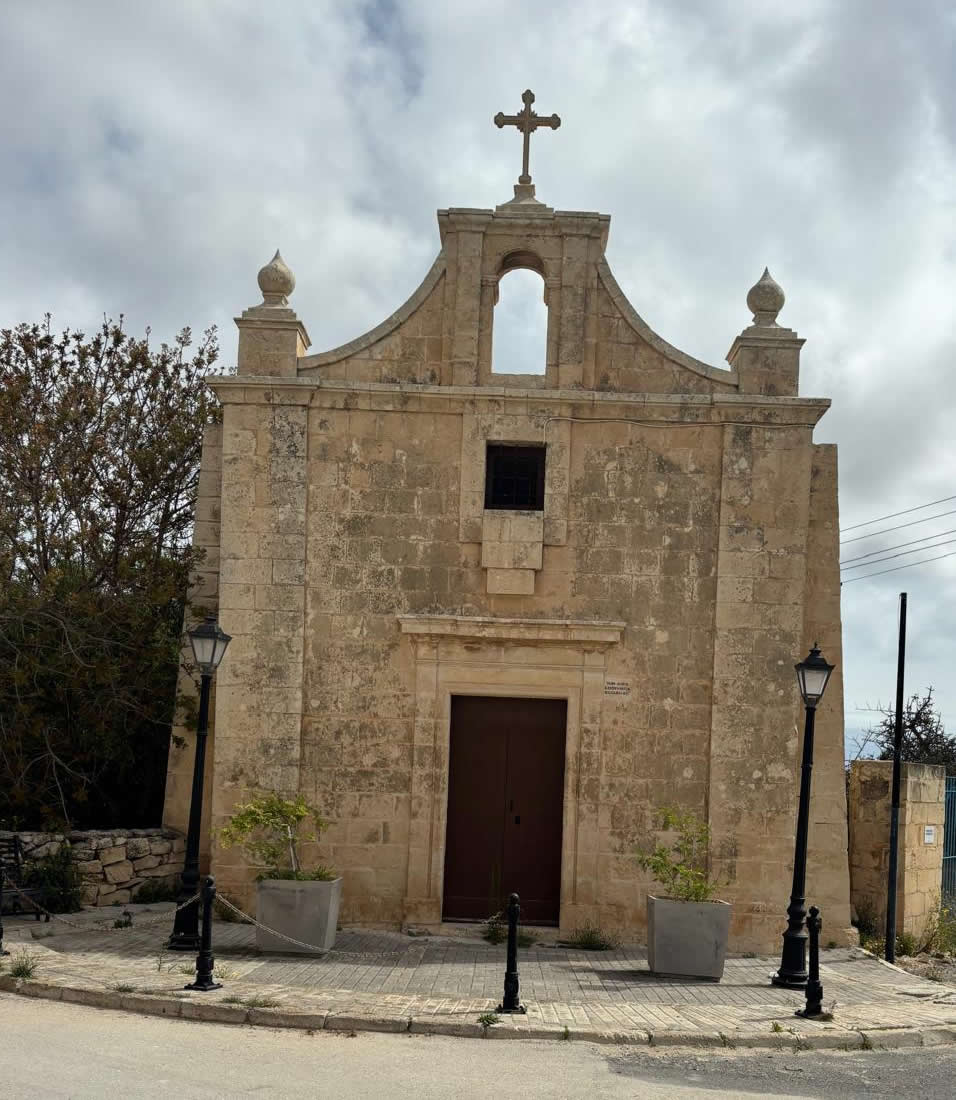
The Tal-Prepostu Chapel, formally dedicated to Saint Philip and Saint James, is one of the most historically significant rural chapels in San Ġwann, Malta. Nestled in the Tal-Balal area, this small yet culturally rich building stands as a testament to the island’s enduring religious traditions and rural heritage.
Known locally as “Tal-Prepostu” — meaning “of the Provost” — the chapel reflects both its ecclesiastical origins and its deep connection to the surrounding agricultural landscape. Built in the early 18th century, it served as a spiritual refuge for farmers and their families working in nearby fields.
Historical Origins and Foundation
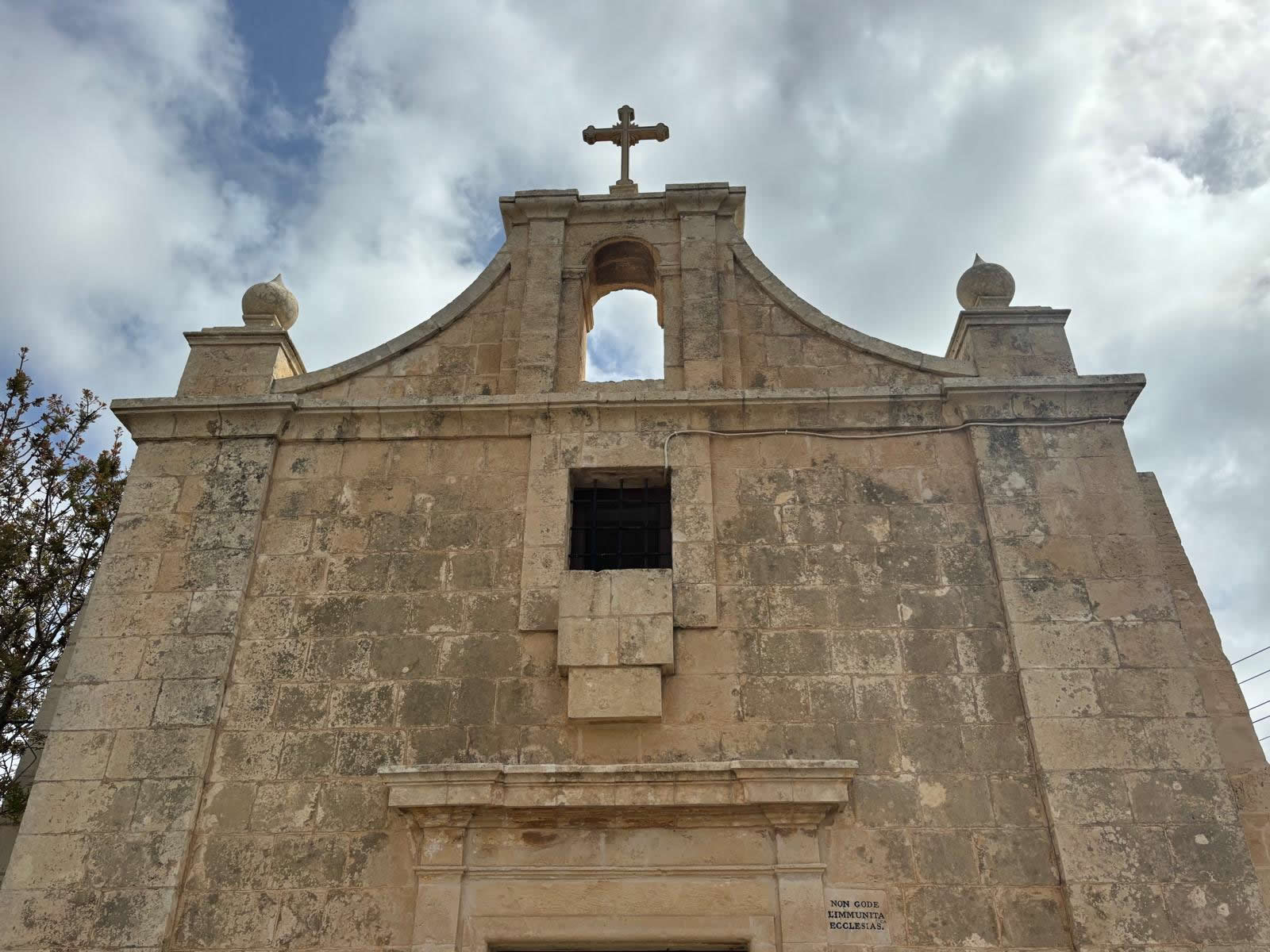
The chapel was constructed in the early 1730s, with documentary evidence confirming its establishment around 1732.
Its foundation is attributed to Fr. Gaspare Giuseppe Vassallo, who held the position of Provost within the Chapter of Canons of Birkirkara. His initiative aimed to provide a place of worship for rural communities who otherwise had limited access to parish churches.
The chosen site, known as Ta’ Wied Għomor, was strategically located to serve agricultural workers in the surrounding countryside.
This reflects a broader pattern in Maltese ecclesiastical history, where small chapels were built to meet the pastoral needs of dispersed rural populations.
The Meaning of “Tal-Prepostu”
The chapel’s distinctive name derives from the title “Prepostu” (Provost), referring directly to its founder. This naming tradition is common in Malta, where chapels often carry the identity of their benefactor or patron.
Over time, the colloquial name became more widely used than the formal dedication, embedding the chapel firmly within local cultural memory.
Architectural Features
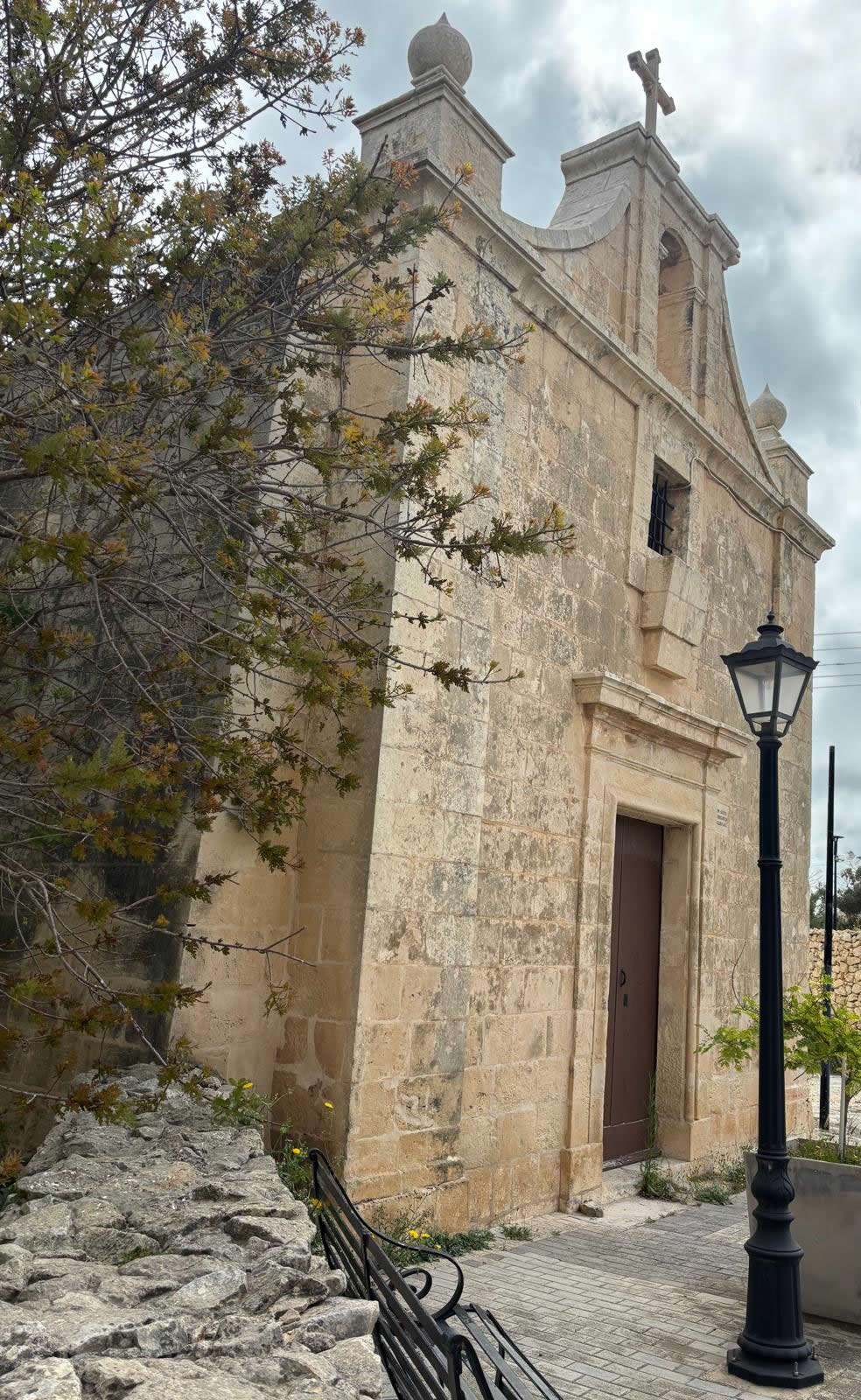
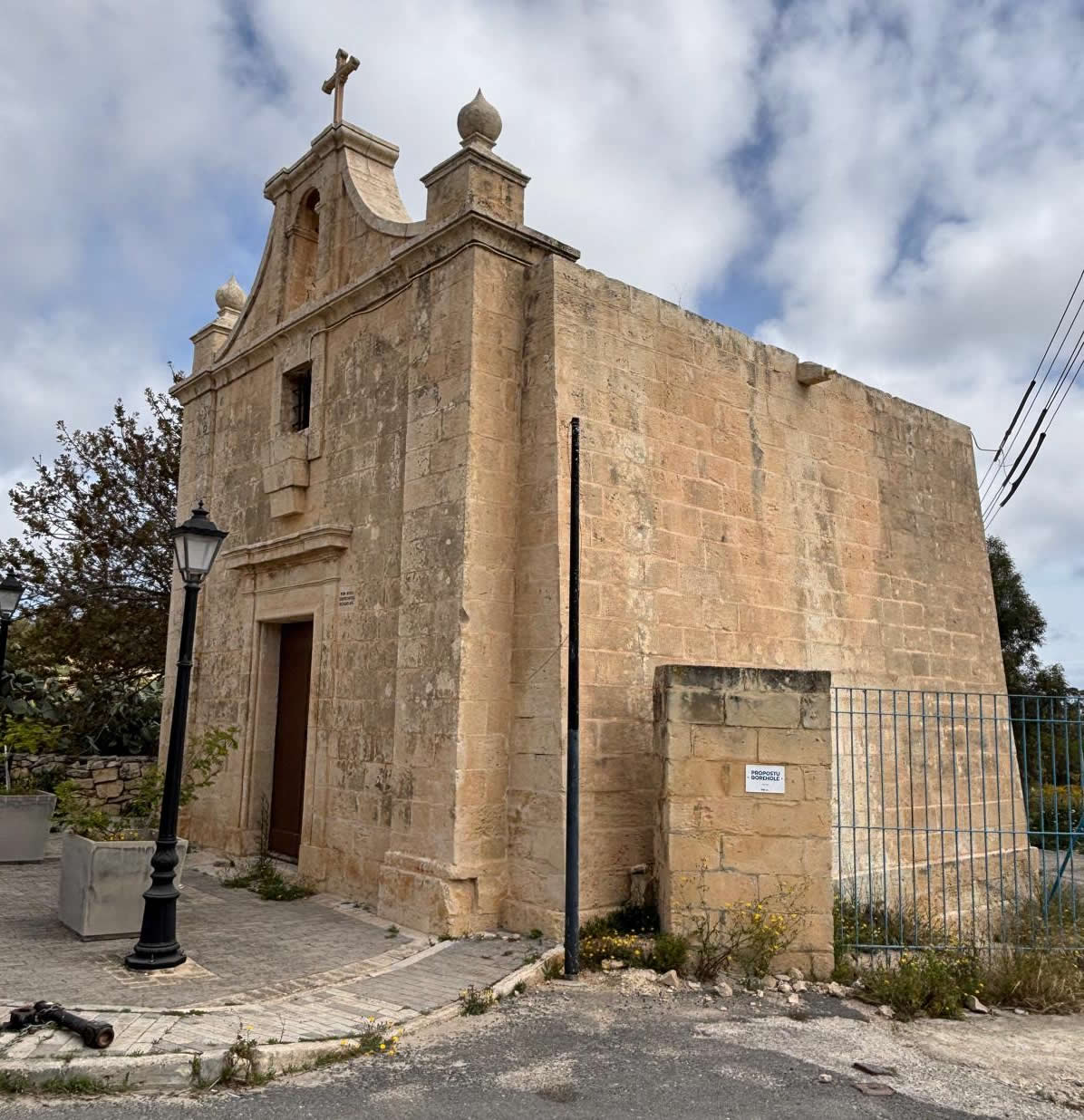
Tal-Prepostu Chapel exemplifies the simplicity and functionality characteristic of rural Maltese chapels of the 18th century. Its architecture reflects both practical considerations and traditional building techniques.
The structure features:
- A modest rectangular plan
- Simple limestone façade
- Central entrance with minimal ornamentation
- Traditional Maltese masonry construction
The chapel’s understated exterior contrasts with the spiritual importance it held for the local community, emphasising function over grandeur.
Like many chapels of its period, it was built using locally quarried globigerina limestone, a material widely used across Malta for centuries.
Artistic Heritage and Titular Painting
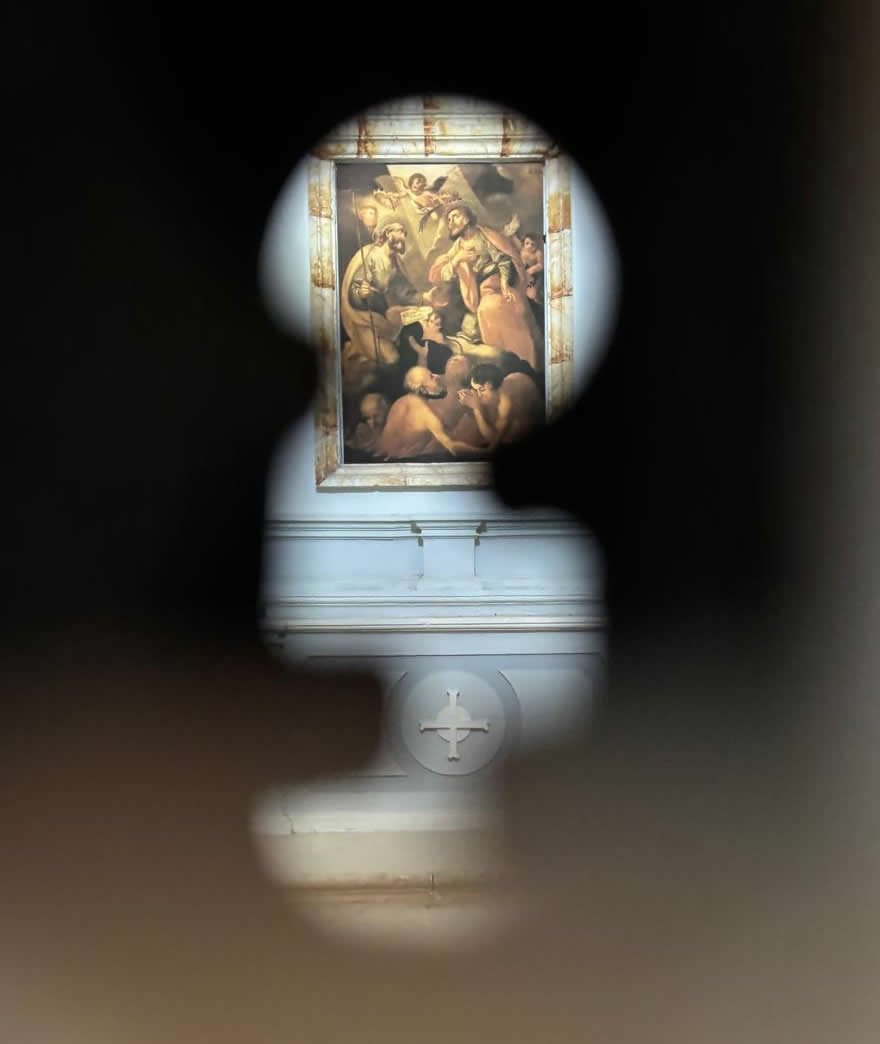
The focal point of the chapel’s interior is its titular painting depicting Saints Philip and James. This artwork is attributed to the Maltese painter Ġannikol Buhagiar, one of the most notable local artists of the Baroque period.
Buhagiar’s works are characterised by their religious intensity and stylistic alignment with the Baroque traditions that flourished in Malta during the rule of the Knights of Saint John.
The presence of such an artwork in a relatively small rural chapel highlights the importance placed on religious devotion, even in modest settings.
Role in Rural Life
For centuries, the Tal-Prepostu Chapel served as a vital spiritual centre for farmers and rural families in the San Ġwann area.
Before the expansion of urban infrastructure, much of the region surrounding Tal-Balal was agricultural land. The chapel provided a convenient place for prayer, Mass, and religious gatherings.
Its existence reflects the deeply rooted Catholic identity of Maltese society, where even small communities maintained access to places of worship.
Parish Integration and Later History
Originally associated with the ecclesiastical structures of Birkirkara, the chapel was later transferred to the Parish of San Ġwann.
This transition occurred during the 20th century, particularly as San Ġwann developed into a distinct locality with its own parish identity.
The chapel continued to be maintained as part of the parish’s religious and cultural heritage, even as its original rural function diminished.
Modern Restoration and Preservation
In recent years, Tal-Prepostu Chapel has undergone significant restoration works aimed at preserving its historical and architectural integrity.
A major restoration project completed in 2023 included:
- Cleaning and conservation of the limestone façades
- Replacement and repair of deteriorated stone
- Application of traditional lime-based plaster
- Restoration of wooden apertures
These works formed part of a national initiative supporting local councils in safeguarding heritage sites.
The chapel is classified as a Grade 1 protected building, reflecting its high cultural and historical value.
Architectural and Cultural Context
Tal-Prepostu Chapel is situated within a historically rich landscape that includes archaeological remains, rural structures, and traditional pathways.
Its proximity to features such as ancient cart ruts and historical rural infrastructure further enhances its significance as part of Malta’s cultural heritage.
The chapel’s preservation contributes to maintaining the historical character of the Tal-Balal area.
Religious Significance
The dedication to Saints Philip and James reflects the universal nature of Catholic devotion, connecting this small chapel to the wider traditions of the Church.
Feast days associated with these apostles would have been important occasions for the local community, reinforcing social and spiritual bonds.
Even today, the chapel remains a symbol of faith and continuity within the evolving urban landscape of San Ġwann.
Present-Day Use
Although no longer serving a large rural population, the chapel continues to be appreciated as a historical and devotional site.
It is occasionally used for religious activities and is valued as part of the locality’s heritage.
Its restoration has made it more accessible and visually prominent, allowing both residents and visitors to engage with its history.
Visiting Tal-Prepostu Chapel
The chapel is located along Triq Tal-Balal in San Ġwann and can be visited as part of a broader exploration of the area’s historical landmarks.
Visitors are encouraged to appreciate both the chapel itself and the surrounding landscape, which together tell the story of Malta’s rural past.
Respect for the site and its religious significance is essential when visiting.
Conclusion
The Tal-Prepostu Chapel of Saint Philip and Saint James stands as a remarkable example of Malta’s rural ecclesiastical heritage. Its origins in the early 18th century, connection to the Provost of Birkirkara, and continued preservation highlight its enduring importance.
From its humble architectural form to its significant historical narrative, the chapel offers valuable insight into the religious, social, and cultural life of Malta.
Today, it remains not only a place of memory but also a symbol of the island’s commitment to preserving its rich heritage for future generations.