📍 Location
Location Map Coordinates 35.885382, 14.402731
Chapel of the Visitation – Triq Inguanez, Mdina, Malta
Introduction
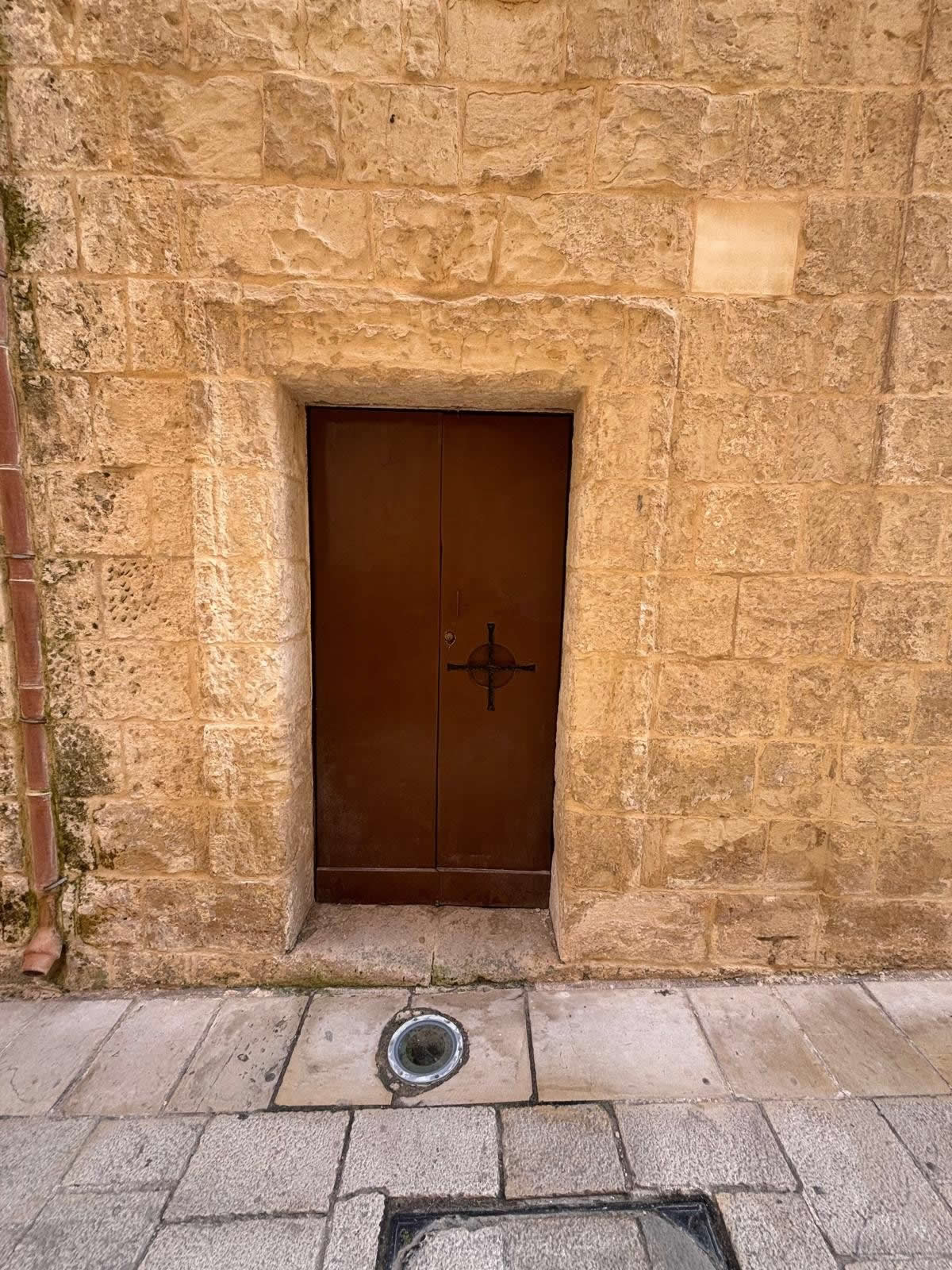
The Knisja tal-Vizitazzjoni, known in English as the Church of the Visitation, is a small historic chapel located along Triq Inguanez in the fortified city of Mdina, Malta. Despite its modest size and relatively obscure presence within the narrow streets of the former capital, the chapel represents an important element of the city's religious heritage.
Mdina contains a remarkable concentration of churches and chapels reflecting its historic role as the religious and administrative centre of Malta for many centuries. Within this network of ecclesiastical buildings, the Chapel of the Visitation stands as one of the smaller devotional sites that once served the daily spiritual needs of residents and visitors alike.
Historical Origins
Historical documentation indicates that the Church of the Visitation already existed by the 16th century. The chapel was located along Triq Inguanez, one of the narrow streets forming the historic urban fabric of Mdina.
During the medieval and early modern periods Mdina contained numerous small chapels which were established by local benefactors, noble families, or ecclesiastical authorities. These chapels often served as private or semi-public places of worship, complementing the larger churches and monasteries within the city walls.
Although the precise date of construction of the original chapel remains uncertain, the documentary evidence confirms that the building had already become an established religious structure by the early modern period.
Dedication to the Visitation
The chapel is dedicated to the Visitation of the Blessed Virgin Mary, an important event in the Christian Gospel narrative. The Visitation refers to the visit of the Virgin Mary to her cousin Elizabeth shortly after the Annunciation.
This biblical event, described in the Gospel of Luke, symbolises humility, charity, and divine joy. The dedication of the chapel reflects the widespread devotion to Marian themes in Maltese religious tradition.
Historically, the chapel contained a painting illustrating the Visitation of Our Lady to St Elizabeth, serving as the titular image of the church. The painting was already described as very old in seventeenth-century records, suggesting that it may have dated from an earlier period of the chapel’s history.
Architectural Development
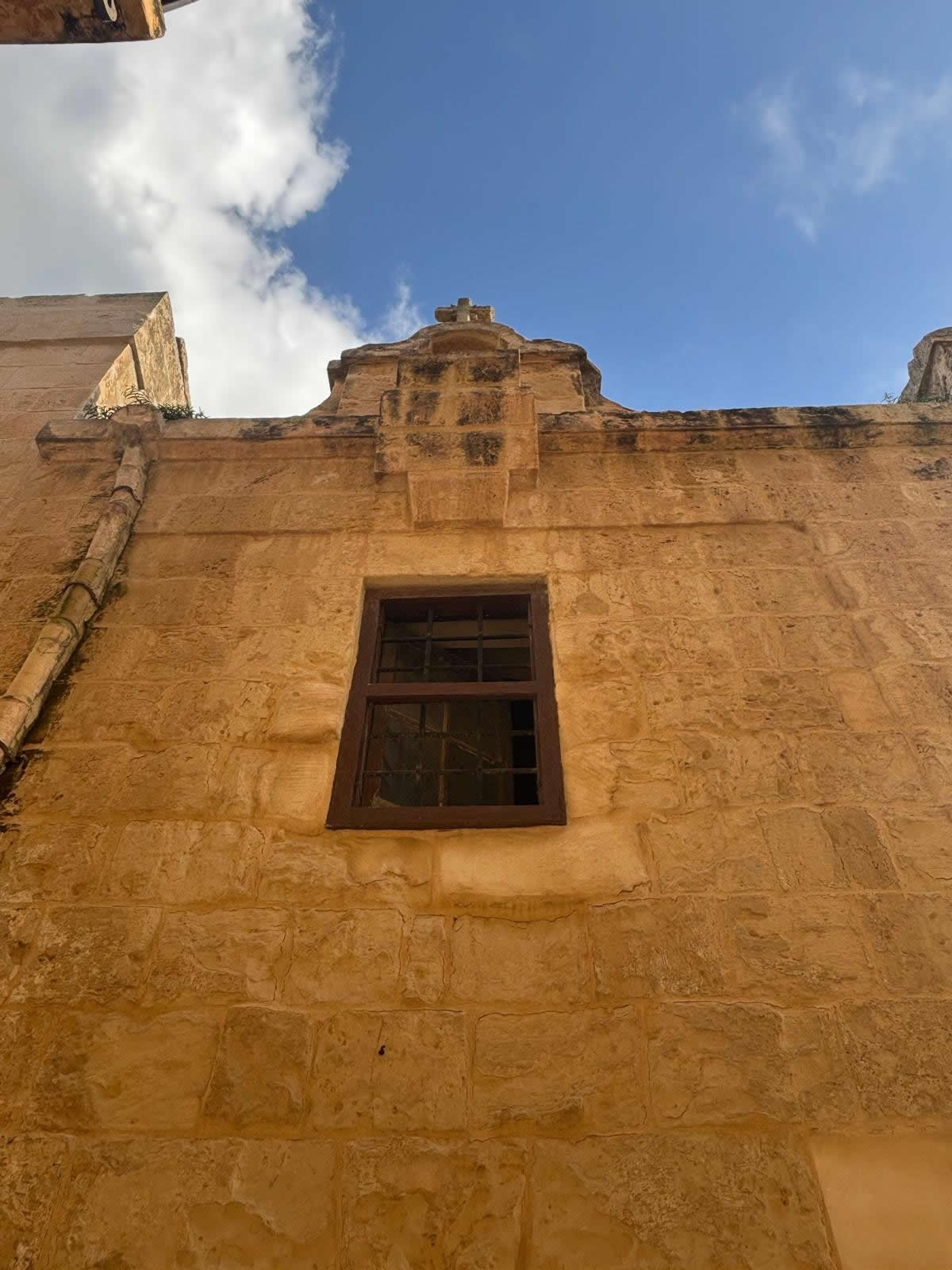
Over the centuries the chapel underwent several structural changes and modifications. As with many smaller chapels in Mdina, repairs and alterations were periodically carried out to maintain the building or adapt it to changing liturgical needs.
The available records suggest that the most significant modifications may have taken place around the year 1720, when the chapel likely received its last major reconstruction works.
Although modest in scale, the architecture of the chapel reflects the influence of Baroque ecclesiastical design that became widespread across Malta during the seventeenth and eighteenth centuries.
The Historic Bell
One of the most remarkable features associated with the Church of the Visitation is its bell, which bears the date 1451.
This bell is considered one of the oldest surviving church bells in Malta. Its presence indicates that the site may have been associated with religious activity long before the documented sixteenth-century references to the chapel.
Church bells historically served multiple purposes in Maltese towns and cities. They marked the times of daily prayer, announced religious celebrations, and often functioned as a means of communication within the community.
Role within the Religious Landscape of Mdina
During the medieval and early modern periods Mdina functioned as the principal ecclesiastical centre of Malta. Within its fortified walls were numerous churches, monasteries, and chapels that collectively formed a dense religious landscape.
Large institutions such as the Cathedral of St Paul, the Benedictine Monastery of St Peter, and the Carmelite Church dominated the spiritual life of the city. However, smaller chapels like the Church of the Visitation played an equally important role by providing convenient places of prayer for residents living within specific neighbourhoods.
Later History
Like many small chapels within Mdina, the Church of the Visitation gradually lost its active liturgical role over time. Changes in parish organisation and the concentration of religious services in larger churches reduced the need for numerous small chapels within the city.
Despite this decline in regular use, the building survived as part of Mdina’s historic architectural heritage. Today it remains a reminder of the city’s complex religious history and the network of devotional sites that once served its inhabitants.
Cultural Heritage
The chapel continues to form part of the historic urban environment of Mdina, a city renowned for its medieval street layout and concentration of historic religious buildings. Together with other chapels and churches within the city walls, the Church of the Visitation contributes to the unique cultural landscape of Malta’s ancient capital.
Location
| Chapel | Church of the Visitation |
|---|---|
| Maltese Name | Knisja tal-Vizitazzjoni |
| Address | 10 Triq Inguanez, Mdina, Malta |
| Coordinates | 35.885382, 14.402731 |
| Documented Since | 16th century |
| Last Major Alterations | Circa 1720 |
| Dedication | Visitation of the Blessed Virgin Mary |
| Notable Feature | Historic bell dated 1451 |
Conclusion
Although relatively small and little known compared with Mdina’s major churches, the Church of the Visitation represents an important fragment of Malta’s ecclesiastical history. Its early origins, historic bell, and continued presence within the ancient streets of Mdina illustrate the rich network of religious buildings that once served the spiritual life of the city.
Today the chapel remains a quiet historical monument within Malta’s former capital, contributing to the remarkable concentration of churches and chapels that make Mdina one of the most historically significant religious landscapes in the Maltese Islands.
Mdina Churches and Chapels