📍 Location
Location Map Coordinates 35.878354, 14.455330
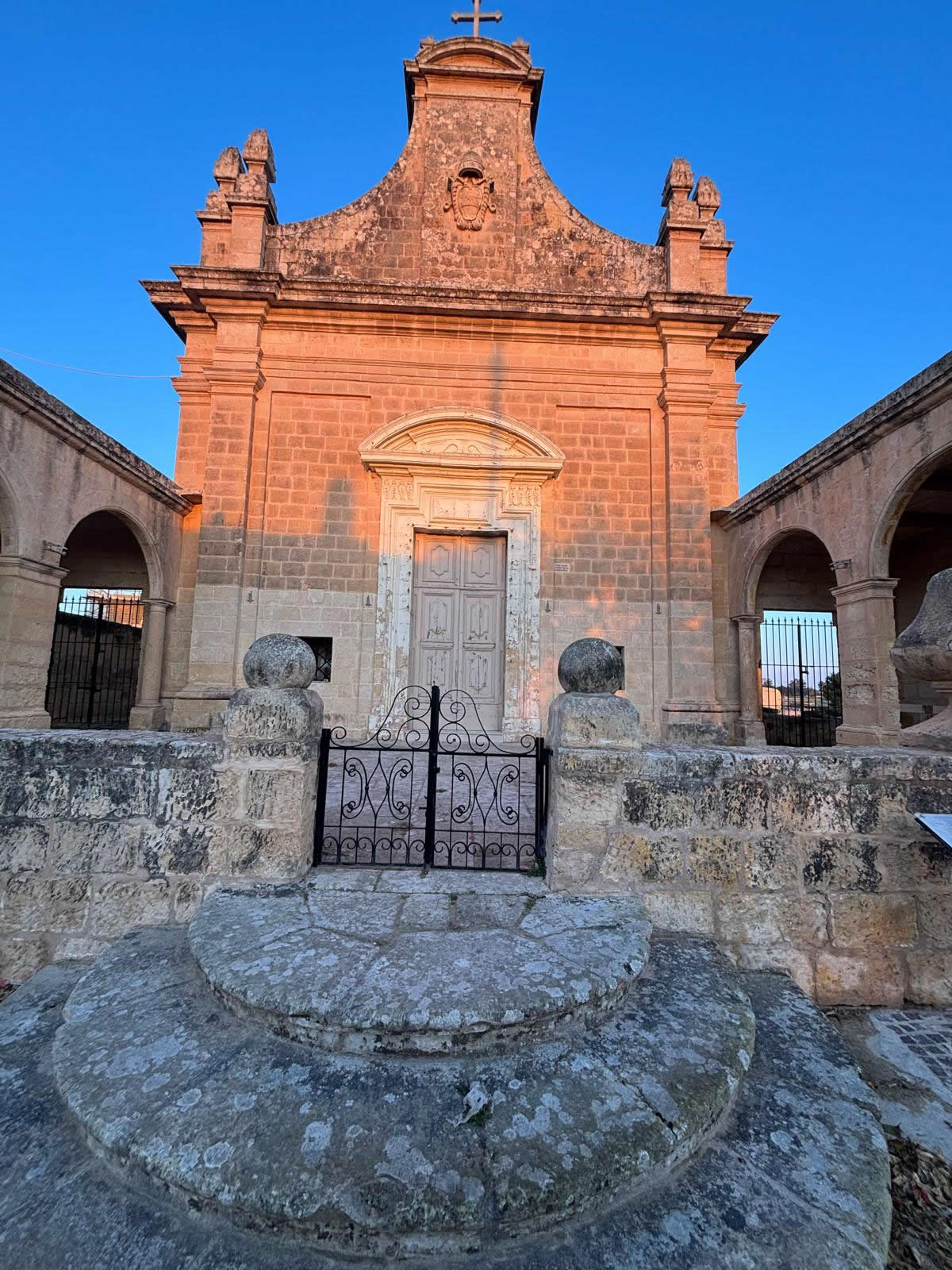
The chapel of Madonna tal-Ħlas in Qormi, Malta, is one of the most important historic Marian sanctuaries on the island. Dating back to the 16th century, it is deeply associated with devotion to the Virgin Mary as the protector of mothers during childbirth.
Situated along an ancient route connecting Birgu and Mdina, the chapel served as both a place of worship and a resting point for travellers. Over time, it developed into a major pilgrimage destination and remains an integral part of Malta’s religious heritage today.
Explore more churches in Malta to discover similar historic sites across the islands.
Origins and Early History
The locality of Tal-Ħlas is first recorded in 1492, while the chapel itself is documented in 1556. Built near a cemetery, it served a rural population and reflects the early development of Maltese religious communities.
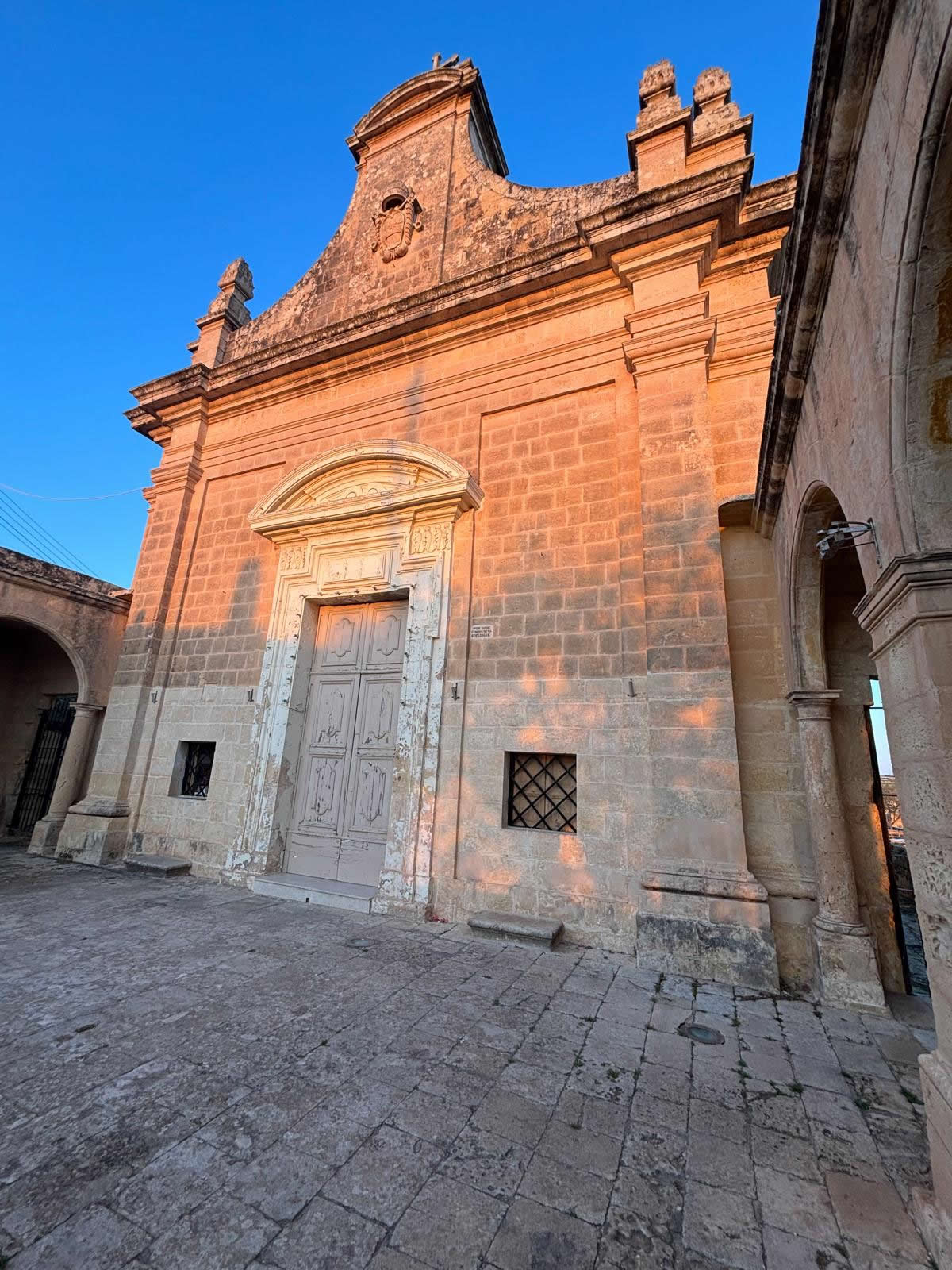
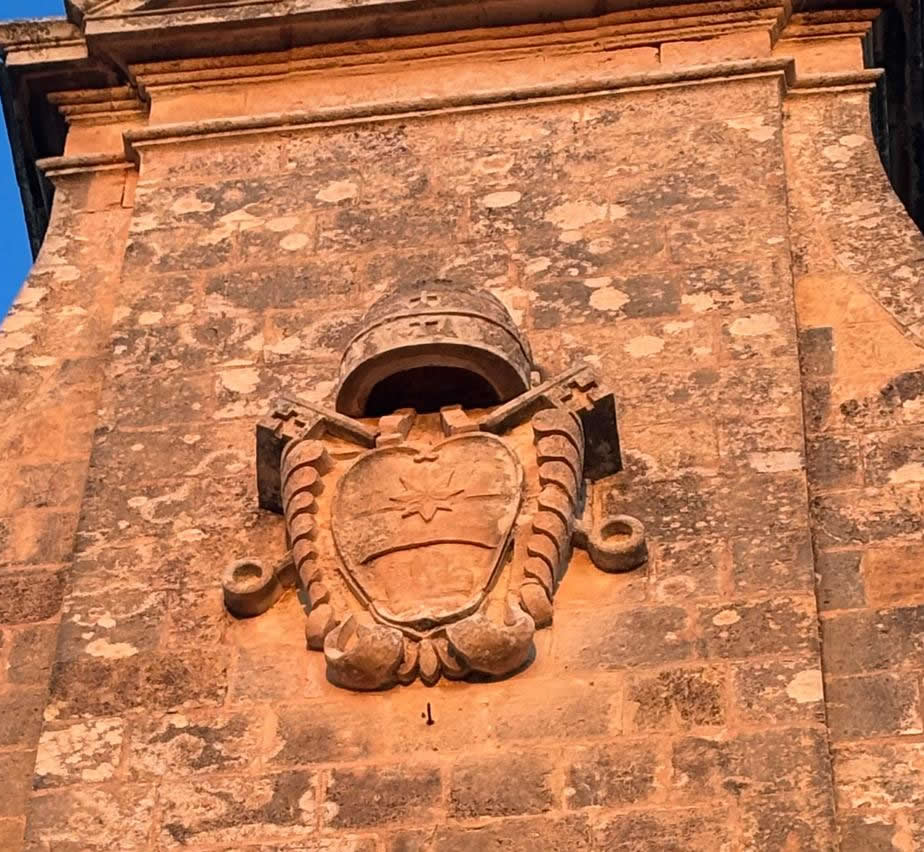
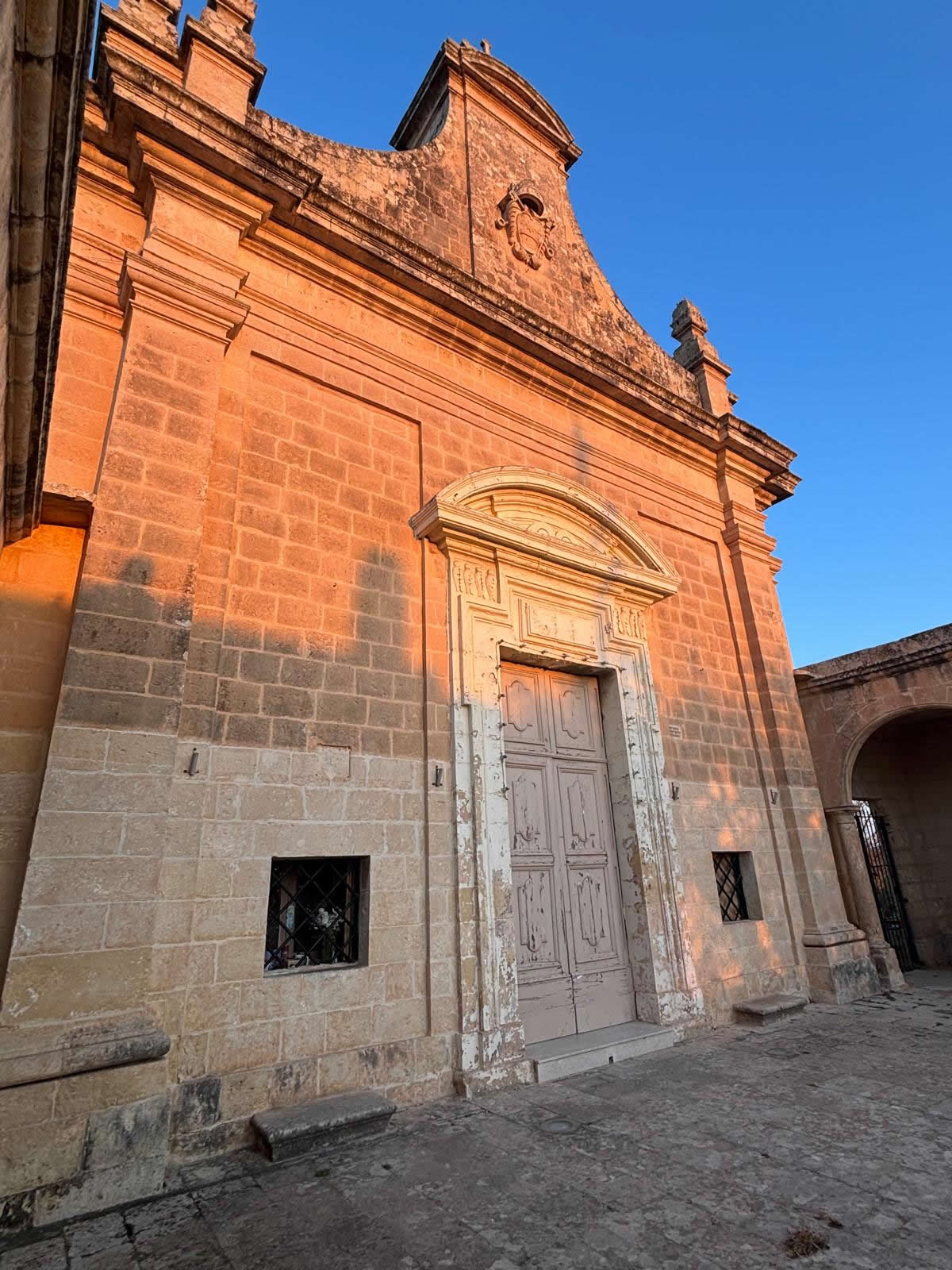
In 1560, Fra Christophe de Boulleur de Montgauldry, Treasurer of the Order of St John, became a major benefactor. He funded the construction of additional structures, including a rector’s residence and garden. His coat of arms remains visible today.
Before 1573, he also restored and embellished the original chapel, which survives today as the sacristy.
Devotion to Our Lady of Childbirth
The title “tal-Ħlas” refers to childbirth and deliverance, reflecting centuries of devotion to the Virgin Mary as protector of mothers and infants.
This tradition continues today, with families presenting newborn children at the chapel during Mass as an act of thanksgiving for safe delivery.
Pilgrimage and Religious Importance
Madonna tal-Ħlas became one of the most venerated Marian shrines in Malta, attracting pilgrims from across the island. Its location along a key route enhanced its role as a spiritual and physical refuge.
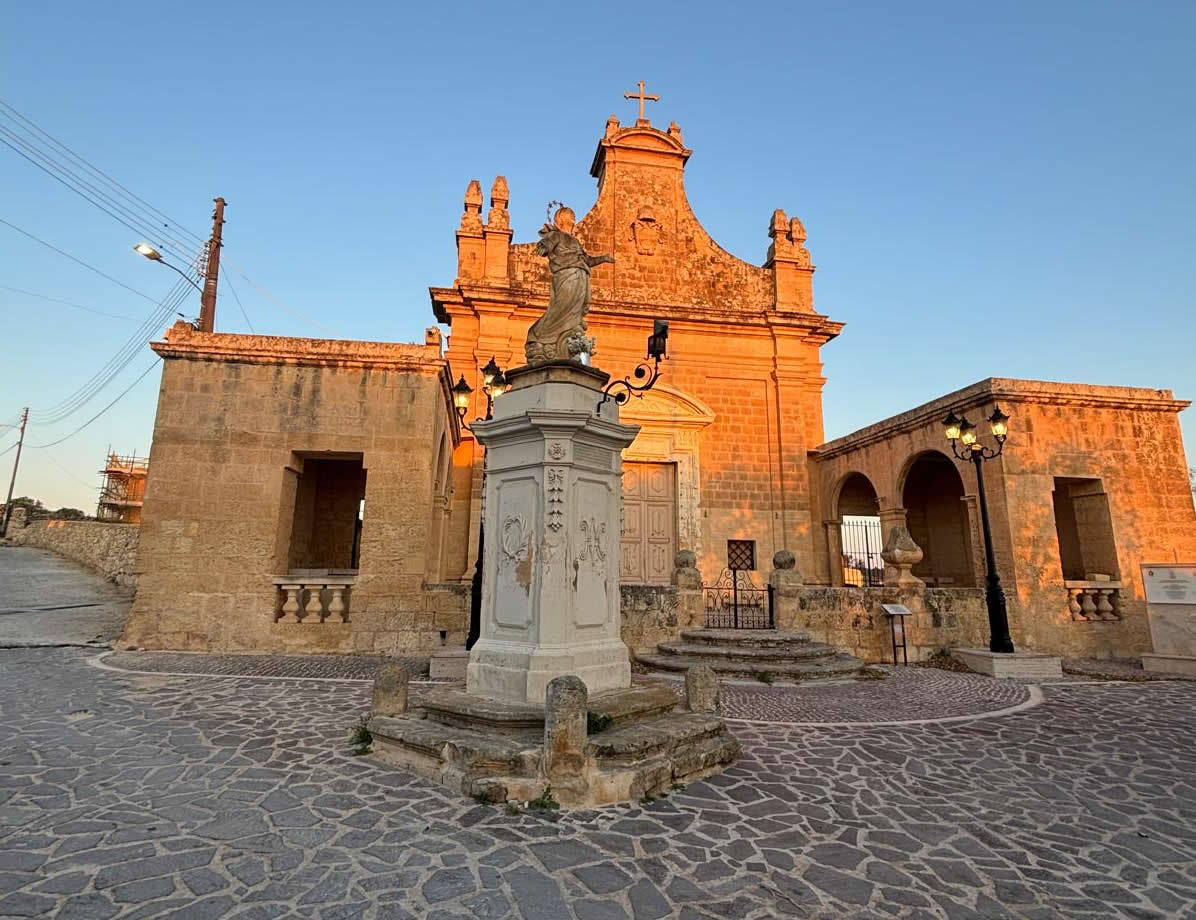
Pilgrims were accommodated in loggias built around the 17th century, featuring stone benches and shaded areas that still exist today.
The annual feast is celebrated on the Sunday following 15 August, continuing traditions that once included the distribution of food and wine to attendees.
Rebuilding and Earthquake of 1693
The chapel suffered severe damage during the earthquake of 11 January 1693. It was subsequently rebuilt according to plans attributed to Lorenzo Gafà, introducing Baroque architectural elements while preserving the earlier structure.
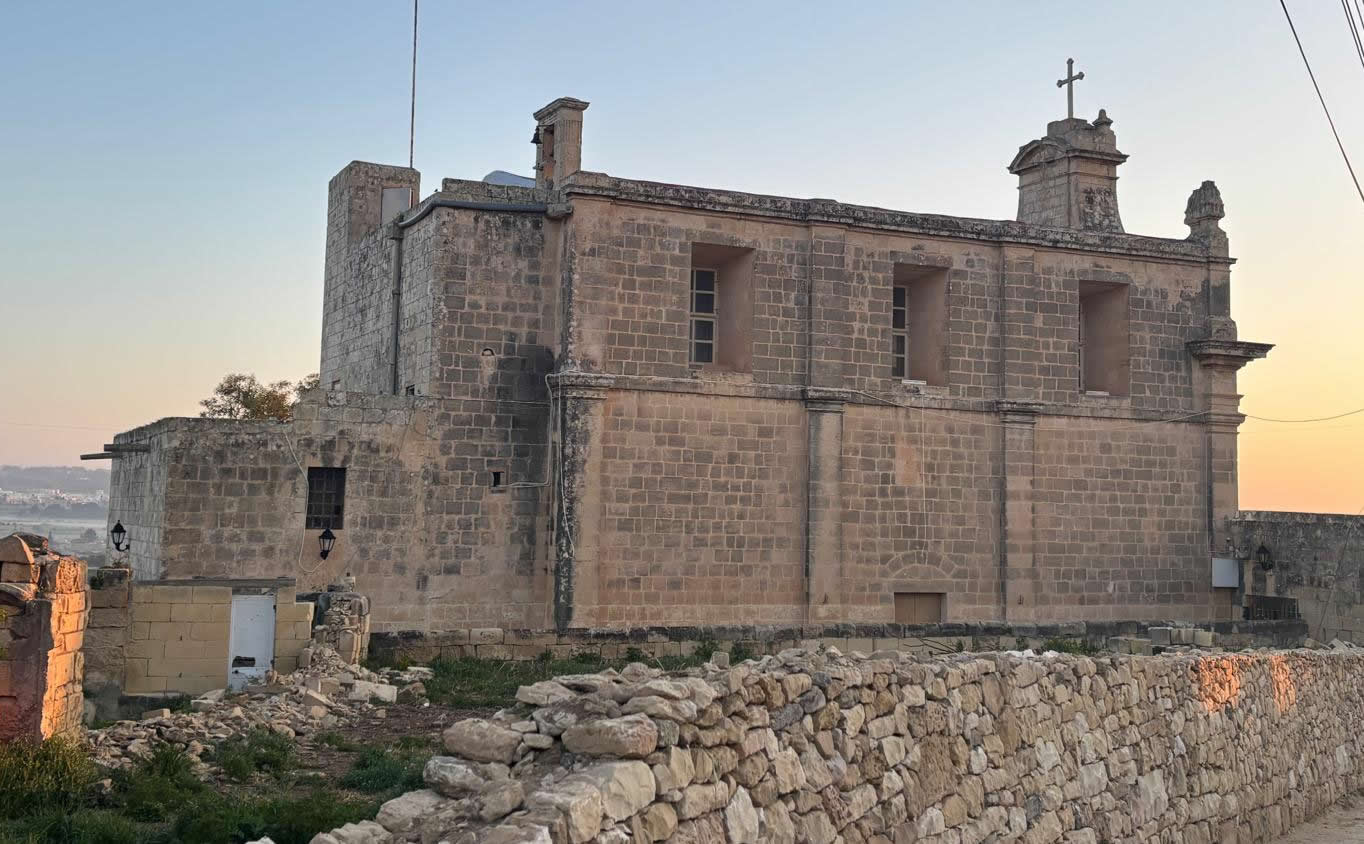
This reconstruction created the present complex, where the original chapel remains integrated within the larger church.
Architecture and Layout
The architectural layout combines a simple early chapel with a later Baroque structure. Key features include:
- The original 16th-century chapel (now sacristy)
- Baroque church structure
- Pilgrim loggias with stone seating
- Forecourt (parvis) with devotional elements
In front of the church stands a statue of the Assumption sculpted in 1867 by Vincent “Ċensu” De Candia.
Artworks and Ex-Votos
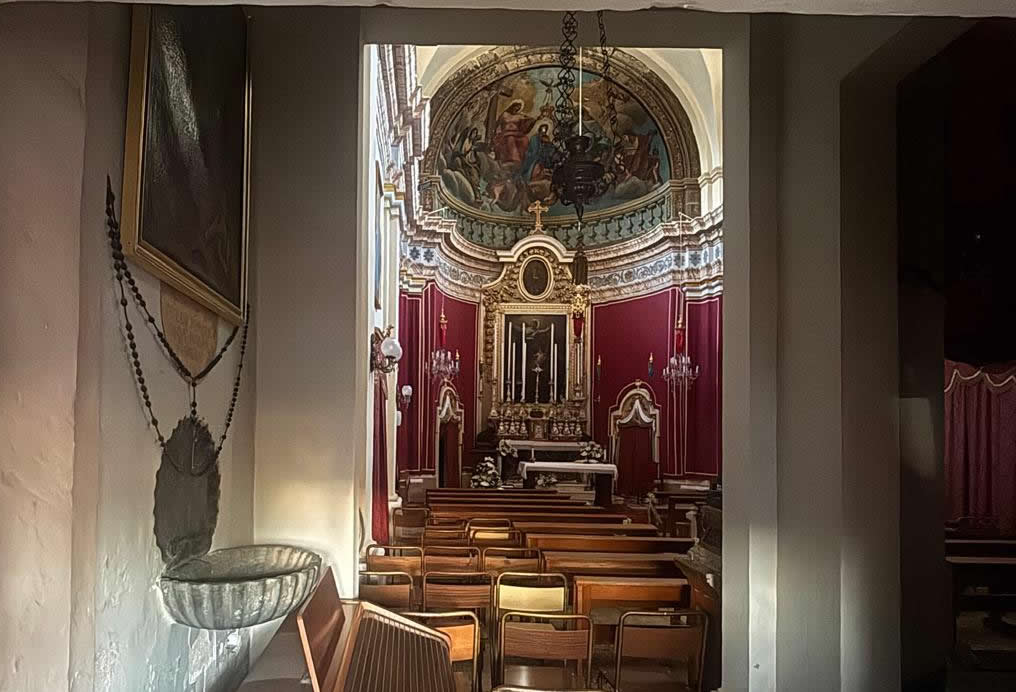
The chapel contains a rich collection of ex-votos, reflecting centuries of devotion and gratitude for divine intervention, particularly in childbirth.
Important artworks include:
- 18th-century titular painting by Francesco Zahra
- Earlier 1573 painting (now in sacristy)
- Coronation of Our Lady (1719)
- Works by Toni Falzon
Additional features include miniature statues and historical inscriptions, contributing to the chapel’s cultural significance.
Modern Use and Religious Life
The chapel remains active, with Mass celebrated regularly. A key tradition is the presentation of newborns, highlighting the continued relevance of Marian devotion in Maltese culture.
Despite its modest size, the chapel continues to serve as a place of prayer, reflection, and community gathering.
Frequently Asked Questions
What is Madonna tal-Ħlas Chapel?
A historic Marian chapel in Qormi dedicated to Our Lady of Childbirth.
What does “Ħlas” mean?
It means childbirth or deliverance in Maltese.
Is the chapel still in use?
Yes, it is still used for Mass and religious traditions.