📍 Location
Location Map Coordinates 35.887346, 14.521376
Introduction
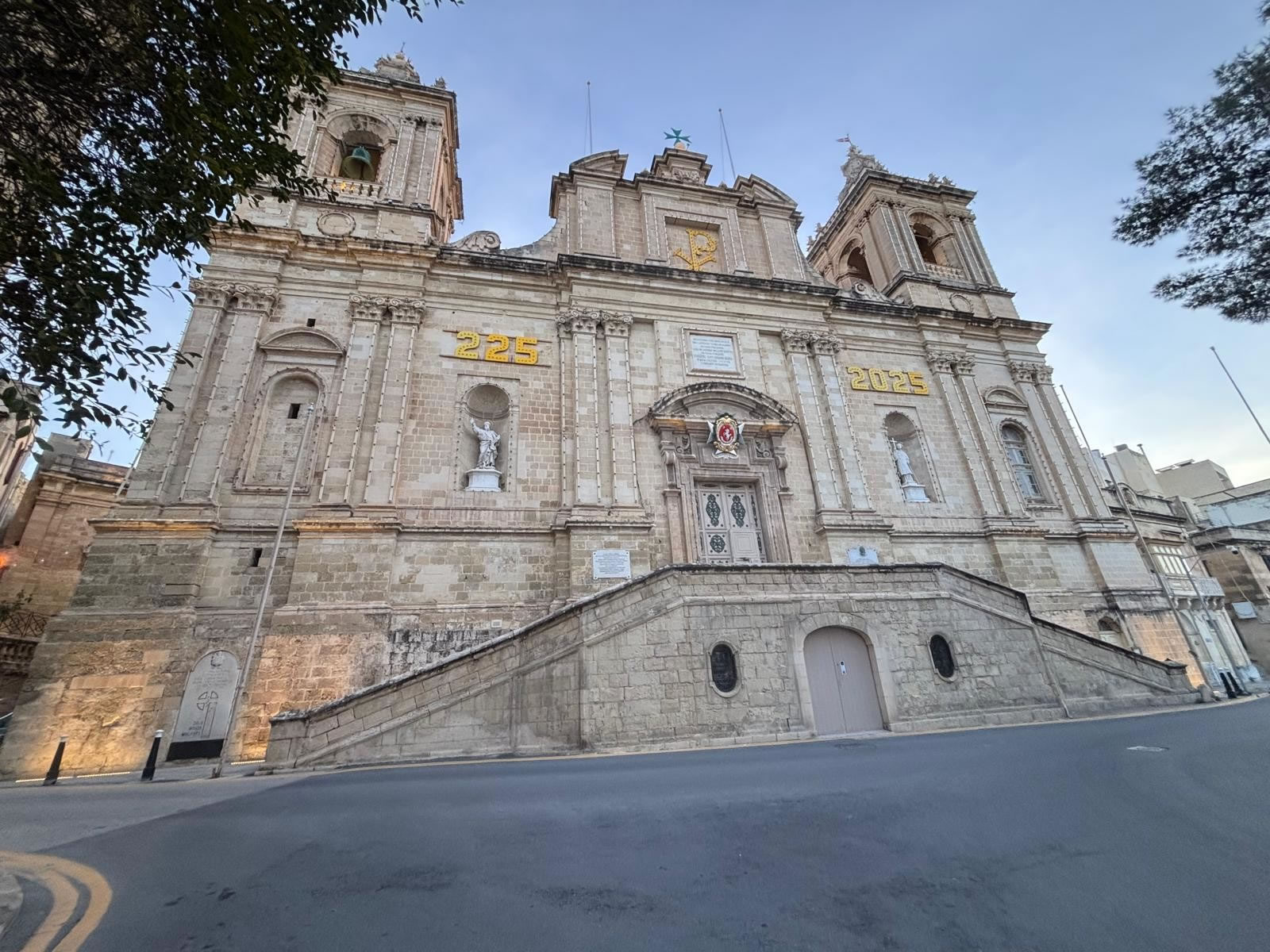
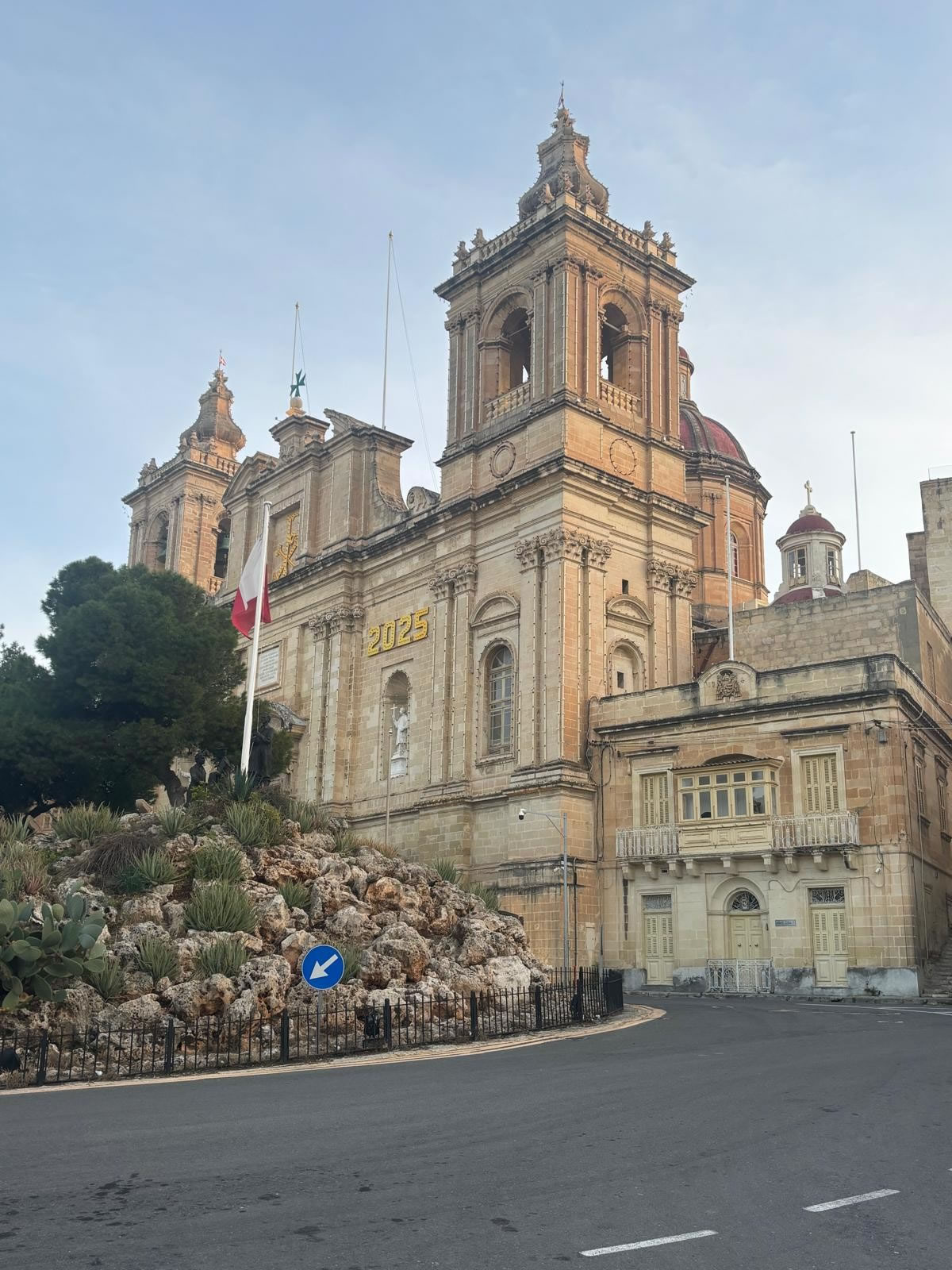
The Parish Church of St Lawrence in Birgu is one of the most historically significant churches in Malta, deeply connected with the legacy of the Knights of St John and the early development of the island’s ecclesiastical structure. Situated in Vittoriosa, one of the Three Cities, the church stands as a masterpiece of Baroque architecture and a symbol of Malta’s religious heritage.
Medieval Origins
The origins of the church date back to the late medieval period, when a chapel dedicated to Saint Lawrence, known as San Lorenzo a Mare, was already established near the harbour. This early church likely dates to the late 13th or early 14th century and was closely linked to maritime communities.
By 1436, the church was already listed among the established ecclesiastical institutions of Malta, highlighting its importance within the island’s early parish network.
Role During the Knights of St John
When the Knights of the Order of St John arrived in Malta in 1530, Birgu became their primary base. The Church of St Lawrence was chosen as their first conventual church, serving as the main place of worship for the Order for over four decades.
This period marked the height of the church’s prestige, as it became the religious heart of one of the most powerful military-religious orders in Europe. It retained this role until the Knights relocated to Valletta in 1571 following the Great Siege of 1565.
Destruction and Reconstruction
In 1532, the original medieval church was destroyed by fire, necessitating reconstruction. Over the following decades, the structure underwent several modifications, reflecting both the growing importance of Birgu and the influence of the Knights.
By the late 17th century, it was decided to construct a completely new church in the Baroque style, replacing the earlier building.
Construction of the Present Church (1681–1697)
The present Parish Church of St Lawrence was built between 1681 and 1697 and designed by the renowned Maltese architect Lorenzo Gafà, one of the leading figures of Baroque architecture in Malta.
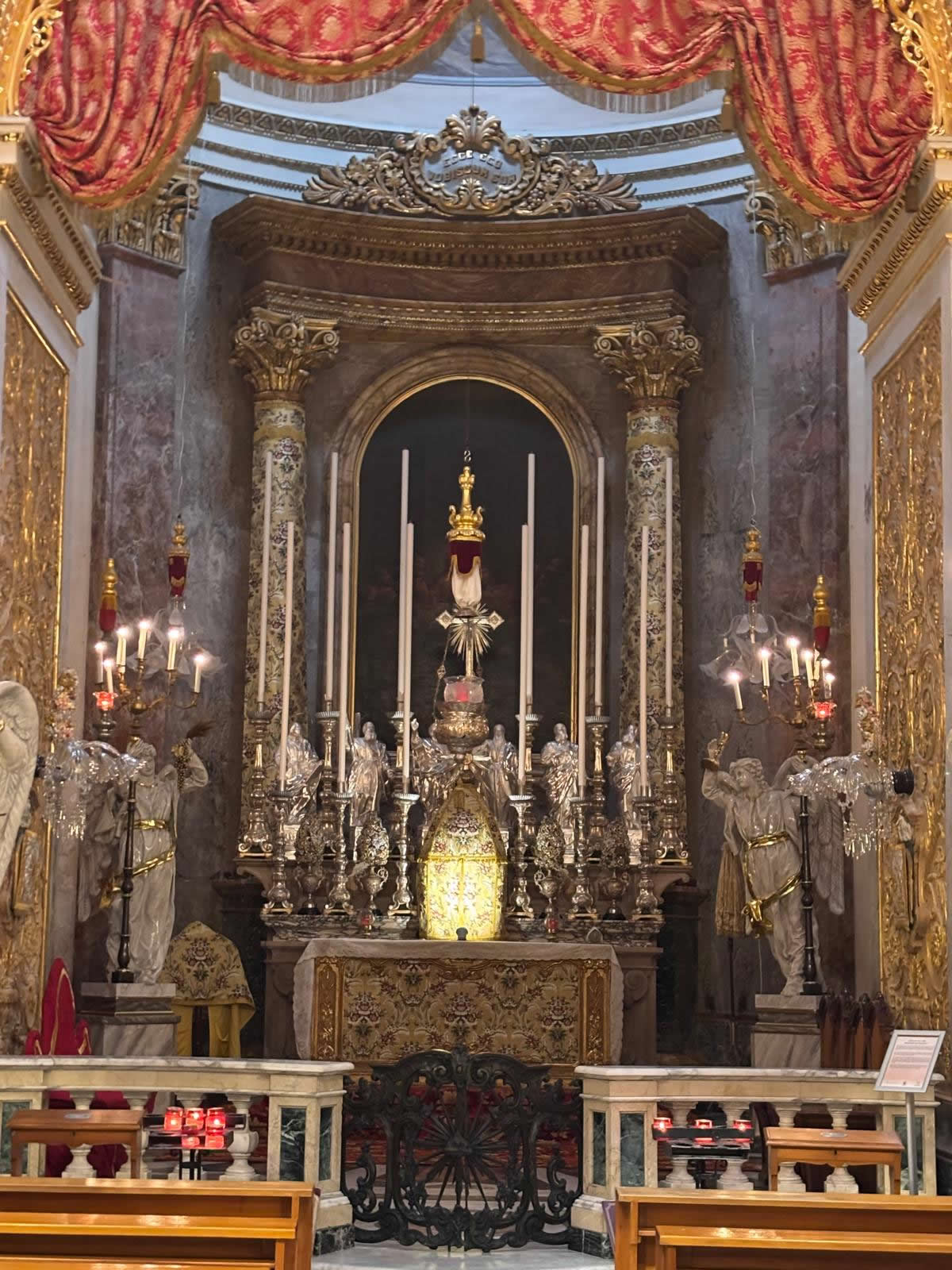
The foundation stone was laid on 11 May 1681, marking the beginning of the current structure. The church was completed and inaugurated on 10 August 1697, the feast of Saint Lawrence.
It was later consecrated in 1723, solidifying its status as one of Malta’s principal ecclesiastical buildings.
Architectural Features
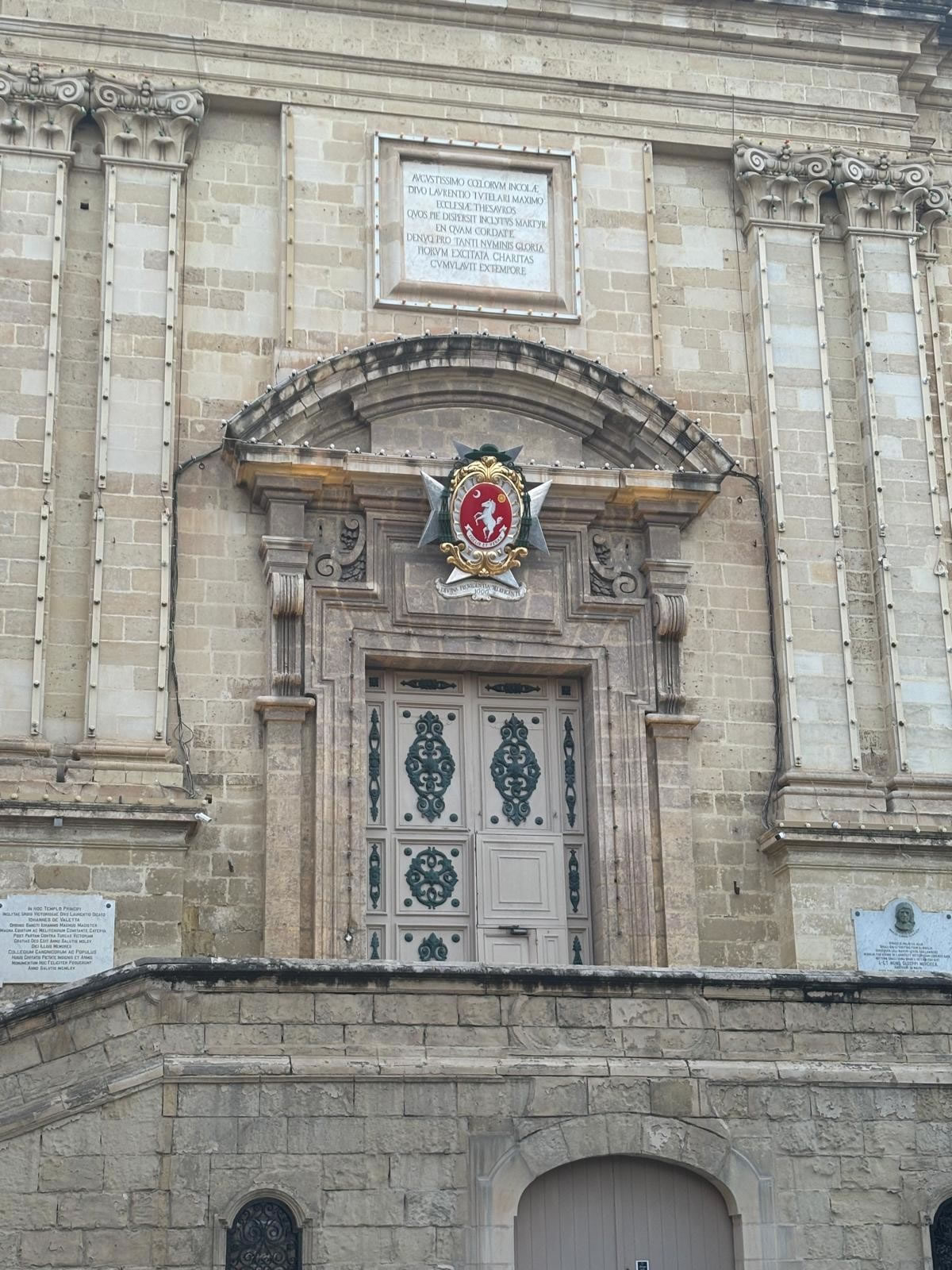
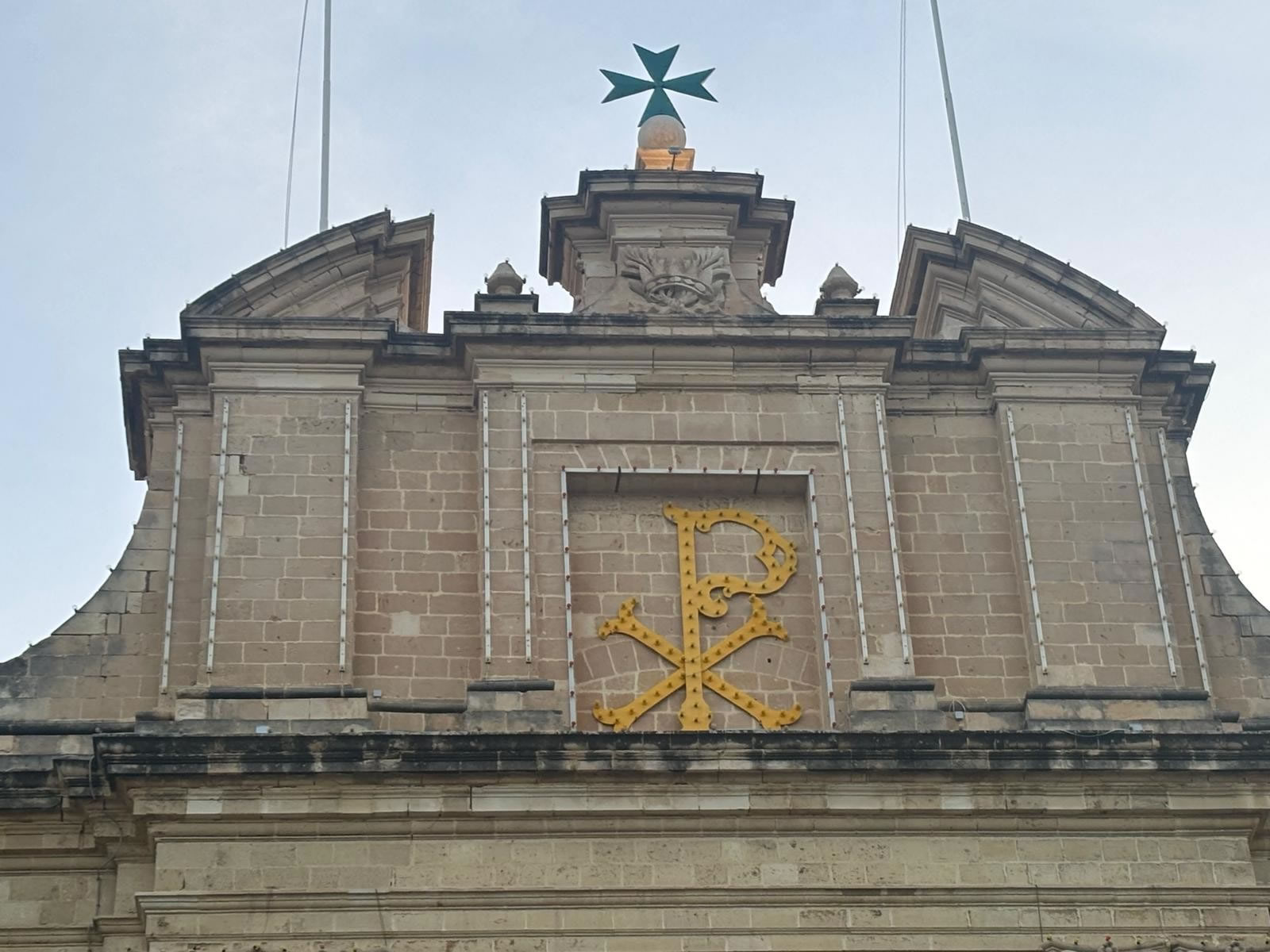
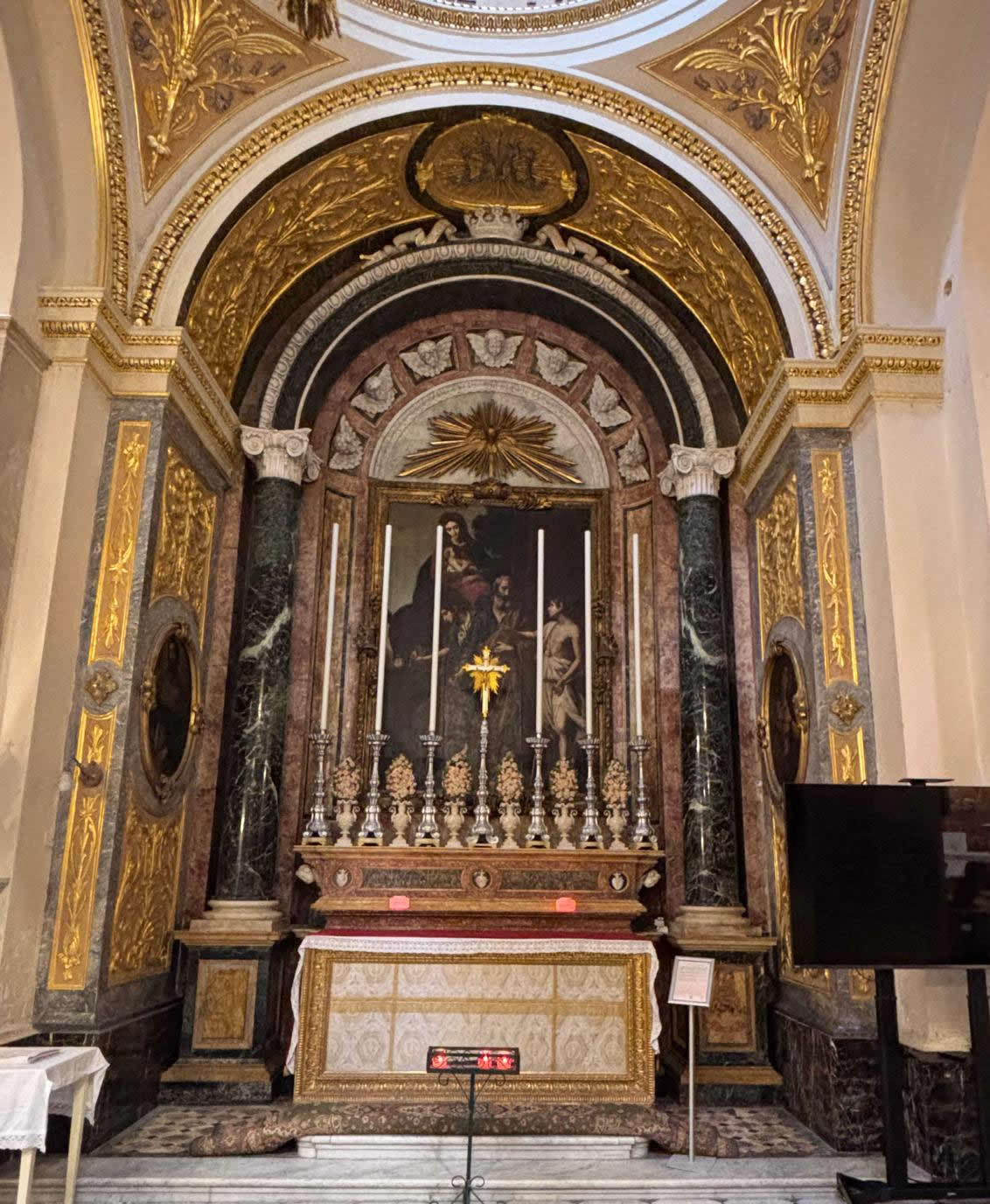
The church is a prime example of Maltese Baroque architecture, constructed in local limestone and characterised by its grand façade, symmetrical design, and imposing interior.
- Designed by Lorenzo Gafà
- Baroque architectural style
- Large central nave with side chapels
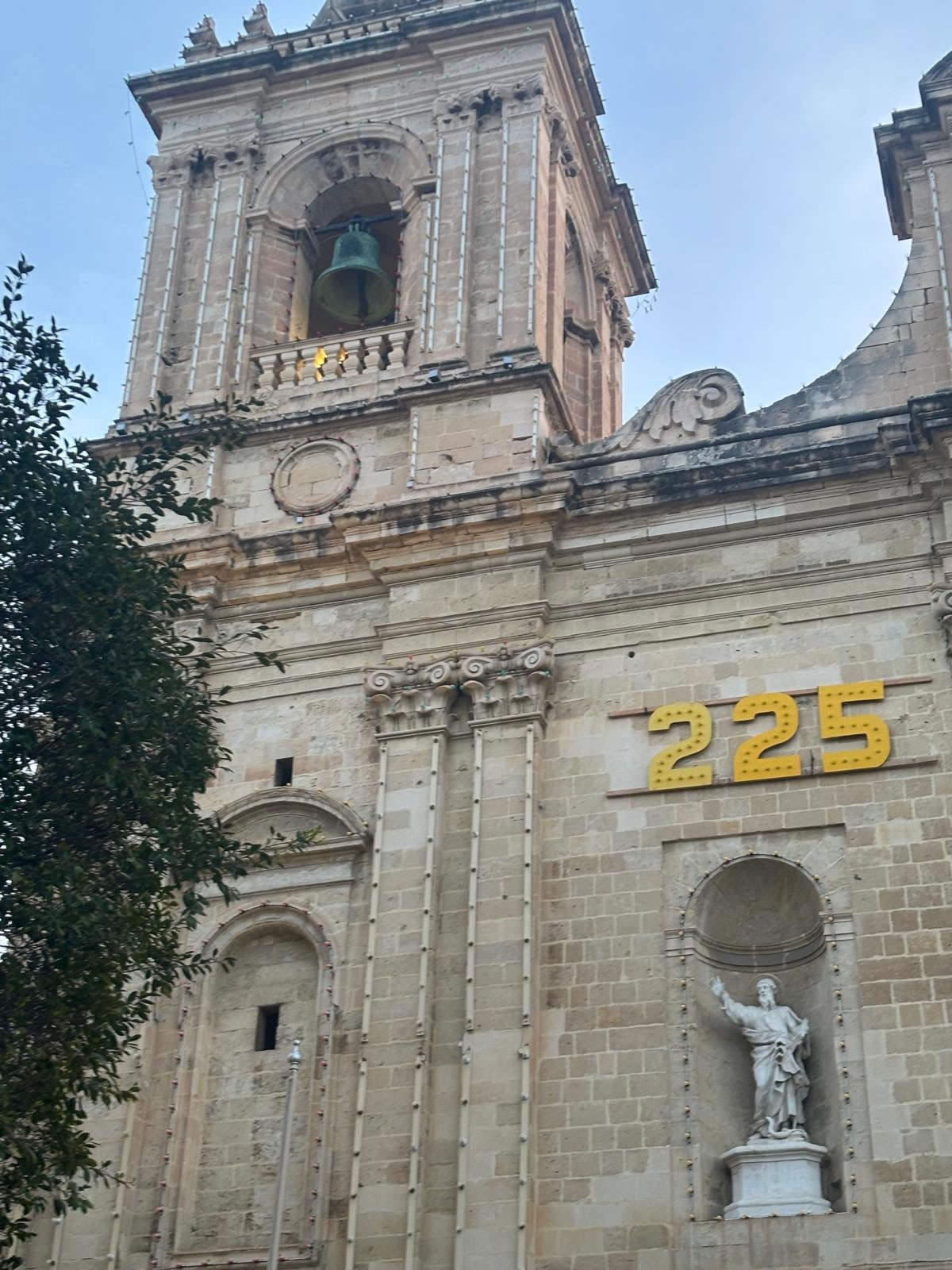
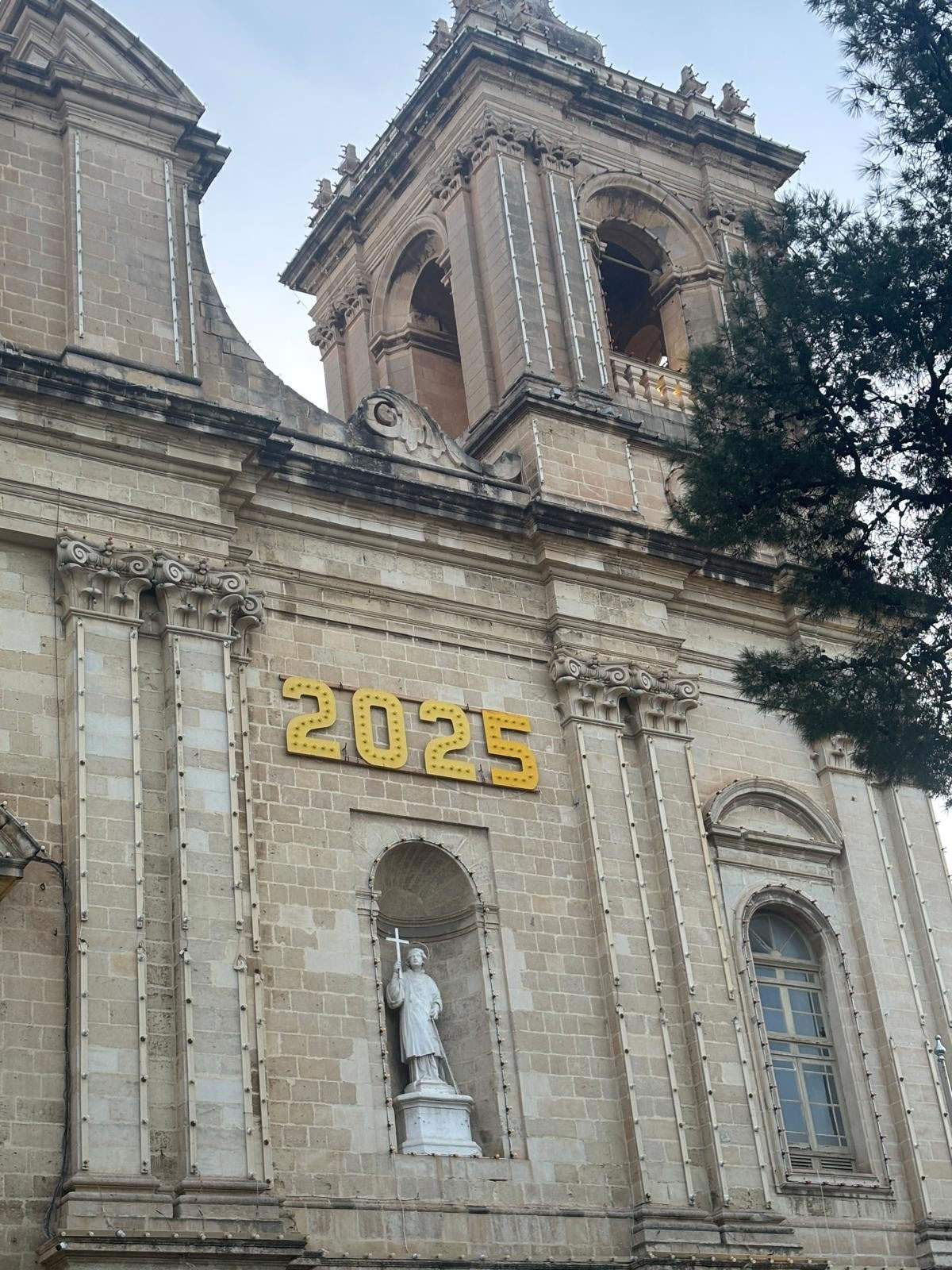
- Impressive dome and twin bell towers
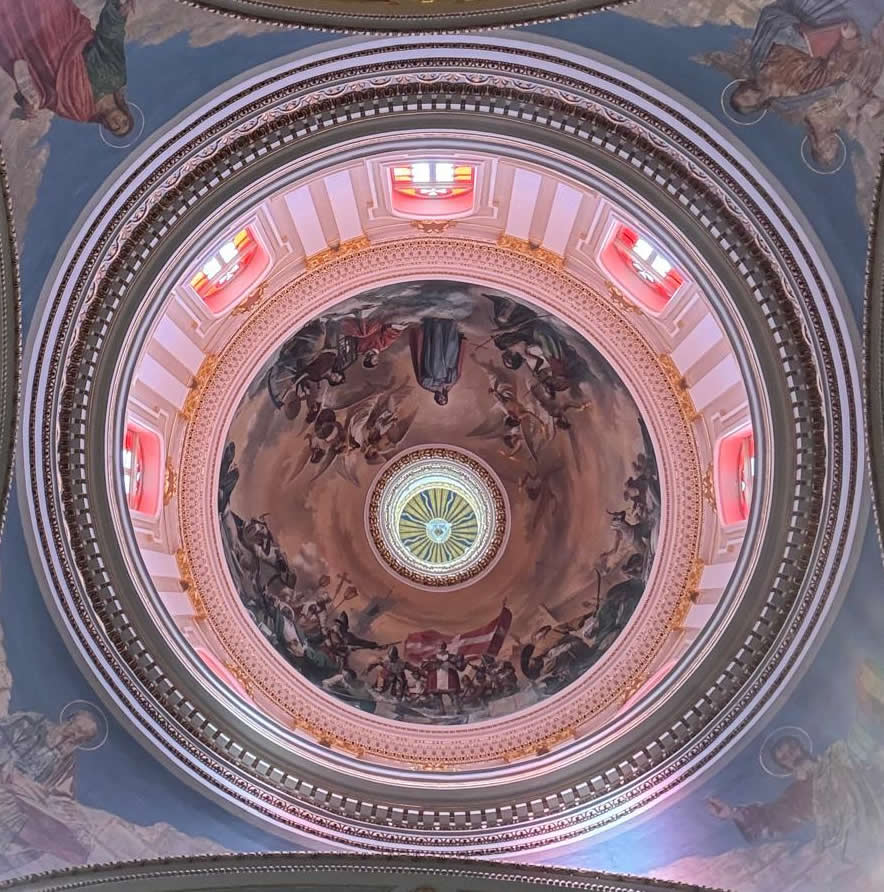
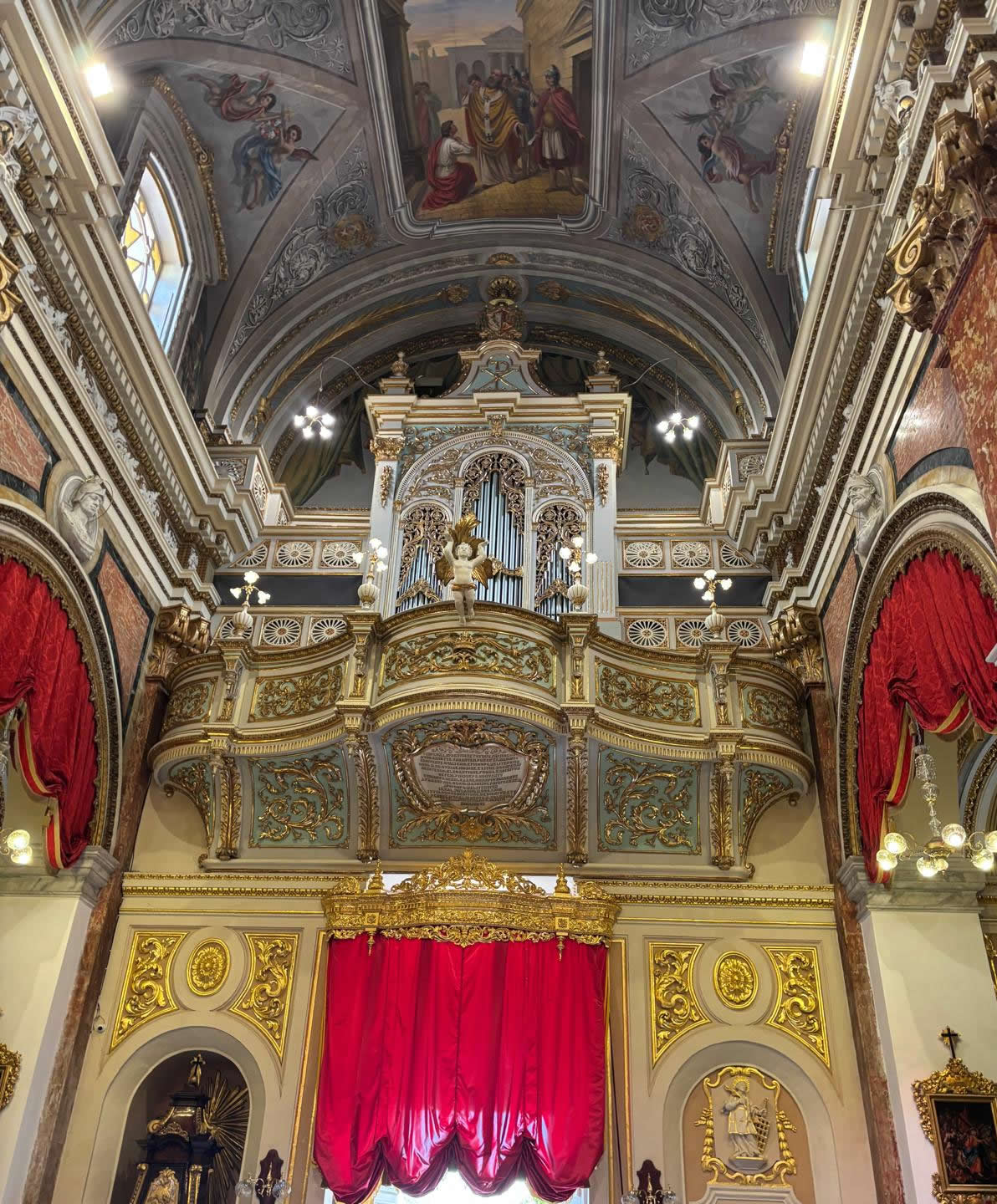
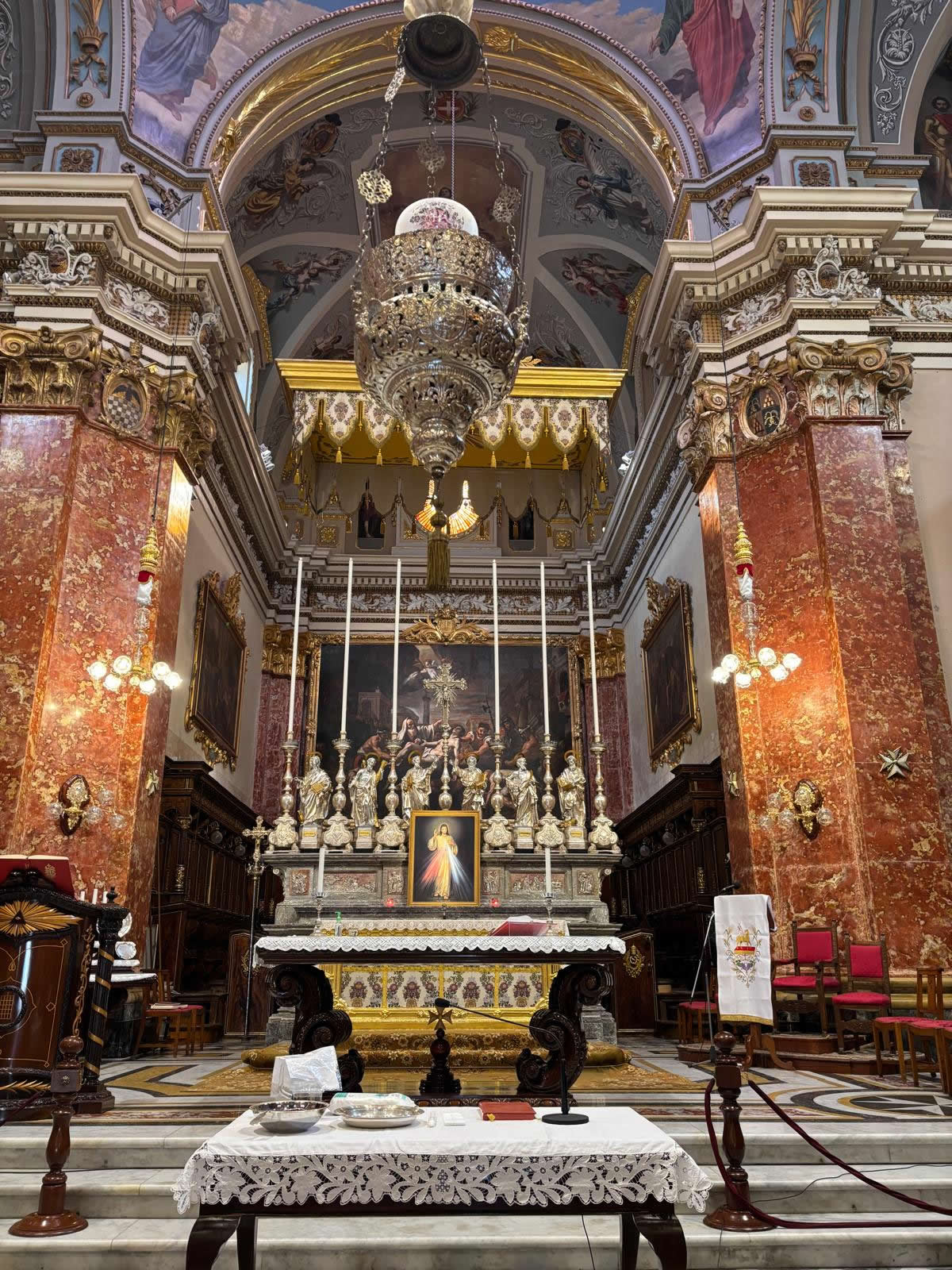
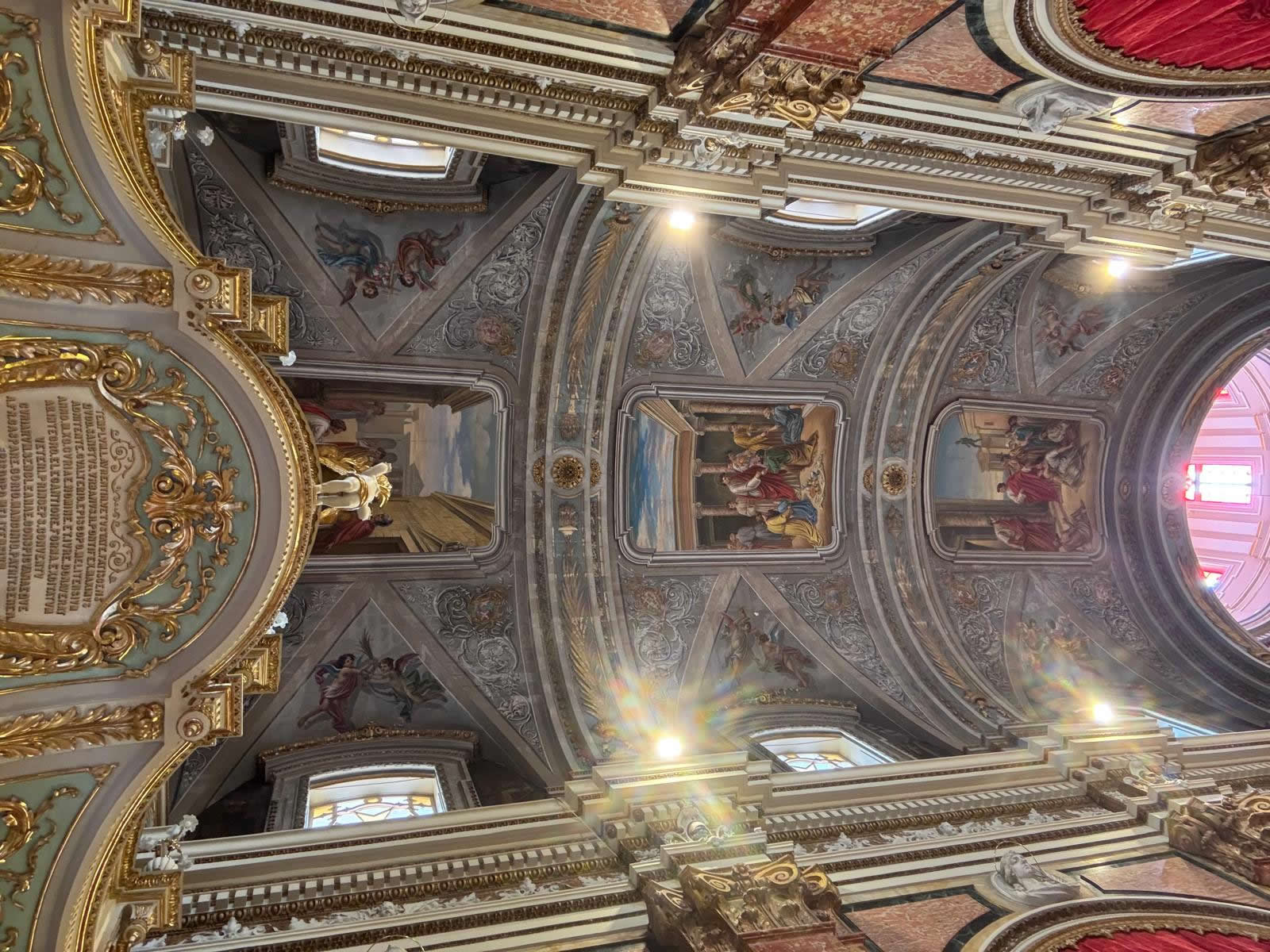
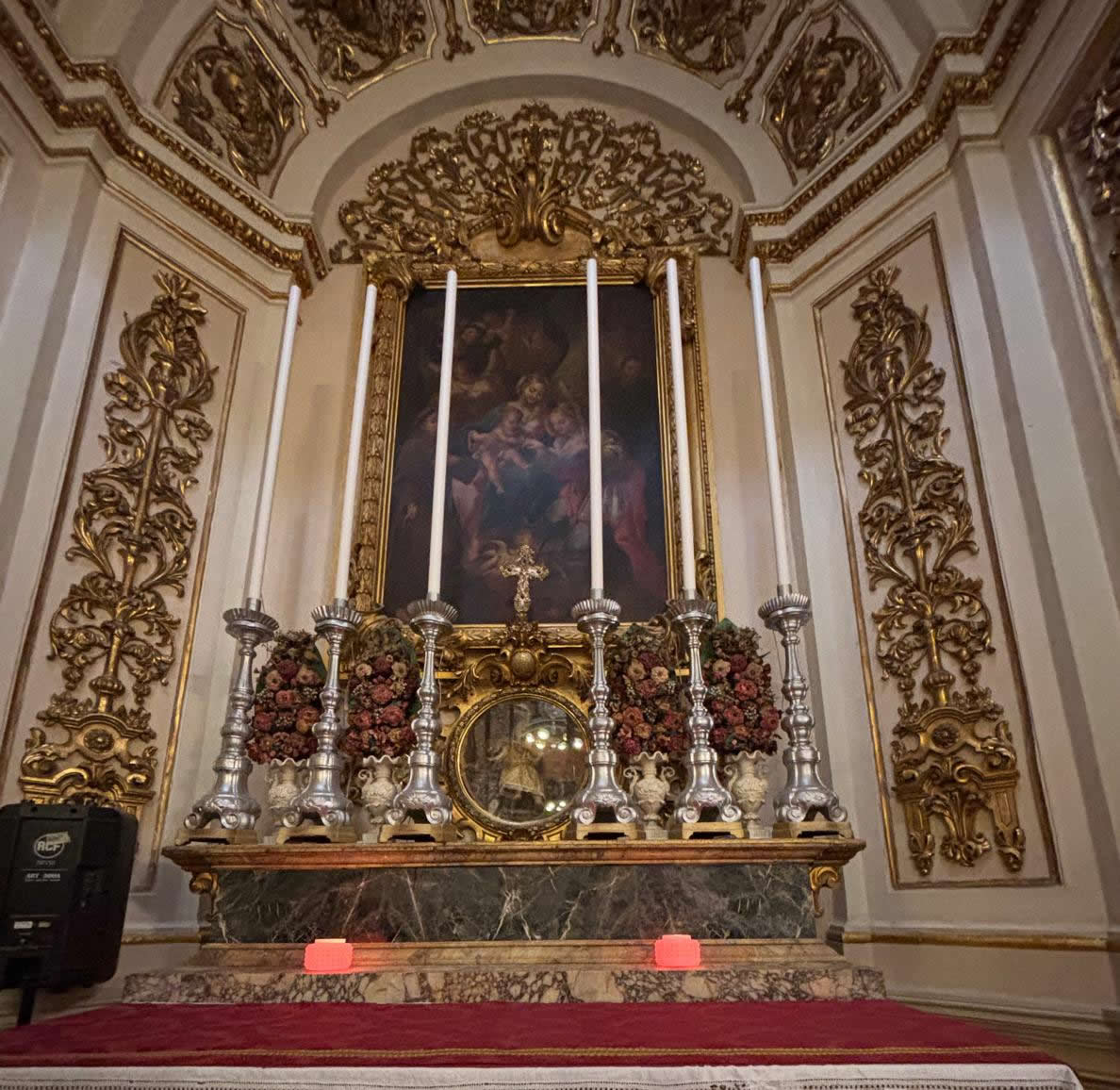
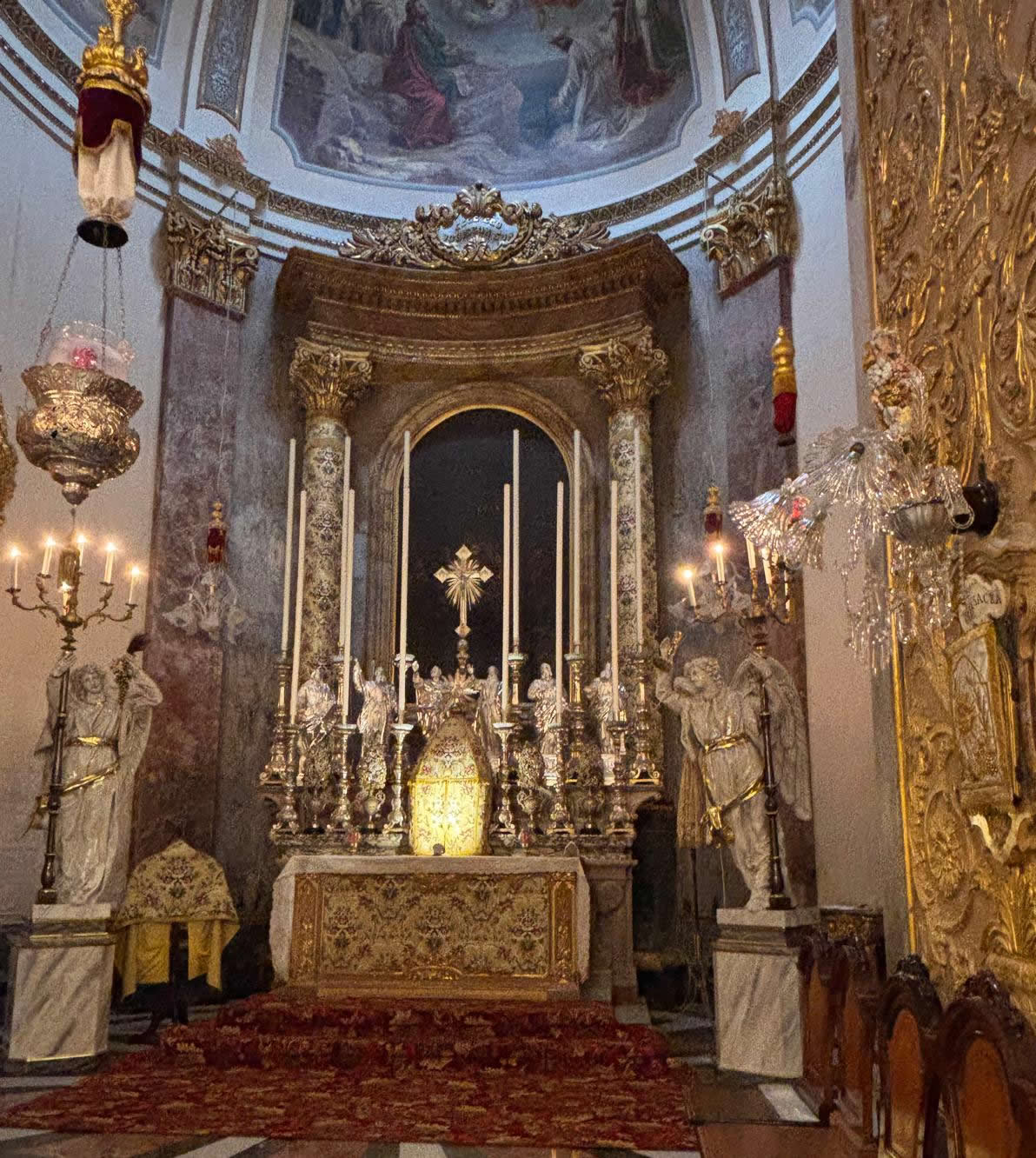
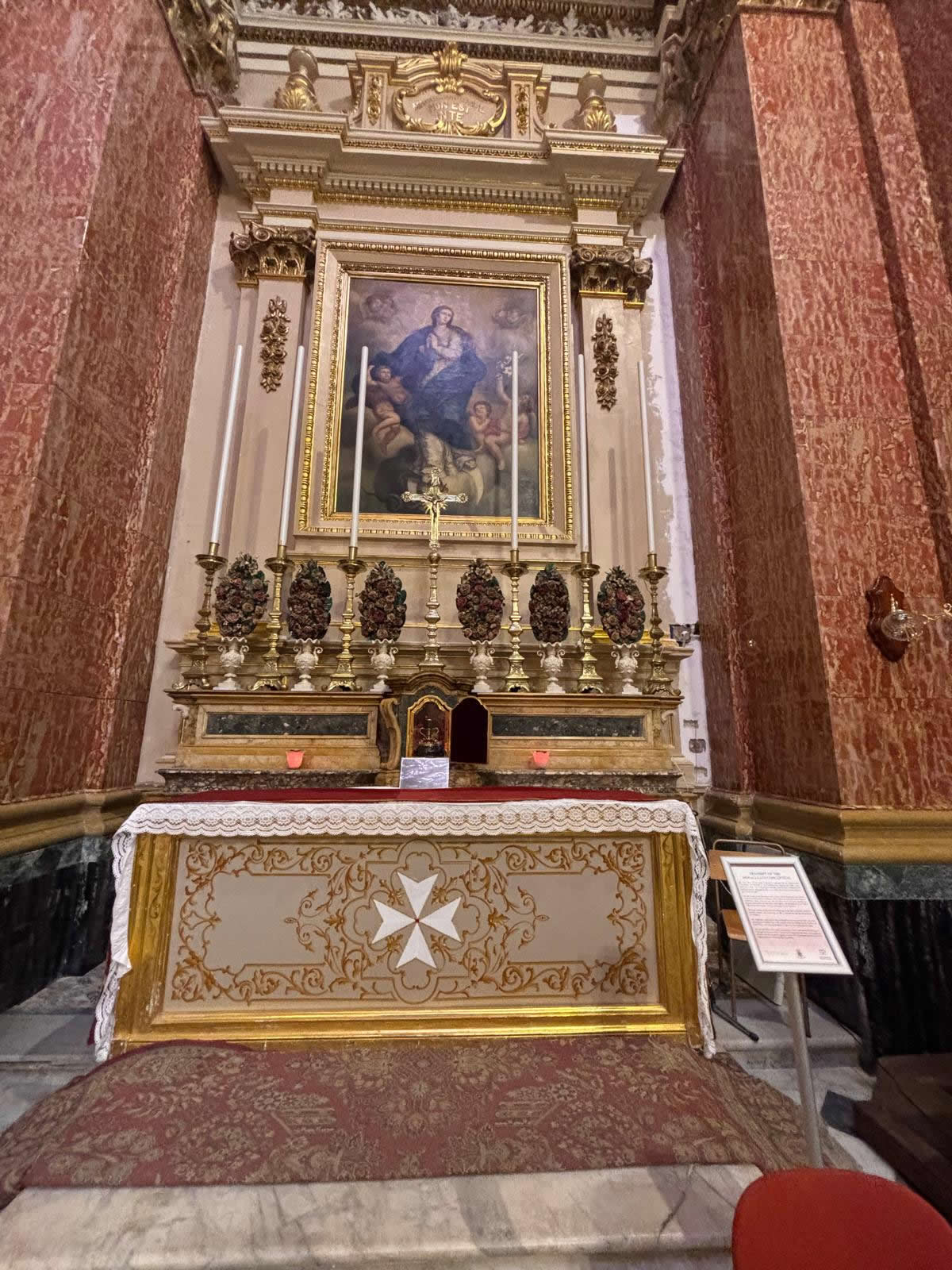
The façade combines elegance with monumentality, while the interior is richly decorated with marble, sculptures, and paintings reflecting the artistic traditions of the period.
Artworks and Interior Decoration
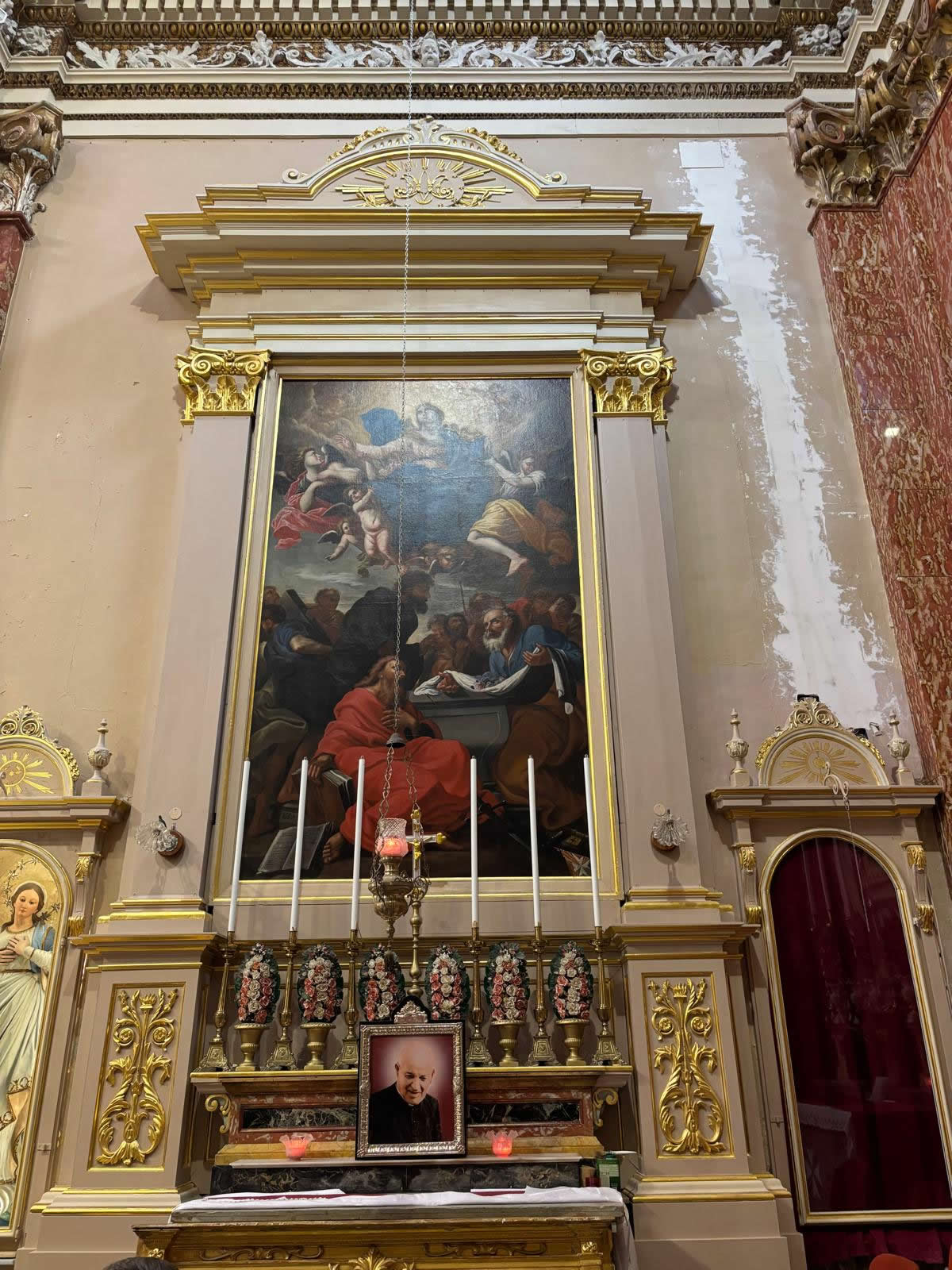
The Parish Church of St Lawrence houses an exceptional collection of artworks, making it one of the most artistically important churches in Malta.
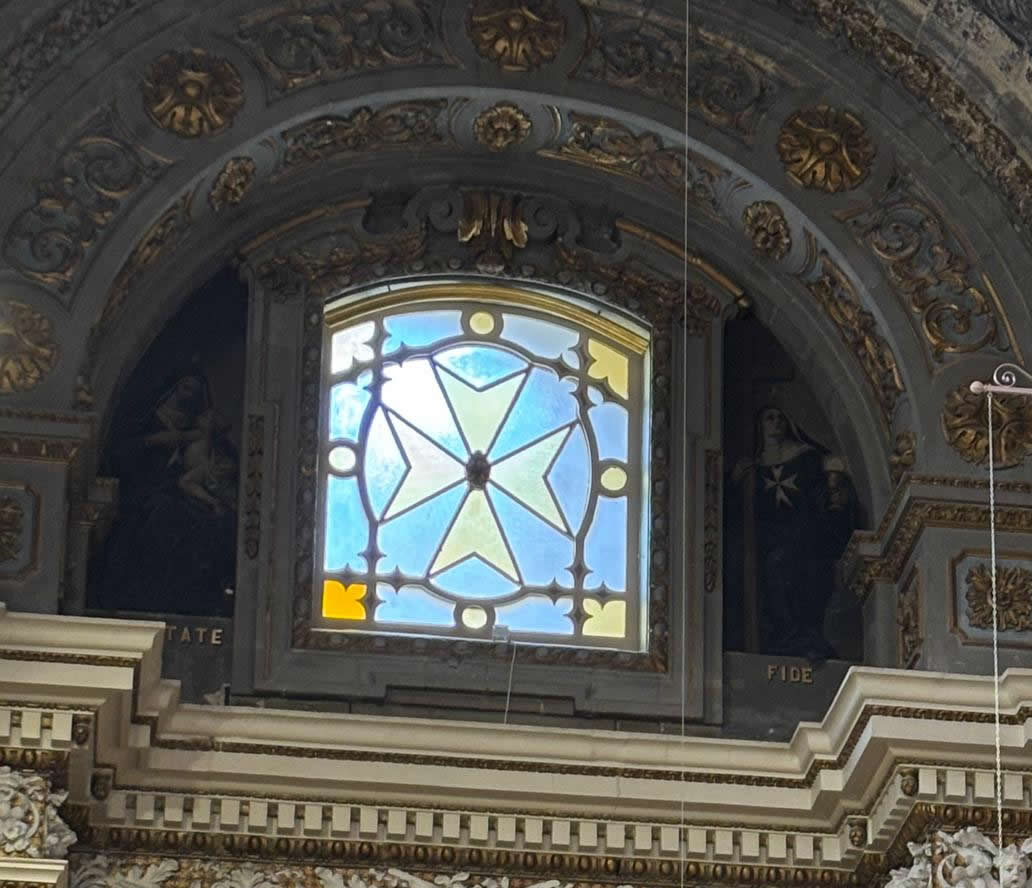
- Main altarpiece depicting the Martyrdom of St Lawrence by Mattia Preti
- Paintings by Stefano Erardi
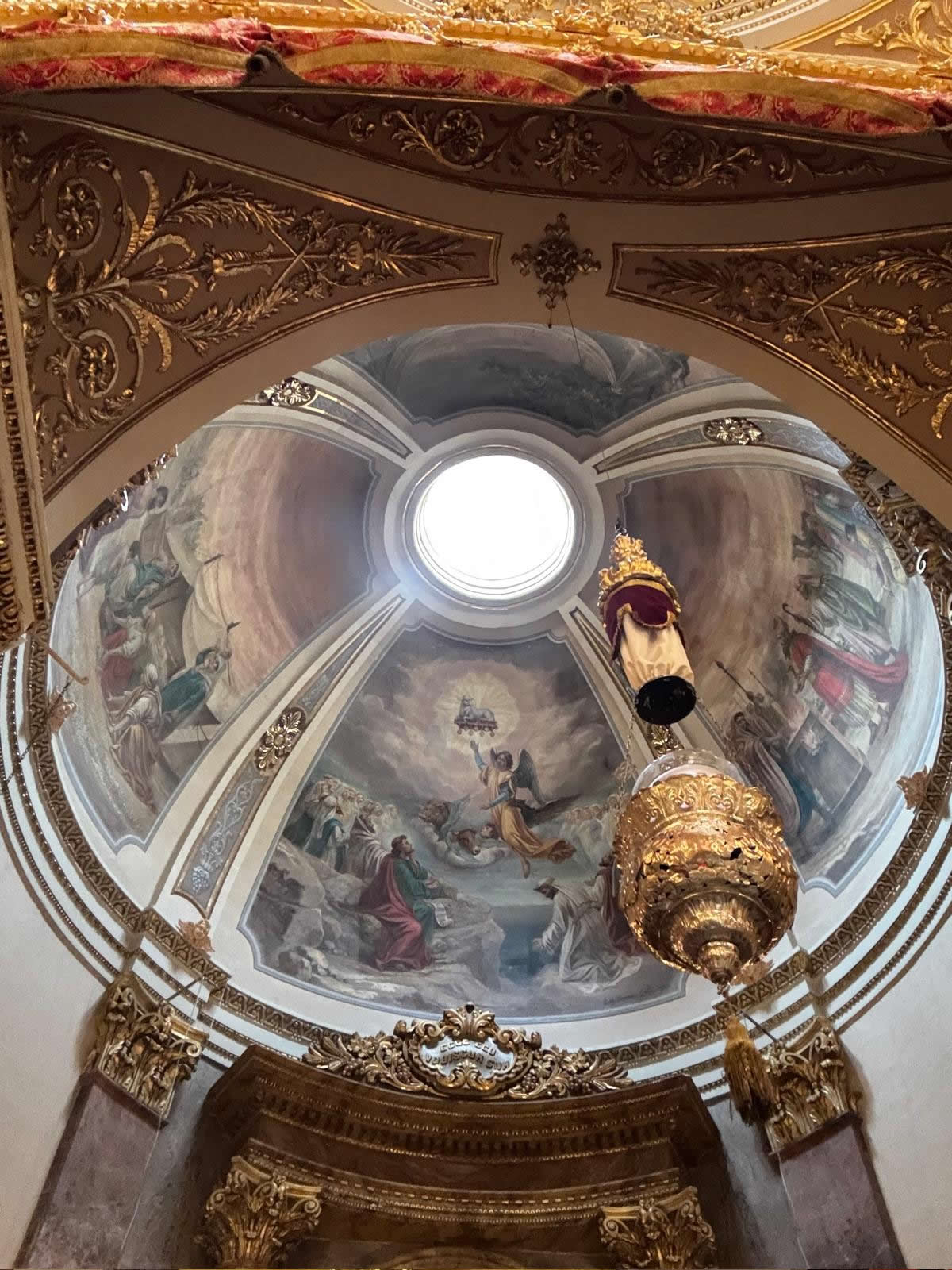
- Ceiling paintings by Giuseppe Calì and Ignazio Carlo Cortis
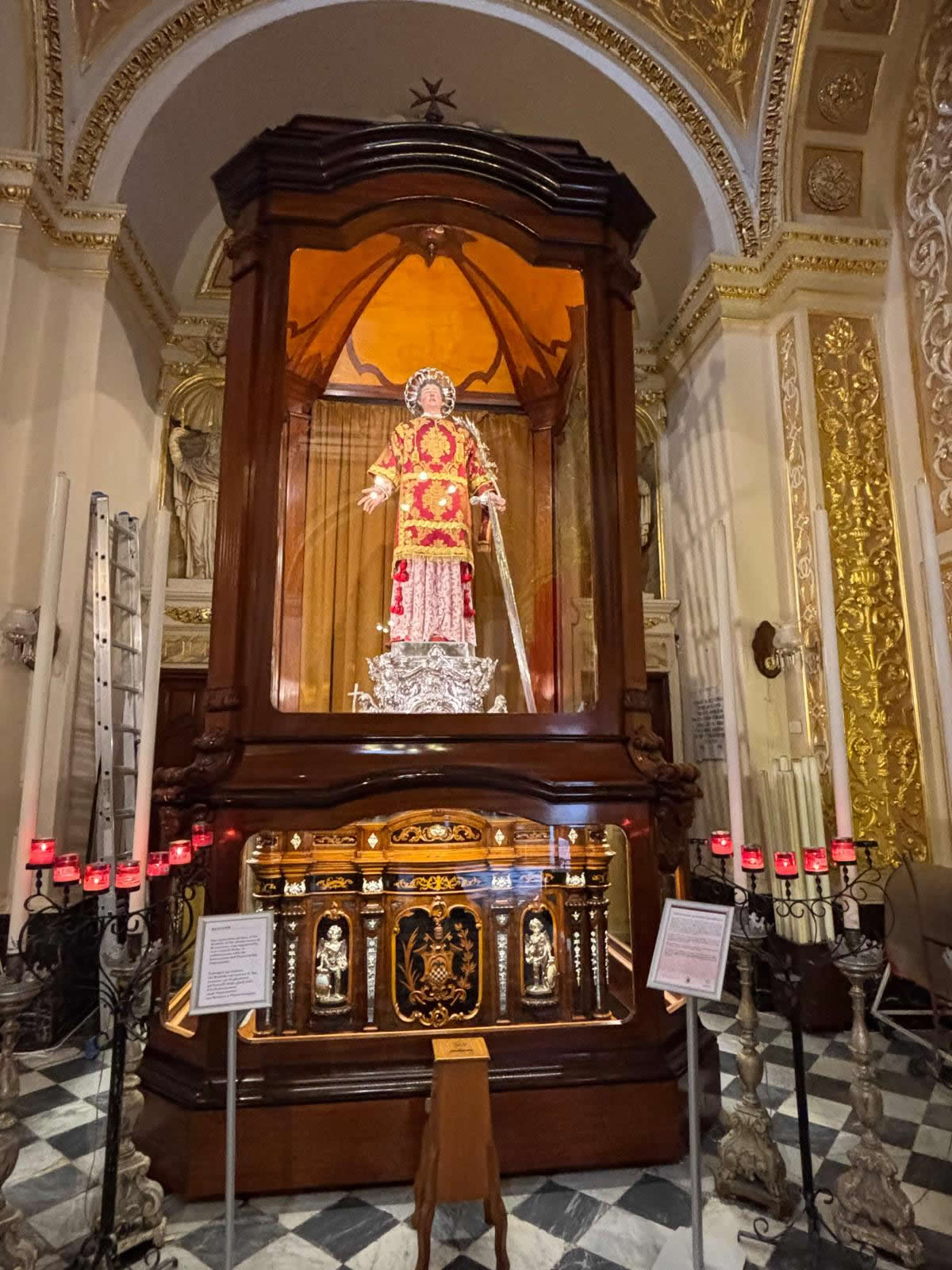
- Statue of St Lawrence dressed in traditional garments
The artistic richness reflects the influence of the Knights of St John and the broader European Baroque movement.
Modifications and Additions
Between the late 18th and early 20th centuries, the church underwent several architectural enhancements. Additional bays were introduced, and the second bell tower was completed in 1913.
In 1820, the church was elevated to the status of a collegiate church, further increasing its ecclesiastical importance.
World War II Damage and Restoration
During World War II, the church suffered extensive damage from aerial bombardments. The sacristy, chapter hall, and dome were destroyed in 1941–1942.
Reconstruction works were carried out in the post-war years, with the dome rebuilt and inaugurated in 1954, restoring the church to its former grandeur.
Historical Timeline
- 13th–14th century: Original church established
- 1436: Documented in ecclesiastical records
- 1530–1571: Conventual church of the Knights
- 1532: Destroyed by fire
- 1681: Construction of present church begins
- 1697: Church inaugurated
- 1723: Consecrated
- 1820: Becomes collegiate church
- 1941–1942: War damage
- 1954: Restoration completed
Religious and Cultural Importance
The church remains the spiritual centre of Birgu and plays a central role in the town’s religious life. The feast of Saint Lawrence is celebrated annually on 10 August, featuring processions, decorations, and community celebrations.
Its historical role as the first conventual church of the Knights of St John gives it national significance within Malta’s cultural heritage.
Visitor Information
Located in the heart of Birgu, the church is easily accessible and forms part of the historic fabric of the Three Cities. It is often included in cultural tours exploring Malta’s maritime and religious heritage.
Coordinates: 35.887346, 14.521376
Location: Birgu (Vittoriosa), Malta
Conclusion
The Parish Church of St Lawrence stands as one of Malta’s most important religious monuments, reflecting centuries of history from medieval times to the era of the Knights and beyond. Its architectural beauty, artistic richness, and cultural significance make it an essential site for anyone seeking to understand Malta’s heritage.
Last updated: March 2026