📍 Location
Location Map Coordinates 35.885791, 14.518374
Oratory – Triq il-Vitorja, Senglea (L-Isla), Malta
Introduction
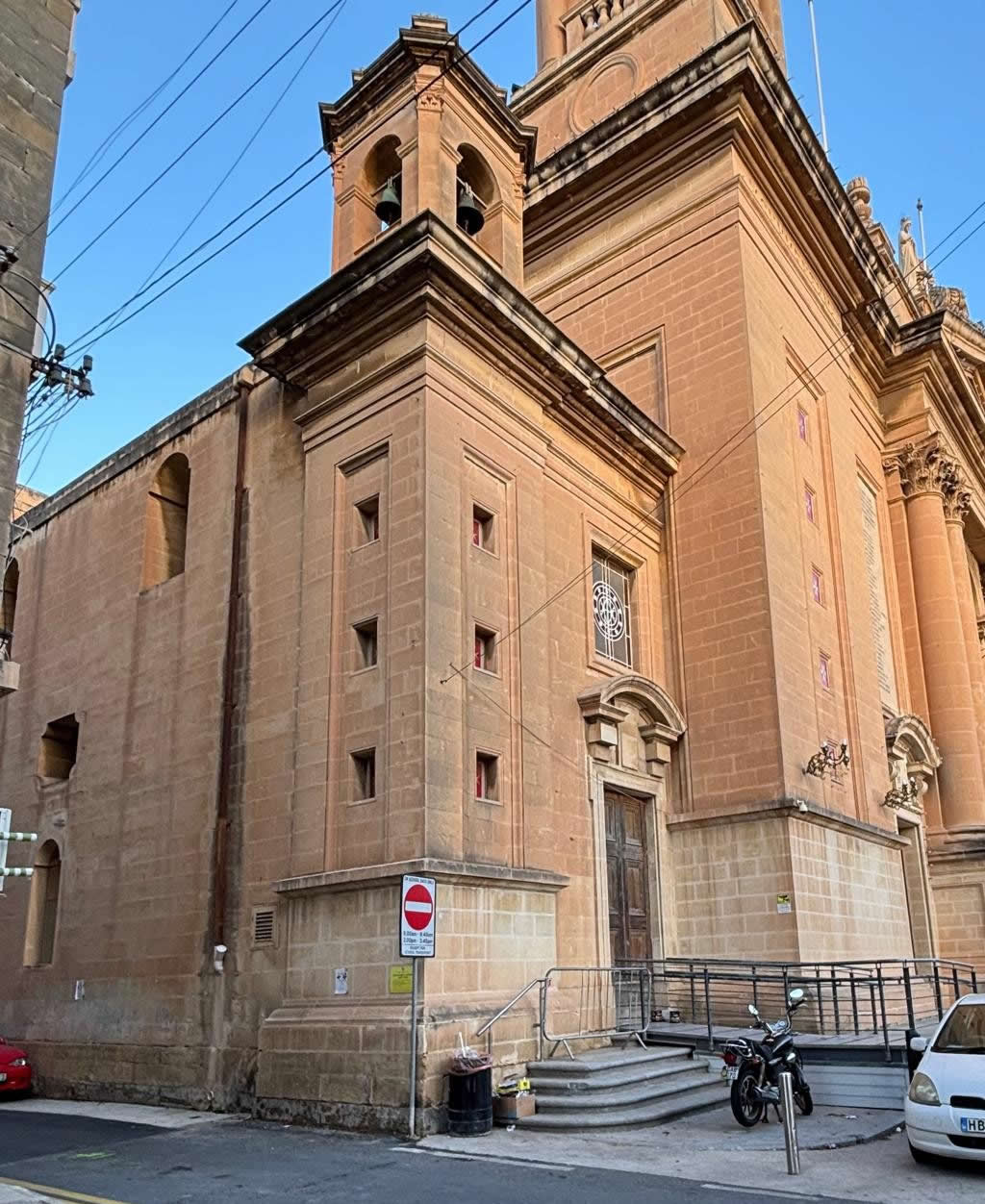
The Oratory of the Purification of the Madonna (Purifikazzjoni tal-Madonna) in Senglea is a small yet historically significant place of worship reflecting Malta’s deep Marian devotion. Situated along Triq il-Vitorja, this oratory forms part of Senglea’s rich network of churches and chapels that developed within the fortified maritime city.
Dedicated to the Feast of the Purification, also known as Candlemas, the oratory embodies centuries of religious tradition, focusing on themes of light, purification, and renewal.
Historical Background
The development of small oratories in Senglea dates back to the late 16th and early 17th centuries, following the establishment of the city after the Great Siege of 1565. As the population expanded, smaller devotional spaces were created to serve neighbourhood communities.
The Oratory of the Purification likely emerged during this period as a local centre of Marian devotion. Its dedication reflects the widespread importance of the feast within Catholic tradition, particularly in Mediterranean societies.
Religious Significance of the Purification
The Purification of the Virgin Mary commemorates the presentation of Jesus in the Temple and the ritual purification of Mary, as described in the Gospel of Luke.
Celebrated on 2 February, the feast is associated with the blessing of candles, symbolising Christ as the light of the world. This symbolism is deeply embedded in Maltese religious culture and is reflected in the devotional practices associated with the oratory.
Construction and Development
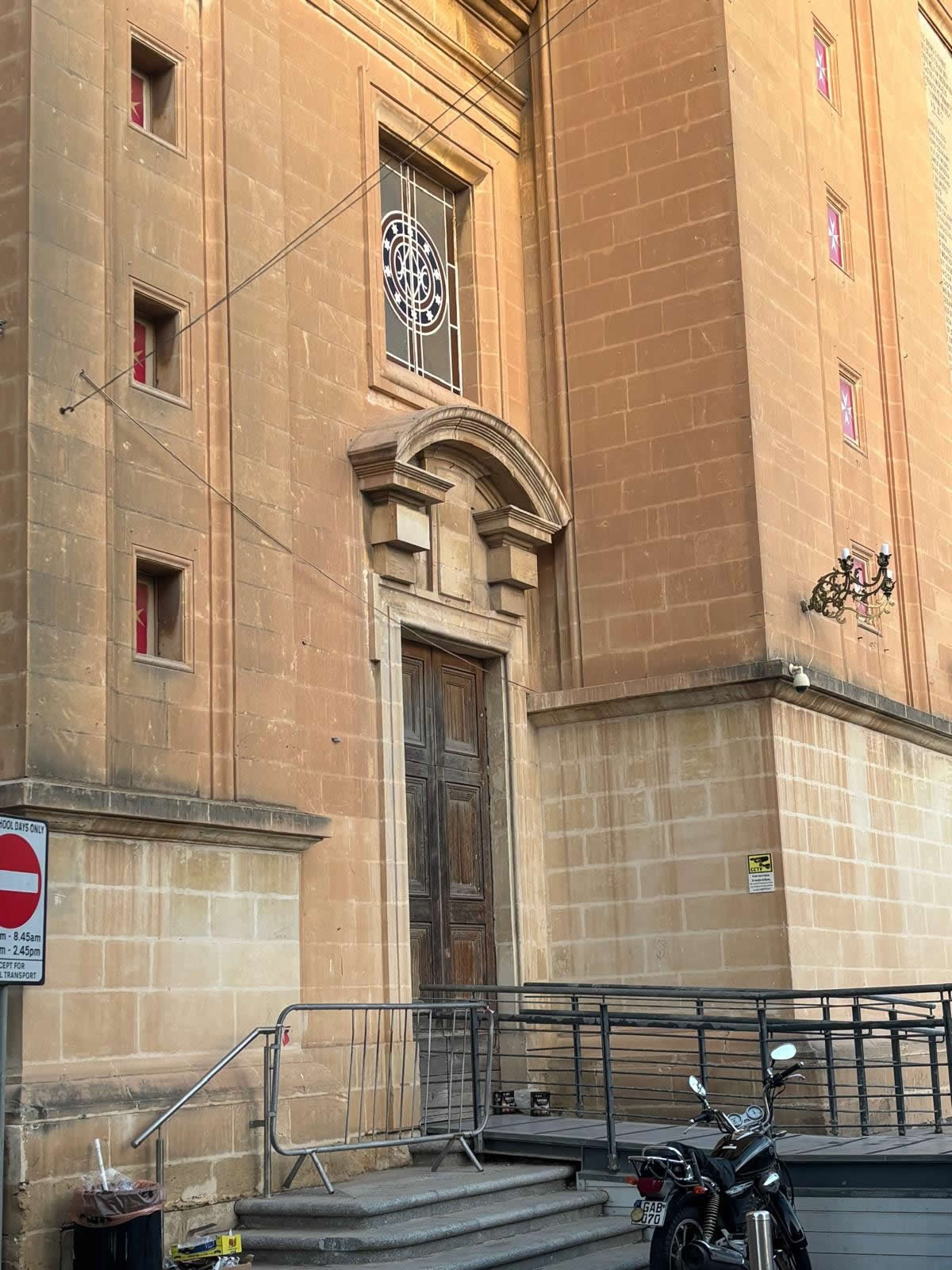
Although exact dates are not always documented, the oratory likely developed gradually from a simple chapel into a more defined religious space. Built using local limestone, the structure reflects the architectural traditions of the period.
Over time, the building would have been enhanced with decorative elements, altars, and artworks, contributing to its role as a focal point for local devotion.
Architectural Features
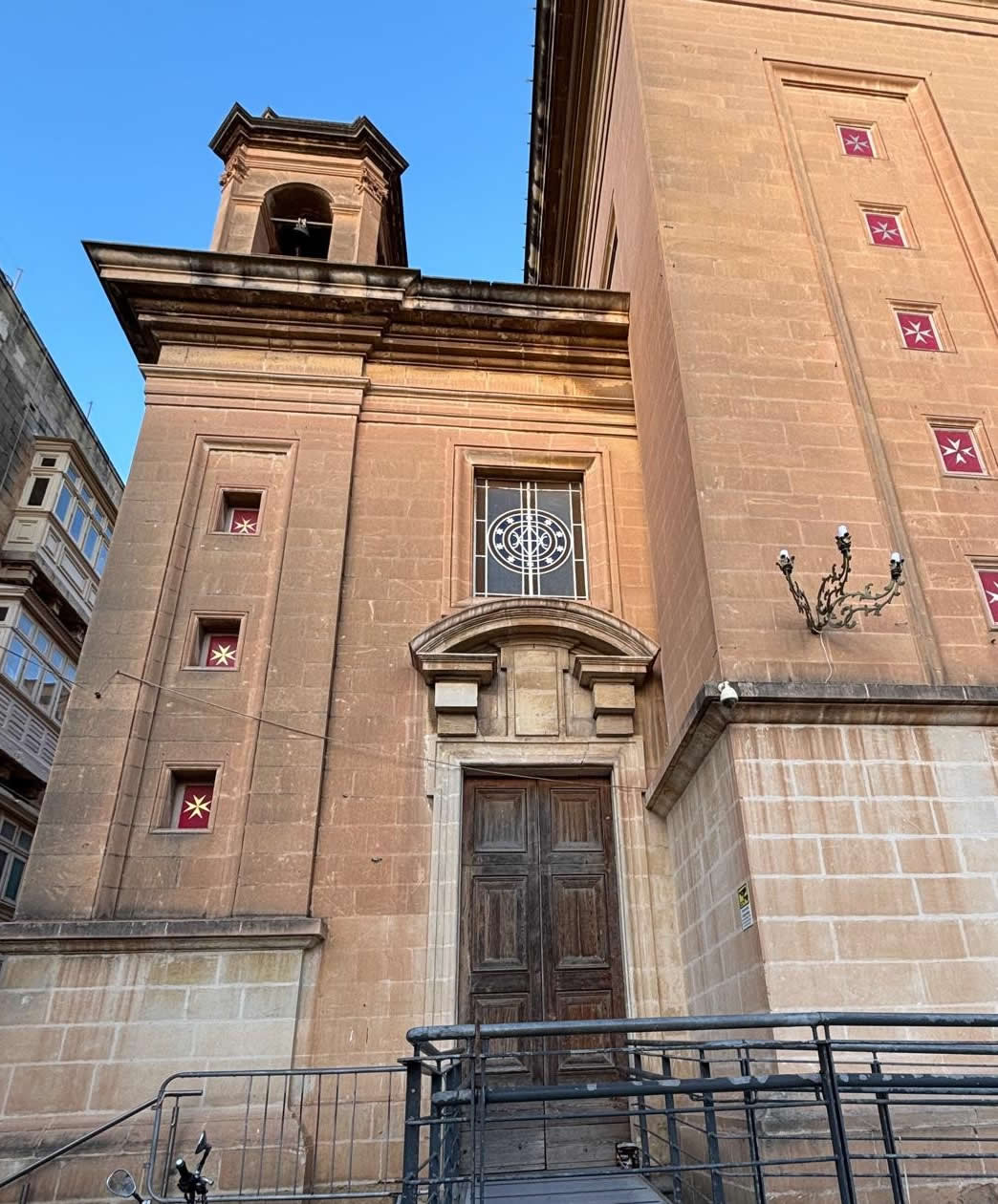
The oratory is characterised by its modest façade and intimate interior. Unlike larger parish churches, it was designed for small gatherings and personal prayer.
Typical features include:
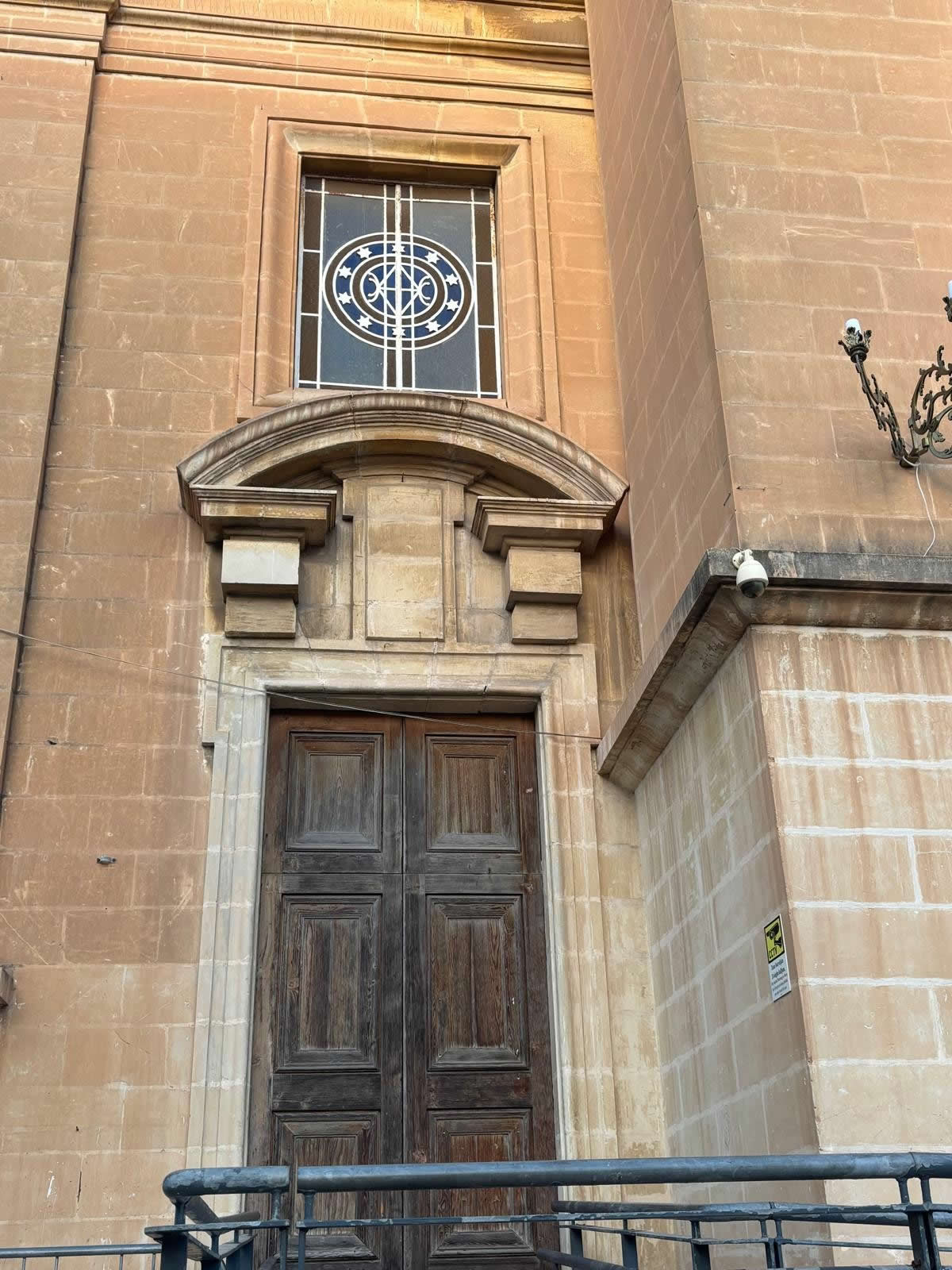
- A simple entrance framed by stone detailing
- A single nave leading to a main altar
- Use of Maltese limestone creating a warm interior
This simplicity enhances the contemplative atmosphere of the space.
Artworks and Devotional Elements

The central focus of the oratory is the image or statue of the Purification of the Madonna. This depiction emphasises the presentation of Christ and the prophetic figure of Simeon.
Additional elements may include:
- Small devotional paintings
- Votive offerings from devotees
- Candles used during Candlemas celebrations
These features reinforce the symbolic themes of light and purification.
Role in Community Life
The oratory has traditionally served the local community, providing a space for prayer and reflection. It complements the larger churches of Senglea by offering a more intimate setting for devotion.
During the feast of the Purification, the oratory would have been a focal point for local celebrations, including the blessing of candles.
World War II and Restoration
Like much of Senglea, the oratory was affected by the heavy bombardment of World War II. The extent of damage may have varied, but restoration efforts ensured its survival.
Post-war restoration typically focused on structural repair and preservation of artistic elements, allowing the oratory to continue serving the community.
Modern Use
Today, the Oratory of the Purification remains a place of quiet devotion. While not as active as larger parish churches, it continues to hold cultural and religious significance.
It forms part of Senglea’s broader heritage, contributing to the identity of the city as one of Malta’s historic Three Cities.
Visitor Experience
Visitors exploring Senglea can encounter the oratory as part of a walking tour through the city’s narrow streets. Its modest scale and peaceful atmosphere provide a contrast to the grandeur of nearby churches.
The oratory offers insight into the everyday religious life of the community and the importance of Marian devotion in Maltese culture.
Conclusion
The Oratory of the Purification of the Madonna in Senglea stands as a testament to Malta’s enduring religious traditions. Through its history, architecture, and devotional practices, it reflects the spiritual life of the community and the significance of Marian devotion.
Though small in size, the oratory remains an important element of Senglea’s cultural and religious heritage, preserving a tradition that has shaped the identity of the city for centuries.
Frequently Asked Questions
What is the Purification of the Madonna?
It is the feast of Candlemas, celebrating the presentation of Jesus in the Temple.
Where is the oratory located?
It is located in Triq il-Vitorja, Senglea, Malta.
Is it still used today?
Yes, it remains a place of devotion and historical significance.