📍 Location
Location Map Coordinates 36.029429, 14.296967
Location: Għajnsielem, Gozo, Malta | Coordinates: 36.029429, 14.296967
Introduction
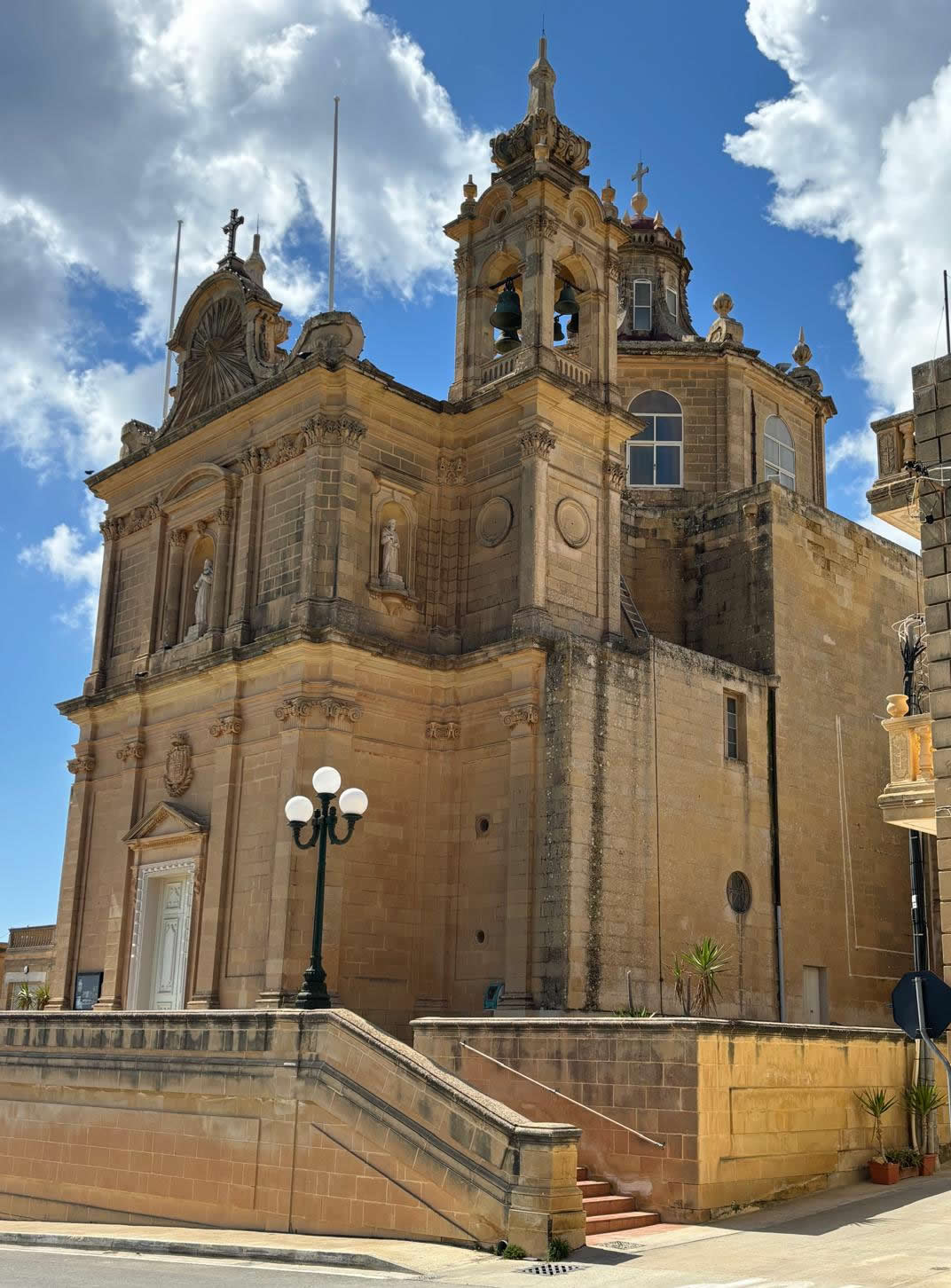
The Church of St Anthony of Padua in Għajnsielem is one of Gozo’s most important Franciscan churches, reflecting both spiritual devotion and early 20th-century ecclesiastical architecture. Located along the main road connecting Mġarr Harbour to the eastern villages of Gozo, the church stands as a significant landmark in the religious and cultural landscape of the island.
Closely associated with the Franciscan Friars Minor, the church continues to serve as a centre for worship, pastoral activity, and community life.
Origins of the Franciscan Presence
The origins of the church are closely tied to the arrival of the Franciscan Friars Minor in Gozo in 1899.
Initially, the friars settled in a modest residence known as “Ta’ Gliex” in Għajnsielem. Their presence marked the beginning of a new phase of religious activity in the area, with the Franciscans focusing on pastoral work, preaching, and community engagement.
The need for a permanent convent and church soon became evident, leading to plans for a dedicated religious complex.
Construction of the Church (1902–1906)
On 1 August 1901, land was generously donated by local benefactors to allow the construction of a convent and church for the Franciscan community.
The foundation stone of the church was laid on 7 September 1902 by Bishop Giovanni Maria Camilleri.
The building was designed and constructed by master builder Wigi Vella, who played a central role in shaping the church’s architectural character. Financial support for the project came largely from Joseph Sultana, a benefactor from Nadur.
Construction progressed steadily, and after approximately four years of work, the church was completed and officially blessed on 28 October 1906.
It was later consecrated on 4 November 1912, marking its full dedication as a place of worship.
Architecture and Design
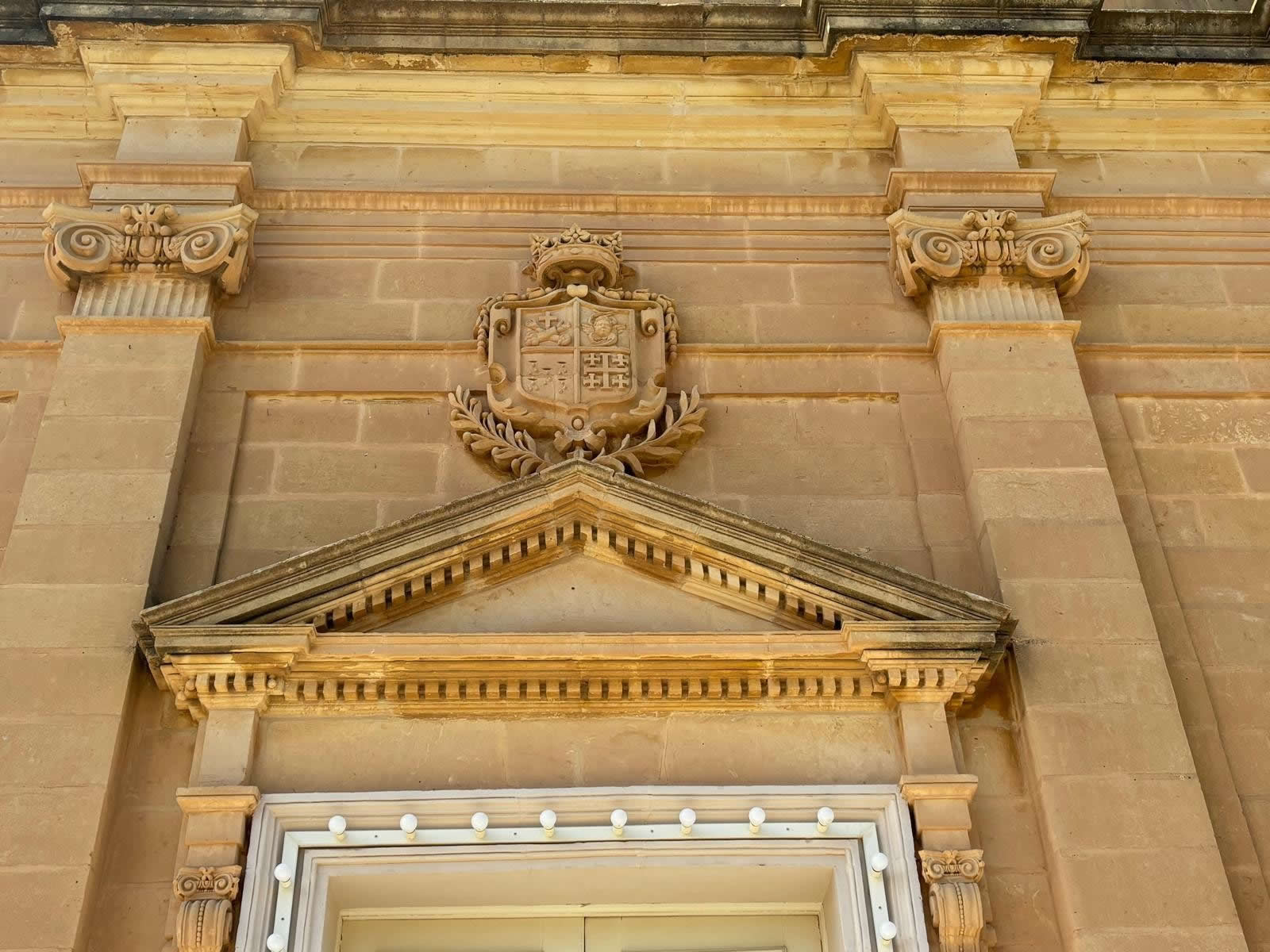
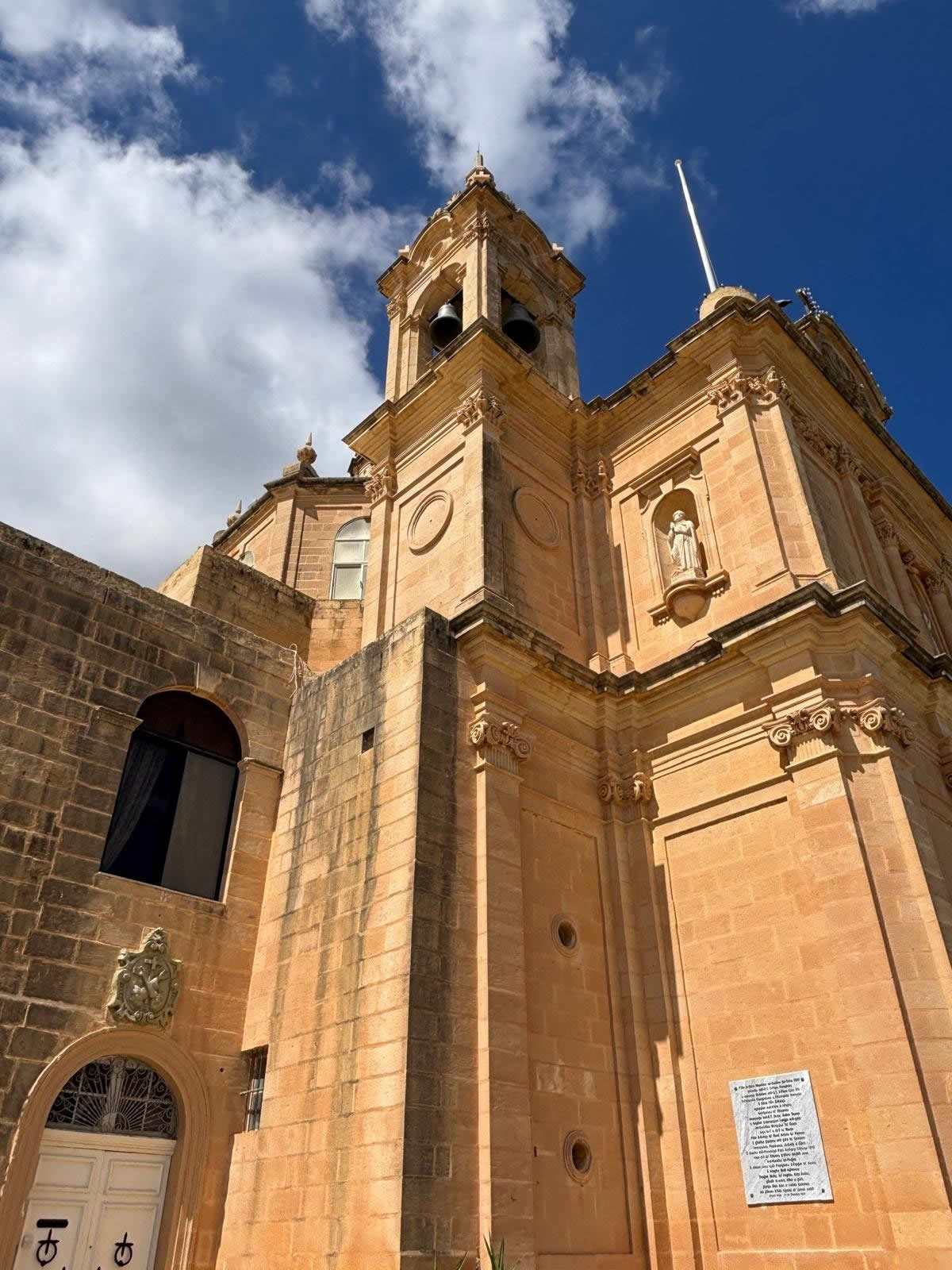
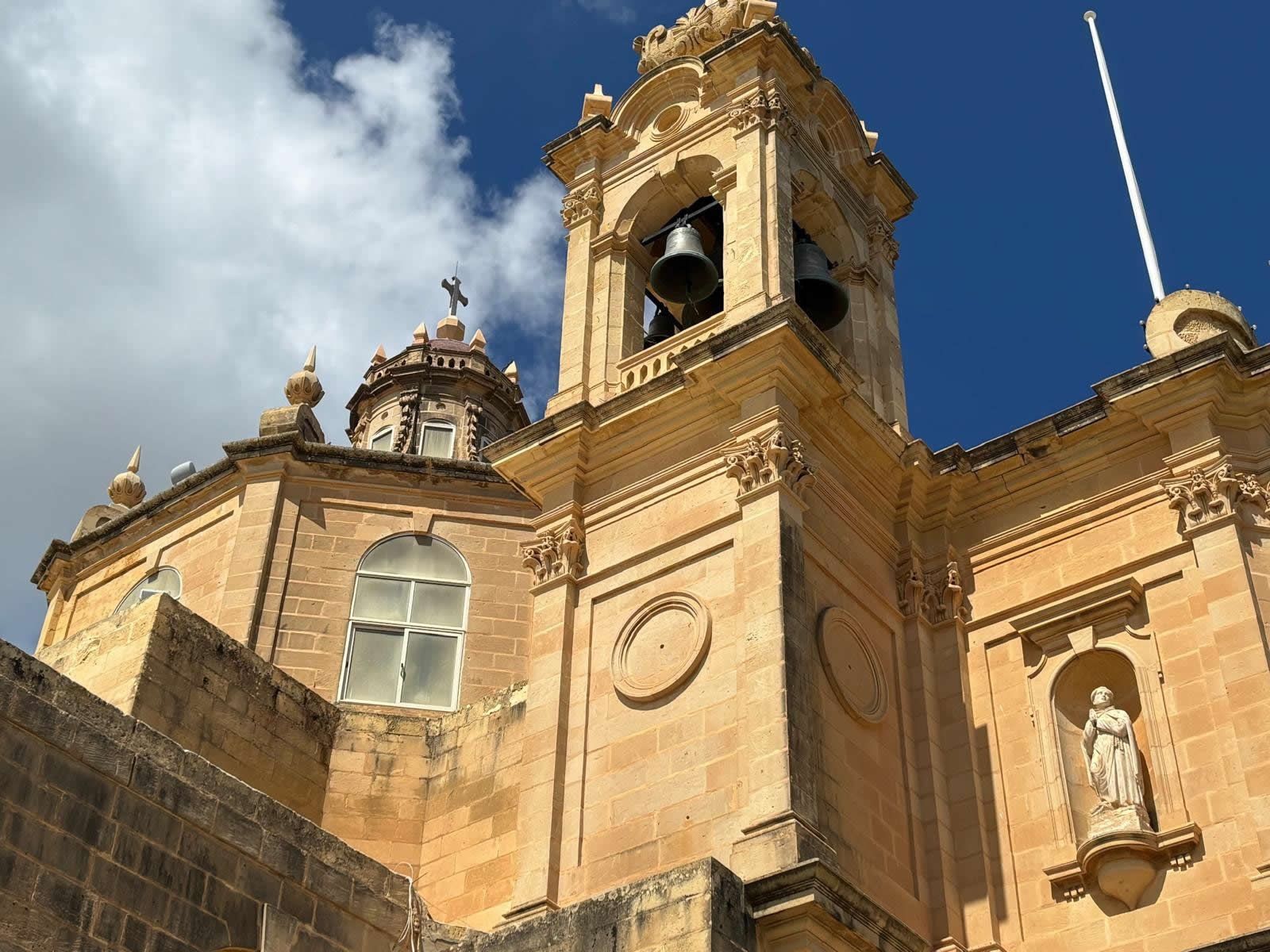
The church reflects early 20th-century Maltese ecclesiastical architecture, combining traditional elements with functional design suited to Franciscan spirituality.
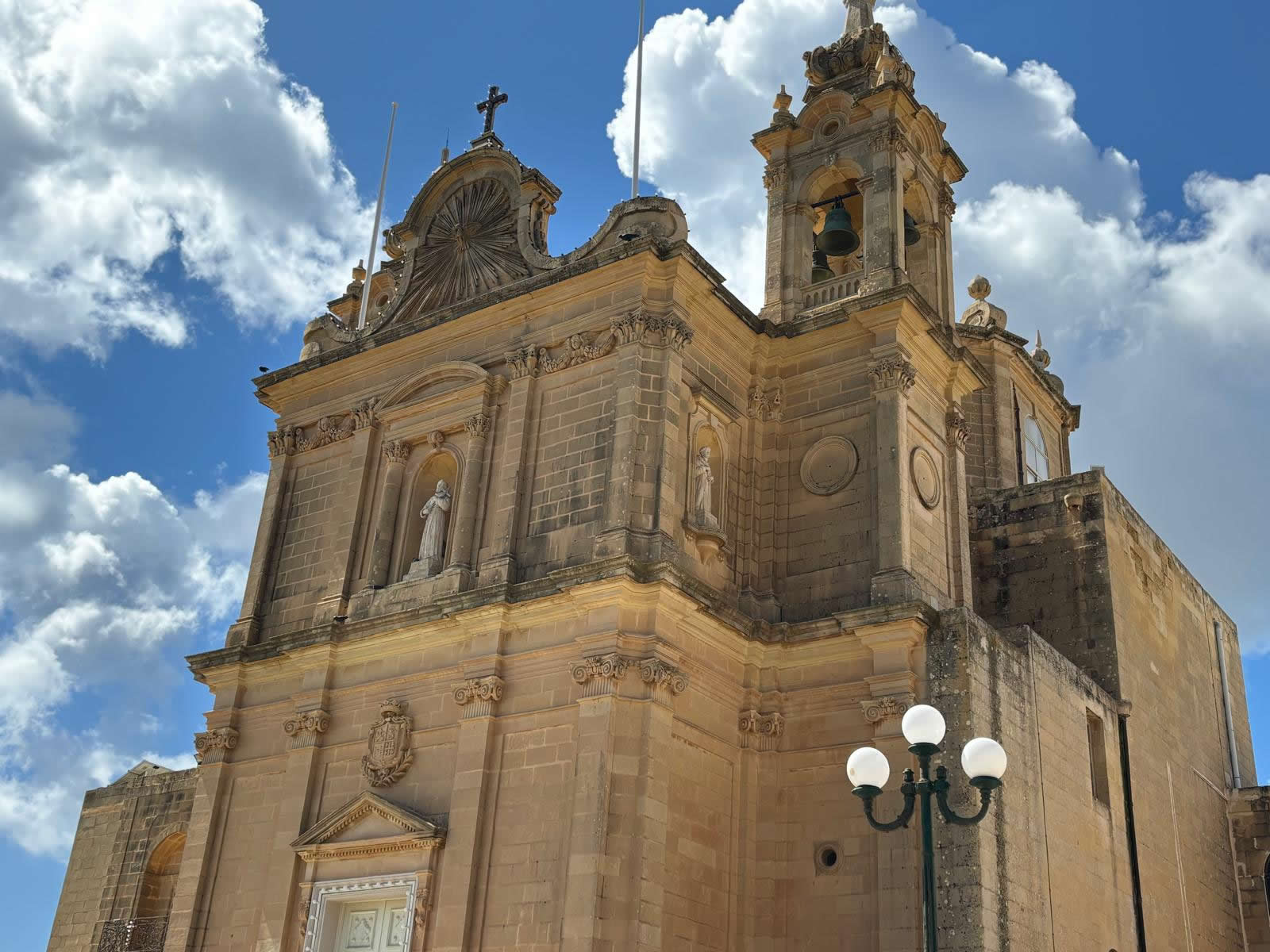
Constructed from local limestone, the building features a balanced façade and a modest yet dignified appearance, in keeping with the Franciscan emphasis on simplicity and humility.
The interior is designed to accommodate both liturgical celebrations and devotional practices, with a clear focus on accessibility and community use.
Artworks and Interior Features
The church houses various religious artworks and devotional elements associated with St Anthony of Padua, one of the most venerated saints in the Catholic Church.
Over time, different statues of the saint have been introduced, including works by Maltese and Italian artisans.
The current statue reflects traditional iconography, depicting St Anthony holding the Child Jesus, symbolising his deep spiritual connection and role as a preacher and teacher.
Religious and Cultural Importance
The Church of St Anthony plays a central role in the religious life of Għajnsielem and surrounding areas. Its annual feast, celebrated on 13 June, marks one of the earliest summer feasts in Gozo.
The celebration includes liturgical services, processions, and community festivities, reflecting the enduring devotion to St Anthony among the local population.
The church also serves as a spiritual centre for the Franciscan community, hosting daily Mass, confessions, and pastoral activities.
The Franciscan Convent and Retreat Use
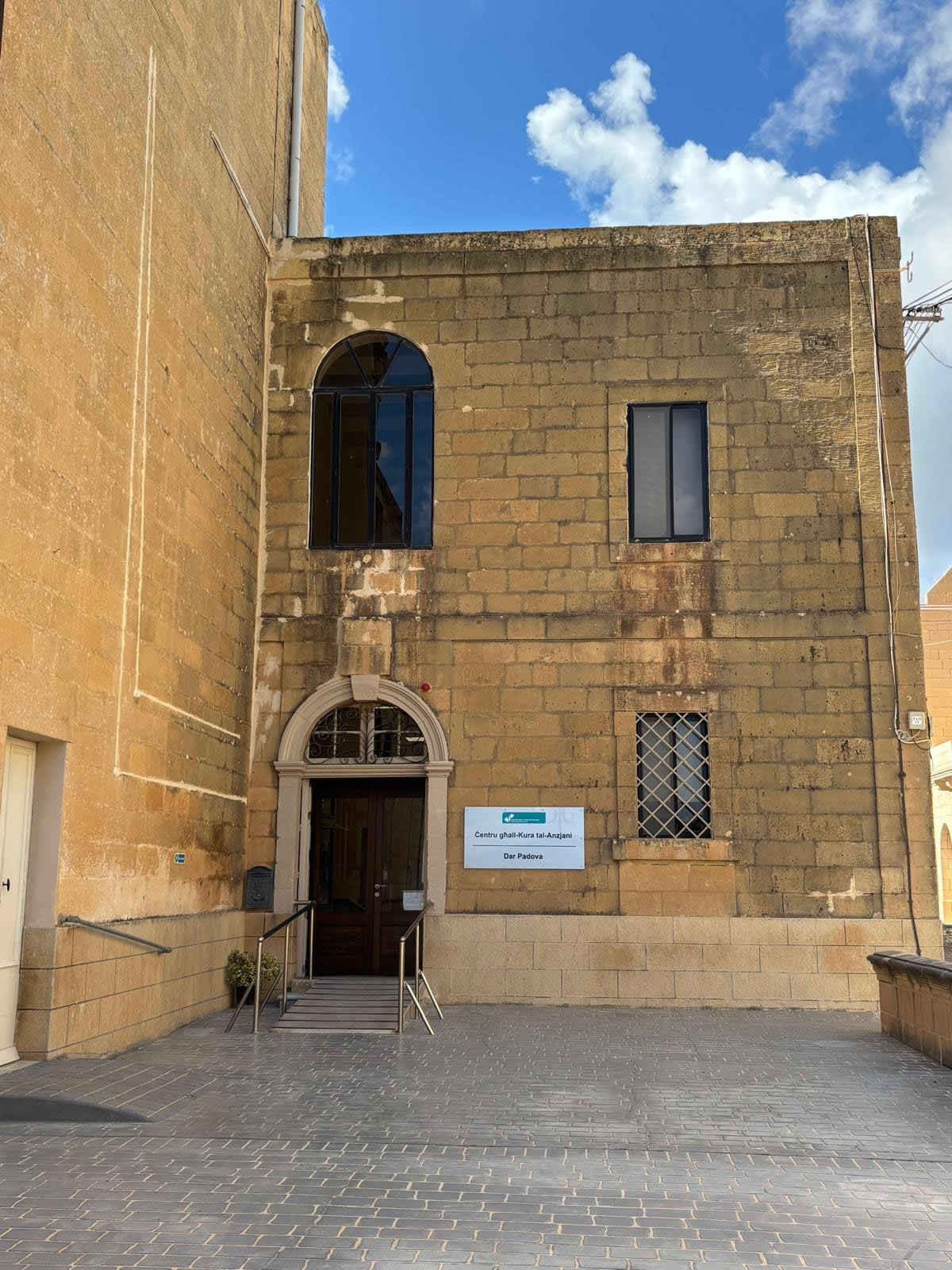
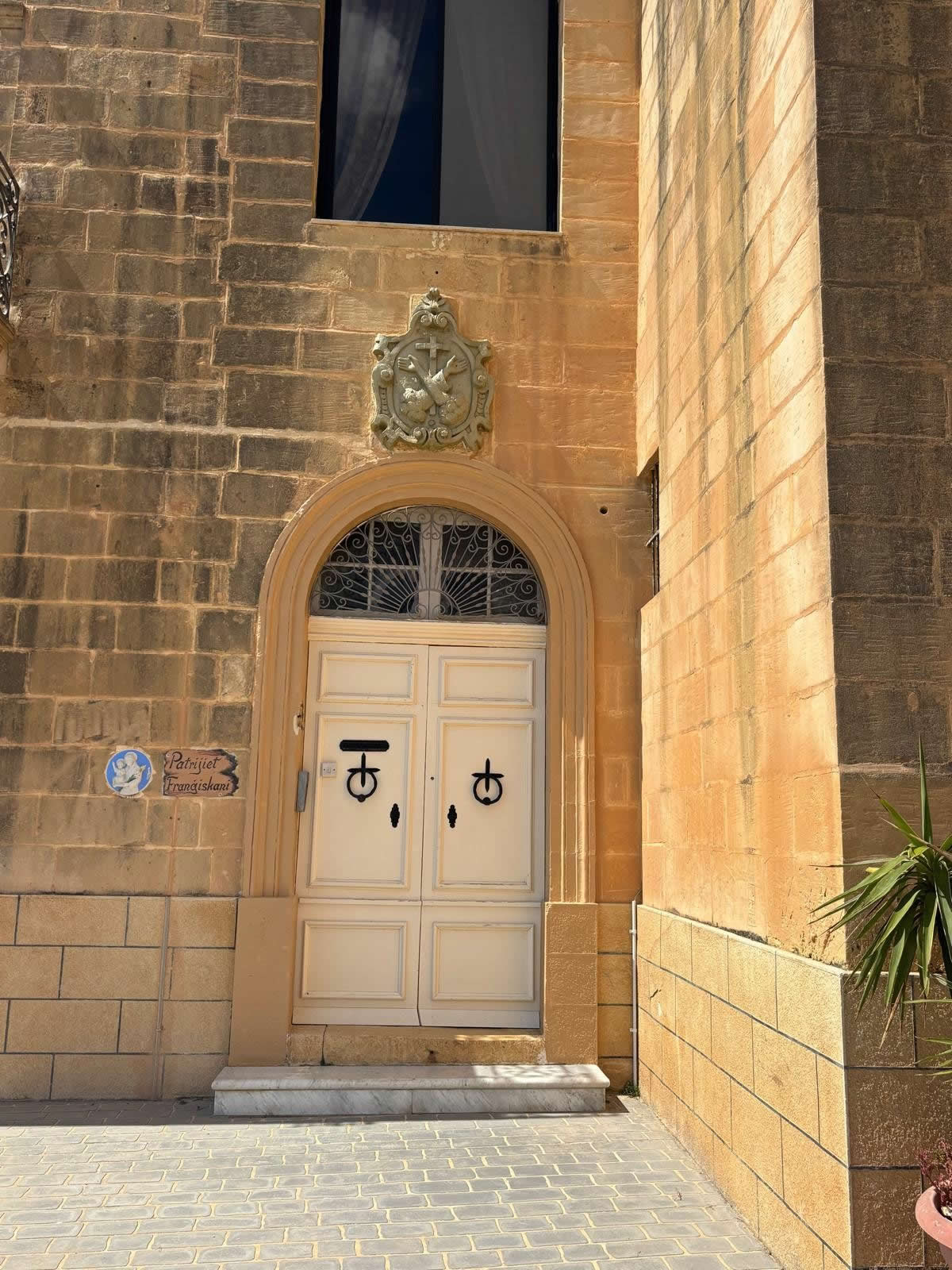
Adjacent to the church is the Franciscan convent, which has played an important role in supporting religious life and outreach in Gozo.
In the late 20th century, part of the convent complex was transformed into a retreat centre, providing facilities for spiritual exercises, seminars, and group retreats.
This development reflects the evolving role of the church as not only a place of worship but also a centre for spiritual renewal.
Restoration and Maintenance
Like many churches in Malta, St Anthony of Padua has undergone periodic maintenance and restoration to preserve its structure and artistic features.
These efforts ensure that the church continues to serve both its liturgical function and its role as a heritage site.
Għajnsielem and Its Religious Landscape
Għajnsielem is one of Gozo’s most important villages, historically linked to Mġarr Harbour and the island’s maritime activity. The village is known for its strong religious traditions and its prominent parish church dedicated to Our Lady of Loreto.
The presence of St Anthony of Padua Church adds to this rich ecclesiastical landscape, offering an additional centre of worship and community life.
Visitor Experience
Visitors to the church can experience a peaceful and welcoming environment, with regular Mass services and opportunities for personal reflection.
Its location near the main road makes it easily accessible, while its historical and spiritual significance makes it a valuable stop for those exploring Gozo’s religious heritage.
Conclusion
The Church of St Anthony of Padua in Għajnsielem stands as a testament to the enduring influence of the Franciscan Order in Gozo. Its history, architecture, and active role in the community make it an important religious and cultural landmark.
From its origins in the late 19th century to its continued use today, the church reflects both tradition and continuity within Malta’s rich ecclesiastical heritage.
Frequently Asked Questions
When was the church built?
It was built between 1902 and 1906 and consecrated in 1912.
Who built the church?
The Franciscan Friars Minor, with construction led by master builder Wigi Vella.
What is the feast day?
The feast of St Anthony is celebrated on 13 June.
Is it still active?
Yes, the church remains active with regular Mass and Franciscan activities.