📍 Location
Location Map Coordinates 35.887546, 14.517674
Senglea (L-Isla), Malta
Introduction
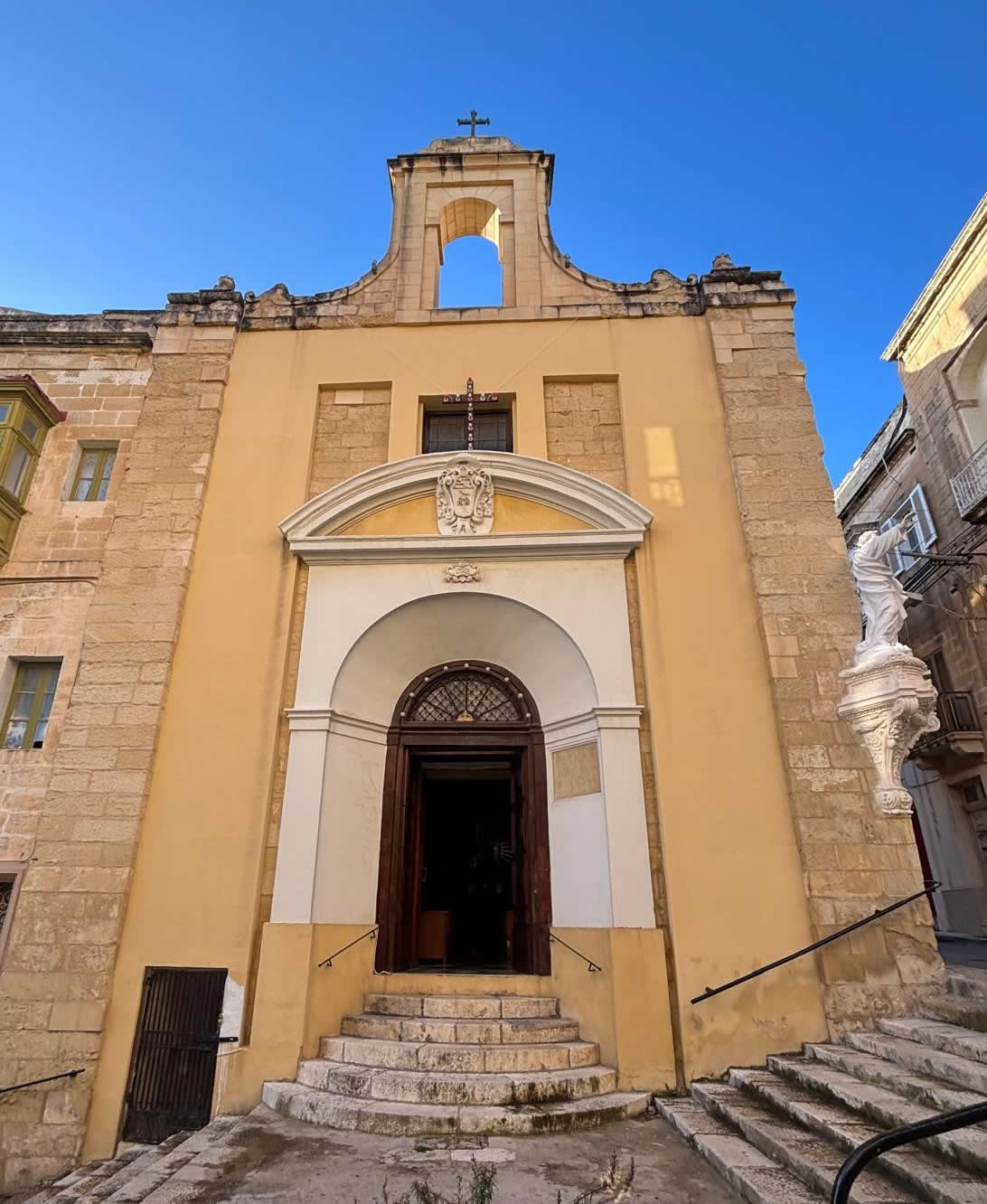
St Julian’s Church in Senglea (L-Isla), Malta, is a small but historically significant place of worship deeply connected to the maritime traditions of the Grand Harbour. Dedicated to Saint Julian the Hospitaller, the church reflects the spiritual life of sailors, fishermen, and dockworkers who lived and worked in Senglea, one of Malta’s historic Three Cities.
Though modest in scale compared to the nearby Basilica of the Nativity of Mary, St Julian’s Church holds an important place in the religious and cultural landscape of Senglea. Its origins, development, and continued use reveal much about the everyday devotional practices of Malta’s coastal communities.
Historical Background
The origins of St Julian’s Church are closely tied to the development of Senglea during the period of the Knights of St John. Founded in the 16th century following the Great Siege of Malta in 1565, Senglea quickly became a vital maritime and defensive centre within the Grand Harbour.
As the population grew, the need for smaller places of worship emerged, particularly for communities living close to the harbour. St Julian’s Church was likely established during this period to serve sailors and workers who could not always attend services at the main parish church.
Saint Julian the Hospitaller, to whom the church is dedicated, was traditionally regarded as a protector of travellers, hunters, and those facing danger. In the Maltese context, he became especially associated with seafarers, making his dedication particularly appropriate for a harbour-side church.
Construction and Early Development
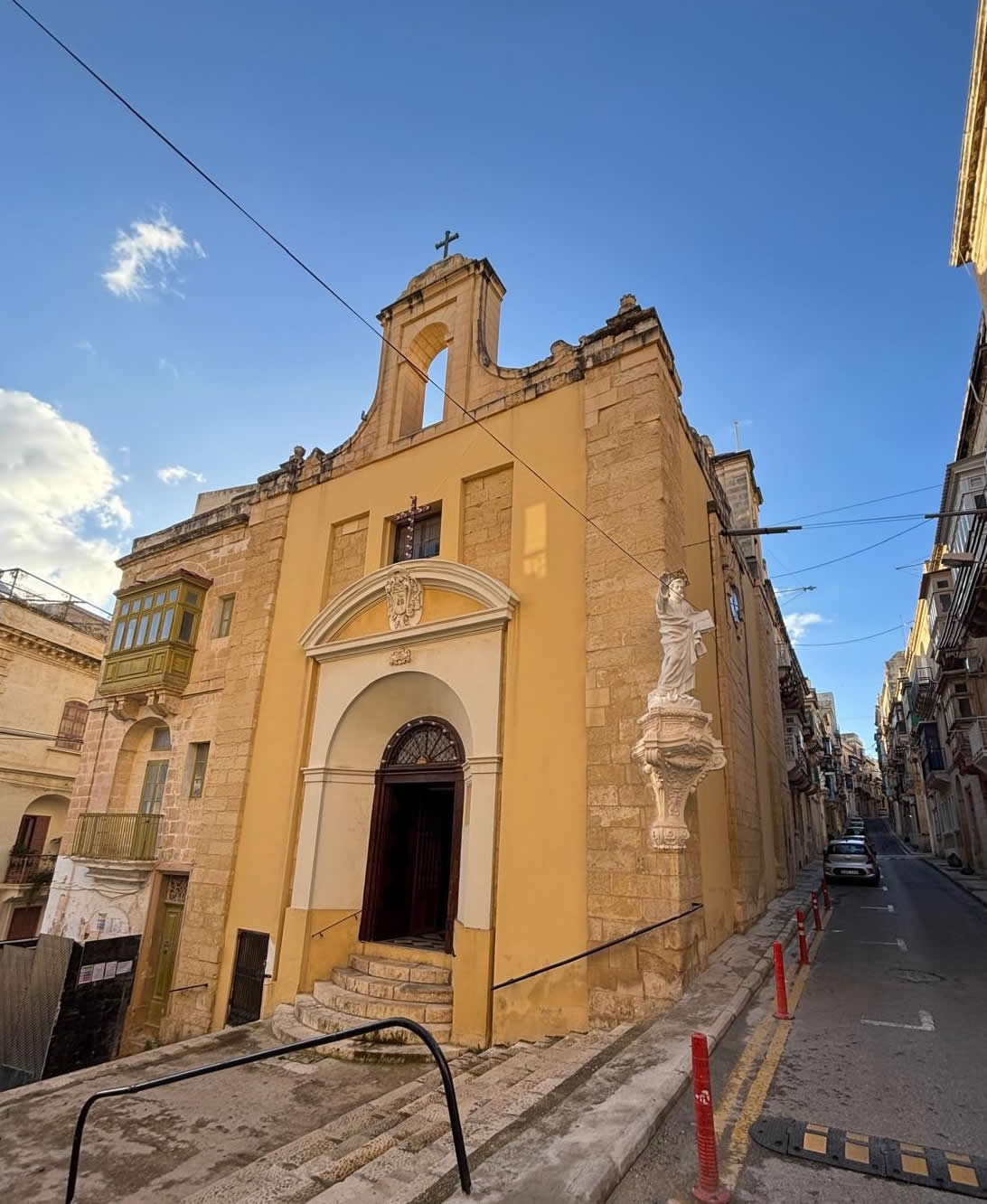
The original structure of the church is believed to date to the late 16th or early 17th century, constructed in the typical Maltese limestone that characterises much of the island’s architecture. The building would have been simple in design, reflecting both practical considerations and the limited resources available to the local community.
Over time, the church underwent modifications and expansions to accommodate the needs of its congregation. These changes likely included the addition of decorative elements, improvements to the façade, and enhancements to the interior.
Architectural Features
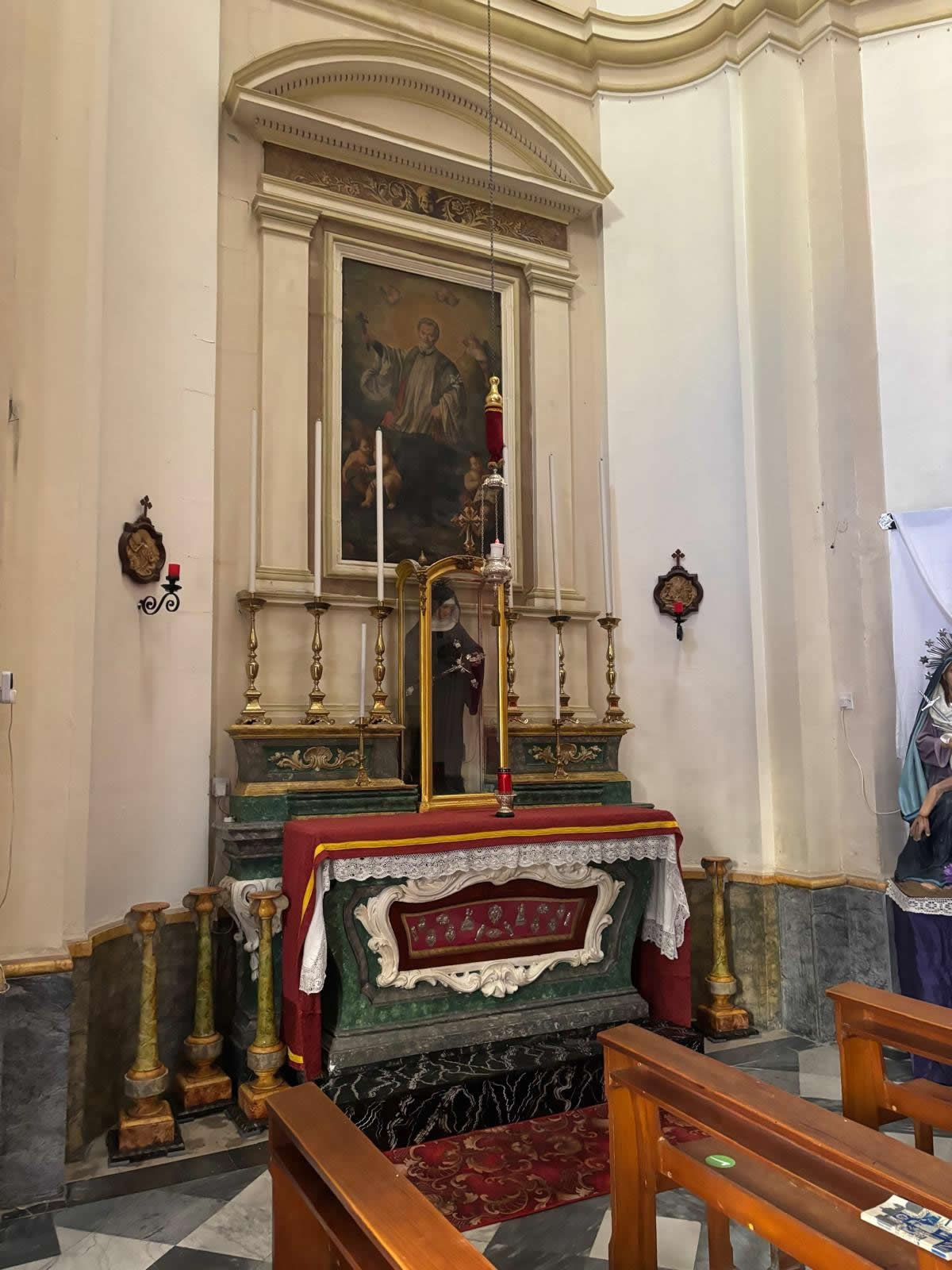
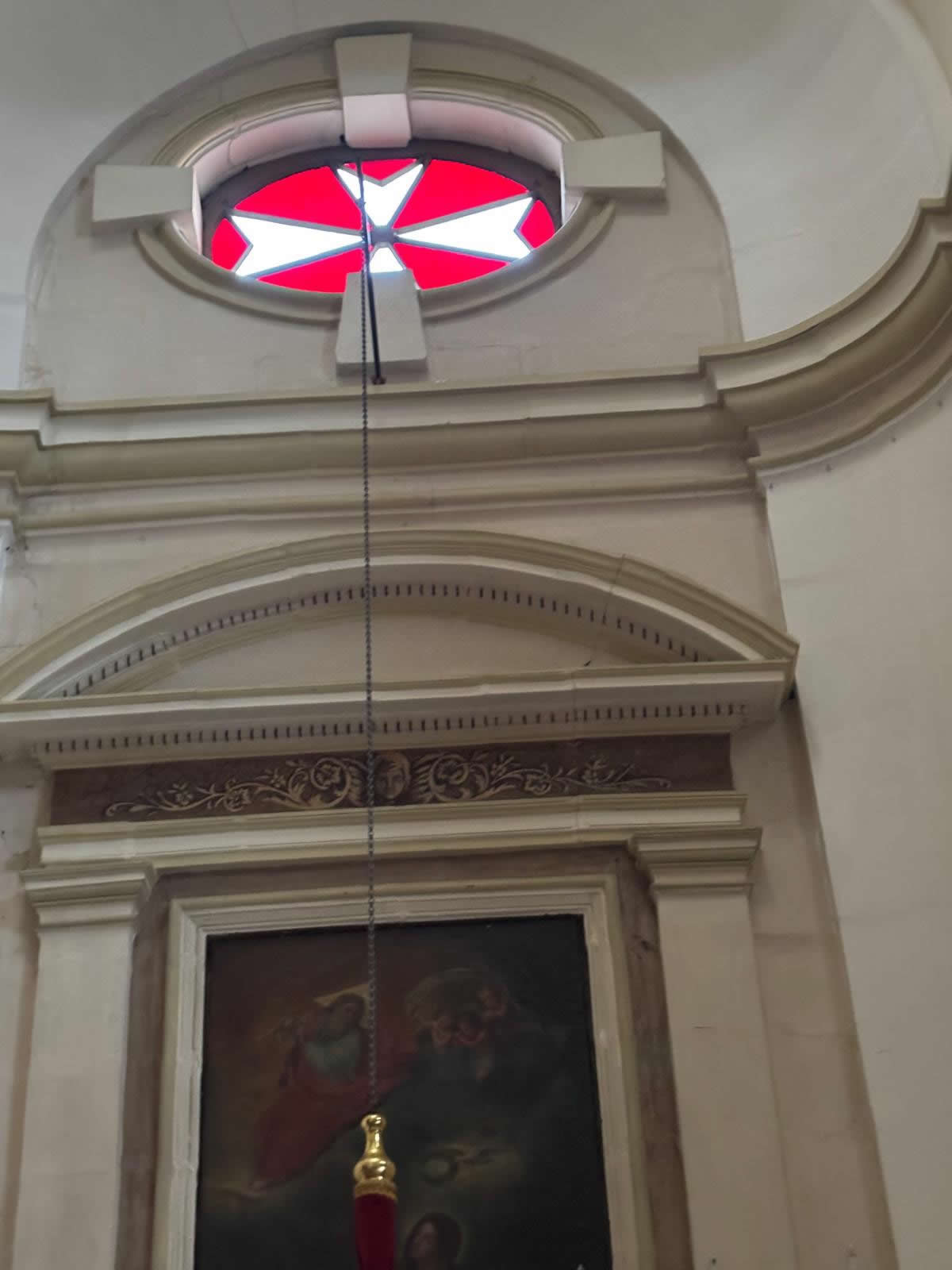
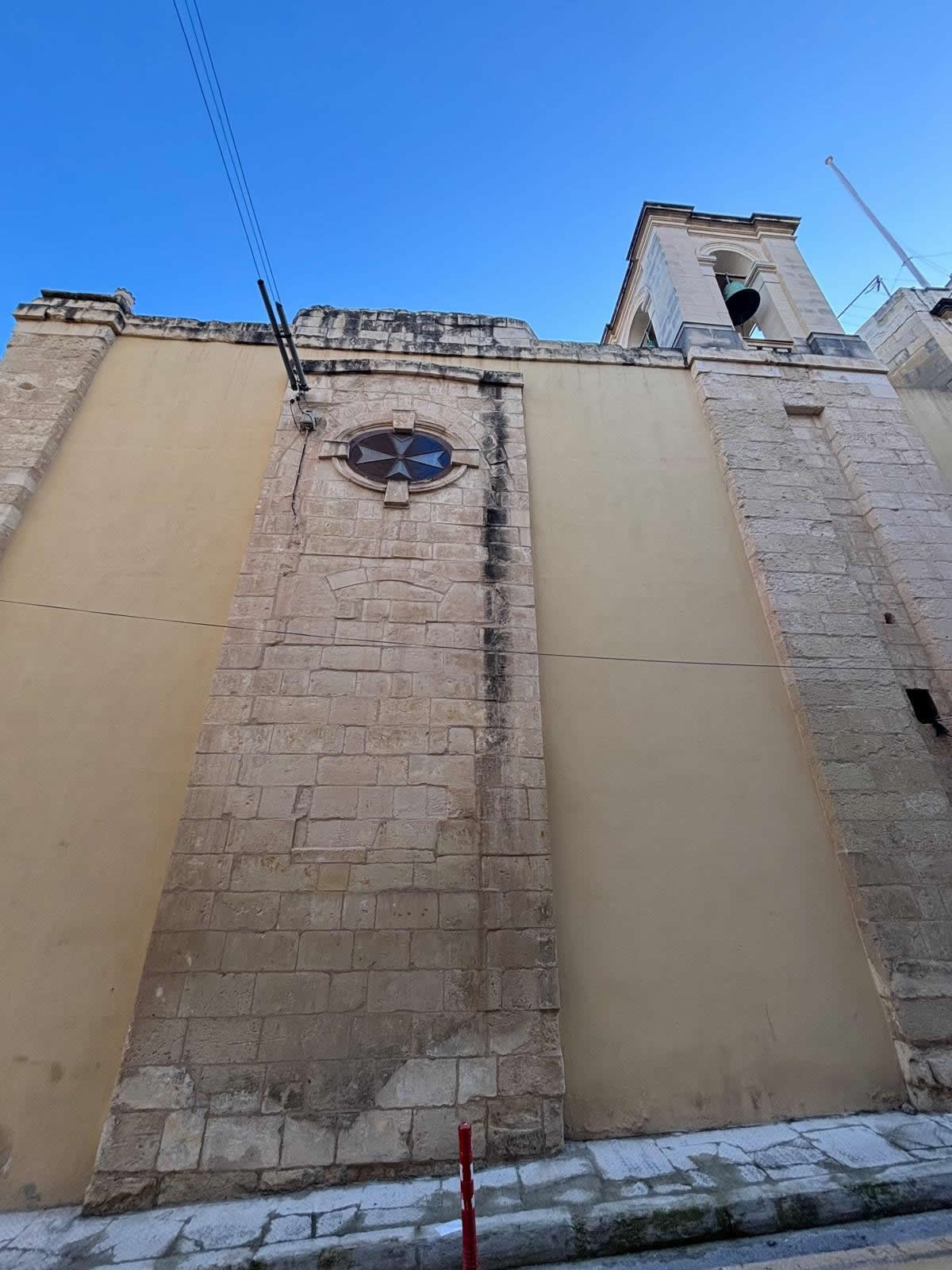
St Julian’s Church is characterised by a modest yet elegant architectural style. The façade typically features a simple entrance framed by stone mouldings, with a small bell gable rising above. This restrained design reflects the church’s role as a neighbourhood place of worship rather than a grand institutional building.
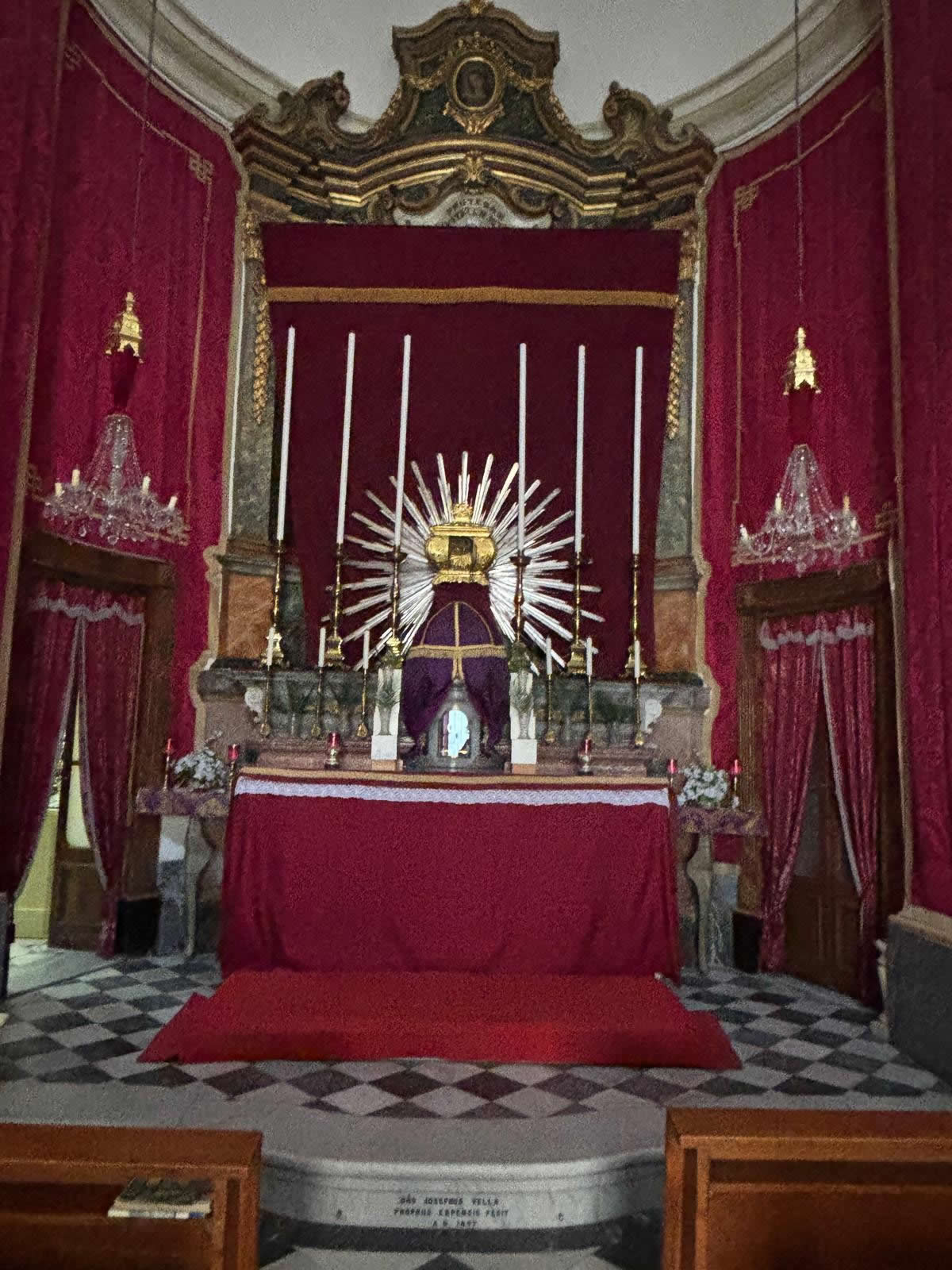
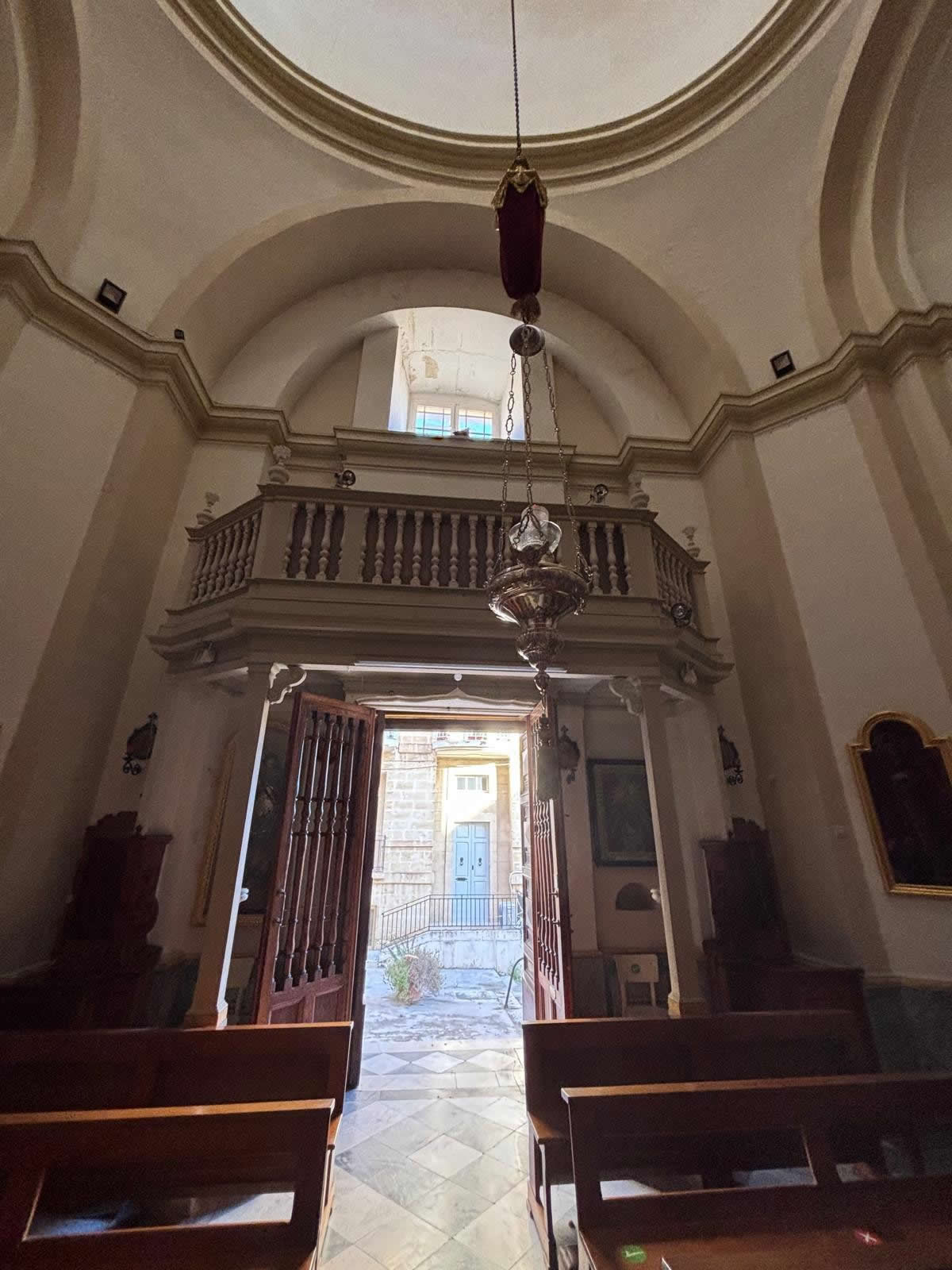
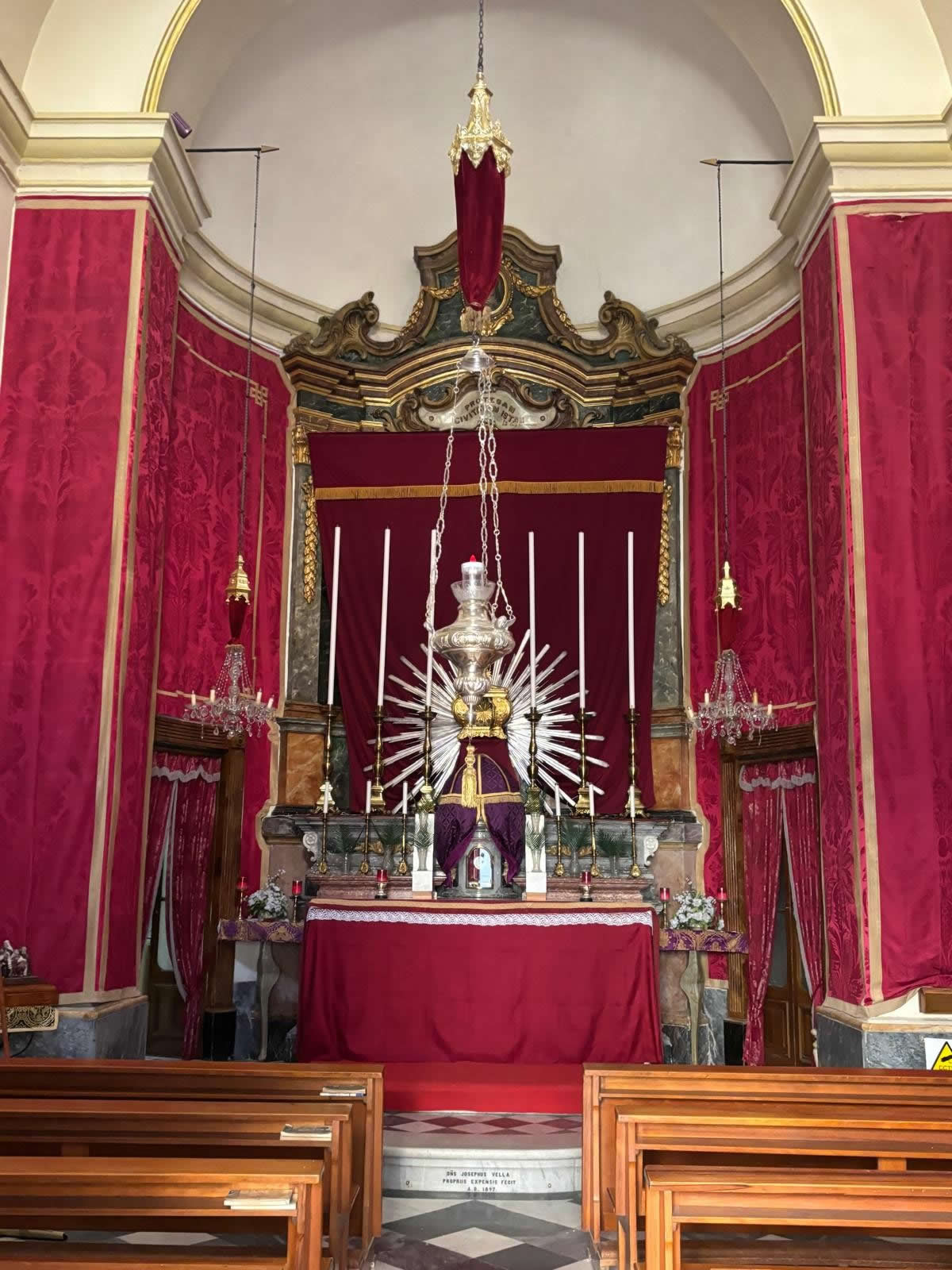
Internally, the church consists of a single nave, leading to a main altar dedicated to Saint Julian. The use of Maltese limestone gives the interior a warm, golden hue, while subtle decorative elements add visual interest without overwhelming the space.
Despite its simplicity, the church embodies the charm and authenticity of traditional Maltese ecclesiastical architecture.
Artworks and Devotional Objects

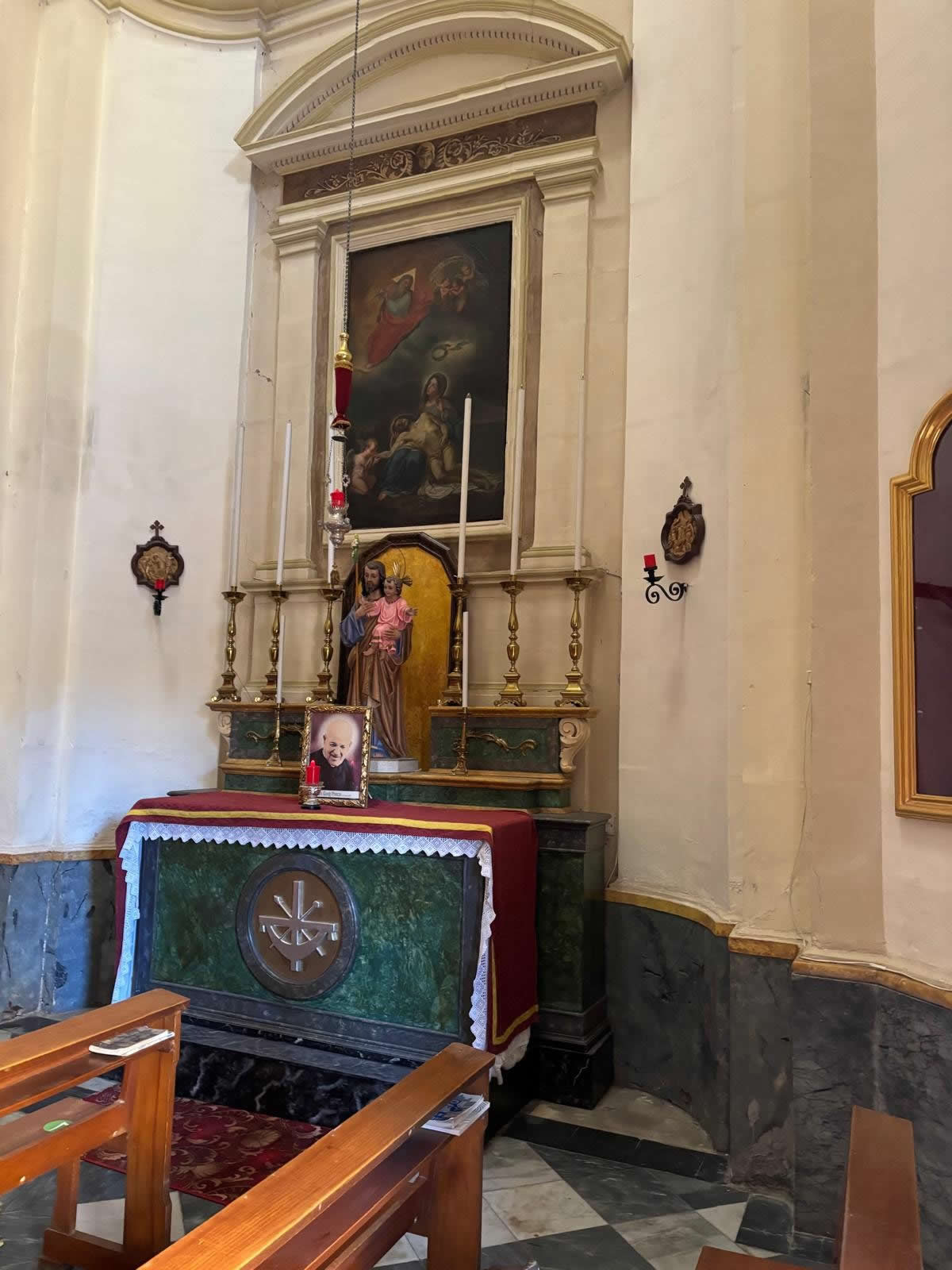
The central artistic feature of the church is the statue or painting of Saint Julian the Hospitaller. This image typically depicts the saint in a narrative context, often accompanied by symbols associated with his life and legend.
In addition to the main altar, the church may contain smaller devotional elements such as:
- Side altars or niches dedicated to other saints
- Votive offerings from seafarers and families
- Maritime-themed ex-votos reflecting gratitude for safe voyages
These elements highlight the deeply personal nature of devotion within the church, linking it directly to the lives of the local community.
Role in Senglea’s Maritime Life
Senglea has long been associated with maritime activity, serving as a key base for the Knights’ fleet and later as an important harbour town. St Julian’s Church played a vital role in this context, offering spiritual support to those whose livelihoods depended on the sea.
Before embarking on journeys, sailors would often visit the church to pray for protection. Similarly, upon their return, they would offer thanks for safe passage. This tradition reinforced the church’s role as a spiritual anchor within the community.
Damage and Restoration
Like much of Senglea, St Julian’s Church was affected by the heavy bombardment during the Second World War. The town suffered extensive damage due to its proximity to the Grand Harbour, a strategic military target.
Although detailed records vary, it is likely that the church sustained damage during air raids in the early 1940s. Subsequent restoration efforts ensured the survival of the building, allowing it to continue serving the local community.
Post-war restoration typically involved repairing structural damage, restoring interior decorations, and preserving any surviving artworks.
Post-War Use and Community Role
Following its restoration, St Julian’s Church resumed its role as a place of worship and community gathering. While the main parish activities in Senglea are centred on the Basilica of the Nativity of Mary, smaller churches like St Julian’s continue to play an important supporting role.
The church is occasionally used for Mass, private prayer, and devotional activities, particularly by residents living in its immediate vicinity.
Cultural and Religious Significance
St Julian’s Church represents a more intimate aspect of Malta’s religious heritage. Unlike the grand basilicas and cathedrals, it reflects the everyday faith of ordinary people.
Its dedication to Saint Julian connects it to broader European traditions, while its location in Senglea gives it a distinctly Maltese character. The church embodies the intersection of faith, work, and community life in a historic maritime setting.
Visitor Experience
Visitors exploring Senglea can discover St Julian’s Church as part of a wider journey through the Three Cities. Its quiet atmosphere offers a contrast to the more prominent landmarks, providing an opportunity for reflection and appreciation of local history.
The church’s proximity to the waterfront enhances its appeal, allowing visitors to experience the connection between the building and the maritime environment that shaped its history.
Conclusion
St Julian’s Church in Senglea stands as a testament to the enduring faith of Malta’s maritime communities. Though modest in size, it holds a rich history that reflects the lives, struggles, and hopes of those who depended on the sea.
Through its architecture, artworks, and continued use, the church remains an integral part of Senglea’s cultural and religious landscape, preserving a unique aspect of Malta’s heritage for future generations.
Frequently Asked Questions
What is St Julian’s Church known for?
It is known for its connection to Senglea’s maritime community and devotion to Saint Julian.
Is it still in use today?
Yes, it remains a place of worship and local devotion.
Where is it located?
It is located in Senglea near the Grand Harbour in Malta.