St Philip’s Church, known locally as San Filippu, is one of the most historically rich and culturally significant churches in Senglea (L-Isla), Malta. Situated within one of the island’s historic Three Cities, the church reflects the deep religious traditions of the community and its close connection to maritime life and pastoral outreach.
Although smaller than the nearby Basilica of the Nativity of Mary, St Philip’s Church holds a unique place in Maltese ecclesiastical history due to its association with the Oratorians of St Philip Neri and its origins as a place of worship for fishermen and harbour workers.
Origins and Early Church (1596)
The origins of St Philip’s Church date back to 1596, when a small church dedicated to Our Lady of Porto Salvo was built on the site. This early structure served the spiritual needs of the fishermen of Senglea, who lived and worked close to the harbour.
Its location was strategically chosen to provide easy access for those arriving by sea, reinforcing its role as a maritime church closely tied to the daily lives of the local population.
The Arrival of the Oratorians (1662)
A major turning point in the church’s history came in 1662, when the church was entrusted to the Congregation of the Oratory of St Philip Neri.
The Oratorians were known for their emphasis on preaching, spiritual guidance, and pastoral care. Their presence in Senglea significantly enhanced the religious life of the community, attracting large numbers of faithful to the church.
Over time, the church became more closely associated with St Philip Neri, and its original dedication to Our Lady of Porto Salvo gradually faded in popular usage.
Reconstruction and Expansion (1670–1690)
Due to the growing popularity of the Oratorians and the increasing number of worshippers, the original church was deemed too small. In 1670, it was demolished to make way for a larger and more impressive structure.
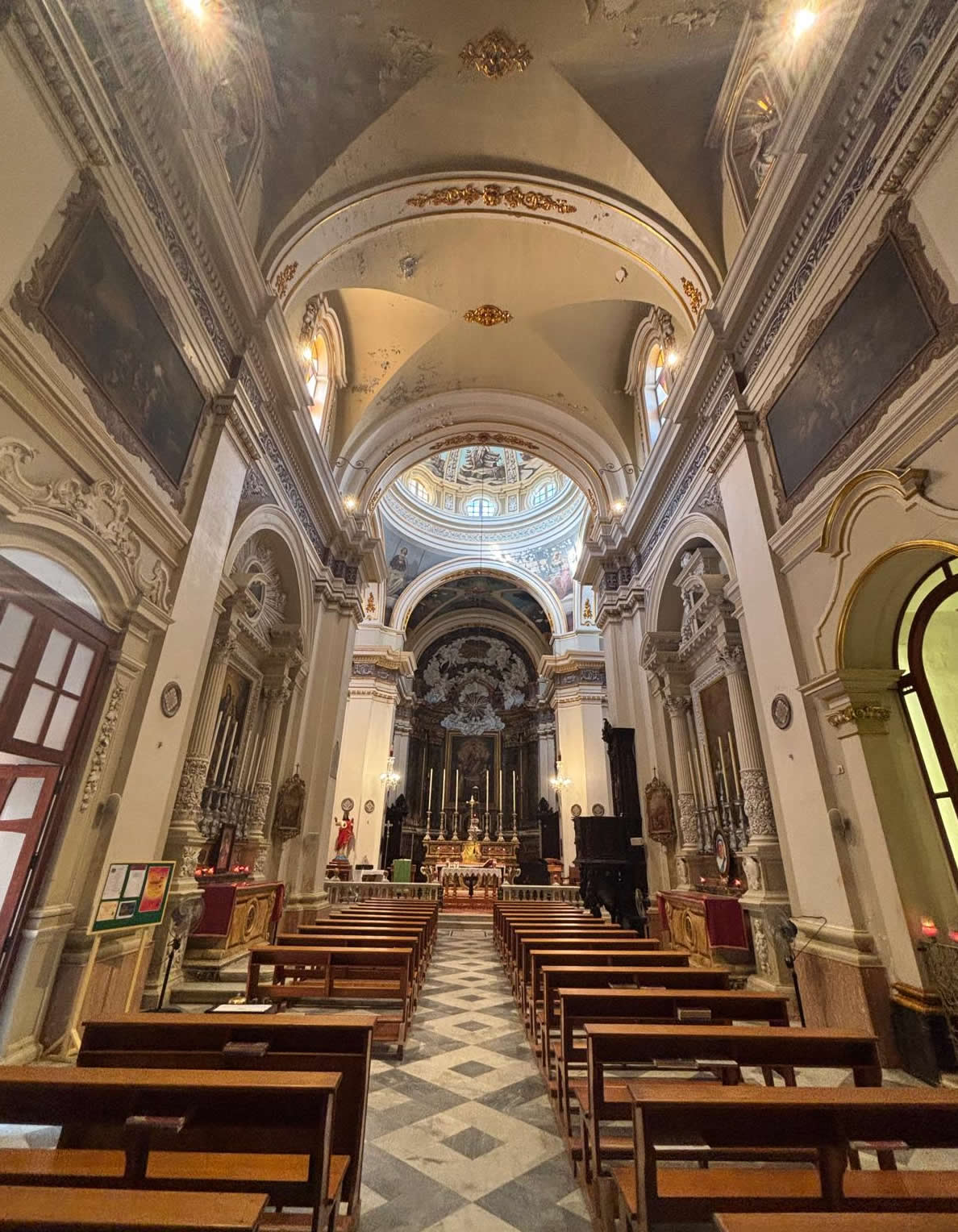
Construction of the new church continued over two decades and was completed around 1690. The new building reflected the Baroque architectural style that was becoming prominent in Malta during this period, combining functionality with decorative elegance.
Architectural Features
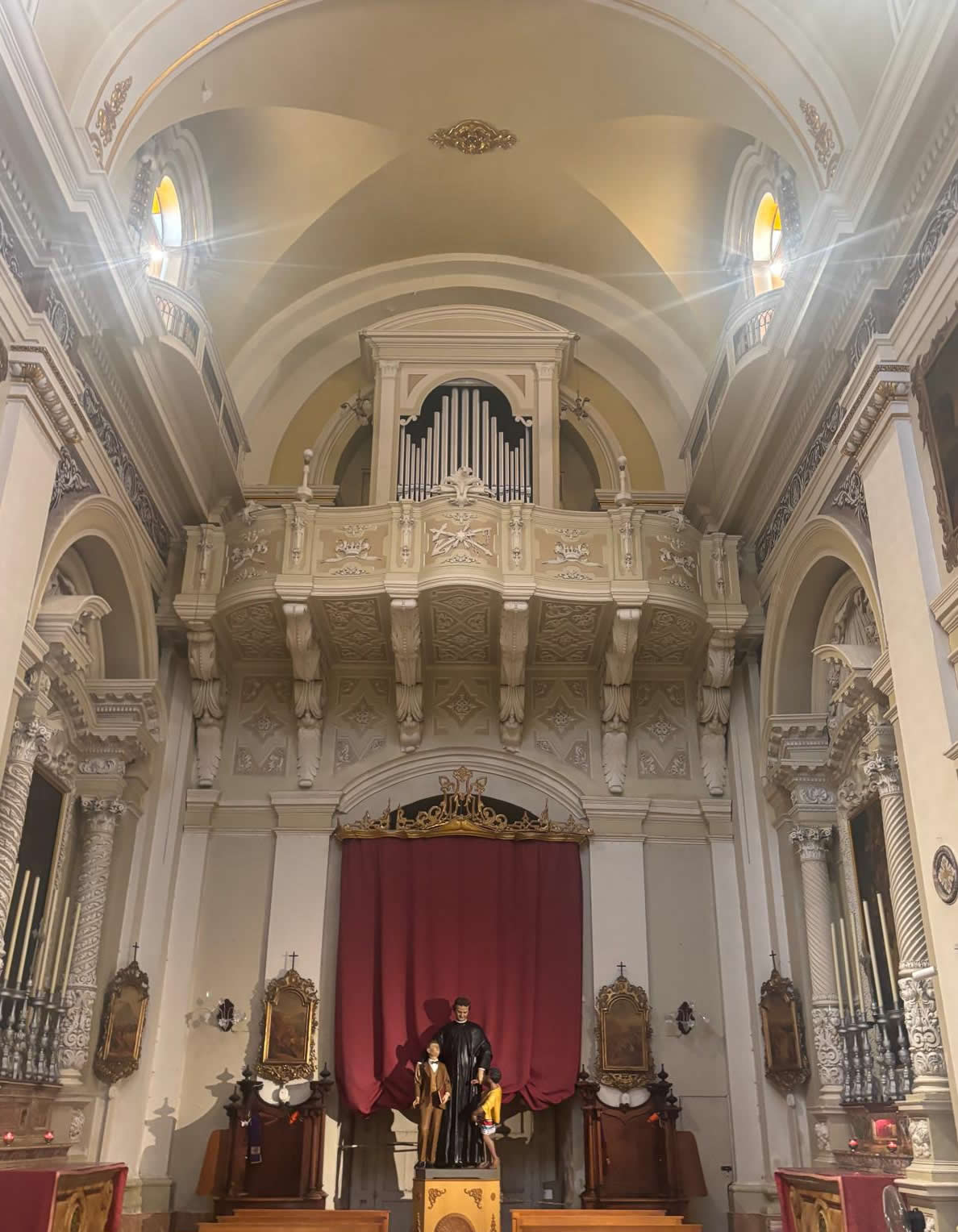
St Philip’s Church is characterised by its Baroque architectural elements, which include a balanced façade, decorative stonework, and a prominent dome that enhances its skyline presence within Senglea.
The façade is relatively restrained compared to larger Maltese churches but still incorporates classical proportions and ornamental details. A bell tower rises above the structure, serving both practical and symbolic purposes.
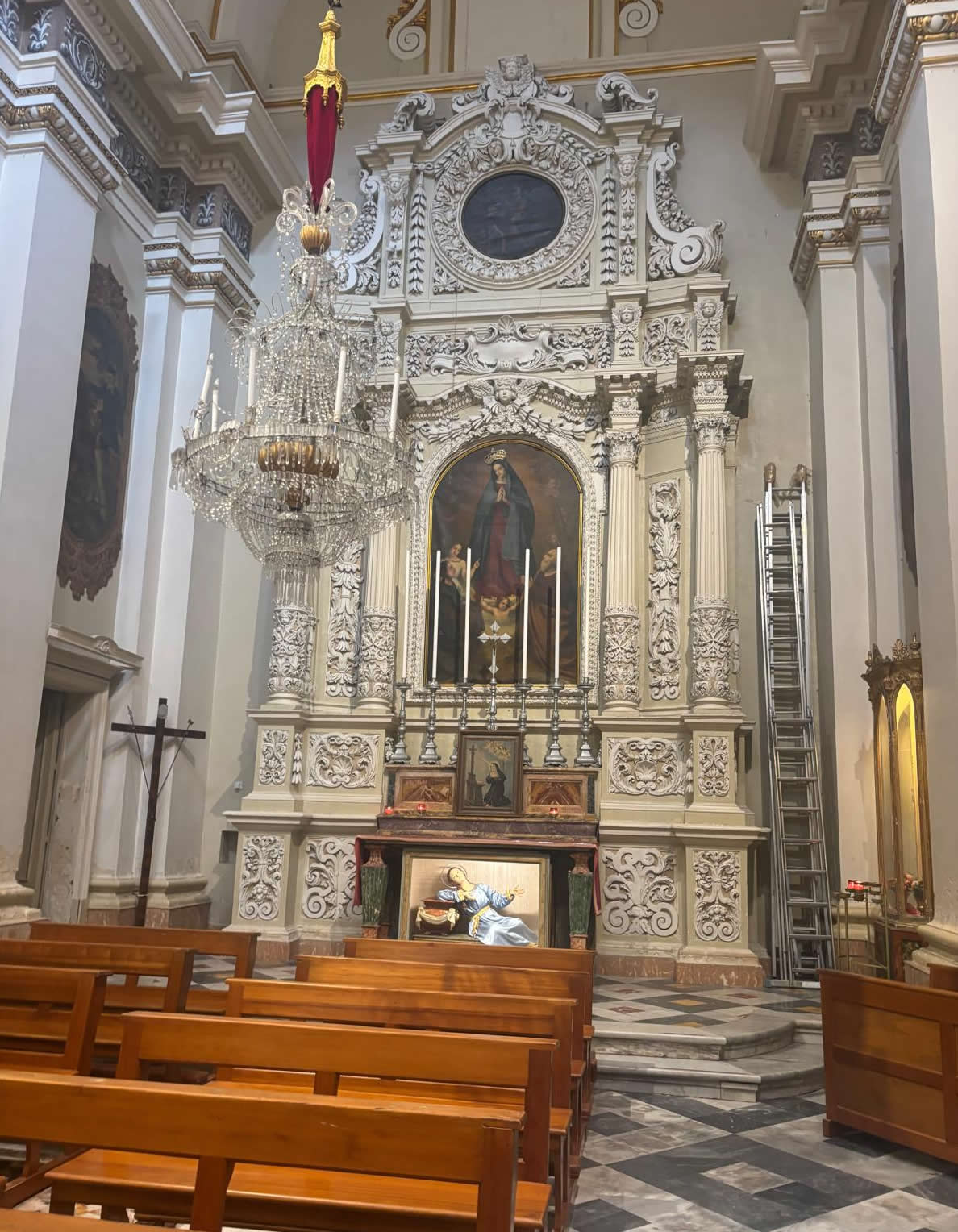
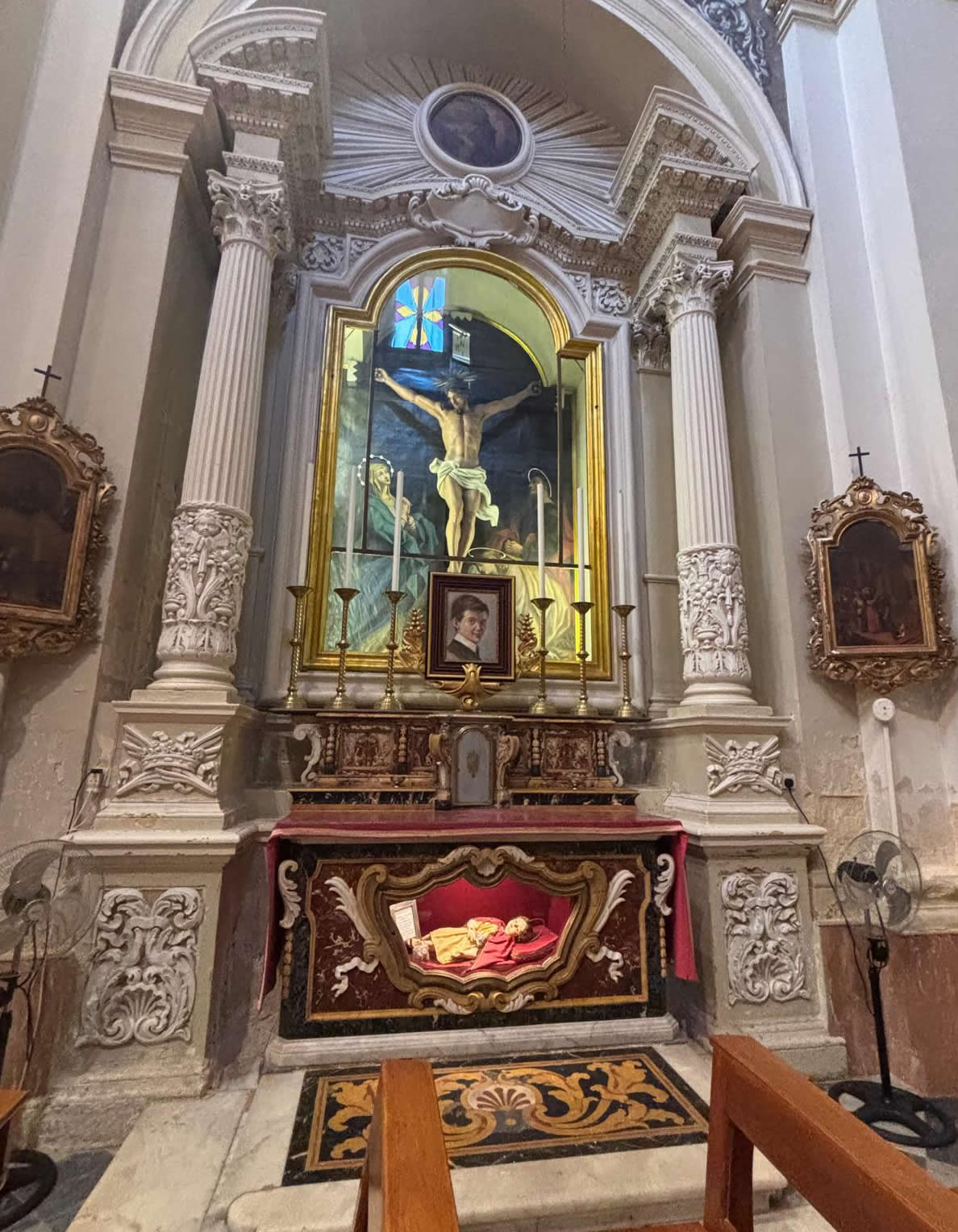
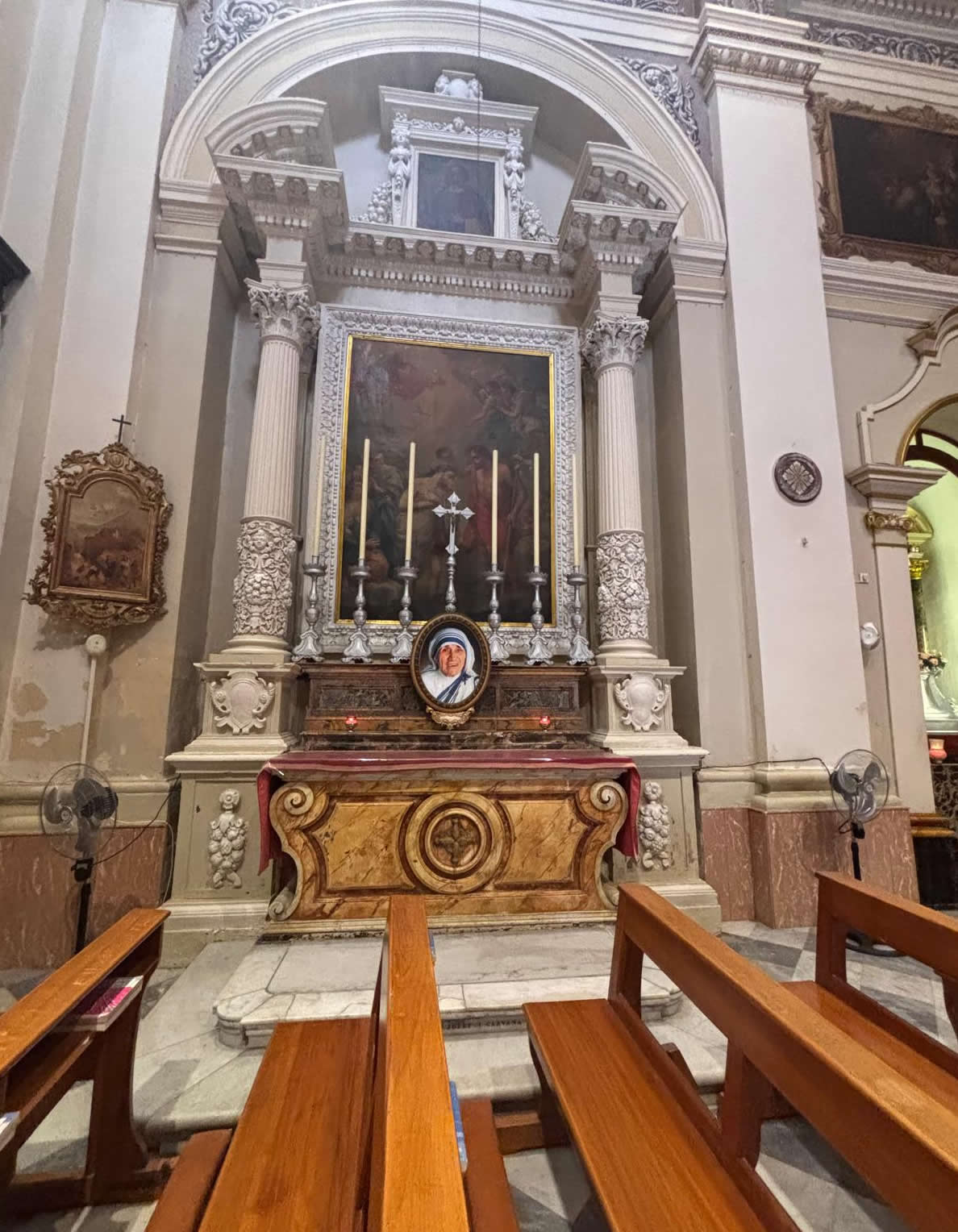
Internally, the church features a single nave with side chapels, leading to a richly decorated main altar. The use of Maltese limestone provides a warm and cohesive aesthetic throughout the interior.
Artworks and Interior Decoration
The interior of St Philip’s Church contains a number of artistic and devotional elements reflecting its Baroque heritage and Oratorian spirituality.
Among its artistic treasures are paintings attributed to Maltese artists, including works by Francesco Zahra, one of Malta’s most prominent Baroque painters.
The church also features statues, altarpieces, and decorative elements that emphasise the life and spirituality of St Philip Neri, known as the “Apostle of Rome.”
Role of the Salesians
In more recent times, the church has been associated with the Salesian community, who have continued the pastoral mission initiated by the Oratorians.
The Salesians have developed the church into a centre for youth outreach and community engagement, ensuring that it remains a vibrant and active place of worship.
Damage and Restoration
St Philip’s Church has experienced several periods of damage and restoration throughout its history. Like much of Senglea, it likely suffered during World War II, although it survived better than some other structures in the area.
More recently, the church sustained significant damage during a severe storm in 2019, which affected the roof, dome, and interior decorations.
A comprehensive restoration project was subsequently undertaken, including repairs to the dome, belfry, and structural elements, as well as conservation of artistic features.
Religious and Cultural Significance
St Philip’s Church plays an important role in the cultural and religious life of Senglea. Its annual feast dedicated to St Philip Neri brings together the local community in celebration, reflecting the enduring popularity of the saint.
The church also serves as a reminder of the historical presence of religious orders in Malta and their contribution to education, spirituality, and social welfare.
Connection to Maritime Life
The church’s origins as a place of worship for fishermen highlight its strong connection to Senglea’s maritime identity. For centuries, seafarers have turned to the church for spiritual support before and after their journeys.
This connection continues to shape the character of the church, linking it to the broader history of the Grand Harbour and the Knights of St John.
Visitor Experience
Visitors to Senglea can explore St Philip’s Church as part of a wider tour of the Three Cities. Its historical significance, artistic features, and peaceful atmosphere make it a rewarding destination for those interested in Malta’s religious heritage.
The church’s location within the historic urban fabric of Senglea allows visitors to experience the authentic character of one of Malta’s oldest cities.
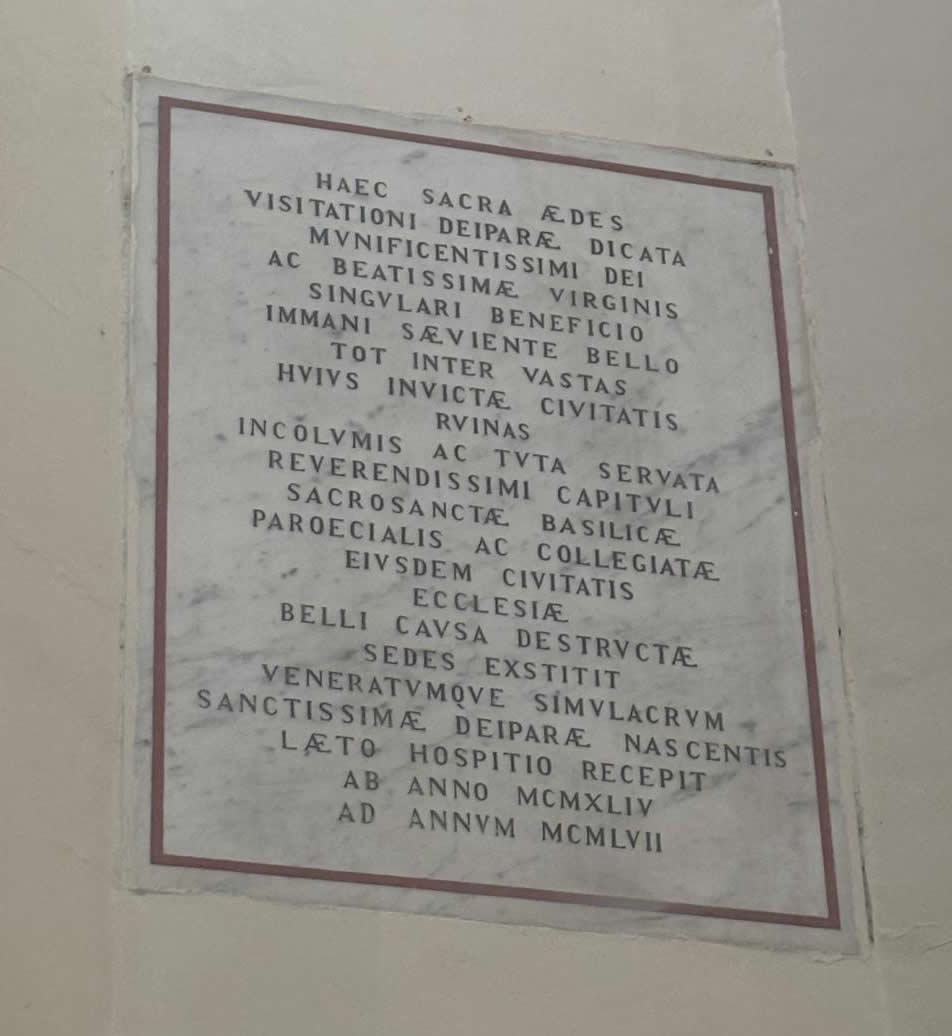
WWII Sanctuary & Maria Bambina Refuge Tablet
Location: Church of St. Philip, Senglea
Commemorative marble tablet detailing the church's role as a post-war sanctuary following the 1941 destruction of Senglea's Parish Basilica.
Historical Analysis & World War II Context
This clean Latin inscription is a vital record of Senglea’s resilience during the Second World War. During the relentless Axis air raids on the Grand Harbour between 1940 and 1943, Senglea (Città Invicta) was nearly leveled. On January 16, 1941, a direct hit by German Stuka dive-bombers completely destroyed the city's main Parish Basilica. Miraculously, the **Church of St. Philip** survived the surrounding devastation largely unscathed.
The tablet records that through the singular favor of God and the Virgin Mary, this sacred building stood intact amid the vast ruins of the "unconquered city." Consequently, from **1944 to 1957**, St. Philip's became the official temporary seat for the displaced parish chapter. Most importantly, it offered joyful hospitality to the deeply venerated, miraculous titular statue of **Maria Bambina** (the infant Mother of God) until her own rebuilt Basilica was finally opened and reconsecrated.
Original Latin Inscription
HAEC SACRA ÆDES
VISITATIONI DEIPARÆ DICATA
MVNIFICENTISSIMI DEI
AC BEATISSIMÆ VIRGINIS
SINGVLARI BENEFICIO
IMMANI SÆVIENTE BELLO
TOT INTER VASTAS
HVIVS INVICTÆ CIVITATIS
RVINAS
INCOLVMIS AC TVTA SERVATA
REVERENDISSIMI CAPITVLI
SACROSANCTÆ BASILICÆ
PAROECIALIS AC COLLEGIATÆ
EIVSDEM CIVITATIS
ECCLESIÆ
BELLI CAVSA DESTRVCTÆ
SEDES EXSTITIT
VENERATVMQVE SIMVLACRVM
SANCTISSIMÆ DEIPARÆ NASCENTIS
LÆTO HOSPITIO RECEPIT
AB ANNO MCMXLIV
AD ANNVM MCMLVII
English Historical Translation
This sacred temple,
dedicated to the Visitation of the Mother of God,
by the singular favor of most munificent God
and of the Most Blessed Virgin,
was preserved unharmed and safe
during the raging of a cruel war [WWII]
amid so many vast ruins
of this unconquered city.
It stood as the temporary seat
of the Most Reverend Chapter
of the Holy Parochial and Collegiate Basilica
Church of this same city,
which had been destroyed because of the war;
and with joyful hospitality, it received
the venerated statue
of the Most Holy Infant Mother of God
from the year 1944
to the year 1957.
Conclusion
St Philip’s Church in Senglea stands as a testament to Malta’s rich religious and cultural history. From its origins as a small fishermen’s chapel to its transformation under the Oratorians and its continued use today, the church reflects centuries of faith, community, and resilience.
Through its architecture, artworks, and ongoing pastoral role, it remains an integral part of Senglea’s identity and a valuable element of Malta’s ecclesiastical heritage.
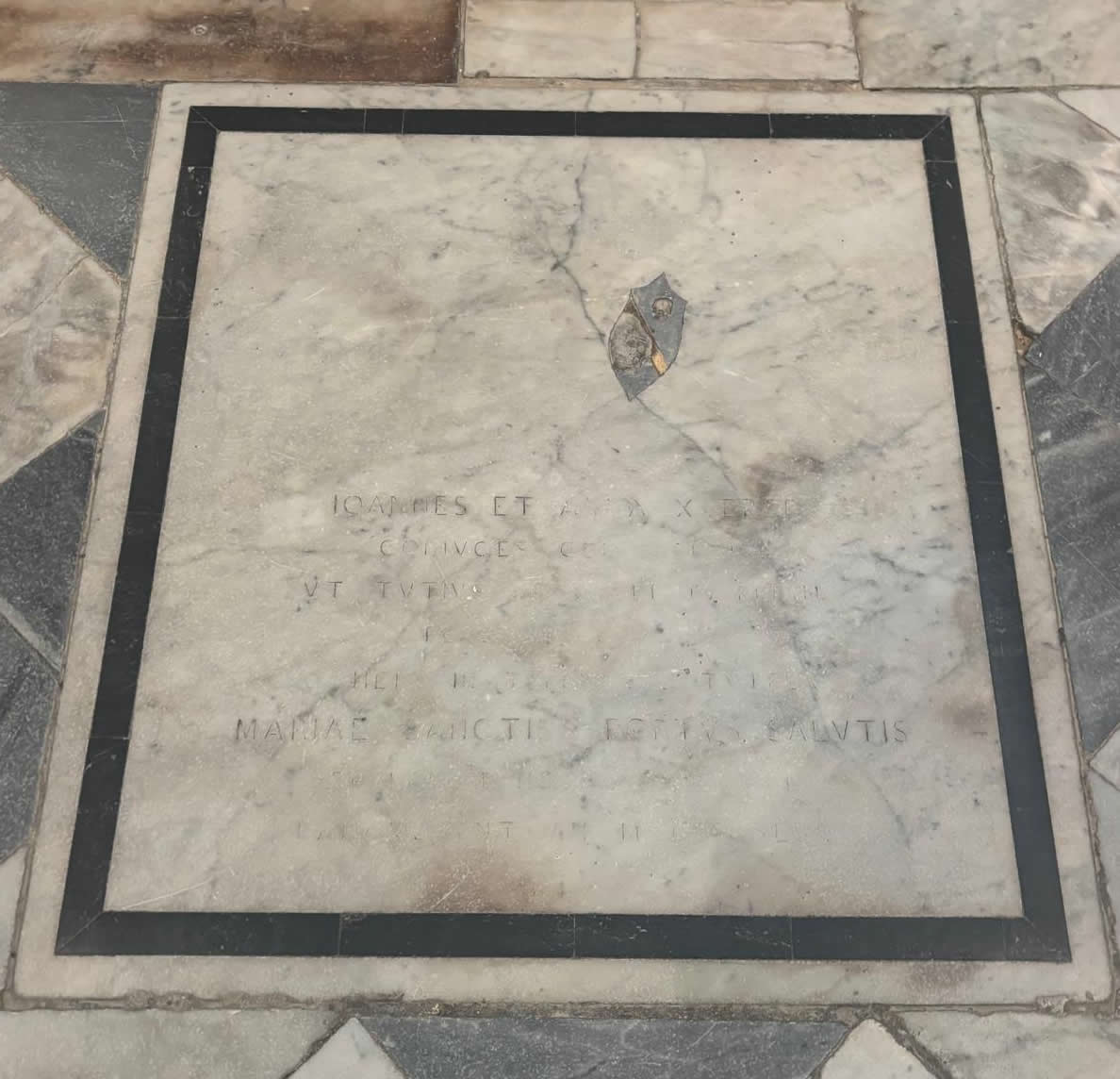
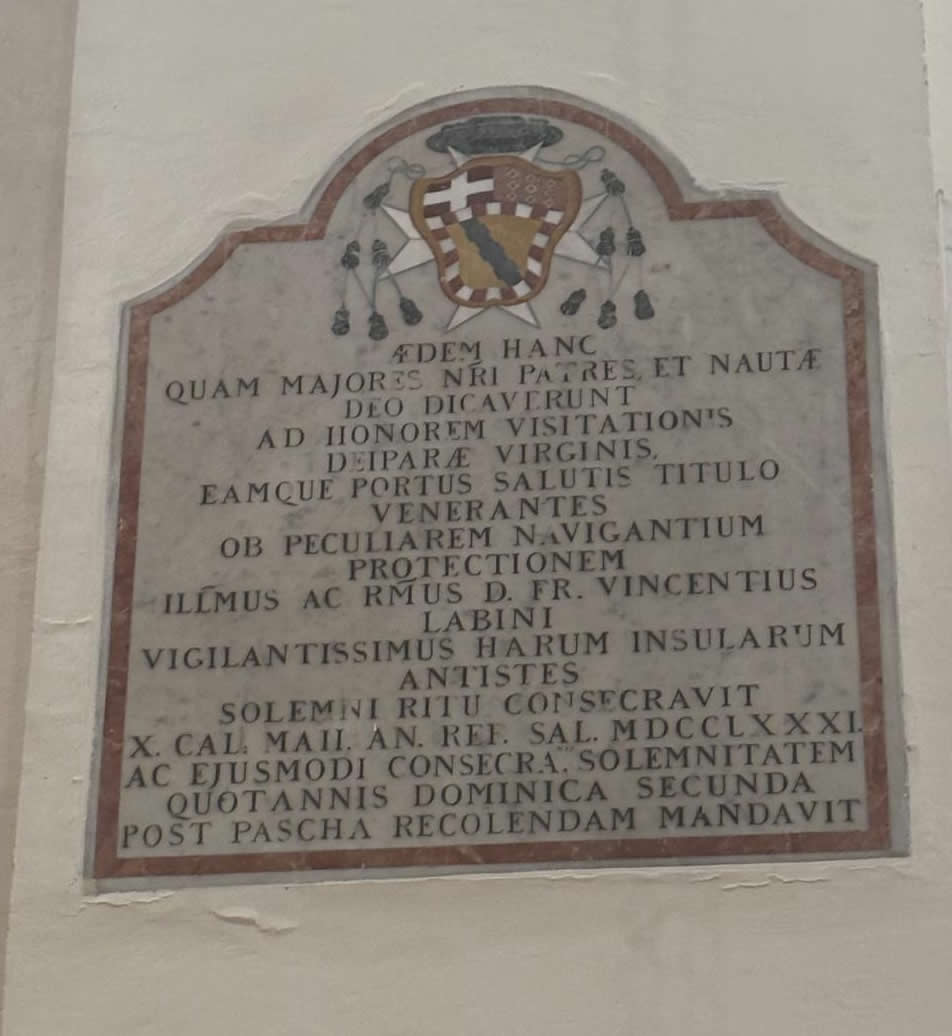
The Consecration Plaque of Bishop Vincenzo Labini (1781)
Location: Church of St. Philip, Senglea (L-Isla)
Commemorative marble tablet surmounted by the ecclesiastical coat of arms of the Bishop of Malta inside St. Philip's Church.
Heralds and Maritime Context Analysis
Mounted on the interior pilaster of the **Church of St. Philip** in the maritime city of **Senglea**, this elegant marble epigraph captures the deep historical bonds between Malta's harbor communities and the sea. The plaque features a beautifully executed cartouche surmounted by the coat of arms of Bishop Vincenzo Labini, displaying his familial heraldic bands and stars, backed by the cross of the Order of St. John, and crowned with a green clerical hat (galero) with trailing tassels.
The Latin inscription commemorates the formal consecration of the temple, highlighting that the church was initially dedicated to God by ancestors and mariners (nautæ) under the title of the Visitation of the Virgin Mother of God, revering her as the Port of Salvation (Portus Salutis) for the specific spiritual protection of seafarers traversing the Mediterranean.
Original Latin Inscription
ÆDEM HANC
QUAM MAJORES NRI PATRES ET NAUTÆ
DEO DICAVERUNT
AD HONOREM VISITATIONIS
DEIPARÆ VIRGINIS
EAMQUE PORTUS SALUTIS TITULO
VENERANTES
OB PECULIAREM NAVIGANTIUM
PROTECTIONEM
ILLMUS AC RMUS D. FR. VINCENTIUS
LABINI
VIGILANTISSIMUS HARUM INSULARUM
ANTISTES
SOLEMNI RITU CONSECRAVIT
X. CAL. MAII. AN. REF. SAL. MDCCLXXXI
AC EJUSMODI CONSECRA. SOLEMNITATEM
QUOTANNIS DOMINICA SECUNDA
POST PASCHA RECOLENDAM MANDAVIT
English Historical Translation
This temple,
which our forefathers and mariners
dedicated to God
in honor of the Visitation
of the Virgin Mother of God,
venerating her under the title "Port of Salvation"
for the special protection
of seafarers,
The Most Illustrious and Most Reverend Lord Fra Vincenzo
Labini,
the most watchful Prelate of these Islands,
consecrated with solemn rite
on the 10th day before the Calends of May, in the year of Restored Salvation 1781 [April 22, 1781],
and commanded that the solemnity of this consecration
be observed every year on the second Sunday
after Easter.
Frequently Asked Questions
When was St Philip’s Church built?
The original church dates to 1596, with a larger Baroque church completed around 1690.
Who were the Oratorians?
A religious congregation dedicated to preaching and spiritual guidance, associated with St Philip Neri.
Is the church still active?
Yes, it remains in use and serves the local community in Senglea.