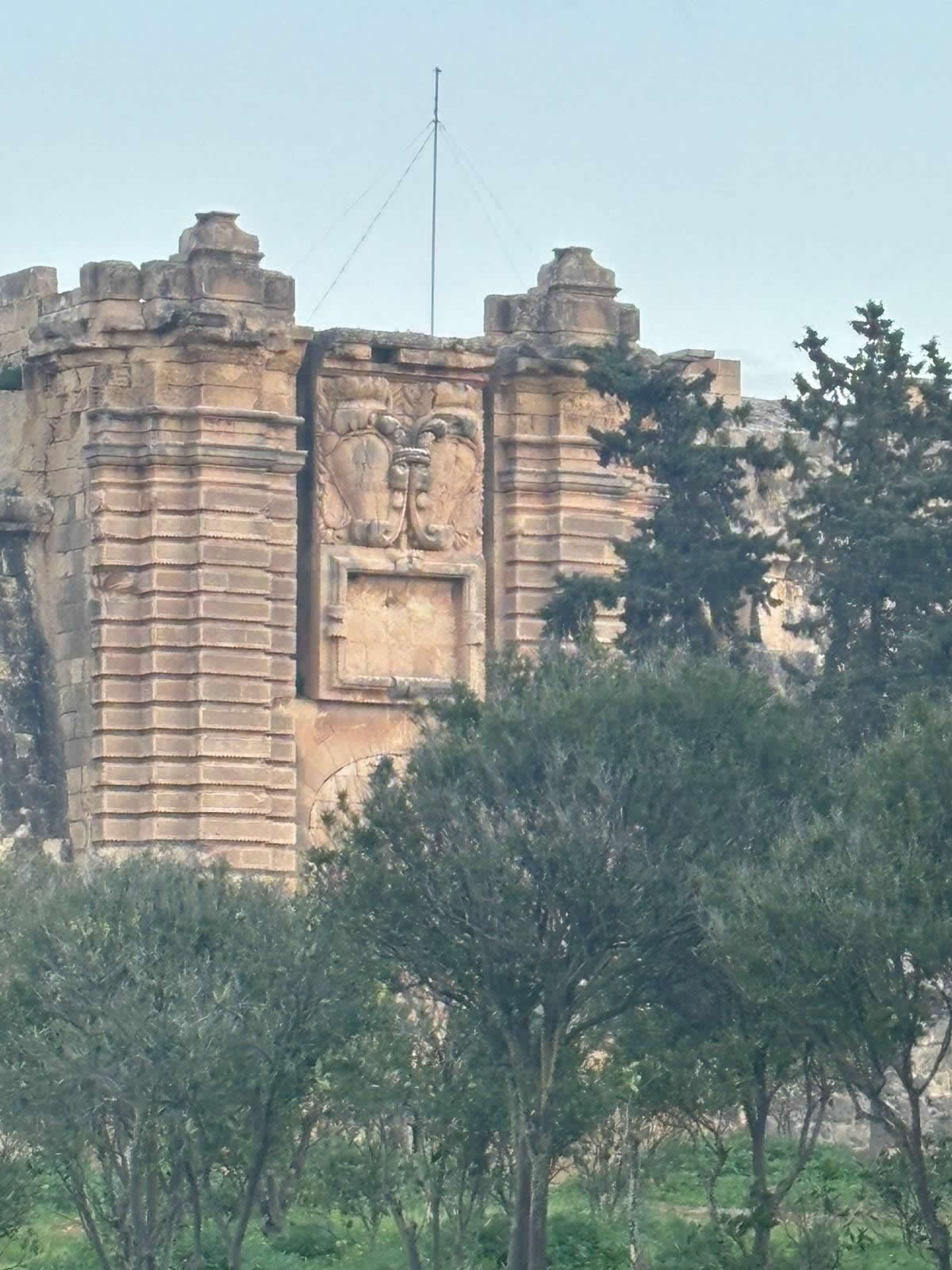

History (with key dates)
1) The Cottonera Lines project (1670–1760s)
The Cottonera Lines (Valperga Lines) were begun in August 1670 as the Knights of St John’s grand outer enceinte for the Three Cities area. The initial phase established the main bastioned line, then work was suspended about a decade later. Over the 18th century the fortifications were expanded and strengthened, with the Lines broadly completed by the 1760s. St Clement Gate belongs to this system of access points distributed along curtain walls and bastions.

2) St Clement Curtain: a secondary gate for controlled movement
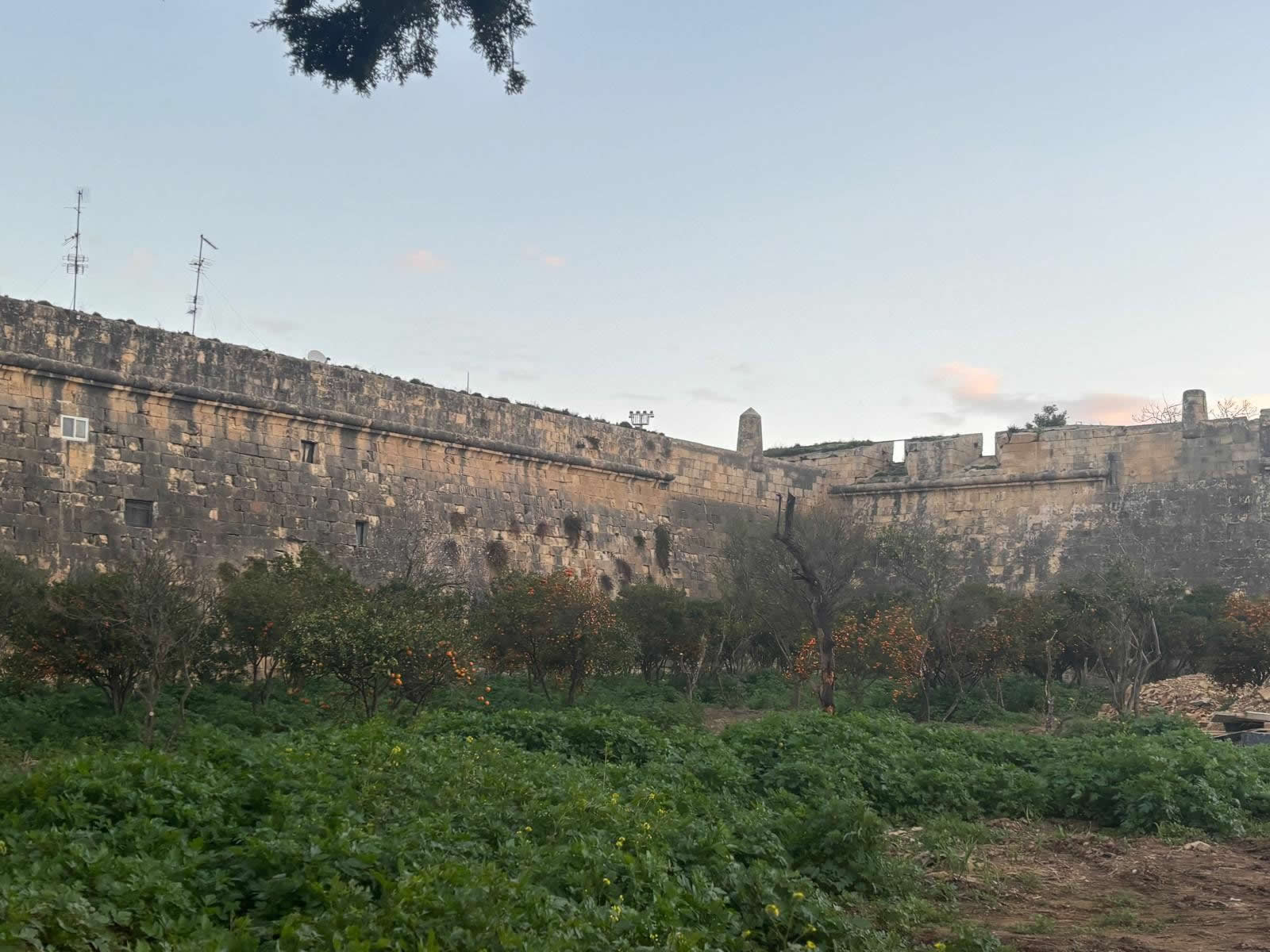
St Clement Gate is located on the St Clement Curtain. Secondary gates like this supported day-to-day movement around the fortifications (guards, patrols, supplies) while keeping entry points limited and defensible. In practice, these portals were less about public ceremonial arrival and more about military function.
3) British-era reshaping: St Clement’s Retrenchment (1853)
The strongest “date anchor” for this gate’s later story is the British construction of St Clement’s Retrenchment in 1853, built to link the Cottonera Lines with the older Santa Margherita Lines and strengthen the dockyard-facing defensive system. This 19th-century intervention helps explain why gate sectors could be modified, reduced, or sealed as strategic priorities shifted.

4) Later status: blocked gate, visible trace
St Clement Gate is recorded as blocked today. In heritage terms, the sealed opening is part of the story: it shows where access once existed and invites visitors to “read the wall” by noticing the masonry infill, the arch outline, and how the curtain line runs into adjacent bastions.
How to spot a blocked historic gate
Stand back and look for a different stone pattern or jointing where the opening was filled, and for the original arch or jamb lines. These cues are often clearer in oblique light near sunrise or sunset.

Timeline
- August 1670 — Cottonera Lines construction begins (context for St Clement Gate).
- c. 1680 — works suspended due to lack of funds (main enceinte largely formed).
- 1760s — Cottonera Lines broadly completed (some intended works left unfinished).
- 1853 — British build St Clement’s Retrenchment, reshaping the wider defensive junction in this sector.
- Modern era — St Clement Gate recorded as blocked; survives as a sealed trace rather than an active entrance.
 >
>What to see nearby
Notre Dame Gate (1675)
The monumental main entrance of the Cottonera Lines—ideal for comparison (Baroque ceremonial gateway vs sealed military portal).
St John Gate (blocked) & other “ghost gates”
Several Cottonera gates survive in sealed form—perfect for a themed walk that focuses on hidden entrances and access control.
How to visit (practical snippet)
- Area: Cottonera / Three Cities, Malta.
- Best for: fortification photography, “hidden gate” heritage walks, linking multiple gate pages.
- Tip: combine with St Clement’s Retrenchment viewpoints and the Cottonera perimeter for context.
 >
>