History (with key dates)
1) A gate born from the Cottonera Lines project
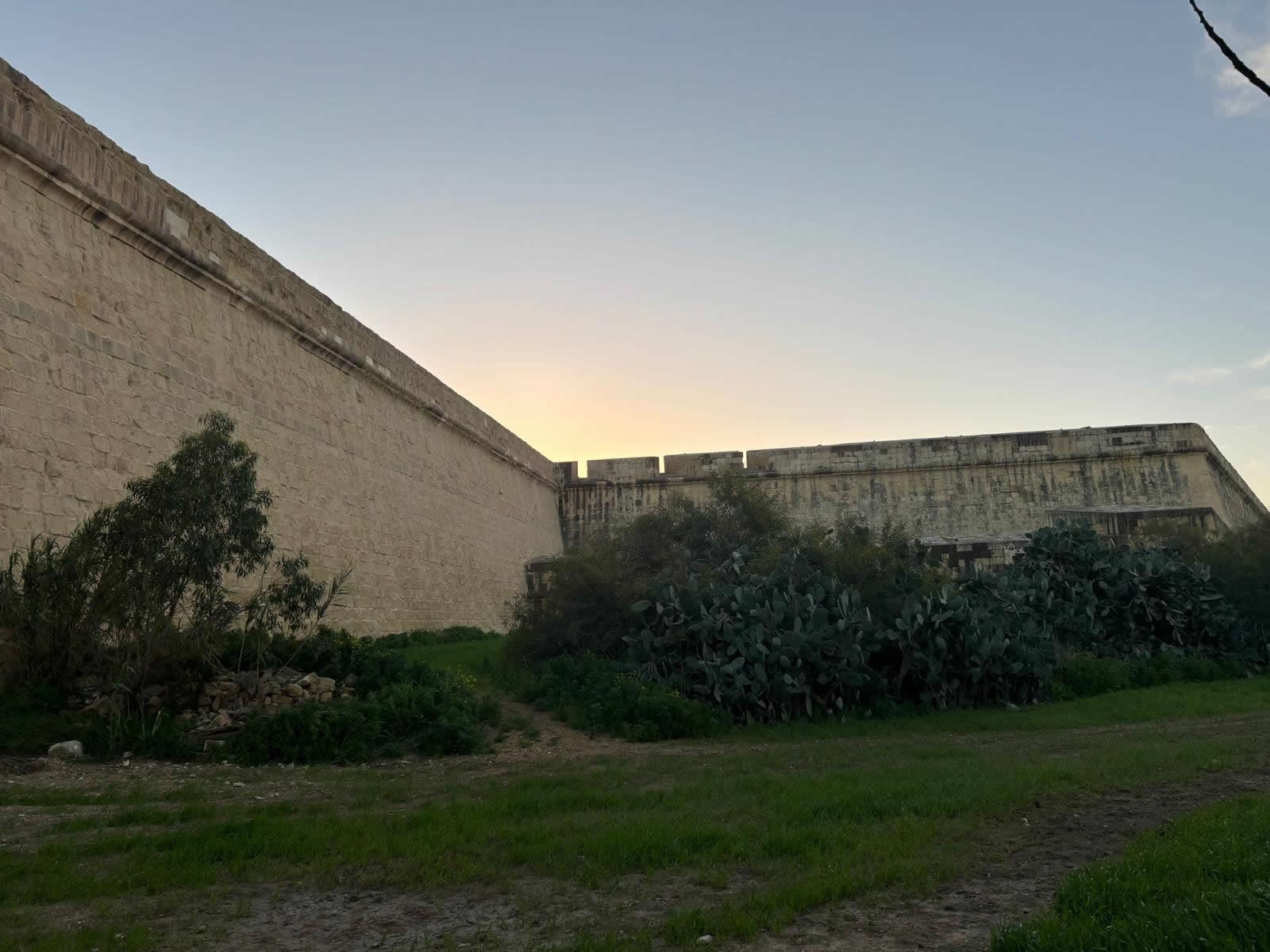
The Cottonera Lines (also called the Valperga Lines) were begun in August 1670 by the Order of St John, as a far-reaching defensive ring to protect the Three Cities area and the Grand Harbour. Work was suspended in 1680 due to financial pressure, then continued in later phases, with the Lines broadly completed by the 1760s. St John Gate belongs to the network of secondary portals distributed along the curtains: smaller than the ceremonial main entrance, but vital for movement and access control.
2) Location: the St John Curtain between two bastions
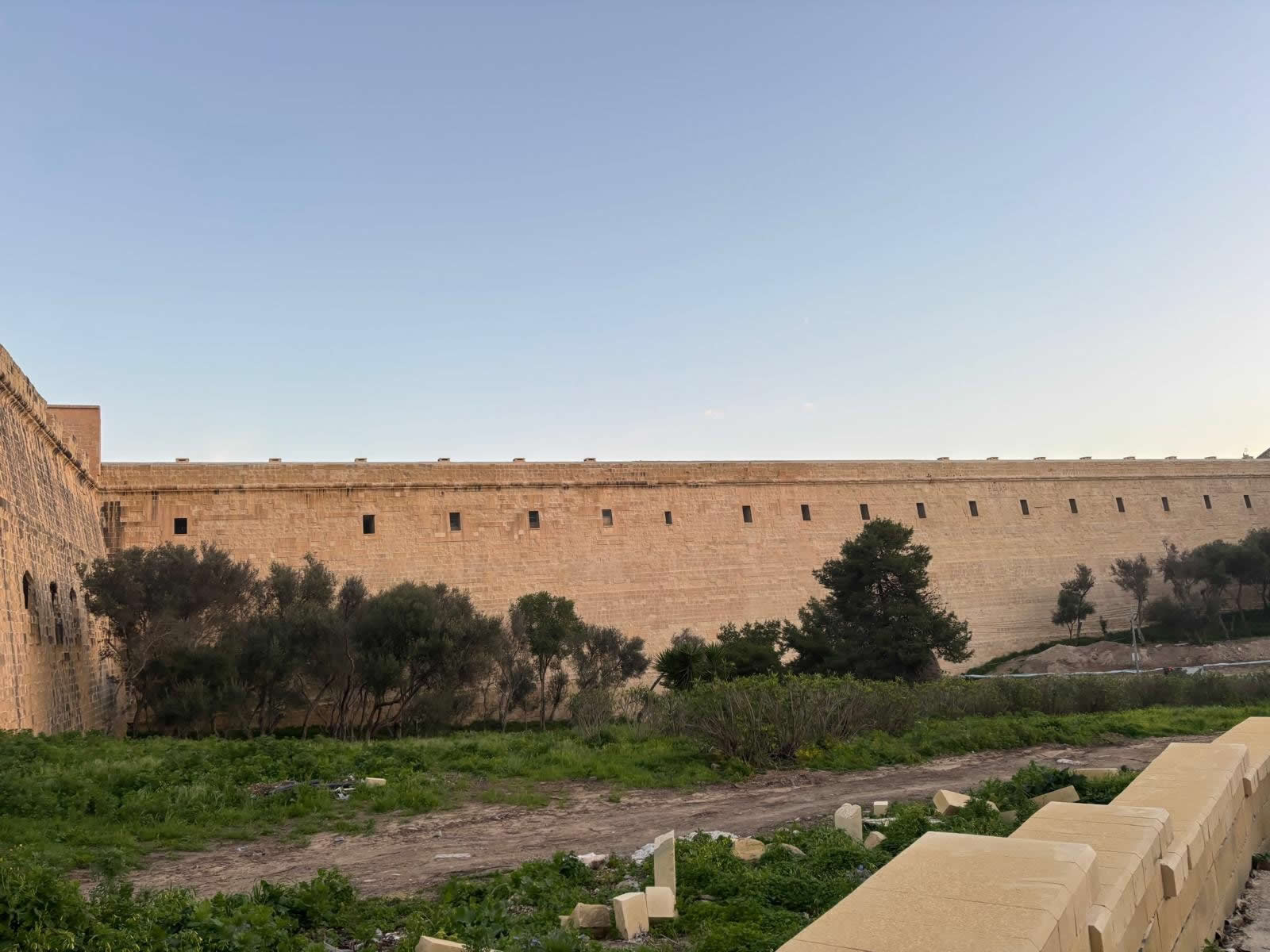
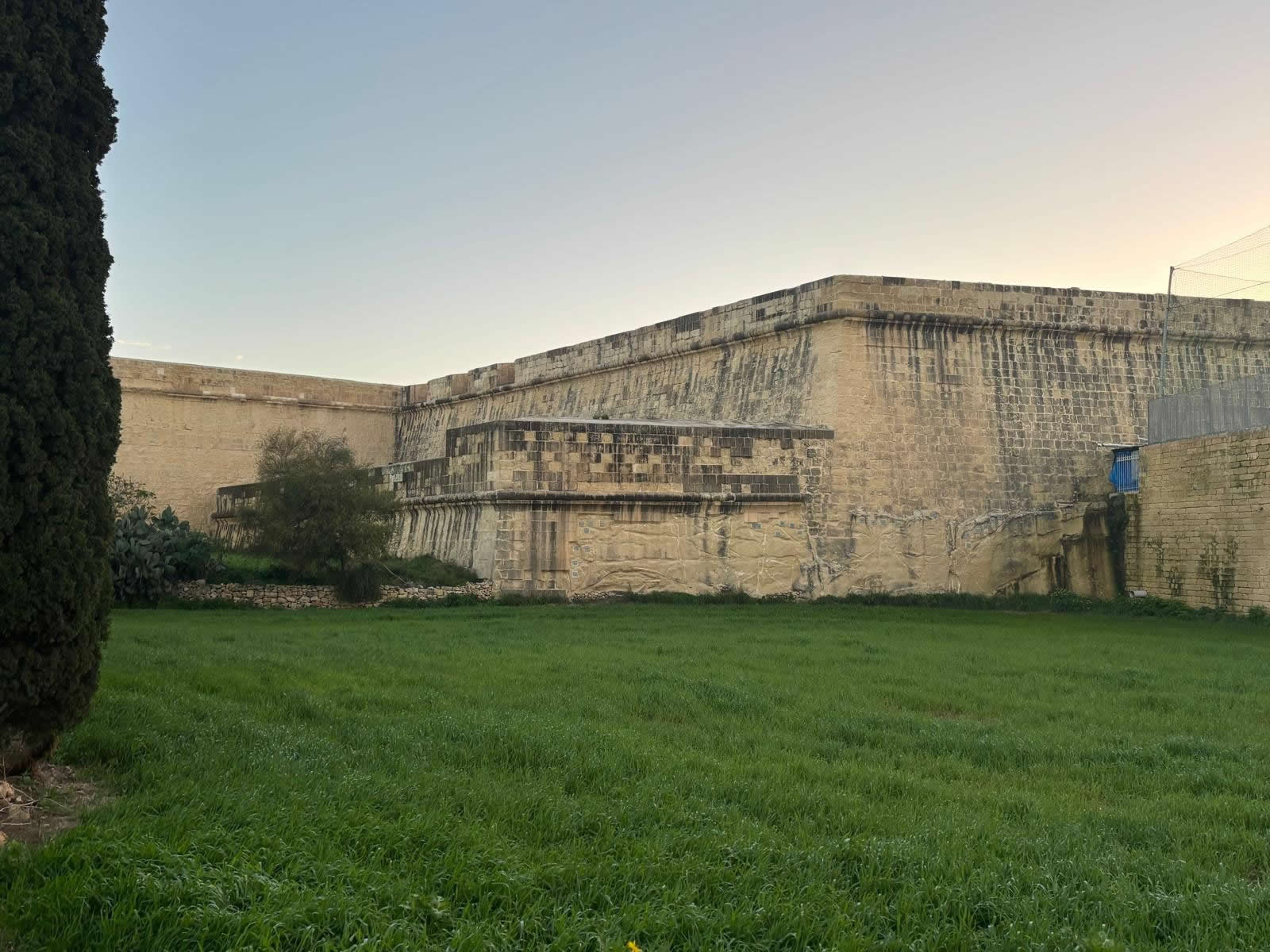
St John Gate is specifically recorded on the St John Curtain—the curtain wall between St John Bastion and St Paul Bastion. In fortification terms, that placement suggests a functional gate supporting circulation along the enceinte: guards, patrols, and supply routes that needed to move fast while still keeping openings limited and defendable.
3) From entrance to “sealed trace”: why the gate was blocked
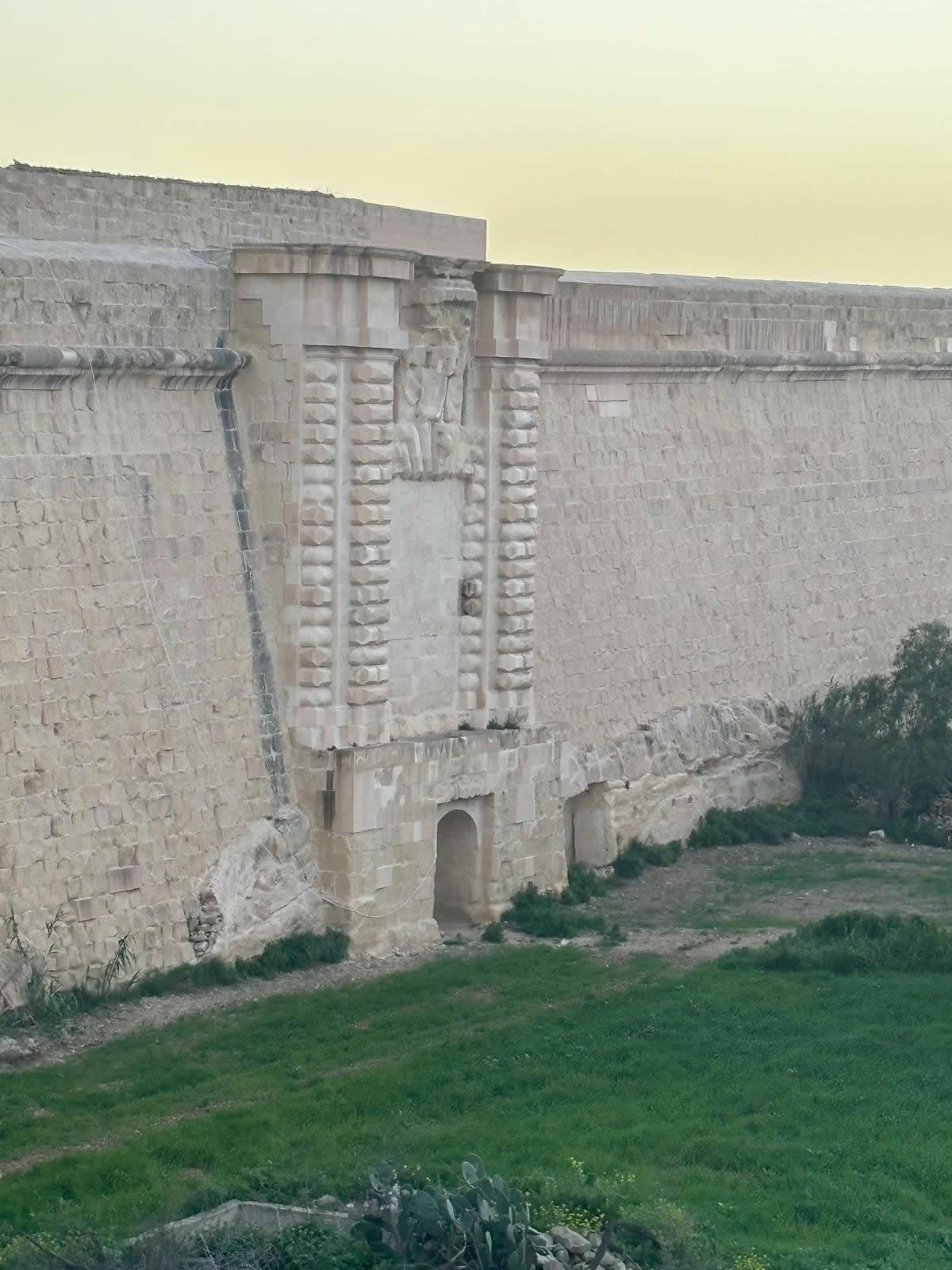
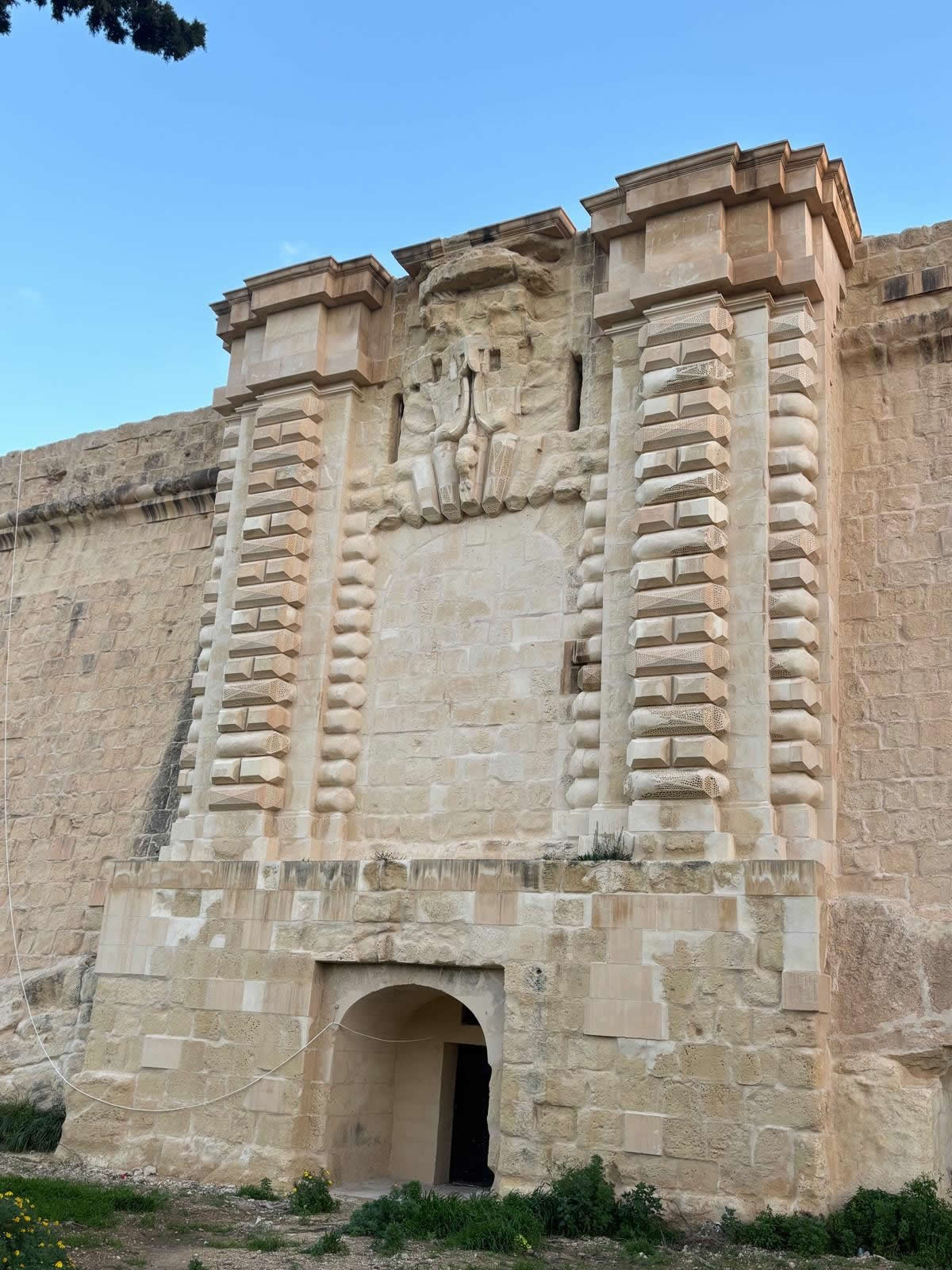
The gate is recorded as walled up. This pattern appears across the Cottonera Lines: as siege threats diminished, and as the harbour’s urban and industrial footprint expanded, secondary portals were often sealed to reduce vulnerability and to fit new traffic patterns. Today, the blocked arch is part of the monument’s readable history—a visible “ghost entrance” showing where access once existed.
4) Modern conservation attention
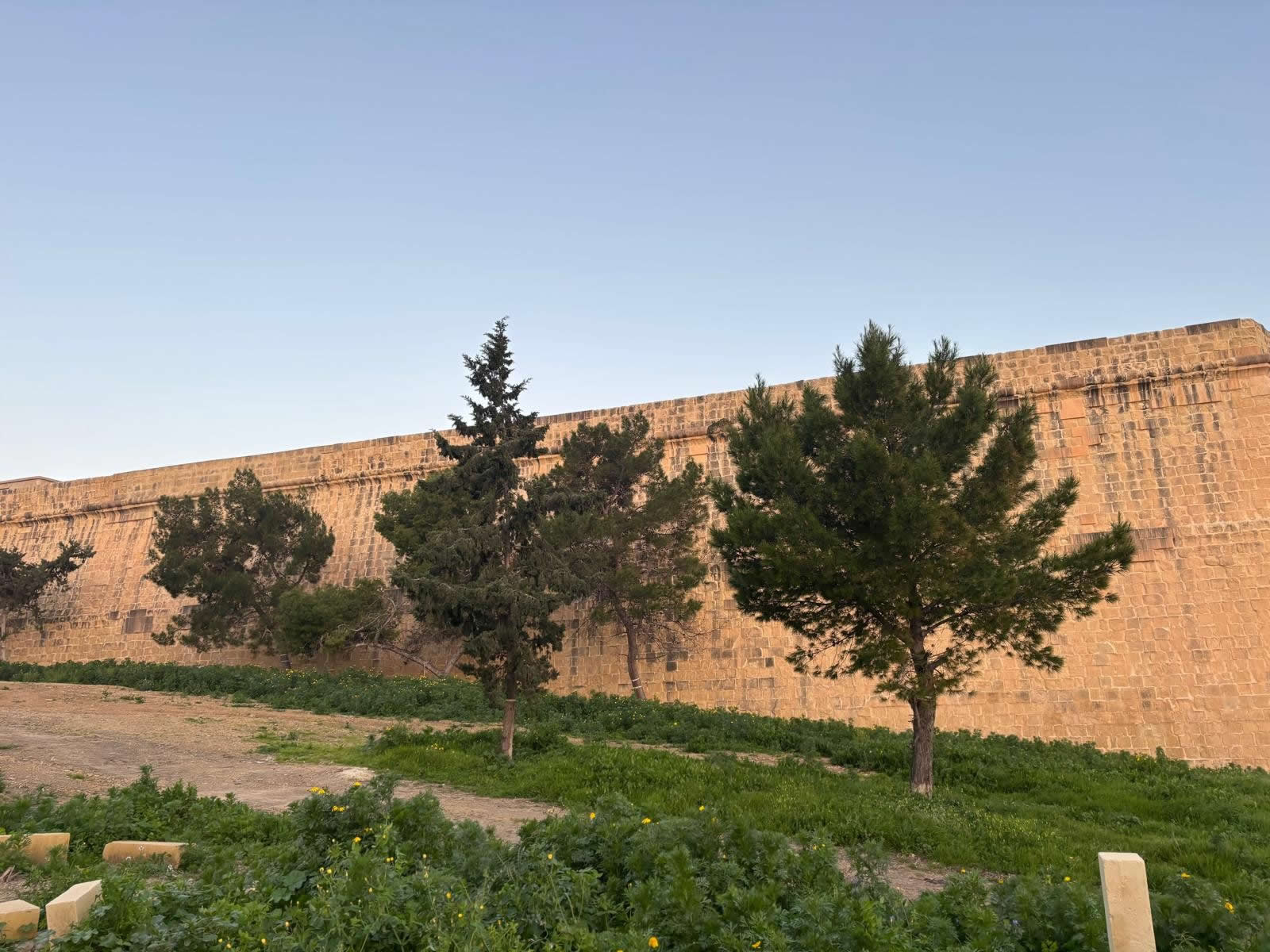
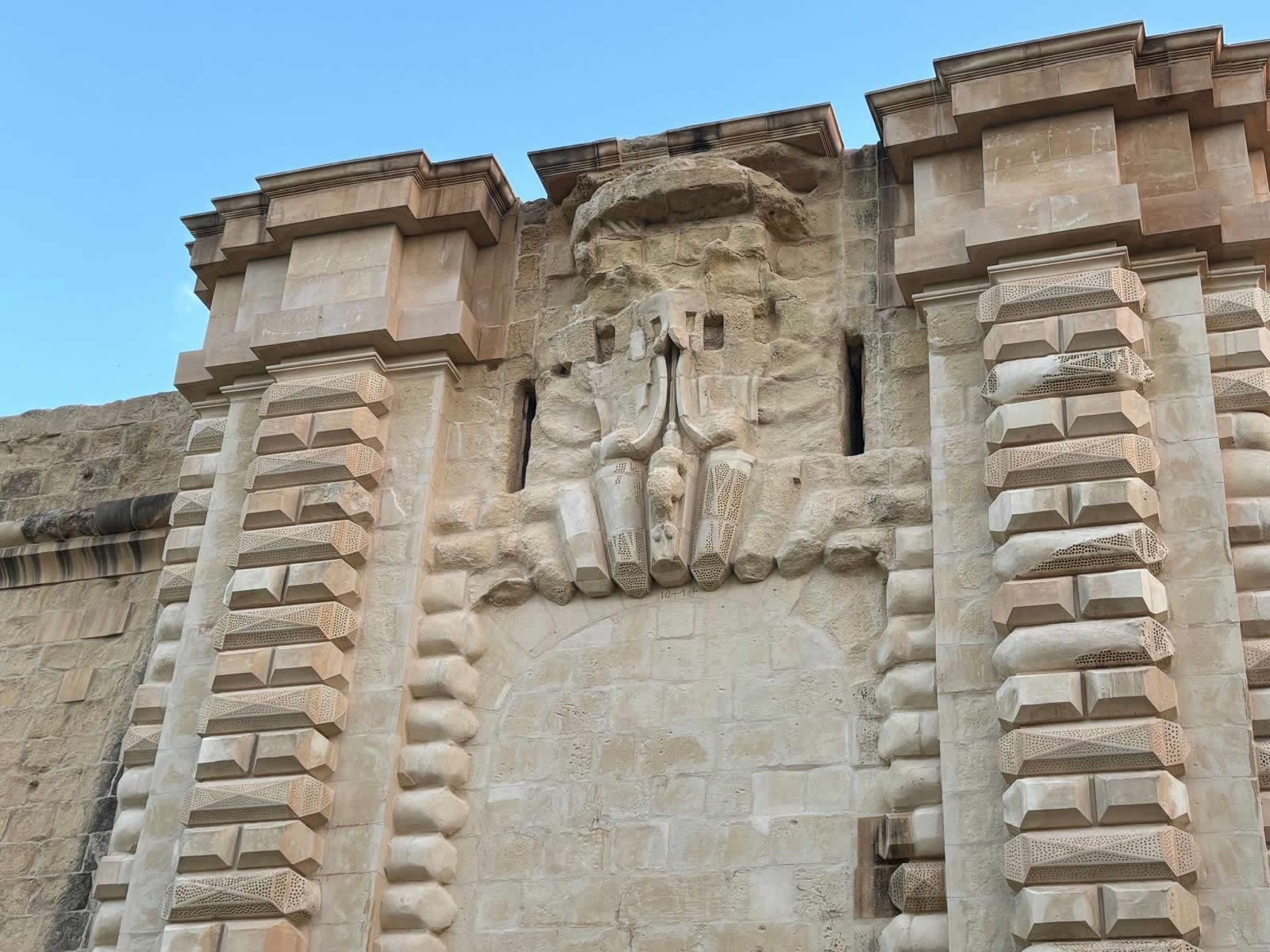
St John Gate’s sector has been the subject of modern restoration focus. A Times of Malta report dated 18 November 2022 described restoration work on the St John’s Gate curtain wall and gate, managed by Malta’s Restoration Directorate, with the aim of improving a stretch that had suffered centuries of wear.
How to “read” a walled-up gate
Stand back and look for the outline of the original opening and the change in stone pattern where the arch was infilled. Oblique light often makes the geometry easier to see.
Timeline
- August 1670 — Cottonera Lines construction begins.
- 1680 — works suspended due to lack of funds.
- 1760s — Cottonera Lines broadly completed (some planned elements remained unfinished).
- 1798–1800 — French occupation and the Siege/Blockade of Malta (the Lines form part of the occupied defensive system).
- 1870s — major dockyard-era changes elsewhere on the Cottonera enceinte (including loss of St Paul Gate and its curtain).
- 18 Nov 2022 — restoration works reported for St John’s Gate curtain wall and gate.
What to see nearby
St Paul Bastion and the former St Paul Gate sector
The St Paul sector is a strong “then vs now” lesson: parts were later reshaped by harbour infrastructure, and the original St Paul Gate was demolished in the 1870s.
Notre Dame Gate (1675)
The monumental main entrance of the Cottonera Lines—ideal for comparison (Baroque civic gateway vs sealed military portal).
How to visit (practical snippet)
- Area: Cospicua (Bormla), Cottonera / Three Cities.
- Best for: fortification walks, “hidden gate” spotting, heritage photography.
- Tip: use the Cottonera Lines hub page to plan a route linking multiple gates in sequence.