Quick facts
- Dedication: Saint George (San Ġorġ)
- Style: Baroque (local limestone)
- Construction: foundation stone laid in 1672; main build completed by 1678
- Consecration: 21 September 1755
- Major expansion: side aisles added in the 1930s
- Restoration highlights: dome restored in 2019; façade restoration completed in 2021
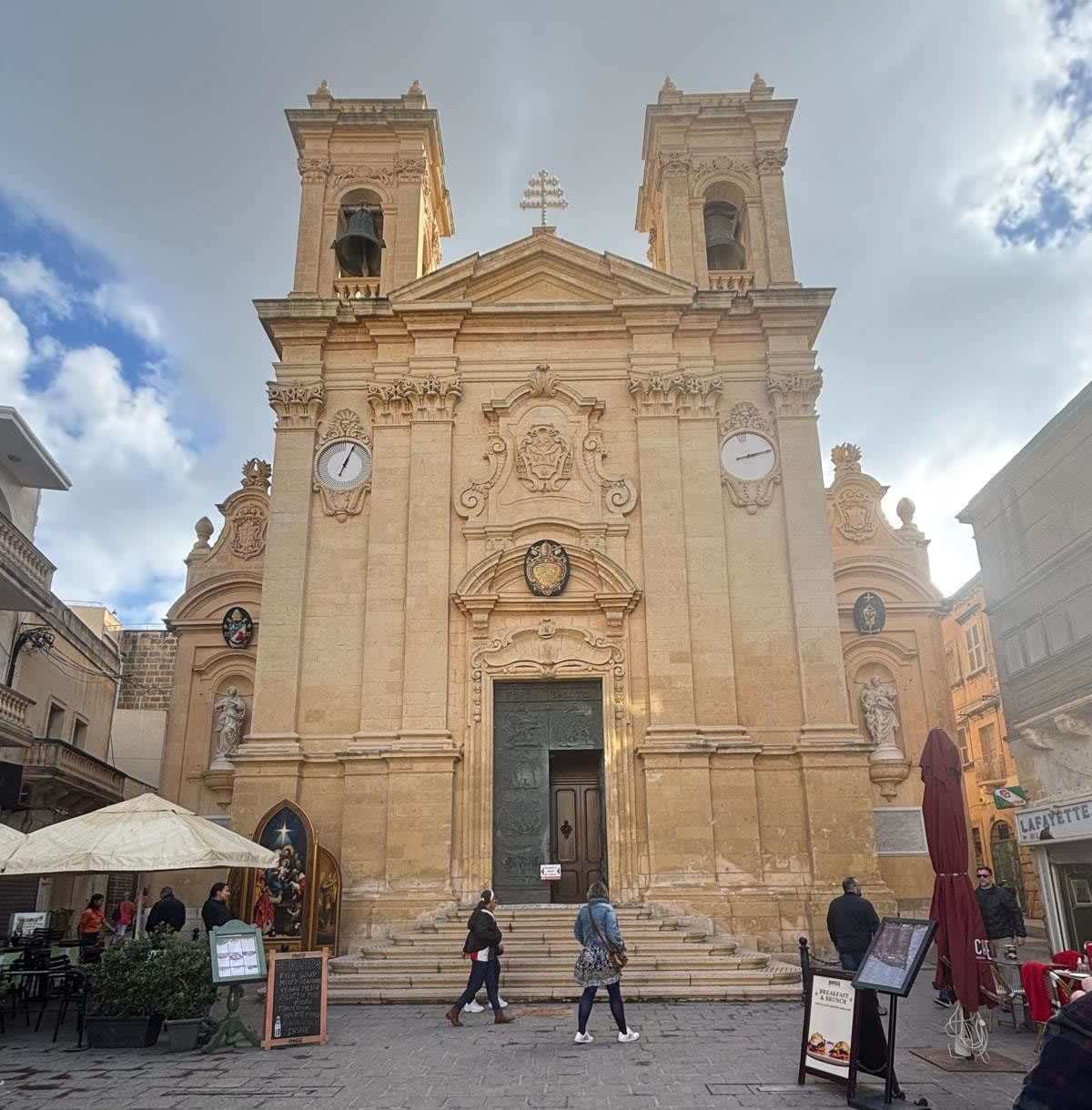
Why it’s unmissable
- A landmark basilica in the centre of Victoria, steps from the Citadel route
- Renowned interior decoration and major devotional traditions
- Linked heritage hub: the adjacent Il-Ħaġar | Heart of Gozo Museum
Overview
St George’s Basilica is one of Gozo’s best-known churches and a defining part of Victoria’s urban identity. It is both a living parish church and a heritage destination, drawing visitors for architecture, art, and feast traditions— especially the annual celebration of St George in July.
Map tip: Use 36.0440114, 14.2390561 for GPS navigation.
📍 Location
Location Map Coordinates 36.0440114, 14.2390561
Full detailed history
Origins: a medieval parish on an older sacred site (12th century traditions)
Local tradition places the sacred origins of the site as far back as the 12th century, and the parish itself is certainly medieval. By the 15th century, the parish is documented in church sources and travel/heritage summaries, indicating St George’s role as one of Gozo’s key communities of worship long before the present building was raised.
Some accounts also suggest the earliest church on this site may have replaced an earlier (pre-Christian) place of worship, a common Mediterranean pattern where prominent sites were re-sacralised over centuries.
The decision to rebuild: the Baroque church (1672–1678)
The present basilica belongs to a major 17th-century rebuilding phase. The foundation stone was laid in 1672, and construction was completed by 1678. This period defines the church’s structural identity and the enduring “Latin-cross” layout that later expansions built upon.
Consecration (1755) and 18th-century enrichment
Although the main structure was completed by 1678, formal consecration followed later. The basilica was consecrated on 21 September 1755. The 18th century also shaped the basilica’s artistic personality, including façade design work attributed to this period and continued enrichment of altars, furnishings, and devotional objects.
19th-century devotional growth and notable artworks
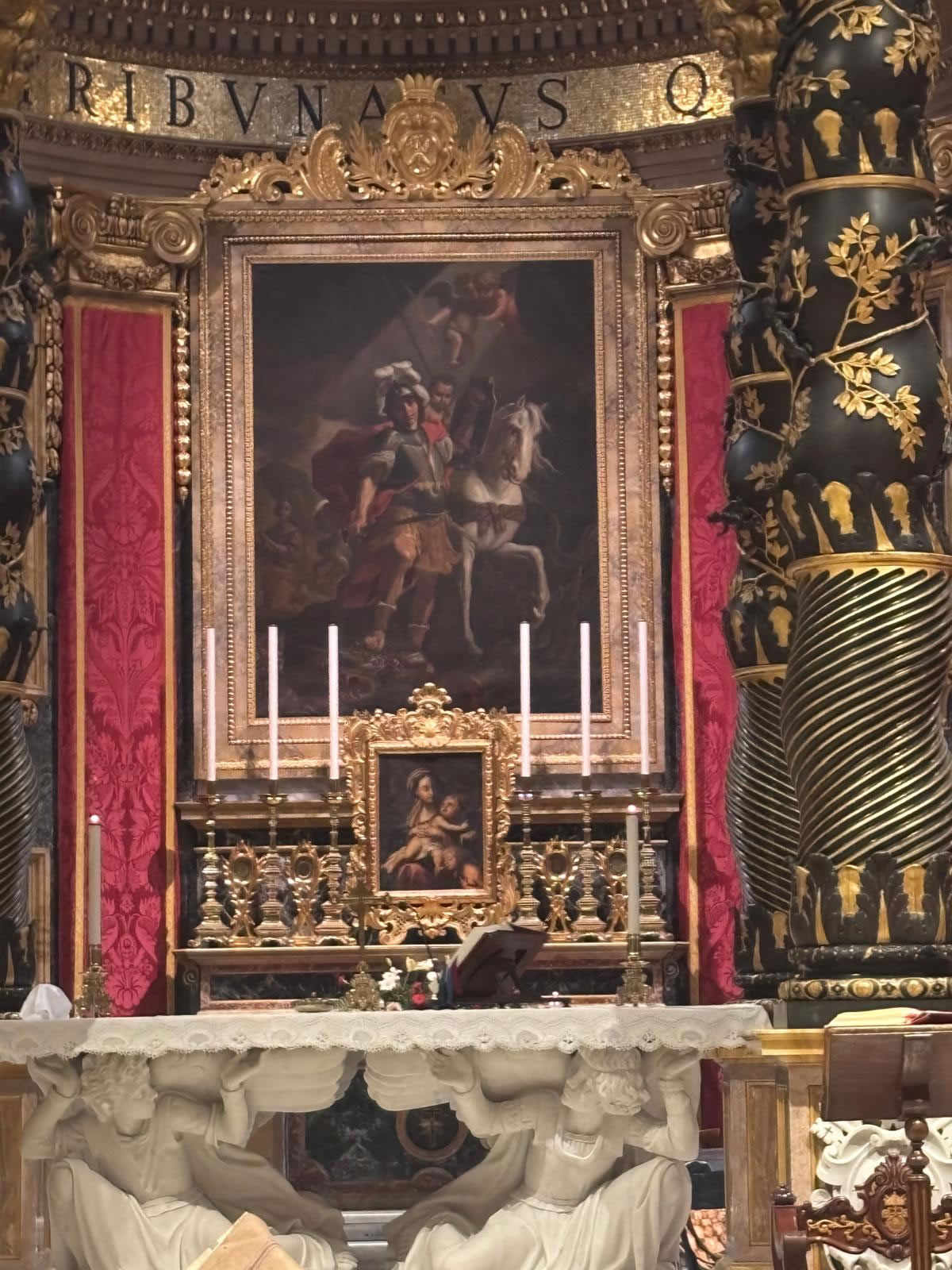
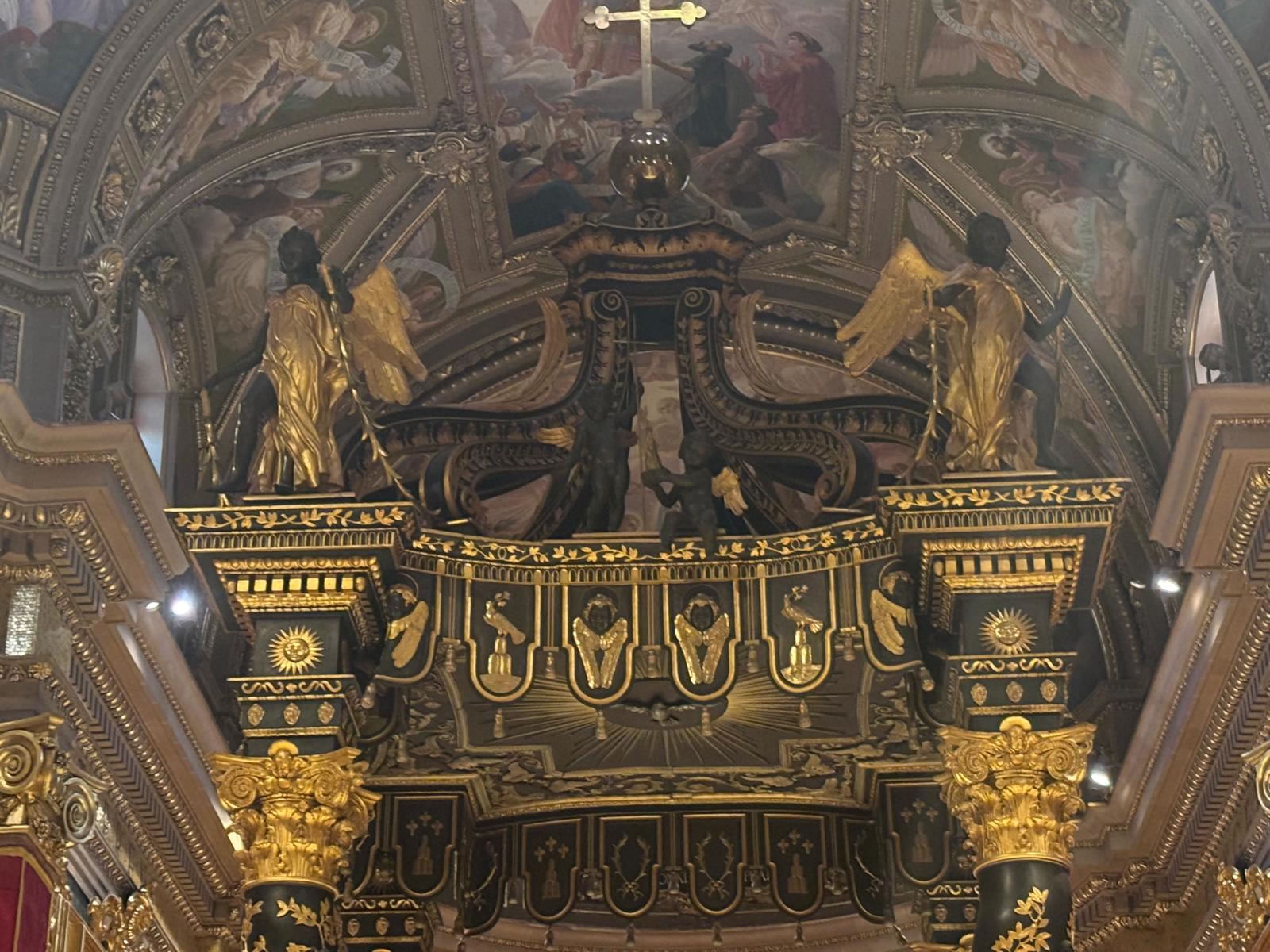
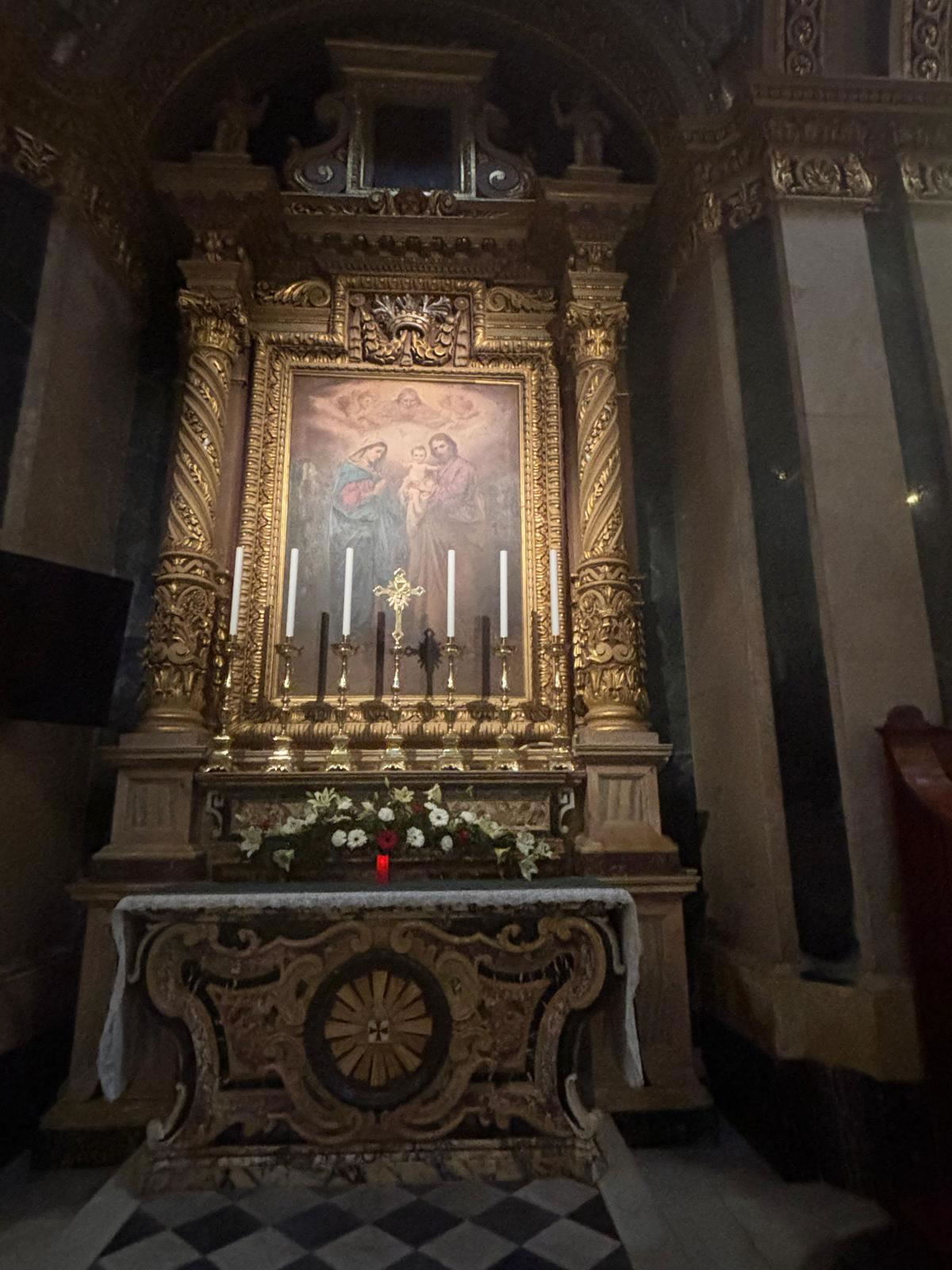
The 1800s brought increased artistic and devotional elaboration. A widely noted highlight is the wooden statue of St George (dated 1838 in published summaries), reflecting the strong devotional focus of the parish. This era also contributed to the basilica’s identity as a “golden church”, admired for its decorative ambition.
20th-century modifications: side aisles added (1930s)
In the 1930s, the basilica underwent a major structural enhancement with the addition of the side aisles. This improved circulation, expanded capacity, and helped the church function more comfortably for large parish gatherings and feast celebrations.
Elevation and honours: Minor Basilica (1958) and collegiate status (1975–1976)
In 1958, St George’s was raised to the dignity of a Minor Basilica by papal authority—an honour granted to churches of outstanding spiritual, historical, and devotional importance.
Later, the church received further recognition as a pontifical collegiate church (commonly dated 1975–1976 in published sources), reflecting its high standing within the religious and cultural life of the island.
A shared sacred space: Anglican worship in Gozo
In the modern era, St George’s Basilica is also notable for hosting the main parish church of the Anglican community of Gozo, reflecting Victoria’s tradition of public religious life in a shared urban centre.
Construction and architecture
Materials and style
Built in Gozo’s warm limestone, the basilica is widely described as a Baroque church. Its composition balances a strong urban façade with an interior designed for liturgical theatre—processions, feasts, and devotional focus.
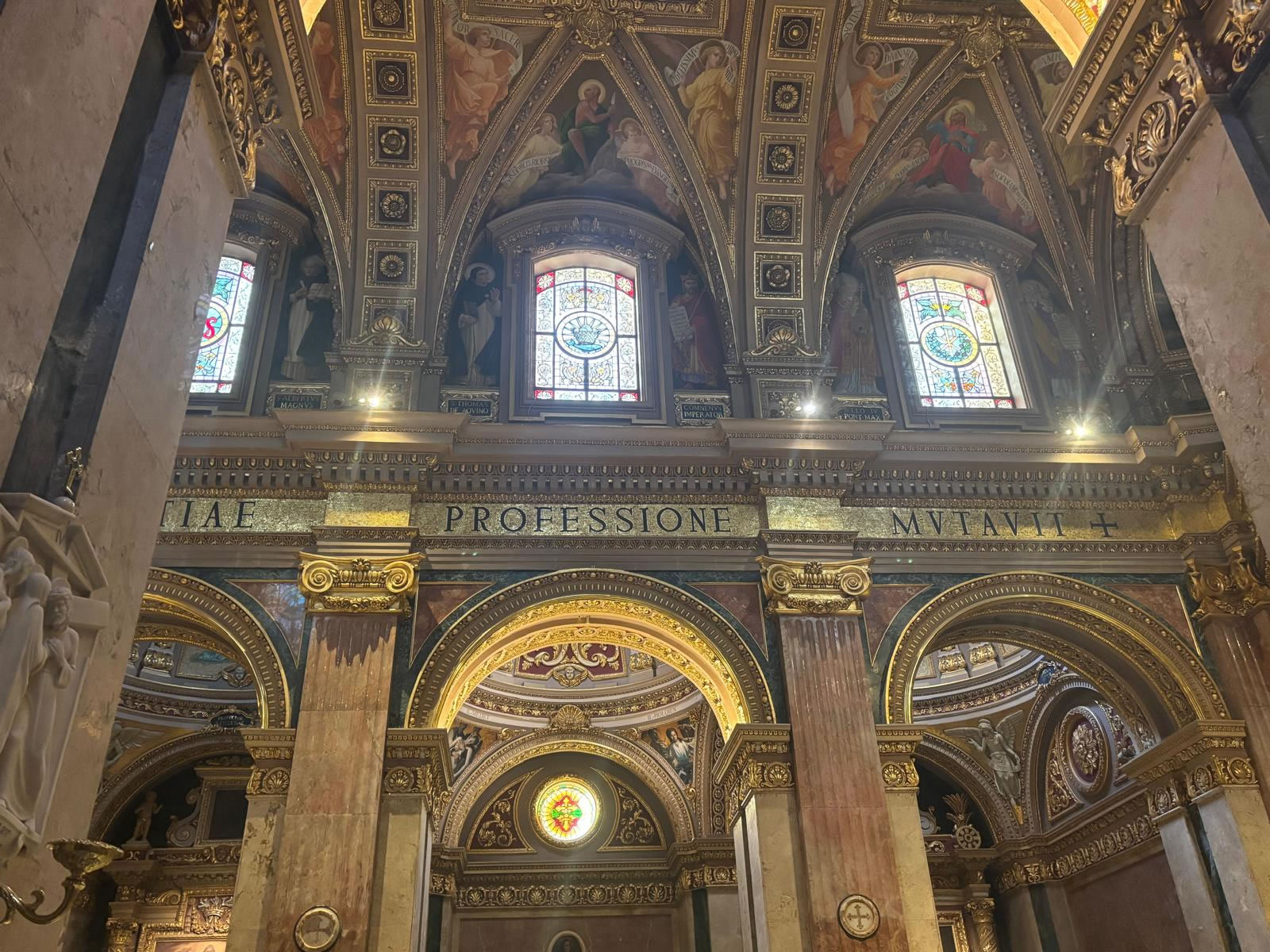
Interior identity: “Gozo’s golden basilica”
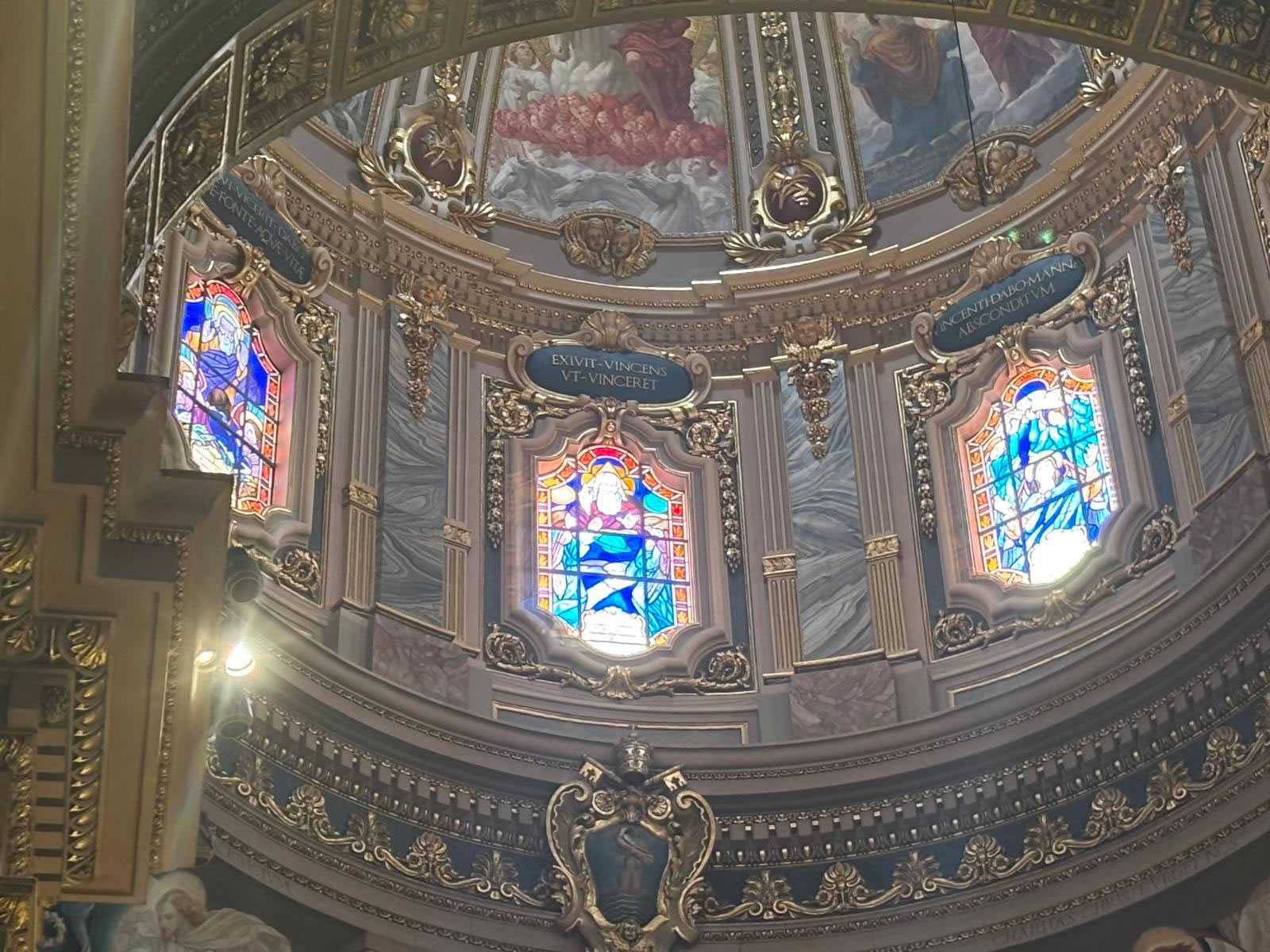
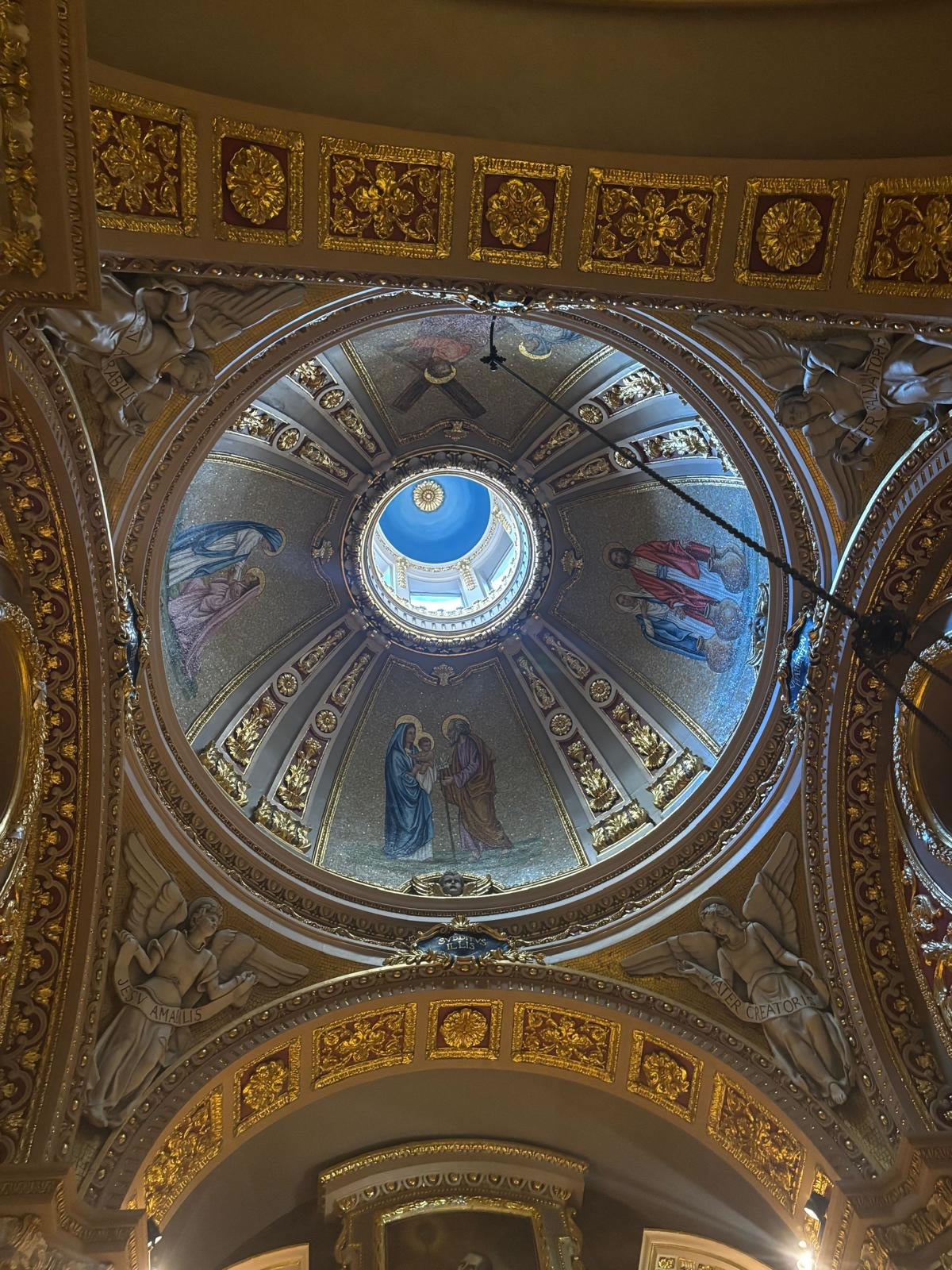
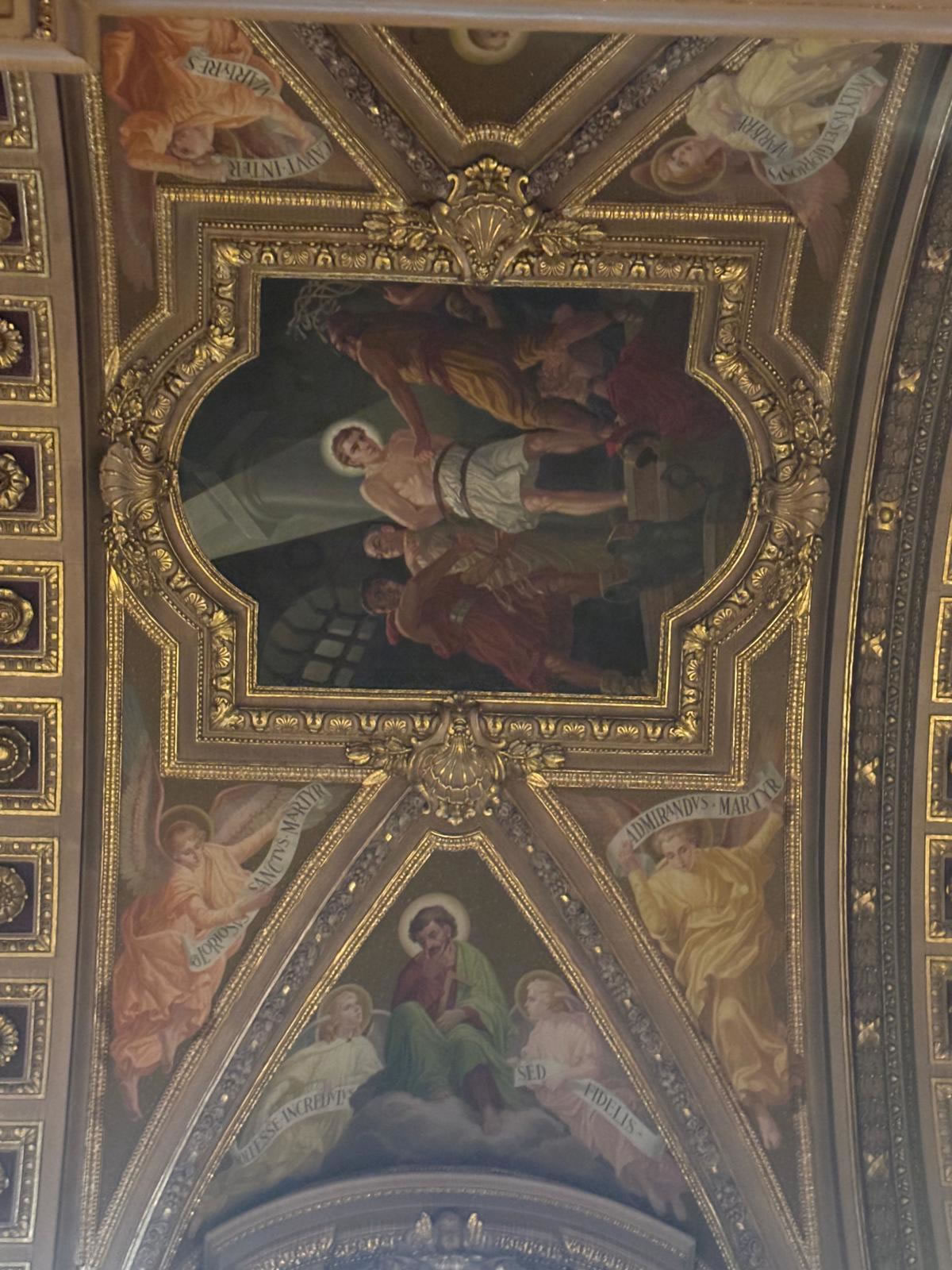
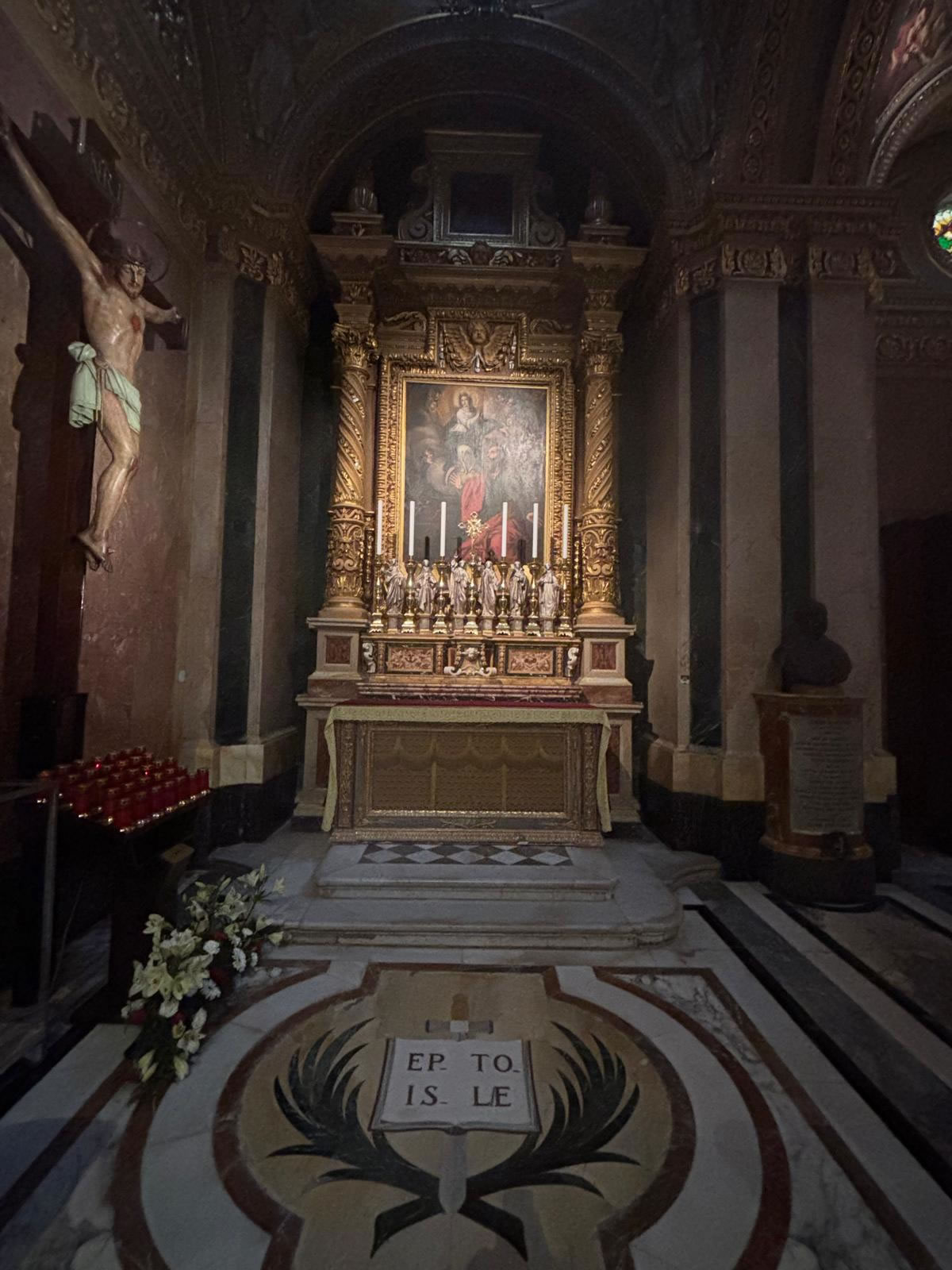
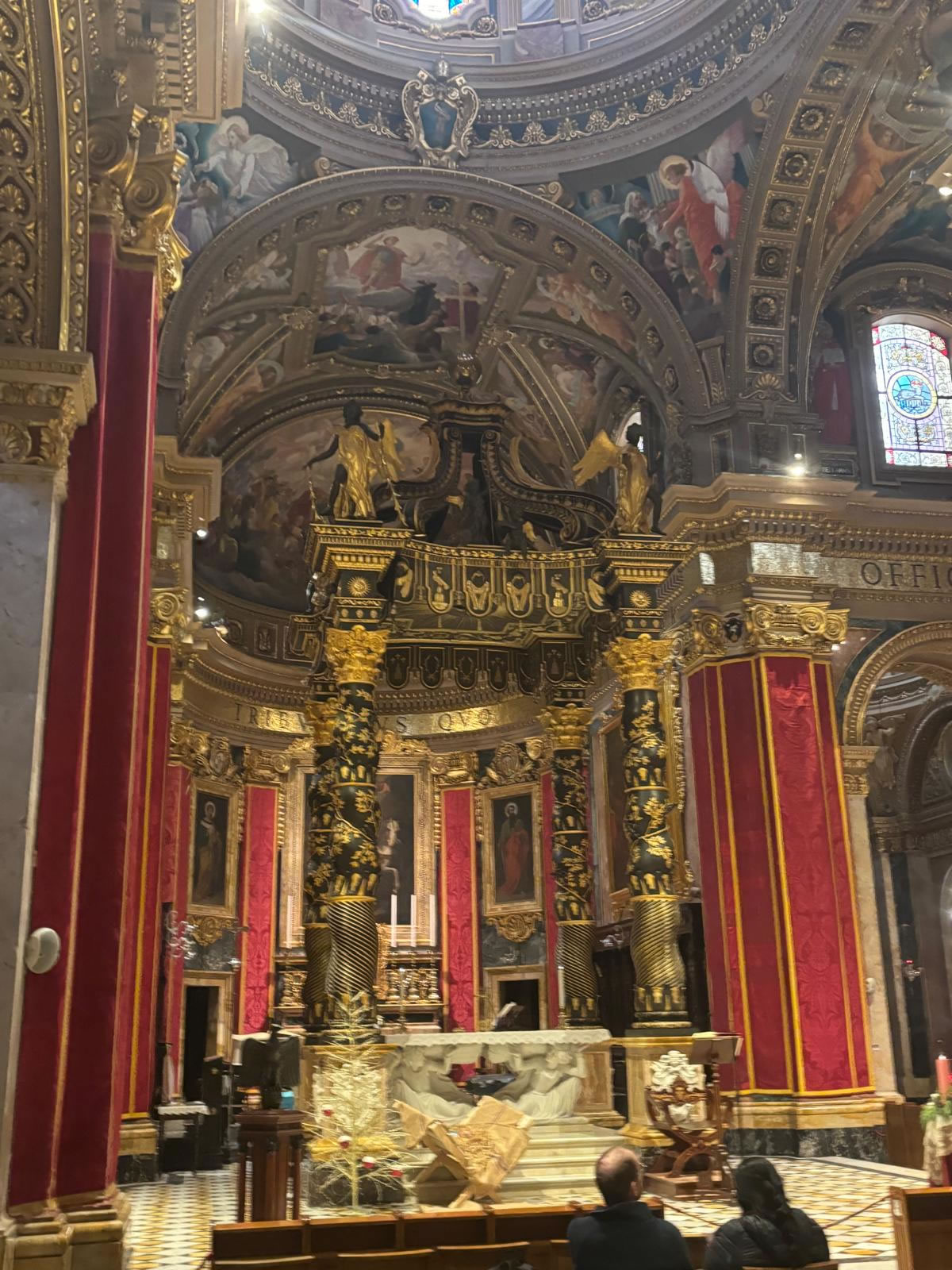
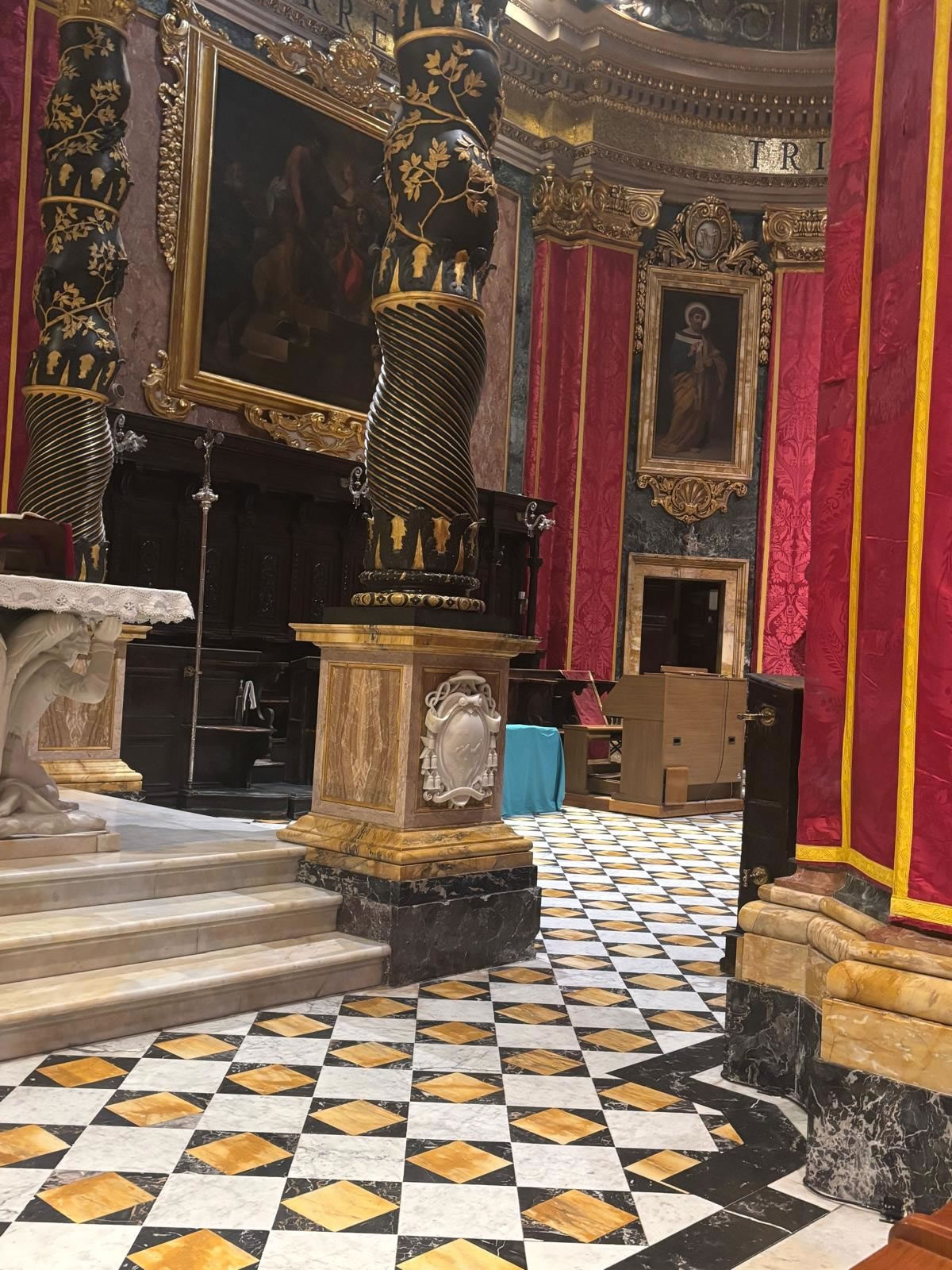
St George’s is famed for its rich decorative finish. Visitor descriptions often highlight extensive marble treatment and dramatic interior painting schemes, including dome and ceiling work by a Rome-based artist (as commonly cited in summaries).
Neighbouring heritage hub
The basilica forms part of a wider cultural cluster in St George’s Square, including Il-Ħaġar | Heart of Gozo Museum, which preserves and interprets heritage objects linked to the basilica and Gozo’s cultural life.
Restoration and conservation
Dome (cupola) restoration — 2019
A major conservation programme focused on the basilica’s dome began in January 2019, involving scaffolding, stone-by-stone assessment, replacement of deeply eroded blocks, and sealing of fissures to reduce water infiltration. Works were reported as completed by the end of 2019.
Façade restoration — completed 2021
Following dome works, conservation moved to the basilica’s artistic façade, described in reports as an ambitious project that restored the façade’s historic appearance and addressed long-term surface deterioration. Public coverage highlighted the significance of the intervention for Victoria’s main square.
Why restorations matter in Gozo: exposed limestone faces strong sun, wind, and salt-laden air. Regular conservation protects the building fabric, prevents water ingress, and preserves artworks for future generations.
Religious and community use today
St George’s Basilica is an active parish church at the heart of Victoria’s daily life. It hosts regular Masses, weddings, funerals, feast-day celebrations, and major devotional events. The annual feast of St George is celebrated in summer (often noted as the third Sunday of July), filling the square with liturgy, music, and community celebration.
As a central church on Victoria’s walking routes, St George’s also functions as a cultural gateway—many visitors pair it with the Citadel, nearby churches, and museum visits in the same half-day itinerary.
Visiting St George’s Basilica
Location
The basilica is in the centre of Victoria (Rabat), in and around St George’s Square—easy to reach on foot from the main streets and the Citadel route.
Best time to visit
- Morning for quieter visits and photography
- Late afternoon for warm light on the limestone
- Feast season (July) for the full community atmosphere (expect crowds)
FAQ
Was St George’s Basilica built between 1672 and 1678?
Yes. Published summaries consistently date the present Baroque building to 1672–1678, with the foundation stone laid in 1672 and the main construction completed by 1678.
How old are the church’s origins?
The current building is 17th century, but the parish is medieval and local tradition places the sacred origins of the site back to the 12th century.
What are the major modern modifications and restorations?
The most-cited 20th-century modification is the addition of the side aisles in the 1930s. Recent conservation highlights include the 2019 dome restoration and the 2021 façade restoration.