A Catastrophic Epidemic That Reshaped Modern Maltese Public Health
The 1813–1814 plague outbreak in Malta was the last major recurrence of bubonic plague in the Maltese Islands and one of the most devastating public health disasters in Maltese history. It struck during the early British colonial period and caused widespread mortality, particularly in urban centres such as Valletta, Floriana, and the Grand Harbour area.
Unlike earlier outbreaks under the Knights of St John, this epidemic occurred during a period of rapid maritime expansion, increased trade, and limited modern epidemiological understanding, allowing the disease to spread quickly through densely populated harbour districts.
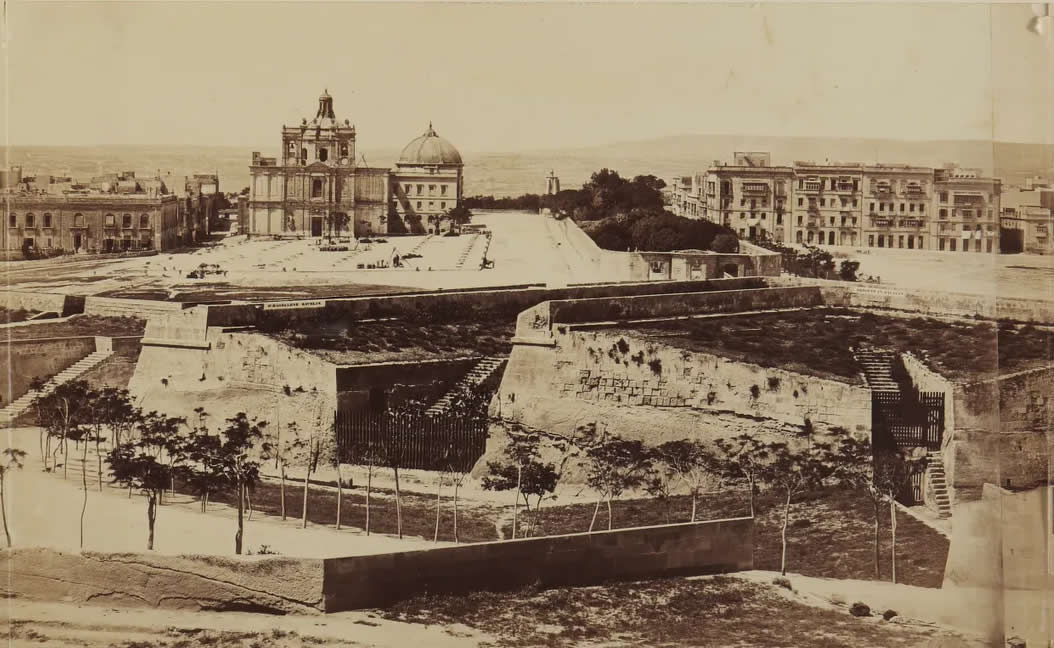
Note: No photographic documentation exists from the 1813–1814 plague outbreak, as photography had not yet been invented. All surviving visual records are engravings, ex-votos, and early 19th-century artistic depictions created during or shortly after the epidemic.
Historical Background
By the early 19th century, Malta had become a strategic British naval base in the Mediterranean, following the Treaty of Paris (1814 confirming British sovereignty).
Key conditions before the outbreak
- Rapid population growth in harbour cities
- Heavy maritime traffic from North Africa and the Eastern Mediterranean
- Poor sanitation in densely packed urban districts
- Limited understanding of bacterial transmission (germ theory not yet established)
These conditions created an ideal environment for a plague resurgence.
Arrival and Early Spread (1813)
The outbreak is believed to have been introduced through maritime trade routes, likely via infected ships arriving from the Eastern Mediterranean or North Africa.
Early signs included
- Sudden deaths in harbour districts
- Swollen lymph nodes (buboes), fever, and delirium
- Rapid clustering of infections in poor urban areas
Reasons for early spread
- Delayed recognition of plague symptoms
- Lack of immediate quarantine enforcement
- High population density in Valletta and the Three Cities
Major Phase of the Epidemic (1813–1814)
The plague escalated dramatically between late 1813 and early 1814.
Urban centres most affected
- Valletta
- Floriana
- Birgu (Vittoriosa)
- Senglea
- Cospicua
Impact on Gozo
During the 1813–1814 plague outbreak in Malta, the island of Gozo was initially less affected than the densely populated harbour regions of Malta. Strict quarantine measures were enforced to limit movement between the islands, helping to delay the spread of infection.
Despite these precautions, the plague did reach Gozo, with significant impact in certain localities. In the village of Xagħra, a total of 104 deaths were recorded during the epidemic, representing a serious loss for the small rural community.
The victims were buried in a dedicated plague cemetery near the local plague hospital, located outside the village. This site remains an important historical reminder of the epidemic’s reach beyond Malta’s main urban centres and reflects the public health measures adopted at the time to contain the spread of disease.
Gozo’s experience illustrates both the effectiveness of isolation policies and the vulnerability of rural communities during one of the last major plague outbreaks in the Maltese Islands.
Rural spread
Although initially concentrated in harbour areas, the infection gradually reached inland towns through:
- Movement of infected individuals
- Trade and supply routes
- Contaminated goods and textiles
Symptoms and Clinical Presentation
Victims typically experienced:
- High fever and chills
- Painful swollen lymph nodes (buboes)
- Internal bleeding
- Delirium and rapid death in severe cases
Mortality rates were extremely high, especially among the poor and those living in overcrowded housing.
Public Health Response Under British Rule
The British colonial administration implemented increasingly strict measures as the epidemic worsened.
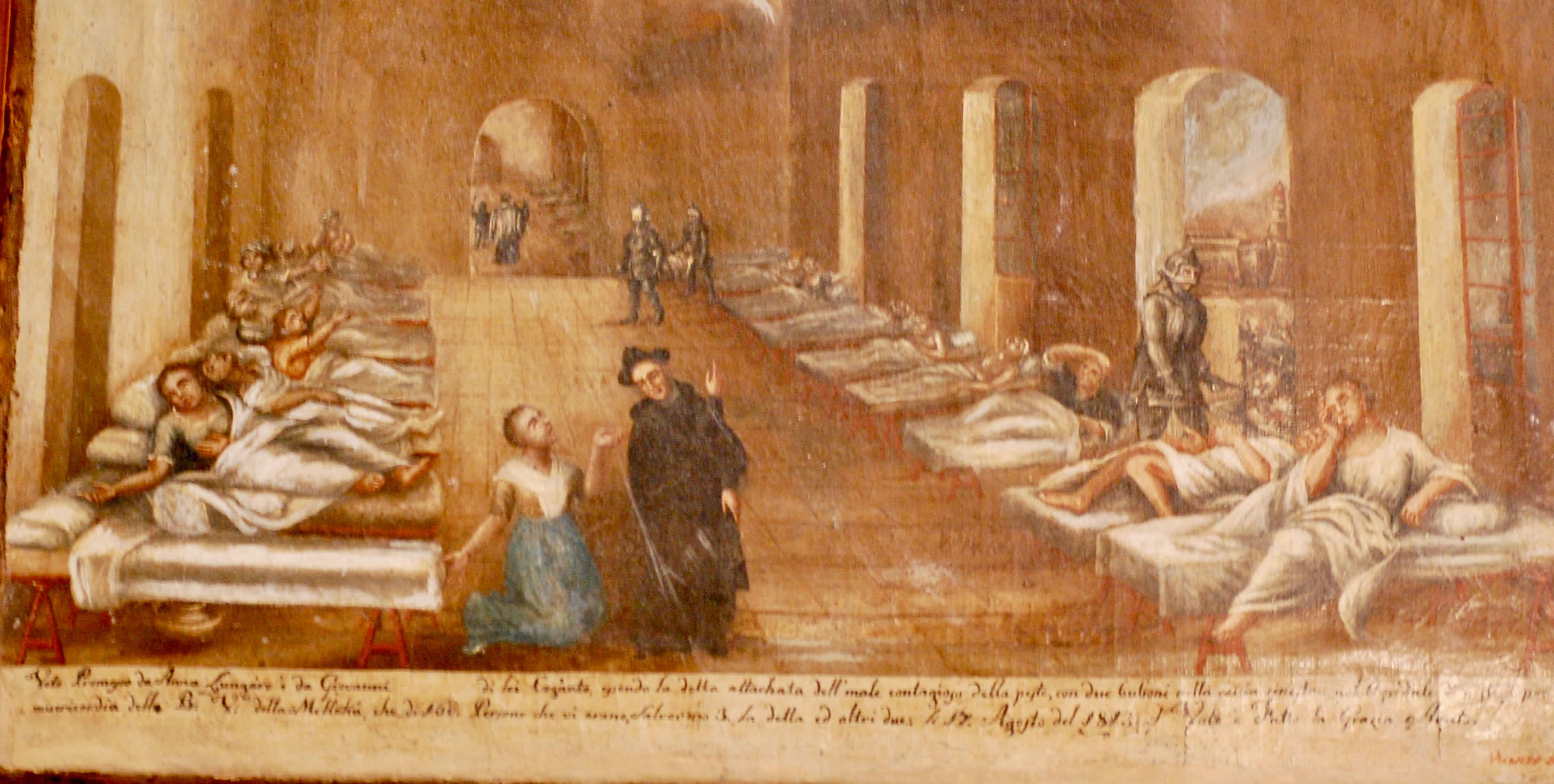
Quarantine measures
- Strict isolation of infected households
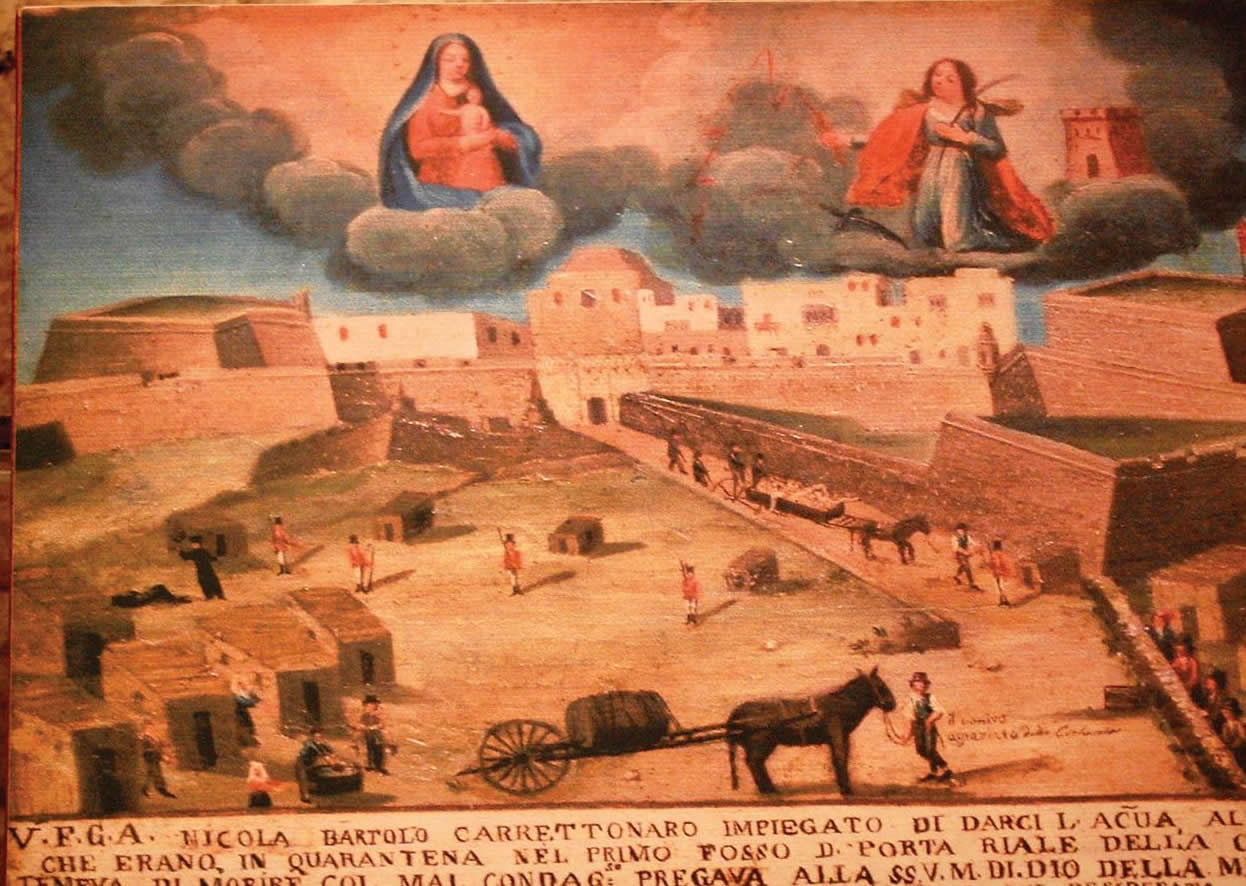
- Establishment of quarantine zones
- Control of movement between urban districts
- Maritime quarantine enforcement at Grand Harbour
Hospitals and isolation facilities
Temporary plague hospitals were established outside main population centres to isolate patients.
Sanitation measures
- Burning or disinfecting contaminated belongings
- Street cleaning and waste removal
- Control of suspected infected buildings
Military enforcement
British military forces were deployed to:
- Enforce quarantine rules
- Control movement between districts
- Prevent panic and looting
Social and Economic Impact
Population loss
- Thousands of deaths (exact figures vary by source)
- High mortality in working-class harbour districts
Economic disruption
- Trade collapse during peak infection period
- Port restrictions severely impacted commerce
- Labour shortages in maritime industries
Social breakdown
- Fear and stigma surrounding infected families
- Abandonment of contaminated homes
- Increased reliance on military governance
Medical Understanding at the Time
At the time of the outbreak:
- Germ theory had not yet been developed
- The role of rats and fleas was not understood
- Disease was often attributed to “miasma” (bad air)
Despite this, quarantine remained the most effective tool, continuing Malta’s long-standing tradition of epidemic control dating back to the Knights of St John.
Containment and Decline (1814)
By mid-1814, the outbreak began to subside due to:
- Strict quarantine enforcement
- Natural epidemic decline
- Reduced mobility of infected populations
Gradually:
- Infections decreased
- Restrictions were lifted in phases
- Normal trade resumed under monitoring
Long-Term Legacy
1. Strengthening of British public health systems
- More structured quarantine regulations
- Improved port health inspections
- Formalised disease reporting systems
2. Urban reform
- Gradual improvements in sanitation
- Urban restructuring in harbour areas
3. Final end of plague in Malta
This outbreak marked the last major plague epidemic in Maltese history, as later improvements in sanitation and public health prevented further large-scale recurrences.
Historical Significance
The 1813–1814 plague represents:
- The final chapter of centuries of plague history in Malta
- A transition from early modern quarantine systems to modern public health administration
- One of the earliest major health crises under British colonial governance
It stands as a turning point between pre-modern epidemic control and modern epidemiology in Malta.