At a glance
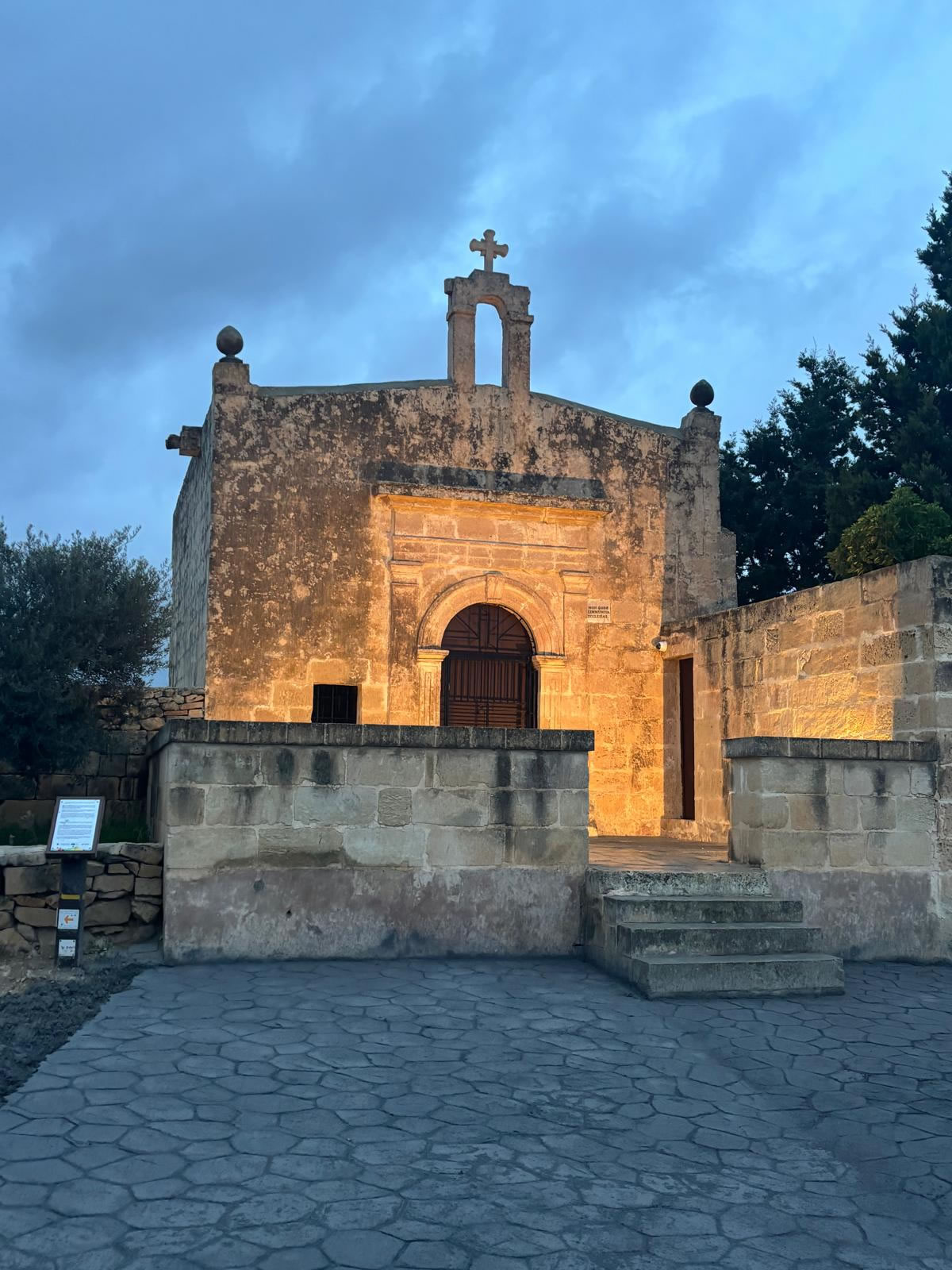
Name: Chapel of St John the Evangelist (Kappella ta’ San Ġwann l-Evanġelista)
Location: Ħal Millieri (limits of Żurrieq), Malta
Coordinates: 35.839944, 14.470861
Setting: Rural landscape and historic settlement traces around Ħal Millieri
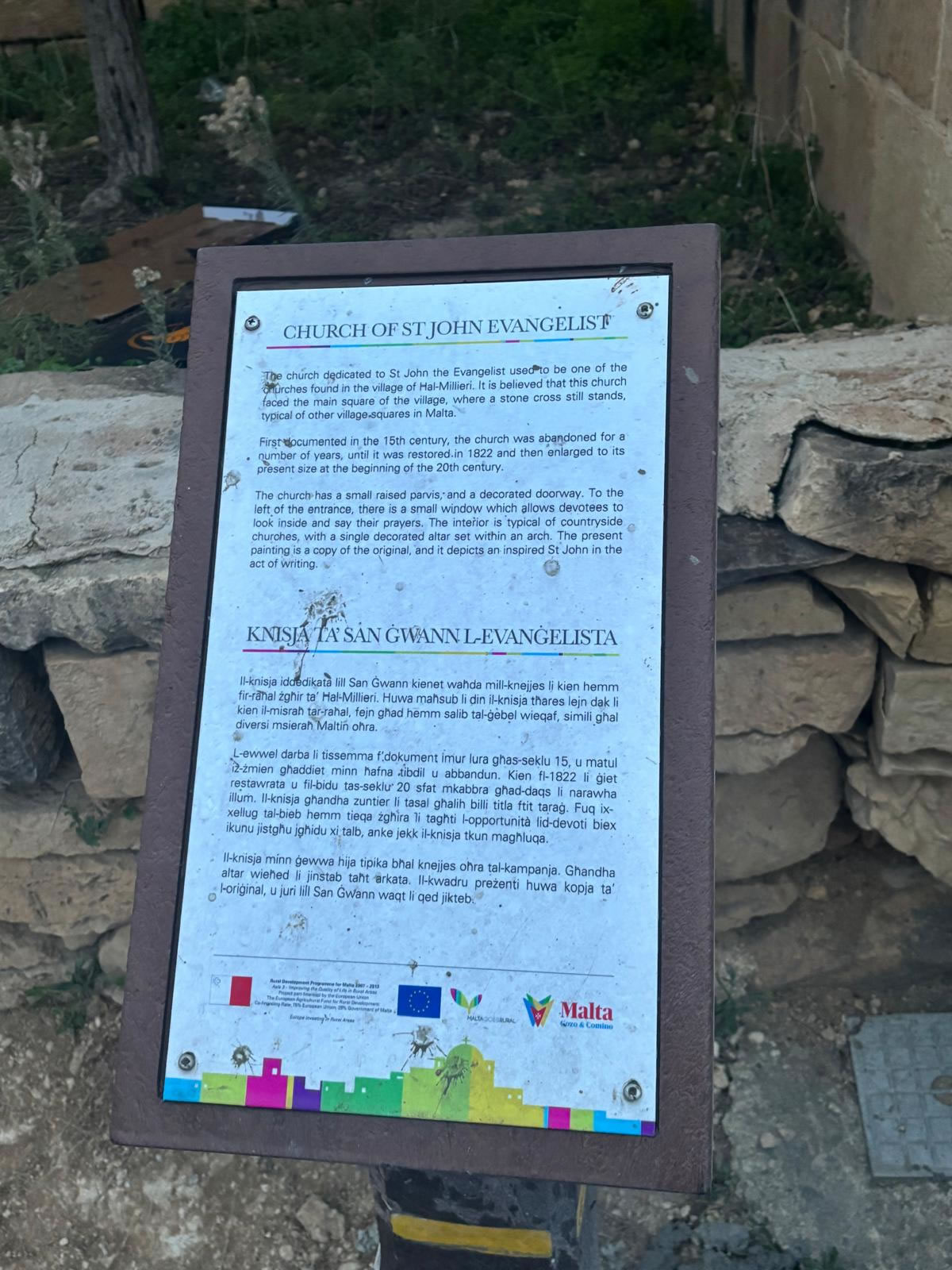
History: rural devotion at Ħal Millieri
The Ħal Millieri area is best known for its surviving medieval chapel heritage and the memory of a small rural community.
Chapels in this landscape served practical spiritual needs: they provided a local place for prayer, occasional Mass, and feast-day devotion
without requiring travel to larger parish churches.
Dedications to St John the Evangelist are often associated with protection, learning, and witness—qualities that made the saint a meaningful focus
for small communities seeking intercession in everyday rural life. Over time, as settlement patterns changed, the chapel’s role likely shifted toward
occasional use and remembrance rather than constant parish-style activity.
Construction: Maltese limestone and a compact plan
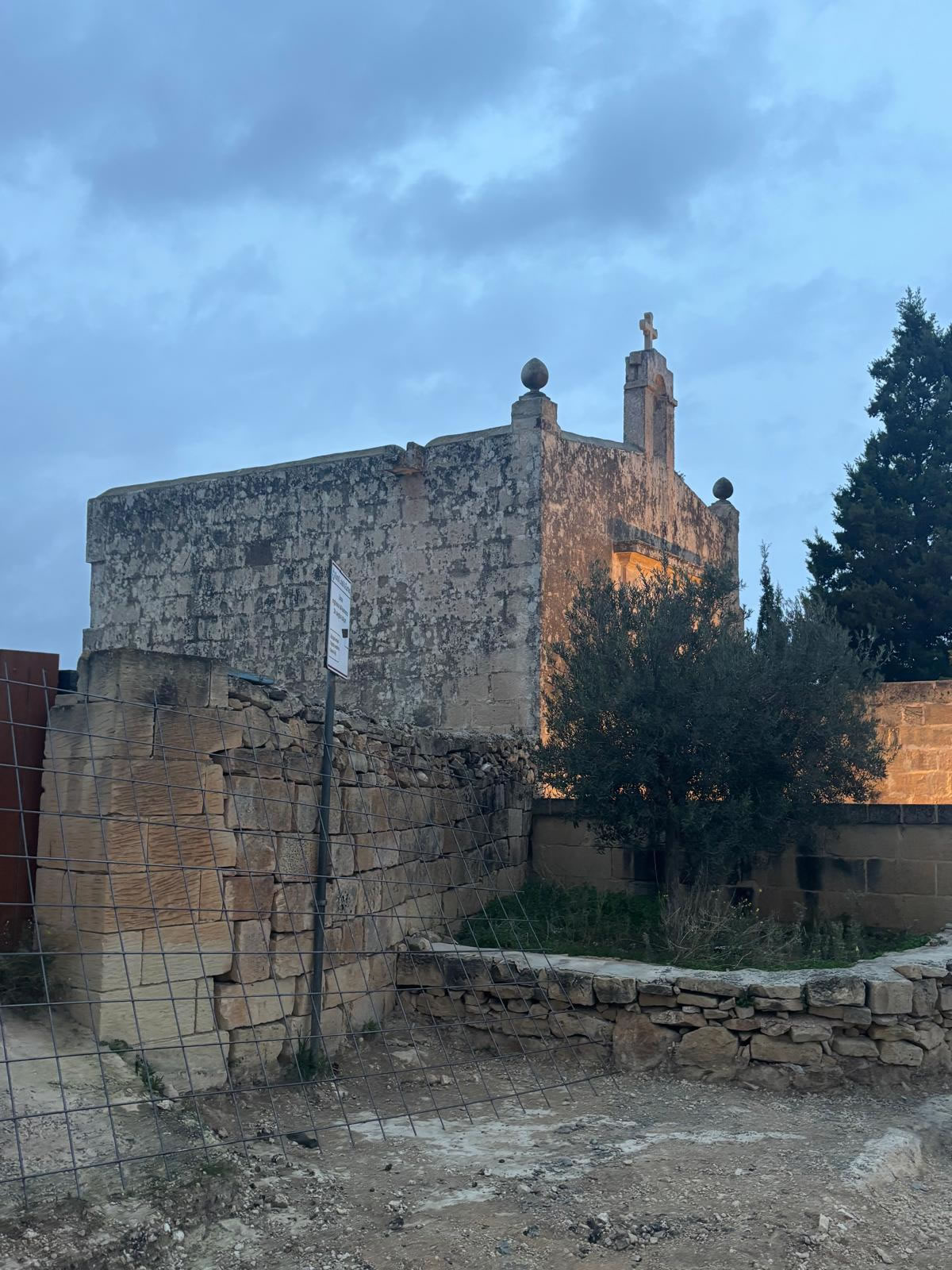
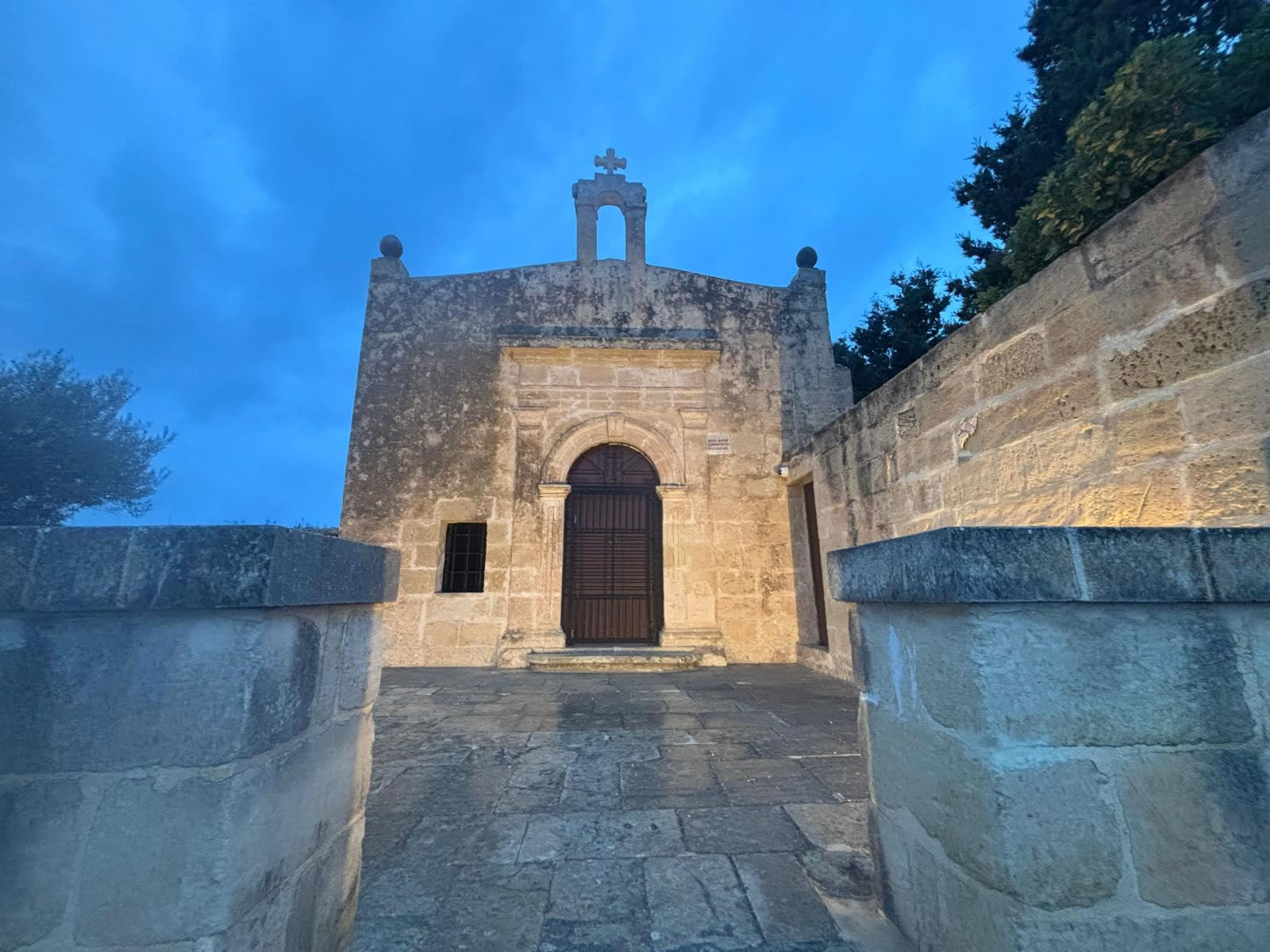
Like many countryside chapels in Malta, the building is characterised by local limestone construction, modest scale, and a simple interior centred on the altar.
Rural chapels were designed to be durable and functional—built to withstand weather and time, and to serve a small congregation.
- Materials: local limestone, shaped for practical rural building.
- Layout: compact worship space oriented around the altar and devotional focal points.
- Setting: the chapel’s meaning is strengthened by its countryside context—fields, tracks, and open land.
Use over time: from local worship to heritage landmark
Historically, chapels like this were used for prayer and local services, especially around feast days.
In later centuries, as rural chapels became less central to everyday worship, many remained important as cultural landmarks—visited for special occasions,
community memory, and heritage interest.
Today, access to small chapels can be limited. Even when closed, the site remains a valuable stop for understanding how Malta’s devotional landscape extended well beyond
large parish churches into the countryside.
FAQ
Where exactly is the chapel?
Use coordinates 35.839944, 14.470861 to locate the Chapel of St John the Evangelist at Ħal Millieri.
Is the chapel connected to other Ħal Millieri sites?
Ħal Millieri contains several heritage chapel sites. This chapel is distinct from Il-Kappella tal-Lunzjata (the Annunciation chapel), though both reflect the area’s rural devotional history.
Is it open to the public?
Not always. Rural chapels may be closed outside services or heritage openings, so it’s best to check locally before visiting.