At a glance
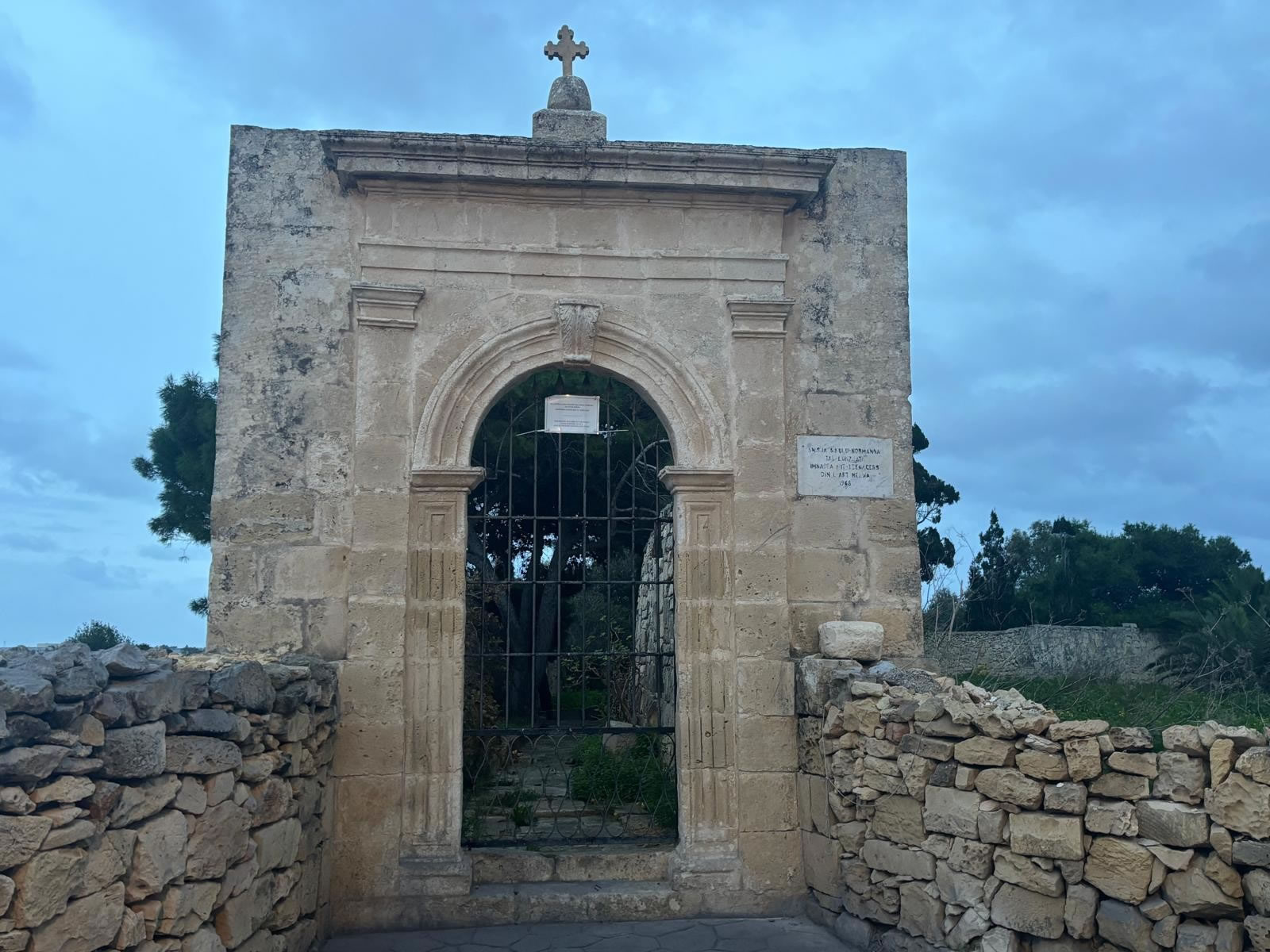
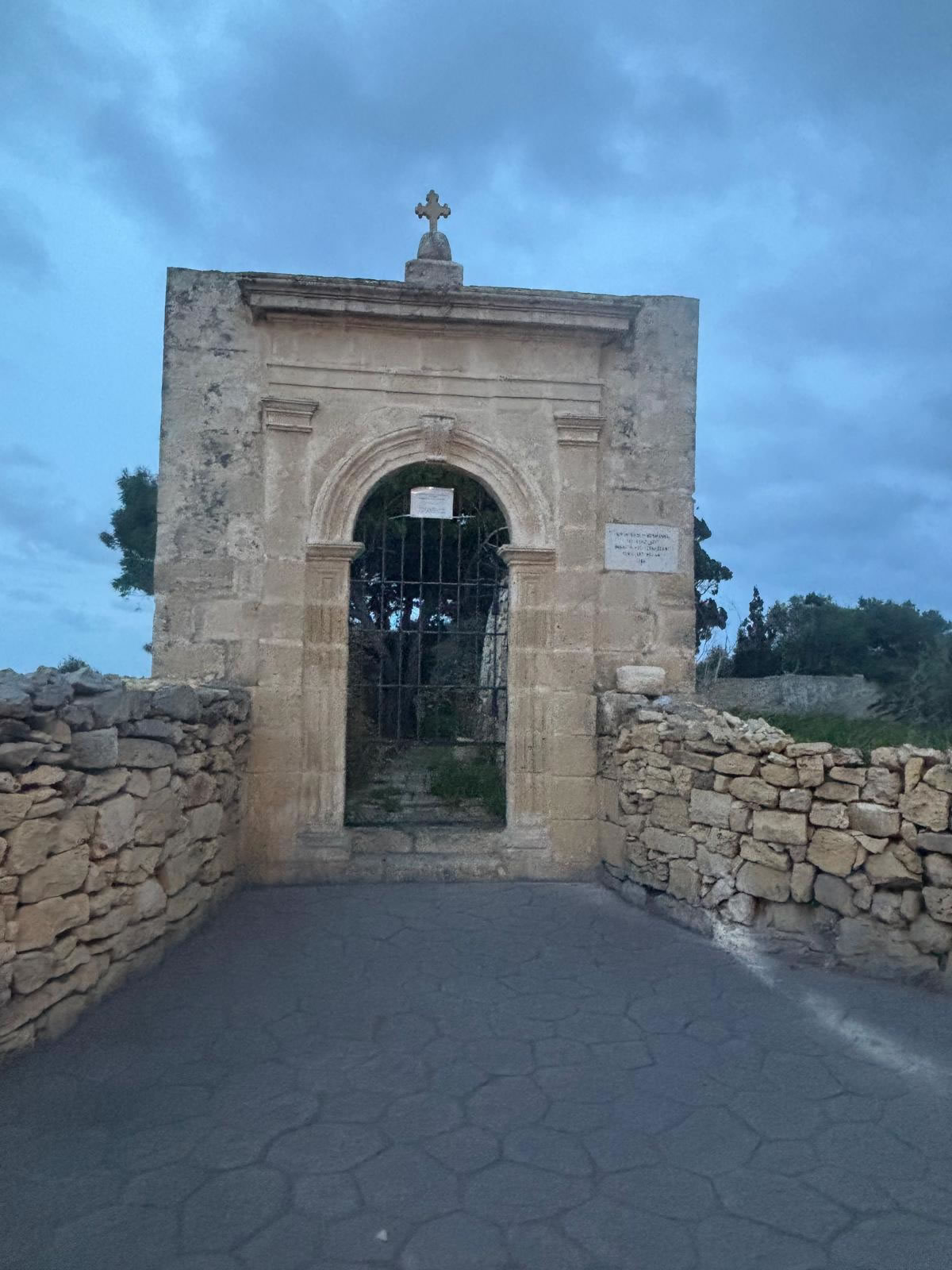
Name: Il-Kappella tal-Lunzjata (Chapel of the Annunciation)
Location: Ħal Millieri (limits of Żurrieq), Malta
Period: Medieval (with heritage tradition linking the site to an earlier chapel)
Why it matters: Rare rural medieval chapel + internationally notable fresco tradition
Chronology and restoration
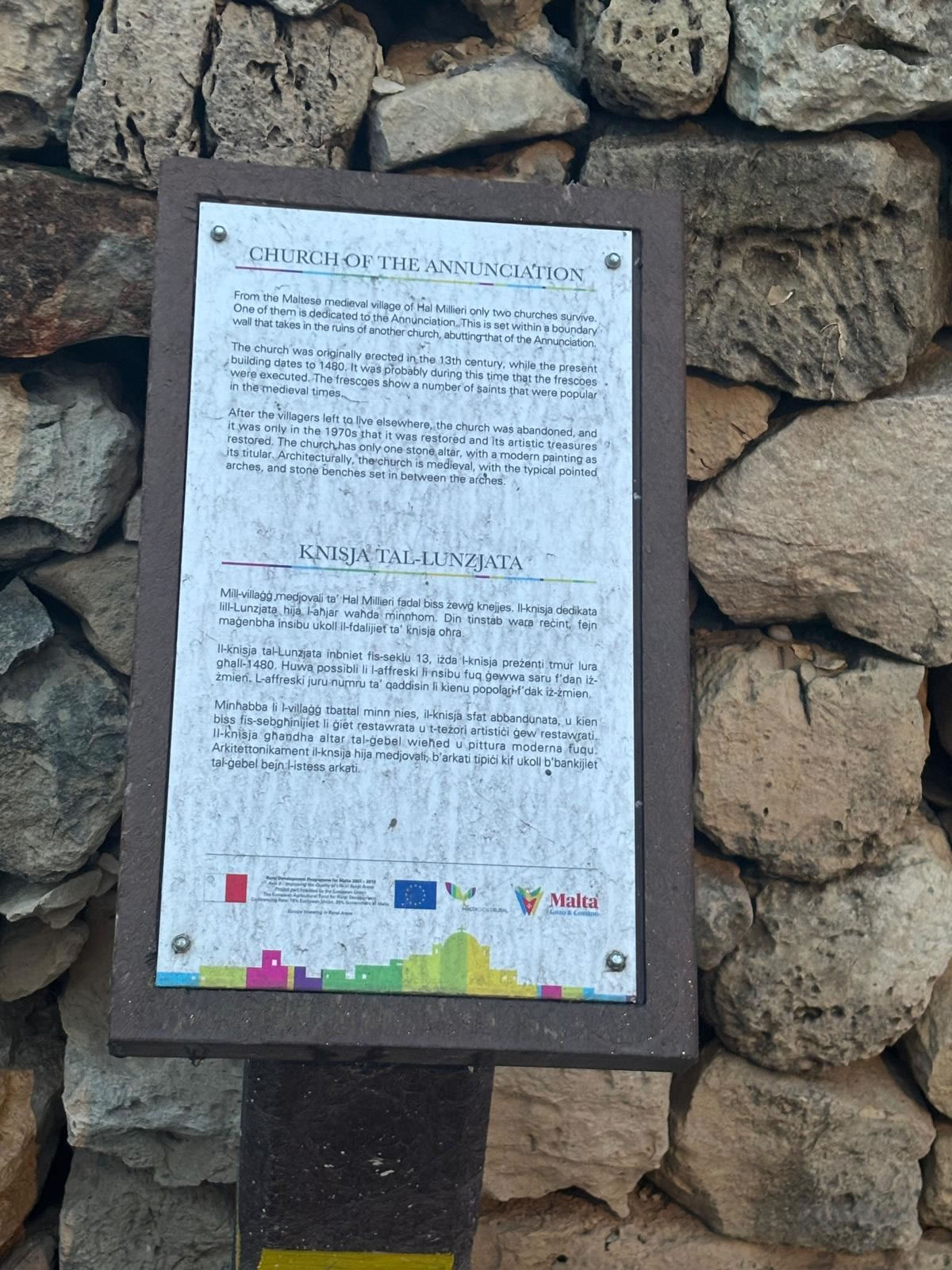
The church was originally erected in the 13th century, forming part of an early rural settlement at Ħal Millieri.
The present structure dates to 1480, reflecting late-medieval construction methods and architectural continuity on the site.
During the 1970s, the chapel underwent careful restoration works aimed at stabilising the building and conserving its
historic fabric, including the protection of its important interior artworks. These interventions helped ensure the survival of one of
Malta’s most significant medieval chapels into the modern era.
History: a rural chapel with a long devotional life
Ħal Millieri sits in a countryside landscape that once supported small rural communities and estates.
Chapels like Il-Lunzjata were built to serve local worship away from fortified towns—providing a place for Mass, devotion,
and seasonal religious observance tied to agricultural life.
The chapel is generally regarded as medieval, and heritage writing often links the site to an earlier place of worship on the same footprint.
Over time, the chapel’s significance grew beyond local devotion because it preserved rare painted cycles that help tell the story of Maltese
medieval art and spirituality.
Construction: medieval stonework and a compact sacred plan
Il-Lunzjata is typical of medieval Maltese rural chapels: modest in size, built in local limestone, and designed around a simple liturgical focus.
Its architecture prioritises function and durability—creating a quiet, enclosed interior suitable for intimate worship rather than large congregations.
- Materials: Maltese limestone, shaped for practical rural construction and lasting stability.
- Form: compact plan that emphasises the altar and the devotional axis of the space.
- Historic layers: the building’s fabric reflects phases of care and maintenance rather than a single “once-only” build moment.
Art and interior: the fresco tradition
The chapel’s most celebrated feature is its medieval wall painting programme (commonly described as frescoes).
These paintings are valued not only for their beauty but because they preserve rare evidence of how Maltese medieval worship spaces looked and felt.
In a small interior, painted narratives and saintly figures would have shaped prayer, teaching, and communal memory.
What to notice: surviving painted panels, figure outlines, and the way images wrap around the sacred space.
Why it’s rare: many medieval paintings were lost to rebuilding, humidity, and later renovations elsewhere.
Use over time: worship, continuity, and heritage care
Historically, chapels like this functioned as local devotional centres—used for Mass, Marian devotion (the Annunciation),
and the rhythms of rural religious life. In later centuries, as parish structures strengthened and access patterns changed,
many countryside chapels shifted toward occasional use: feast days, special liturgies, and heritage openings.
Today, Il-Lunzjata is widely appreciated as a heritage site as much as a place of worship—valued for its medieval fabric,
its artwork, and its ability to connect visitors to Malta’s rural past.
FAQ
Is this the same “Lunzjata” as the Salini chapel?
No. Both are dedicated to the Annunciation, but Ħal Millieri (Żurrieq limits) is a medieval chapel famous for frescoes, while Salini’s chapel is a different site.
Why are medieval frescoes so important?
They preserve rare evidence of medieval artistic practice and devotional life in Malta, especially where other painted cycles were lost over time.
Can I visit inside the chapel?
Possibly, but not always. Like many rural chapels, it may open only on certain days, for services, or as part of heritage events.