Situated in the historic outskirts of Rabat, within the fertile valley contours that drop away from the old capital of Mdina, Għajn Ħammiehem stands as one of the largest and most architecturally monumental public wash houses on the island of Malta. Embellished with formal baroque components and structural ribbing from the Order of St. John era, this sprawling subterranean and semi-enclosed facility highlights the elite engineering works commissioned by the Knights to manage the region's abundant natural springs.
Quick Reference Data
| Official Name | Għajn Ħammiehem (Spring of the Baths/Warm Waters) |
|---|---|
| Location | Għajn Ħammiehem Road, Rabat, Malta |
| Historical Era | 17th / 18th Century (Order of St. John patronage adaptations) |
| Hydrological Context | Perched Aquifer drainage flanking the Rabat-Mdina plateau |
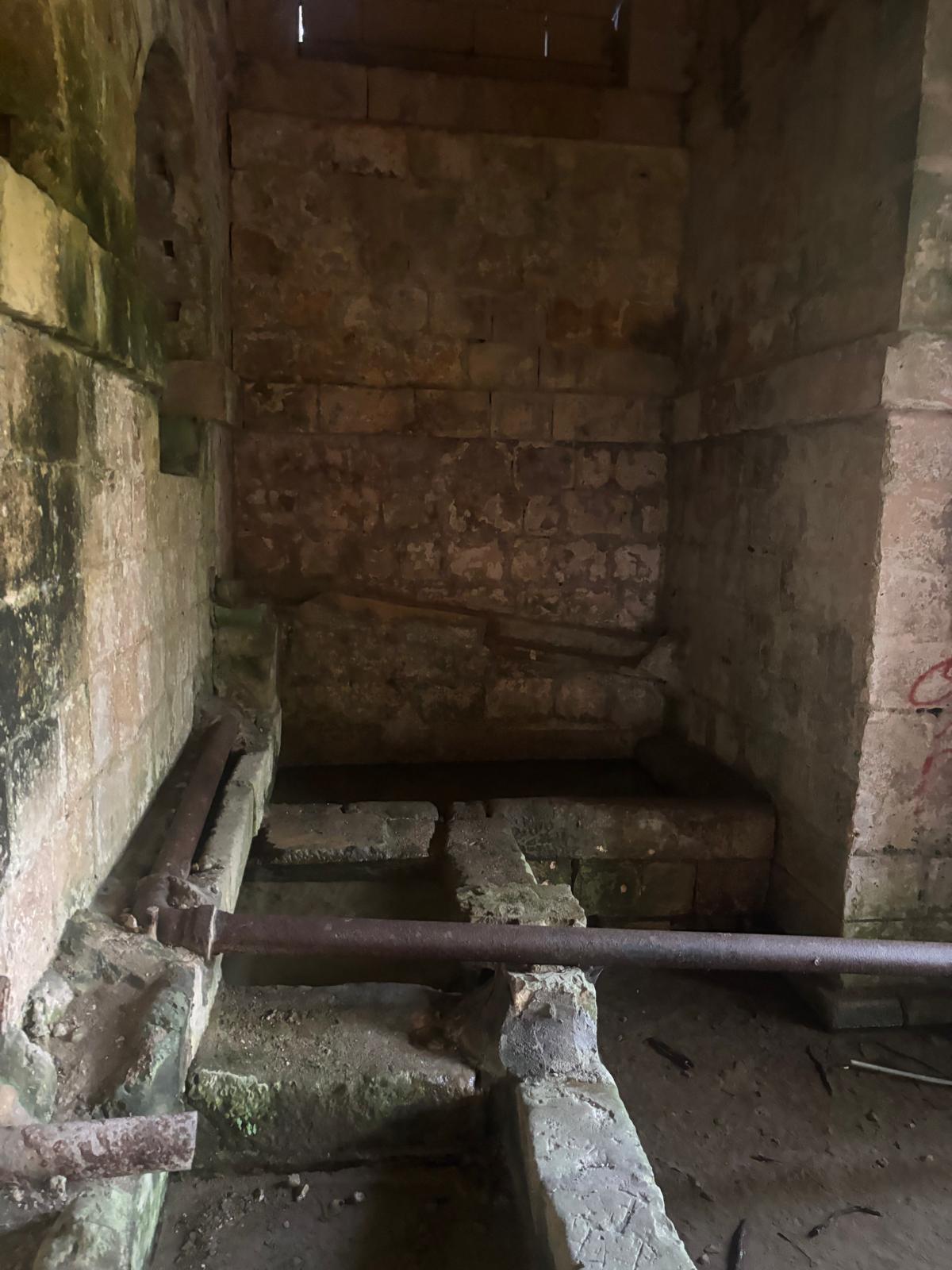
| Key Features | Multi-bay transverse arches, external heraldic escutcheon, historical iron conduit overlay |
Monumental Architecture & Patrolling Infrastructure
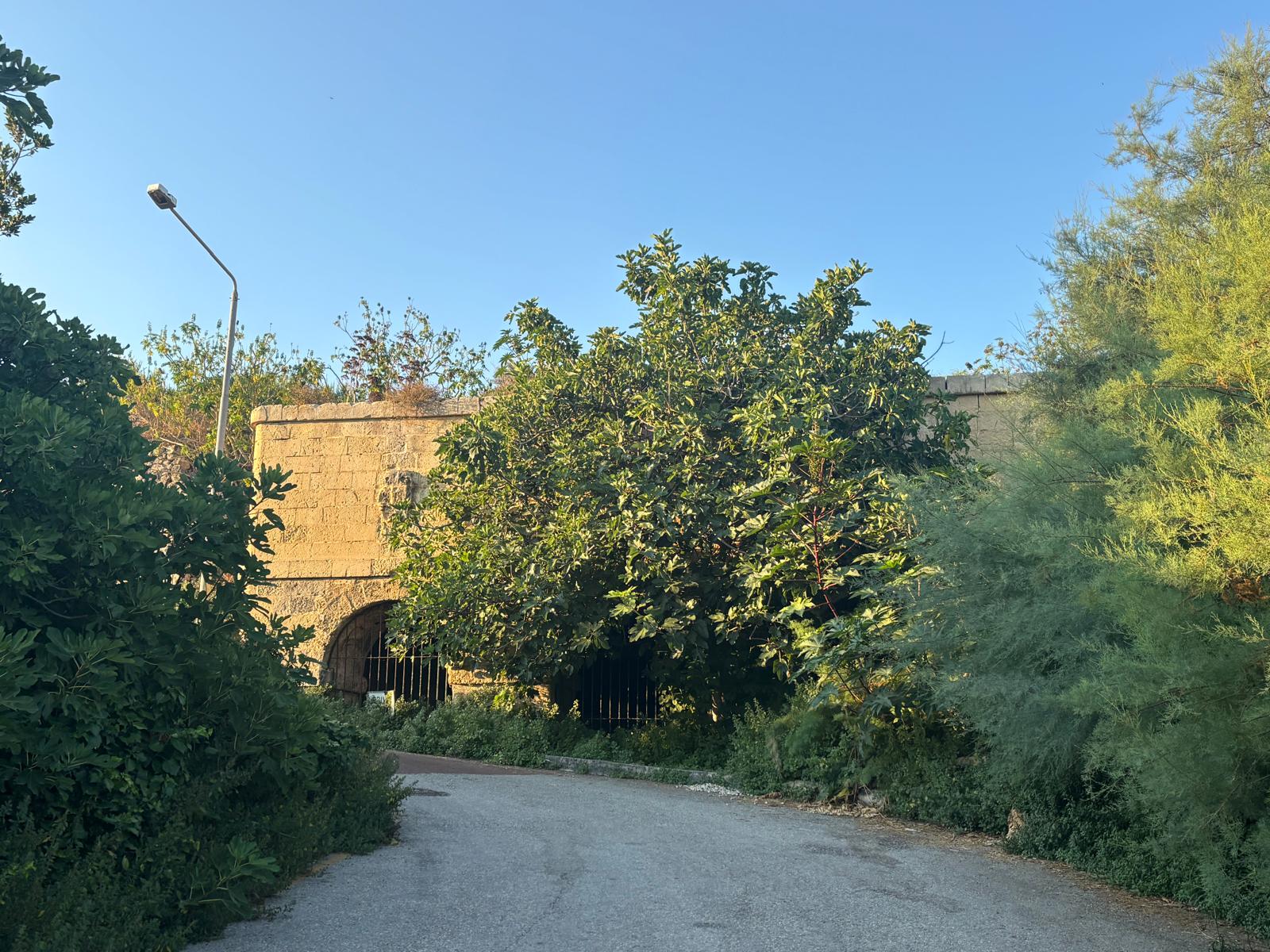
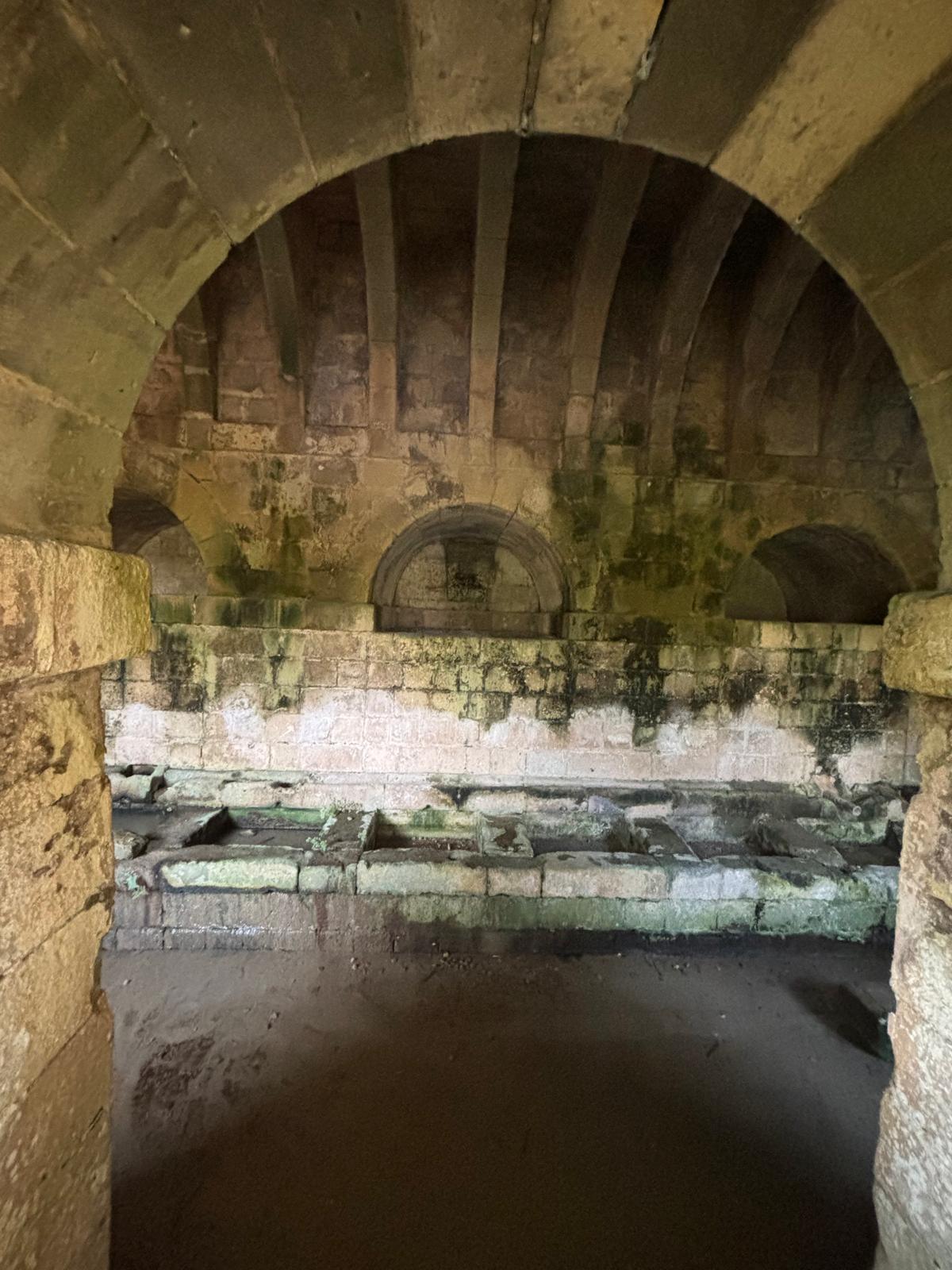
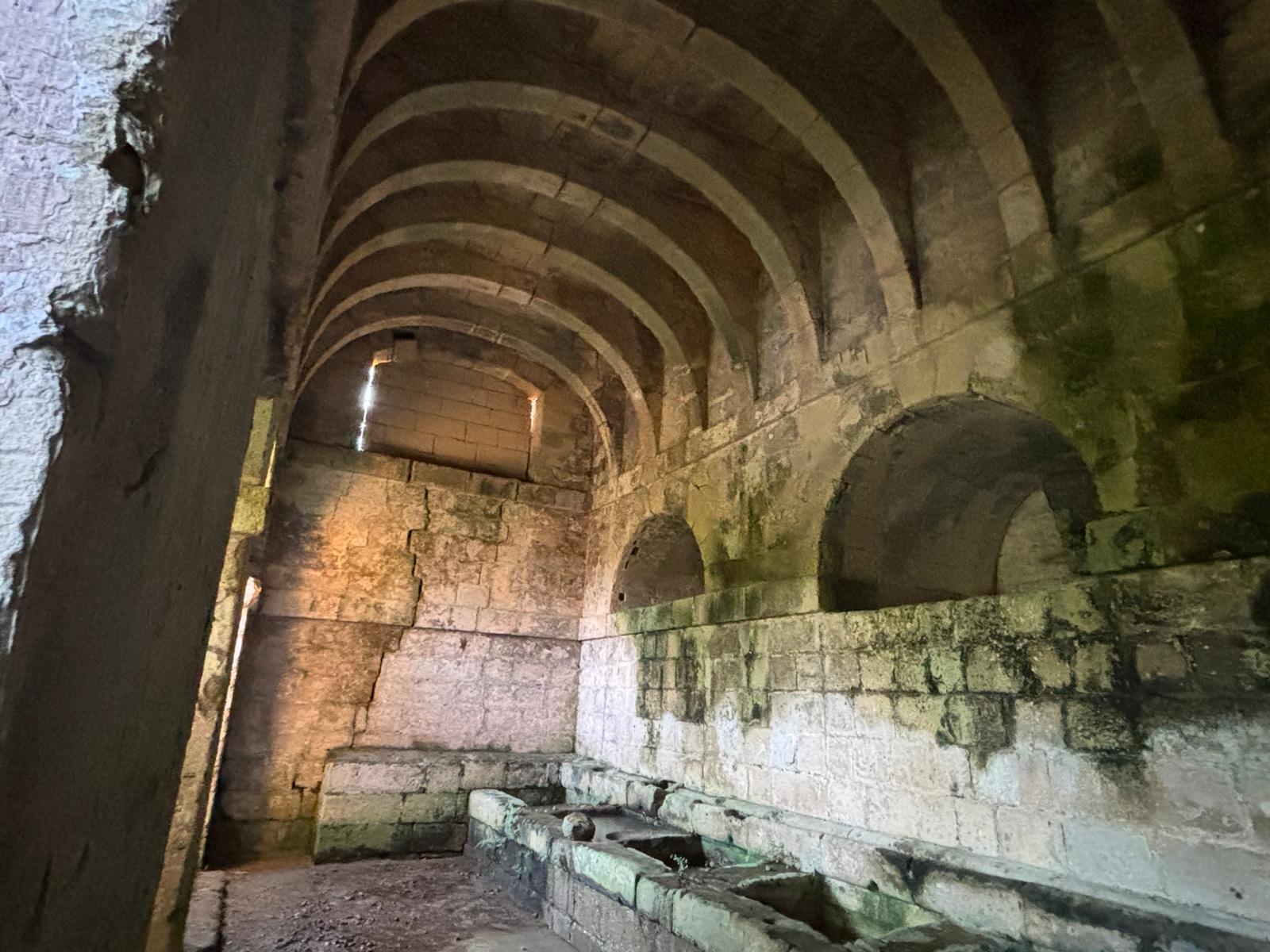
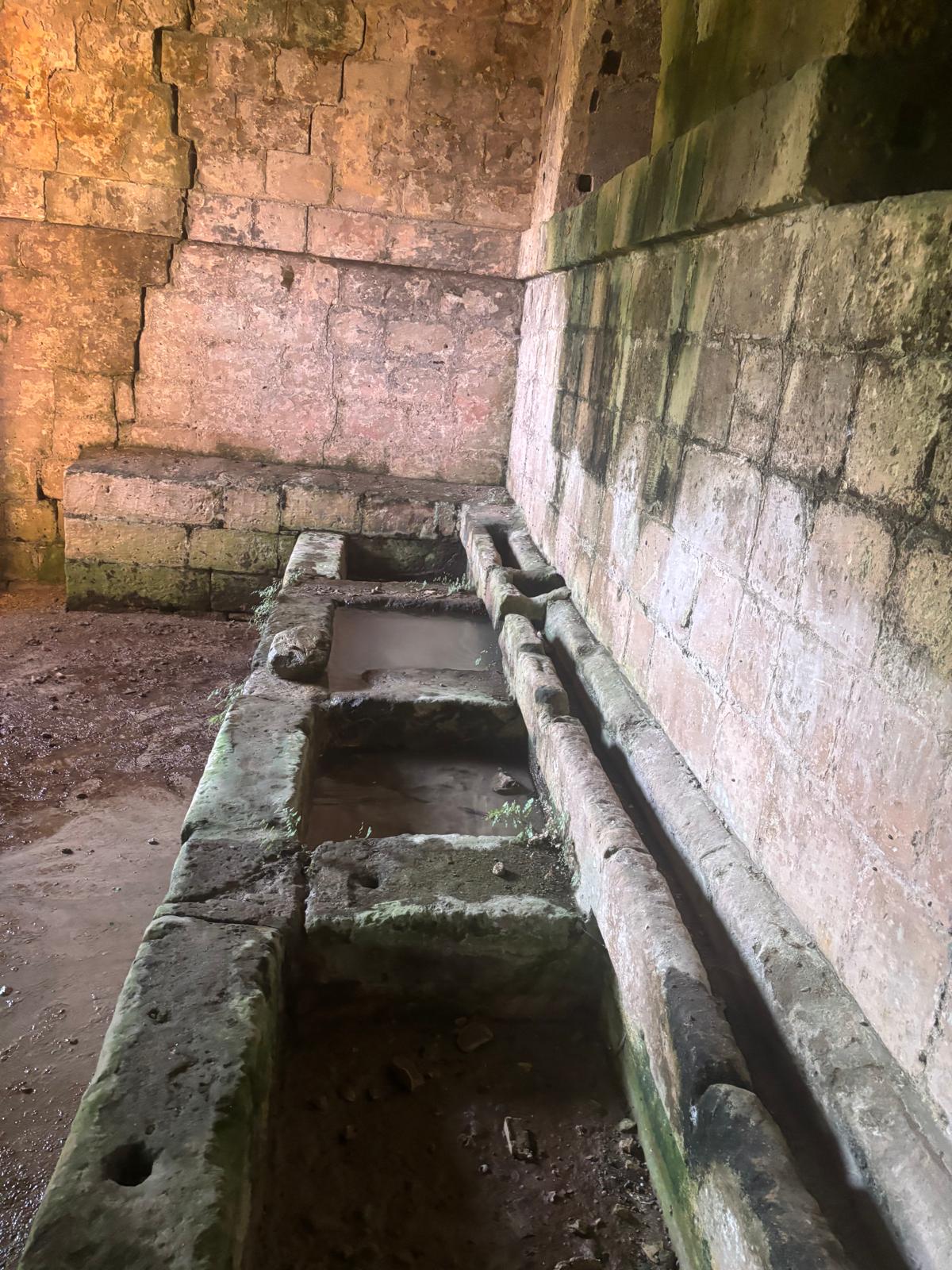
Architecturally, Għajn Ħammiehem steps completely away from the typical single-vault rural wash house. The interior features a grand, cavernous hall sheltered under a succession of heavy stone cross-ribbed arches. This sophisticated transverse rib structure allowed master builders to secure an expansive footprint against the shifting weight of the valley embankment, keeping the vast washing quarters safe from environmental degradation and landslides.
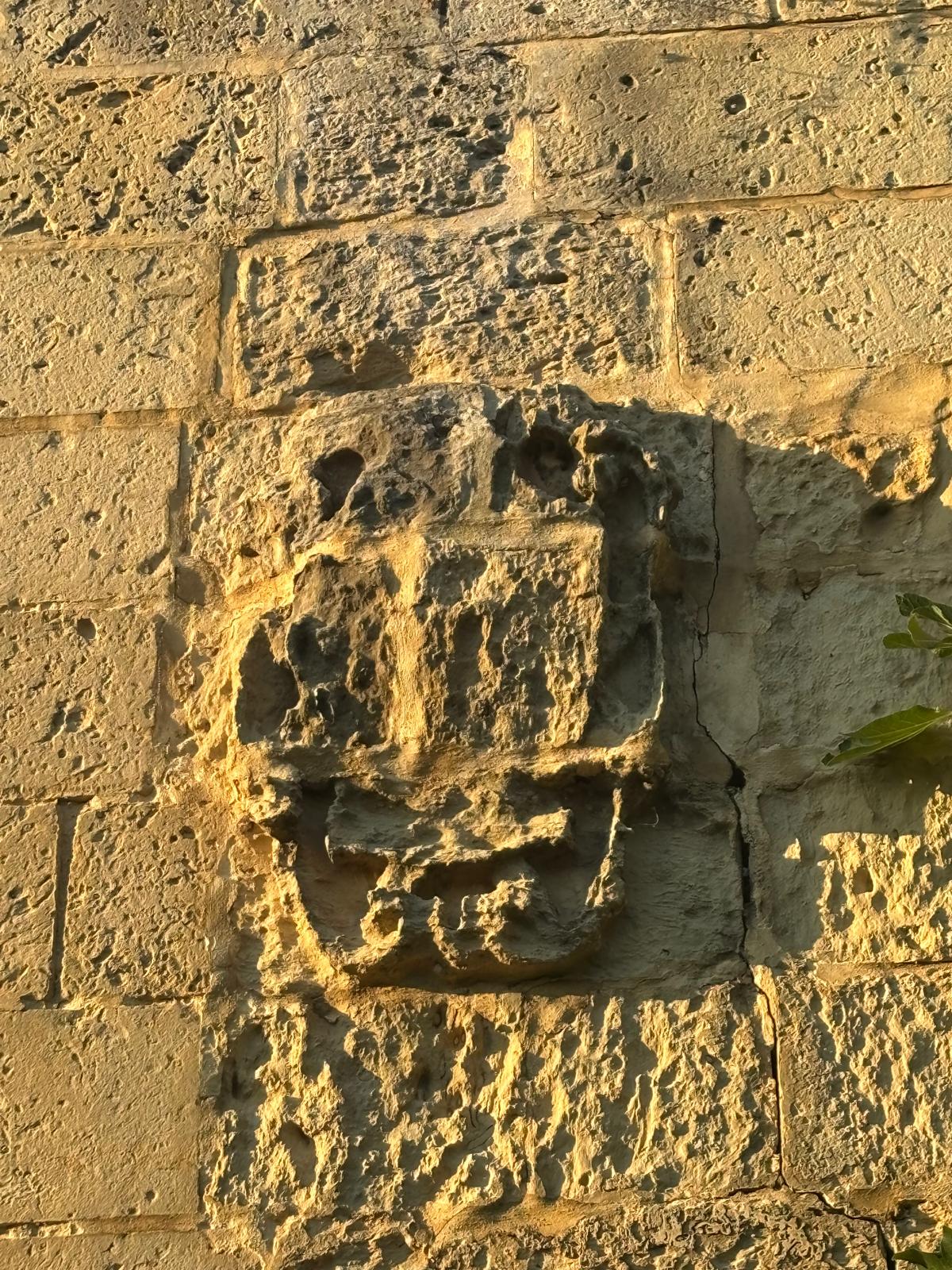
The external facade boasts a massive limestone retaining structure topped by a formal string course. Mounted high on this outer wall, heavily weathered by centuries of wind and water exposure, sits a prominent stone-carved coat of arms. This formal escutcheon denotes magisterial or institutional oversight by the Order of St. John, proving that the spring was a high-value state asset linked directly to the broader water supply grid feeding the surrounding agricultural lands and town centers.
Field Photography Documentation
The following original field photos show the scale, structural features, and preservation status of the Għajn Ħammiehem complex:
Frequently Asked Questions (FAQ)
Research & Documentation
- Researcher: Paul Berman
- Last Updated: 2026
This page forms part of eMalta's ongoing documentation of the historical, cultural and religious heritage of Malta and Gozo.
Information has been compiled through site visits, field research, historical publications, archival records, maps, plans and other reference sources.
All locations that currently exist featured on eMalta have been personally visited and documented. Where historic sites no longer exist, information has been researched from archival sources and contemporary records.
Images used on eMalta include original photography as well as historical illustrations, maps and photographs reproduced with permission from archives, institutions and copyright holders where applicable. Individual image credits and archive reference numbers are provided where available.