Architectural & Historical Overview
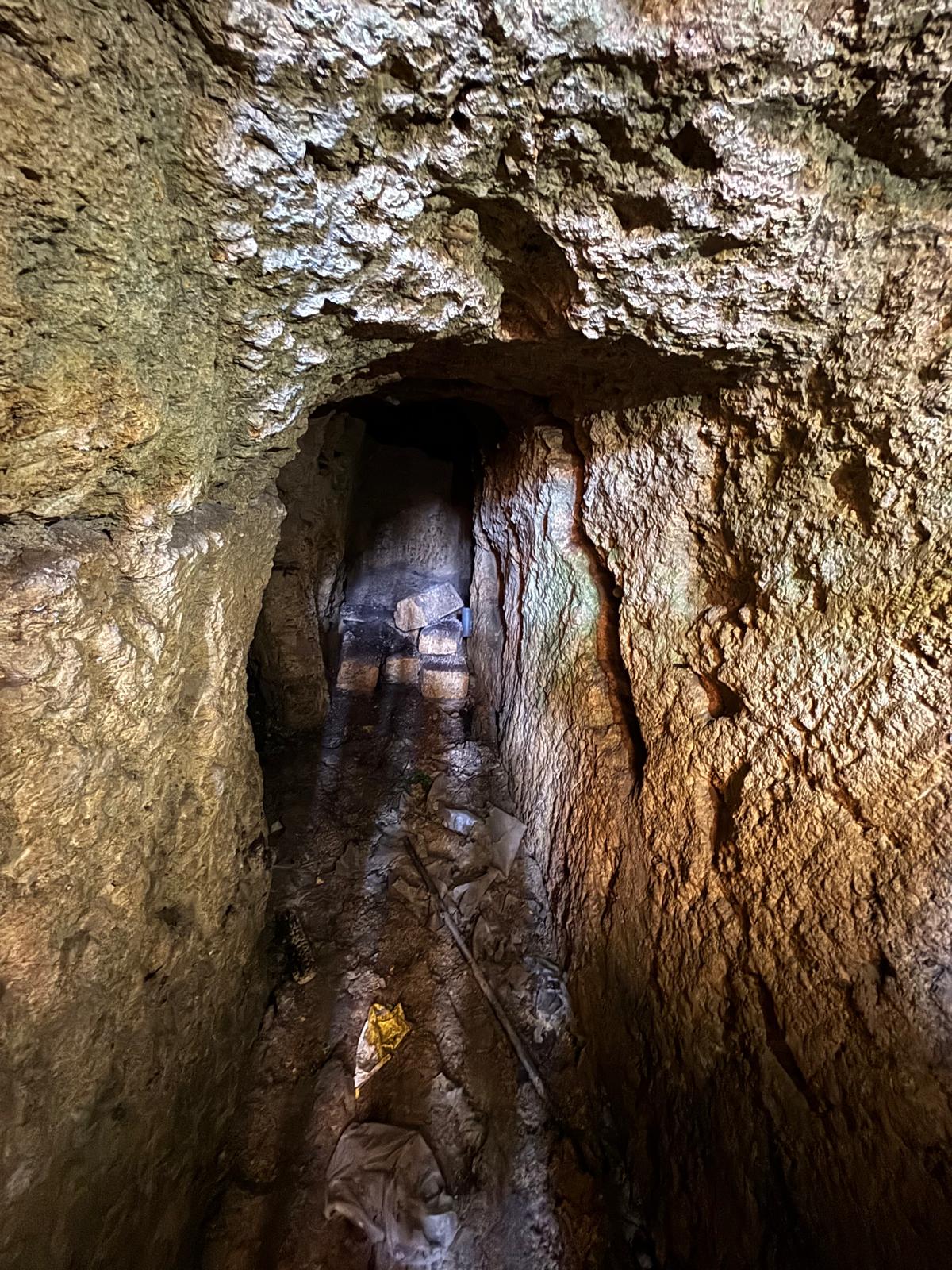
The entire history and identity of the village of Għajnsielem is inextricably linked with its water topography. The name of the locality itself, meaning "Spring of Salem" (Spring of Peace), directly references the rich perennial freshwater aquifer that historically surfaced here, serving as a vital oasis for travelers, farmers, and early settlers coming from the Grand Harbour area.
The 1710 Perellos Masterwork
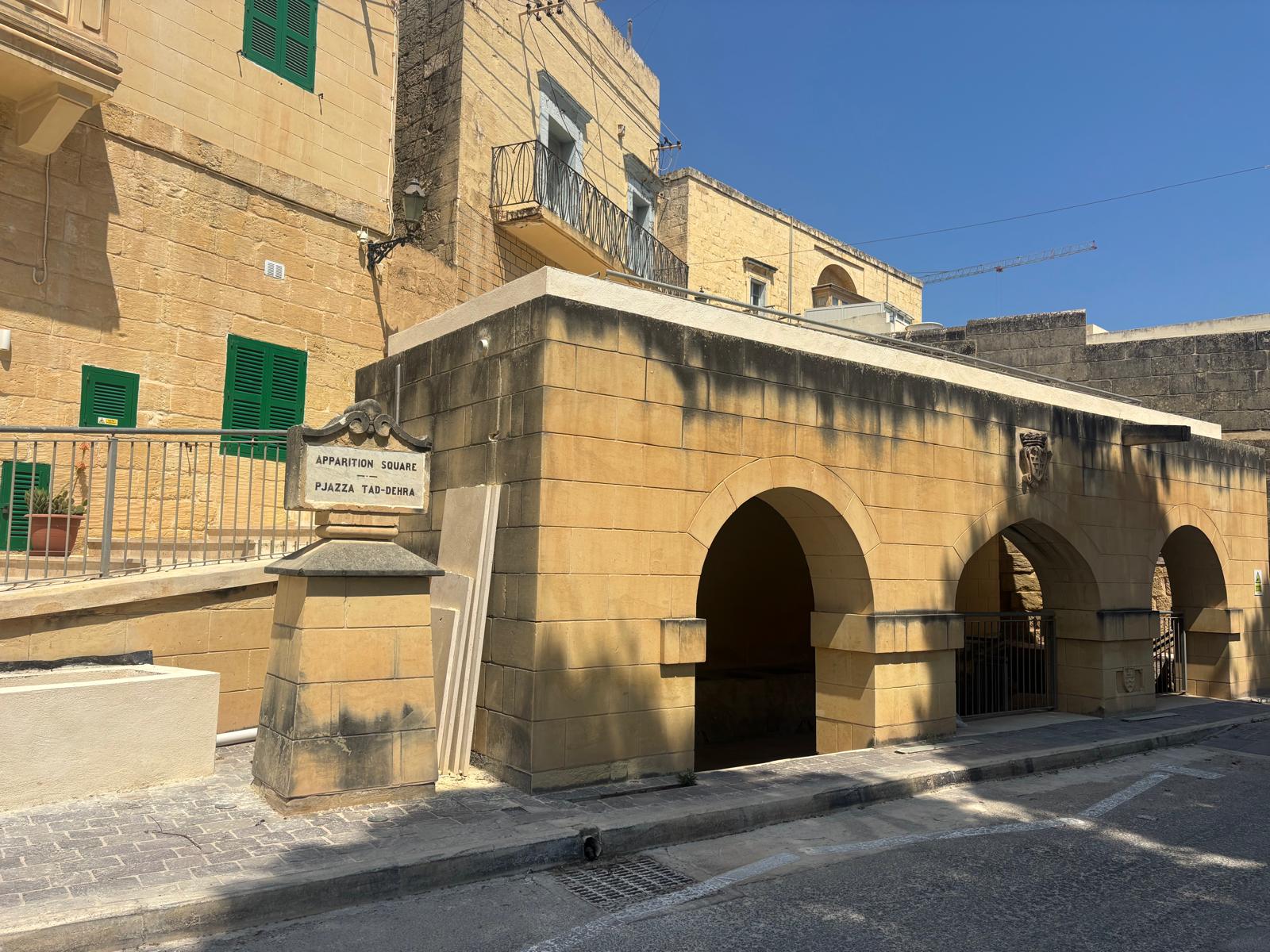
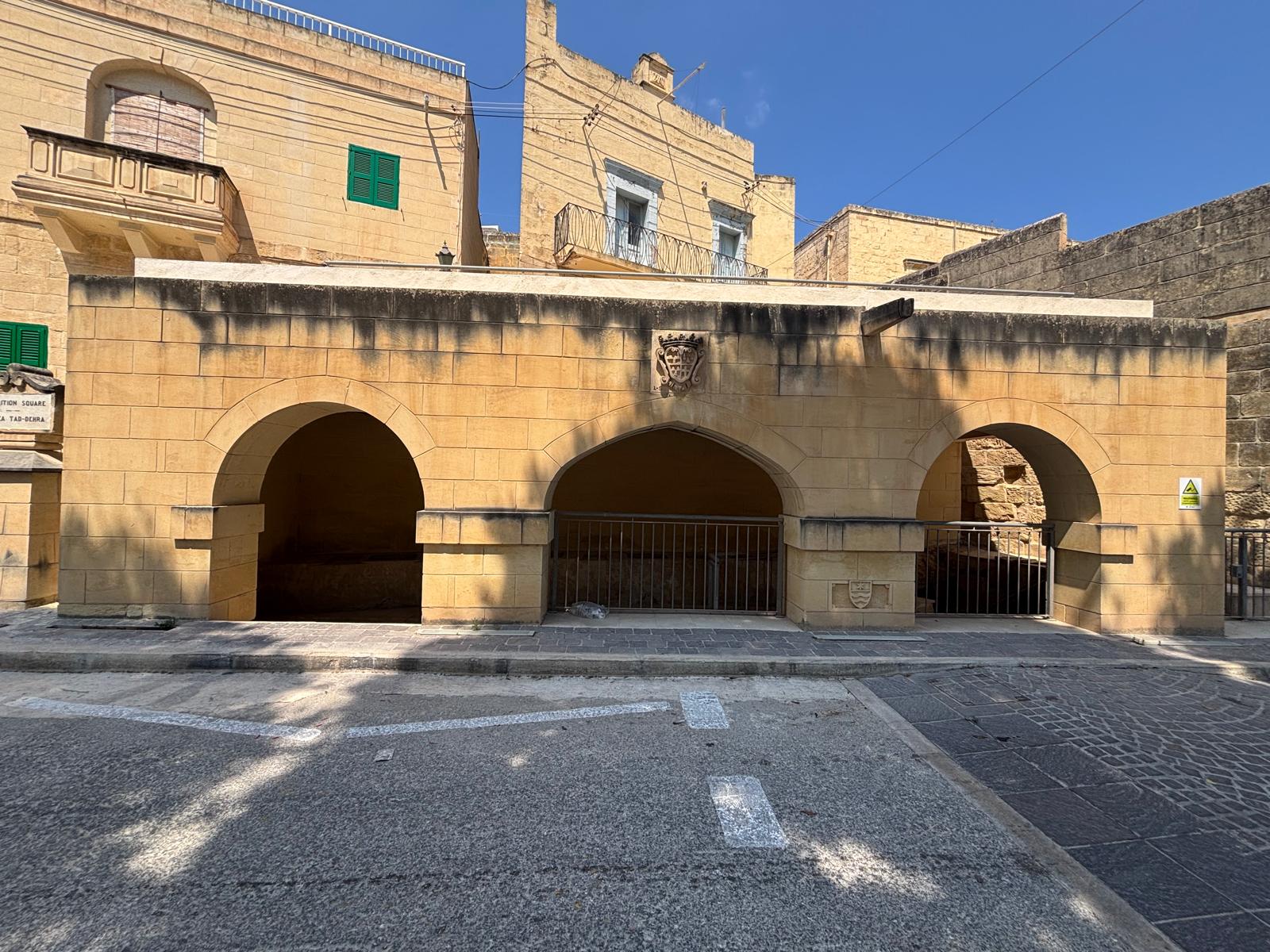
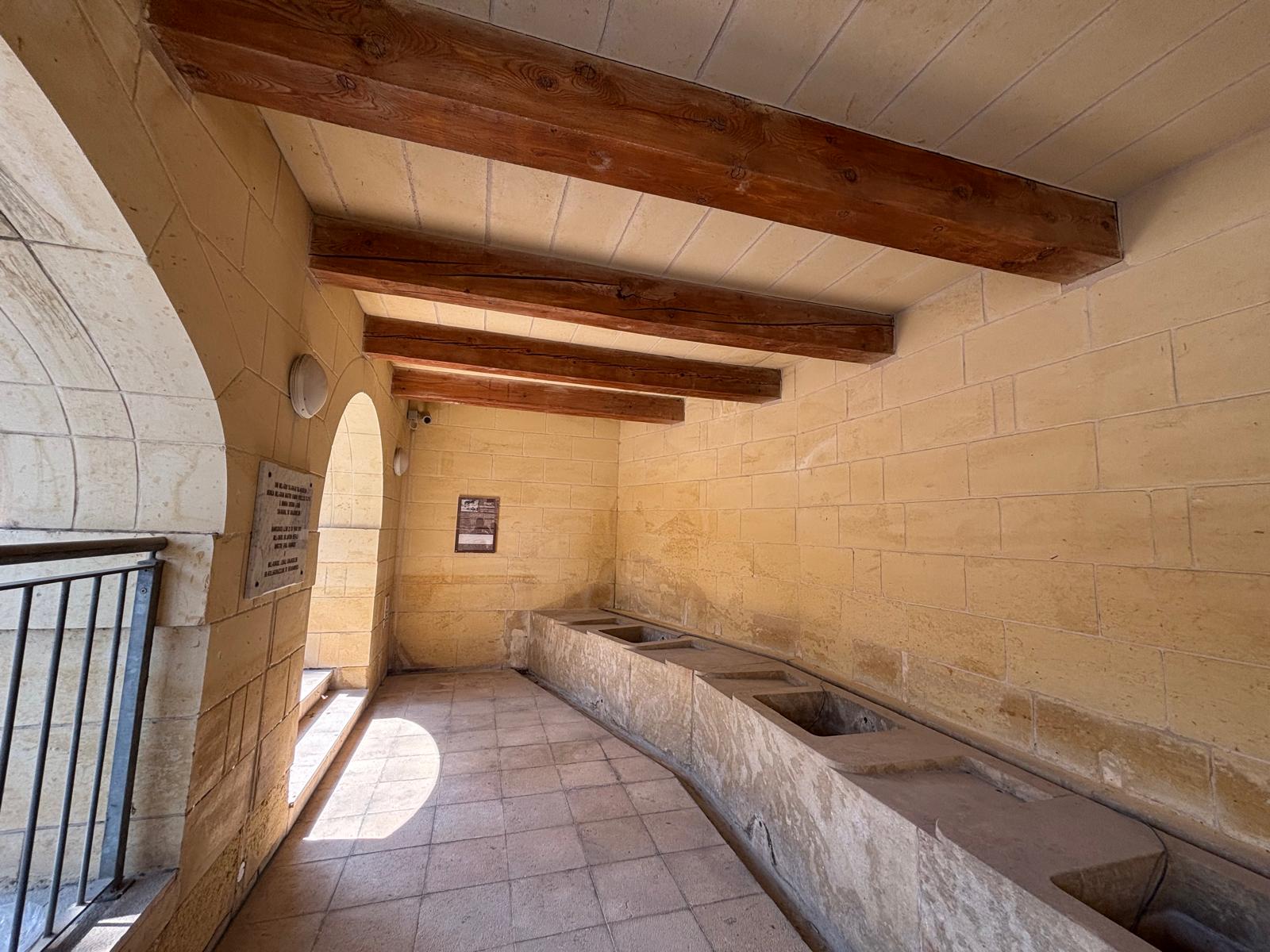
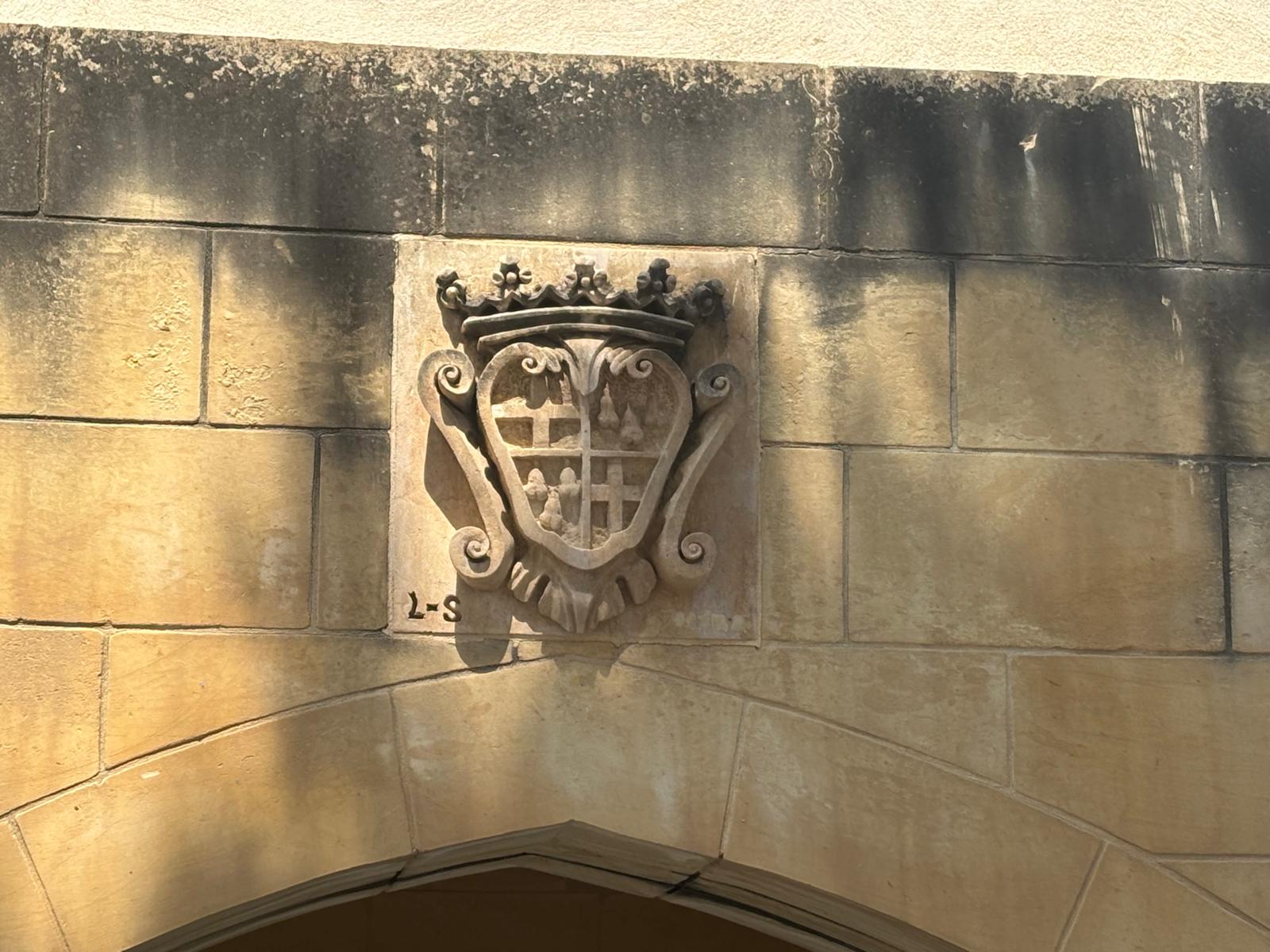
Recognizing the immense socio-economic value of this natural asset, Grand Master Ramon Perellos y Roccaful formalized the site in 1710. He commissioned the construction of an organized, elegant public wash house complex built directly around the freshwater spring. This vaulted masonry structure enclosed six individual stone washing basins (ħasrija). For nearly two and a half centuries, it stood as the beating physical and social heart of the community, serving as an active daily workspace for generations of local launderers.
Post-War Demolition (1953–1954)
Tragically, post-war civic developments prioritized vehicle access and open layout over vernacular architecture. Between 1953 and 1954, the monumental vaulted wash house was completely dismantled and demolished. To pave the way for expanding the main square, today known as Apparition Square (Pjazza tad-Dehra), the historic structure was cleared, and the ancient natural water spring was completely entombed deep underground.
Subterranean Archaeological Recovery
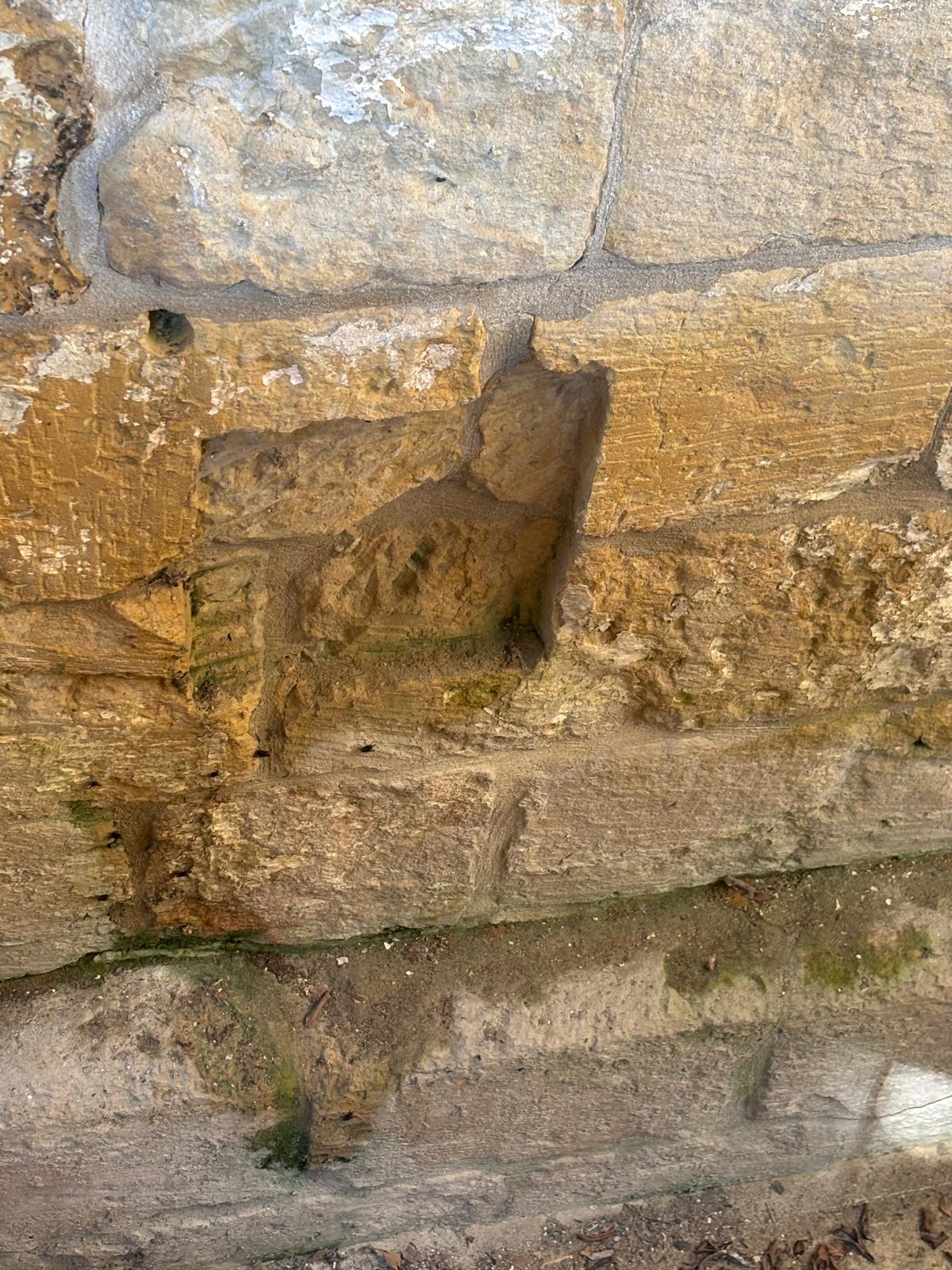
Though lost to view for decades, recent infrastructural town embellishments and archaeological surveys under strict state supervision successfully excavated the site. The work revealed that the 1710 foundations, floor flagstones, and the original masonry walls of Perellos' wash house still survive completely intact beneath the modern paving stones of the square, keeping the underground roots of Għajnsielem preserved.