Malta has had three major capitals across its long and strategic history: Mdina, Birgu (Vittoriosa), and Valletta. Each reflects a different era — from ancient civilisations to the Knights of St John and modern Malta.
Mdina – Malta’s First Capital (Ancient Times to 1530)

Mdina, often called the “Silent City,” was Malta’s original capital for over a millennium. Its origins date back to around 700–800 BC, when the Phoenicians established a settlement called Melite.
During the Roman period (218 BC – 870 AD), Mdina became the administrative centre of Malta. The Romans expanded the city and developed infrastructure, making it a key regional hub.
In 870 AD, the Arabs conquered Malta and redesigned the city, giving it the name Medina, meaning “city.” They introduced narrow streets and strong defensive systems that remain visible today.
Following the Norman conquest in 1091, Mdina became the centre of feudal power and remained the capital throughout the Middle Ages.
Between the 12th and 15th centuries, Mdina served as the administrative and religious heart of Malta, housing noble families and governing institutions.
In 1530, the Knights of St John arrived. Due to Mdina’s inland position, it gradually lost its role as capital in favour of coastal cities.
• c. 700 BC – Phoenician settlement
• 218 BC – Roman rule begins
• 870 AD – Arab redesign
• 1091 – Norman conquest
• 1530 – Knights arrive
Birgu (Vittoriosa) – Capital of the Knights (1530–1571)
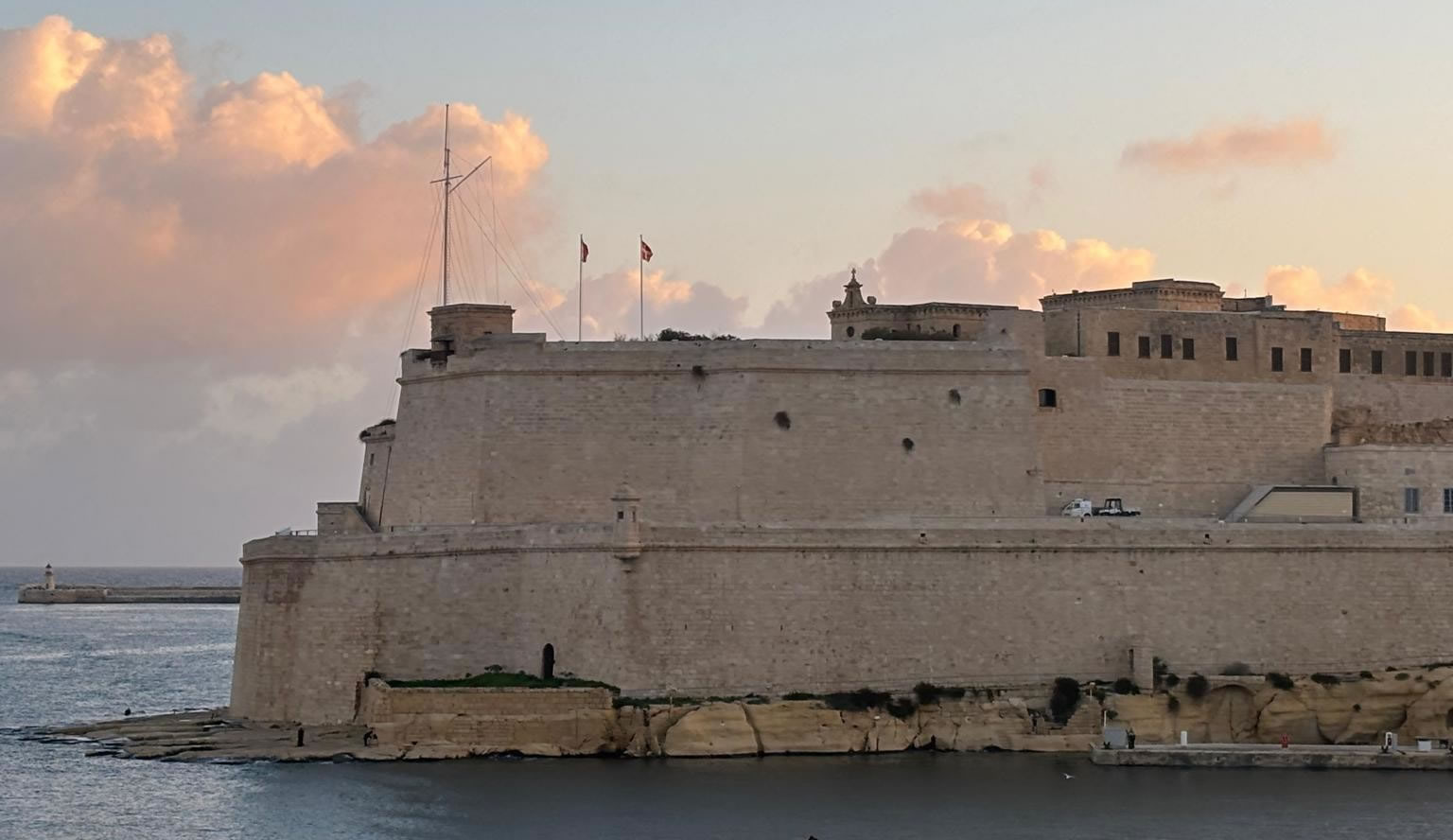
Birgu became Malta’s capital when the Knights of St John arrived in 1530. Its location on the Grand Harbour made it ideal for naval defence.
The Knights fortified Birgu extensively, including Fort St Angelo, transforming it into a stronghold.
The defining moment came during the Great Siege of Malta in 1565, when Ottoman forces attempted to conquer the island. Birgu was at the centre of the conflict, and the Knights successfully resisted the invasion.
Following this victory, Birgu was renamed Città Vittoriosa (“Victorious City”).
However, the siege exposed defensive weaknesses, leading to the construction of a new capital, Valletta.
In 1571, the capital officially moved to Valletta.
• 1530 – Knights establish capital
• 1565 – Great Siege of Malta
• 1571 – Capital moves to Valletta
Valletta – Malta’s Modern Capital (1571–Present)
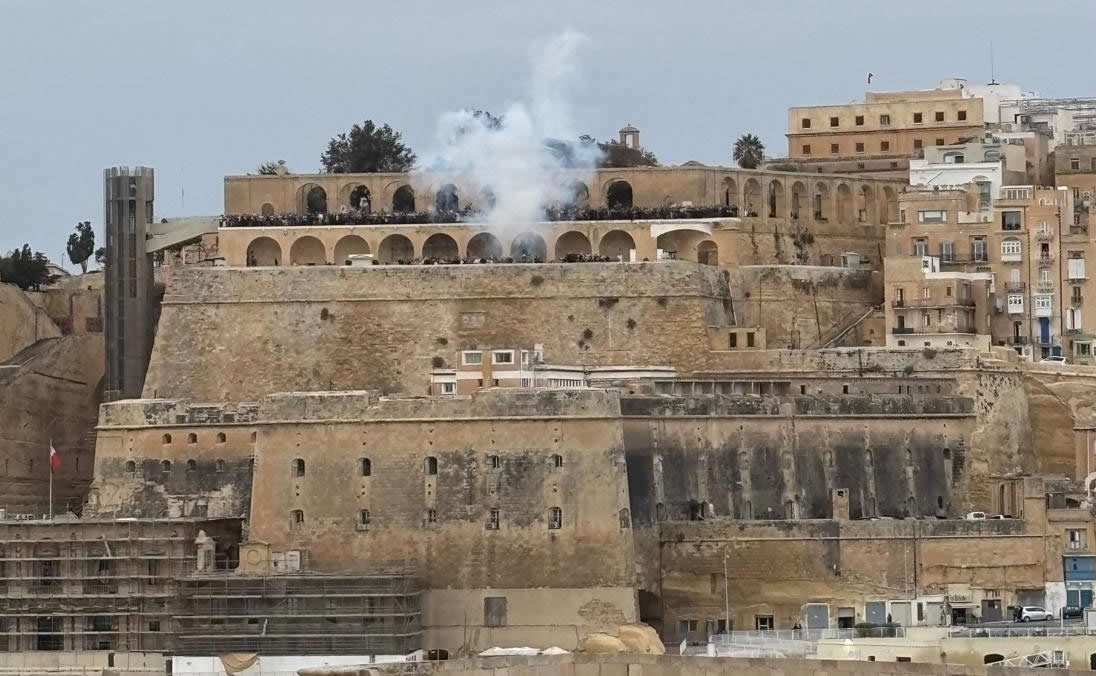
Valletta became Malta’s capital in 1571 after being built by the Knights of St John following the Great Siege.
Construction began in 1566 on the Sciberras Peninsula, designed as a fortified city with advanced urban planning.
During the 17th and 18th centuries, Valletta flourished, becoming Malta’s political and cultural centre.
In 1798, Napoleon captured Malta, but French rule ended in 1800 when the British took control.
Under British rule (1800–1964), Valletta remained the capital and an important naval base.
Malta gained independence in 1964 and became a republic in 1974, with Valletta continuing as the capital.
• 1566 – Construction begins
• 1571 – Capital established
• 1798 – French occupation
• 1800 – British rule
• 1964 – Independence
• Present – Capital city
Explore more Maltese locations:
https://emalta.com/places