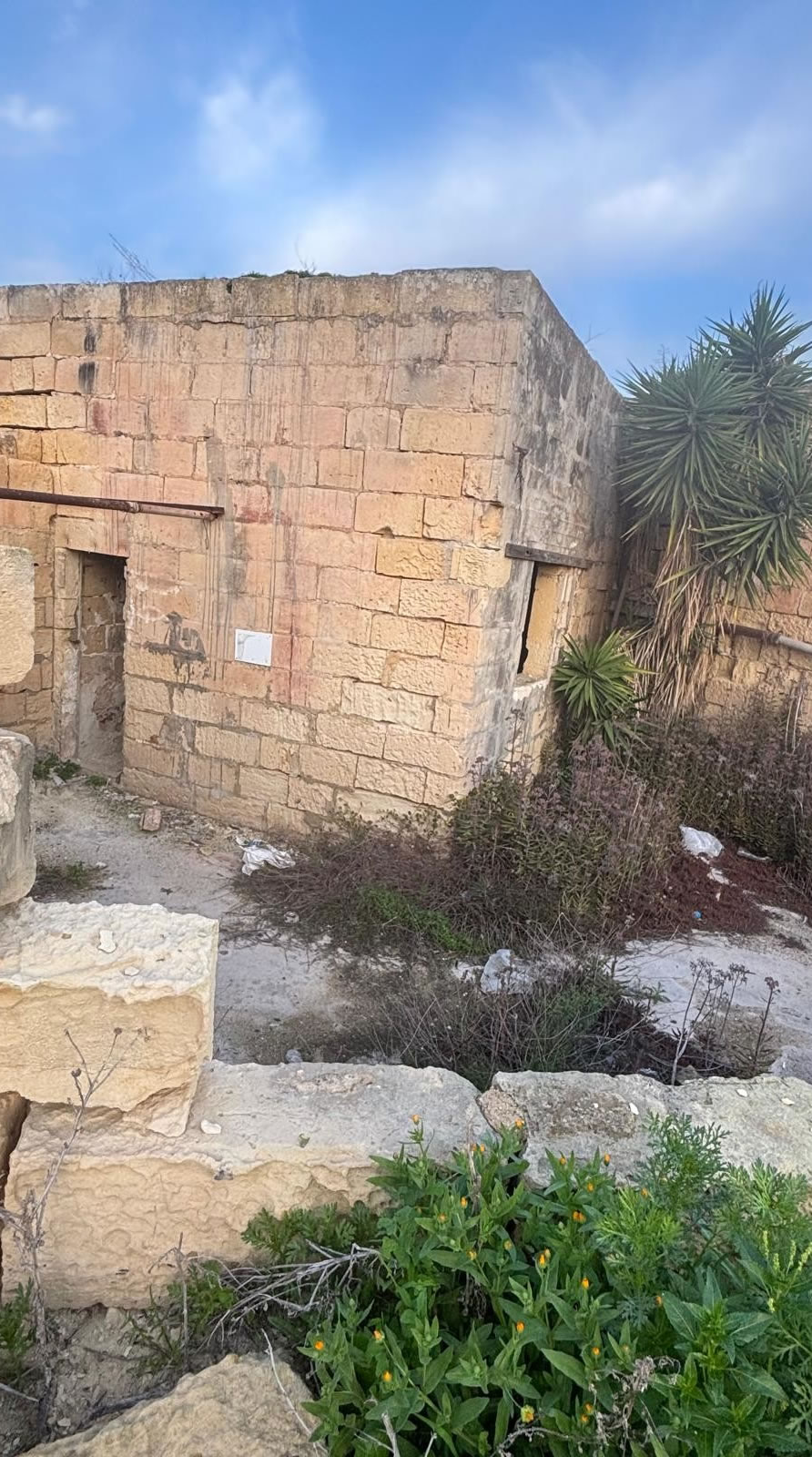
Ownership, management and legal protection (confirmed)
The official NICPMI record lists the property owner as Government and records a managing body (Għaqda Bajja San Tumas) under a guardianship deed context.
Primary conservation risks at Riħama
- Coastal exposure: salt-laden winds and wetting/drying cycles accelerate limestone decay.
- Structural loss already occurred: the official record confirms the left face collapsed into the sea.
- Missing defensive elements: entrance protection works are no longer extant.
What responsible “restoration” typically prioritises here
For a Grade 1 coastal battery, conservation usually focuses on stabilising historic fabric and slowing further loss rather than “rebuilding” conjectural parts:
- Stone conservation: compatible repointing, careful desalination approaches, consolidation where needed
- Water control: reducing ponding and directing runoff away from vulnerable joints and edges
- Edge and cliff-related safety: managing risk zones around the collapsed side and coastal edges
- Minimal, reversible interventions: gates/handrails/signage designed to be removable and non-invasive
- Interpretation: on-site panels or digital guides to explain what is missing (e.g., collapsed face, missing redan)
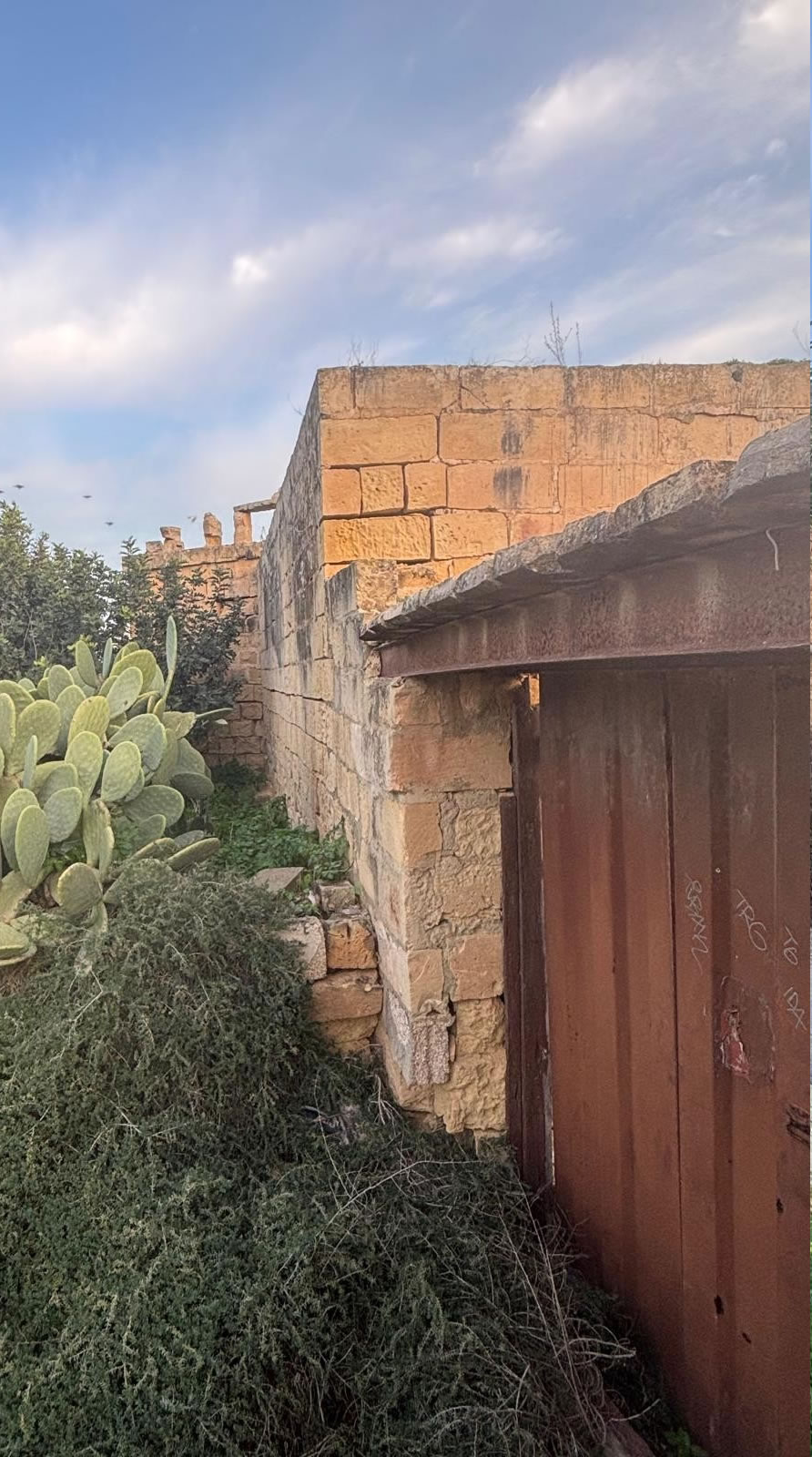
Alterations as part of the site’s story (confirmed)
The battery’s blockhouse underwent confirmed 19th and early 20th century alterations. In conservation terms, these changes may be historically significant in their own right and often require careful evaluation rather than automatic removal.
For visitor-facing interpretation, connect this page with Use & Visiting to explain why access is limited and how to view safely.