Għar Ħanżir – Għar tas-Slaleb
The Cave of the Crosses
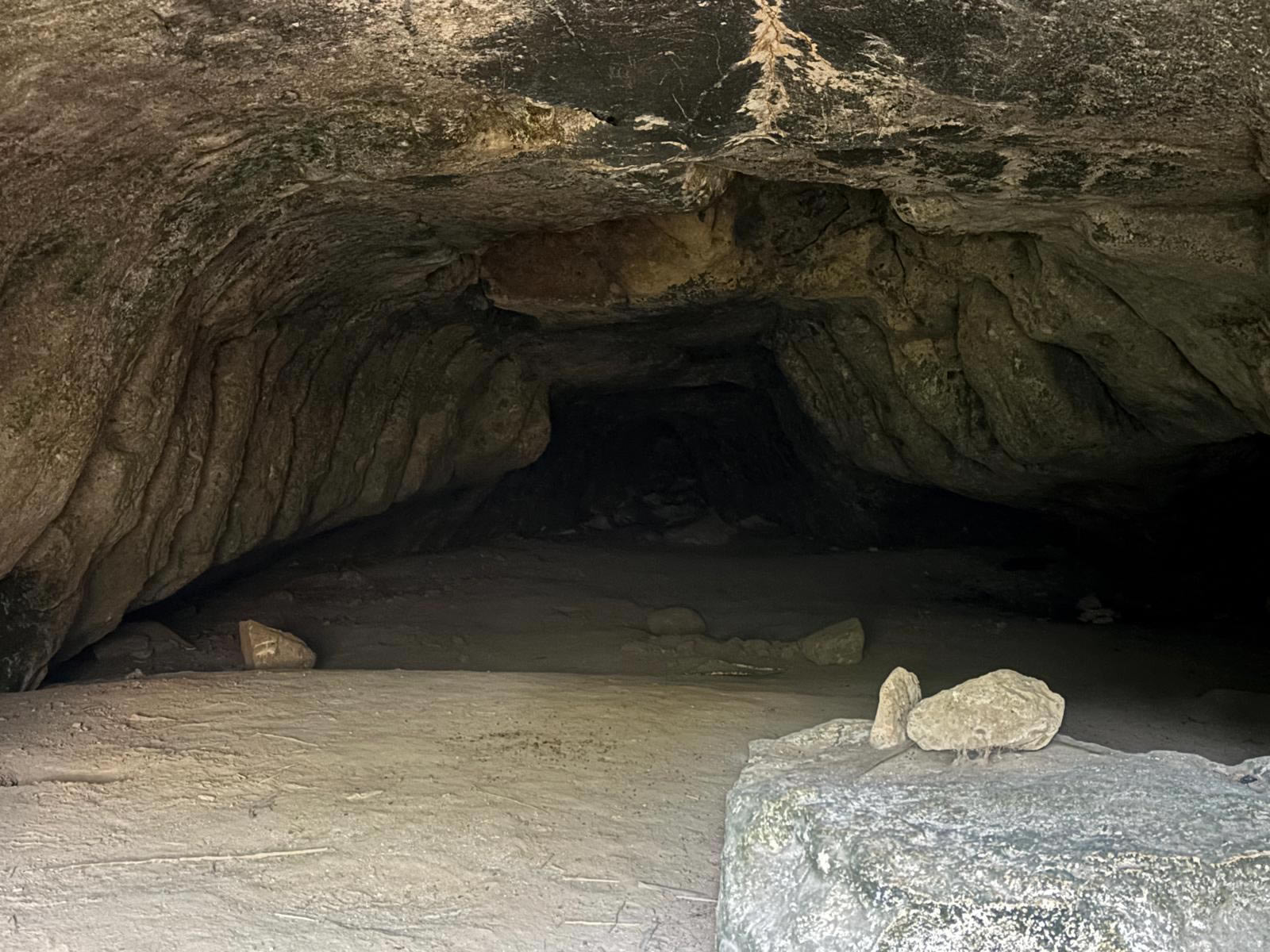
Hidden among the vegetation of Wied il-Kbir, on the boundary between Qormi and Siġġiewi, is a remarkable rock-cut cave known as Għar Ħanżir, or Għar tas-Slaleb – the Cave of the Crosses.
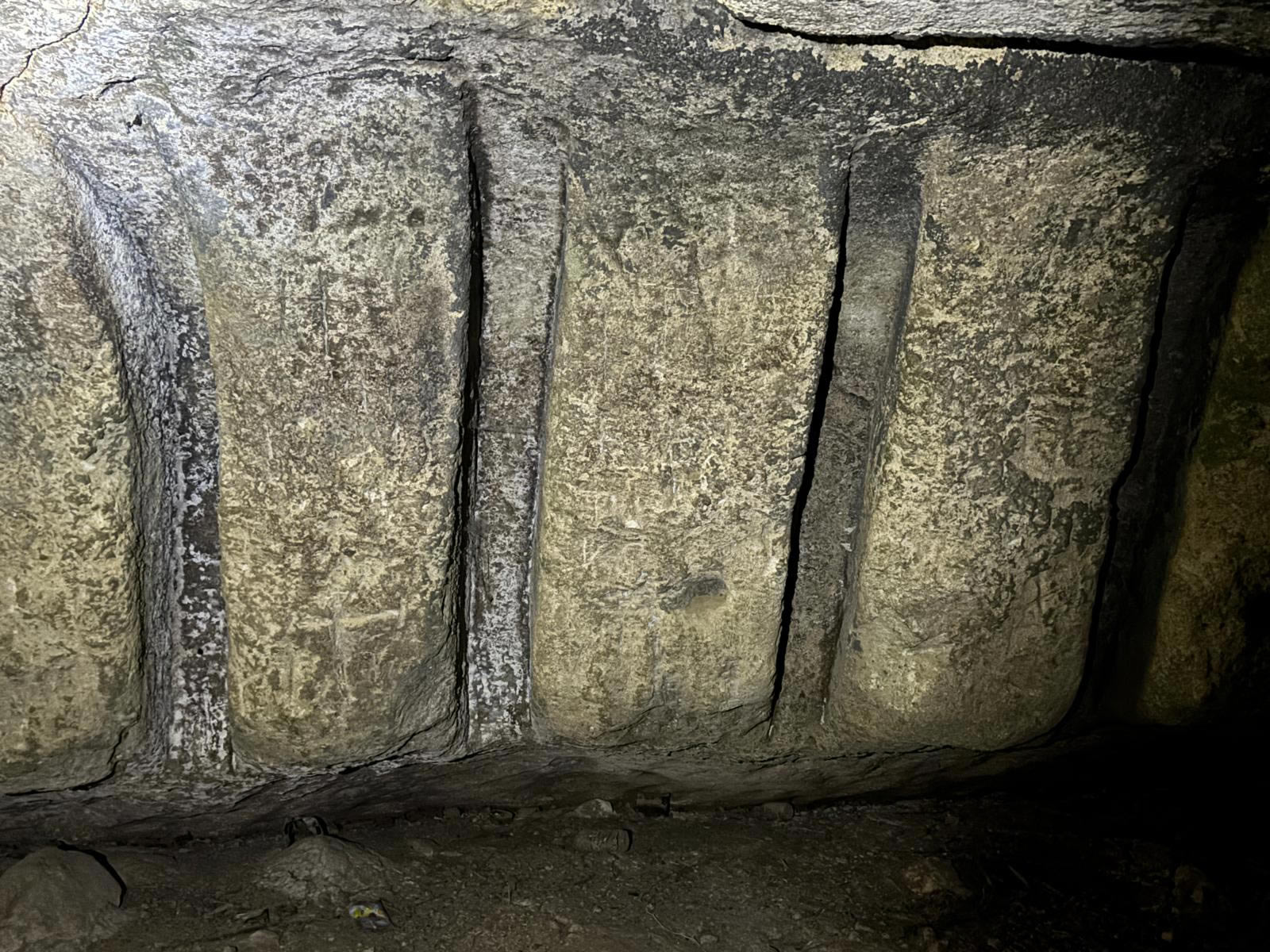
The cave is one of Malta's lesser-known examples of a troglodytic religious site. Unlike an ordinary natural cave, parts of its interior were deliberately modified. The walls were cut into a series of vertical ribs or pilasters, giving sections of the cave an architectural appearance. Crosses were subsequently carved into the rock.
Archaeologist Mario Buhagiar has suggested that the cave may have served as an anchoritic religious station, although the precise date and original function remain uncertain.

A Very Old Name
The name Għar Ħanżir is considerably older than the name Għar tas-Slaleb.
In his Della Descrittione di Malta, published in 1647, the Maltese historian Giovanni Francesco Abela recorded the site as Għar Hanzira, essentially meaning the "Cave of the Sow" or "Sow's Cave".
The later name Għar tas-Slaleb, meaning "Cave of the Crosses", reflects the numerous crosses carved into the cave's interior.
Interestingly, Abela did not mention the rock-cut pilasters or the crosses. This may indicate that he did not personally explore the interior of the cave.
The Rock-Cut Interior
The main chamber is considerably larger than the concealed entrance initially suggests. Within it, the natural limestone has been deliberately altered to create vertical depressions and projecting ribs resembling architectural columns or pilasters.
These features give the cave an unusual appearance, almost suggesting the interior of a small underground church.
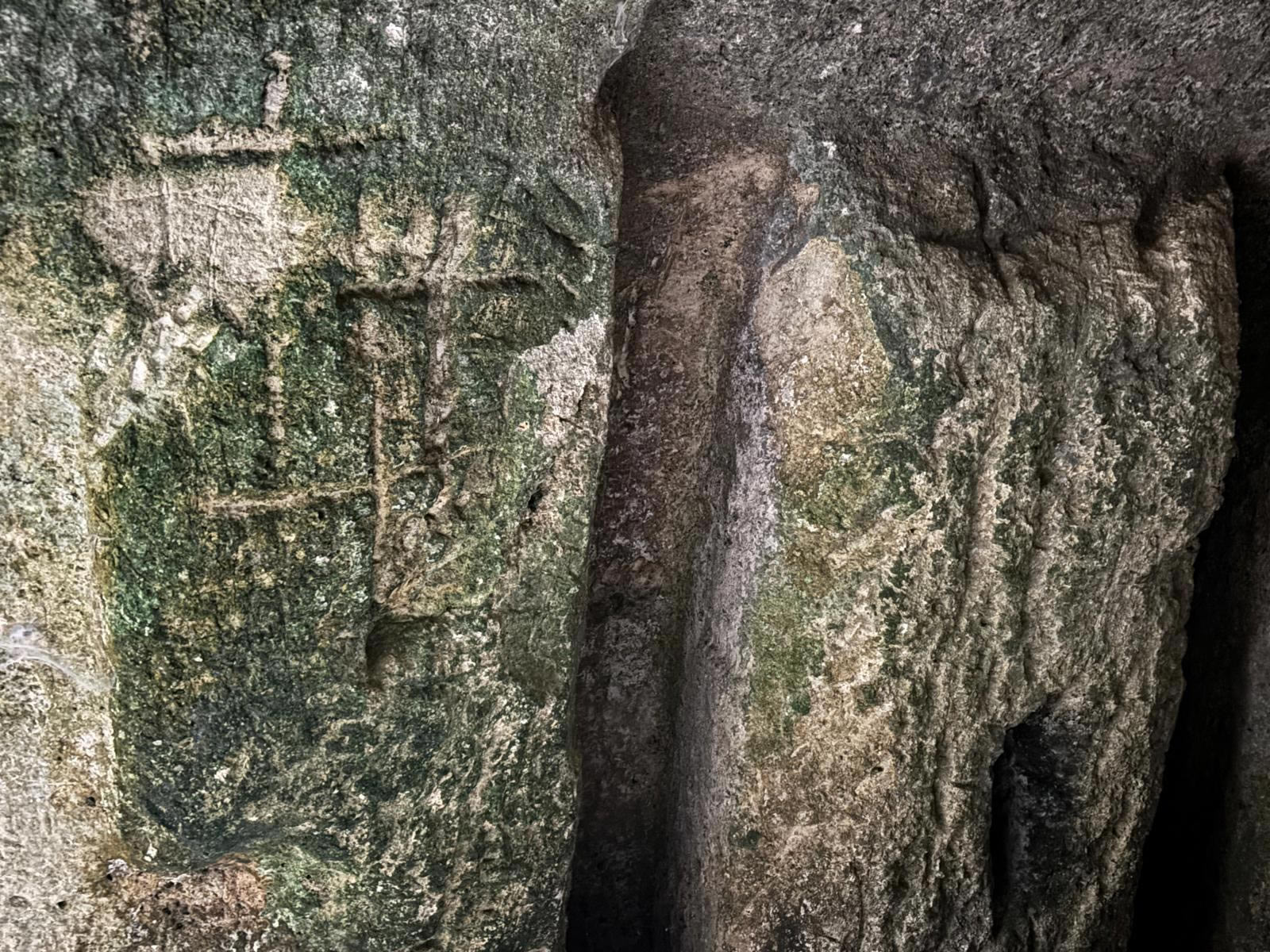
Several of the rock ribs carry carved crosses. Archaeological descriptions record different forms of cross together with an apparent chi-rho monogram, one of the ancient Christian symbols formed from the Greek letters Chi (Χ) and Rho (Ρ).
A Possible Place of Retreat
The cave's secluded position beside a small gorge, together with its modified interior, crosses and several smaller spaces, has led archaeologists to suggest that it may have been used by Christian hermits or anchorites.
An anchorite was a religious person who withdrew from ordinary society to live a secluded life of prayer and devotion. Malta contains a number of caves and rock-cut sites that were adapted for religious or eremitical purposes during the medieval period.
Buhagiar considered the location of Għar Ħanżir particularly suitable for such a use. The rock-cut pilasters, engraved crosses and possible small cells provide evidence consistent with an anchoritic station, although there is currently no firm evidence establishing when the cave was first used for this purpose.
The Chambers and Rear Passage
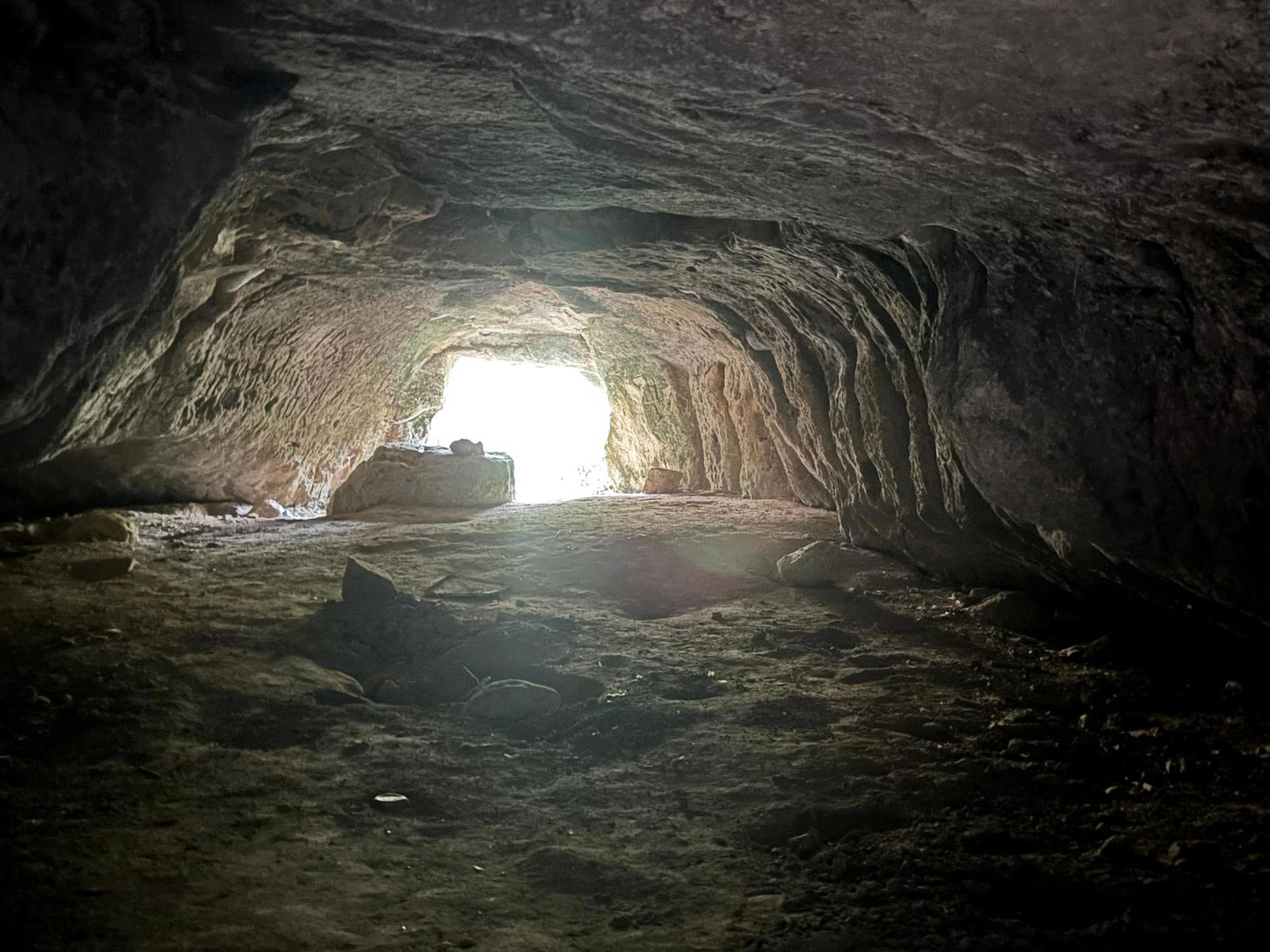
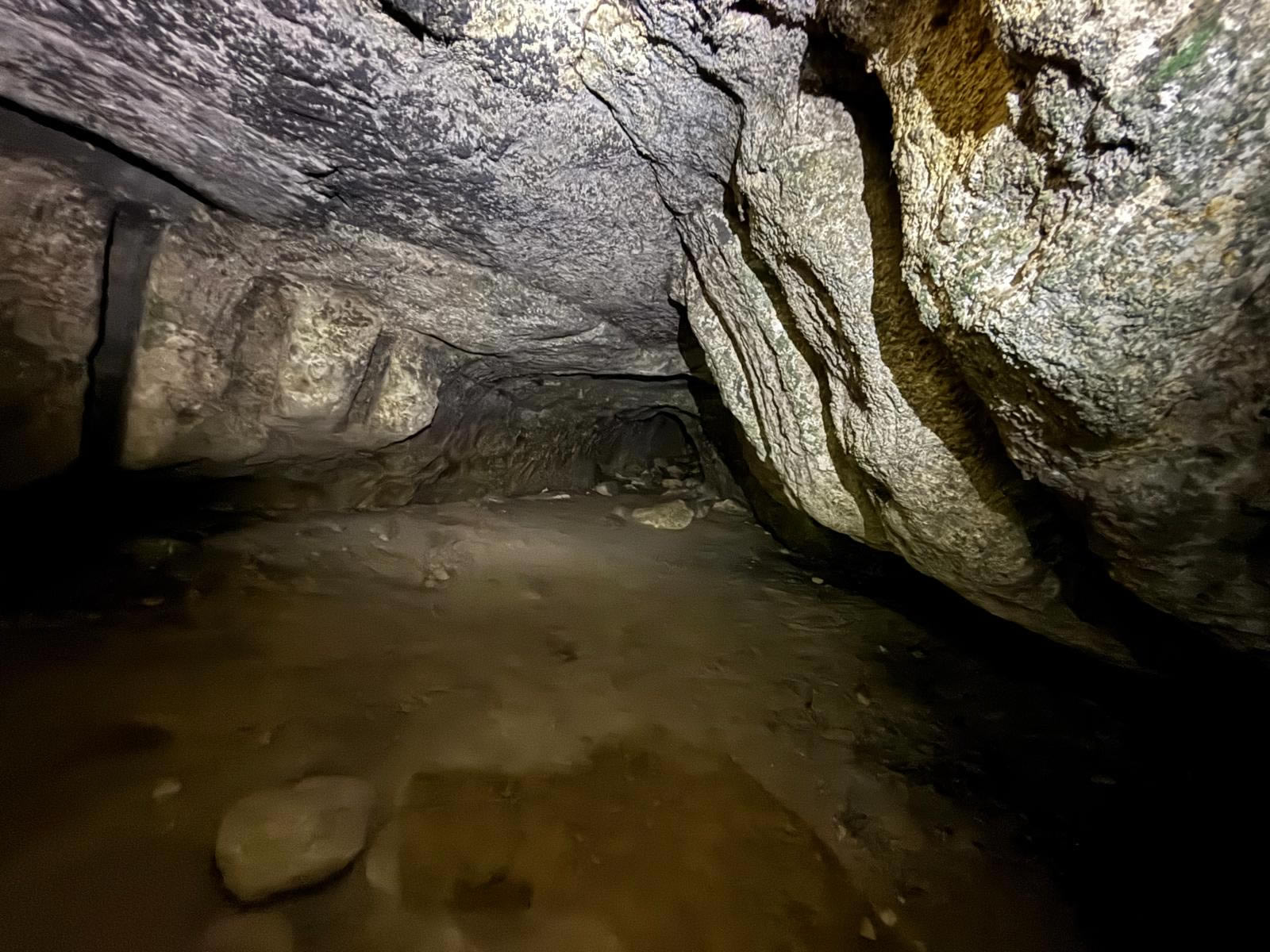
The cave is more extensive than the main chamber suggests. A smaller chamber contains another engraved cross. At the rear of the main area, a narrow gallery leads to a further chamber with a roughly circular plan and a relatively high, conical roof.
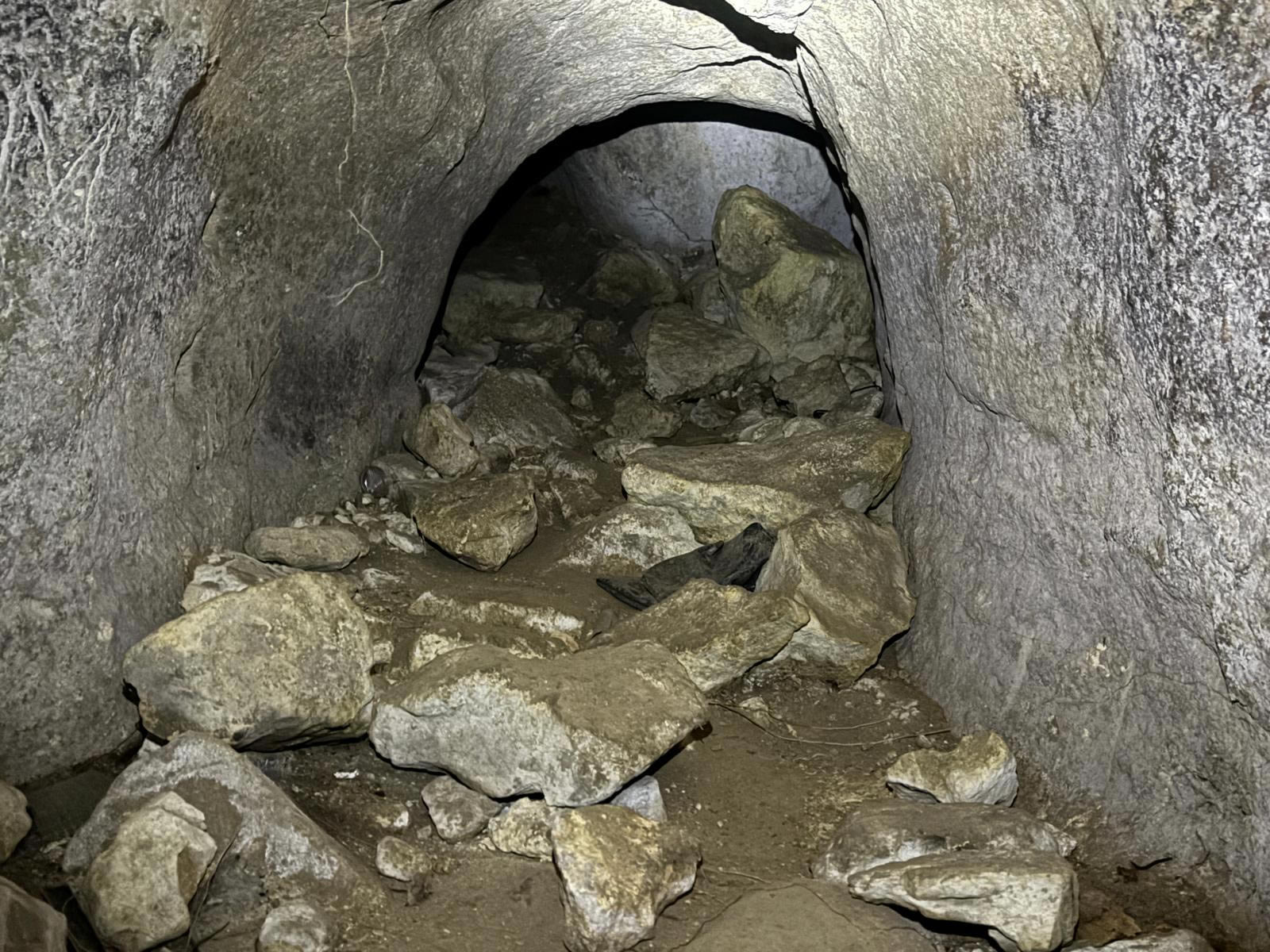
Beyond this is a natural passage or shaft, which eventually becomes blocked by large boulders. The distinction between the deliberately modified areas and the natural passage is important: the cave itself is natural, while parts of its interior were subsequently reshaped by people.
The Crosses and Inscriptions
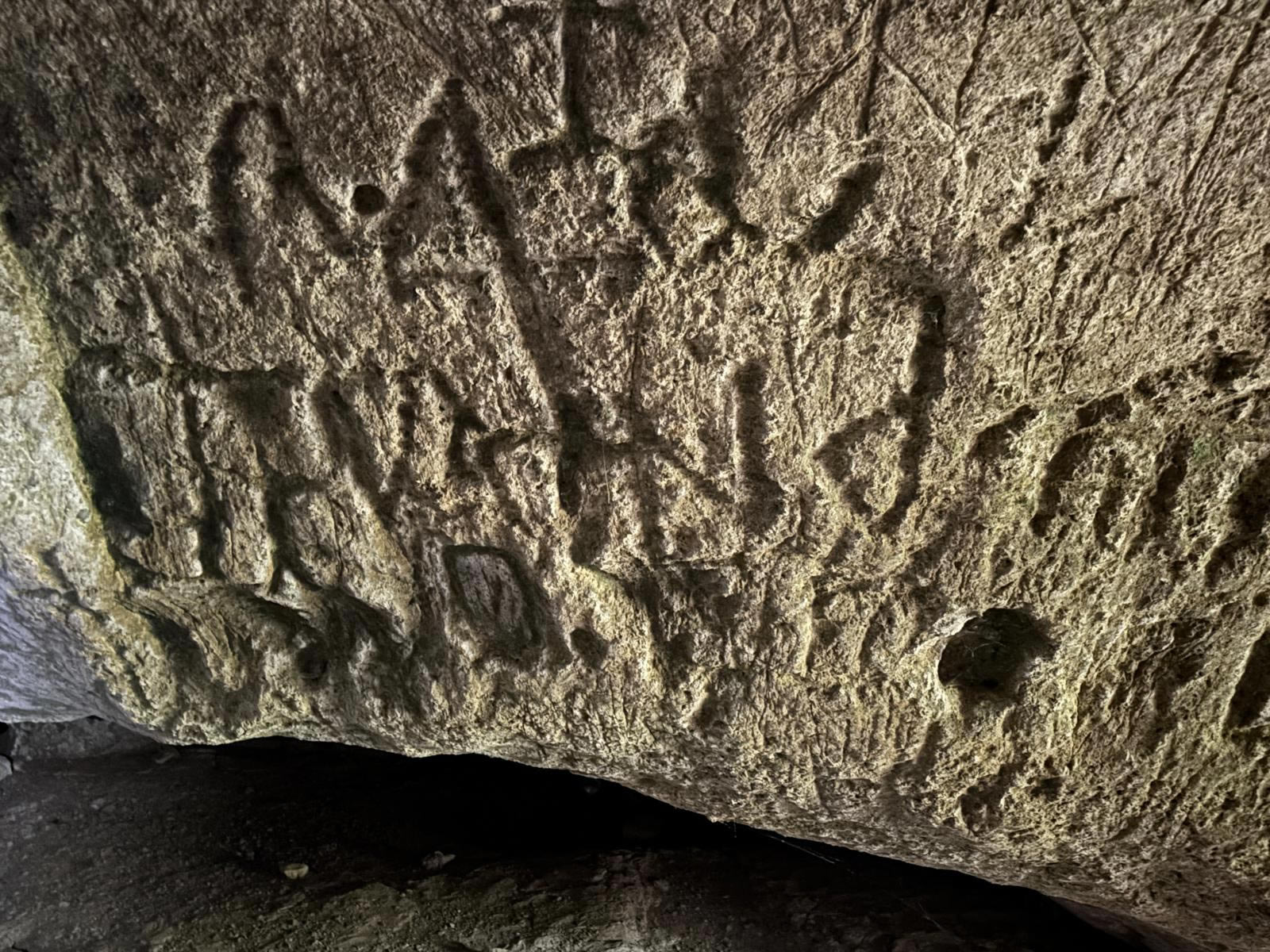
The walls of Għar Ħanżir contain a remarkable collection of carved markings. Among them are crosses and other symbols, together with numerous later inscriptions and graffiti.
Some of the markings are associated with the cave's religious character, but it is important not to assume that every inscription visible today is medieval.
The cave has remained accessible to visitors for generations, and later visitors have added their own names, dates and symbols. Archaeological descriptions distinguish the older carved religious features from later graffiti in parts of the cave.
Some markings overlap one another, making it difficult to establish their relative ages without detailed archaeological examination.
What Was the Cave Originally Used For?
The precise history of Għar Ħanżir remains uncertain.
It is sometimes described simply as a medieval cave church. The physical evidence, however, allows a more cautious interpretation.
The natural cave was clearly modified, and the presence of deliberately carved architectural features and Christian symbols demonstrates a significant religious association. The arrangement of the chambers and possible cells has led archaeologists to suggest that it may have been used as an anchoritic or troglodytic religious retreat.
There is currently no firm archaeological evidence establishing the exact date when this transformation took place. The site is therefore best regarded as a probable Christian cave complex whose precise origins and original function remain uncertain.
Għar Ħanżir Today
Għar Ħanżir lies within the wider Ta' Bloq – Għar Ħanżir area, extending across the Qormi and Siġġiewi boundaries. The surrounding landscape forms part of the wider Wied il-Kbir valley system.
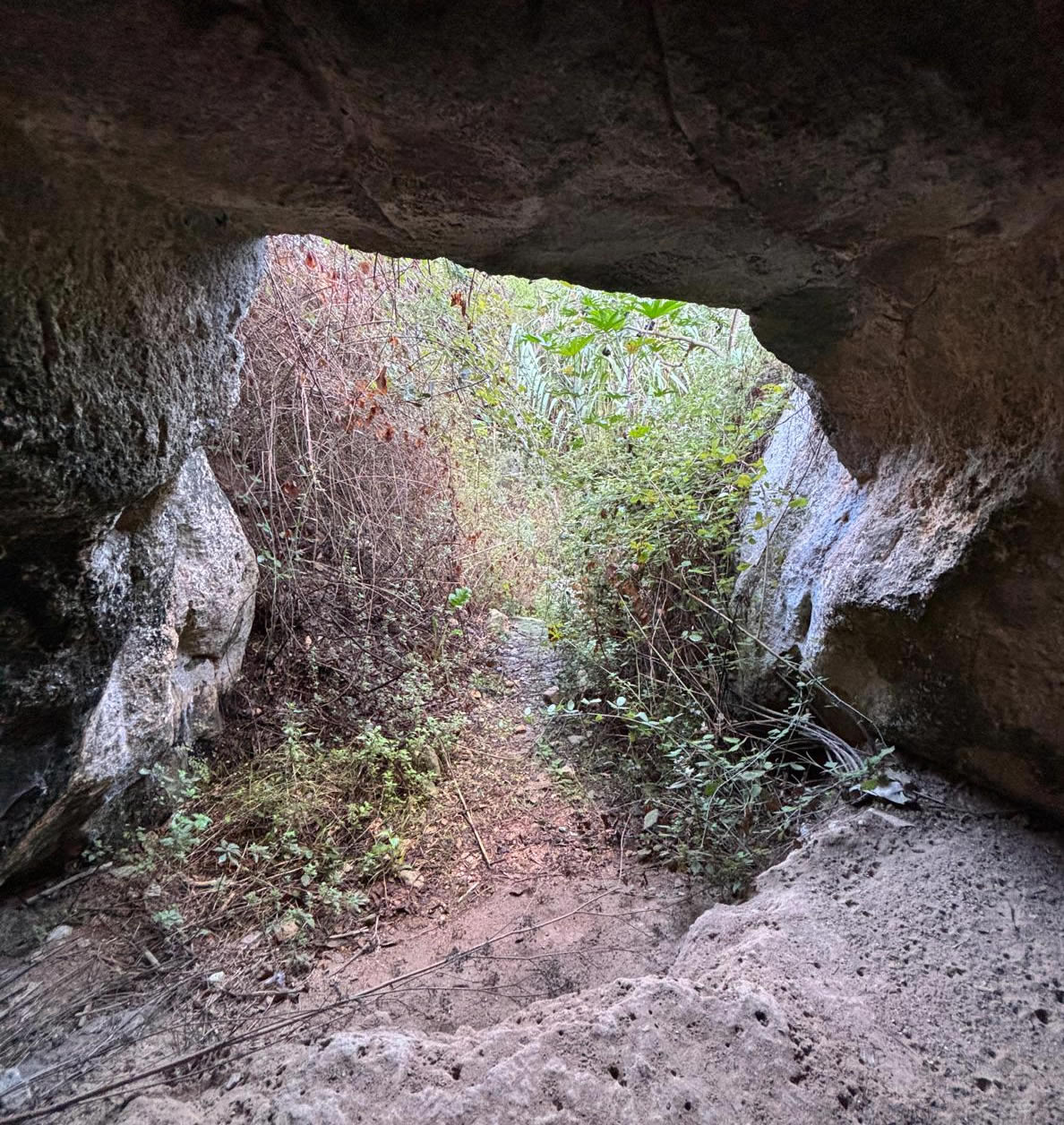
The cave remains relatively little known and is concealed by vegetation, making it easy to overlook. Its secluded position has helped preserve much of its unusual rock-cut interior.
The surviving crosses, carved ribs, chambers and natural passages provide a rare glimpse into the way Malta's natural caves could be transformed and reused for religious purposes.
The Name Għar Ħanżir
Għar Ħanżir can be translated approximately as "Boar's Cave" or "Pig's Cave". Abela's 1647 reference to Għar Hanzira provides documentary evidence that the name was already established more than three centuries ago.
The later name Għar tas-Slaleb – Cave of the Crosses reflects the most conspicuous feature of the cave's interior: the numerous Christian crosses carved into its walls.
The two names therefore preserve different parts of the site's history — Għar Ħanżir its older geographical identity, and Għar tas-Slaleb its later association with the carved crosses.
Historical Summary
Historical Sources
The principal archaeological source for the interpretation of Għar Ħanżir is Mario Buhagiar's study of the re-Christianisation of Malta. The study discusses the rock-cut pilasters, crosses, possible chi-rho symbol, chambers and possible anchoritic function of the cave.
The 1647 work of Giovanni Francesco Abela provides early documentary evidence for the name Għar Hanzira.