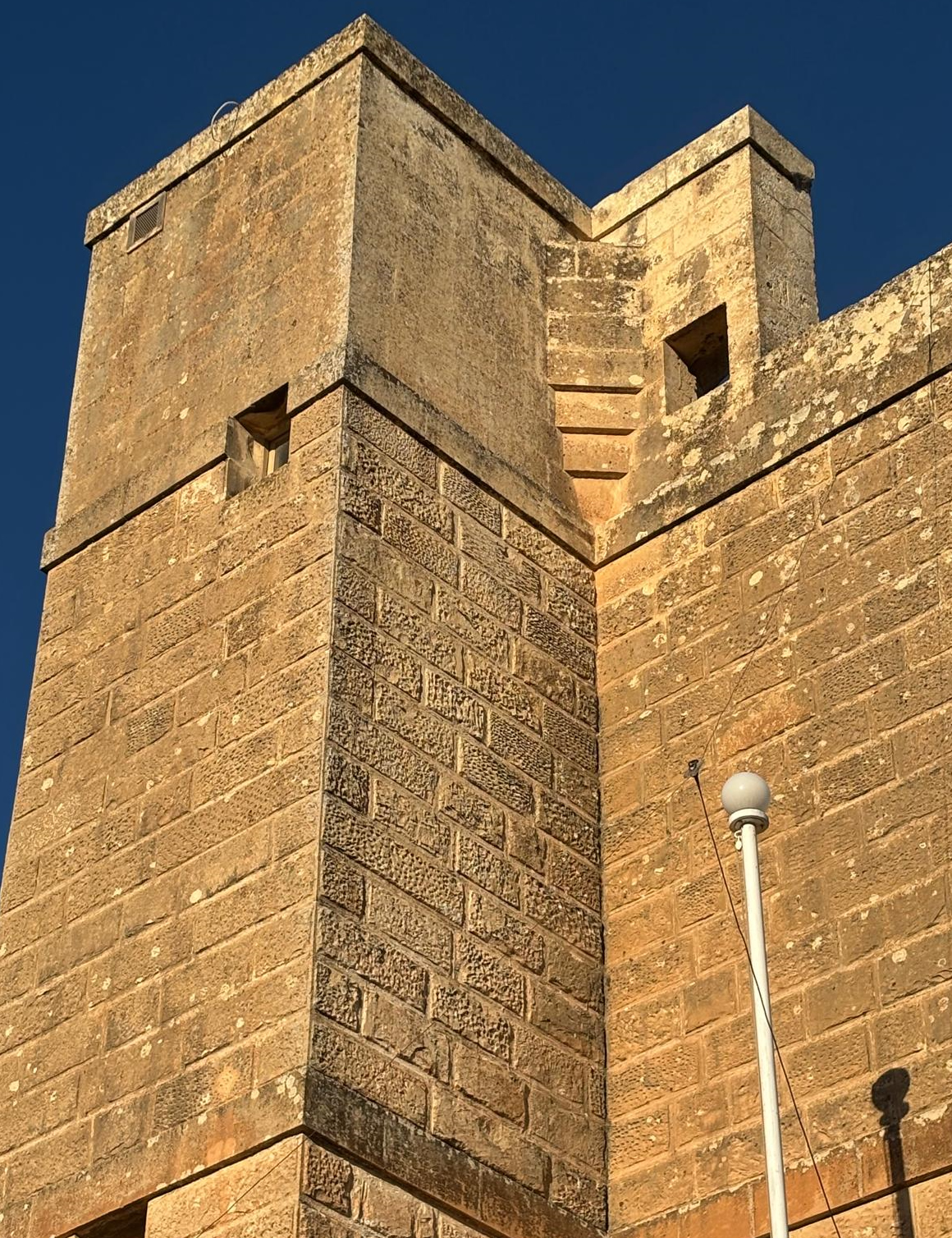
Għargħur Semaphore Tower: History, Architecture & Scenic Views
📍 Location
Is a semaphore tower in the town of Għargħur, Malta , near the edge of the Great Fault overlooking the coast, on the border with Naxxar.
🏗 Basic Facts
| Item | Detail |
| Name | Għargħur Semaphore Tower (It-Torri tas-Semaforu) |
| Location | Għargħur, on the border with Naxxar, Malta |
| Built | 1848, under British colonial administration |
| Materials | Local limestone |
| 1880s | Fell into disuse when the electric telegraph arrived. |
| WWII | Reused by the Royal Irish Fusiliers as an observation post |
| 2004 | Acquired by Għargħur Local Council |
| 2009 | Restored and reopened for heritage appreciation. |
| Floors | Three floors, each with a single room; plus a roof with signalling mechanism |
📜 History & Use
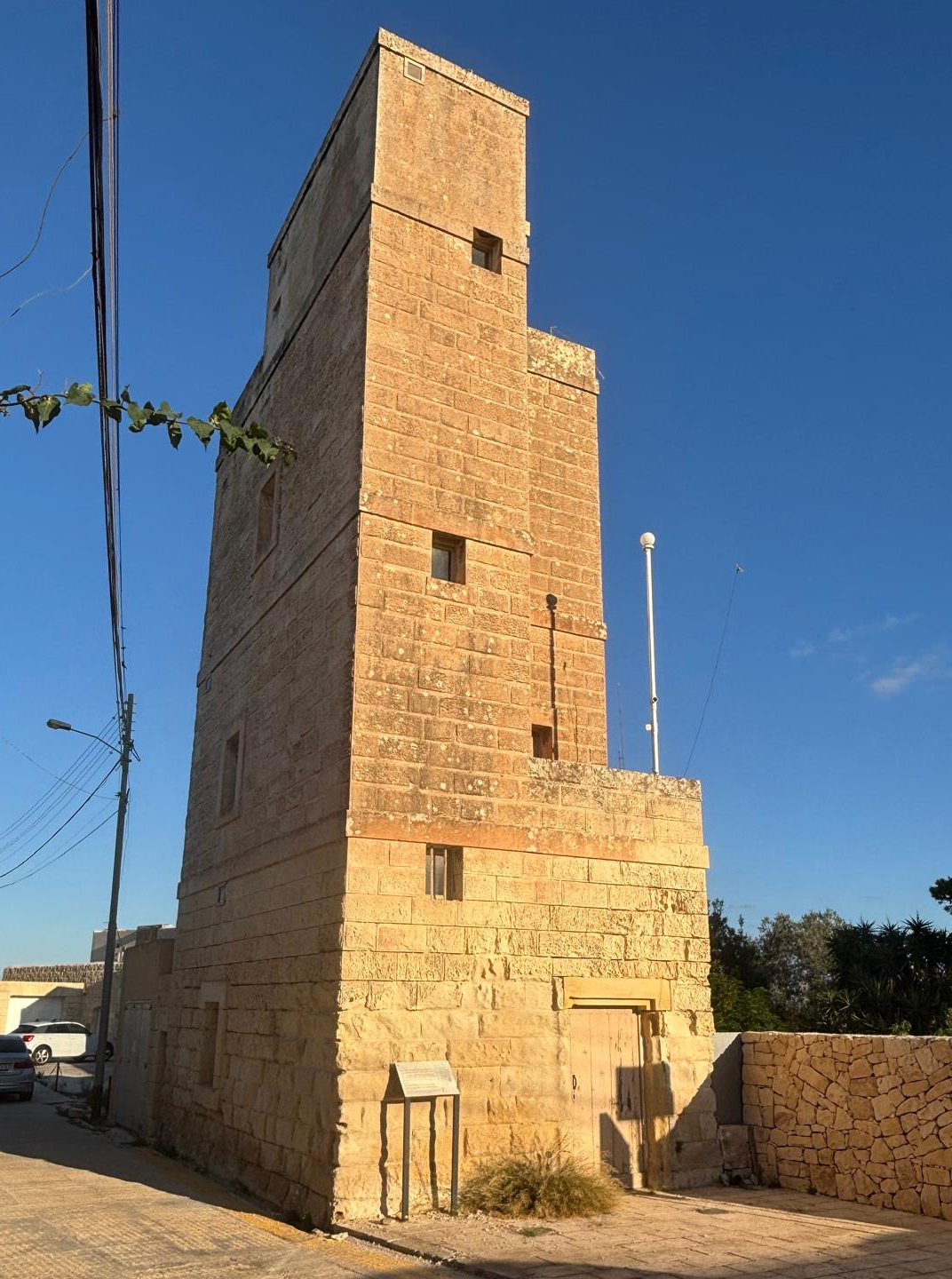
The tower was built in 1848 as one of three semaphore stations in Malta (the others being in Għaxaq and Ta’ Kenuna in Gozo).
The idea originated in the early 1840s: the British military considered using church bell towers and domes for semaphore signalling, but Church authorities objected. As a result, dedicated semaphore towers were constructed.
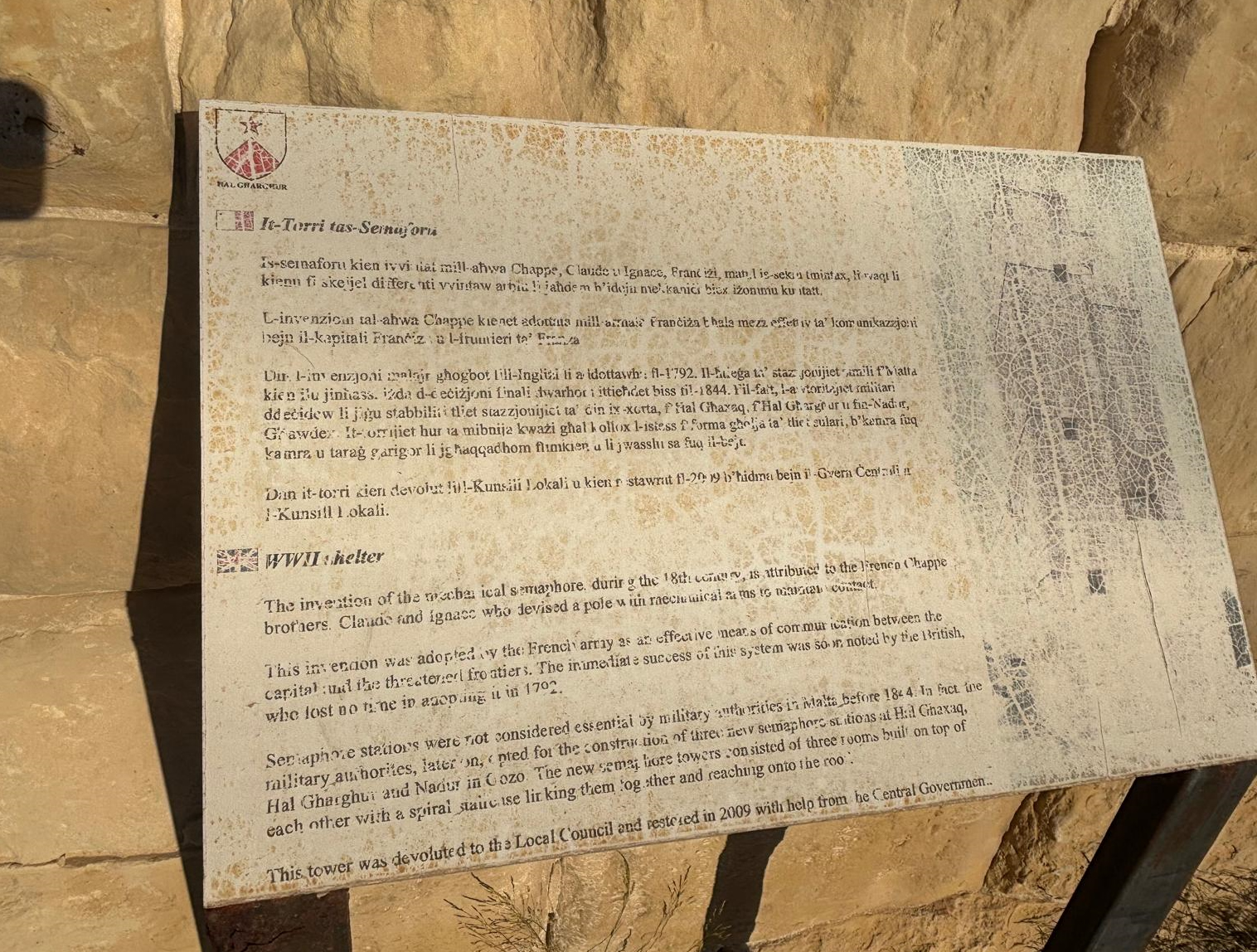
The signalling system used a wooden pole with three movable arms (each ~12 ft), two in use at a time. Positions of these arms corresponded to letters or numbers in the semaphore code.
The floors are connected by a spiral staircase leading up to the roof, where the signalling apparatus was located.
During World War II, the tower was used by the 2nd Battalion, Royal Irish Fusiliers as an observation point.
With the arrival of the electrical telegraph, semaphore was phased out; the tower ceased its signalling function by the 1880s.
🛠 Restoration & Status
For many years the tower was in private hands. In 2004, Għargħur Local Council acquired it (from private ownership).
It was restored in 2009 by local authorities, the Restoration Unit, and Fondazzjoni Wirt Artna. Restoration work included replacement of weathered stone, refurbishing damaged parts (especially at ground level), and preserving interior floors.
Today the tower is in good condition; it is occasionally open to the public on special occasions for exhibitions and heritage events.
🧱 Architecture & Signalling
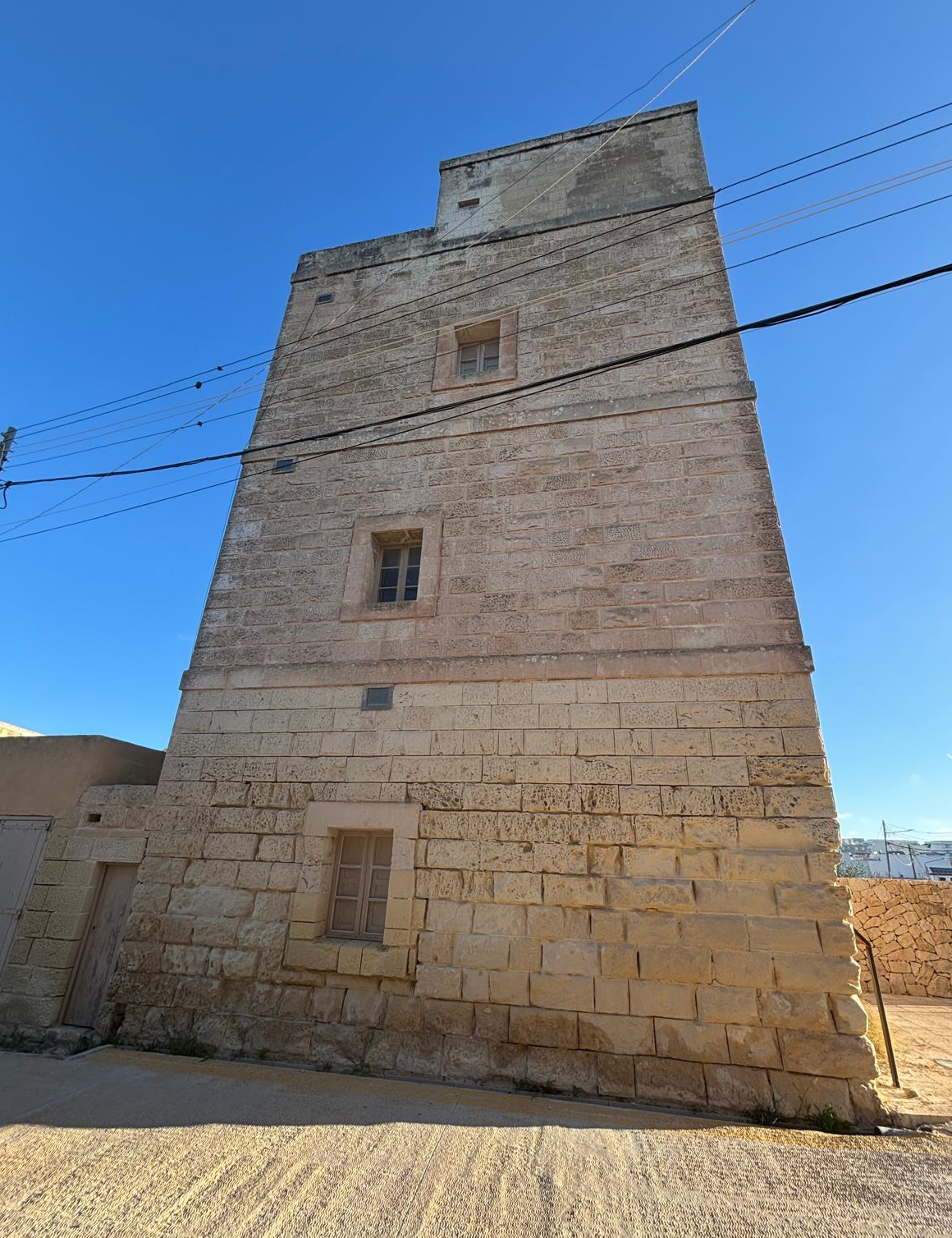
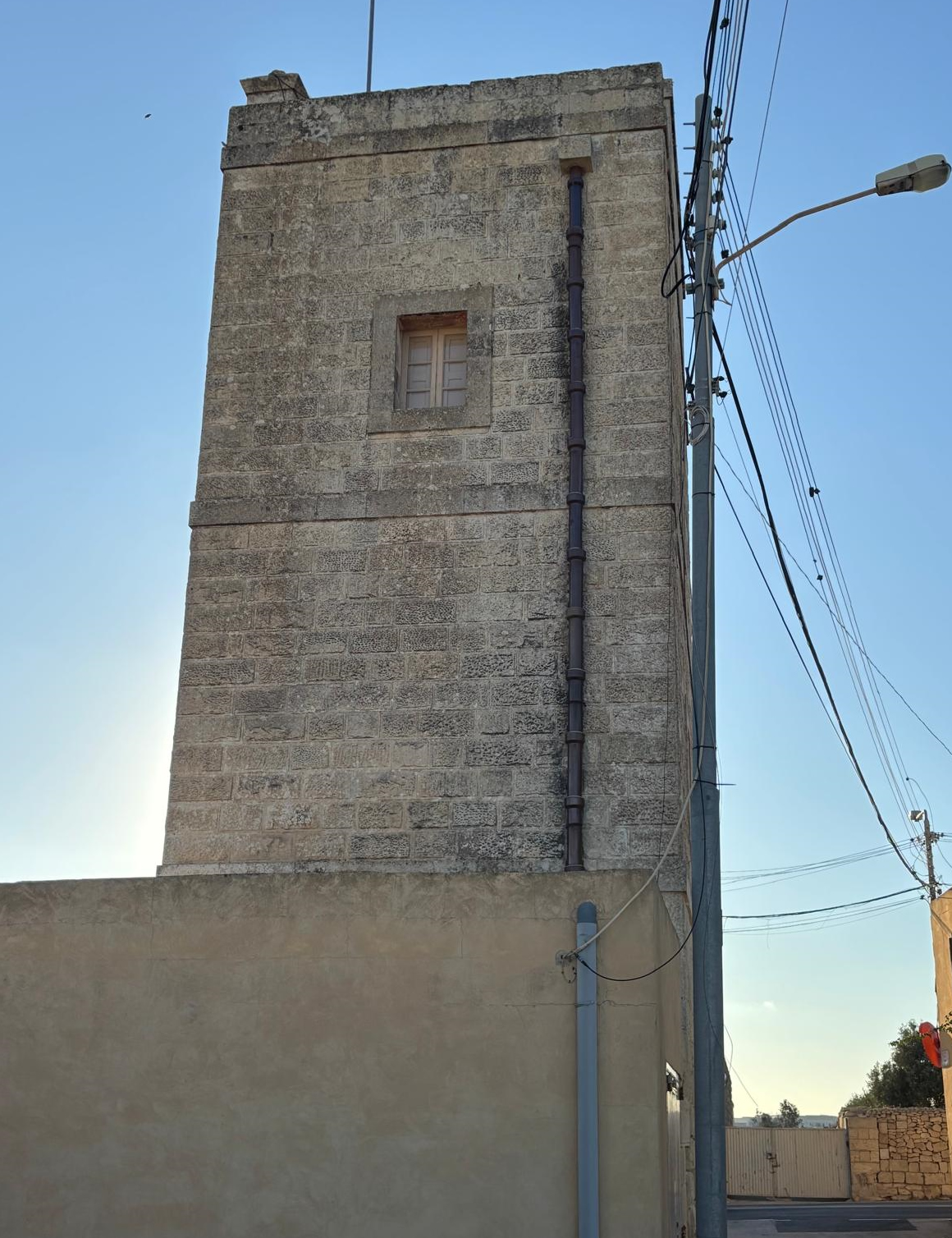
Structure: Three storeys + roof. Single-room floors connected by a spiral staircase.
Signalling mechanism: A mast with three movable arms; only two are used at once; arms moved via cranks or levers and rods or cable/pulley mechanisms. Combinations of positions correspond to symbols/letters.
Visibility lines: The tower was placed strategically to communicate visually with other towers (Għaxaq, Ta’ Kenuna) and to serve as part of a chain for rapid message relay.
🔍 Significance
The semaphore towers mark Malta’s transition to modern communications in the mid-19th century — between old visual signalling methods and newer telegraphic/electrical systems.
They are relatively rare surviving examples of British-era semaphore infrastructure.
The Għargħur tower is protected as part of Malta’s cultural heritage; as of 2024 the semaphore towers have been formally added to the National Inventory of Cultural Property.
🧱 What to See
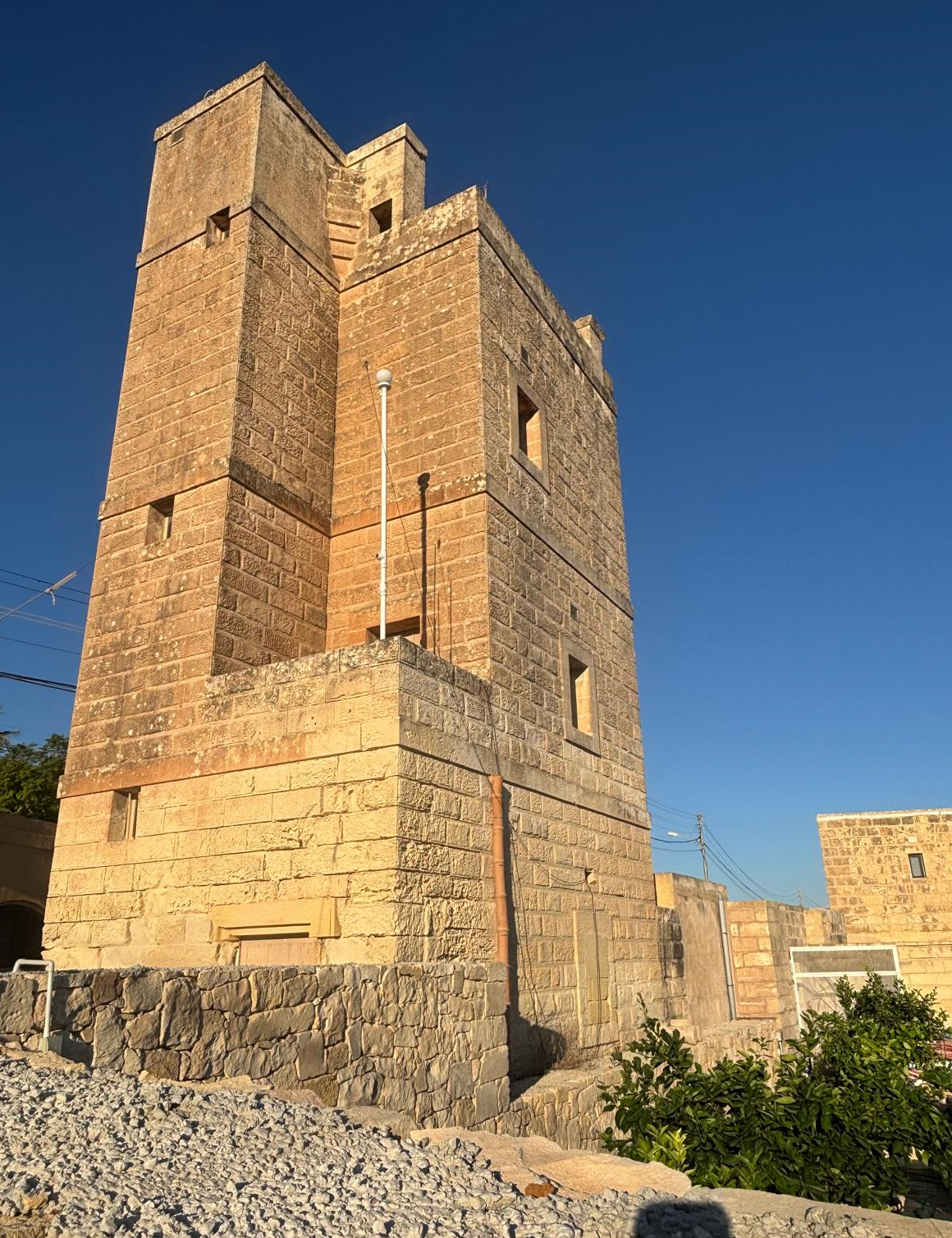
Tall rectangular limestone structure.
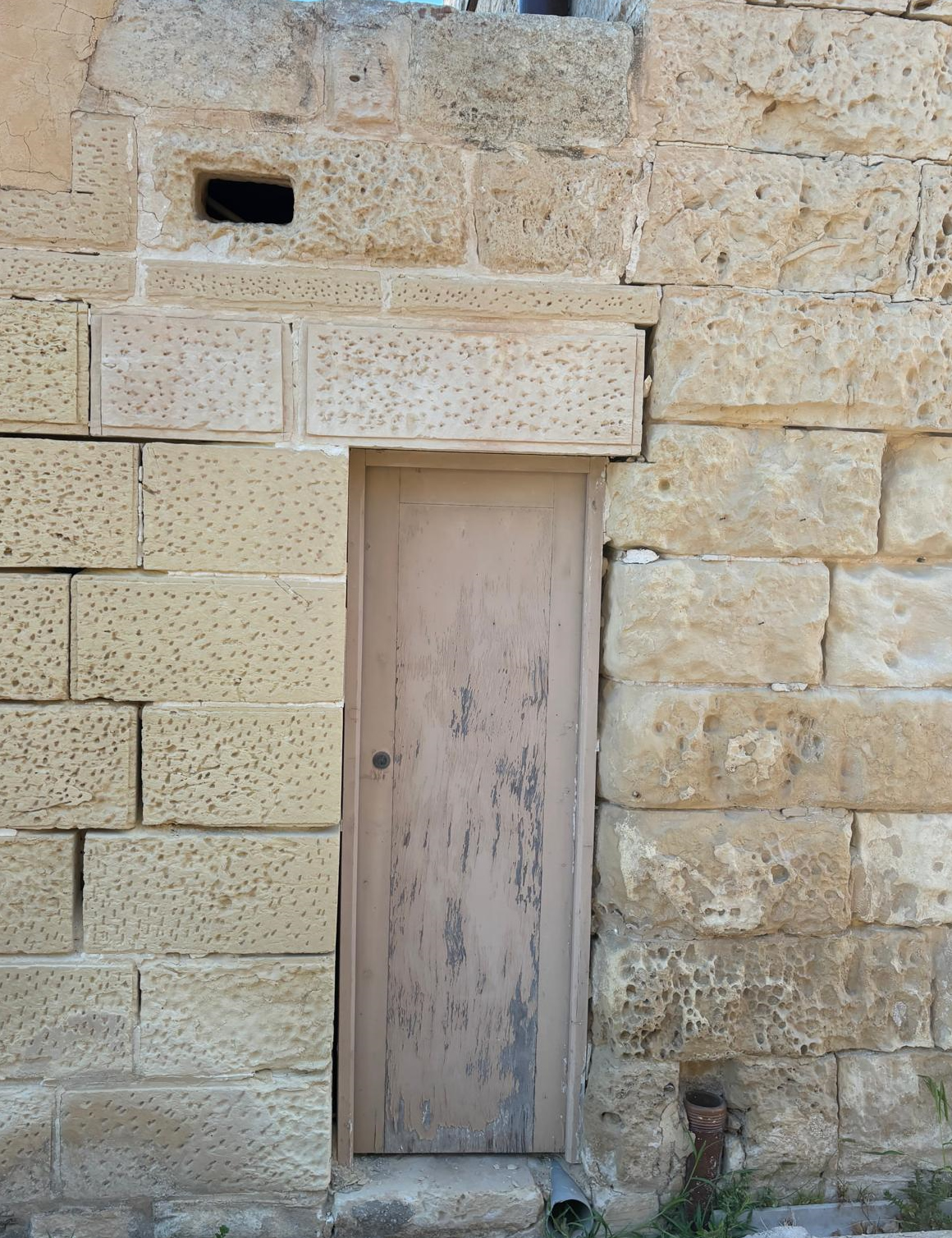
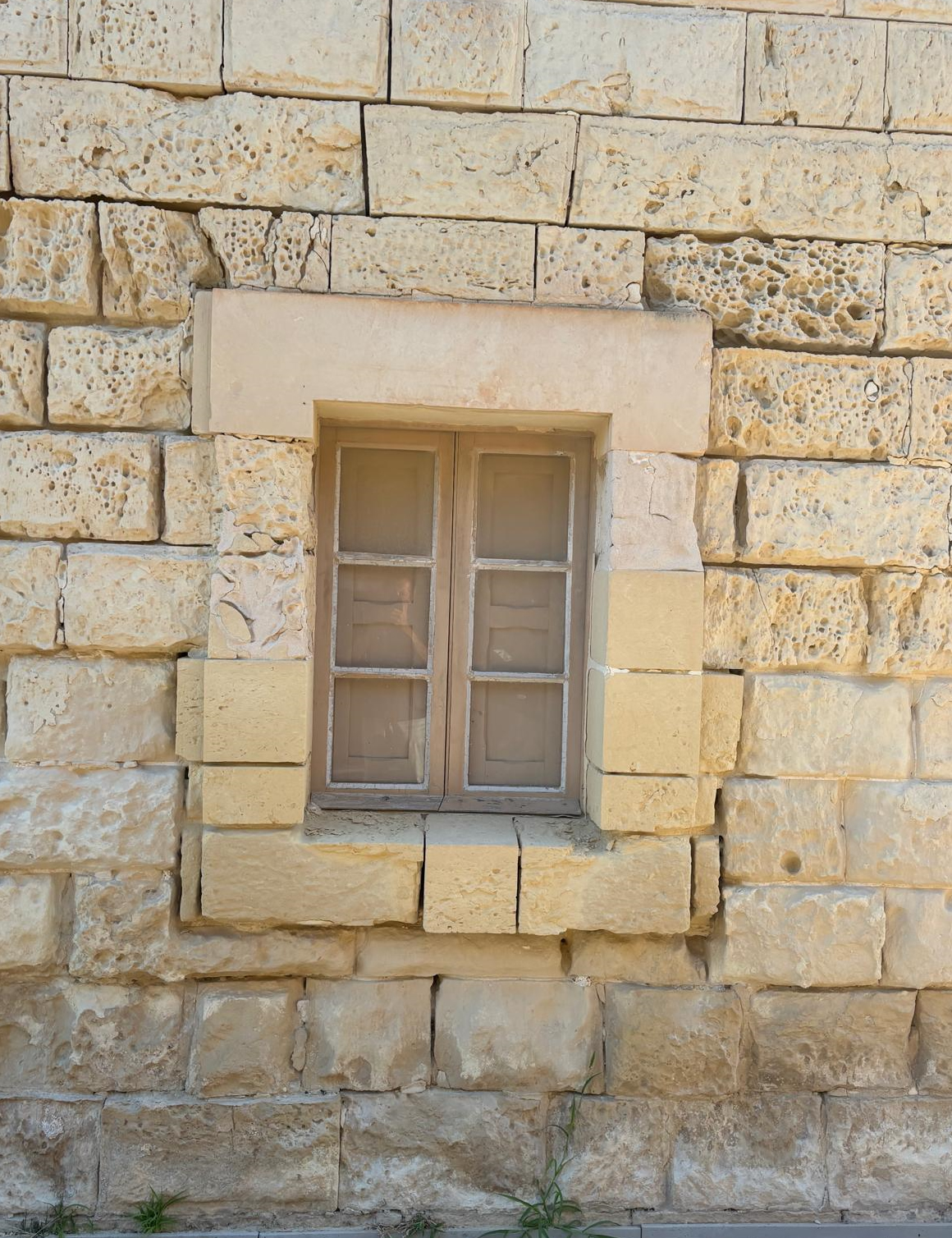
Clean restoration with traditional Maltese stonework.
Three small floors with original spiral staircase.
Exhibits explaining semaphore signalling and 19th-century communication.
Site of the semaphore mast.
Stunning panoramic views over Malta’s northern coast and countryside.
Located close to Għargħur’s cliff edge and the Victoria Lines.
Popular area for countryside walks and photography.
🚶 Visiting Information
Access:
From Għargħur village center, follow signs uphill towards the edge of the valley (10–15 min walk).
By car: park near the outskirts of the village; short walk to the tower.
Public Transport:
Buses to Għargħur from Valletta, Sliema, or Mosta. Nearest bus stop: Għargħur.
Opening:
Not permanently open. Entry possible during local council heritage days, cultural events, or pre-arranged visits.
From the outside, the tower and views are always accessible.
📝 Tips
Combine your visit with:
Victoria Lines walk (defensive walls close by).
Għargħur’s narrow traditional streets and parish church.
Visit late afternoon for the best light on the surrounding countryside.
Bring binoculars or a camera — views extend as far as Gozo on clear days.