History of the Għaxaq Semaphore Tower
📍 Location
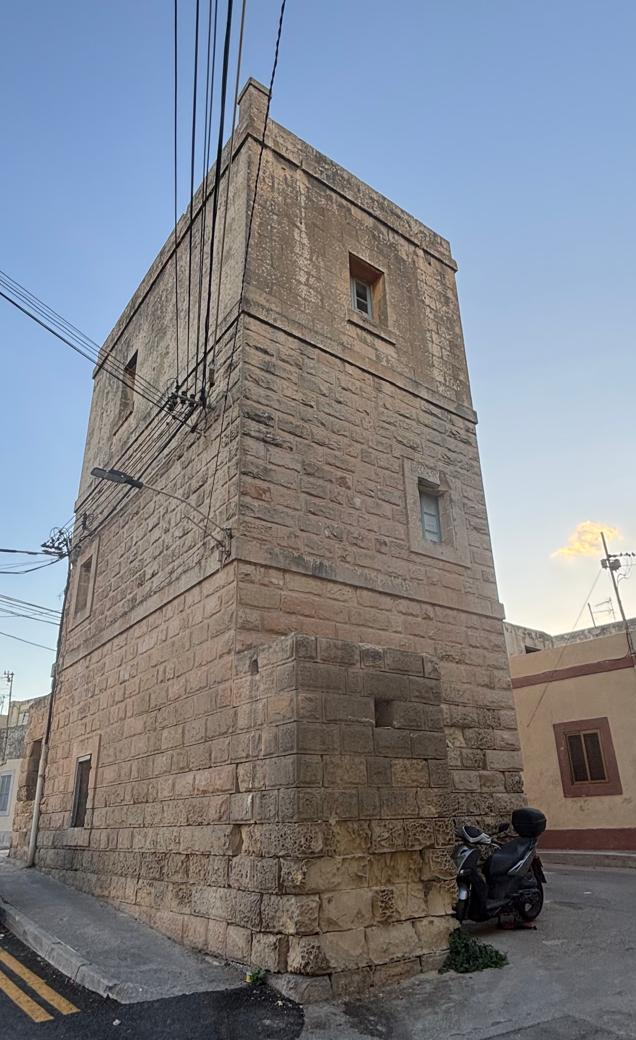
Is a semaphore tower in the town of Għaxaq , Malta
🏗 Overview
| Feature | Detail |
| Name | Għaxaq Semaphore Tower (It-Torri tas-Semaforu ta’ Ħal Għaxaq) — also known as It-Turretta (“the little turret”) |
| Location | Għaxaq, Malta — built at the highest point of the town, providing good visibility |
| Built | 1848 by the British colonial authorities |
| Purpose | To send coded visual signals using a mast with movable arms. Messages could be transmitted in minutes across the islands. |
| 1880s | Fell into disuse when the electrical telegraph replaced the system. |
| Later Use | Occasionally adapted for observation duties. |
| 2011 | Tower passed into the care of the Għaxaq Local Council. |
| Today | A scheduled cultural property, awaiting full restoration but visible and visitable from the outside. |
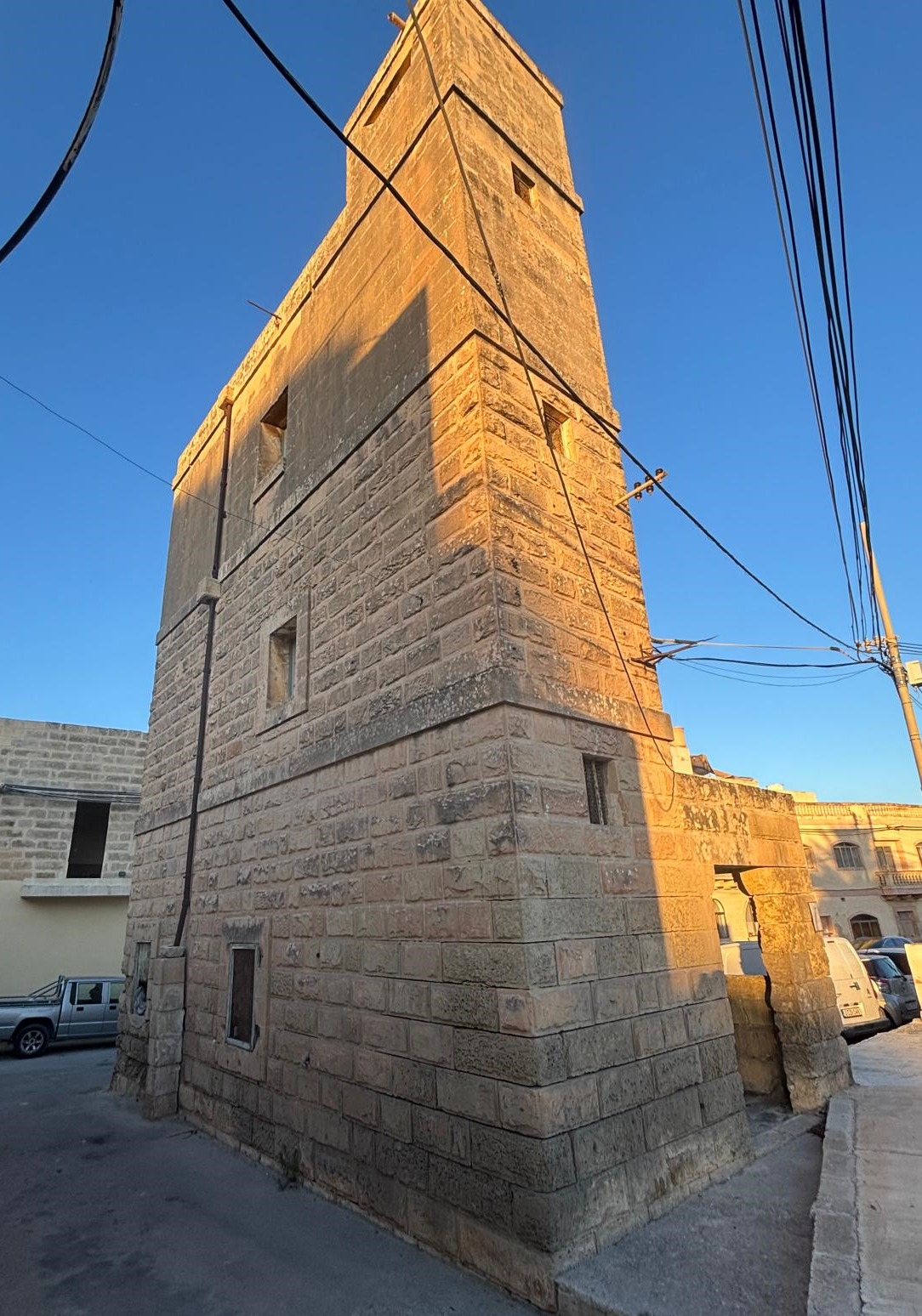
| Material | Limestone (traditional Maltese stone) |
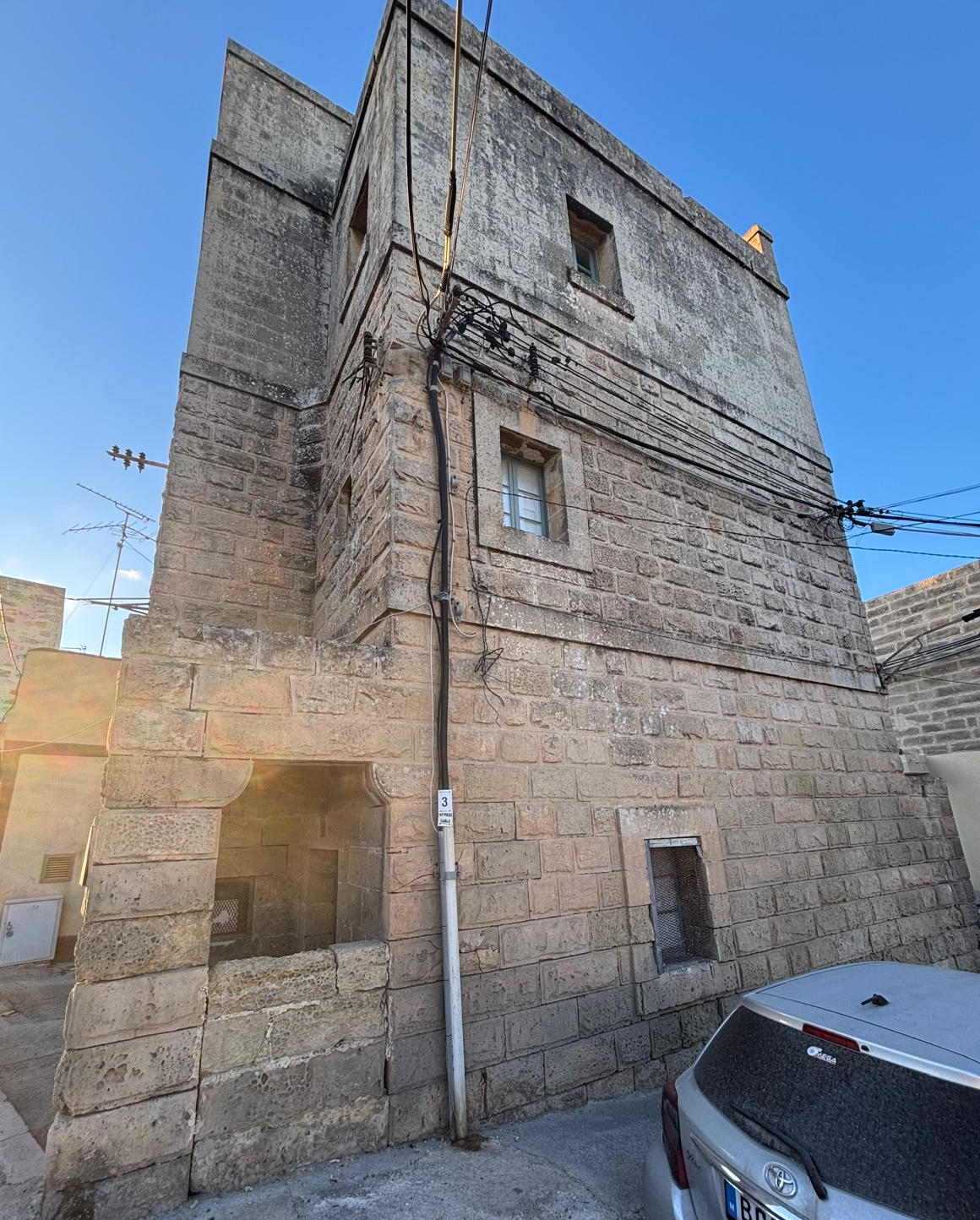
| Floors | Three floors plus roof with signalling equipment — each floor is a single room; a spiral staircase connects them |
📜 Historical Context
In the early 1840s, the British military authorities considered using church towers (bell towers, domes) for a semaphore / visual signalling system in Malta. The Church initially agreed, but later rejected hosting such military signalling equipment.
Because of that rejection, in 1848, dedicated semaphore towers were built at Għaxaq and Għargħur (on Malta) and Ta’ Kenuna (Gozo) to serve as part of this visual communication network.
The system used mechanical “arms” (movable blades) on a mast, with combinations of positions signalling letters or numbers, similar in principle to semaphore codes developed in Europe (e.g. French Chappe system).
The semaphore towers made message transmission much faster than by messengers. At times of war, this speed was strategically useful.
The semiconductor system became obsolete by the 1880s with the introduction of the electrical telegraph, and the semaphore towers were closed down.
🛠 Architecture & Construction Details
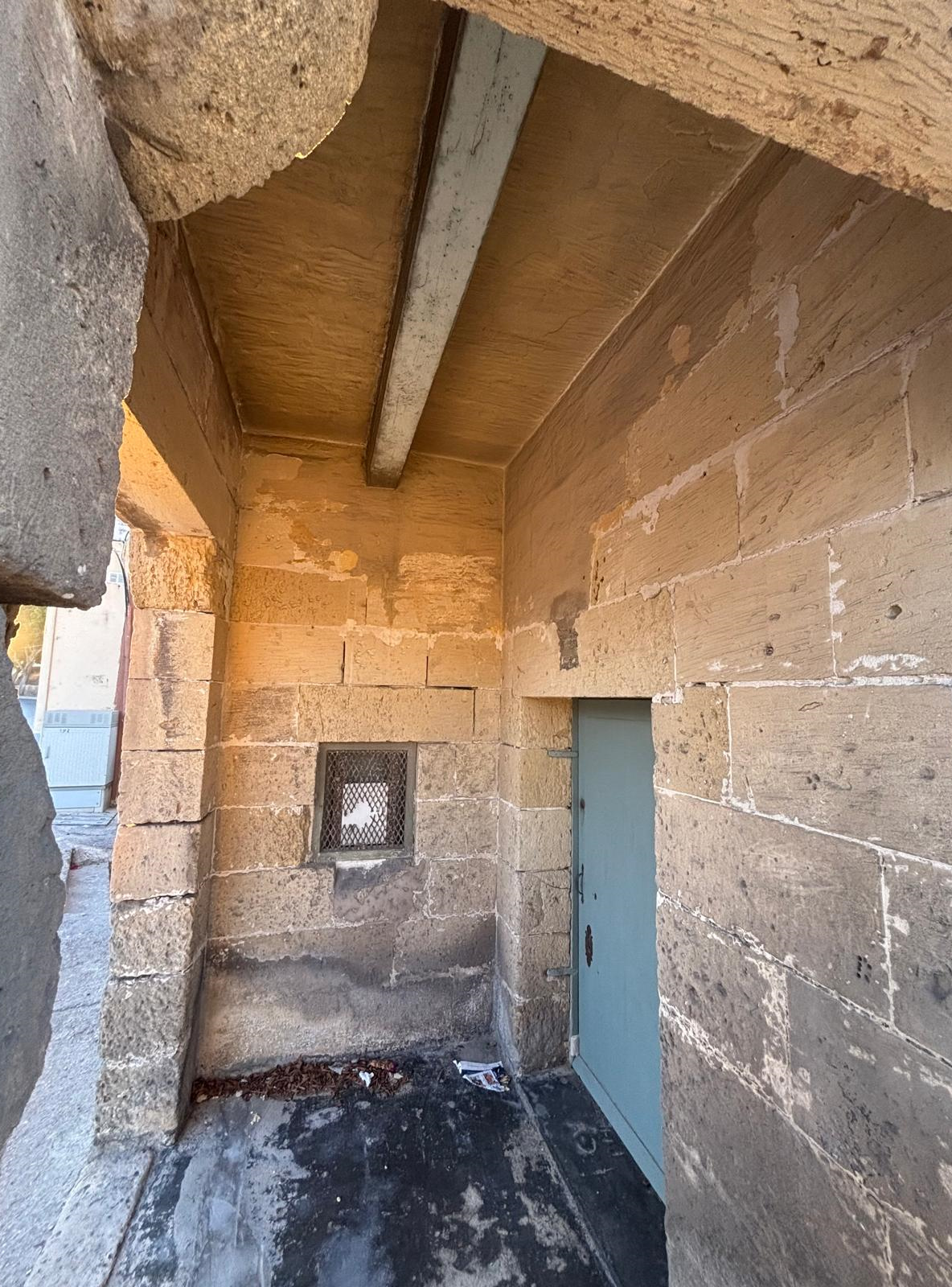
The tower has three storeys, each being one room; the rooms are connected by a spiral staircase leading up to the roof.
On the roof there was a wooden mast with three movable arms (blades / “arms”). Only two arms were used at a time for signalling (third as a fixed indicator or reference). The arms could be positioned in different configurations to represent letters, numerals, or codes.
The position chosen for its location is high up in Għaxaq, so from its roof one can view (when visibility is good) Birżebbuġa, Marsaxlokk bays to the south, and Mdina to the northwest. This allowed visual line-of-sight signalling to distant towers.
🏚 Later History & Current Status
After the semaphore system was decommissioned in the 1880s, the tower fell out of use.
Ownership & responsibility: in August 2011 the tower was transferred to the Għaxaq Local Council, on nominal rent, with intent for restoration support from heritage NGOs (such as Fondazzjoni Wirt Artna)
It has been listed among the Semaphore Towers added to the National Inventory of Cultural Property in Malta (2024) as a protected heritage structure.
📍 Location
Town: Għaxaq, South-East Malta
Position: On one of the highest points of the village, visible from Marsaxlokk and Birżebbuġa.
Coordinates: 35.847372, 14.514829
🏗 What to See
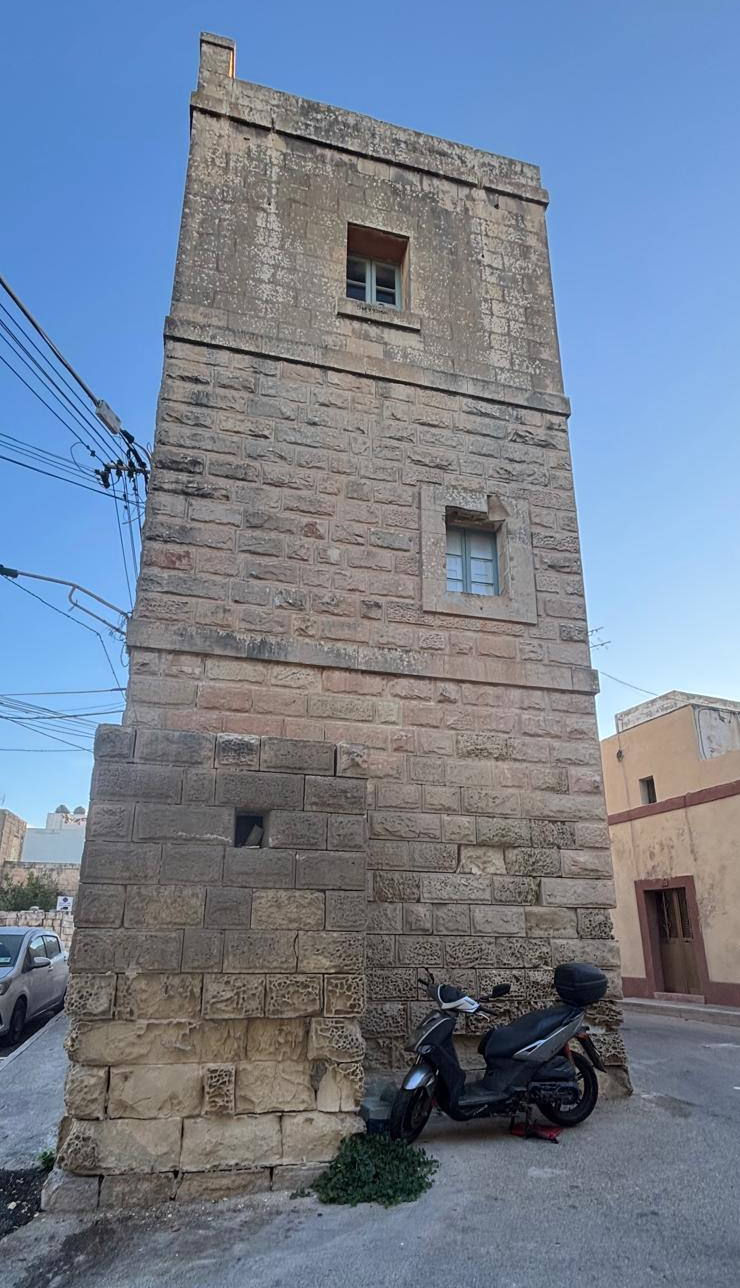
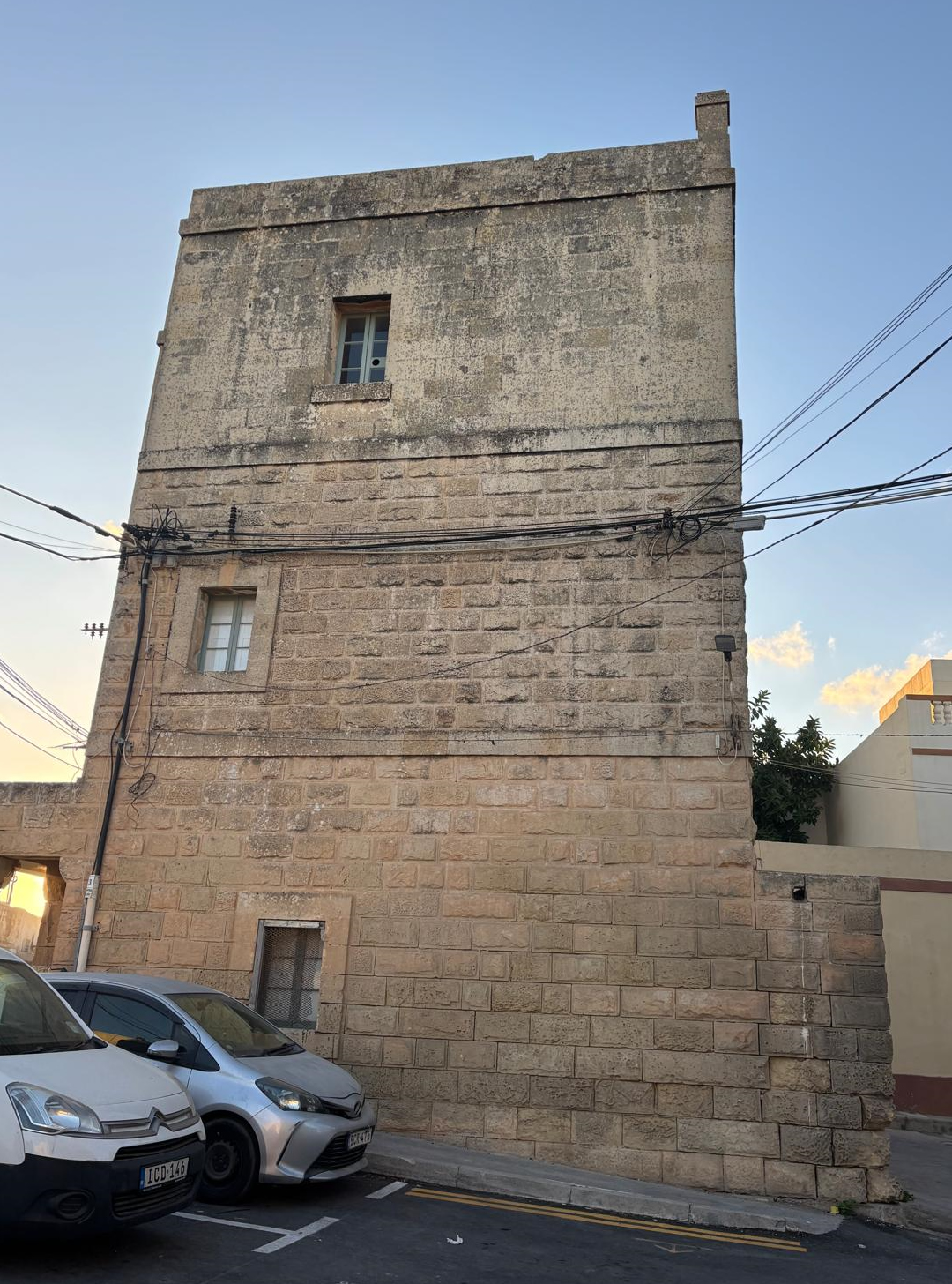
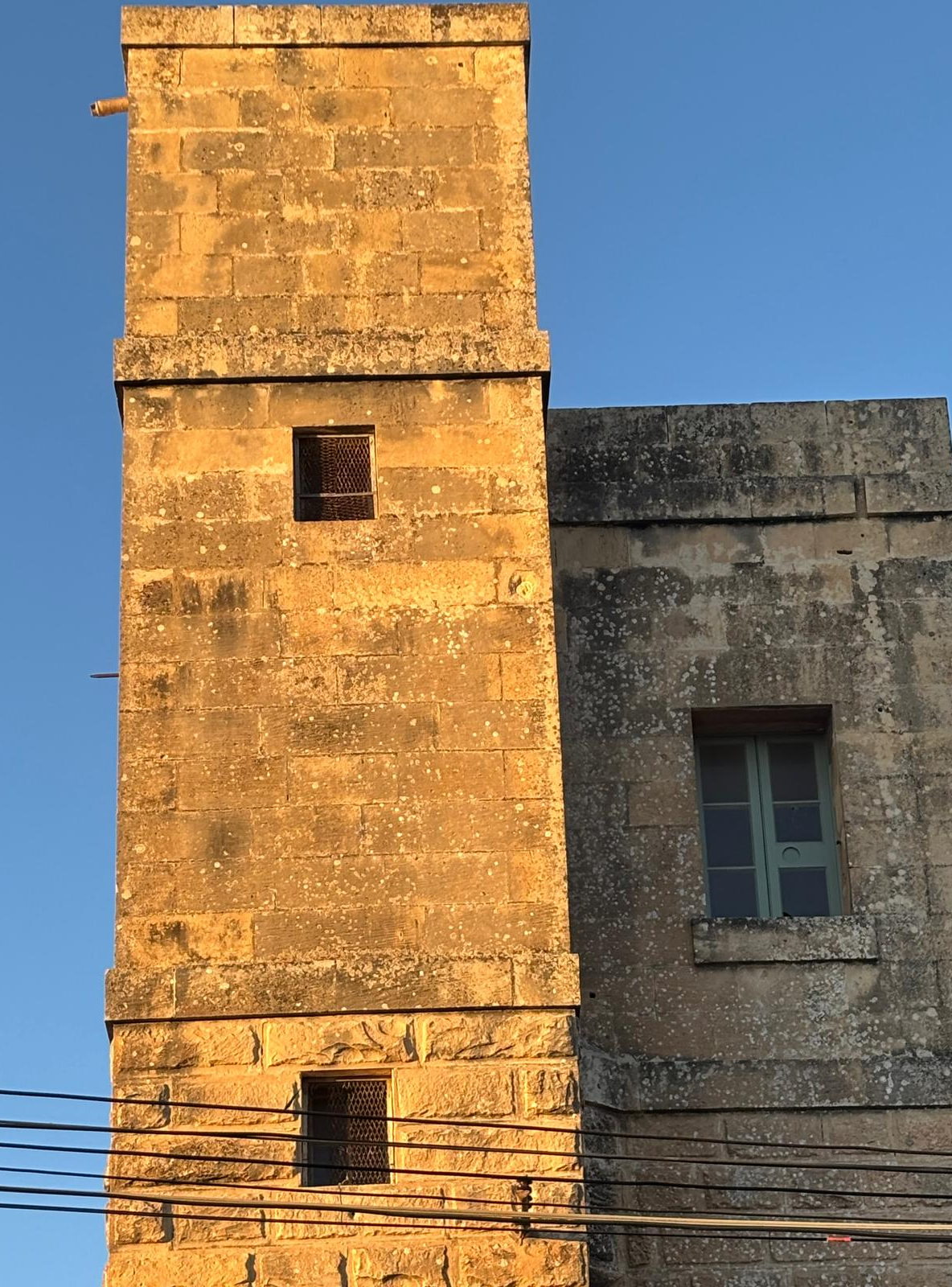
Built of Maltese limestone, with three storeys.
Distinct square profile rising above village rooftops.
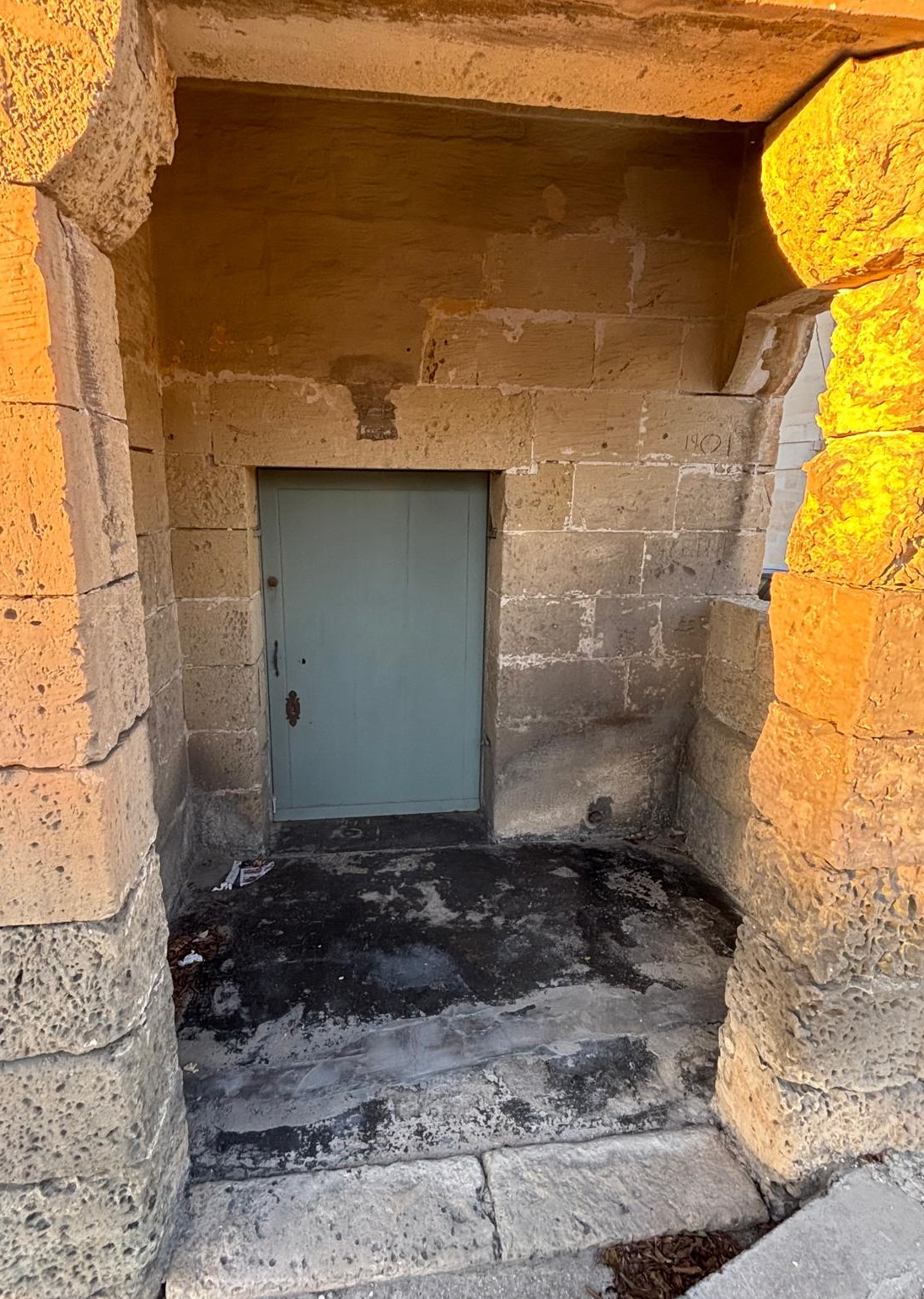
Small windows and sturdy stonework typical of military utility architecture.
Three rooms stacked vertically, connected by a spiral staircase.
Simple stone interiors once used by signal operators.
Rooftop platform where the semaphore mast once stood.
South: Marsaxlokk Bay & Delimara Peninsula.
West: Mdina on a clear day.
North: Direct line-of-sight to Għargħur Semaphore Tower.
🚶 Visiting Information
Access:
Located within walking distance from Għaxaq parish church (10–15 min walk).
By car: free on-street parking in Għaxaq village.
Public transport: buses from Valletta, Paola, or Airport stop at Għaxaq; short walk to tower.
Opening Times:
The tower is not regularly open to the public.
Occasional cultural/heritage events by the local council or NGOs may allow access inside.
The exterior and surroundings are always viewable.
📝 Tips
Combine visit with:
Marsaxlokk fishing village (nearby, perfect for lunch).
Birżebbuġa & Għar Dalam Cave, just minutes away.
Good spot for photography at sunset with views over the south coast.
Bring binoculars or a zoom lens if you want to trace the tower’s line-of-sight links.