🏰 Sciuta Tower (Torri ta' Xutu,), Qrendi
📍 Location
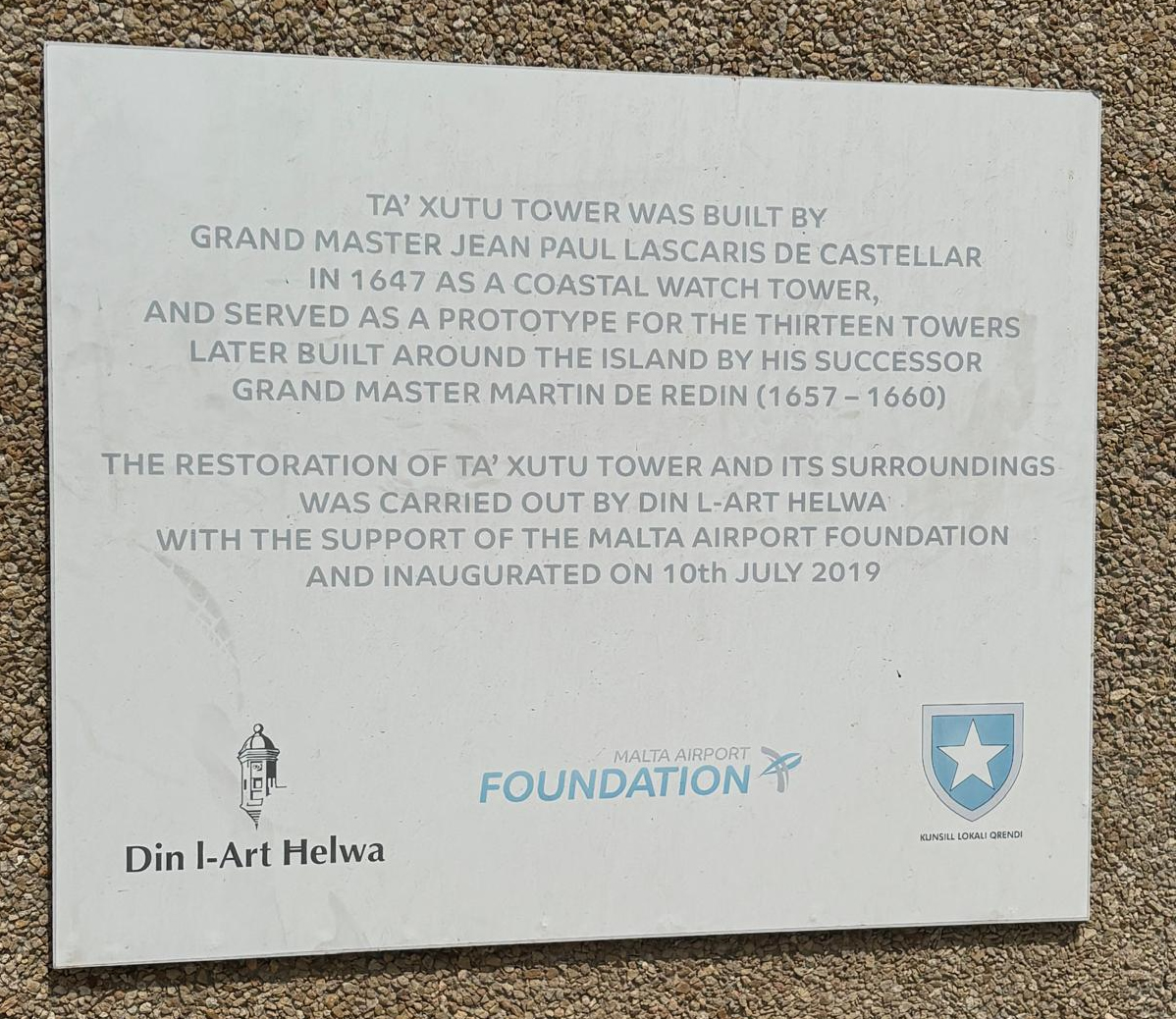
Sciutu Tower (aka locally as Torri ta’ Xutu and Torri Sciuto) was built in 1637–1638 in Wied iż-Żurrieq, located within the Qrendi
📜 Historical Background
Construction Date: 1637–1638
Builder: The Order of St John, during the magistracy of Grand Master Giovanni Paolo Lascaris (1636–1657).
Name: Known locally as Torri ta’ Xutu or Sciuta Tower, its name comes from a nearby area/field called Sciuta (sometimes written Xutu).
This tower is highly significant because: 1. It was the fifth tower built under Lascaris, for the Lascaris Towers series. 2. It served as the prototype for the De Redin towers, which were built between 1658 and 1659 .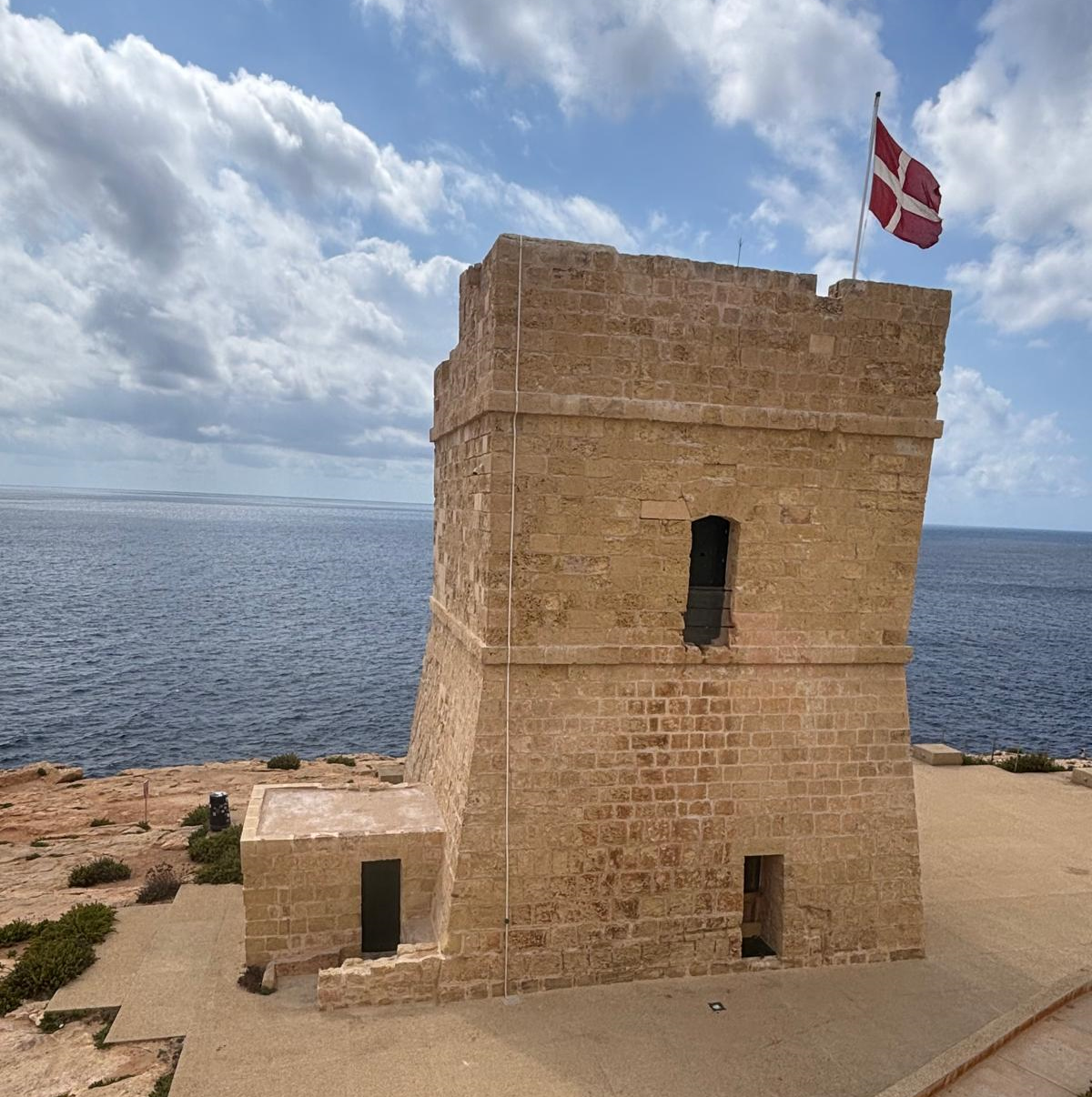
🏗️ Construction & Architecture
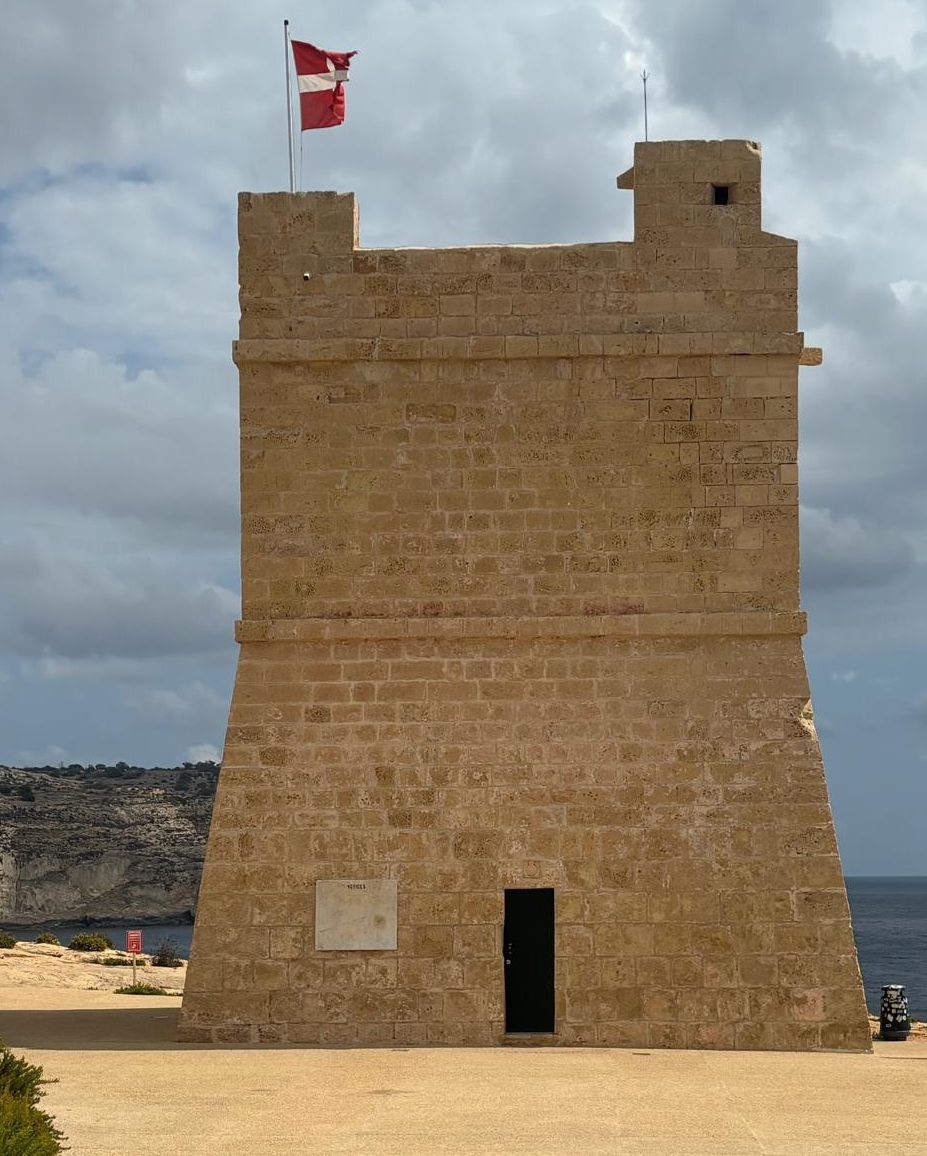
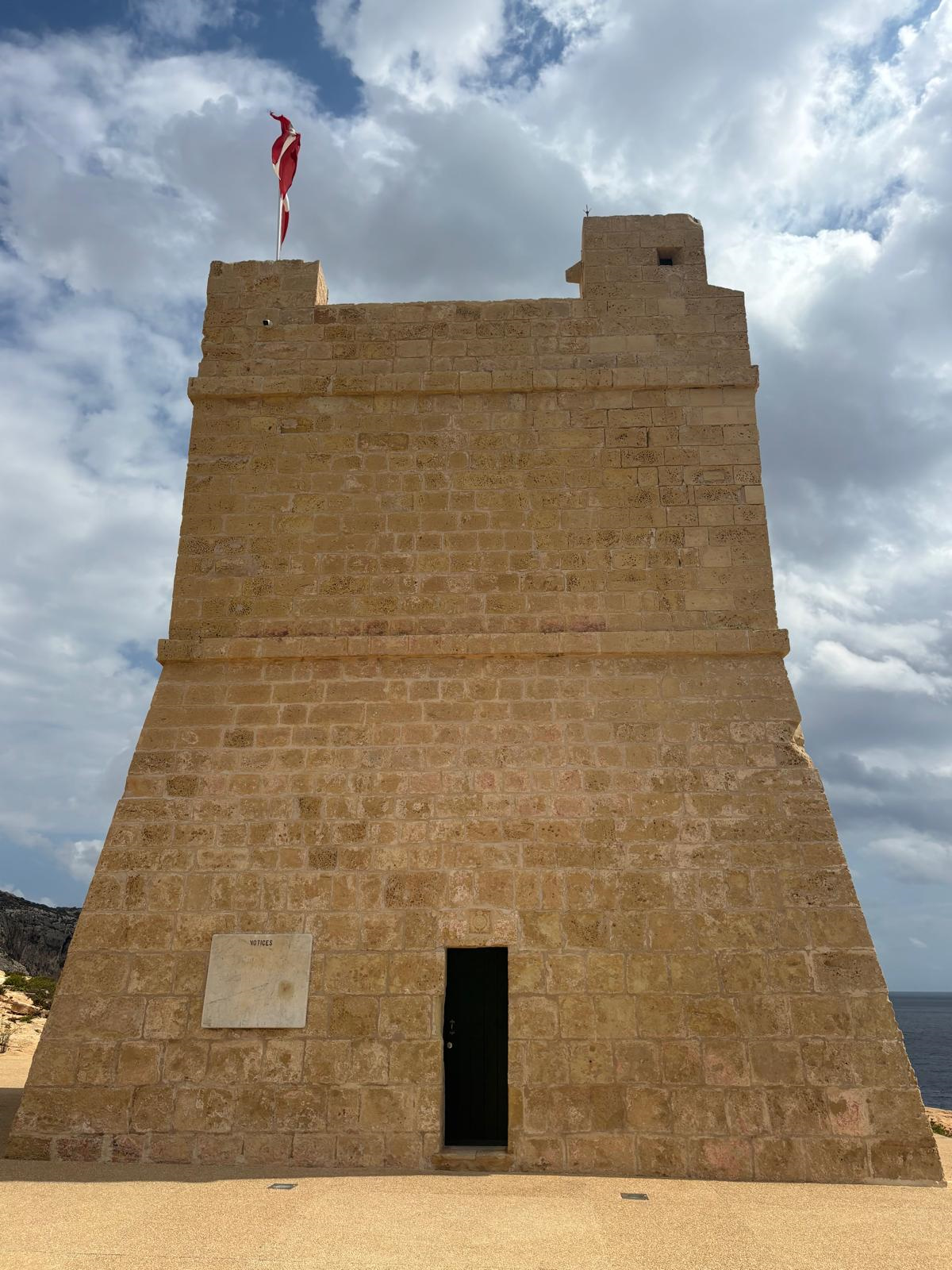
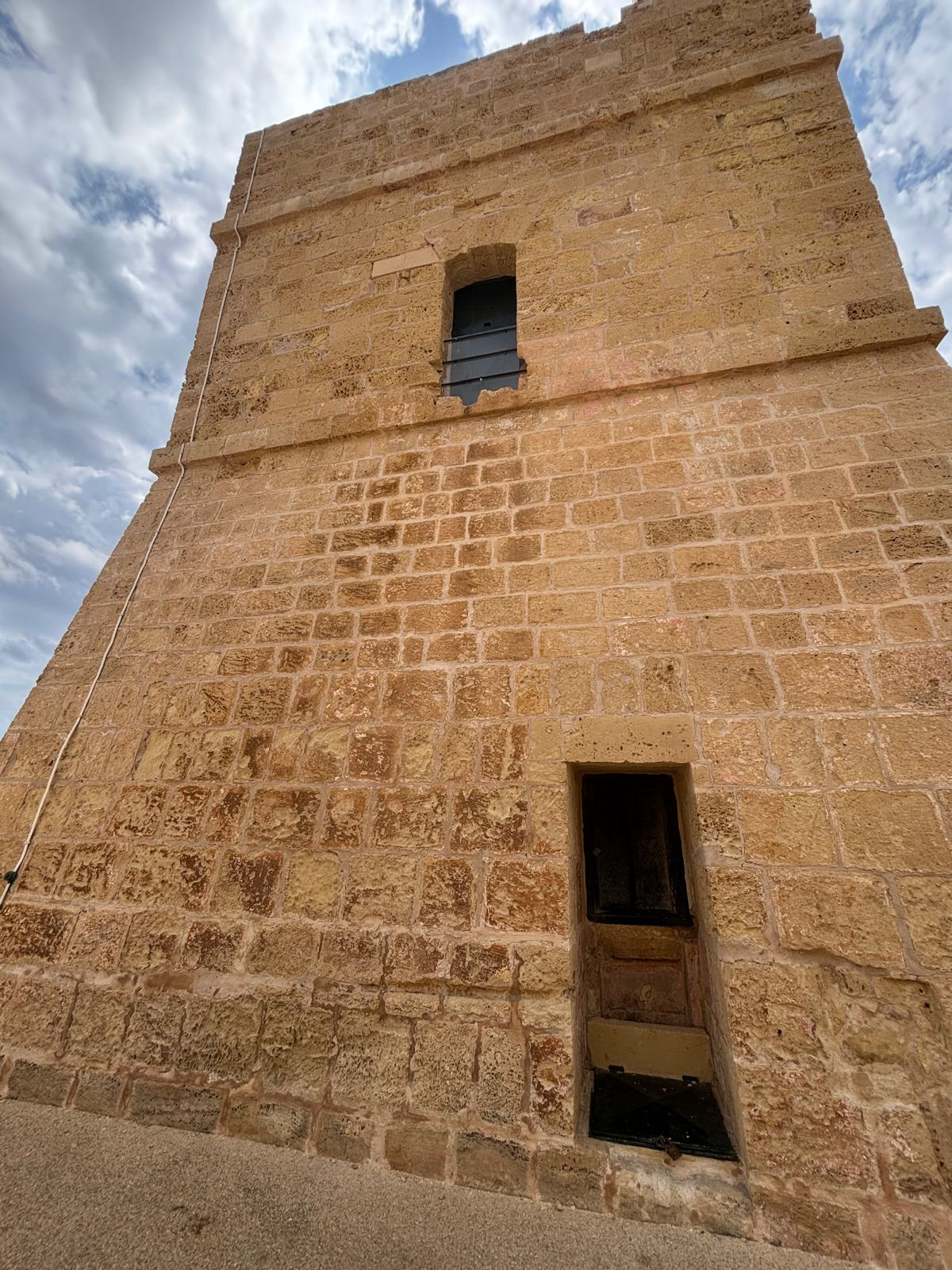
Design: Small coastal watchtower — stronger and more compact than earlier Wignacourt towers.
Layout:
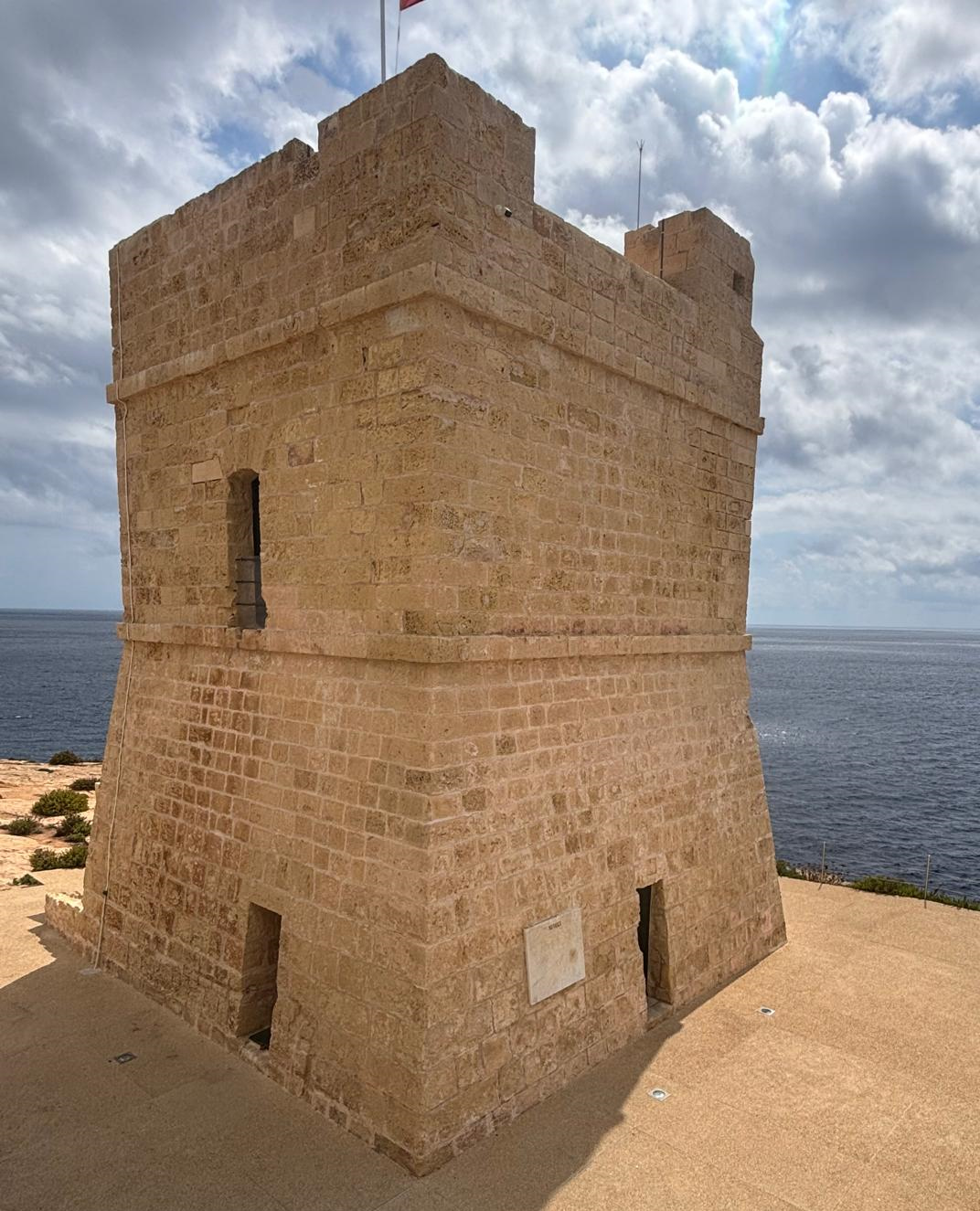
Square base, roughly 10m x 10m.
Two levels — a vaulted ground floor and an upper chamber.
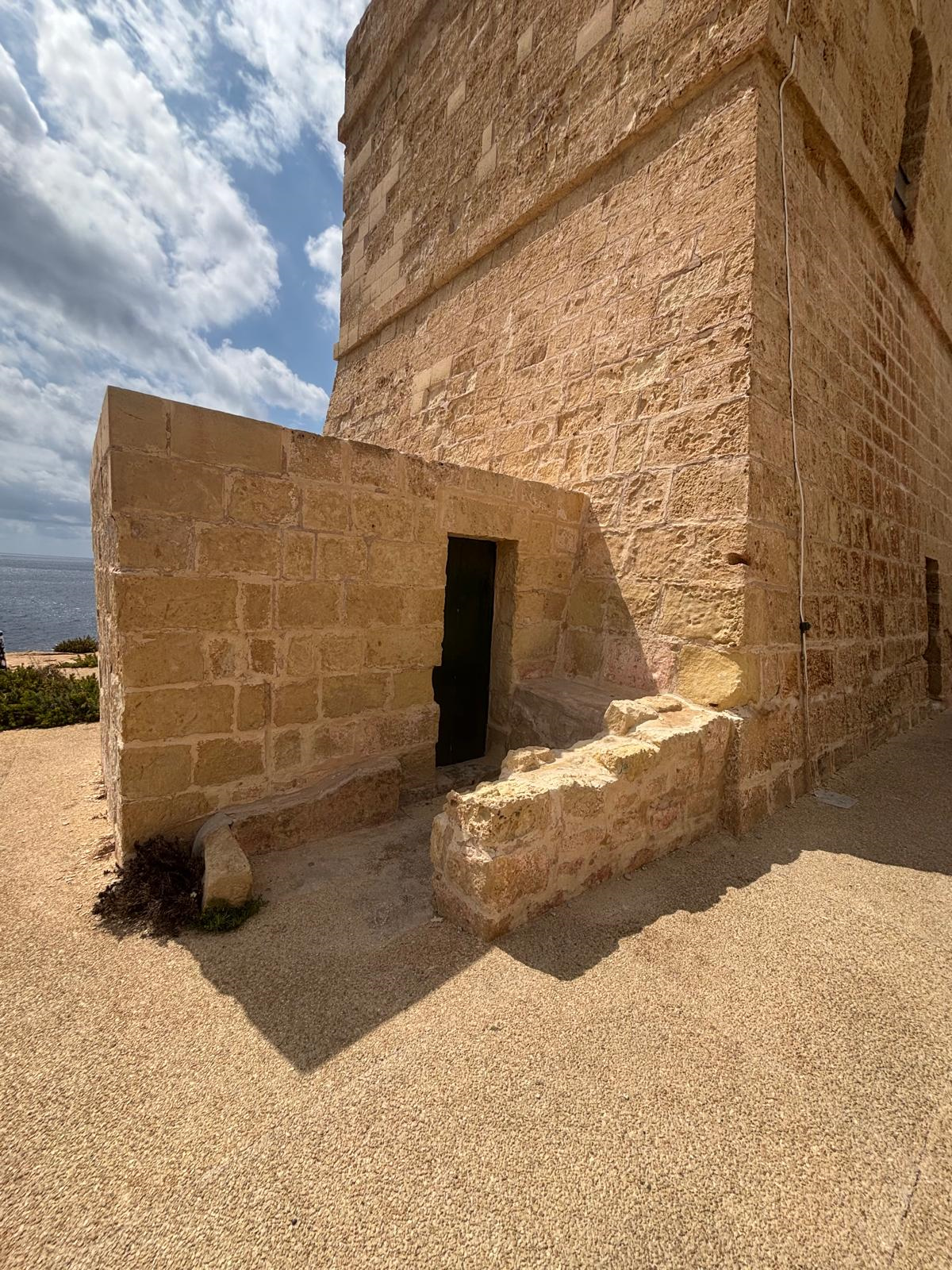
Access originally through a raised doorway, reached by a wooden ladder.
A flat roof platform surrounded by parapet walls, used for watch duty and signalling.
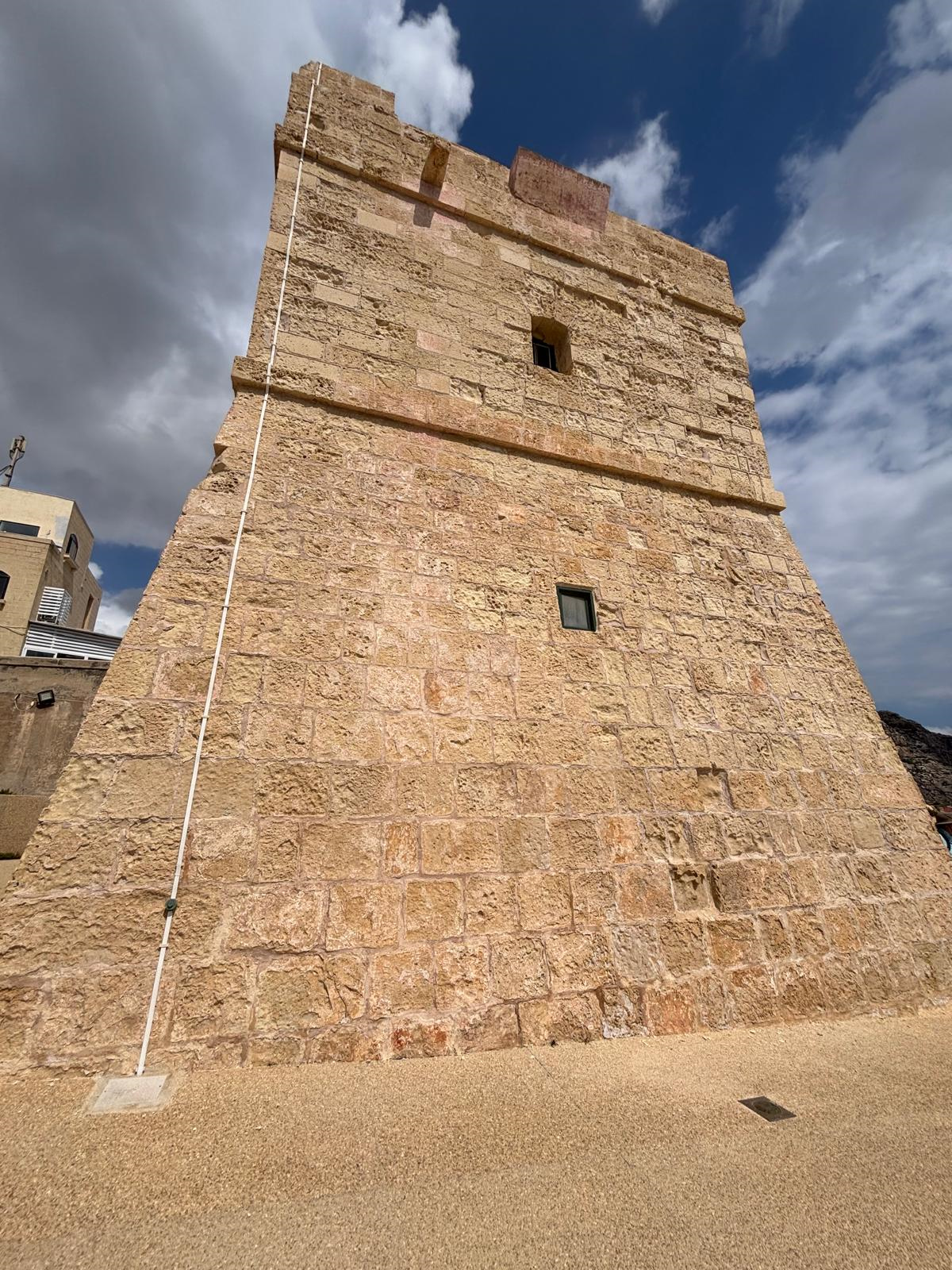
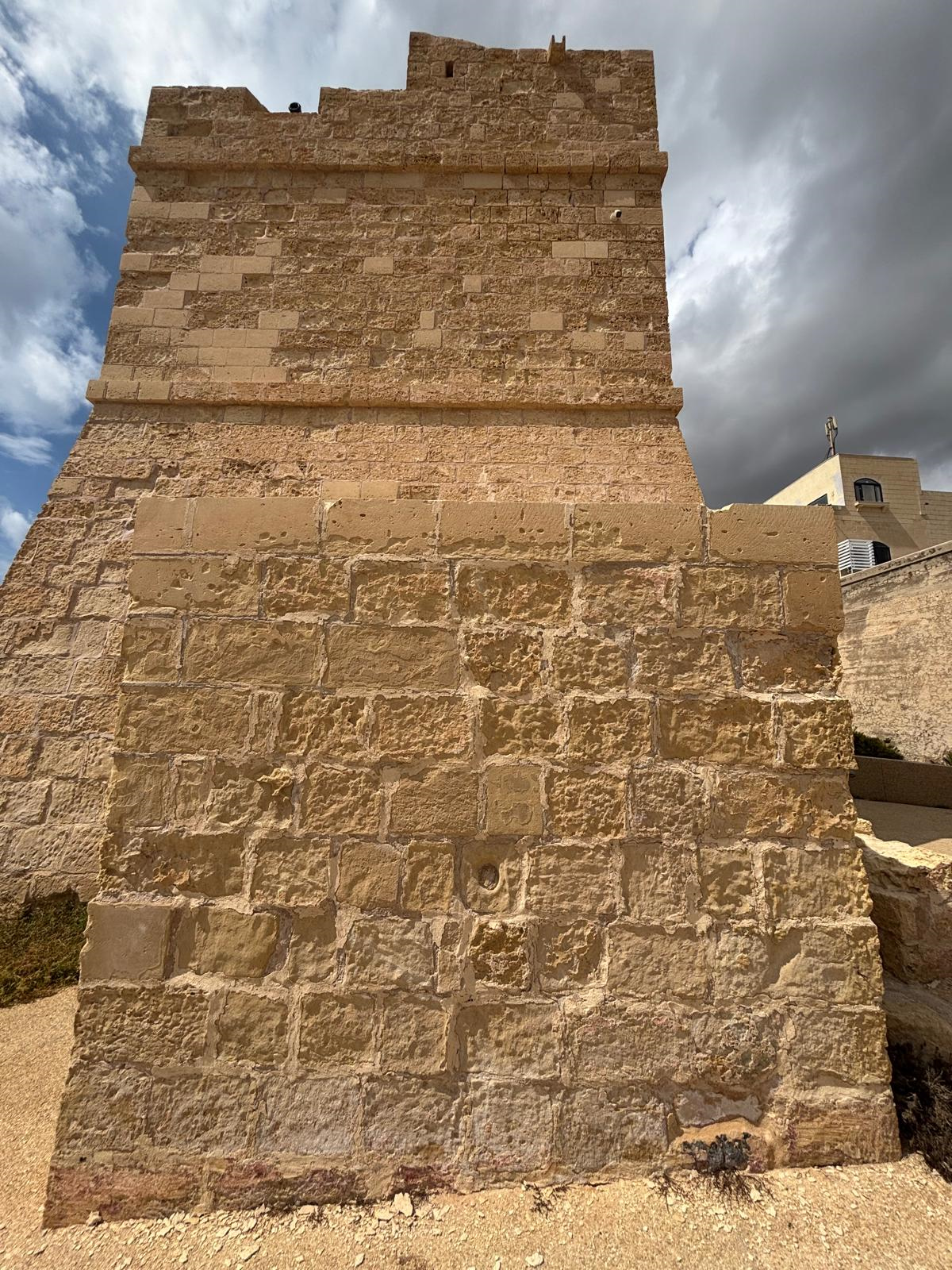
Walls: Thick globigerina limestone masonry, robust enough to resist small arms fire and raids.
Defensive Features:
Firing slits and small gunloops.
Could be armed with light cannon or swivel guns.
Garrison: Usually manned by a small detachment (3–4 men) from the coastal militia, responsible for lookout and signalling.
⚔️ Military Role
Primary Purpose: To serve as a lookout and signaling station.
The garrison used fire by night and smoke by day to communicate sightings of enemy ships to inland militia and nearby towers.
Its position guarded the approach to Wied iż-Żurrieq and nearby landing spots, preventing corsair or Ottoman incursions.
It worked in coordination with other towers, including Wardija Tower (Żurrieq) and later Żonqor and Bengħisa Towers.
🌍 Later History
After the fall of the Knights in 1798, the tower continued to be of limited use under the British, though its defensive role declined as modern fortifications were built.
It survived without major damage and remained a landmark for coastal navigation.
20th century: Like other towers, it fell into disuse, though still structurally intact.
21st century: The tower has been restored by heritage organisations and is in good condition.
🗂️ Quick Facts
| Feature | Detail |
| Name | Sciuta Tower (Torri ta’ Xutu / Sciuta) |
| Location | Qrendi, Malta (near Wied iż-Żurrieq) |
| Built | 1637–1638 |
| Builder | Order of St John, Grand Master Lascaris |
| Function | Coastal watchtower (lookout & signalling) |
| Significance | Prototype for the Lascaris Towers |
| Status Today | Restored and preserved |
✅ Summary:
The Sciuta Tower in Qrendi is the older of the Lascaris Towers, built in 1637–38 by the Order of St John. Compact but robust, it served as a coastal watchtower guarding Wied iż-Żurrieq and surrounding bays, with a small garrison responsible for signalling enemy movements. Its design became the model for later 17th-century towers. Today, the tower still stands in excellent condition, a well-preserved example of Malta’s early coastal defense system.
🏰 Visitor’s Guide — Sciuta Tower (Torri ta’ Xutu), Qrendi
📍 Location
Sciuta Tower stands on the southwestern coast of Malta, near the village of Qrendi.
It overlooks the coastline close to Wied iż-Żurrieq — the famous harbour and departure point for the Blue Grotto boat trips.
GPS Coordinates: 35.819372, 14.453518
🕰️ Opening Hours
Public access: The tower itself is usually closed, but the exterior can be visited freely.
At times, heritage or cultural organisations organise open days or guided tours inside.
🎟️ Admission
Free** to view the exterior.
Entry during special openings or events may require a small donation or ticket.
🚗 Getting There
By Car:
From Valletta, drive south following signs to Qrendi / Wied iż-Żurrieq.
The tower is located near the parking area for Wied iż-Żurrieq and the Blue Grotto viewpoint.
Parking is available nearby.
By Bus:
From Valletta, take Bus 74 to Żurrieq / Qrendi.
From the bus stop, it’s about a 10–15 minute walk down to Wied iż-Żurrieq.
On Foot / Hike:
The tower can be reached along the coastal paths connecting Qrendi, Żurrieq, and Dingli, making it a great stop for hiking and photography.
🏗️ What to See
Tower Exterior — A compact 17th-century limestone coastal watchtower.
Scenic Views — Stunning panoramas of the Mediterranean Sea and the cliffs of Wied iż-Żurrieq.
Blue Grotto — Just minutes away, Malta’s most famous sea caves can be visited by boat.
Historic Context — Plaques and local guides explain the tower’s role in the 17th-century defense system.
📜 Historical Highlights
Built in 1637–38 under Grand Master Lascaris.
Fifth of the Lascaris Towers — later towers copied its design.
Guarded Wied iż-Żurrieq, a vulnerable landing site for corsair raids.
Staffed by a small militia garrison, who signalled inland during enemy sightings.
Today, the tower is restored and preserved, a landmark of Qrendi’s coastal heritage.
🧭 Nearby Attractions
🌊 Blue Grotto — Famous natural sea caves, best visited by boat.
🏞️ Wied iż-Żurrieq — Scenic inlet with fishing boats and diving spots.
⛪ Qrendi Village — Historic parish church of the Assumption, Baroque chapels.
🏰 Mnajdra & Ħaġar Qim Temples — UNESCO World Heritage megalithic temples, just a 5-minute drive away.
🌅 Dingli Cliffs — Malta’s highest point, offering dramatic sea views.
✅ Visitor Tips
Best visited together with a trip to the Blue Grotto.
Bring a camera — the views are spectacular, especially at sunset.
Wear comfortable shoes if combining with coastal walks.
If you’d like to see the inside of the tower, check with Heritage Malta or local councils for open day schedules.
✨ Summary:
The Sciuta Tower in Qrendi is the fifth of the Lascaris Towers, built in 1637 as part of Malta’s coastal defenses. Overlooking Wied iż-Żurrieq and the Blue Grotto, it offers breathtaking views and a glimpse of Malta’s military history. While the tower interior is usually closed, its exterior and surroundings make it a rewarding stop for history lovers, hikers, and photographers alike.