⚔️ The Vendôme Battery in Mellieħa
📍 Location
Situated in Mellieħa. Google Map Link
The coordinates of Vendôme Battery are: 35.989768, 14.353443
History — including construction, modifications, and use over time — of Vendôme Battery in Armier Bay, Mellieħa, Malta.
Overview
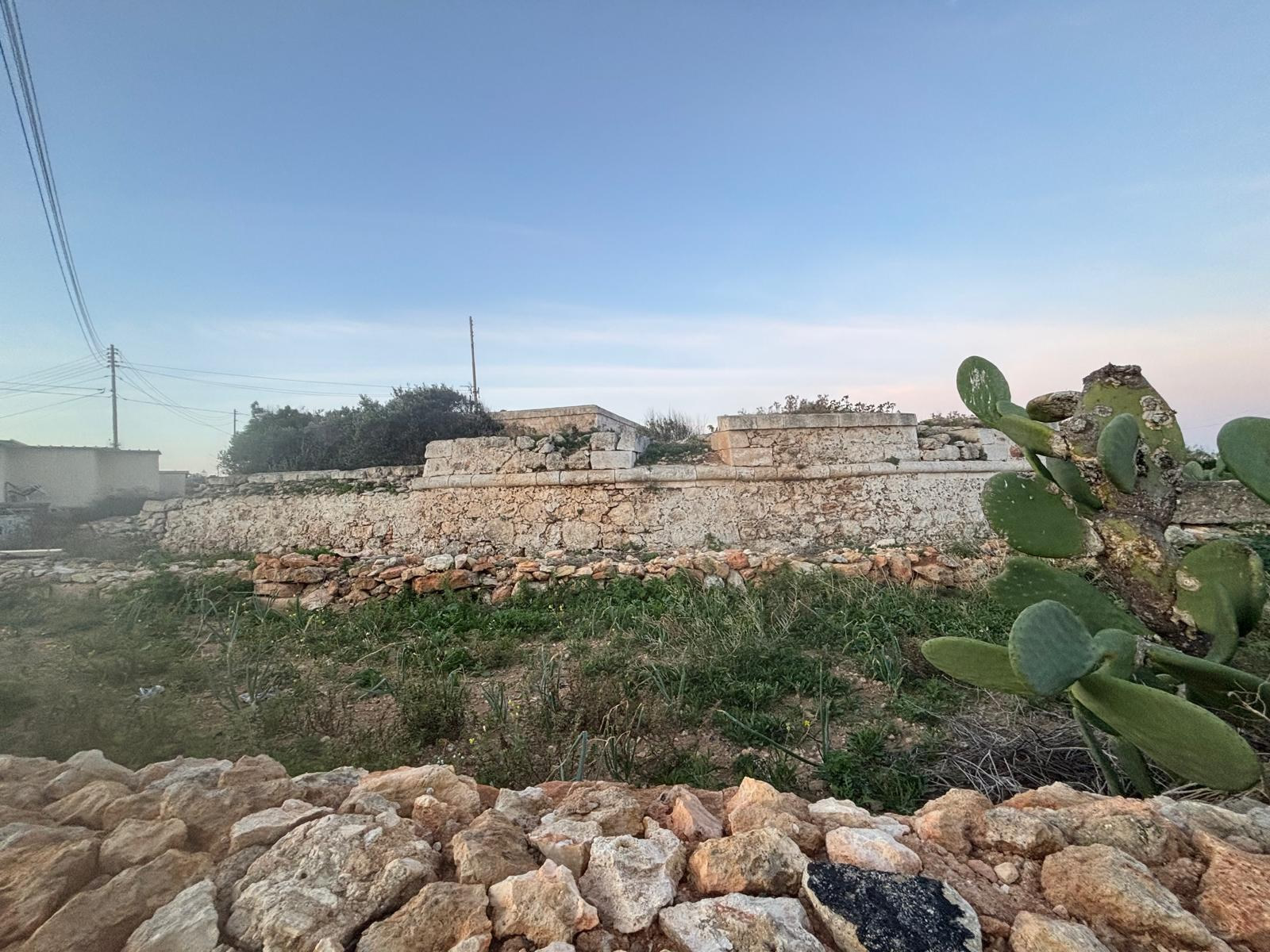
Vendôme Battery (Batterija ta’ Vendôme) is an early 18th-century coastal artillery battery located in the northern limits of Mellieħa, Malta. Built by the Order of St. John in 1715–1716, it forms part of a defensive chain constructed to protect the Maltese Islands from Ottoman and North African corsair incursions.
The battery is named after Philippe de Vendôme, a prominent French knight and military strategist who influenced the Order’s fortification programme.
🛡 Construction, Purpose & Historical Context
Date Built
1715–1716, during the large-scale coastal defence programme initiated under Grand Master Ramón Perellós y Roccaful.
Builder
Constructed by the Order of St. John, most likely under the direction of military engineers assigned to the Langue of France.
Military Purpose
Vendôme Battery was designed to:
Guard Armier Bay, one of the more accessible landing points on Malta’s northern shore.
Prevent enemy vessels from coming ashore and threatening Mellieħa and the inland routes.
Provide overlapping defensive coverage with nearby redoubts, batteries, and the commanding St. Agatha’s Tower (Red Tower).
Like other batteries built in this period, its role was to control coastal approaches and delay or stop an invading force long enough for reinforcements to arrive.
🏰 Architectural & Defensive Features
Vendôme Battery follows the classic configuration of the 1715–1716 coastal batteries.
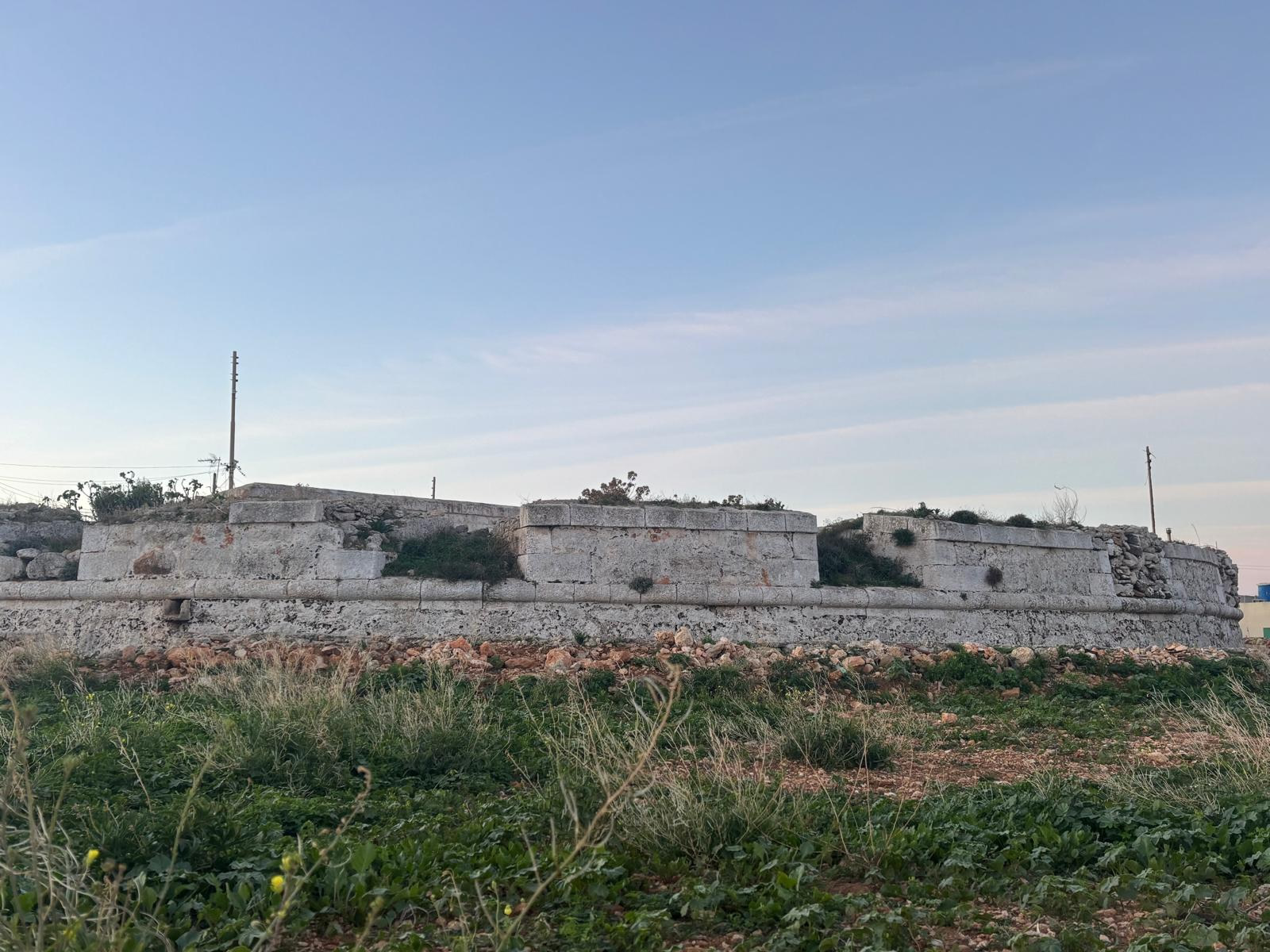
1. Semi-Circular Gun Platform
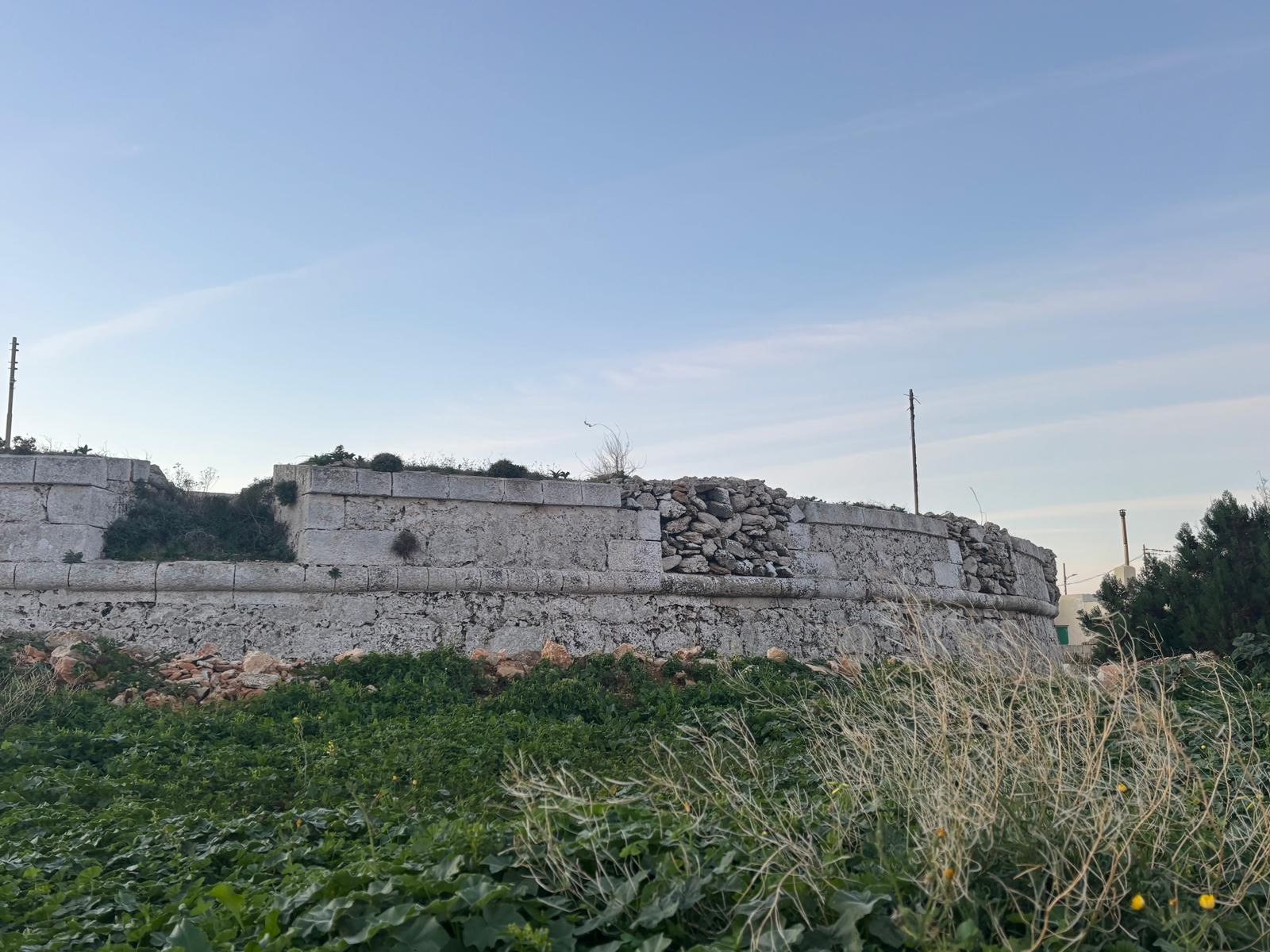
The seaward side features a semi-circular gun platform, giving overlapping arcs of fire across Armier Bay.
Originally mounted with approximately five to seven cannons, possibly 6- or 8-pounder guns.
The parapet included embrasures (openings) through which the artillery pieces could fire.
2. Blockhouse
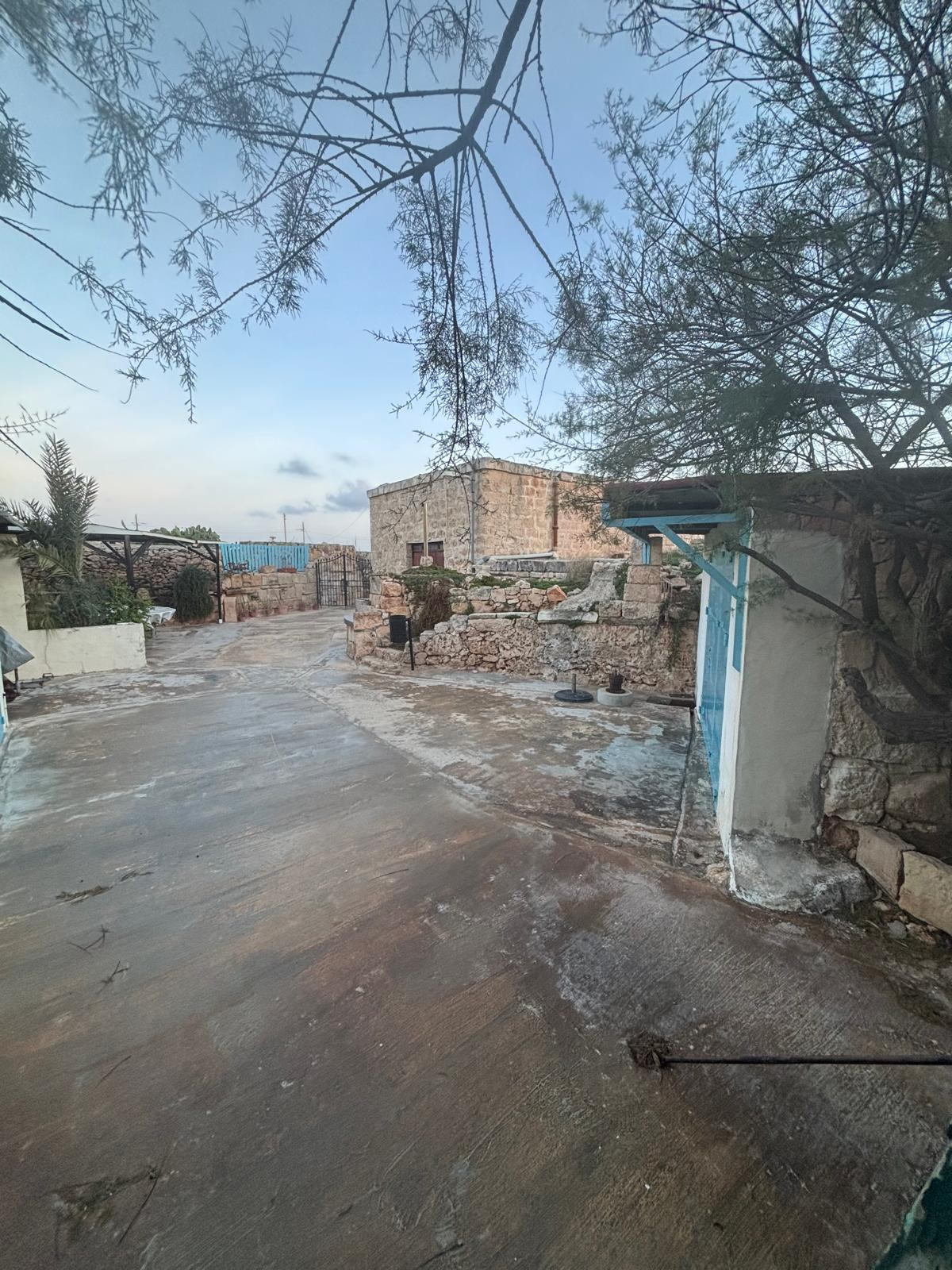
A rectangular blockhouse stands at the landward end of the battery.
Served as:
A sleeping area for the garrison
Ammunition and powder storage
A defensible fallback point if the platform was assaulted
The blockhouse is one of the battery’s most recognisable surviving features.
3. Parapets & Stonework
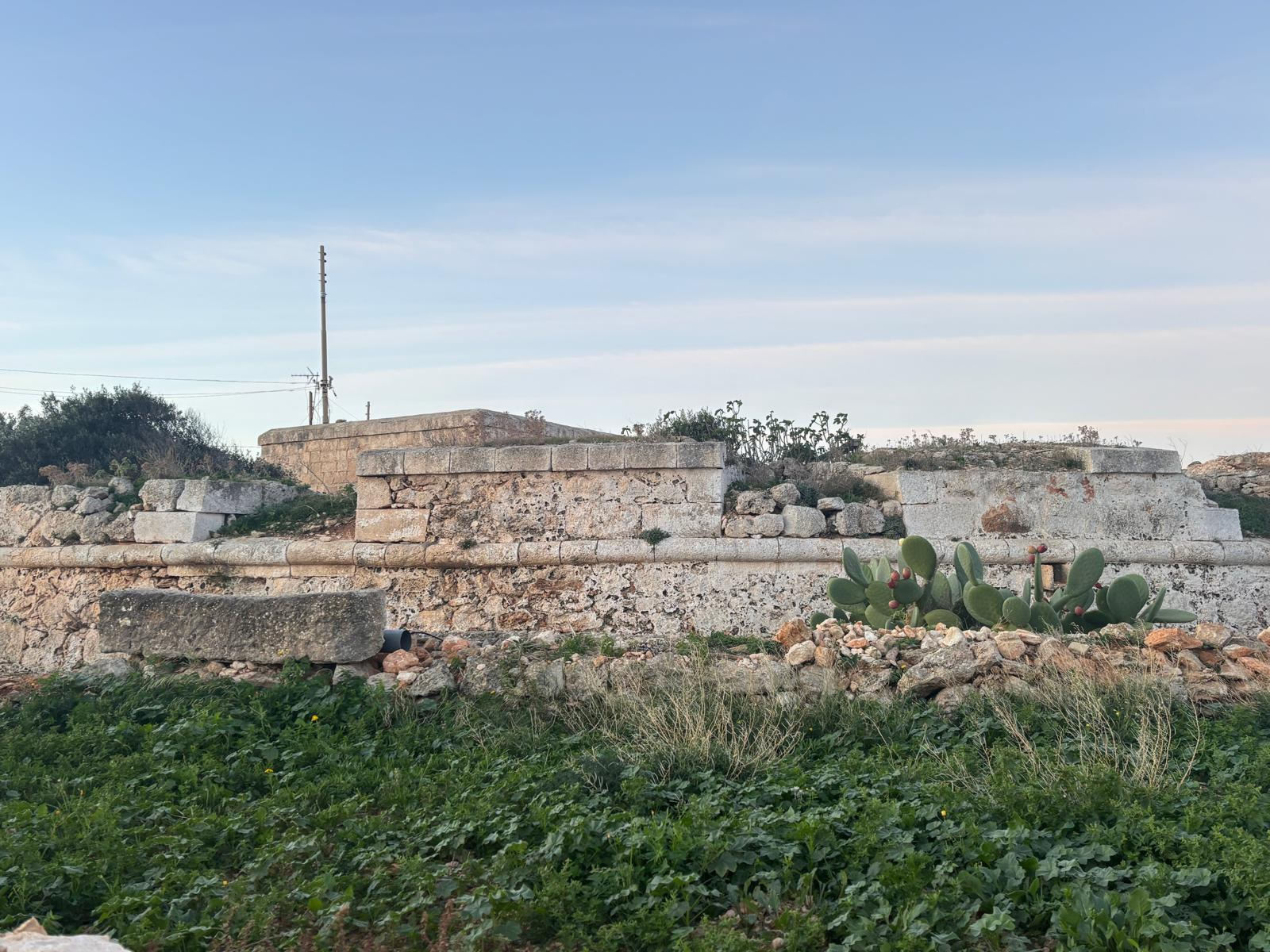
Parapet walls protected gunners from return fire.
Built in the robust limestone style typical of Maltese military engineering.
4. Limited Landward Defences
Armier’s distance from urban centres and natural terrain made the battery less vulnerable to land attack.
As a result, it lacked deep ditches or extensive landward fortifications that appear in some other batteries.
The 1770 Armament & Ordnance Inventory
An official military audit conducted by the Order of St. John in 1770 provides an exact look at the defensive readiness of Vendôme Battery during the late Hospitaller period. The inventory reflects a heavily supplied coastal outpost prepared for prolonged artillery engagements:
| Ordnance / Supply Type | Specification | Quantity / Allocation |
|---|---|---|
| Iron Cannons | 8-pounder | 3 Pieces |
| Iron Cannons | 12-pounder | 3 Pieces |
| Naval Carriages | Gun Mounts | 11 Units |
| Iron Cannon Balls | 8-pounder Round Shot | 210 Rounds |
| Grape Shot | 8-pounder Anti-personnel | 45 Rounds |
| Blackpowder Reserve | Stored at St. Agatha's Tower | 4.70.1 (Kantar.Rifle.Rotolo) |
* Note: The carriage inventory (11 units) exceeded the active gun count (6 pieces), indicating that the battery maintained backup tactical configurations or acted as a regional depot for naval artillery frames. The powder supply was held centrally at the nearby Red Tower (St. Agatha's) to protect it from humid coastal air and enemy bombardment.
📍 Correct Geography: Location & Strategic Importance
Overlooking Armier Bay
Vendôme Battery stands above Armier Bay, facing the channel between Malta and Comino. This placement allowed it to:
Control a shallow, accessible shoreline ideal for potential enemy landings.
Engage approaching vessels before they could reach the beach.
Support neighbouring defensive structures, including:
Tour/Armier Redoubt (nearby)
Aħrax Tower (White Tower), further west along the coast
St. Agatha’s Tower, overseeing the entire northern sector from higher ground
Why Armier Bay Was Militarily Significant
Armier Bay was:
A natural landing site with few cliffs or natural obstacles
Strategically positioned along routes that corsairs historically used
Close to Mellieħa and inland roads leading toward the centre of Malta
During the early 1700s, the Order invested heavily in securing Malta’s northern coast because it was the most likely landing zone for a large-scale invasion.
⚔️ Operational History
18th Century
The battery was lightly garrisoned by coastal militia assigned to monitor the bay and fire upon approaching hostile ships.
It formed part of a comprehensive northern defensive network that included towers, batteries, redoubts, and entrenchments.
British Period (19th Century)
Deemed obsolete by advancing artillery technology, the battery was abandoned by the British and left without active military use.
20th Century Decline
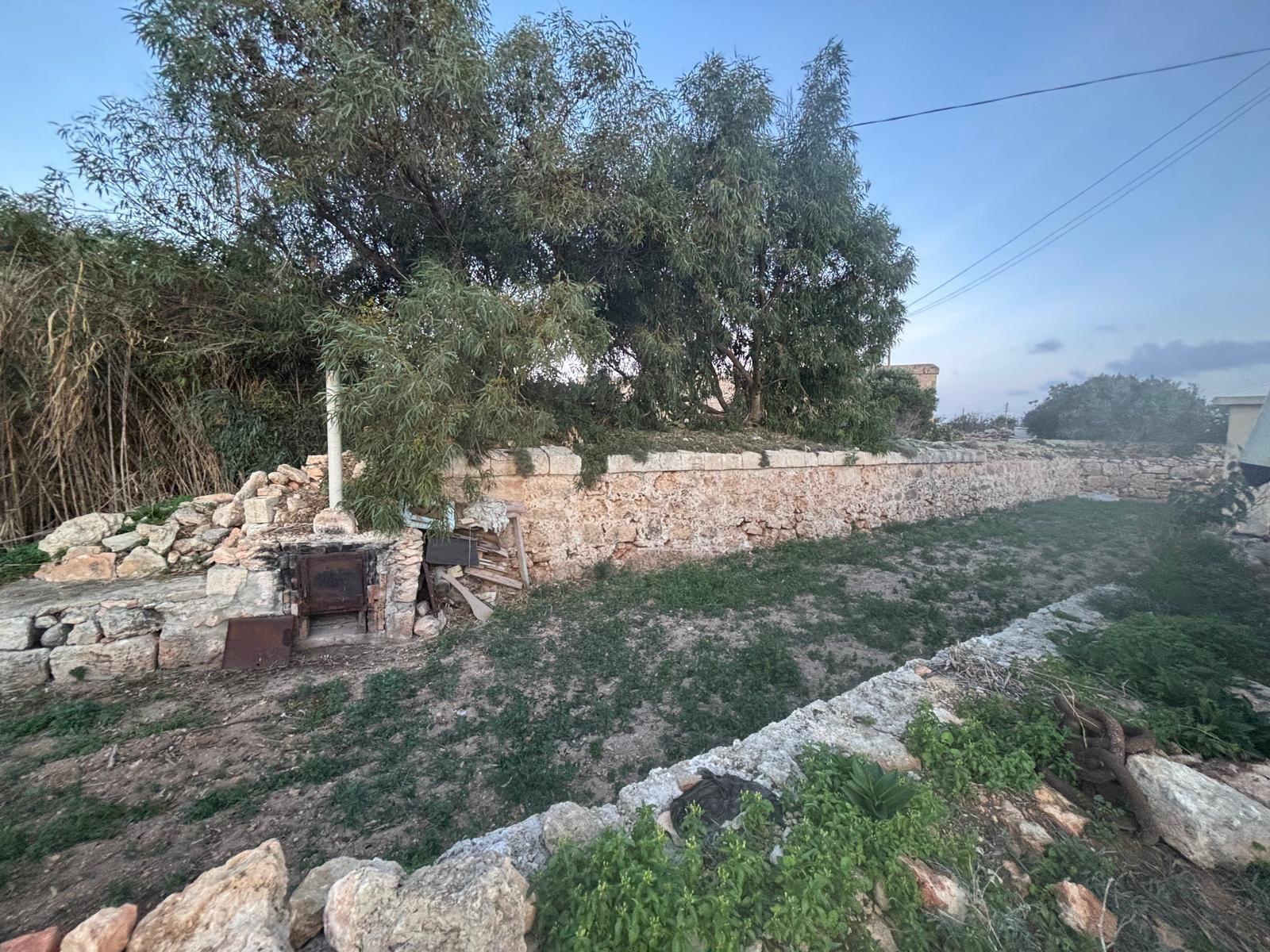
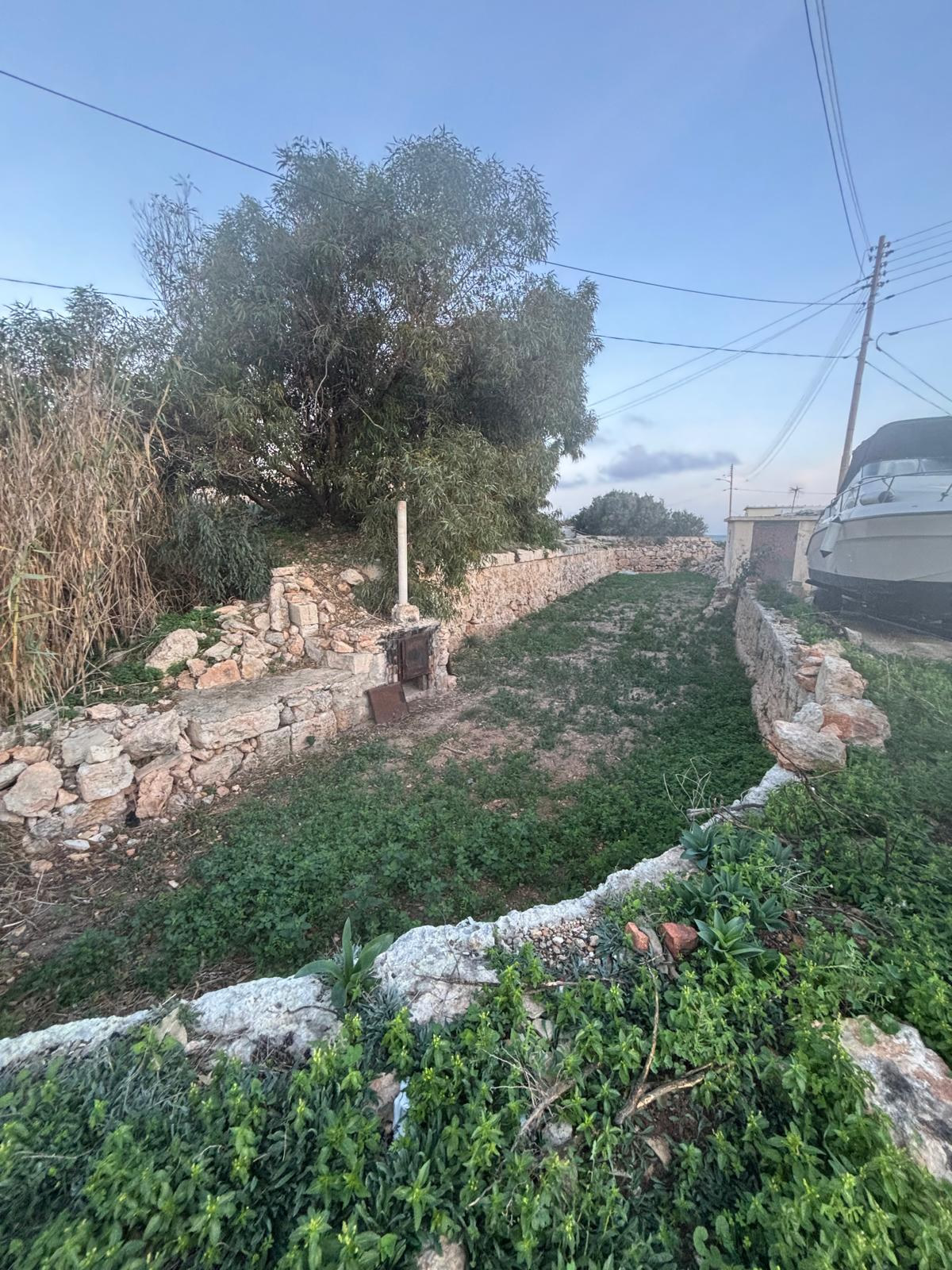
Like many of the Order’s coastal works, Vendôme Battery fell into disrepair.
Weathering and neglect affected parts of the structure, though the footprint remained identifiable.
21st Century: Restoration & Protection
Efforts by heritage authorities have stabilised and partially restored the battery.
Today, it is listed as a Grade 1 protected heritage structure.
Accessible externally to the public and valued for its historical and architectural importance.
🏛 Architectural & Cultural Significance
Vendôme Battery is considered significant because:
It is one of the 1715–1716 coastal batteries that remain largely intact in form.
Its blockhouse is one of the better-preserved examples among Mellieħa’s defences.
It demonstrates the strategic and architectural approach of the Order of St. John in the 18th century.
It contributes to understanding Malta’s sophisticated coastal defence network.
📚 Quick Reference Summary
| Feature | Details |
| Built | 1715–1716 |
| By | Order of St. John |
| Named After | Philippe de Vendôme |
| Location | Overlooking Armier Bay, Mellieħa, Malta |
| Purpose | Prevent landings and defend northern Malta |
| Main Features | Semi-circular gun platform, blockhouse, parapets |
| Original Armament | 6 Cannons (Three 8-pdr, Three 12-pdr) |
| Status | Poor Condition; Grade 1 heritage protection |
Frequently Asked Questions (FAQ)
❓ Who built Vendôme Battery and when?
Vendôme Battery was built in 1715 by the Order of St. John (Knights of Malta). It was part of a massive coastal defense expansion program funded heavily by and named after Philippe de Vendôme, the Grand Prior of France.
❓ Where exactly is Vendôme Battery located?
The battery is located in the northernmost region of Malta, positioned along the coast of Mellieħa just a short distance from the shores of Armier Bay. Locally, the site is often referred to as Batterija ta' Maċċu.
❓ What was the purpose of this specific fortification?
It was designed to prevent enemy forces (primarily Ottoman fleets or Barbary pirates) from executing amphibious landings at Armier Bay. Its cannons could sweep the beach with crossfire, working in tandem with the nearby Armier Redoubt and Aħrax Tower.
❓ What kind of weapons did Vendôme Battery hold?
According to an official military inventory from 1770, the battery was armed with six iron cannons: three 12-pounders and three 8-pounders. It also stored 210 rounds of standard cannonballs and 45 rounds of anti-personnel grape shot.
❓ Can you visit Vendôme Battery today?
Yes, the exterior of the battery and its surviving blockhouse can be viewed while exploring the coastal paths around Armier. While the structure has suffered historical deterioration and modifications over the years, it remains a vital standing monument to Malta's 18th-century military engineering.