📍 Location
Location Map Coordinates 35.899452, 14.454820
Location: Balzan Cemetery Area, Balzan, Malta
Coordinates: 35.899452, 14.454820
Type: Cemetery Chapel
Use: Funeral rites, memorial services, private devotion
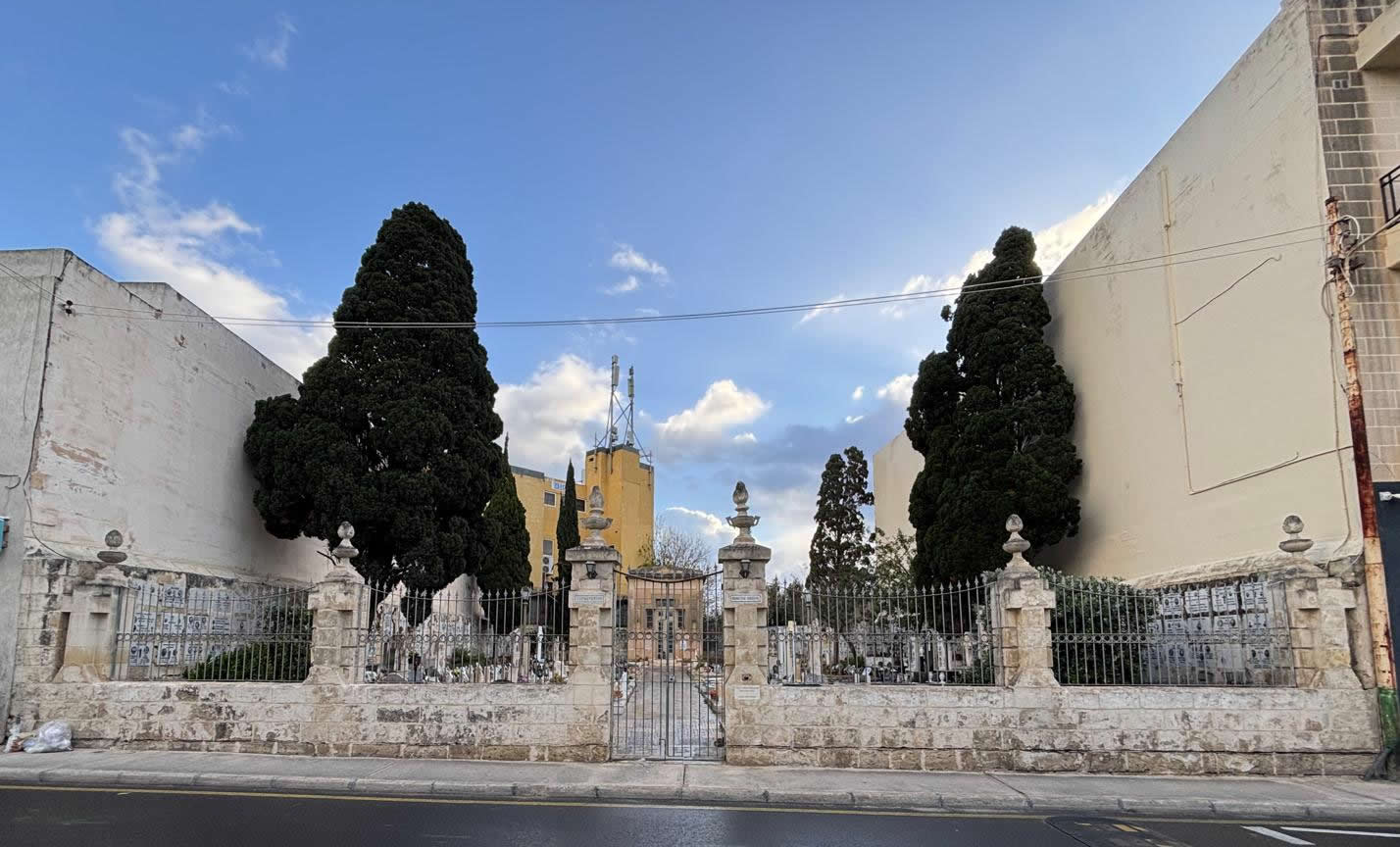
The Balzan Cemetery Chapel is a small yet historically significant religious structure located within or adjacent to the burial grounds of Balzan. Serving as a sacred focal point for funerary rites and remembrance, the chapel forms part of the wider ecclesiastical and social fabric of the village. Although less prominent than the parish church, it plays an essential role in the spiritual life cycle of the community.

Historical Context of Burial in Balzan
To understand the importance of the cemetery chapel, it is necessary to consider the broader development of Balzan as a parish community. The village evolved gradually from a rural settlement into a structured locality between the 15th and 17th centuries, with early records of dwellings dating back to 1419–1420.
When Balzan became an independent parish in 1655, burial practices were still closely tied to churches. As was common throughout Malta, early burials often took place within or immediately adjacent to parish churches and chapels.
However, by the 18th and especially the 19th centuries, changing public health policies and ecclesiastical regulations led to the establishment of dedicated cemeteries outside village cores. This shift marked a significant transformation in burial customs, reflecting broader European trends in sanitation and urban planning.
Origins of the Cemetery Chapel
The Balzan Cemetery Chapel was constructed as part of this transition toward organised burial grounds. Although precise construction dates are not always clearly documented, cemetery chapels in Malta typically emerged between the late 18th and 19th centuries, coinciding with reforms that discouraged burials inside churches.
Its establishment reflects:
- The need for a dedicated sacred space within the cemetery
- The continuation of religious rites associated with death and burial
- The expansion of Balzan’s population and corresponding burial requirements
The chapel would have served as the liturgical centre of the cemetery, where funeral prayers, blessings, and commemorations were conducted before interment.

Architectural Characteristics
The architecture of the Balzan Cemetery Chapel follows the typical design of Maltese funerary chapels: modest in scale yet symbolically rich.
Key Features
- Simple rectangular plan with a single nave
- Stone construction using local globigerina limestone
- Plain façade with restrained decorative elements
- Central entrance aligned with the altar
- Small bell cote or roof feature (common in cemetery chapels)
The chapel’s understated design reflects its solemn purpose, prioritising function and spiritual symbolism over elaborate decoration.
Interior and Contents
Despite its modest size, the chapel contains elements typical of Maltese devotional spaces:
- Main altar used for funeral rites and commemorative masses
- Religious imagery associated with death, resurrection, and eternal life
- Memorial plaques or dedications linked to local families
Cemetery chapels often feature iconography connected to:
- The Passion of Christ
- The Resurrection
- The Virgin Mary in her role as intercessor
These themes reinforce the theological message of hope and eternal life central to Catholic burial traditions.
Function and Use
The Balzan Cemetery Chapel continues to serve an important role in the community, particularly in relation to:
- Funeral ceremonies and final blessings
- All Souls’ Day commemorations
- Private visits for prayer and remembrance
It acts as a transitional sacred space between life and burial, maintaining continuity with centuries-old Catholic traditions.
Relationship with Other Religious Sites in Balzan
Balzan is notable for its concentration of religious buildings, including parish churches, convent chapels, and historic wayside chapels.
The cemetery chapel forms part of this wider religious landscape, complementing:
- The Parish Church of the Annunciation (main liturgical centre)
- Smaller historic chapels such as St Roque (associated with plague burials)
- Convent chapels linked to religious communities
Together, these structures illustrate the layered spiritual geography of the village.
Restoration and Preservation
Like many historic chapels in Malta, the Balzan Cemetery Chapel has likely undergone periodic maintenance and restoration to preserve its structure and integrity.
Such works typically include:
- Stone cleaning and repair
- Roof and waterproofing interventions
- Conservation of interior artworks
These efforts ensure the chapel remains both functional and historically preserved for future generations.
Cultural and Social Significance
Beyond its religious function, the cemetery chapel holds deep cultural meaning. It represents:
- The continuity of family memory across generations
- The integration of faith into daily and communal life
- The historic evolution of burial practices in Malta
In a village such as Balzan—known for its strong identity and historic continuity—the chapel is an important symbol of collective heritage.
Visiting Information
- Location: Balzan Cemetery area
- Access: Typically open during cemetery visiting hours
- Best time to visit: Quiet mornings or during All Souls’ commemorations
Conclusion
The Balzan Cemetery Chapel may be modest in scale, but its historical, religious, and cultural importance is considerable. As part of the broader evolution of burial practices in Malta, it reflects a shift toward organised cemeteries while preserving the spiritual traditions that define Maltese communities.
Today, it remains a place of reflection, remembrance, and continuity—linking past generations with the present through faith and tradition.
Frequently Asked Questions (FAQ)
When was the Balzan Cemetery Chapel built?
It was likely constructed between the late 18th and 19th centuries, when Malta transitioned to organised cemetery burial systems.
What is the purpose of the chapel?
The chapel is used for funeral rites, prayers for the deceased, and commemorative religious services.
Is the chapel still in use today?
Yes, it continues to be used for religious ceremonies and private devotion.
Where is it located?
It is situated within or adjacent to the Balzan cemetery at coordinates 35.899452, 14.454820.
Can visitors access the chapel?
Visitors can typically access the chapel during cemetery opening hours.
To explore more historic chapels across the Maltese Islands, visit our directory: Oldest Chapels in Malta and Gozo.