📍 Location
Location Map Coordinates 35.922658, 14.450984
A historic funerary chapel reflecting Malta’s burial traditions and rural religious heritage
Introduction
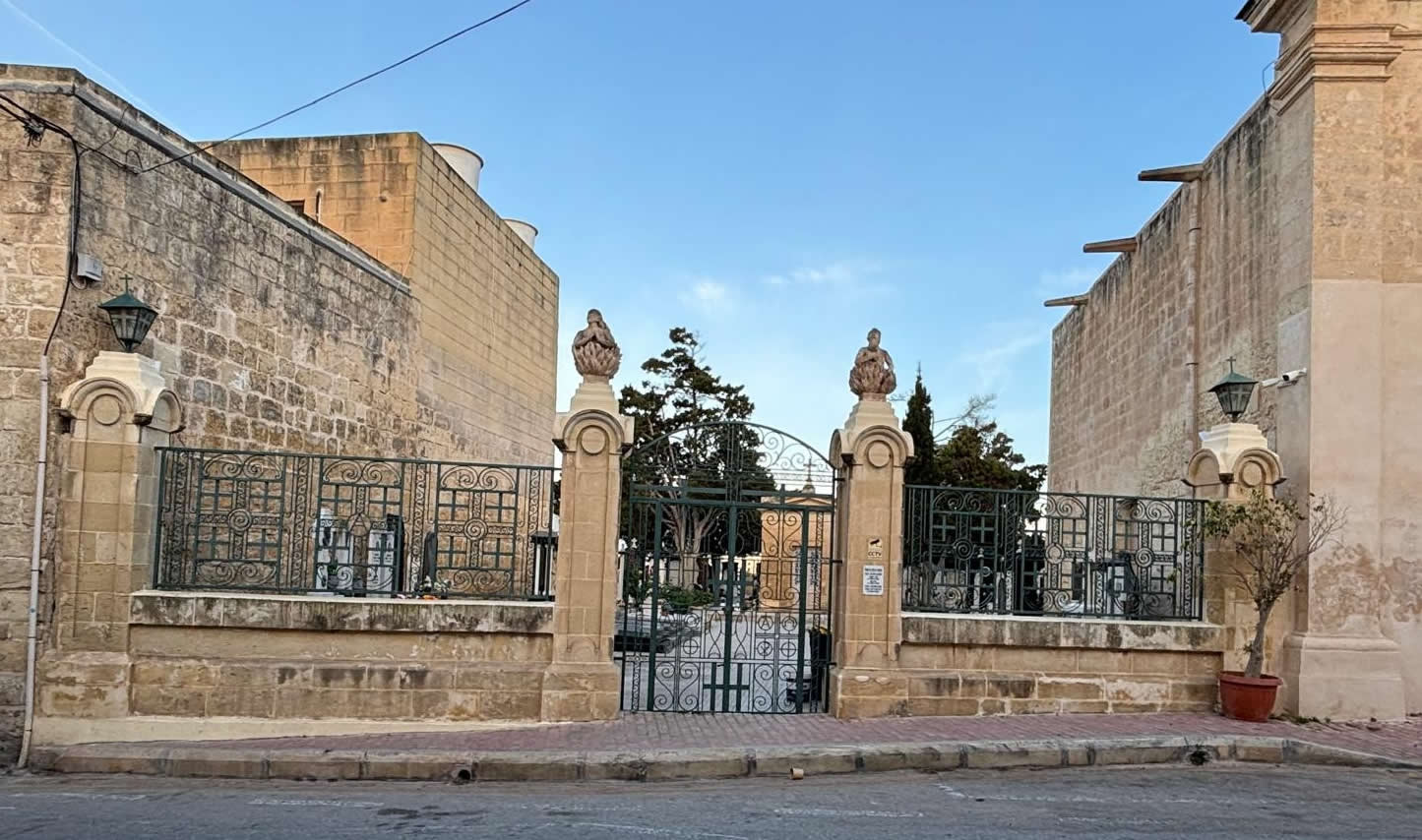
The Cemetery Chapel of Għargħur, located at coordinates 35.922658, 14.450984, is a modest yet historically significant religious structure situated within or adjacent to the village cemetery. This chapel forms an integral part of the funerary landscape of Għargħur, serving both spiritual and practical roles within the local community.
Although less architecturally elaborate than parish churches or major chapels, cemetery chapels hold a unique place in Maltese religious life. They are closely tied to burial customs, memorial practices, and the long-standing Catholic traditions that define Maltese society.
The Għargħur Cemetery Chapel stands as a quiet but powerful reminder of the intersection between faith, mortality, and community identity.
Historical Context of Cemetery Chapels in Malta
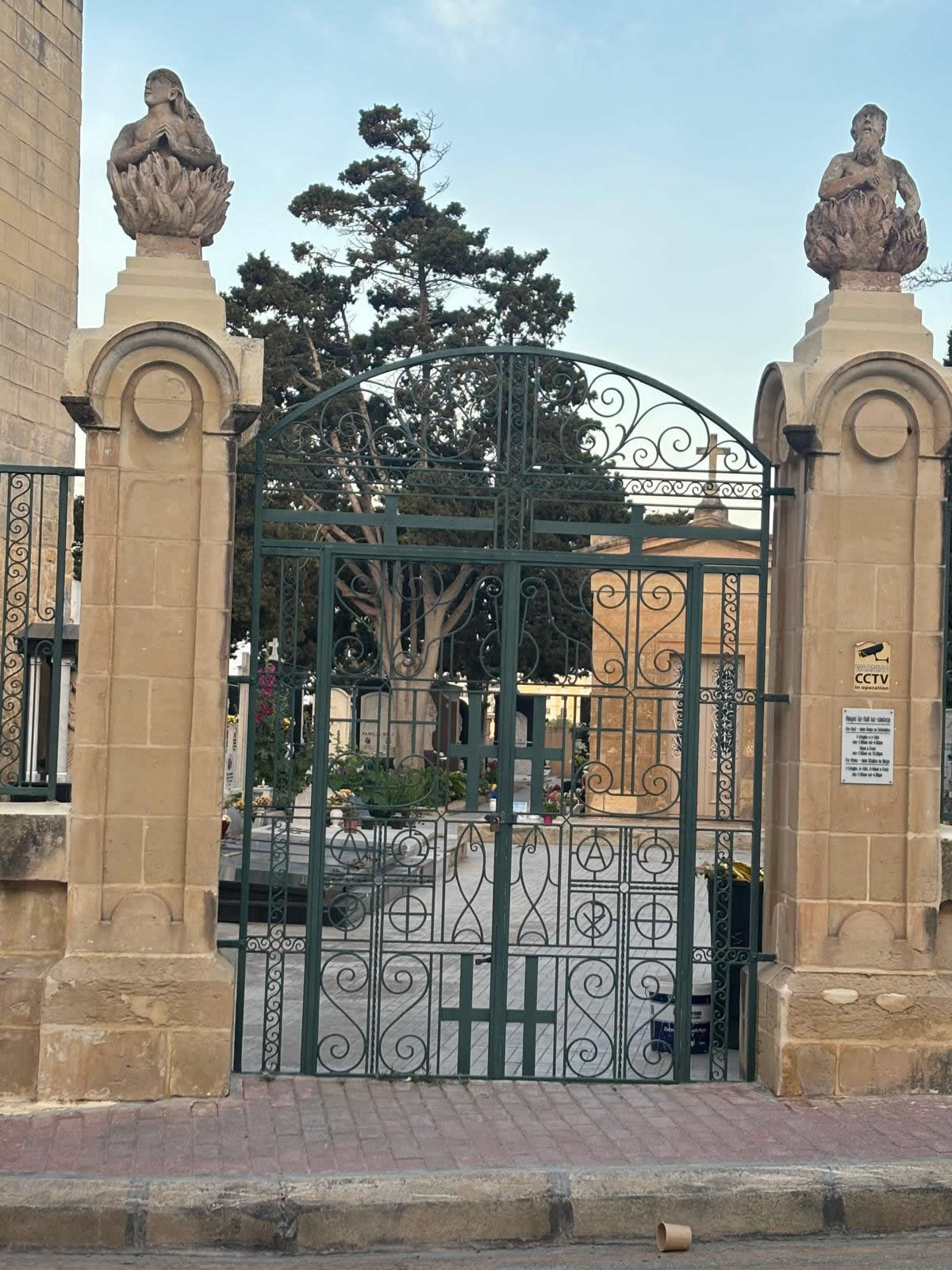
Cemetery chapels in Malta developed as part of broader changes in burial practices from the late medieval period onwards. Traditionally, burials often took place within church interiors or in adjacent churchyards. However, due to health concerns and population growth, dedicated cemeteries began to emerge outside village centres.
These cemeteries were typically accompanied by small chapels used for funeral rites, prayers for the deceased, and commemorative ceremonies. This reflects the Catholic emphasis on intercession, remembrance, and the spiritual care of souls after death.
In villages like Għargħur—documented as having several chapels as early as 1575—religious infrastructure evolved alongside population growth and pastoral needs. :contentReference[oaicite:0]{index=0} was already home to multiple chapels in the 16th century, illustrating a deeply rooted religious culture. :contentReference[oaicite:1]{index=1}
Origins and Development of the Cemetery Chapel
While precise construction records for the Cemetery Chapel in Għargħur are limited, it is likely that the chapel developed in conjunction with the establishment or expansion of the village cemetery, possibly during the 19th or 20th century when burial practices shifted outside parish church grounds.
The chapel would have served as a focal point for funeral services, particularly for:
- Final blessings before burial
- Masses for the deceased
- All Souls’ Day commemorations
- Private family memorial prayers
Its presence reflects the structured and ritualised approach to death in Maltese Catholic tradition, where burial was not only a practical necessity but also a deeply spiritual event.
Architecture and Design
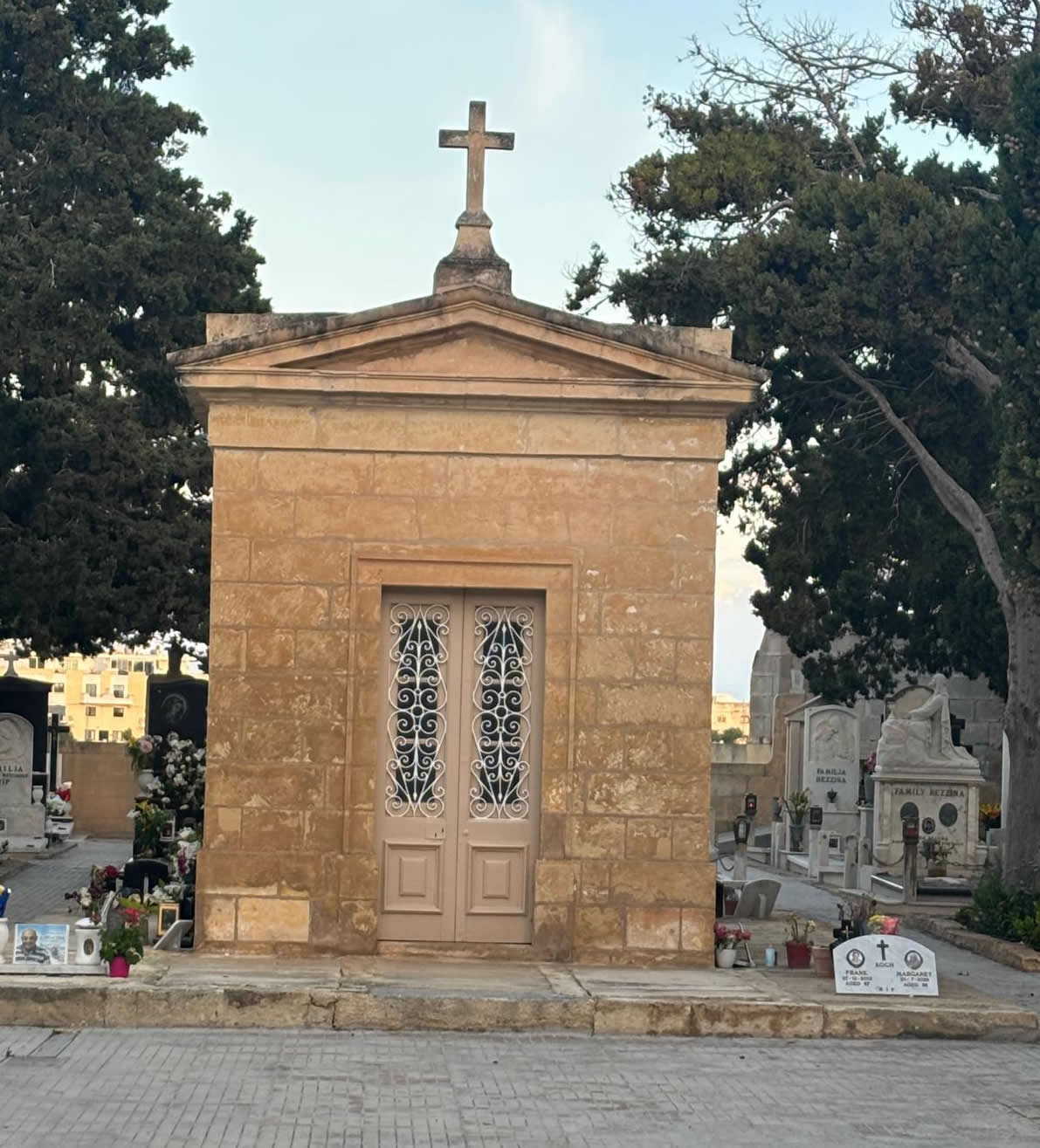
The Cemetery Chapel follows the traditional design of Maltese rural chapels, characterised by simplicity and functionality.
Architectural Features
- Rectangular layout with a single nave
- Plain limestone façade with minimal ornamentation
- Simple entrance framed by stone mouldings
- Possible small bell cote or cross at roof level
- Interior altar positioned at the eastern end
The restrained architectural style reflects the chapel’s purpose: a place of solemn reflection rather than elaborate decoration.
Materials used are consistent with Maltese construction traditions, primarily local limestone, which provides both durability and a distinctive visual character.
Funerary Role and Religious Function
The primary function of the Cemetery Chapel is tied to its role within the burial process. In Maltese Catholic tradition, the journey from life to burial is marked by a series of rites, many of which take place within or around cemetery chapels.
The chapel serves as a sacred space for:
- Funeral liturgies and prayers
- Blessing of coffins before interment
- Gathering of family members and mourners
- Commemoration of the dead during specific liturgical periods
These practices highlight the importance of communal mourning and remembrance in Maltese culture, reinforcing social bonds even in moments of loss.
Interior Features and Devotional Elements
Although modest, the interior of the chapel typically includes essential liturgical elements:
- A central altar used for funeral rites
- Religious paintings or icons, often depicting Christ, the Virgin Mary, or saints associated with death and intercession
- Candles and devotional objects used during services
The atmosphere is intentionally subdued, encouraging reflection and prayer.
In many Maltese cemetery chapels, artistic decoration is limited but meaningful, focusing on themes of resurrection, salvation, and eternal life.
Restoration and Preservation
Like many historic chapels in Malta, the Cemetery Chapel of Għargħur has likely undergone maintenance and conservation work to address the effects of weathering and time.
Typical restoration efforts for such chapels include:
- Stone cleaning and repair
- Roof waterproofing
- Conservation of interior elements
- Structural stabilisation
These efforts ensure that the chapel remains both functional and historically preserved.
This chapel forms part of Malta’s wider network of historic chapels. Explore more on Oldest Chapels of Malta & Gozo.
Cultural and Community Importance
Beyond its religious function, the Cemetery Chapel plays a vital role in the cultural identity of Għargħur. It represents:
- Continuity of tradition across generations
- Respect for ancestors and heritage
- The integration of faith into daily and communal life
Cemetery chapels are often overlooked compared to larger churches, yet they hold deep emotional significance for local communities, serving as places of memory and reflection.
In a village like Għargħur—known for its rural character and historic chapels—the cemetery chapel contributes to a broader landscape of religious heritage. :contentReference[oaicite:2]{index=2}
Location and Setting
📍 Coordinates: 35.922658, 14.450984 📍 Location: Għargħur Cemetery, Malta
The chapel is situated within a peaceful environment overlooking the countryside, reinforcing its contemplative character. Its position outside the main village centre aligns with historical burial practices introduced for sanitary and spatial reasons.
Modern Use
Today, the Cemetery Chapel continues to serve its original purpose. While not used daily, it remains active during:
- Funeral services
- All Souls’ Day commemorations
- Special remembrance ceremonies
It also forms part of Malta’s broader heritage landscape, attracting visitors interested in religious history and traditional burial practices.
Frequently Asked Questions (FAQ)
Where is the Cemetery Chapel in Għargħur located?
It is located within the Għargħur cemetery at coordinates 35.922658, 14.450984.
When was the chapel built?
The exact date is unknown, but it likely dates to the 18th or 19th century when cemeteries were established outside village centres.
What is the purpose of a cemetery chapel?
It is used for funeral rites, prayers for the deceased, and commemorative services.
Is the chapel still in use?
Yes, it is still used for funerals and religious commemorations.
Why are cemetery chapels important in Malta?
They reflect Malta’s strong Catholic traditions and cultural emphasis on remembrance and respect for the dead.
To explore more historic chapels across the Maltese Islands, visit our directory: Oldest Chapels in Malta and Gozo.