📍 Location
Location Map Coordinates 35.886090, 14.526584

Photographs on this page were taken on site by the author during a visit to the Chapel of Our Saviour in Birgu.
Introduction
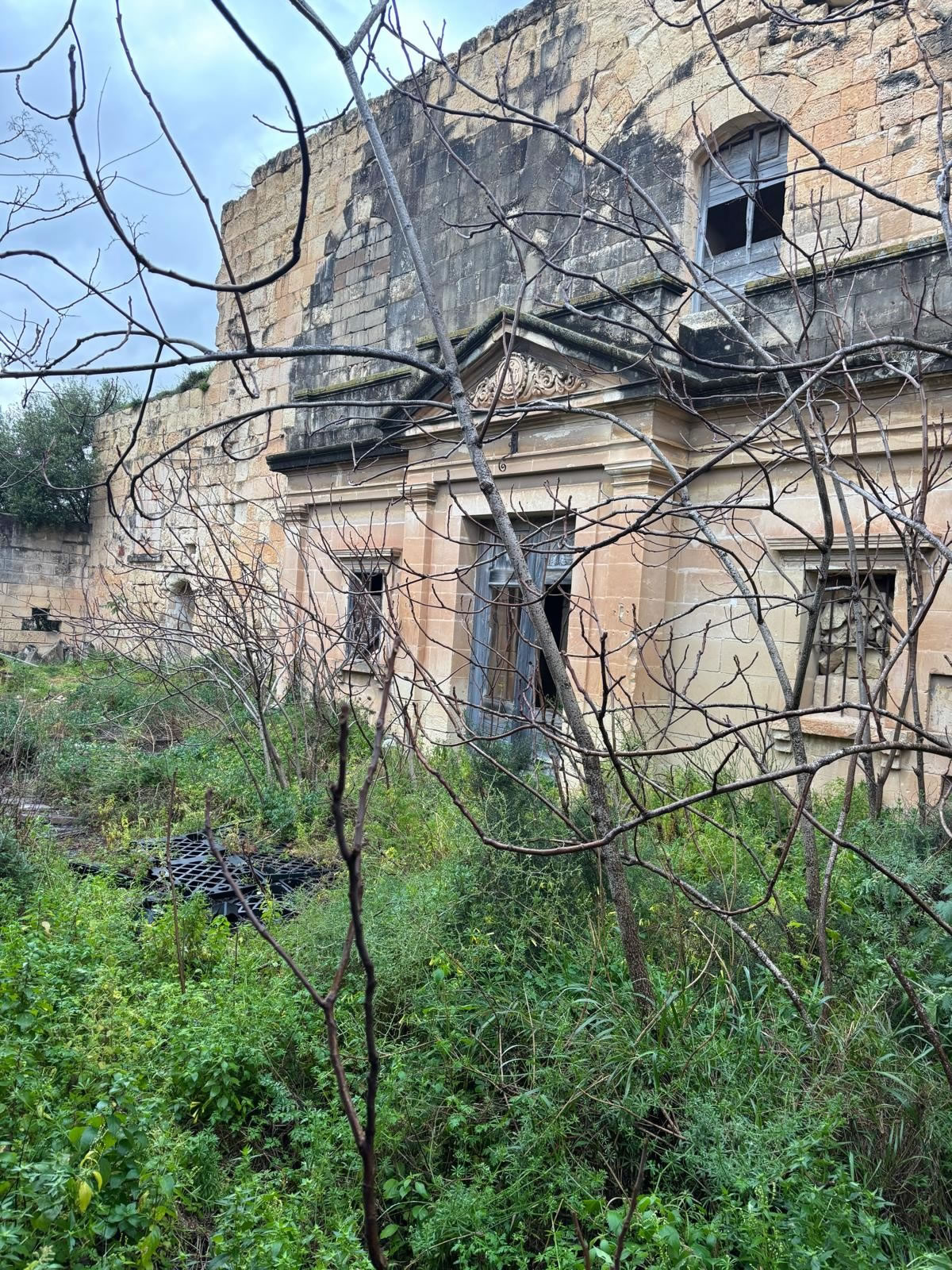
The Chapel of Our Saviour, known locally as Tas-Salvatur, is a small historic chapel located above the San Salvatore Gate overlooking the Grand Harbour in the town of Kalkara, Malta. Despite its modest size, the chapel has a long and fascinating history that reflects the military, religious and cultural development of the Grand Harbour region.
Photographs on this page were taken on site by the author during a visit to the Chapel of Our Saviour in Birgu.
Built within the defensive landscape of the Cottonera fortifications, the chapel stands at a strategic location overlooking the entrance to the peninsula between Kalkara Creek and Rinella Bay. Its position near the historic gate linking Kalkara to the fortified areas of Birgu highlights the close relationship between religious buildings and the military infrastructure developed during the rule of the Knights of St John.
Photographs on this page were taken on site by the author during a visit to the Chapel of Our Saviour in Birgu.
Medieval Origins
The origins of the chapel date back to the late medieval period. Historical sources indicate that an early chapel dedicated to Our Saviour may have existed on this site as early as the late fifteenth century.

Photographs on this page were taken on site by the author during a visit to the Chapel of Our Saviour in Birgu.
At that time the surrounding area was largely rural, consisting of agricultural land and scattered farmhouses. Small chapels were commonly built in such locations to serve the spiritual needs of local farmers and travellers passing through the countryside.
The dedication to Christ the Saviour, often associated with the Transfiguration of Jesus, was a common theme in Maltese religious devotion during this period.

Photographs on this page were taken on site by the author during a visit to the Chapel of Our Saviour in Birgu.
The Great Siege of Malta
The chapel’s early history was dramatically affected by the events of the Great Siege of Malta in 1565. During the siege the Knights of St John ordered the demolition of several buildings located near strategic defensive positions to prevent them from being used by invading Ottoman forces.
The original chapel of Our Saviour was among the structures destroyed during this period. Although the building itself was lost, devotion to the site remained strong among the local population.

Photographs on this page were taken on site by the author during a visit to the Chapel of Our Saviour in Birgu.
Reconstruction in the Sixteenth and Seventeenth Centuries
Following the successful defence of Malta during the Great Siege, the Knights gradually rebuilt many of the destroyed structures in the Grand Harbour region. A new chapel was constructed on the site around 1580.

Photographs on this page were taken on site by the author during a visit to the Chapel of Our Saviour in Birgu.
Later, in 1680, the chapel was rebuilt once again under the patronage of Fra Mario Bichi, a knight of the Order of St John. The reconstruction was entrusted to the renowned Maltese architect Lorenzo Gafà, who designed many of the Baroque churches built in Malta during the late seventeenth century.
Gafà created an unusual design for the chapel based on a hexagonal plan, giving the building a distinctive architectural appearance that sets it apart from the more common rectangular chapel layouts found throughout Malta.

Photographs on this page were taken on site by the author during a visit to the Chapel of Our Saviour in Birgu.
Architecture
The chapel is constructed from Malta’s traditional limestone and displays architectural characteristics typical of the Baroque period.
The hexagonal structure creates a centralised interior space focused on the altar. This geometric layout was sometimes used in Baroque architecture to symbolise harmony and divine order.
Although small in size, the chapel originally contained decorative elements including painted interior surfaces and religious artwork that enhanced its spiritual atmosphere.

Photographs on this page were taken on site by the author during a visit to the Chapel of Our Saviour in Birgu.
Interior Decoration and Frescoes
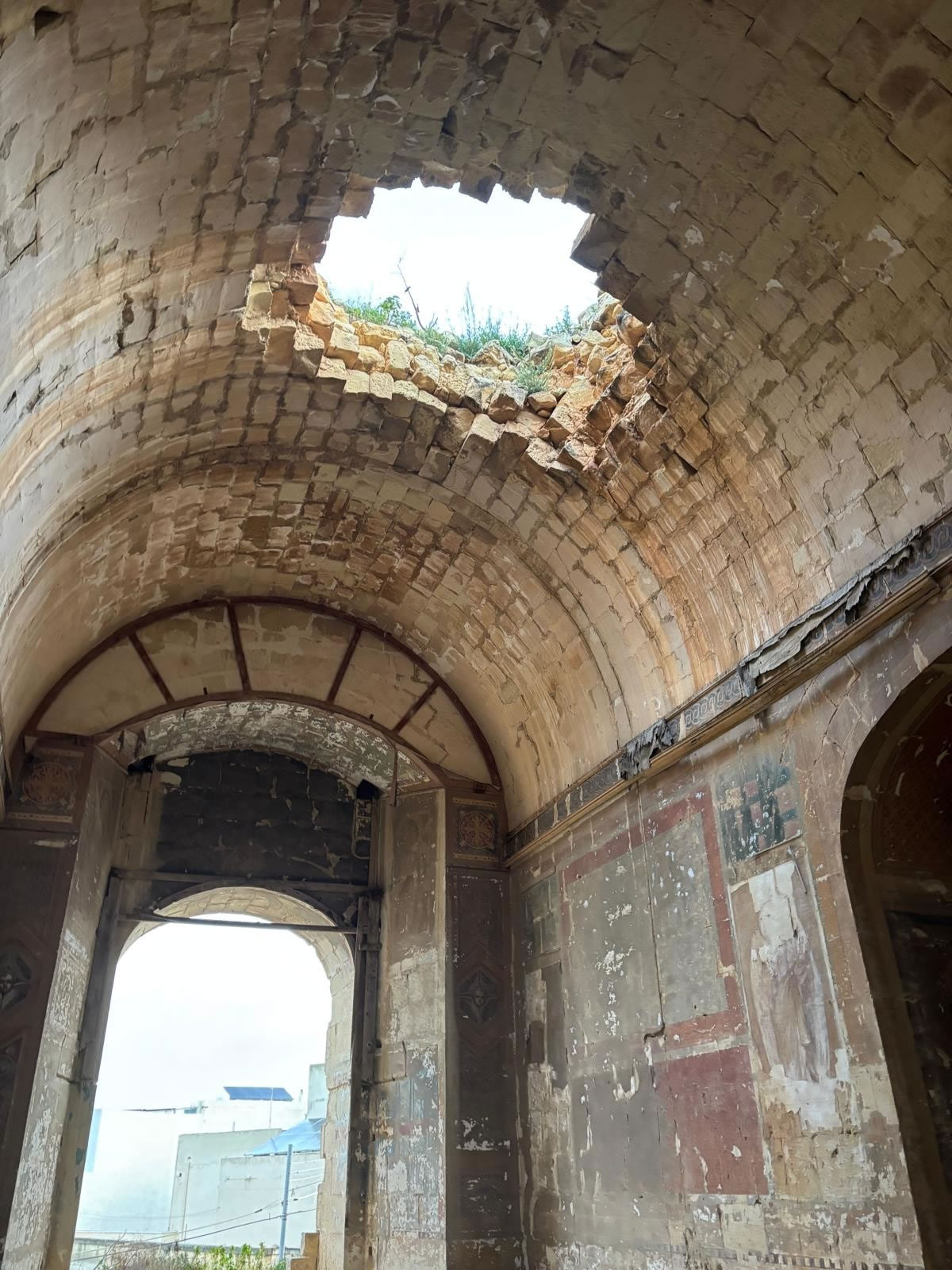
Inside the chapel traces of decorative painting can still be observed on the walls. These fragments suggest that the interior once contained fresco decoration typical of Maltese Baroque chapels.
Although much of the decoration has deteriorated over time, the surviving traces provide valuable insight into the artistic character of the chapel and its former appearance.
Such painted interiors were common in small Maltese chapels and often included religious motifs, architectural trompe-l’oeil designs and symbolic imagery associated with the dedication of the church.

Photographs on this page were taken on site by the author during a visit to the Chapel of Our Saviour in Birgu.
World War II Bomb Damage
The most dramatic chapter in the chapel’s later history occurred during World War II. The Grand Harbour region was one of the most heavily bombed areas of Malta due to its strategic importance as a naval base.
During one of the bombing raids a bomb struck the chapel, causing significant structural damage and created a hole in the roof which remains visible today.
This damage exposed the interior of the building to rain and weathering, accelerating the deterioration of the chapel’s interior surfaces and decorative elements.

Photographs on this page were taken on site by the author during a visit to the Chapel of Our Saviour in Birgu.
Current Condition
Today the Chapel of Our Saviour stands in a state of abandonment and gradual decay. The wartime damage was never fully repaired and the opening in the roof still allows rainwater to enter the building.
As a result the interior walls show signs of significant deterioration, and the surviving traces of fresco decoration continue to fade due to exposure to the elements.
Despite its current neglected condition, the chapel remains an important historic monument that reflects several centuries of Maltese religious and military history.

Photographs on this page were taken on site by the author during a visit to the Chapel of Our Saviour in Birgu.
Location
| Chapel | Chapel of Our Saviour |
|---|---|
| Location | San Salvatore Gate, Birgu, Malta |
| Coordinates | 35.886090, 14.526584 |
| Earliest Chapel | Late 15th century |
| Destroyed | 1565 – Great Siege of Malta |
| Rebuilt | 1580 |
| Baroque Reconstruction | 1680 – Lorenzo Gafà |
| Architectural Plan | Hexagonal |
| War Damage | World War II bomb impact |

Photographs on this page were taken on site by the author during a visit to the Chapel of Our Saviour in Birgu.
Nearby Cottonera Fortifications
The Chapel of Our Saviour stands close to several important military structures that formed part of the defensive network protecting the Grand Harbour. The nearby San Salvatore Gate was one of several entrances through the Cottonera Lines, the vast fortification system built by the Knights of St John to protect the Three Cities and the harbour area.
A detailed guide to these historic gateways — including photographs and descriptions of each surviving entrance — can be found on the page dedicated to the Cottonera Lines gates.
Conclusion
The Chapel of Our Saviour above San Salvatore Gate is a remarkable historical site that reflects the layered history of Malta’s Grand Harbour region. From its medieval origins to its Baroque reconstruction by Lorenzo Gafà and its wartime damage during World War II, the chapel embodies several centuries of Maltese history.
Although today the building stands abandoned and partially damaged, its surviving architectural features and traces of fresco decoration continue to offer valuable insight into the religious and artistic heritage of Birgu and the surrounding Cottonera area.
© emalta.com – Guide to Churches and Chapels of Malta