📍 Location
Location Map Coordinates 36.023585, 14.289128
Tracing the Ownership Linages, Architectural Transformations, and Modern Use of the Għajnsielem Complex
1. Spatial Orientation and Technical Index
The sprawling complex known as Dar San Ġużepp (St. Joseph's Home) occupies an important, commanding position within the urban limits of Għajnsielem, Gozo. Situated on a ridge that looks down toward the primary arterial roads connecting the Mġarr harbor district with Victoria (Rabat), this prominent institutional landmark has undergone several key transitions in its physical layout and purpose. Its development tracks the wider history of social care, ecclesiastical real estate management, and community architecture in Gozo over the past century.
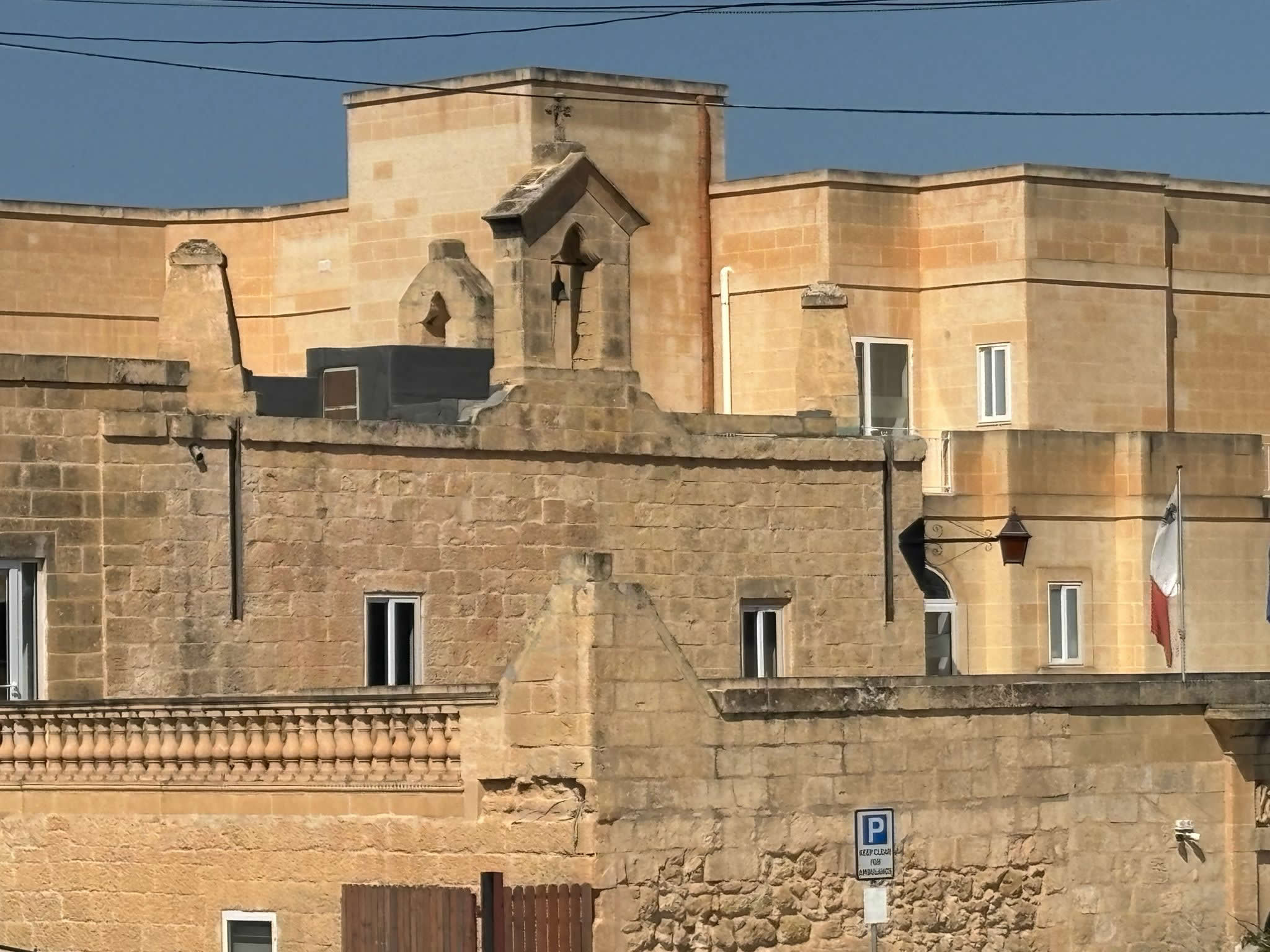
From a topographical perspective, the site's elevation makes it highly visible from various vantage points across the southern coast of the sister island. The choice of this location reflected a traditional architectural preference for institutional buildings, placing them on high ground where they could benefit from fresh air and open space away from more congested town centers.
| Site Survey & Institutional Index | |
|---|---|
| Official Property Name | Dar San Ġużepp (St. Joseph's Home) |
| Locality Identification | Għajnsielem, Gozo, Malta |
| Geographical Coordinates | 36.023585, 14.289128 |
| Historical Foundations | Early 20th Century (Ecclesiastical educational and social trust) |
| Original Chapel Status | Structurally Replaced / Demolished during modernization works |
| Current Function | Active Residential Home for the Elderly (State-Aided Care Facility) |
| Access Level Policy | Strictly Private: Restricted to residents, family members, and staff |
2. Historical Chronicle: Past Owners and Sequential Uses
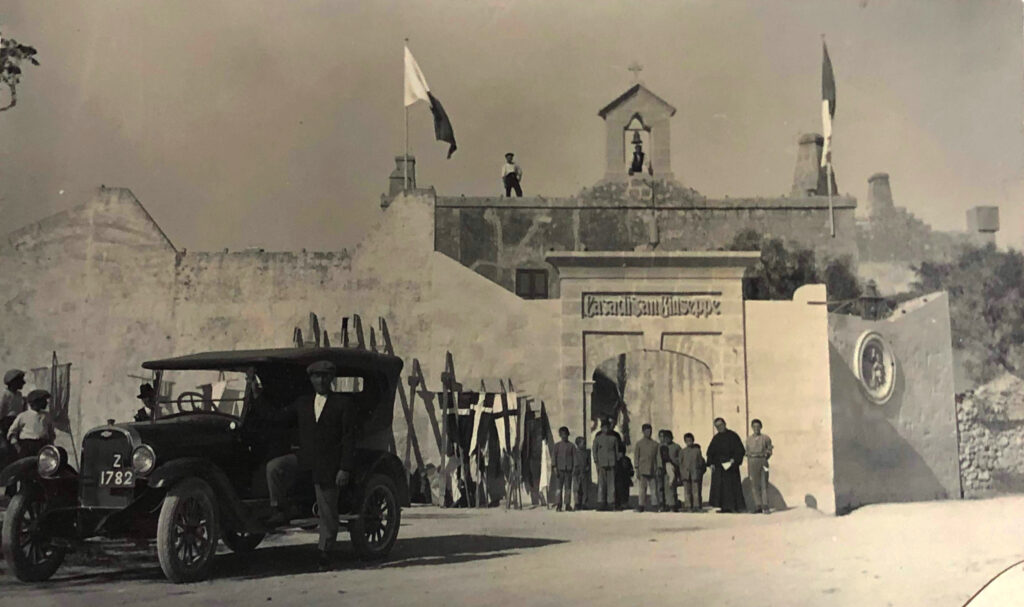
The land records and historical development of the Dar San Ġużepp complex display a fascinating mix of Church governance, private philanthropy, and changing social needs. The site was originally acquired by the Roman Catholic Church in Gozo (Diocese of Gozo) in the early 20th century, a time when ecclesiastical authorities were the primary source of social services, educational outreach, and charity across the islands.
The property was first envisioned as a large, multi-purpose facility designed to provide shelter, technical education, and religious guidance to youths and disadvantaged members of society. For generations, the complex operated under the direct care of religious orders, notably the Dominican Sisters of Malta, who lived on-site and managed the daily runs of the institution. Under their guidance, the home functioned as an orphanage, a school, and a community safe-haven, establishing itself as a central pillar of social support for families across Gozo.
By the turn of the 21st century, changing societal demographics and shifting social requirements prompted the Gozo Diocese to re-evaluate how the large property could best serve the community. The traditional orphanage model was phased out, and the complex entered a period of administrative transition. Following extensive agreements between the ecclesiastical authorities, the Ministry for Gozo, and specialized private care operators, the property's management structure was reshaped to transform the historic site into a modern, state-subsidized home for senior citizens.
3. Architectural Transformation and Chapel Replacement
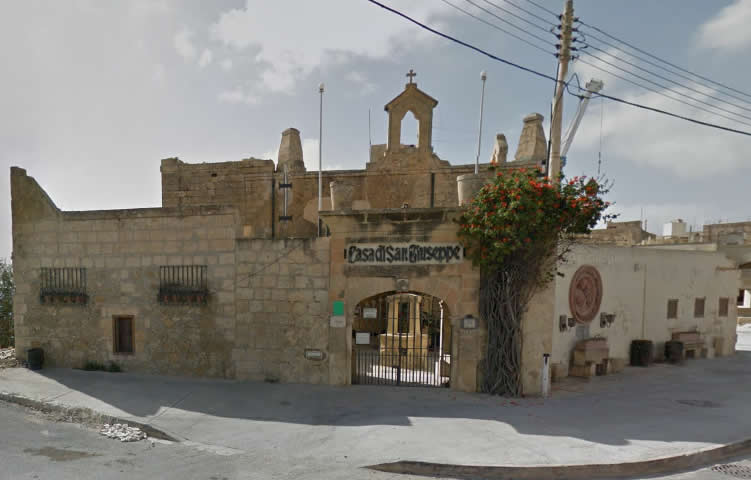
The physical layout of Dar San Ġużepp has undergone radical changes, moving away from its traditional 20th-century institutional architecture to emerge as a highly specialized care center. Originally, the complex featured a traditional layout where standard dormitories, refectories, and open courtyards were built around a central, dedicated vernacular chapel. This original chapel served as the spiritual and architectural focus of the facility, hosting daily services, seasonal sacraments, and community festivals for decades.
However, when the property was earmarked for its major conversion into a modern residential aged care facility, engineers and architects discovered that the original building footprint and the old chapel structure presented significant challenges. The old walls suffered from structural limitations, lacked proper accessibility options, and could not easily accommodate the modern medical equipment, safety systems, and climate control infrastructure required for elderly residents.
Consequently, as part of the massive reconstruction project, the decision was made to replace the original chapel. The old building was cleared to make way for a fully compliant, multi-story structure designed to focus on accessibility and mobility. To preserve the spiritual identity of the home, a new, contemporary chapel was seamlessly integrated directly into the interior layout of the new complex. This modern chapel features wide doorways, level flooring, and custom acoustic systems, allowing residents to participate comfortably in services right from their living quarters.
4. Surviving Monuments, Inscriptions, and Artworks
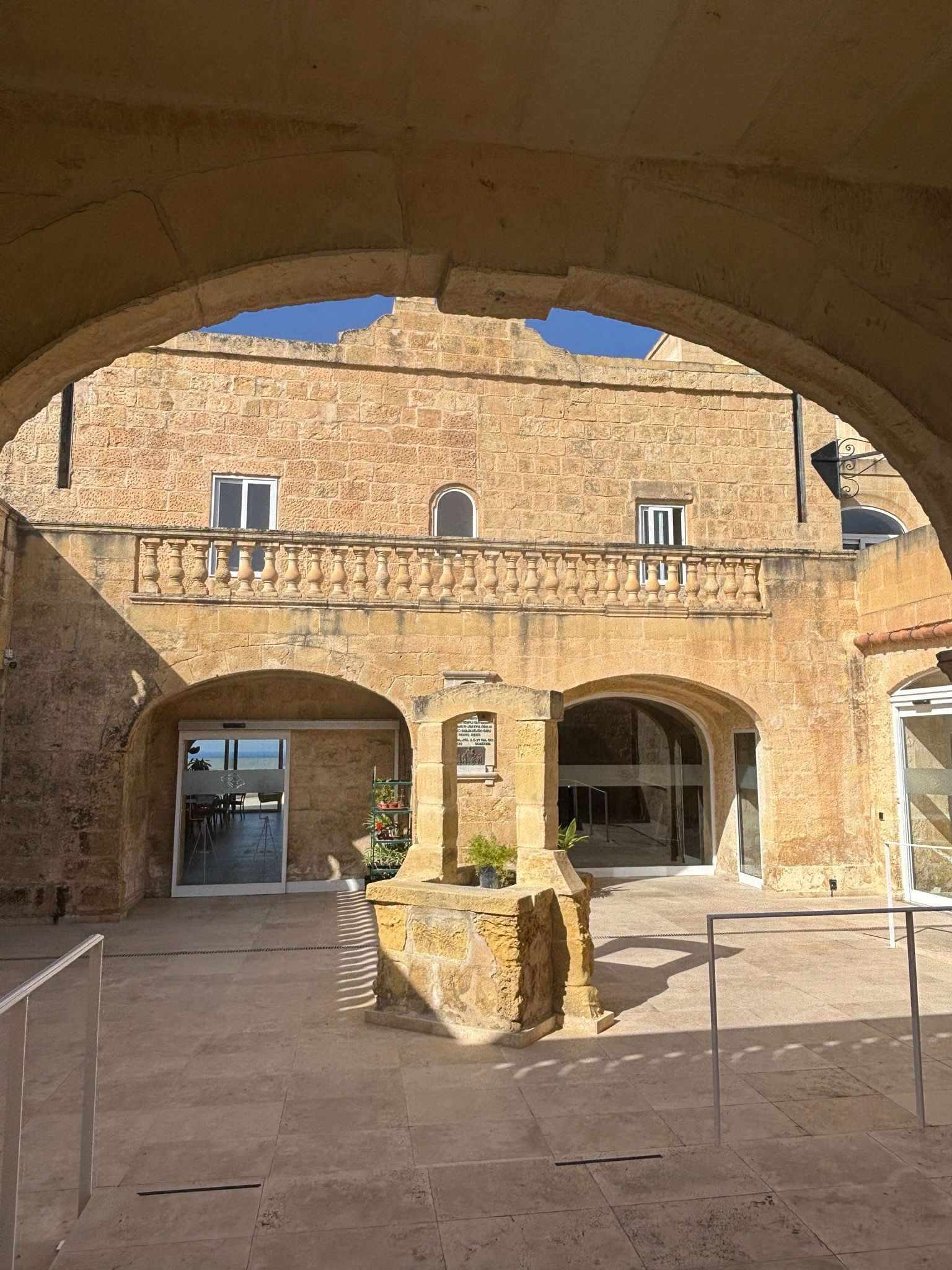
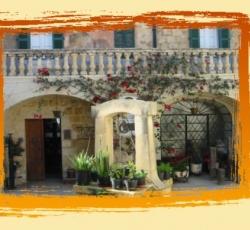
While the structural replacement of the original buildings altered the historical appearance of the site, efforts were made to salvage and honor elements of its rich past. Several key stone monuments, commemorative marble plaques, and historical inscriptions were carefully preserved during the construction process and re-integrated into the modern corridors, reception spaces, and internal courtyards.
These plaques document the initial dedication of the home, listing the bishops, religious superiors, and local benefactors whose funding made the original 20th-century foundation possible. The interior spaces also house a selection of traditional religious artworks, including statues and canvas paintings depicting St. Joseph and the Holy Family, which were relocated from the older rooms into the new chapel to maintain a visual link to the property’s long-standing spiritual traditions.
5. Contemporary Function and Access Control Regulations
Today, Dar San Ġużepp operates as a premier residential home for the elderly, offering a vital service to the community. The transformed complex features state-of-the-art living quarters, recreational therapy spaces, and dedicated medical support rooms, creating a safe and comfortable environment for Gozo’s senior population.
Because the property currently functions as a specialized residential facility housing vulnerable individuals, the administration enforces a strict No Public Access Policy. Unlike standard historical chapels or local landmarks, the building cannot be accessed by tourists, casual researchers, or the general public.
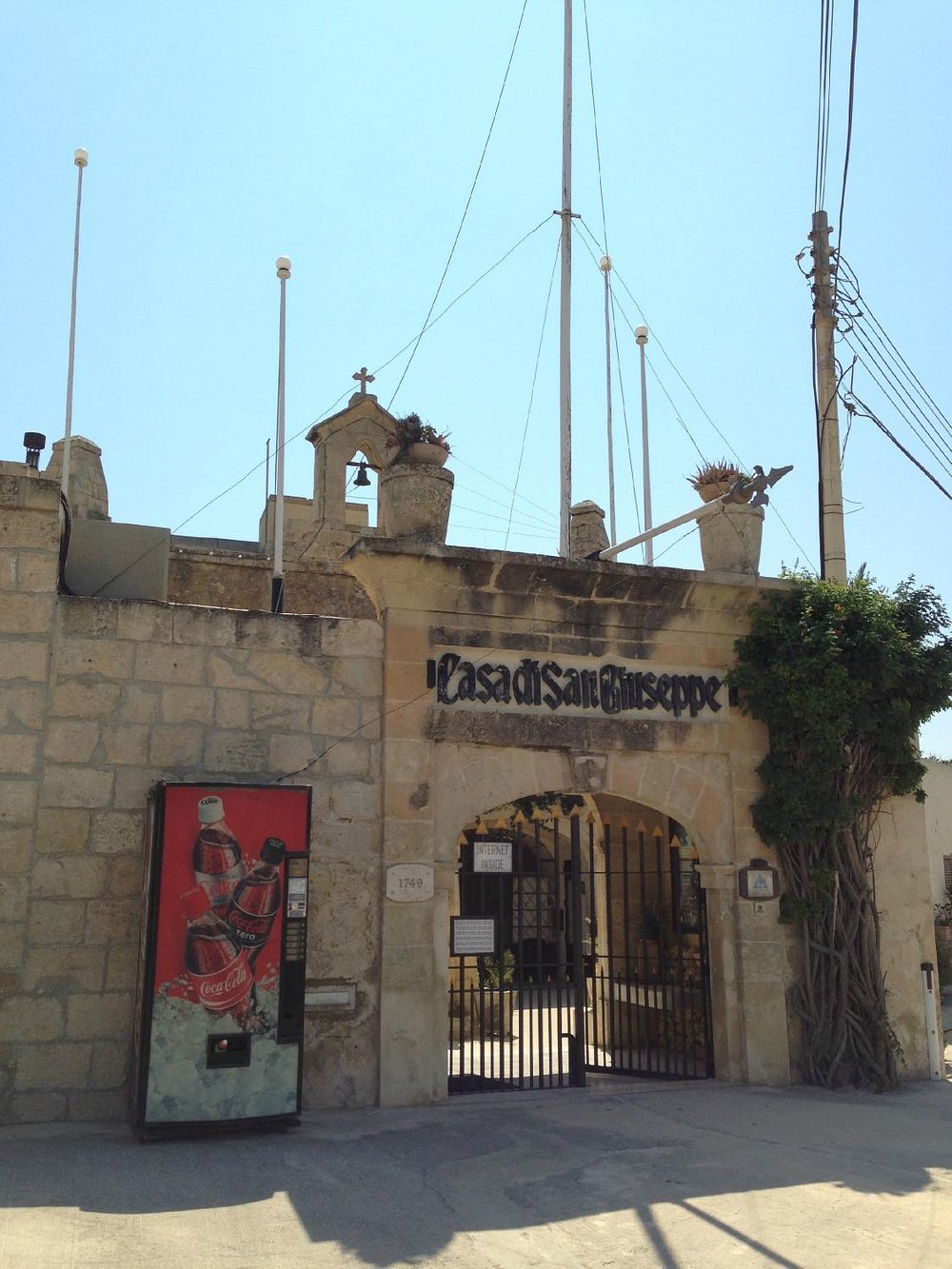
Access to the grounds, interior lounges, and the new chapel is strictly limited to current residents, their immediate family members, authorized medical personnel, and parish clergy. This tight security framework is vital to protect the health, privacy, and well-being of the seniors living on-site. Heritage enthusiasts and architectural researchers are encouraged to view the building's exterior from public viewpoints along the surrounding streets to avoid disrupting the residents' daily lives.
Frequently Asked Questions — Dar San Ġużepp
No, the general public cannot attend services inside the complex. The newly constructed chapel sits within the private residential boundaries of the old people's home. Its services are held exclusively for the residents, their immediate families, and the staff who look after the facility.
The original chapel was replaced during a major reconstruction project to transform the site into a modern care home. The old building could not meet modern health, safety, and accessibility standards for elderly individuals. A new chapel was built into the modern facility to ensure all residents could access services safely.
Originally owned by the Gozo Diocese and managed by the Dominican Sisters, the property served for decades as an institutional home for youth, an orphanage, a primary school, and a center for charitable and religious instruction for families across Gozo.
No, Dar San Ġużepp does not have any internal crypts or historical graves. Because it was built as a residential home rather than a parish church, individuals associated with the facility were traditionally buried in the main regional cemeteries of Għajnsielem or Victoria.