📍 Location
Location Map Coordinates 35.858260, 14.381225
An Authoritative Historical, Architectural, and Devotional Analysis of the Our Lady of Sorrows Parish Complex
WGS84 Reference Grid: 35.858260 Latitude, 14.381225 Longitude.
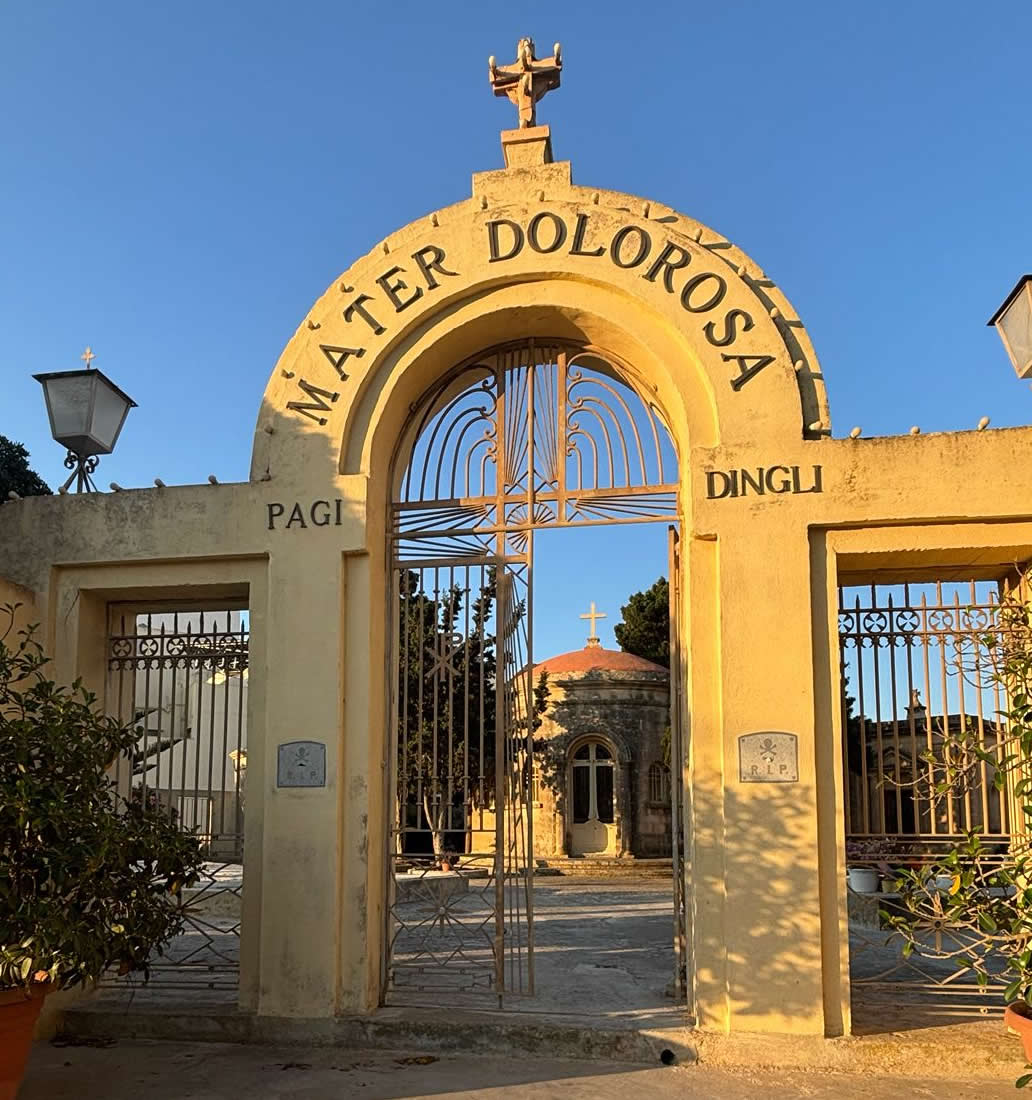
1. Historical Footprint and Parish Origins of the Site
The western village of Dingli stands on an elevated, wind-swept plateau that represents one of the highest geographical points across the Maltese islands. This relative geographic isolation allowed the community to form deep-seated traditions centered almost entirely around its local parish structure. For centuries, the religious life and funerary requirements of the village were managed inside the historic parish church dedicated to the Assumption. However, demographic shifts and modern medical reforms necessitated a dedicated extramural burial site.
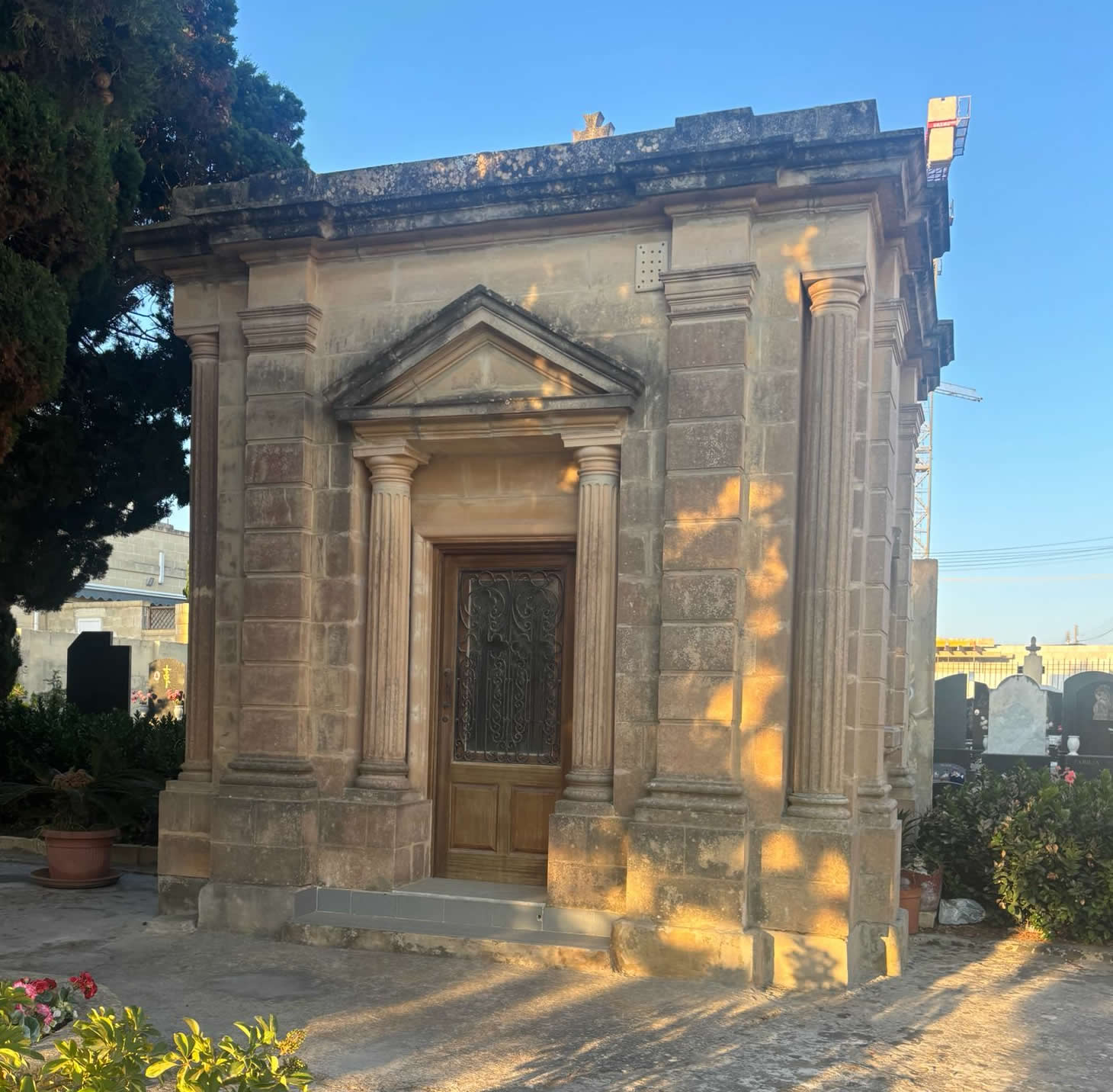
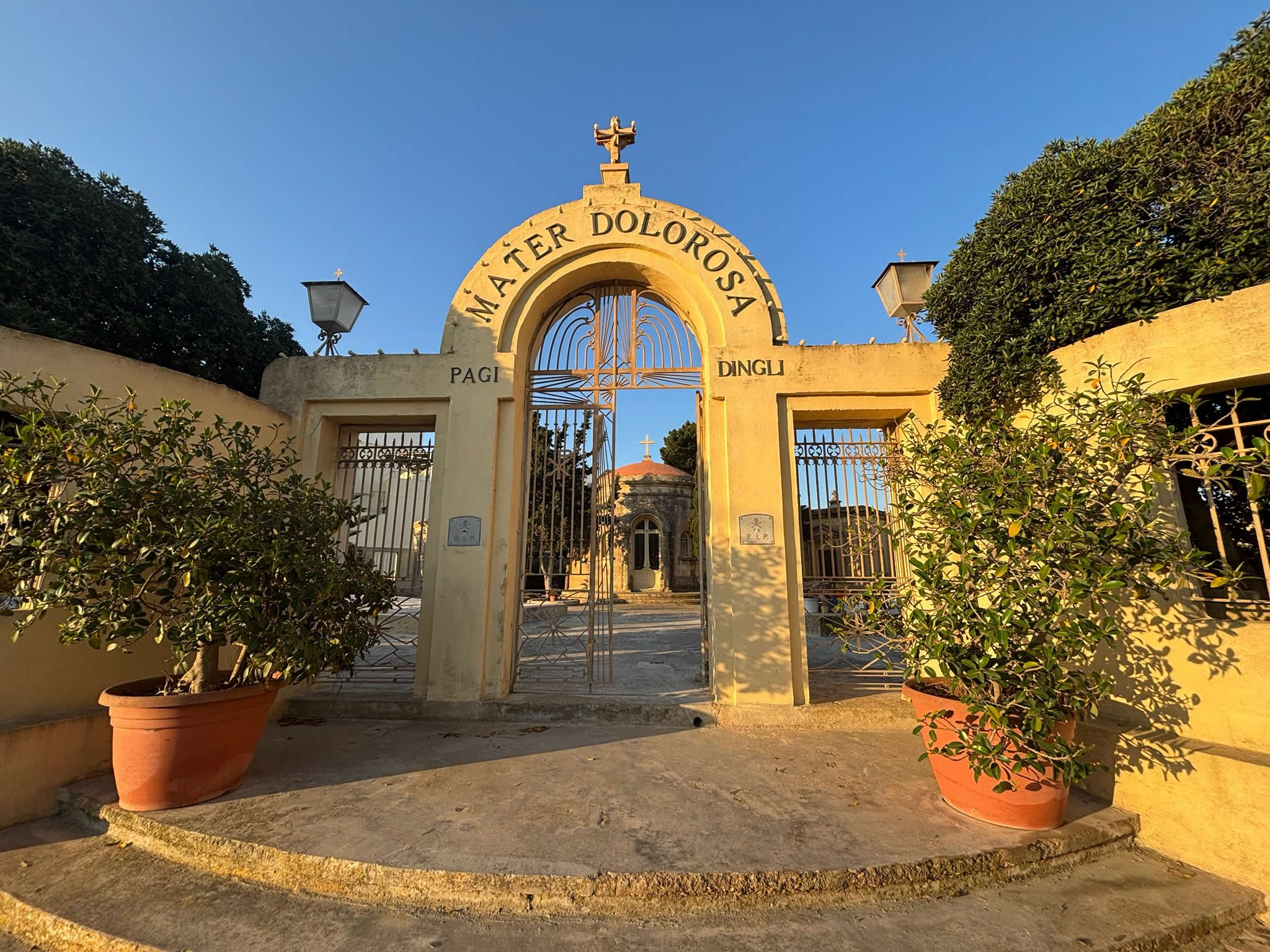
The resulting Mater Dolorosa Cemetery (popularly known to locals as Iċ-Ċimiterju tad-Duluri) represents a rare, wonderfully intact example of a church-owned and parish-administered sanctuary. Unlike municipal cemeteries funded directly by state coffers, this consecrated site was built, developed, and funded primarily by the local clergy and contributions from Dingli's close-knit families. It holds an essential spot in the regional historical grid, which you can contrast with other ancient sites via our Complete Matrix of Historic Maltese Chapels.
2. Architectural Layout of the Enclosed Cemetery Perimeter
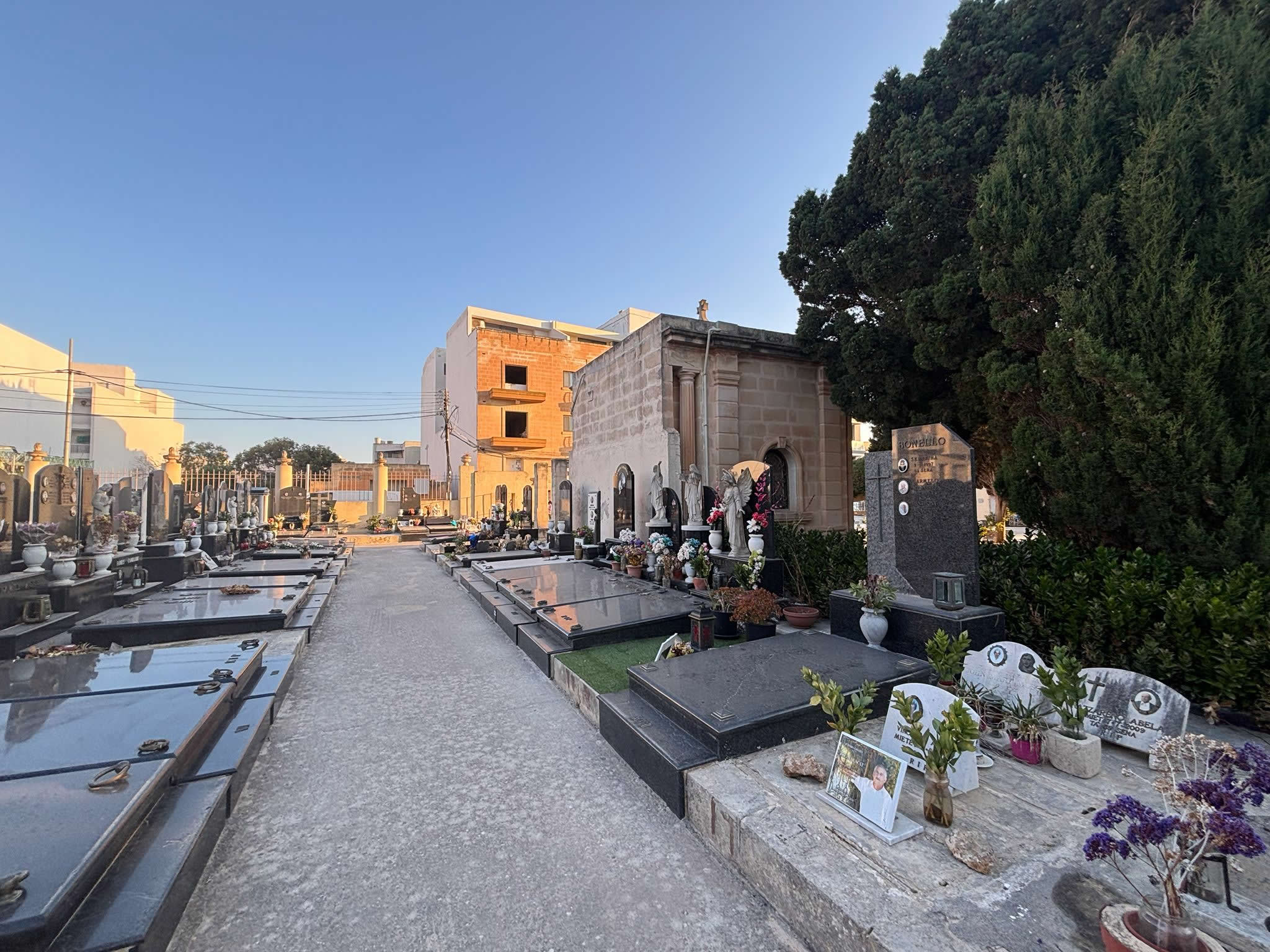
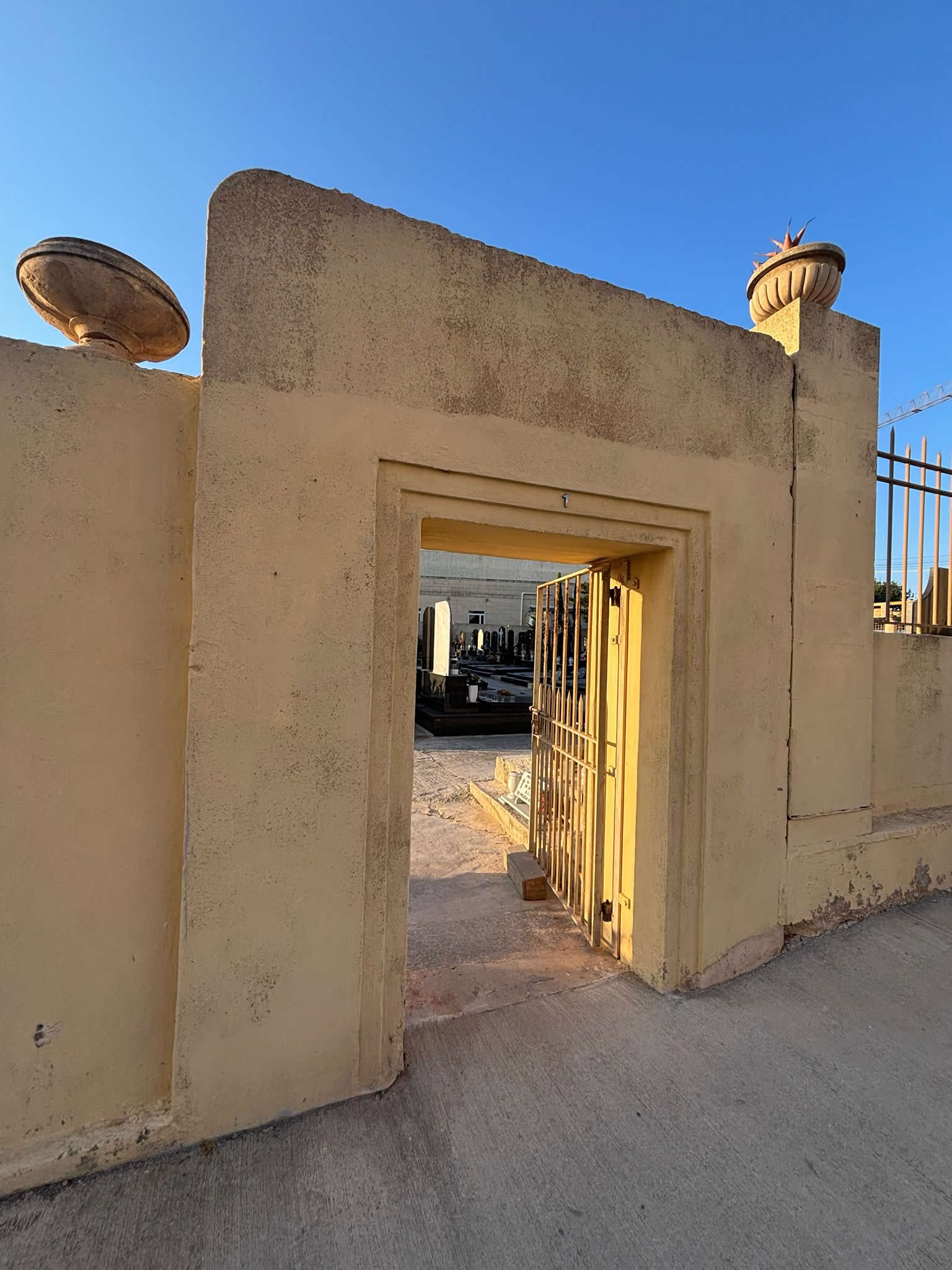
Built completely out of local lower coralline and globigerina limestone blocks, the cemetery layout follows a traditional layout common to the late 19th and early 20th centuries. It is characterized by high, protective boundary walls designed to shield the sacred space from the harsh winds blowing off the nearby Dingli Cliffs. The primary gateway features fine stone-masonry entry pillars topped with neoclassical carvings and traditional wrought-iron gates.
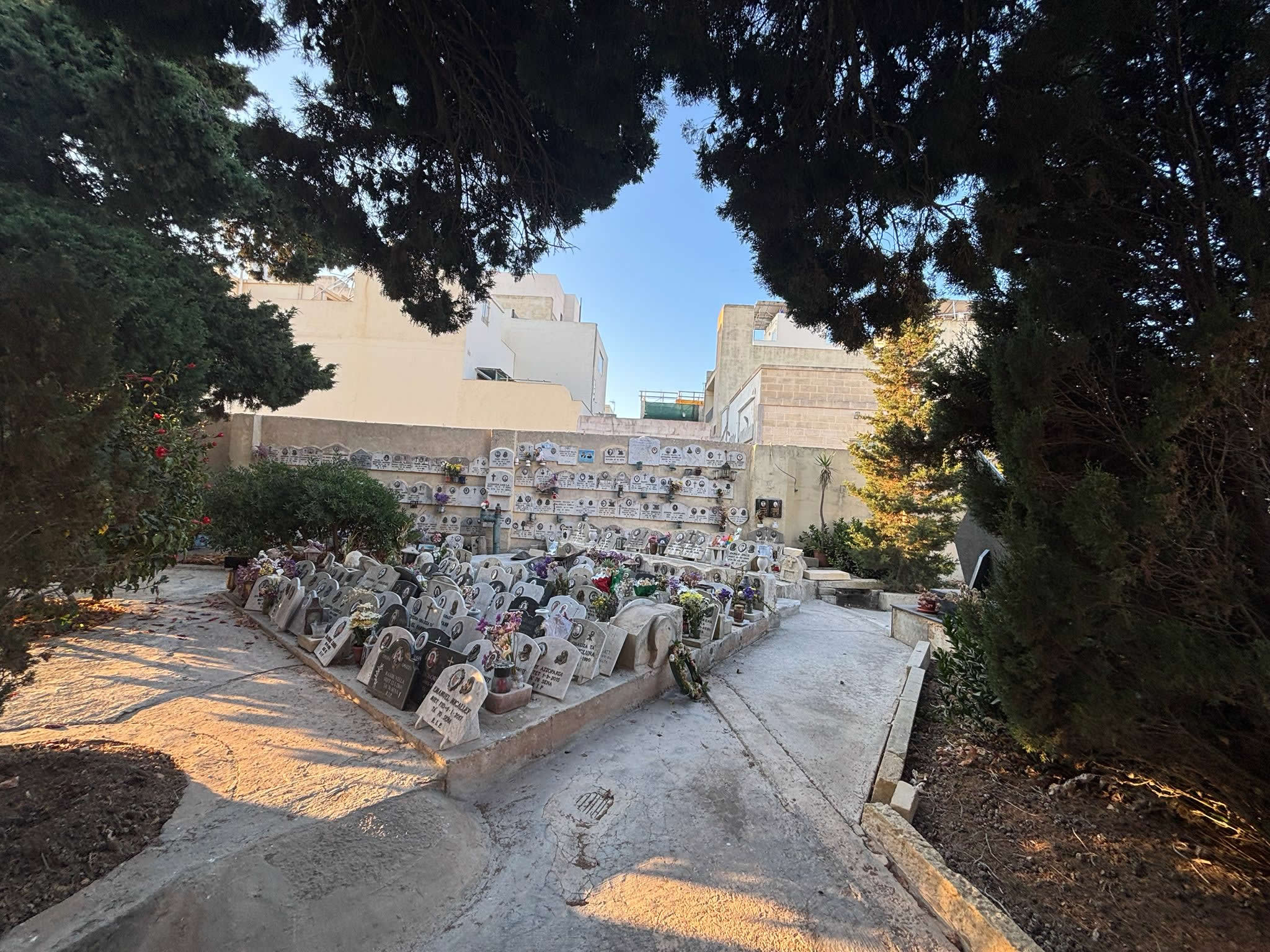
Inside the boundary walls, the layout splits into neat symmetrical rows flanked by stone paths. The family graves are marked by sculpted white marble headstones, traditional stone cross reliefs, and small, built-in oil candle receptacles. Because space on the Dingli plateau is structurally restricted by surrounding out-of-development zone (ODZ) fields, the parish administration enforces strict zoning protocols to maximize the subterranean vault efficiency while preserving the clean, solemn character of the pathways.
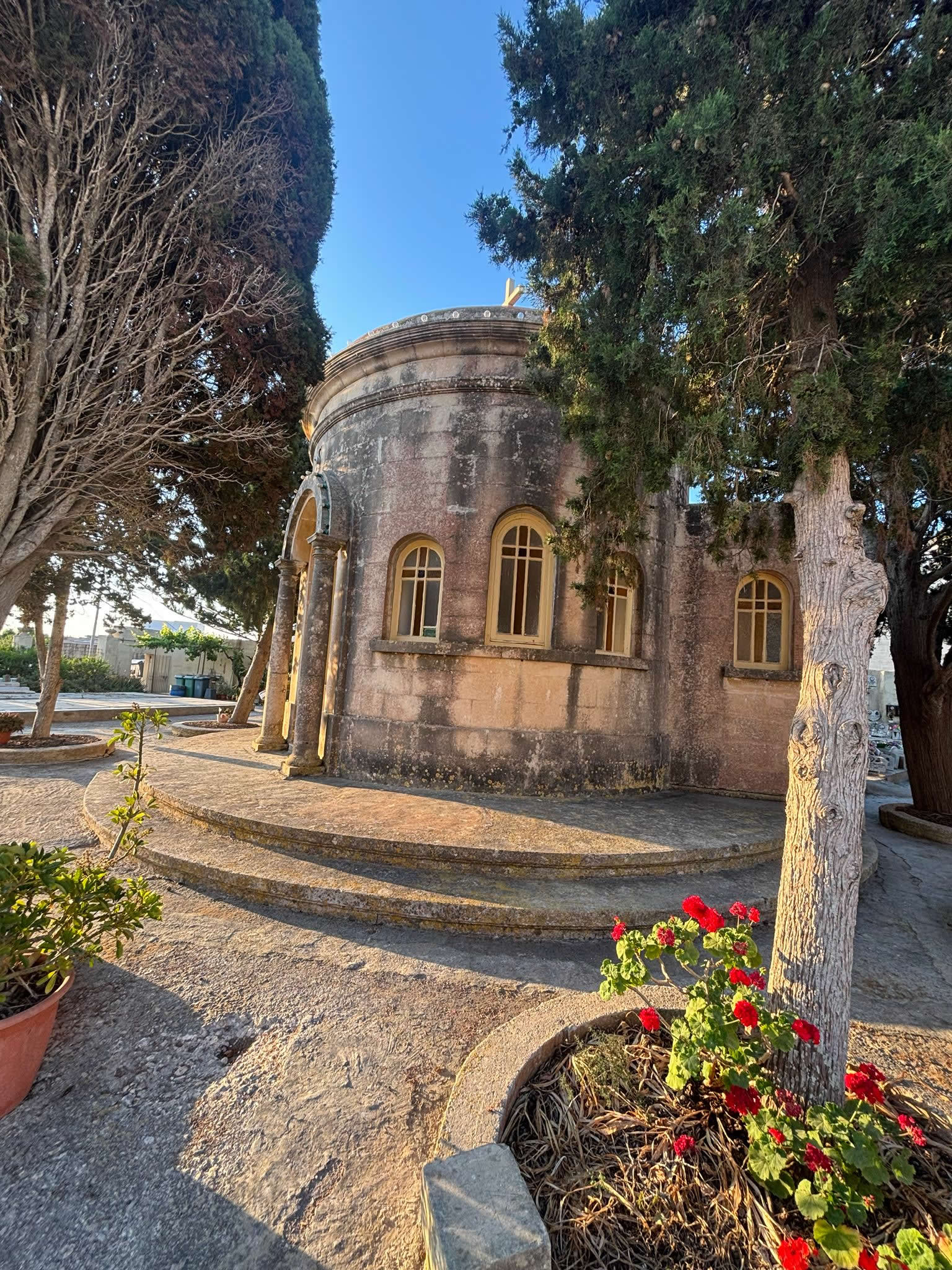
3. Our Lady of Sorrows Chapel: Design and Integration
The defining element of the Mater Dolorosa Cemetery is the Chapel of Our Lady of Sorrows (Il-Kappella tad-Duluri), which sits completely enclosed within the very center of the burial grounds. This deliberate layout puts the chapel at the heart of the funerary landscape, creating a spatial focus where all paths converge on the house of God.
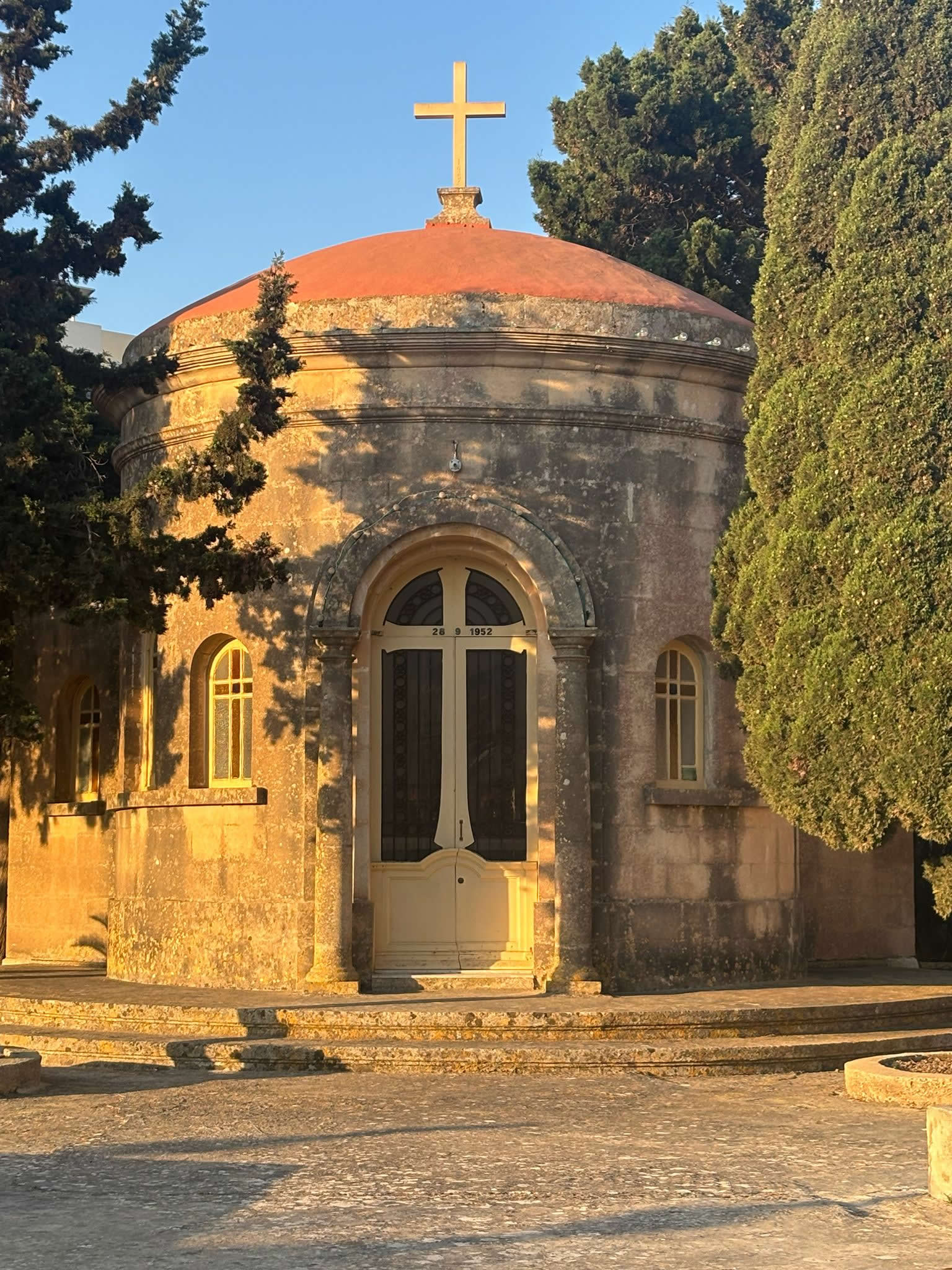
The chapel facade shows a dignified, understated neoclassical style that mirrors the solemn nature of its funerary context. The central doorway is framed by simple pilasters and topped by a neat pediment. Rising from the roofline is a traditional stone bell-cot (kampnar). This bell is rung exclusively to announce the arrival of funeral corteges or during committal rites. Inside, the space features a classic barrel vault supported by internal stone arches, an architectural layout that ensures structural longevity against the heavy moisture blowing in from the western seas.
4. Sacred Contents and Liturgical Functionality
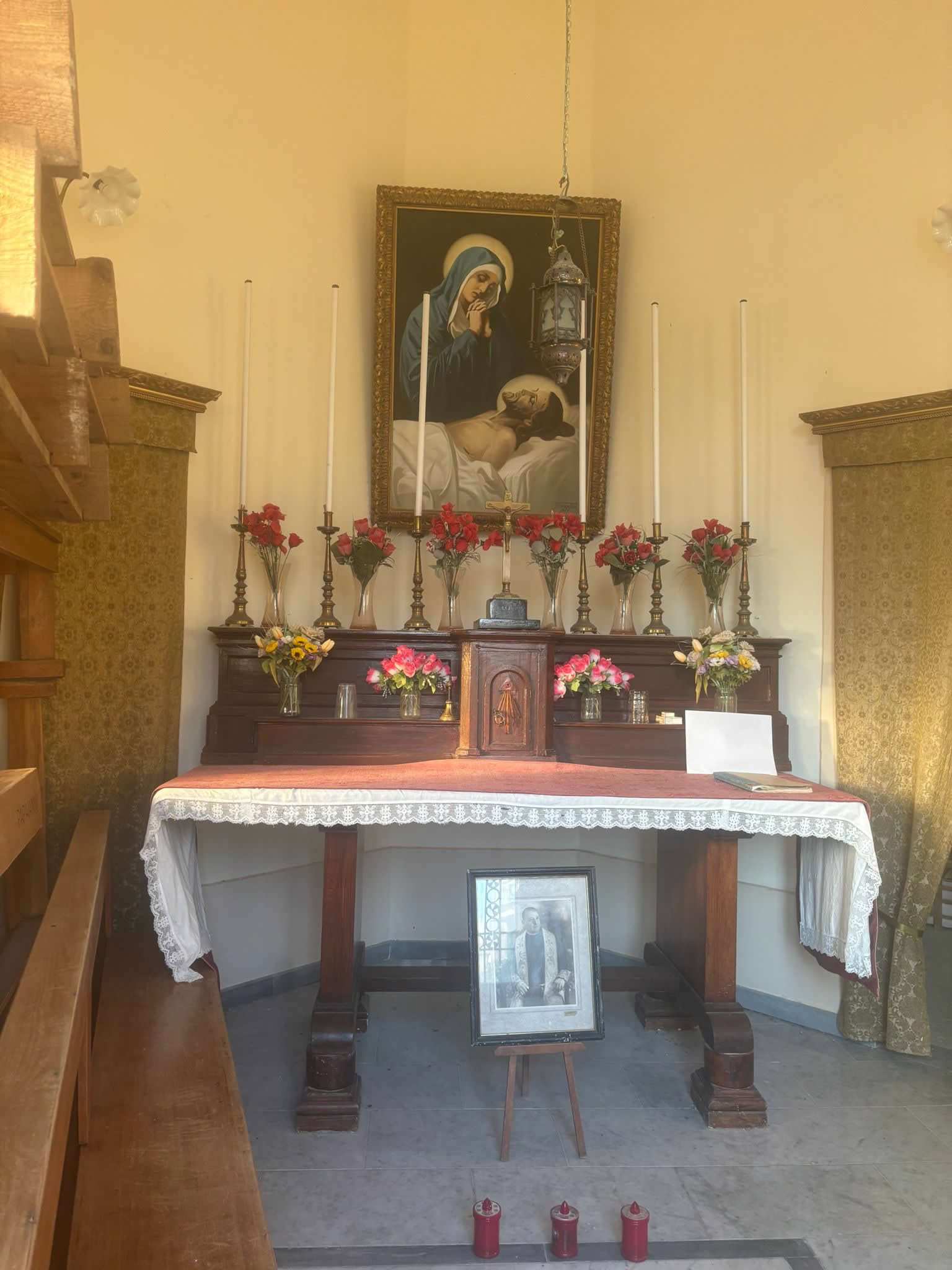
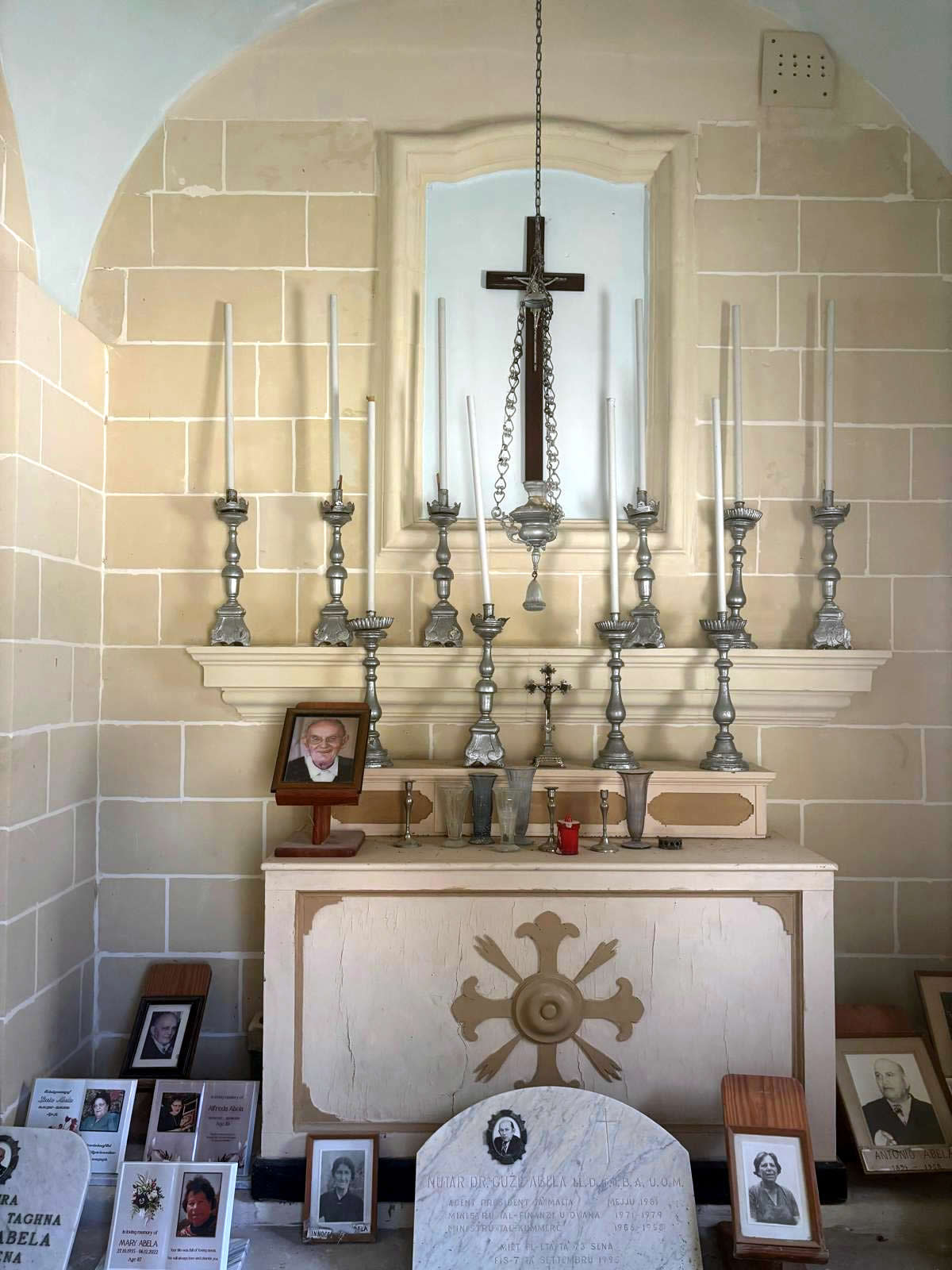
The interior of the Our Lady of Sorrows chapel is beautifully optimized to create a serene environment for mourning parish families. The sanctuary focus is a rich, dark wooden altar covered in traditional lace-trimmed cloths, typically adorned with floral arrangements and tall liturgical candlesticks. Suspended directly above the altar is the historic titular painting—a moving rendering of the Pietà, depicting the Blessed Virgin Mary in deep mourning while cradling the body of Christ after the Crucifixion.
Positioned directly before the altar is a historic, framed portrait of a prominent local clergyman, serving as an archive of the parish priests and spiritual guardians who shepherd the Dingli community. The liturgical footprint of the chapel is tightly bound to local cycle requirements; rather than hosting daily mass, it serves as the final station for committal rites. On November 2nd, All Souls' Day (Jum il-Mejtin), the chapel and surrounding parvis paths become a focal point for the entire village, hosting specialized outdoor memorial services and grave blessings led by the parish clergy.
5. Structural Upkeep and Preservation Measures
As an active parish property, the structural integrity of both the Mater Dolorosa cemetery walls and the enclosed Our Lady of Sorrows chapel is maintained under the vigilant eye of the Dingli Parish Office, backed by local volunteer contributions. The location’s high elevation makes it exceptionally vulnerable to weather damage, wind erosion, and dampness, which can degrade soft globigerina limestone over time.
Recent preservation measures have seen professional stonemasons re-pointing the external joints of the chapel using traditional lime-based mortars, replacing damaged facade stones, and applying moisture-proofing treatments to prevent salt-induced flaking inside the nave. Furthermore, the parish continuously updates the cemetery's water distribution systems, ensuring that visitors can easily maintain the fresh floral tributes left on the tombs year-round.
6. Administrative and Technical Dataset Profile
The profile below organizes the verified administrative, geographical, and operational metrics of the active Dingli complex:
| Administrative Survey Parameter | Field Inventory Reference Data |
|---|---|
| Official Nomenclature | Mater Dolorosa Cemetery / Dingli Parish Cemetery |
| Enclosed Chapel Dedication | Our Lady of Sorrows Chapel (Il-Kappella tad-Duluri) |
| WGS84 Coordinate Grid | 35.858260 Latitude, 14.381225 Longitude |
| Ownership Classification | Church-Owned / Administered by Dingli Parish Office |
| Operational Status | Fully Active / In Continuous Parish Use |
| Primary Construction Material | Maltese Globigerina and Lower Coralline Limestone |
| Architectural Styling | Neoclassical Funerary / Rural Maltese Vernacular Core |
| Key Annual Liturgical Focus | All Souls' Day Memorial Services (November 2nd) |
7. Frequently Asked Questions (FAQ)
❓ Who operates and runs the Mater Dolorosa Cemetery in Dingli?
The cemetery is fully parish-owned and administered by the Catholic Church under the direct supervision of the Dingli Parish Parish Priest and church administrative council.
❓ Can the general public visit the Our Lady of Sorrows chapel?
Yes, visitors can access the cemetery grounds during daily opening hours for quiet reflection and prayer. The internal chapel room is typically open during actual funeral services or specialized memorial events throughout November.

❓ What is the significance of the name Mater Dolorosa?
Mater Dolorosa is the traditional Latin ecclesiastic title for Our Lady of Sorrows, reflecting the deep devotional themes of comfort, mourning, and maternal intercession central to Catholic funerary traditions.
❓ Is this cemetery the same as the municipal government-run cemeteries?
No. Unlike state-administered municipal grounds, this site is a dedicated church-owned facility, funded and preserved primarily via the local parish network and the generous support of Dingli families.
