📍 Location
Location Map Coordinates 35.842079, 14.485054
An Authoritative Historical, Architectural, and Material Monograph of the Annunciation Chapel
WGS84 Coordinates: 35.842079 Latitude, 14.485054 Longitude.
1. Late Medieval Foundations and Antiquity
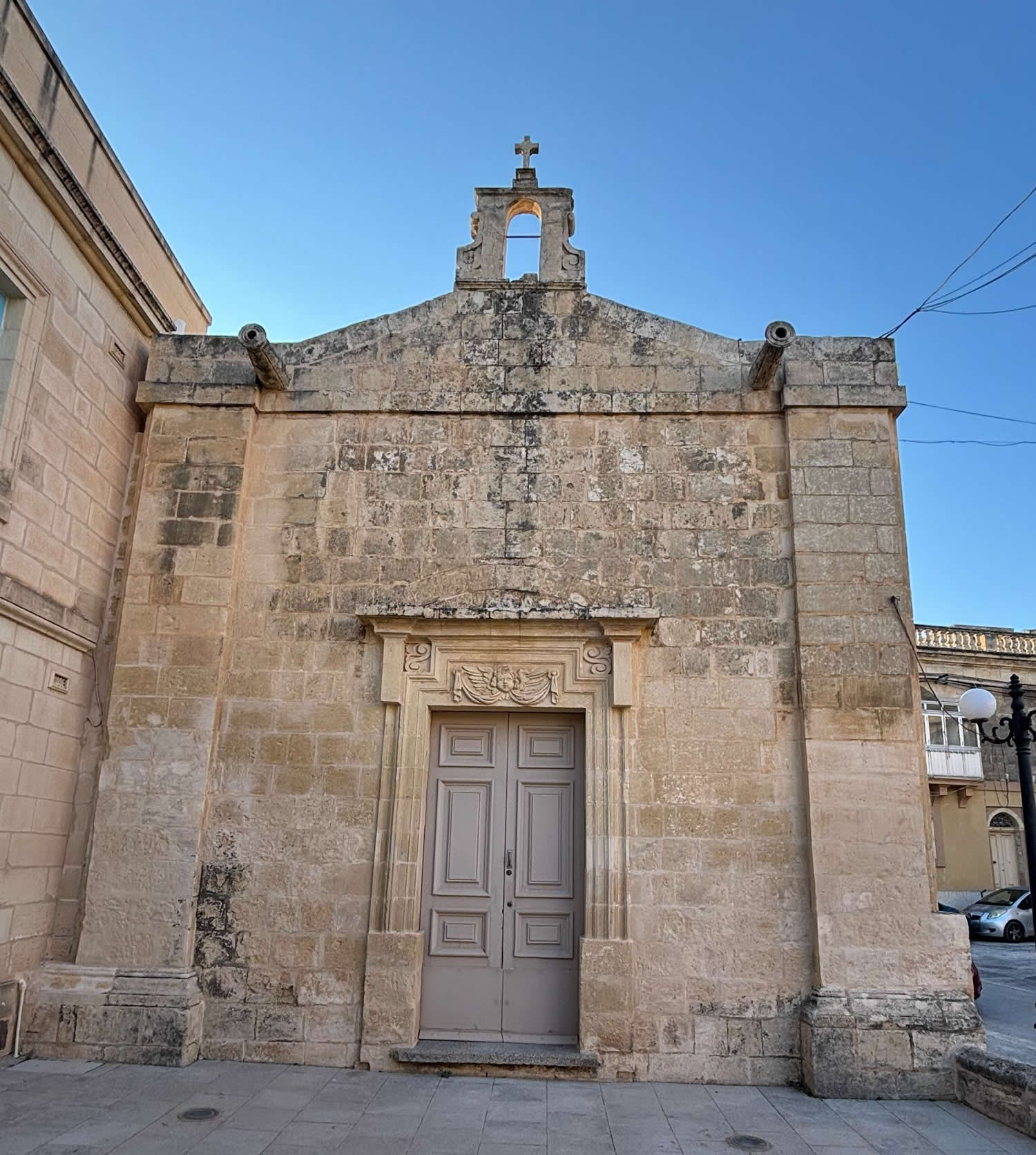
The Chapel of the Annunciation, known colloquially among the local population as Il-Knisja tal-Lunzjata, ranks among the most significant surviving historical expressions of early vernacular devotion within the southern district of Malta. Long before the village of Kirkop was elevated to independent parish status by Bishop Tommaso Gargallo in 1592, small rural chapels like Il-Lunzjata functioned as vital spiritual landmarks for the dispersed agricultural communities tilling the surrounding globigerina soil fields.
Documentary search data indicates that the roots of this specific site stretch deep into the late medieval period. The earliest verified written evidence of a church building operating on this footprint dates back to the early 15th century, with subsequent tracking confirmed in the comprehensive ecclesiastical reports compiled by the Apostolic Visitor Monsignor Pietro Dusina during his historic survey of the Maltese islands in 1575. Dusina’s meticulous logs described a modest, rustic stone sanctuary that lacked basic structural requirements, such as a formal rector, a locking front door, or a secure endowment fund, but noted it remained a deeply revered shrine where local farmers gathered to invoke the intercession of the Virgin Mary during droughts and epidemics.
To contextualize how this unique structure fits into the earliest surviving networks of religious architecture across the islands, explore our comprehensive master index tracking the Oldest Chapels in Malta and Gozo.
2. The Reconstruction Era and 17th-Century Rebirth
By the mid-17th century, the original medieval chapel structure had fallen into severe disrepair, suffering from crumbling masonry walls and structural fractures within its shallow roofing slabs. The progressive growth of Kirkop as an established parish meant that the community required more robust, architecturally sound spaces to accommodate secondary devotions and religious confraternities outside the main mother church.
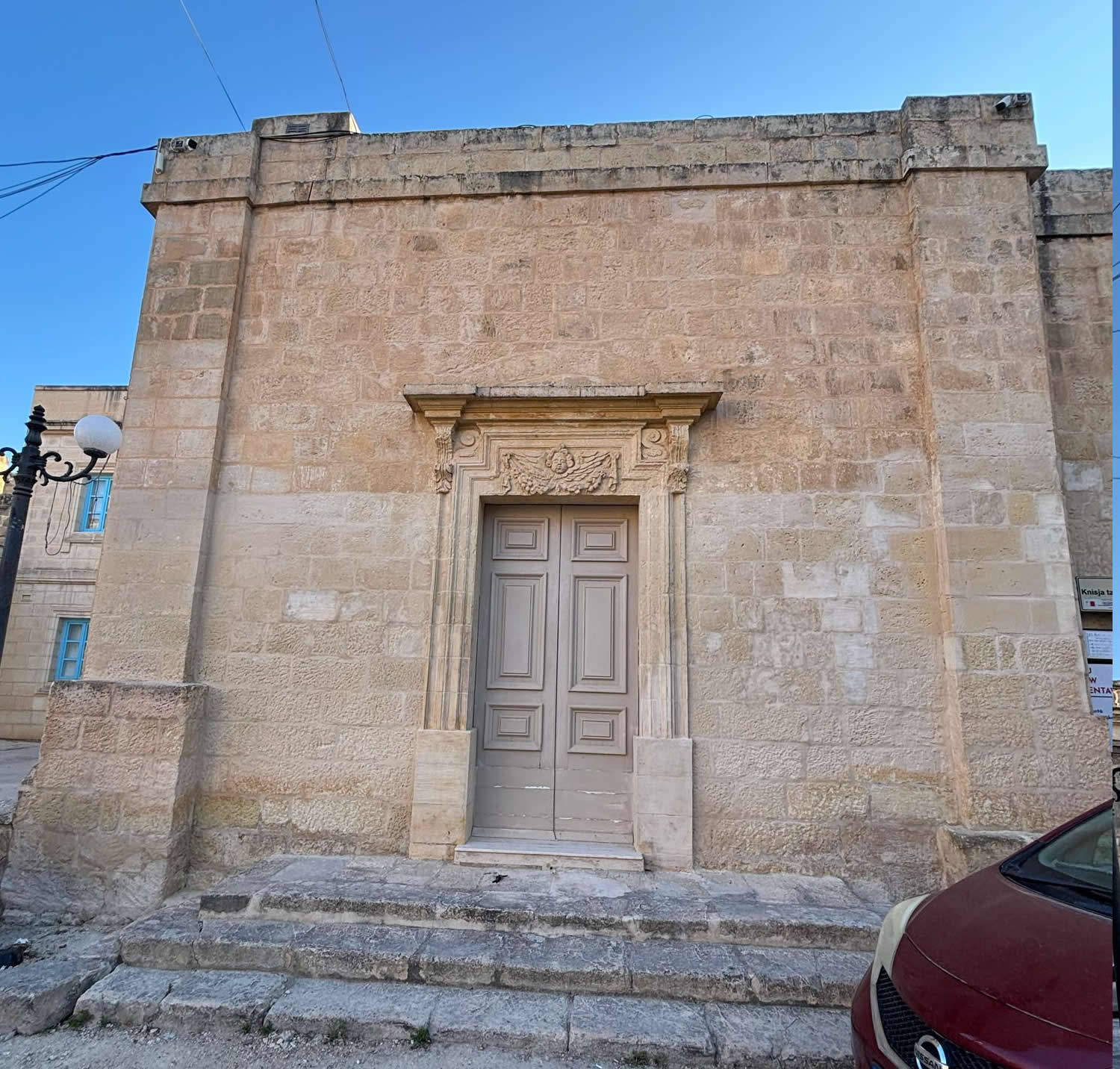
The turning point for the modern site occurred in 1658, when a comprehensive rebuilding campaign was initiated by the local parish priest and financed through generous donations from devout land-owning benefactors in Kirkop. Rather than merely patching up the crumbling medieval framework, builders completely cleared the old foundations to erect a larger, more sophisticated stone sanctuary that aligned with the liturgical reforms of the Council of Trent and the rising popularity of the Maltese Baroque style.
During this era of reconstruction, the building assumed the precise spatial volume and external styling seen today. The reconstruction process focused heavily on improving the height of the ceiling and creating a perfectly balanced interior space capable of housing dynamic decorative stone carvings and a formal altarpiece, effectively bridging the gap between old vernacular traditions and high-style ecclesiastical architecture.
3. Architectural Survey and Masonry Craftsmanship
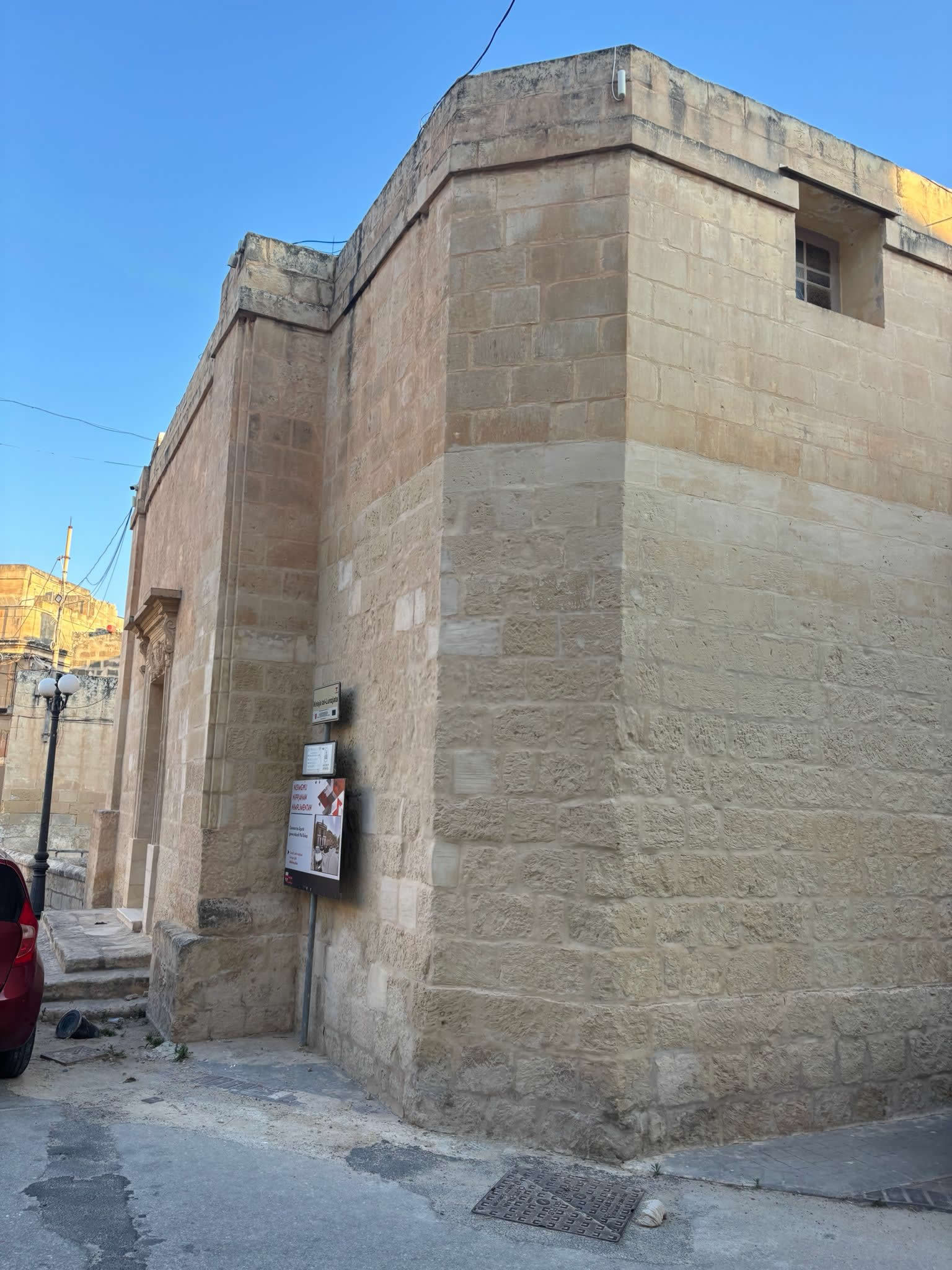
From an architectural standpoint, Il-Lunzjata Chapel presents an intriguing study in simplified early Baroque styling applied to a traditional, single-cell rectangular floor plan.
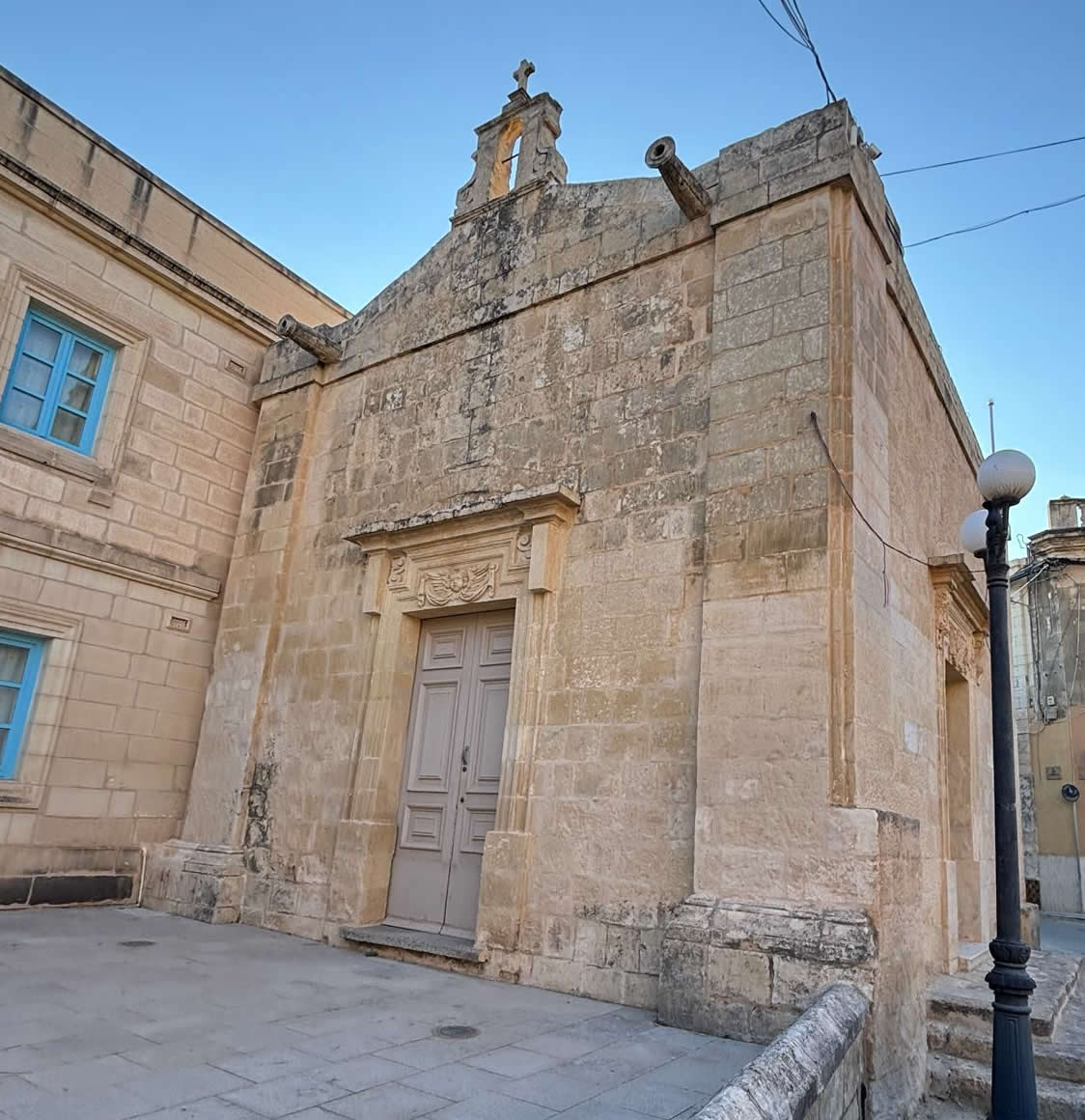
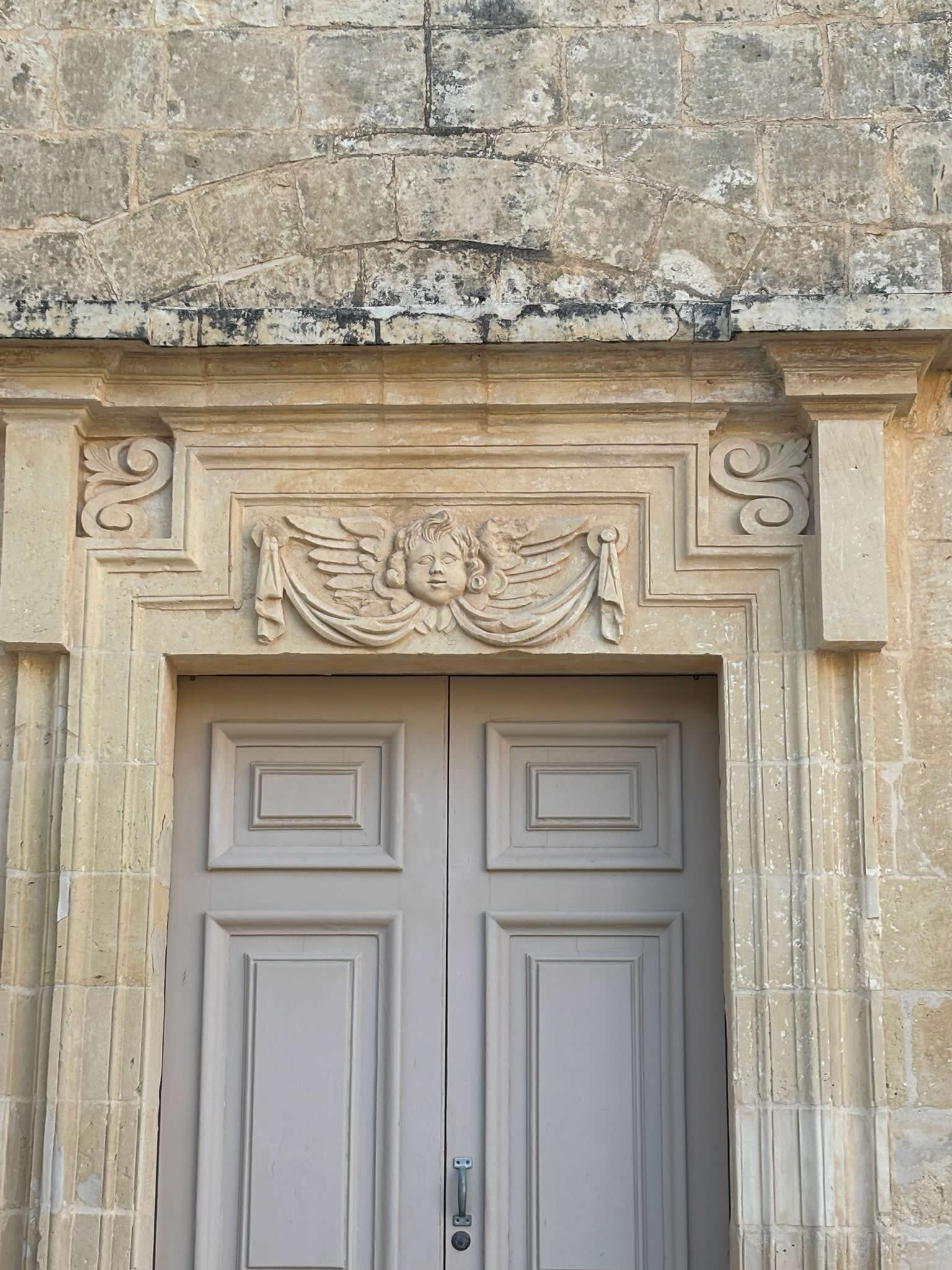
The main front facade is remarkably symmetric and crafted from high-grade local globigerina limestone (ġebla tal-franka). It is defined by plain corner pilasters that carry a wide, flat entablature tracking across the top boundary line. The central entrance portal is flanked by stone moldings and topped by a classic lintel pediment. Immediately above the door sits a square window designed to cast morning light directly onto the high altar inside. The entire front wall is crowned by an elegant bell-cot (żagħżugħa), which still houses a small, historic bronze bell used to call the immediate neighborhood to prayer.
Stepping inside reveals a wide, single nave covered by a series of heavy stone transverse arches (arkati). These internal arches support the thick, flat limestone roof slabs (xorok), a classic building technique developed by Maltese master masons to create wide, open interior spaces without needing central wooden support beams. The stone walls are coated in a traditional lime wash, with specific architectural joints and pilaster capitals left exposed to showcase the precision cutting of the limestone blocks.

4. Artworks, Altarpieces, and Liturgical Furnishings
The artistic inventory within Il-Lunzjata Chapel is focused entirely on the mystery of the Annunciation, the moment when the Angel Gabriel visited the Virgin Mary to announce that she would conceive the Son of God. This theological theme is reinforced by the primary artworks and stone carvings that decorate the interior sanctuary space.
The focal point of the chapel is the titular painting set directly above the single limestone altar. This historical oil-on-canvas work depicts the Virgin Mary kneeling in deep prayer while the Archangel Gabriel descends on a cloud, holding a stem of white lilies as a symbol of her purity. The painting is framed by an elaborate stone structure consisting of two Corinthian columns supporting a broken pediment, which is adorned with carved stone cherubs and floral swags, demonstrating the skill of 17th-century local stone-carvers.
In addition to the main altarpiece, the chapel houses several historic wooden candlesticks, an early stone baptismal font element from a previous building phase, and a selection of silver ex-voto (prowwti) tokens left behind by generations of parishioners as thankful offerings for answered prayers during times of illness or personal hardship.
5. Subterranean Crypts, Tombs, and Memorial Monuments
In keeping with historical Catholic practices across Europe and the Mediterranean, the ground beneath Il-Lunzjata Chapel served an important role as a sacred communal burial space before the introduction of extramural public municipal cemeteries in the late 19th century.
Beneath the stone flagstones of the nave lies a series of subterranean tomb chambers. These hand-carved stone crypts were used primarily for burying prominent local families, parish benefactors, and members of local religious brotherhoods. The presence of these burials is marked on the chapel floor by worn stone inscription flags and specialized lifting rings used by grave diggers to access the vaults below.
These burial vaults are historically important because they reflect the transition from early rural field burials to structured, chapel-based interments, offering modern researchers valuable insight into the family lineages and historic health trends of Kirkop's past populations.
6. Preservation Challenges and Modern Restoration Campaigns
Over the centuries, the chapel has faced continuous preservation challenges, primarily driven by its location within a dense urban environment and its exposure to environmental pollution and traffic vibrations from the nearby airport area. The biggest ongoing threat to the delicate globigerina limestone has been rising damp, which carries harmful ground salts up into the stone blocks, causing them to flake and slowly crumble over time.
To arrest this damage, the Restoration Directorate, working in close cooperation with the Kirkop Local Council and parish volunteers, launched a major conservation project. Expert restoration teams systematically cleaned the exterior facade using non-abrasive methods to peel away thick layers of black soot without scratching the historic stone underneath. The teams carefully removed old, brittle cement patches added during past repairs, replacing them with traditional lime-based mortars that allow the limestone to breathe and shed moisture naturally. Workers also replaced structurally weak blocks with fresh limestone carefully chosen to match the texture and color of the original walls, ensuring the chapel remains sound for the future.
Today, Il-Lunzjata is fully preserved and remains an active part of Kirkop's living culture. While it is kept closed during most of the week to safeguard its interior treasures, the chapel opens its doors regularly for special devotional services, cultural heritage tours, and the annual Feast of the Annunciation, serving as a proud symbol of the village's deep architectural and spiritual roots.
7. Technical Monument Profile Matrix
The table below provides a concise summary of the verified historical data and physical attributes of the Annunciation Chapel:
| Technical Survey Parameter | Field Inventory Reference Data |
|---|---|
| Official Nomenclature | Chapel of the Annunciation / Il-Knisja tal-Lunzjata |
| WGS84 Coordinate Grid | 35.842079 Latitude, 14.485054 Longitude |
| Earliest Documentary Record | Early 15th Century (Recorded by Mons. Pietro Dusina in 1575) |
| Major Rebuilding Campaign | Completed in 1658 (Transition to early Baroque form) |
| Architectural Layout | Single-cell rectangular nave with transverse stone arches |
| Primary Building Material | Maltese Globigerina Limestone (Ġebla tal-Franka) |
| Subterranean Features | Family burial crypts beneath the stone floor of the nave |
| Titular Celebration | Feast of the Annunciation of the Virgin Mary (March / Liturgical Window) |
| Protection Class Status | National Monument / Grade 1 Listed Ecclesiastical Structure |
8. Frequently Asked Questions (FAQ)
❓ How old is Il-Lunzjata Chapel in Kirkop?
The site has medieval roots dating back well before the 15th century. The physical building standing today was constructed during a major rebuilding campaign completed in 1658.
❓ Who designed and paid for the 1658 rebuilding of the chapel?
The reconstruction was organized by the local parish priest and funded entirely through voluntary donations from prosperous farming families and landowners living in Kirkop.
❓ Are there active burials inside the chapel today?
No. The subterranean crypt chambers beneath the nave floor are historic burial sites. All active burials in the village now take place in the formal parish cemetery outside the residential center.
❓ How can I visit the inside of the Annunciation Chapel?
The chapel opens for specific feast day masses, special devotional services, and occasional educational walking tours managed by local heritage preservation groups.