📍 Location
Location Map Coordinates 35.913924, 14.480131
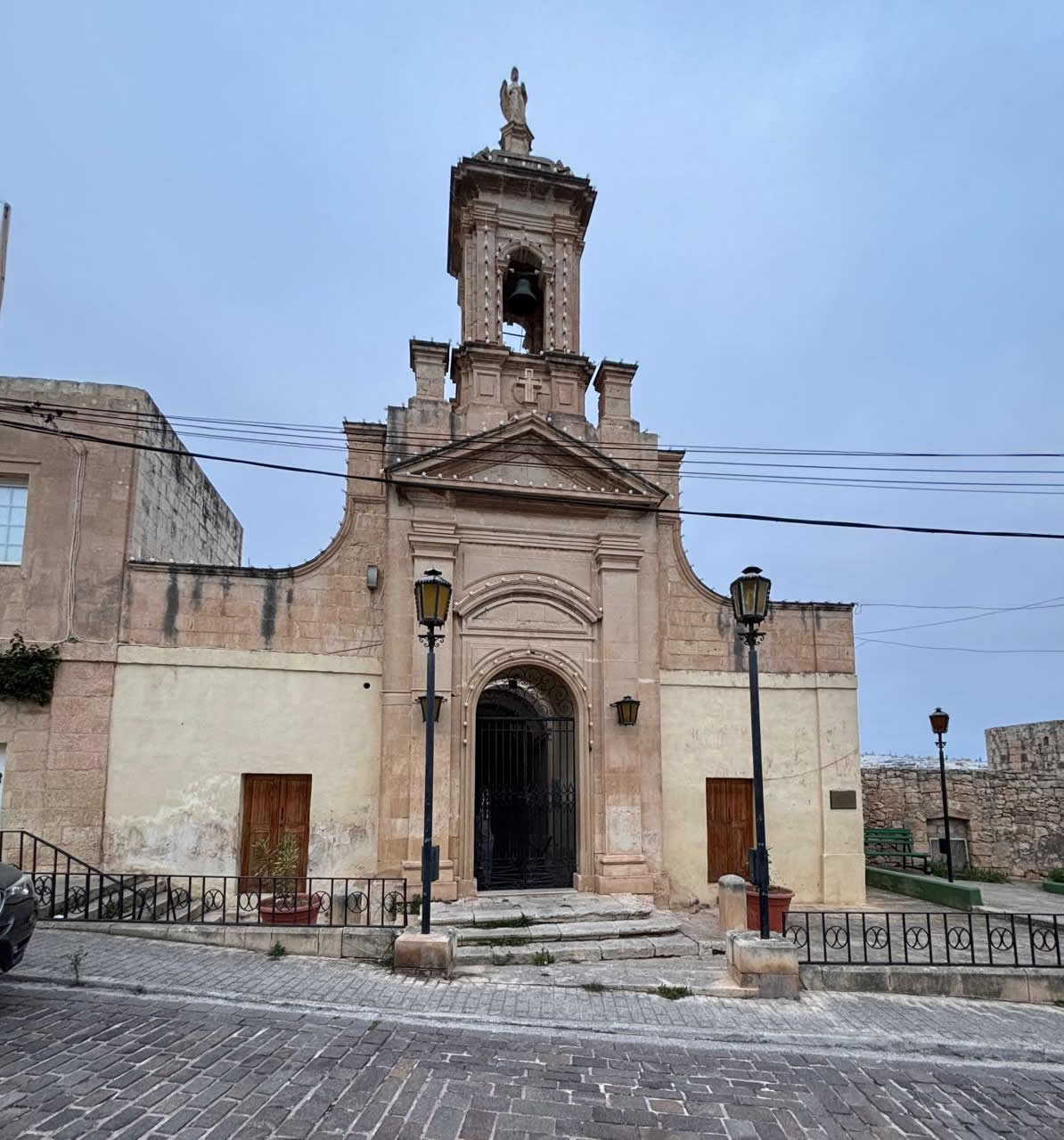
The Mensija Chapel, also known as the Santwarju Madonna tal-Mensija, is one of the most distinctive and historically layered chapels in Malta. Located in San Ġwann at coordinates 35.913924, 14.480131, the chapel stands in a tranquil valley setting overlooking Wied Għomor, an area rich in archaeological and historical remains.
Origins and Cave Sanctuary
The origins of Mensija Chapel lie in a natural cave, which was used as a place of refuge and worship during periods of insecurity, particularly during pirate raids along the Maltese coasts.
This cave was gradually transformed into a troglodyte church, forming one of the earliest phases of the sanctuary. The adaptation of caves for religious use was common in Malta, especially in areas where early communities sought protection while maintaining their faith.
The Legend of Mensija
The chapel is closely associated with one of the most enduring local traditions in Malta. According to legend, dating back to the early 15th century, a farmer discovered a hidden image of the Virgin Mary within the cave, illuminated by a mysterious light.
The image was reportedly moved to a more accessible location, but repeatedly returned to the cave, leading to its interpretation as a divine sign. This event gave rise to the name “Mensija”, meaning “the forgotten place”, and established the site as a place of Marian devotion.
Following this discovery, an altar was erected within the cave, marking the beginning of its transformation into a recognised sanctuary.
Development of the Chapel
By the 16th century, the site had developed into a more formal chapel dedicated to the Annunciation and to St Leonard, a saint traditionally associated with prisoners and captives.
The chapel underwent further construction and embellishment during the 17th century, as devotion to the Madonna tal-Mensija increased. Over time, it evolved into a recognised pilgrimage site within the Maltese religious landscape.
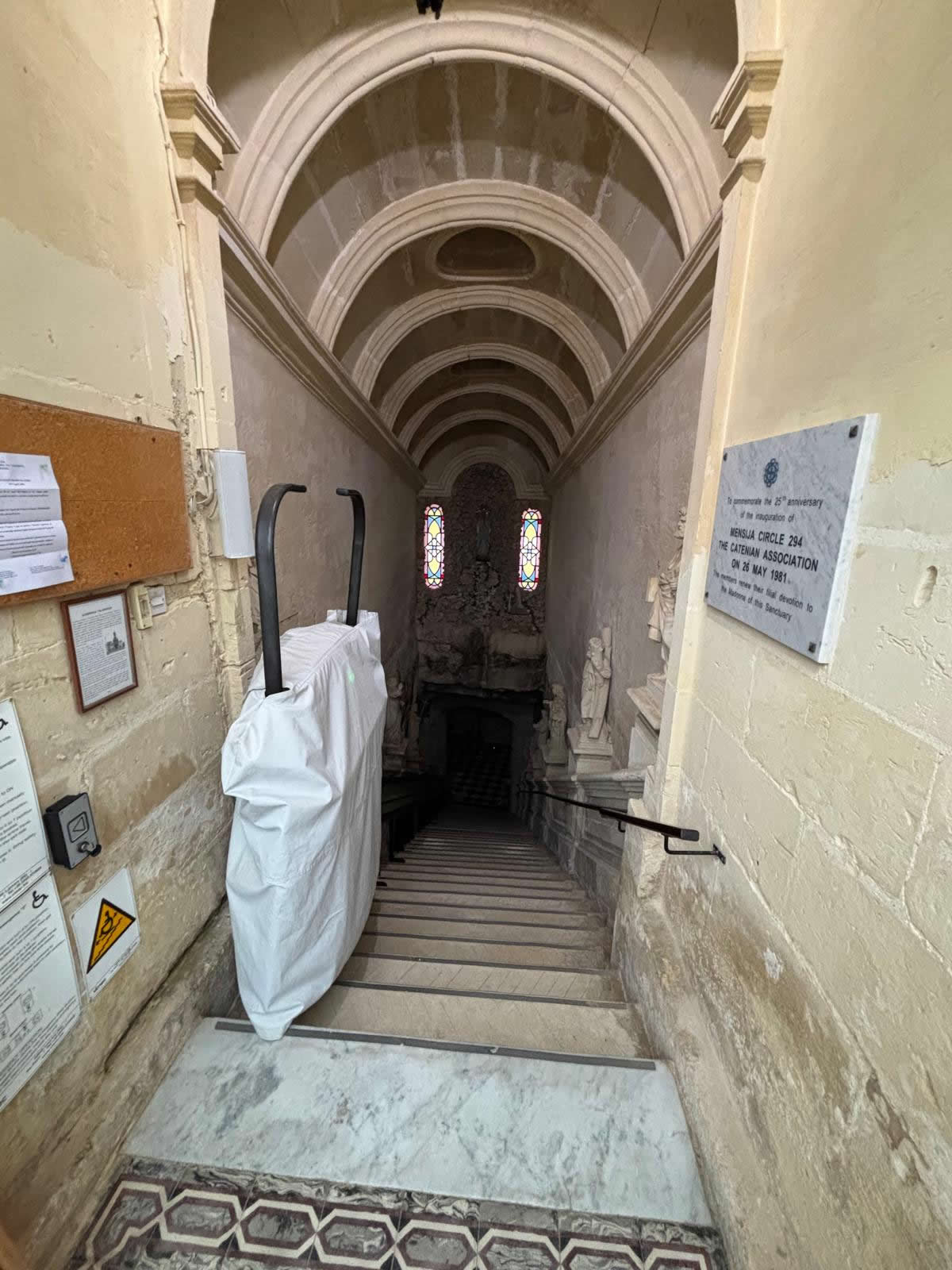
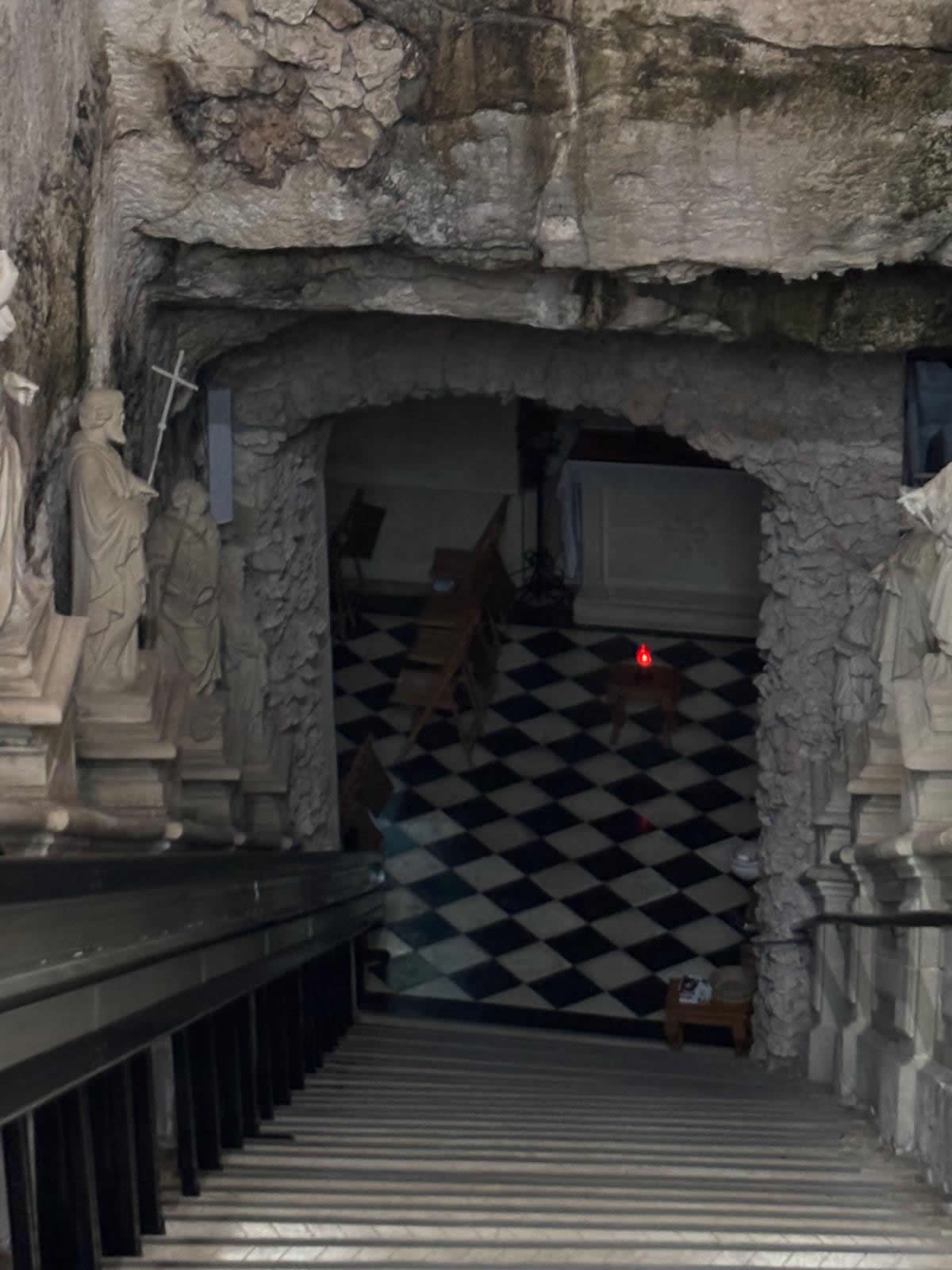
Access to the sanctuary is provided by a staircase of approximately forty steps, leading down to the cave and chapel complex, reinforcing its character as a secluded and contemplative space.
Architectural Features
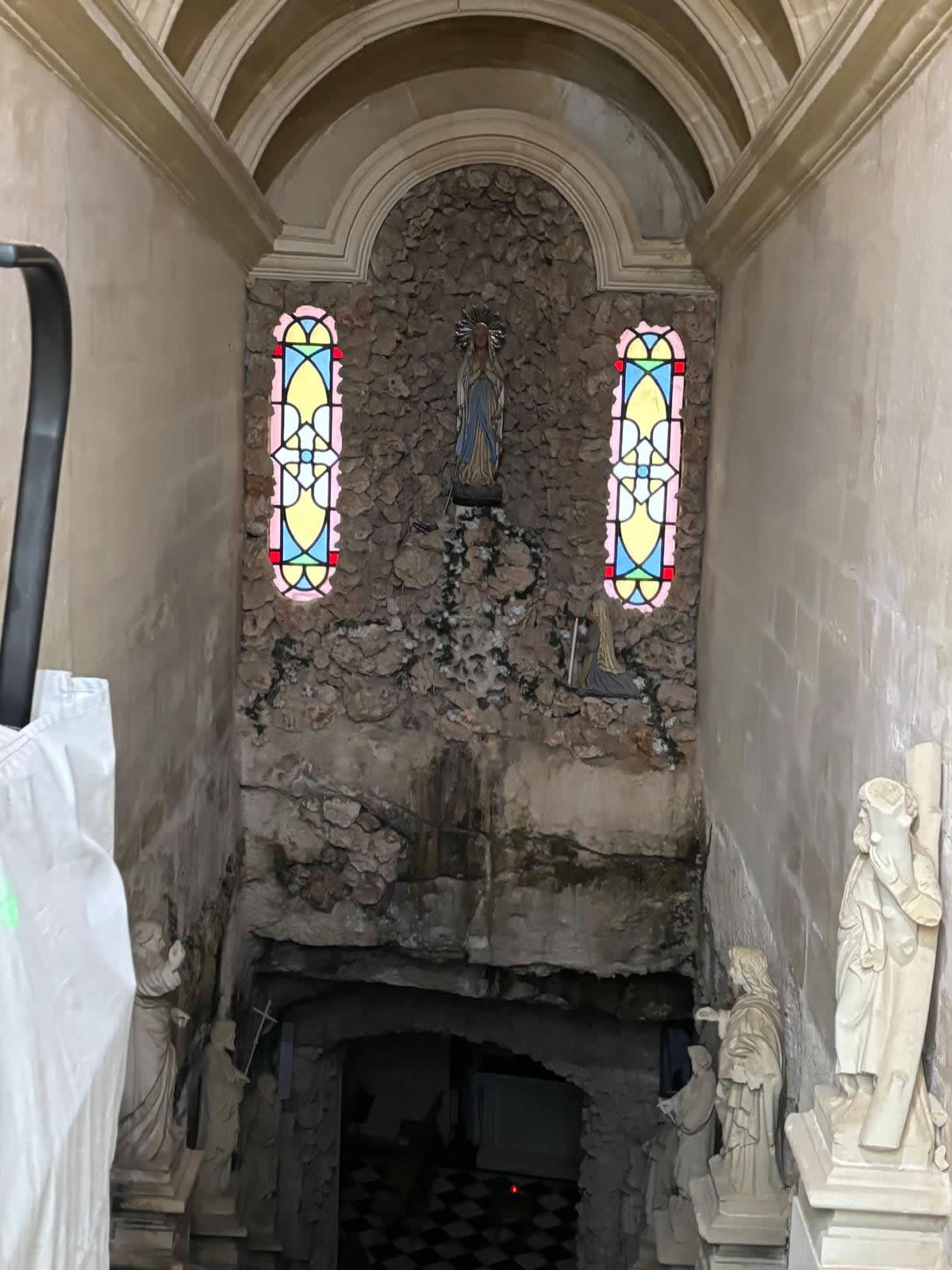
Mensija Chapel is unique in Malta due to its combination of natural and built elements. Key architectural features include:
- The integration of a natural cave within the chapel structure
- Rock-cut sections forming part of the sanctuary
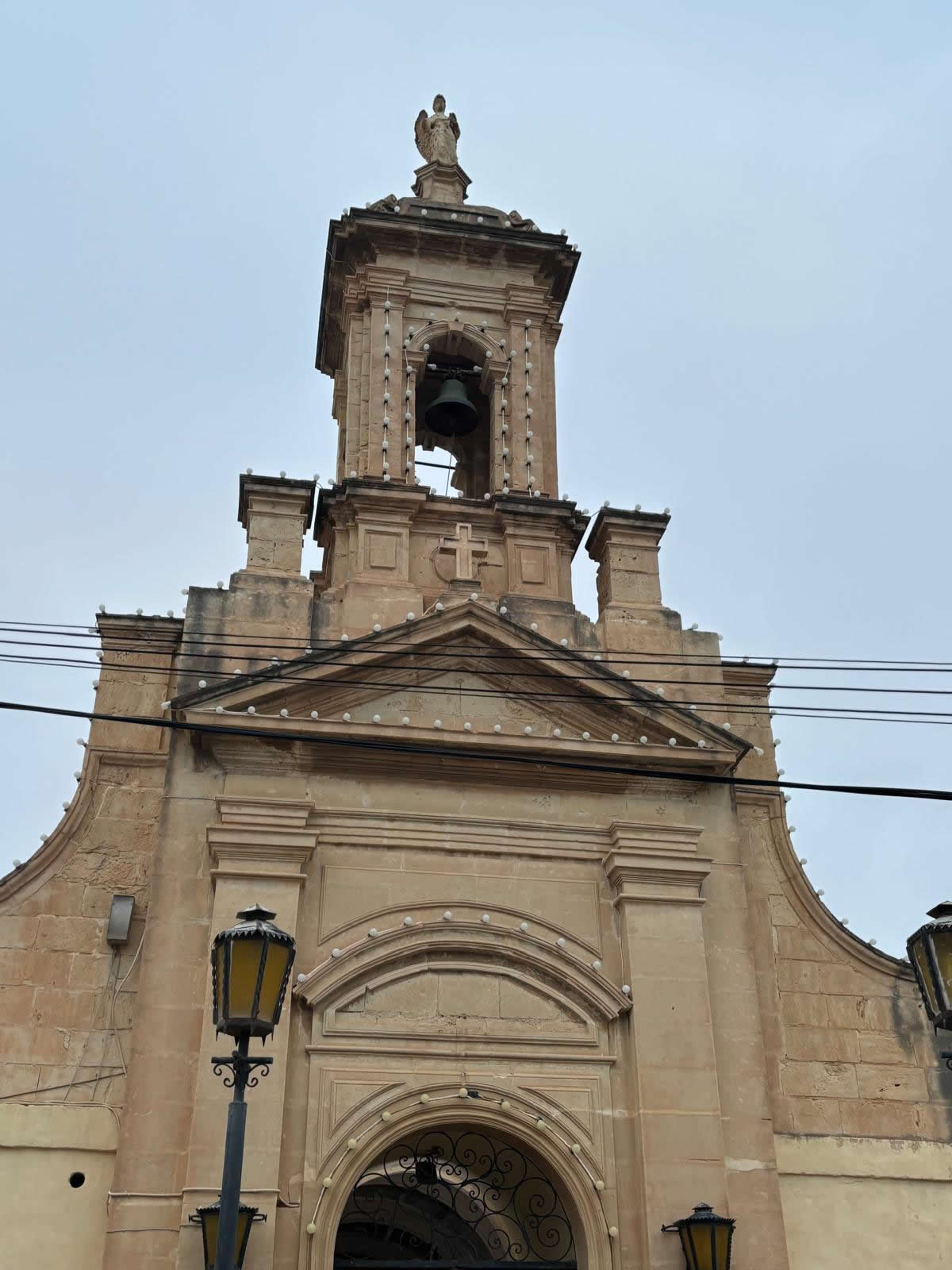
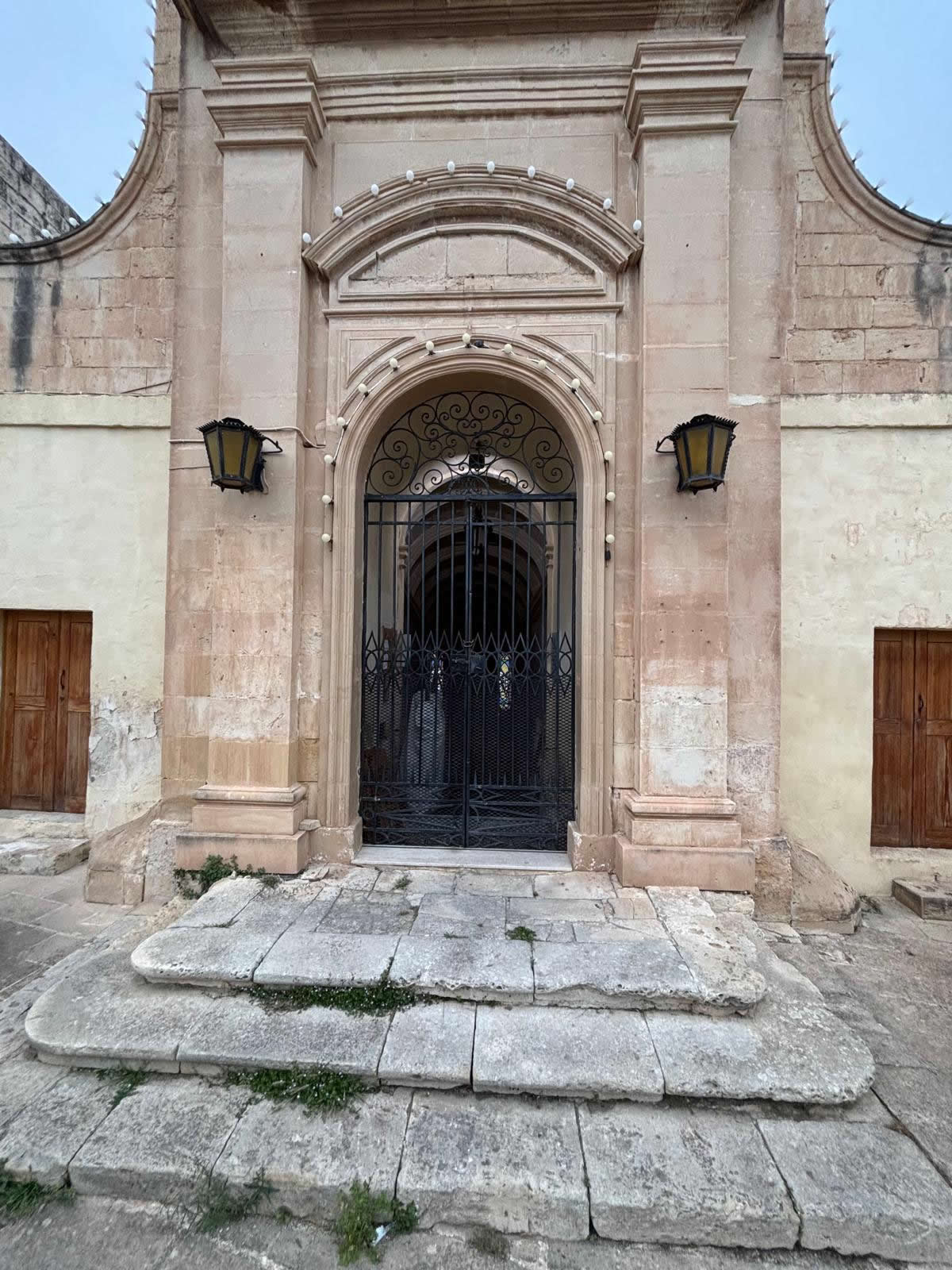
- A simple façade reflecting rural chapel architecture
- A stairway descent enhancing the sense of pilgrimage
This fusion of natural and constructed elements makes the chapel an important example of Malta’s troglodyte religious architecture.
Interior and Devotional Elements
The interior of the chapel is centred around Marian devotion, particularly to the Madonna tal-Mensija. The main altar is traditionally dedicated to the Virgin Mary and reflects the origins of the sanctuary in the discovery of the sacred image.
Features may include:
- A central altar dedicated to the Annunciation
- Marian imagery reflecting local devotion
- Simple liturgical furnishings suited to a cave environment
The atmosphere of the chapel is notably intimate, shaped by its underground and enclosed setting, which encourages quiet reflection and prayer.
Religious Use and Pilgrimage
Mensija Chapel has long functioned as a place of pilgrimage and devotion. The legend associated with the site continues to attract visitors, particularly those devoted to the Virgin Mary.
Religious activities historically associated with the chapel include:
- Feast day celebrations linked to Marian devotion
- Private prayer and pilgrimage visits
- Occasional liturgical services
Its reputation as a place of spiritual significance has endured for centuries.
Historical Landscape and Setting
The chapel is located within a landscape of exceptional historical depth. The surrounding area of San Ġwann contains:
- Prehistoric cart ruts dating to the Bronze Age
- Roman tombs and remains
- Evidence of long-term agricultural activity
This context enhances the importance of Mensija Chapel as part of a broader historical and cultural environment.
Protection and Modern Significance
Mensija Chapel is recognised as a protected heritage site, reflecting its architectural, historical, and cultural value. Efforts have been made to preserve both the chapel and its surrounding landscape, particularly in response to development pressures in the area.
Today, the chapel continues to serve as:
- A place of historical interest
- A site of religious devotion
- A symbol of Malta’s rural and spiritual heritage
Location and Access
Location: San Ġwann, Malta
Coordinates: 35.913924, 14.480131
The chapel is accessible via Triq is-Santwarju and is reached by descending a staircase into the valley setting.
Conclusion
Mensija Chapel stands as one of Malta’s most evocative religious sites, combining legend, history, and architecture in a unique setting. From its origins as a cave sanctuary to its development as a Marian pilgrimage site, it represents the enduring relationship between landscape, faith, and community in Malta.
Its preservation ensures that this “forgotten place” remains a vital part of the island’s cultural and spiritual identity.
Frequently Asked Questions
When was Mensija Chapel built?
It developed from a cave used in the medieval period, with later construction in the 16th and 17th centuries.
What does Mensija mean?
Mensija means “the forgotten place”.
Why is it important?
It combines a cave sanctuary, Marian devotion, and a unique historical legend.
To explore more historic chapels across the Maltese Islands, visit our directory: Oldest Chapels in Malta and Gozo.