📍 Location
Location Map Coordinates 35.884995, 14.399636
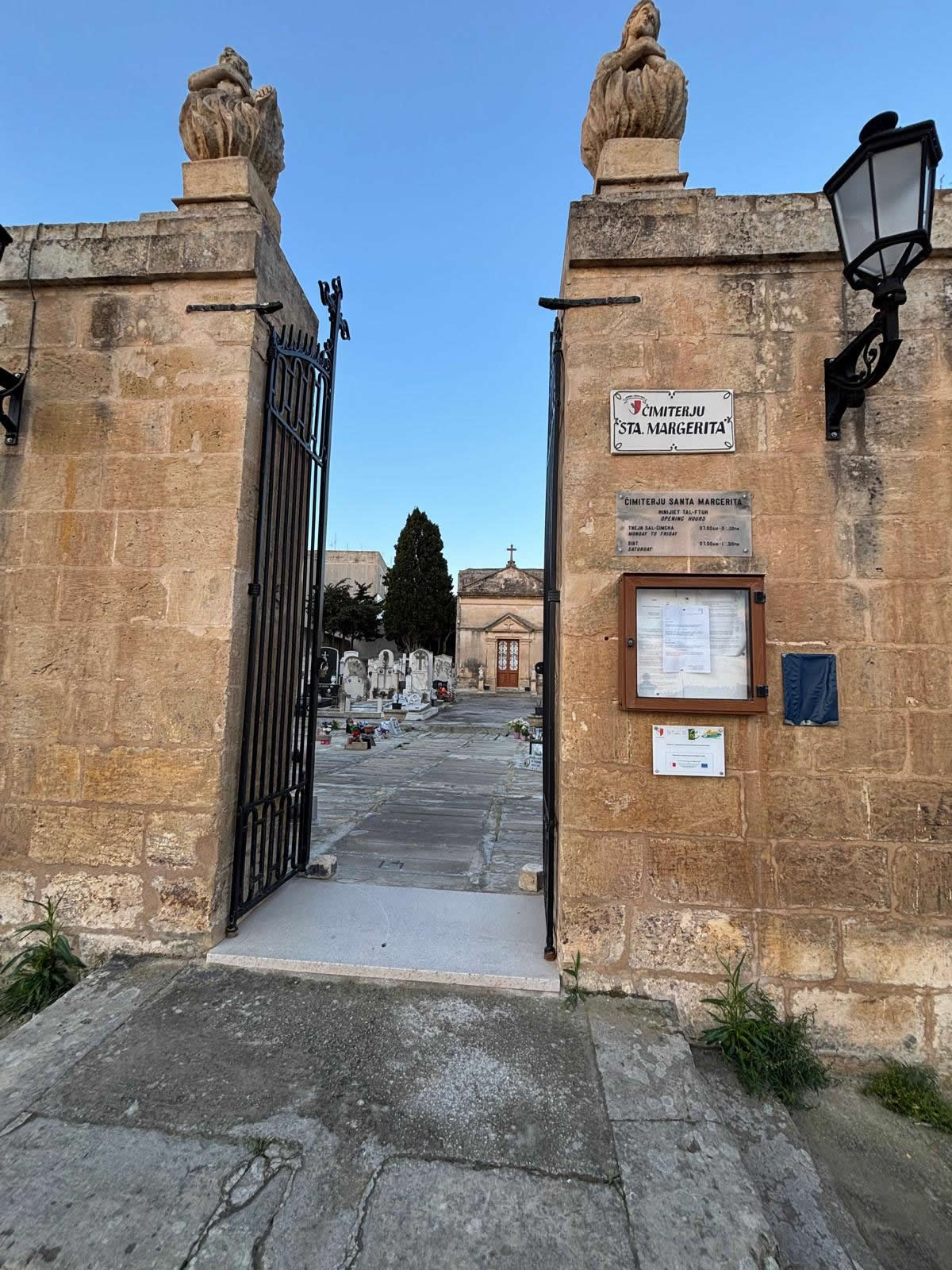
The Sta Margerita Cemetery and Chapel, located at coordinates 35.884995, 14.399636, is a historically layered burial site situated in a relatively remote area outside Rabat, Malta. Though modest in appearance, the cemetery is of considerable importance due to both its funerary use and its underlying archaeological significance.
Historical Context of Burial in Rabat
Rabat has been associated with burial practices for over two millennia, dating back to the Roman city of Melite. Burial grounds were traditionally located outside inhabited areas due to sanitary concerns, a practice that continued into modern times. :contentReference[oaicite:0]{index=0}
Sta Margerita Cemetery follows this tradition, being situated at a distance from the urban core, reinforcing its role as an extra-urban burial ground.
Location and Historical Context
The Sta Margerita Cemetery is situated on the outskirts of Rabat, in the transitional zone between Rabat and Mdina. This area historically functioned as a peri-urban landscape, bridging the densely inhabited medieval core of Mdina with the expanding settlement of Rabat.
This positioning is significant, as burial grounds in Malta were traditionally established just beyond populated centres for sanitary reasons, while still remaining closely connected to major ecclesiastical and administrative hubs. The proximity to Mdina, historically Malta’s principal city, reinforces the cemetery’s integration within an important religious and cultural setting.
Establishment and Development
Although no exact foundation date has been formally documented, available evidence suggests that the cemetery was established in the late 19th century, most likely between c. 1880 and 1905.
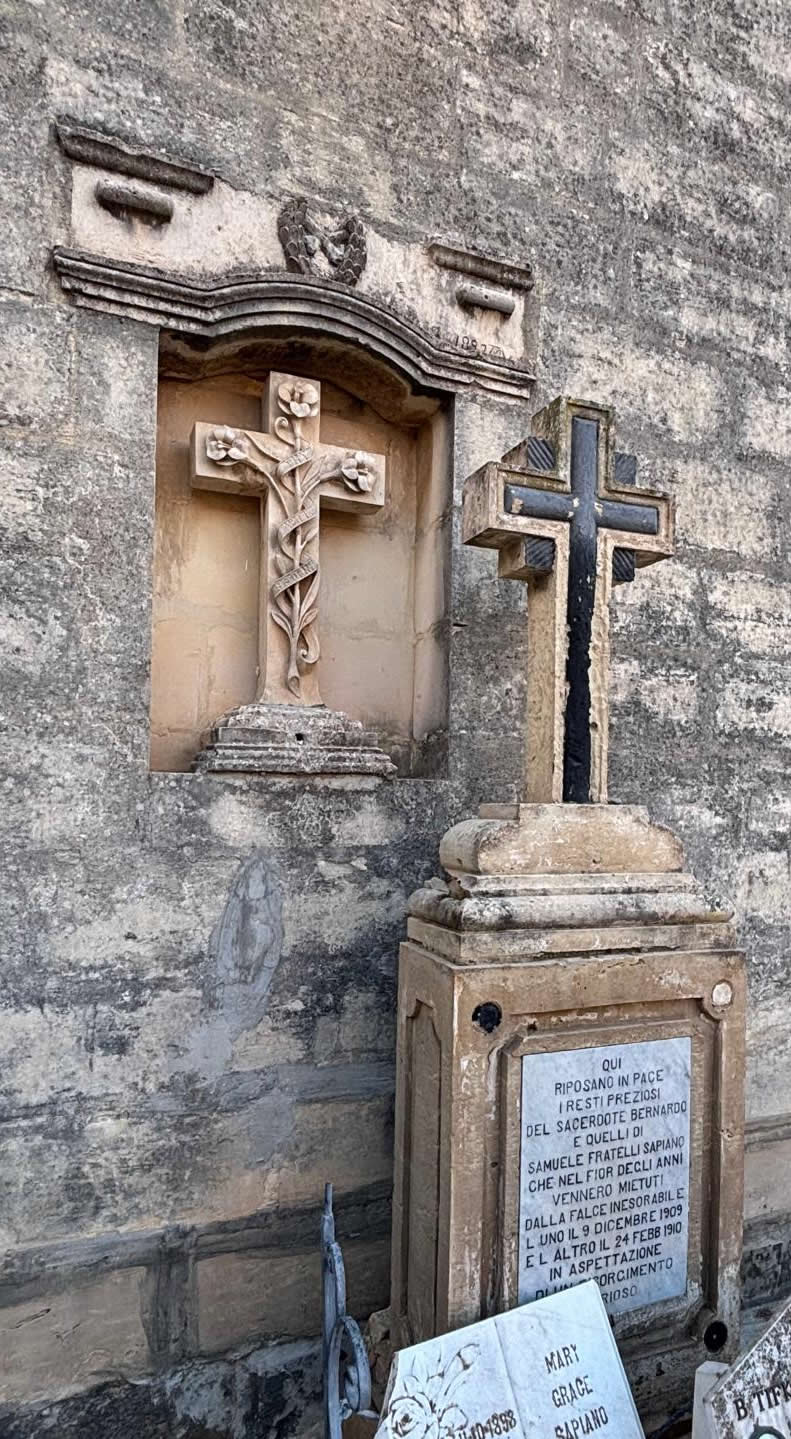
The earliest visible burial currently identifiable on site is dated 1909. This should be interpreted as an early surviving marker rather than the absolute beginning of use. It is highly probable that the cemetery was already operational in the years immediately preceding this date.
- The cemetery reflects late 19th-century burial reforms in Malta
- Its location aligns with the expansion of Rabat beyond its historic core
- It represents a shift towards organised extra-urban burial spaces
Unlike isolated rural cemeteries, Sta Margerita’s placement between Rabat and Mdina suggests it served a growing local population within this important transitional zone, rather than a purely agricultural hinterland.
The Chapel of Sta Margerita
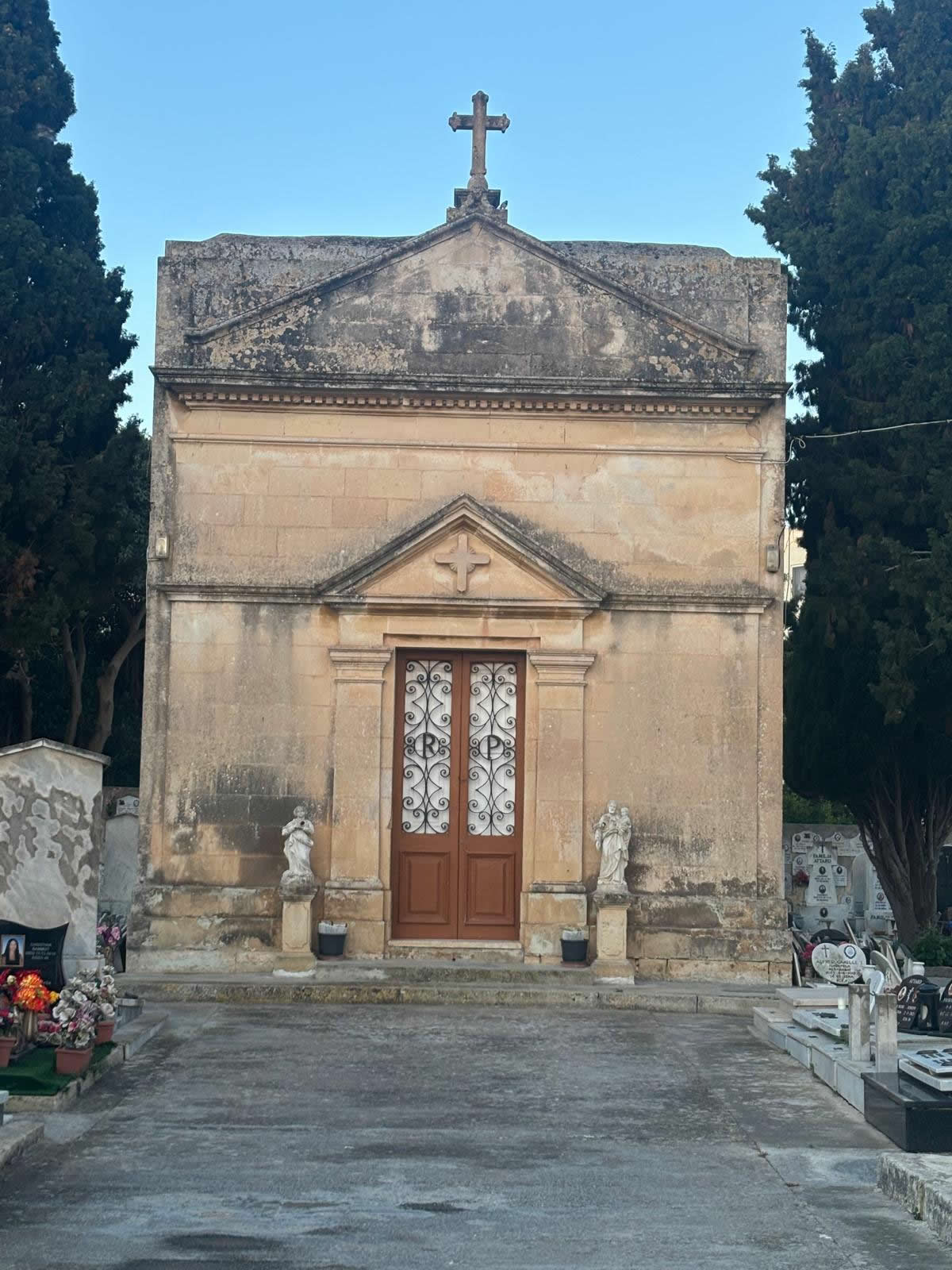
The small chapel within the cemetery serves as its spiritual focal point. Though simple in design, it reflects traditional Maltese religious architecture associated with burial grounds.
Typical features include:
- A modest rectangular structure
- Stone altar for funeral rites
- Minimal decorative elements
The dedication to St Margaret suggests a connection to themes of protection, faith, and intercession, common in cemetery chapels.
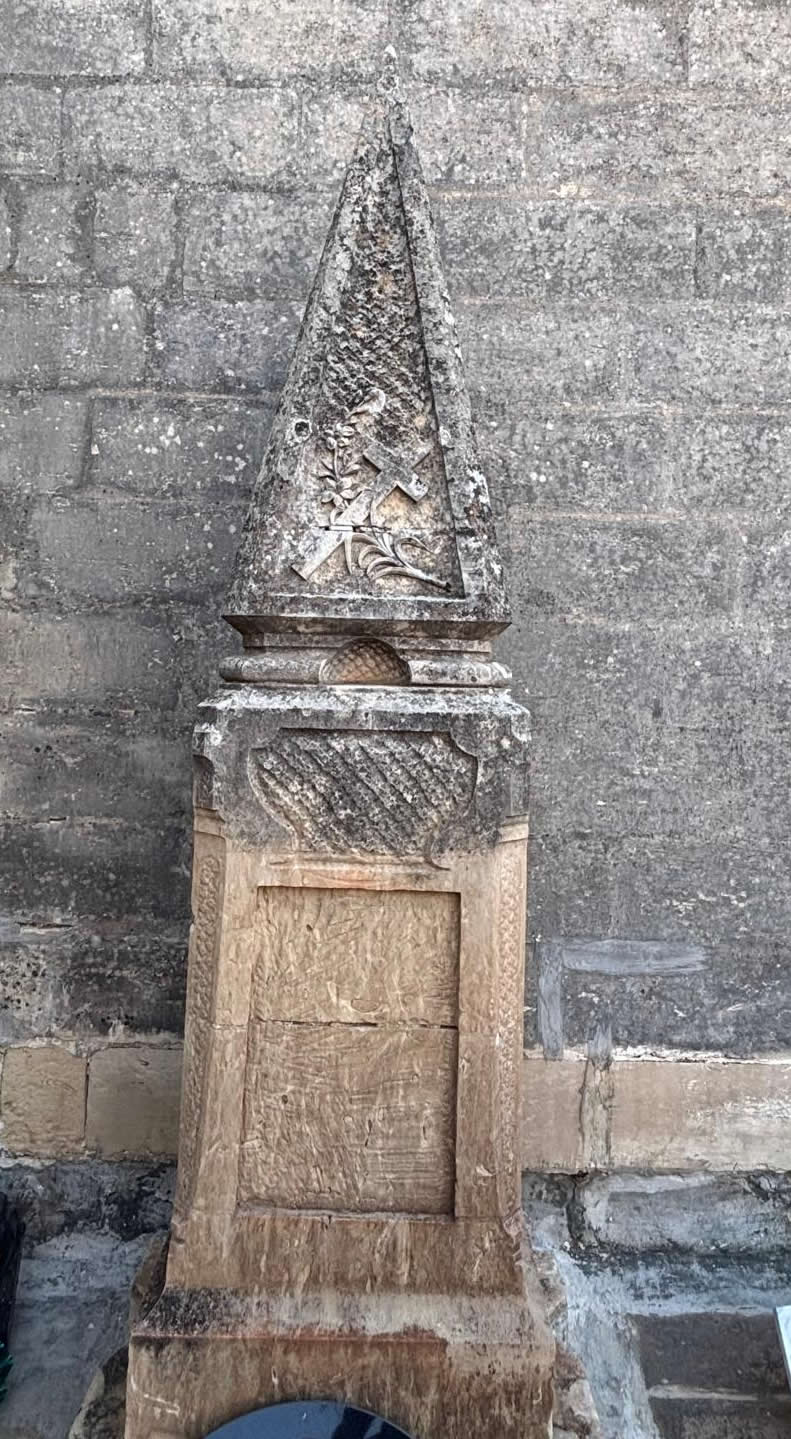
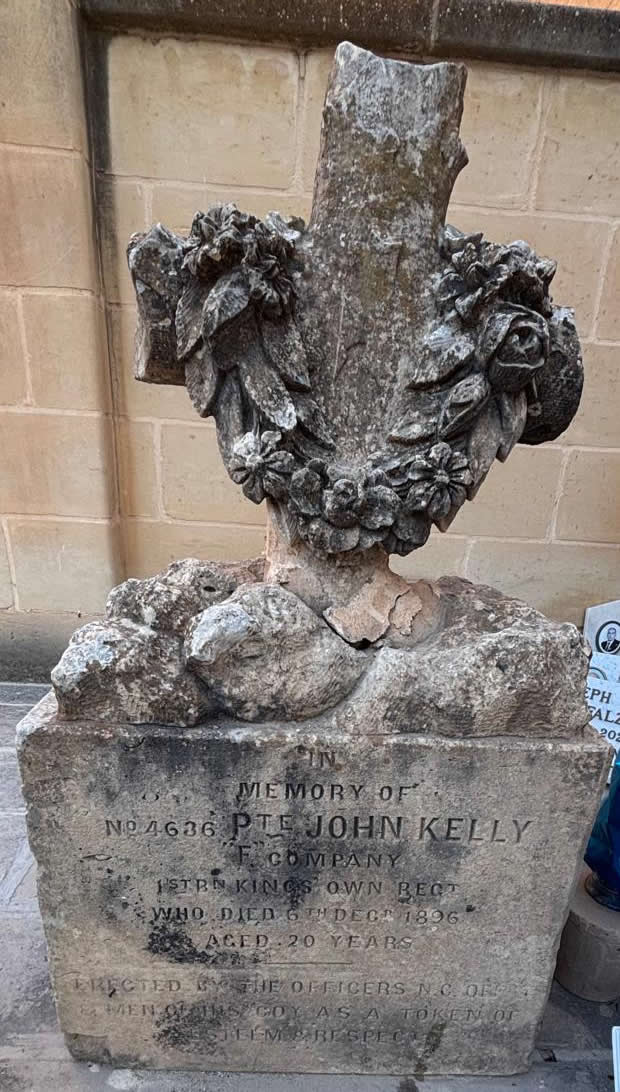
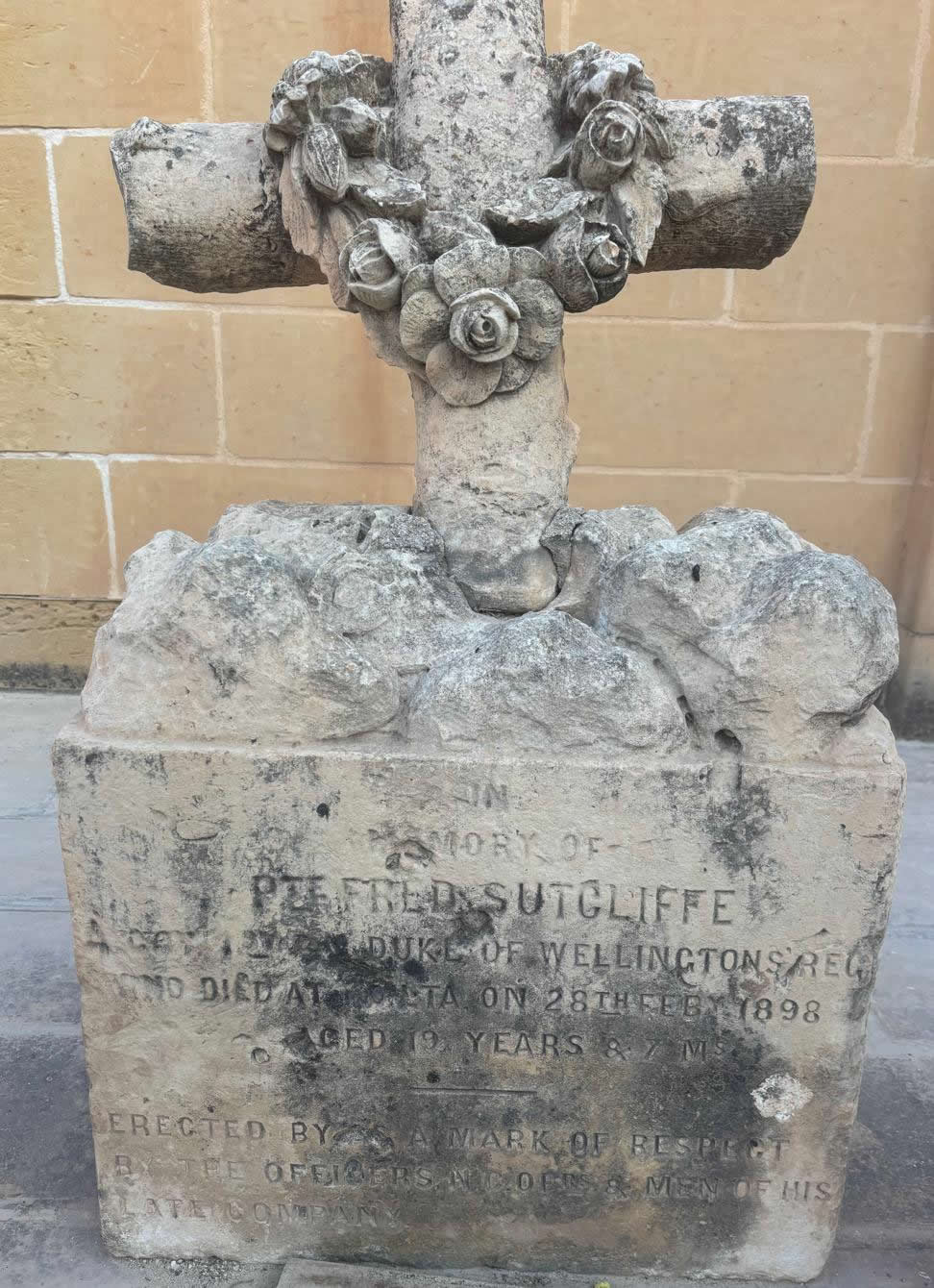
Two military monuments
Archaeological Significance
One of the most important aspects of Sta Margerita Cemetery is the discovery of archaeological remains within its grounds.
Investigations have revealed:
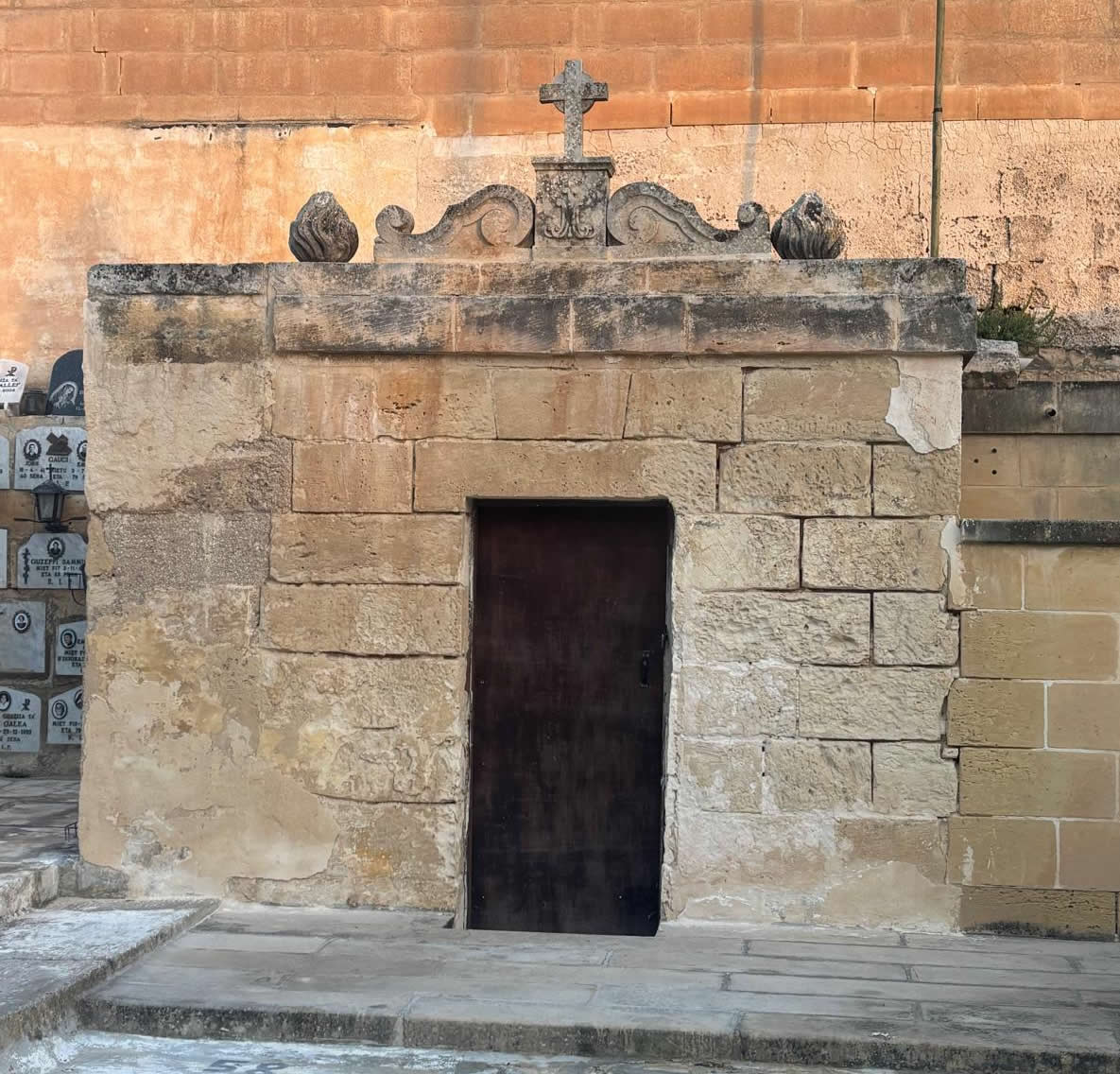
- Bronze Age settlement traces
- Roman-period remains
- Possible medieval or Arab-period tomb structures
These findings demonstrate that the site has been associated with human activity for thousands of years. :contentReference[oaicite:1]{index=1}
Such discoveries significantly enhance the importance of the cemetery, transforming it from a modern burial ground into a multi-period archaeological site.
Burial Use and Function
Sta Margerita Cemetery functioned as a local burial ground serving surrounding rural areas. Its location suggests it was intended to:
- Provide additional burial capacity outside Rabat
- Serve nearby agricultural communities
- Maintain sanitary distance from populated areas
Its relatively small scale indicates that it was not a major urban cemetery but rather a supplementary site.
Continued Use and Present-Day Function
Unlike many smaller historic cemeteries in Malta, Sta Margerita Cemetery remains in active use today. The site is open daily and continues to receive occasional burials, maintaining its original function as a place of interment and remembrance.
This ongoing use highlights the cemetery’s enduring relevance within the local community. It serves not only as a historical site but also as a living space of memory, where traditional funerary practices continue alongside its layered historical and archaeological significance.
The combination of historical continuity and present-day use makes Sta Margerita Cemetery a rare example of a Maltese burial ground that bridges past and present.
Cultural and Heritage Importance
Sta Margerita Cemetery represents several overlapping aspects of Maltese heritage:
- Religious traditions linked to burial and remembrance
- Archaeological continuity from prehistoric to modern times
- Rural community life and practices
Its layered history makes it particularly valuable for understanding how burial practices evolved in Malta.
Location and Access
Location: Rabat, Malta
Coordinates: 35.884995, 14.399636
The cemetery is located in a relatively isolated rural area, consistent with historical burial practices.
Conclusion
The Sta Margerita Cemetery and Chapel is a site of both historical and archaeological significance. While its visible burials date back to the early 20th century, the land itself holds evidence of human activity spanning thousands of years.
The presence of Bronze Age and Roman remains beneath the cemetery underscores the deep historical continuity of the Rabat region. As such, Sta Margerita is not merely a burial ground but a key element of Malta’s cultural landscape.
Frequently Asked Questions
When was Sta Margerita Cemetery built?
It was most likely established in the late 19th or early 20th century.
What is the oldest burial?
The earliest visible burial is dated 1909.
Why is the site important?
It contains archaeological remains from prehistoric and Roman periods.
To explore more historic chapels across the Maltese Islands, visit our directory: Oldest Chapels in Malta and Gozo.