📍 Location
Location Map Coordinates 35.960350, 14.361367
Mellieħa, Malta | Coordinates: 35.960350, 14.361367
The Sanctuary of Our Lady of Mellieħa is one of Malta’s most ancient and revered religious sites, widely regarded as the oldest Marian shrine on the islands. Located in the northern village of Mellieħa, this unique sanctuary is built around a natural cave traditionally associated with the earliest days of Christianity in Malta.
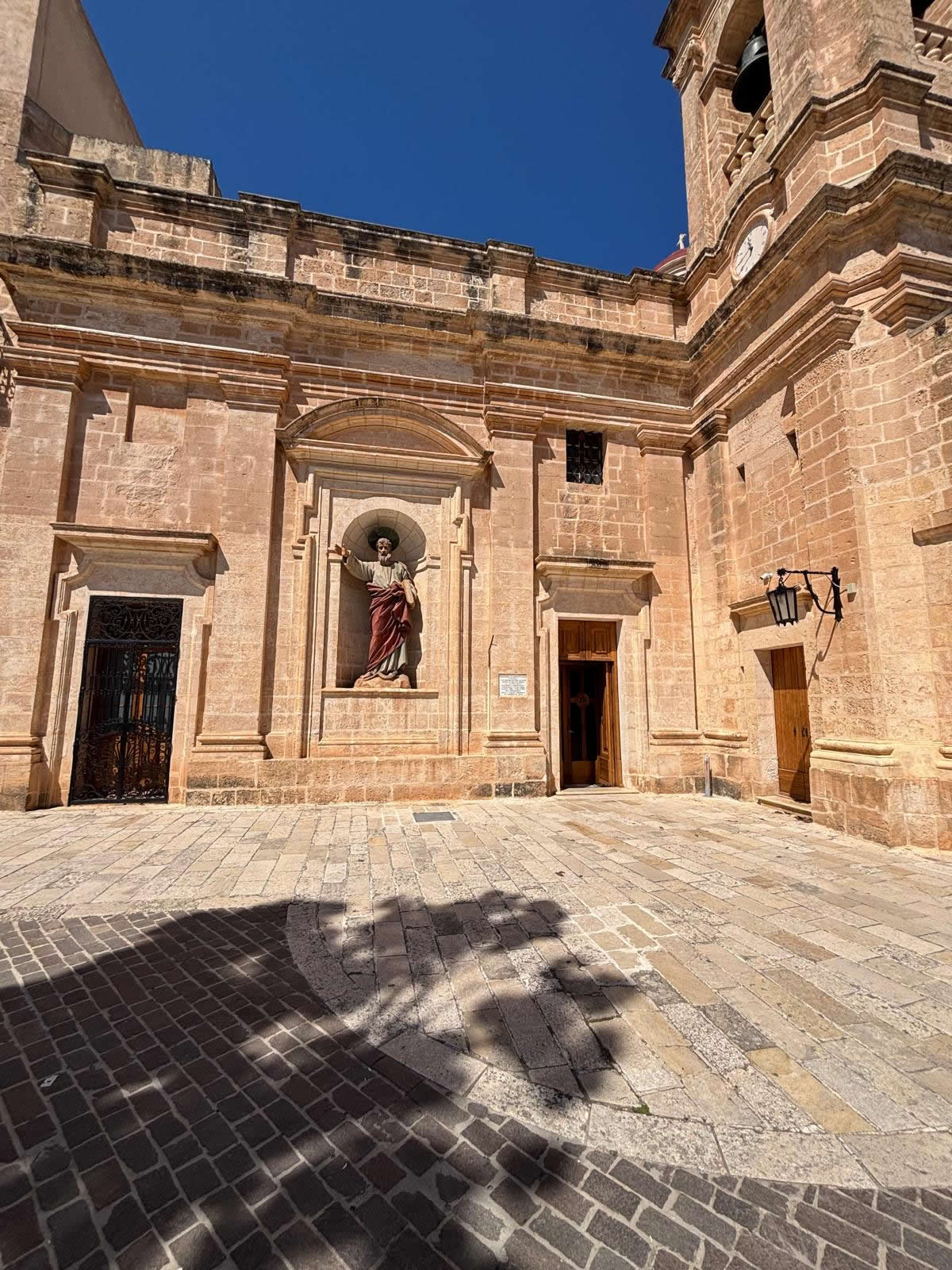
The site combines natural geology, medieval devotion, and Baroque architectural development, creating a remarkable place of pilgrimage that has attracted worshippers for centuries. Its origins stretch back to antiquity, while its present form reflects continuous expansion between the 16th and 18th centuries.
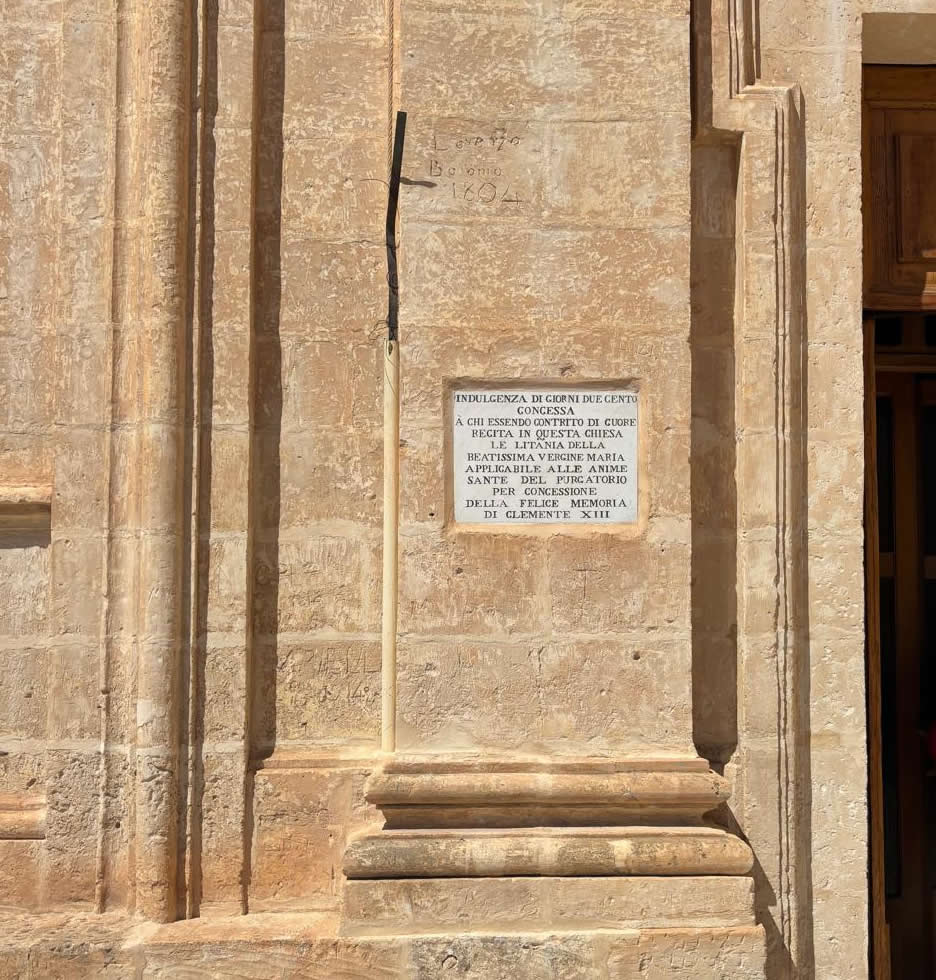
Origins and Early Christian Traditions
The sanctuary originated as a natural cave, which was later consecrated and transformed into a place of Christian worship at an unknown early date. Local tradition connects the site to the arrival of Saint Paul in Malta in 60 AD, suggesting that the cave became a centre of early Christian devotion shortly after his shipwreck.
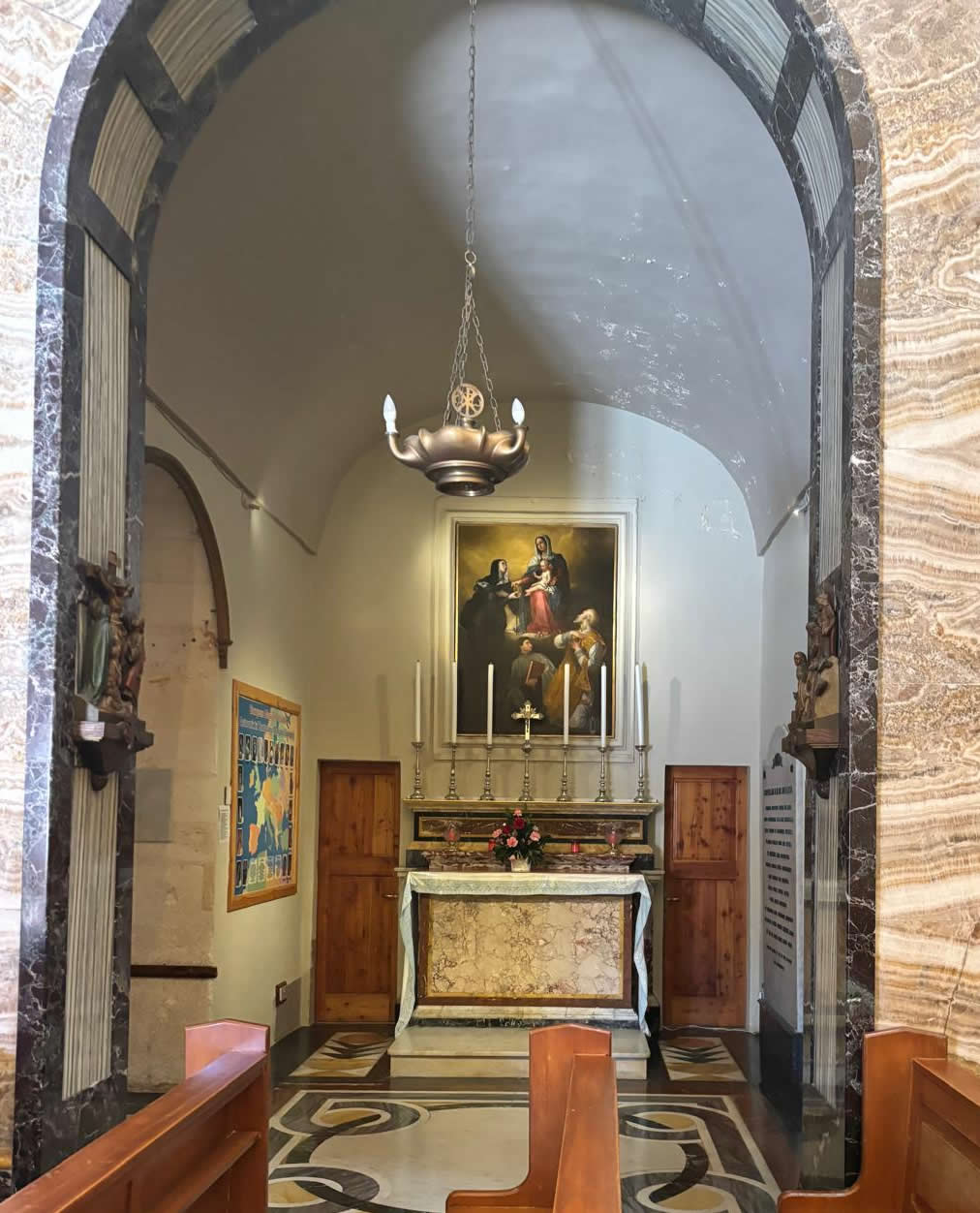
According to long-standing belief, Saint Luke — companion of Saint Paul — painted a fresco of the Virgin Mary holding the Christ Child on the cave wall. This Byzantine-style image, dating to approximately the 12th or 13th century, remains the focal point of the sanctuary and is considered miraculous by many devotees.
By the early 15th century, the sanctuary had already gained prominence and was recorded in documents dating to 1436, confirming its role as one of Malta’s earliest parish churches.
Development and Construction (16th–18th Century)
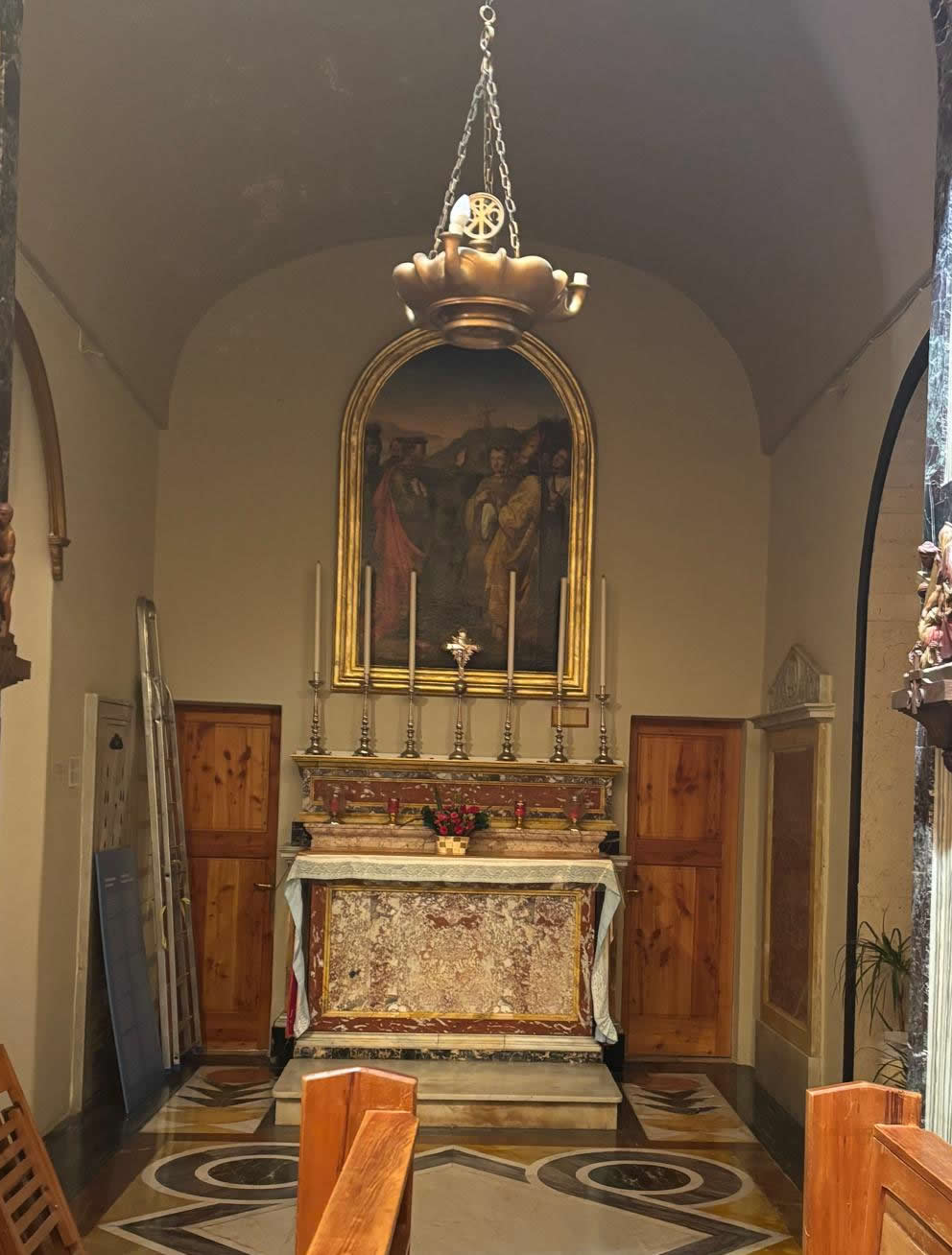
The present structure of the sanctuary evolved gradually between the late 16th and 18th centuries. Builders incorporated the original cave into a larger complex, blending natural rock formations with constructed masonry elements.
In 1614, the sanctuary suffered damage during an Ottoman raid, which resulted in the desecration of the site and damage to the sacred fresco. This event, however, strengthened devotion to the shrine, and subsequent restoration and expansion works followed.
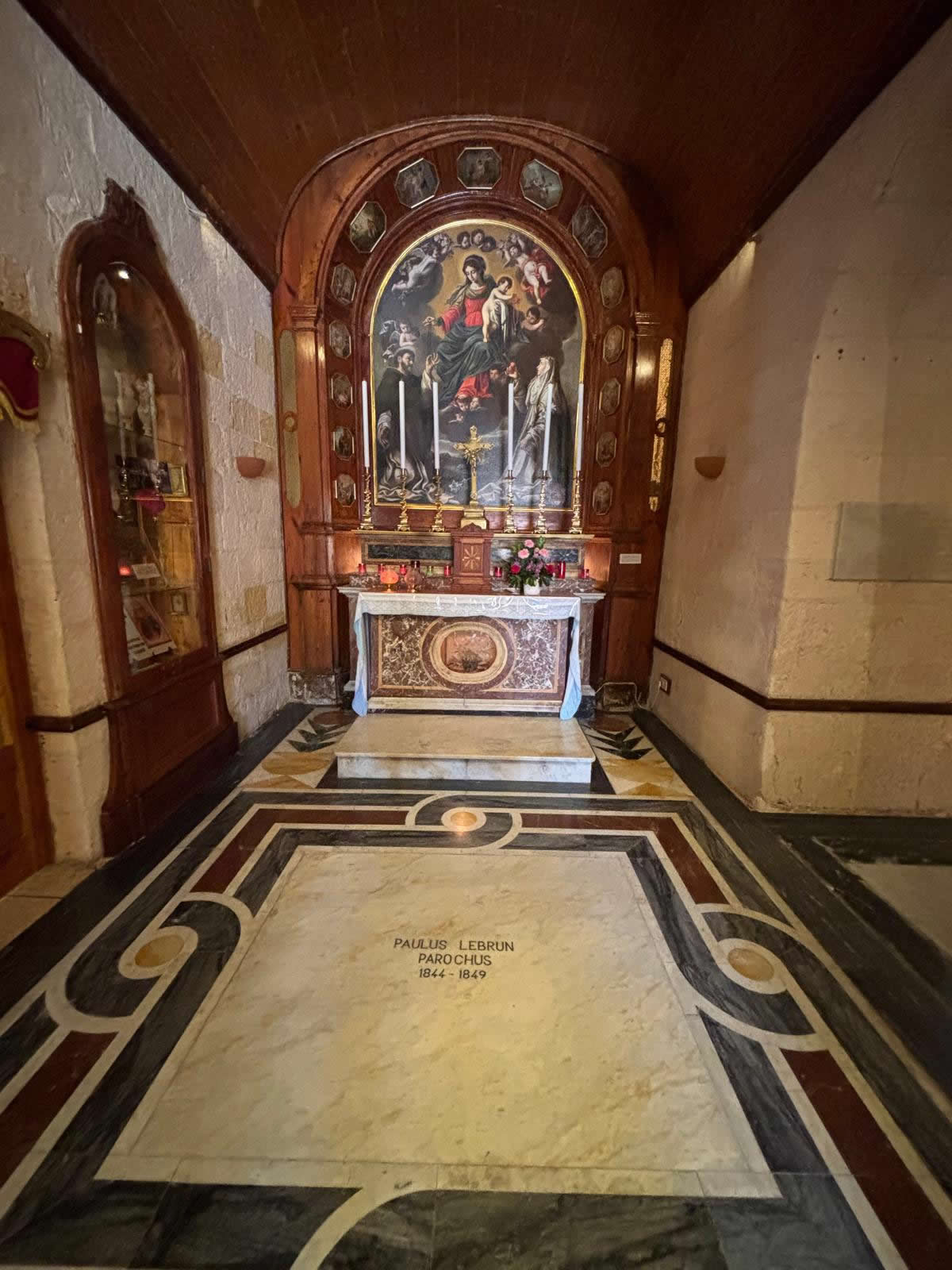
A major enlargement was undertaken in 1644 by a Sicilian benefactor, followed by further embellishments in 1747, when the sanctuary was reconsecrated.
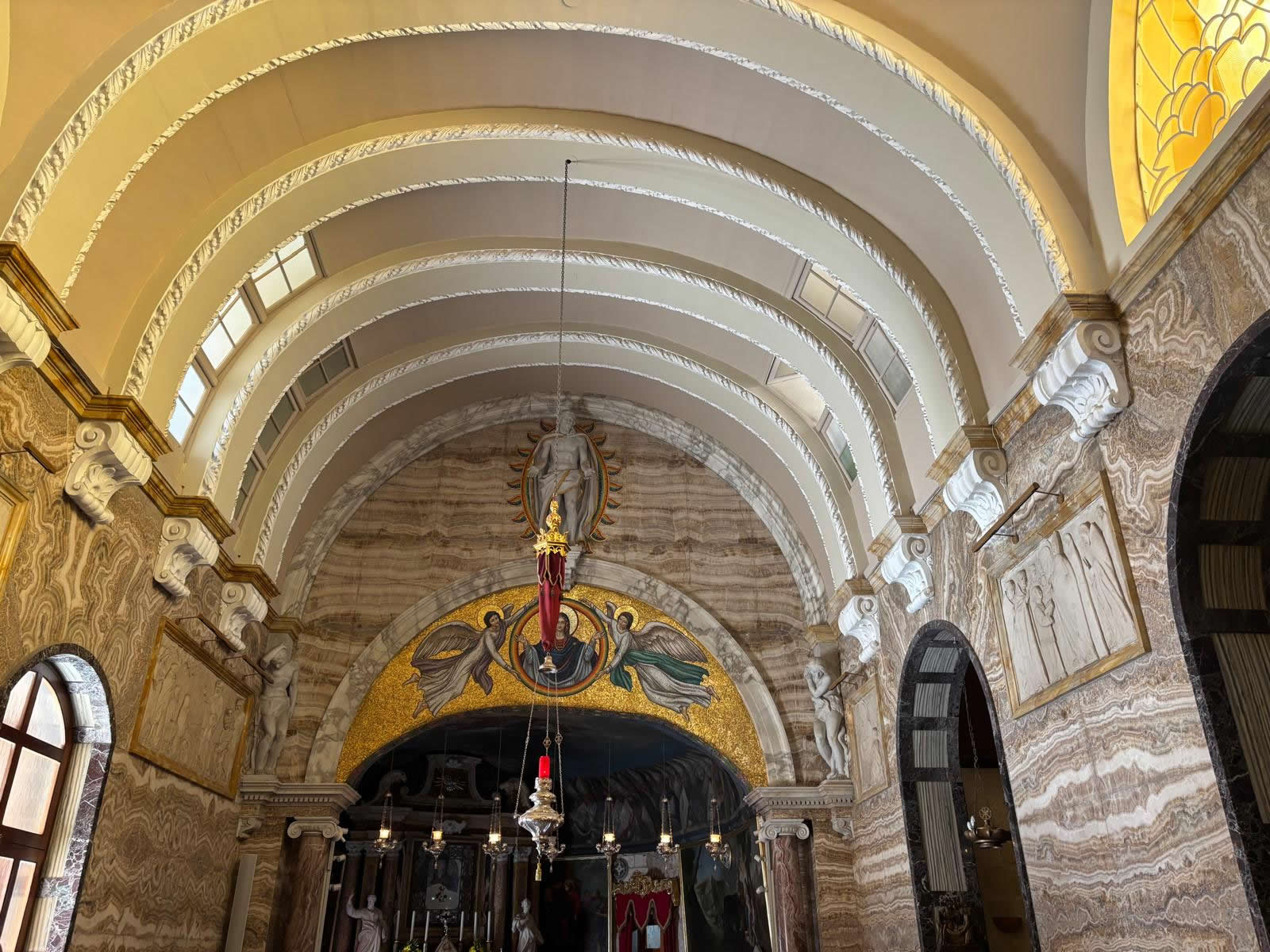
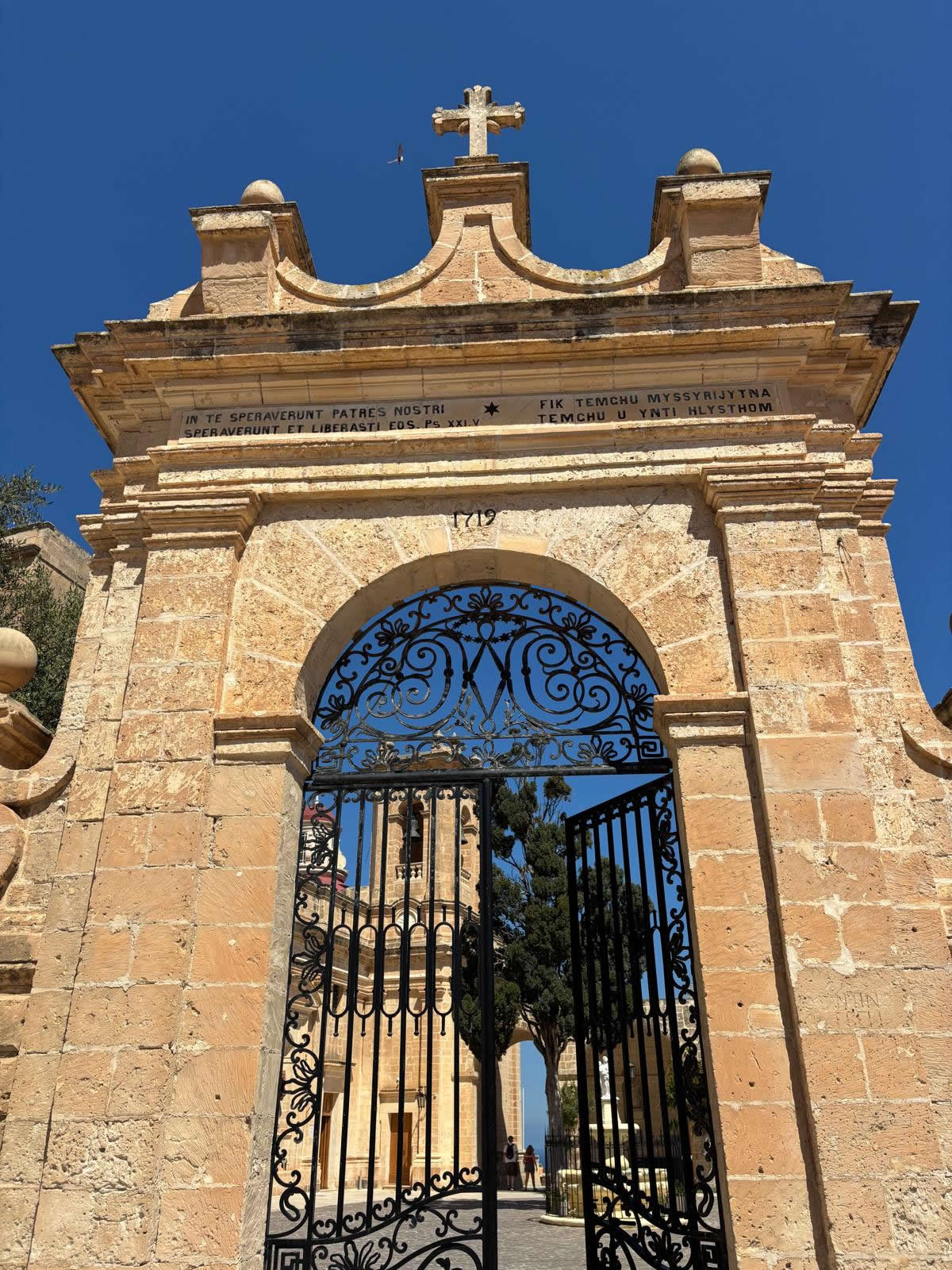
The monumental Baroque arch at the entrance, constructed in 1719, commemorates prayers for rain during a period of drought and stands as one of the sanctuary’s most distinctive architectural features.
Architecture and Layout
The sanctuary is a rare example of a cave church integrated into a larger architectural complex. Visitors enter through a courtyard surrounded by loggias, historically used to accommodate pilgrims.
The structure includes:
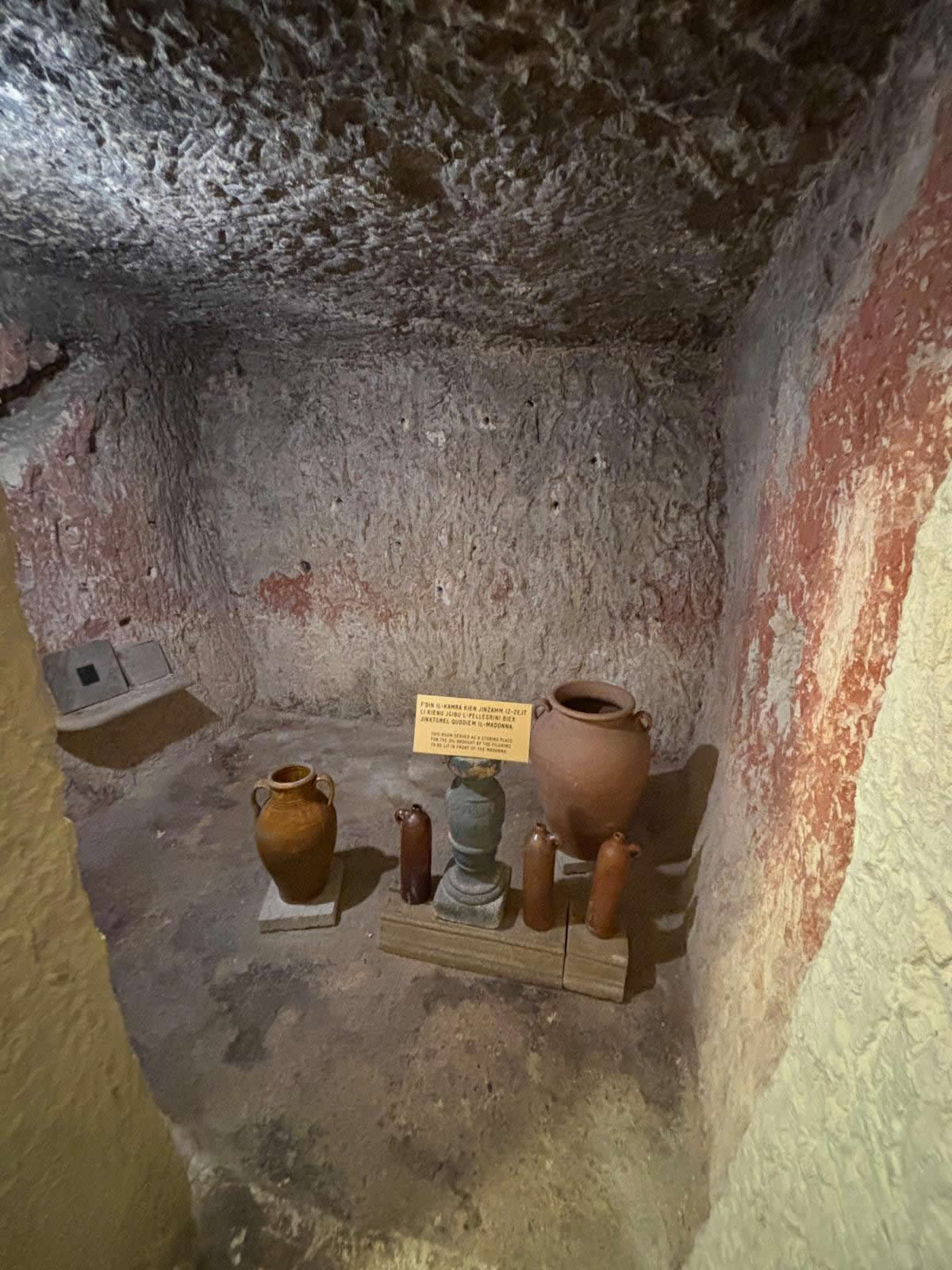
- A rock-hewn crypt and cave chapel
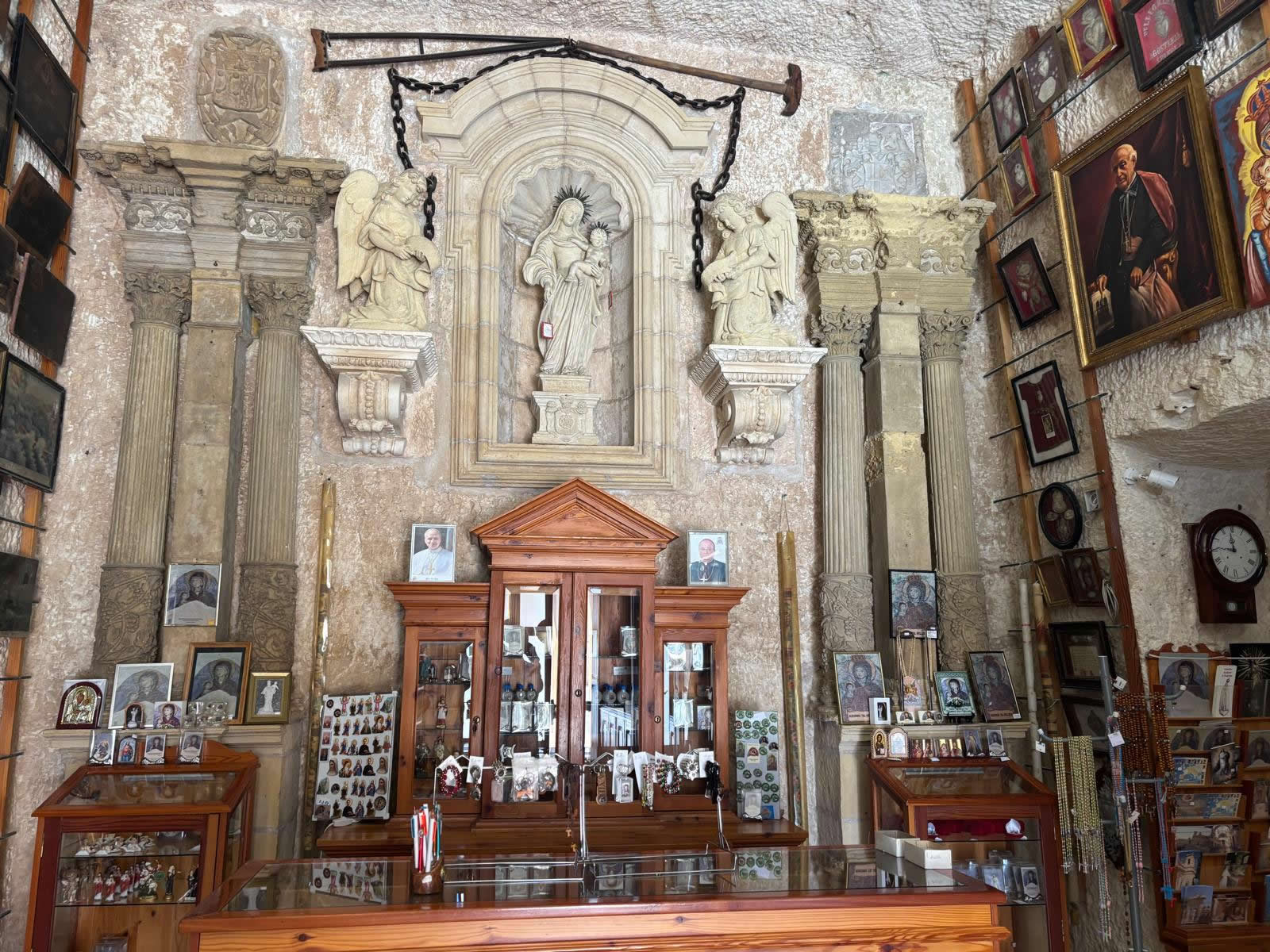
- A sacristy containing devotional offerings (ex-voto)
- A small dome and bell tower
- Pilgrim lodgings built during the 17th and 18th centuries
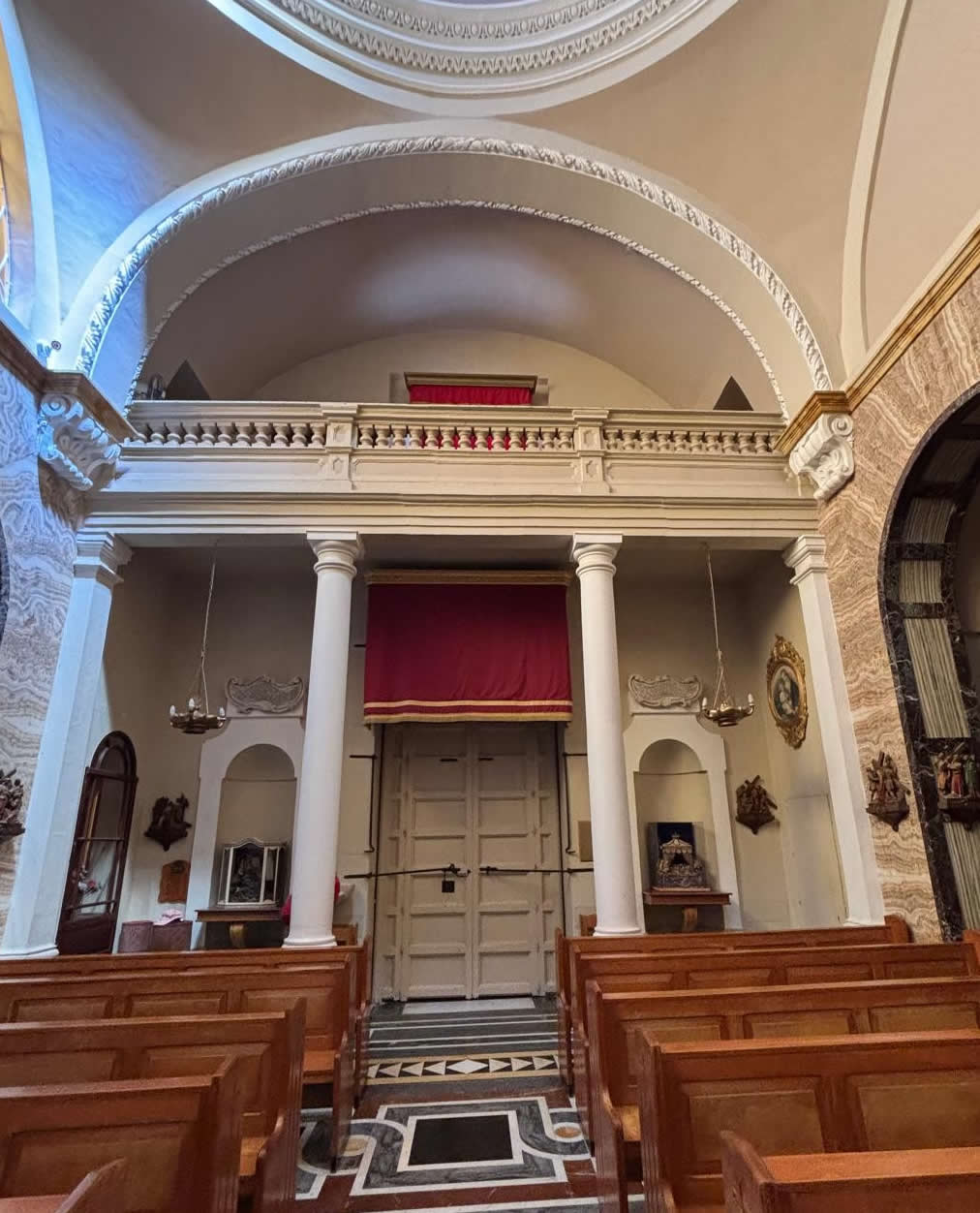
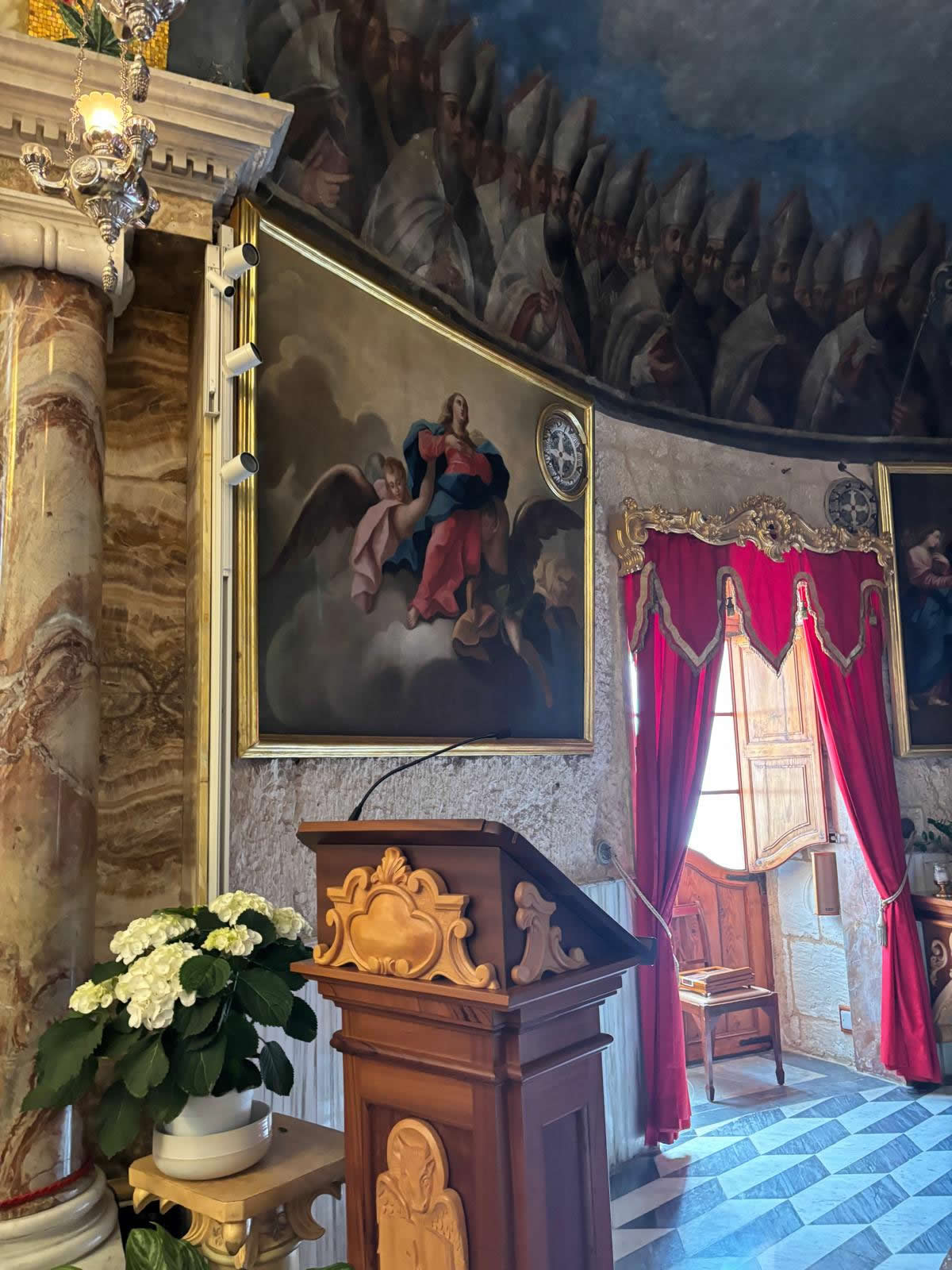
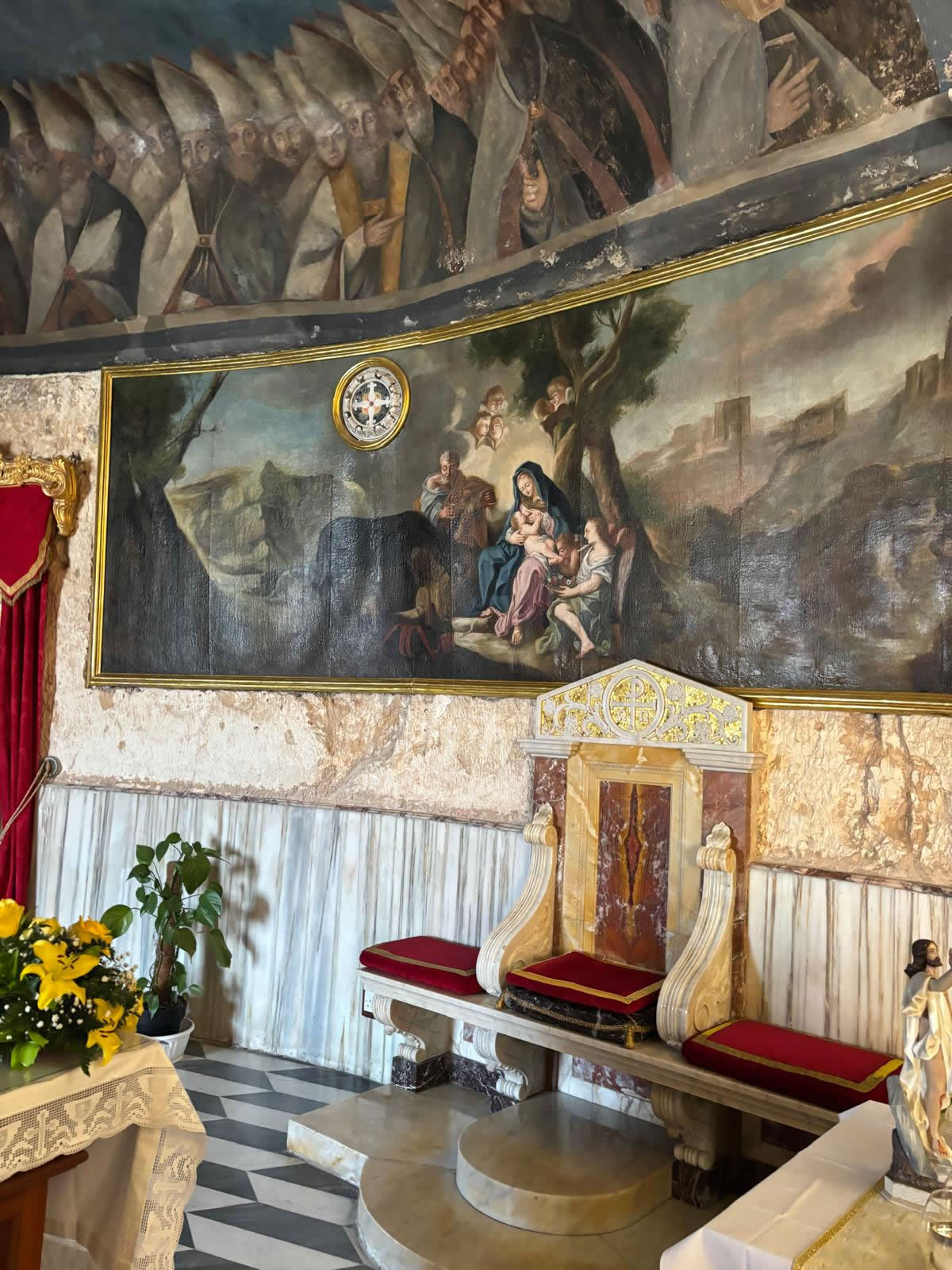
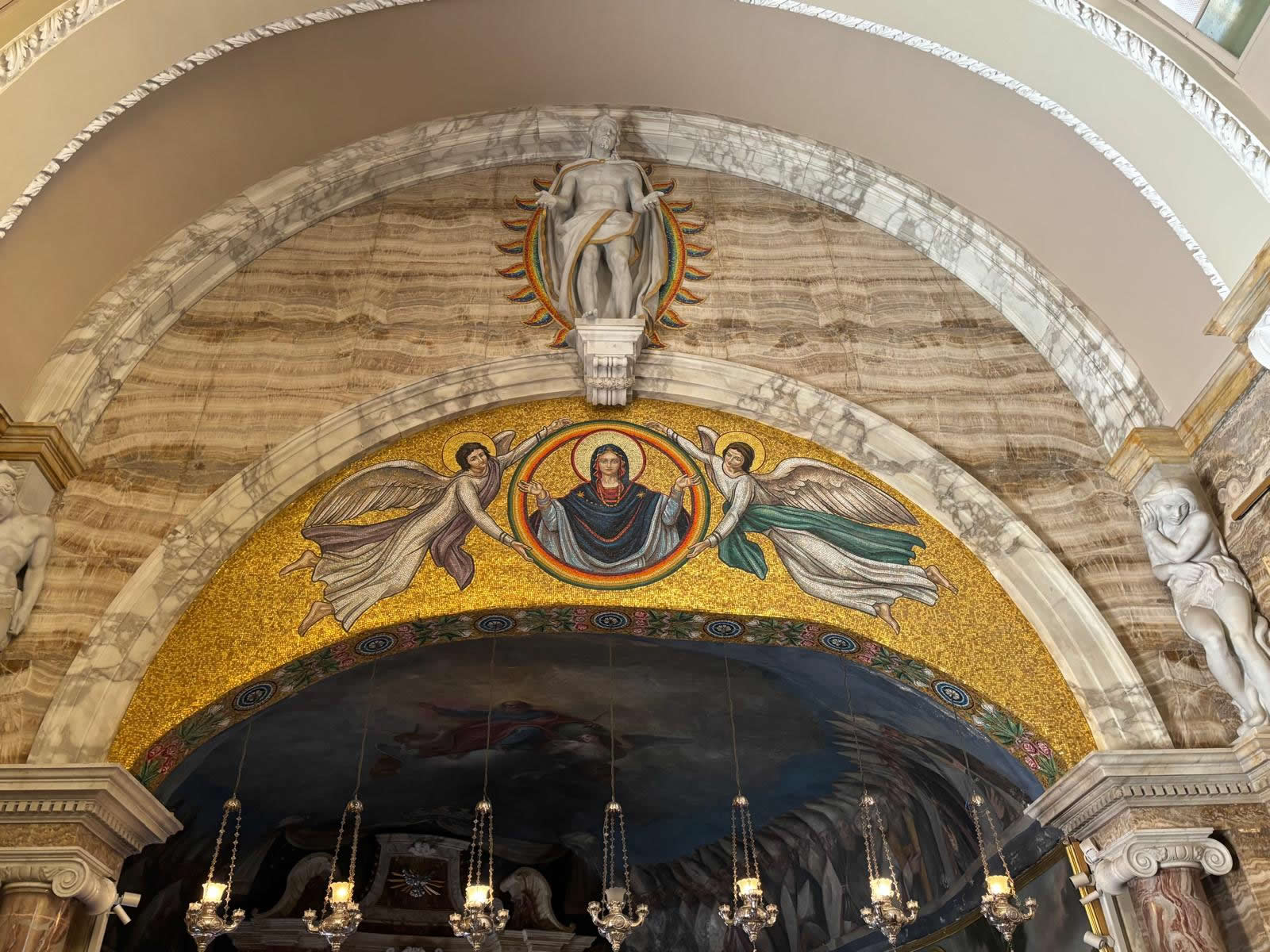
The interior combines marble decoration with natural rock surfaces, creating a unique spiritual atmosphere where architecture and nature merge seamlessly.
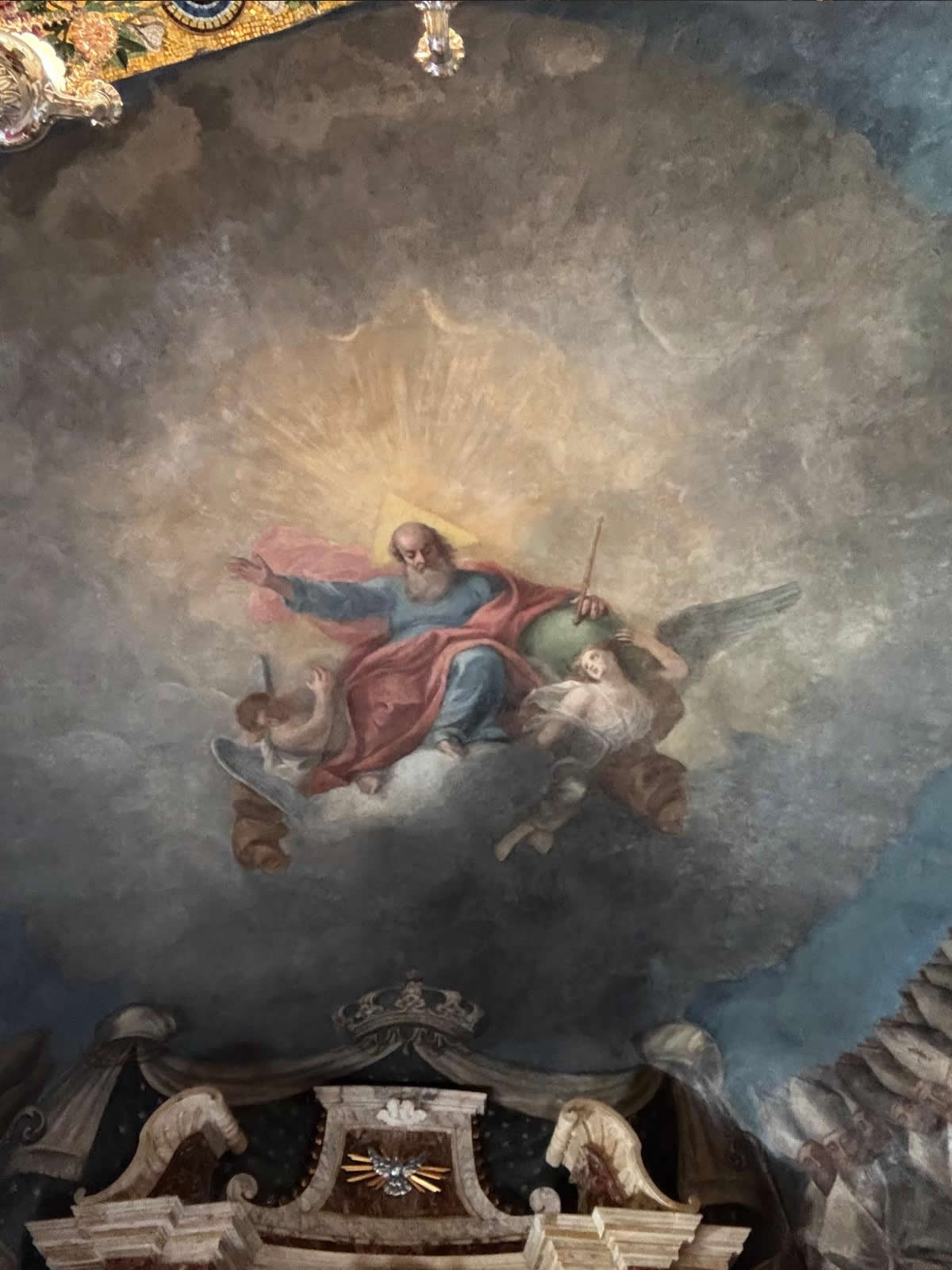
Artworks and Religious Significance
The most important artistic feature is the Byzantine-style fresco of the Virgin and Child, which dominates the altar area. This image has been venerated for centuries and is associated with numerous reported miracles.
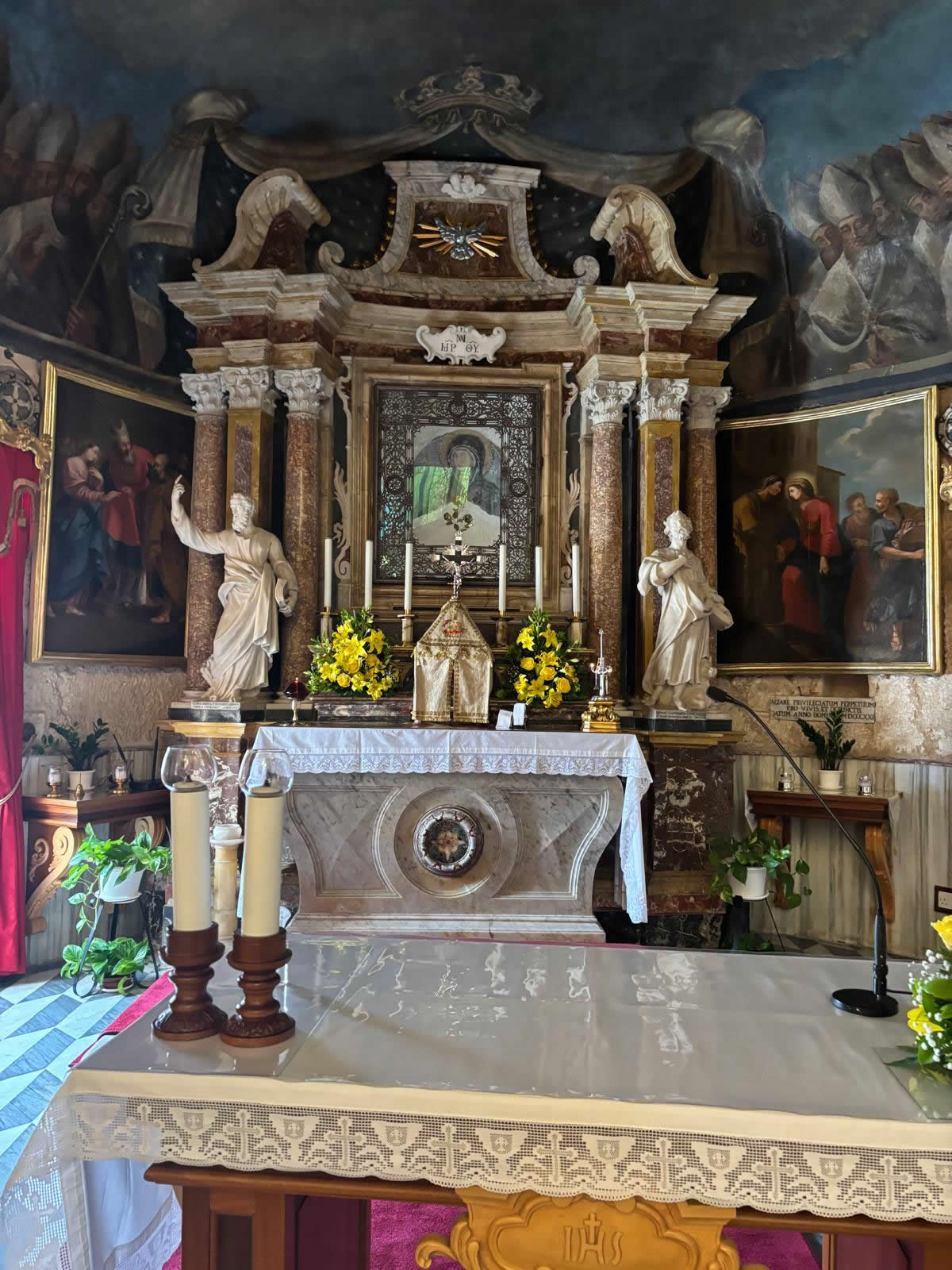
The sanctuary also houses a significant collection of ex-voto offerings, reflecting the gratitude of pilgrims for divine intervention. These include paintings, maritime scenes, and personal tokens donated over several centuries.
Pilgrimage and Historical Visits
The Sanctuary of Our Lady of Mellieħa has long been a major pilgrimage destination in Malta. Throughout history, it has been visited by:
- Kings and viceroys of Sicily
- Grand Masters of the Order of St John
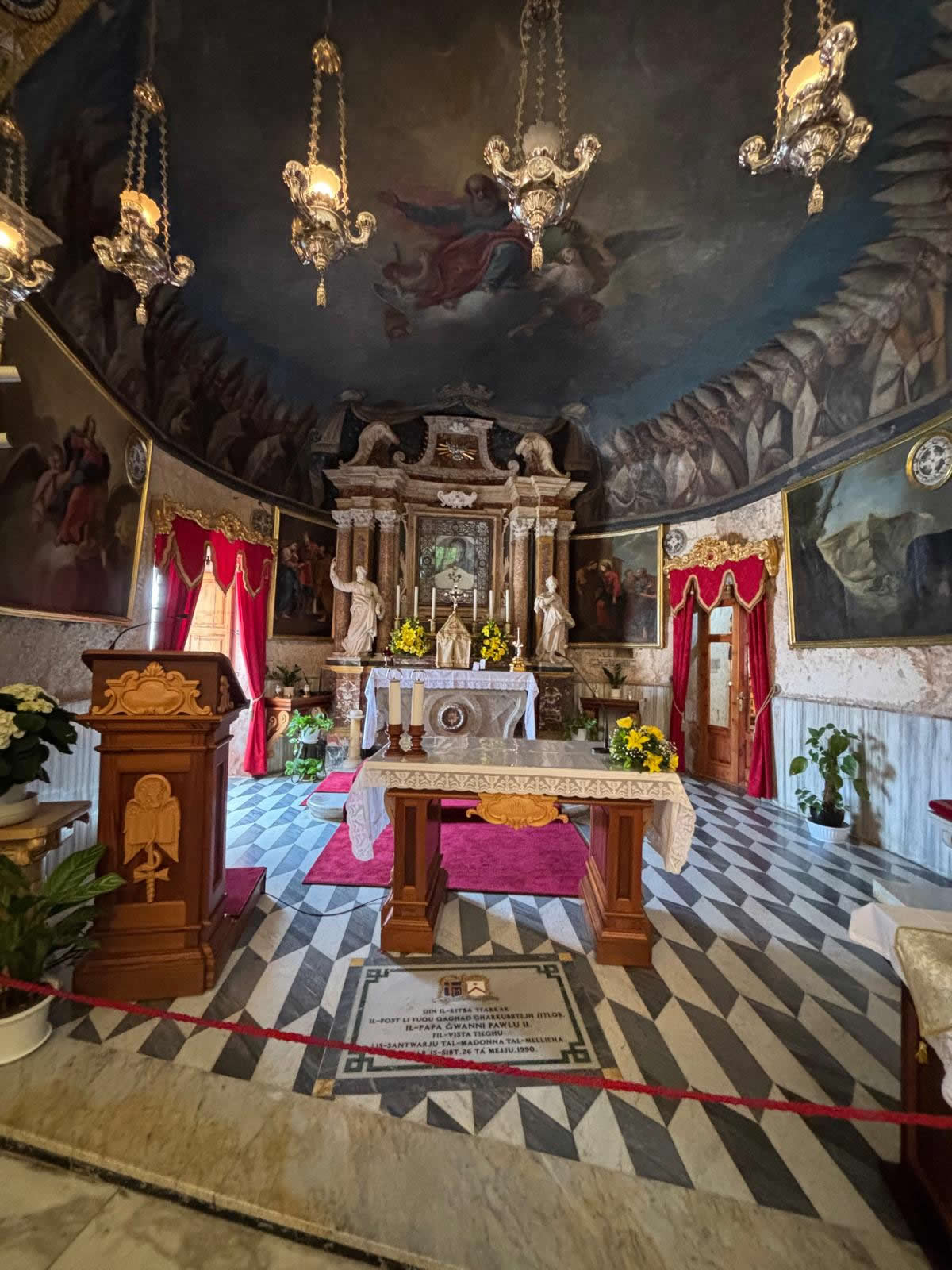
- Pope John Paul II (1990)
Pilgrimages were particularly important during times of crisis, such as droughts and epidemics, when the faithful sought divine intercession at the shrine.
Pope John Paul II Visit to the Sanctuary (26 May 1990)
On 26 May 1990, the Sanctuary of Our Lady of Mellieħa received a historic visit from Pope John Paul II during his first apostolic journey to Malta. This visit marked a significant moment in the modern history of the sanctuary, reaffirming its importance as one of the island’s principal Marian pilgrimage sites.
During his visit, the Pope prayed before the revered image of the Virgin Mary within the sanctuary’s ancient cave, highlighting the deep spiritual significance of this sacred place. His presence drew attention to the sanctuary’s long-standing tradition of devotion, which dates back centuries and is closely associated with Malta’s early Christian heritage.
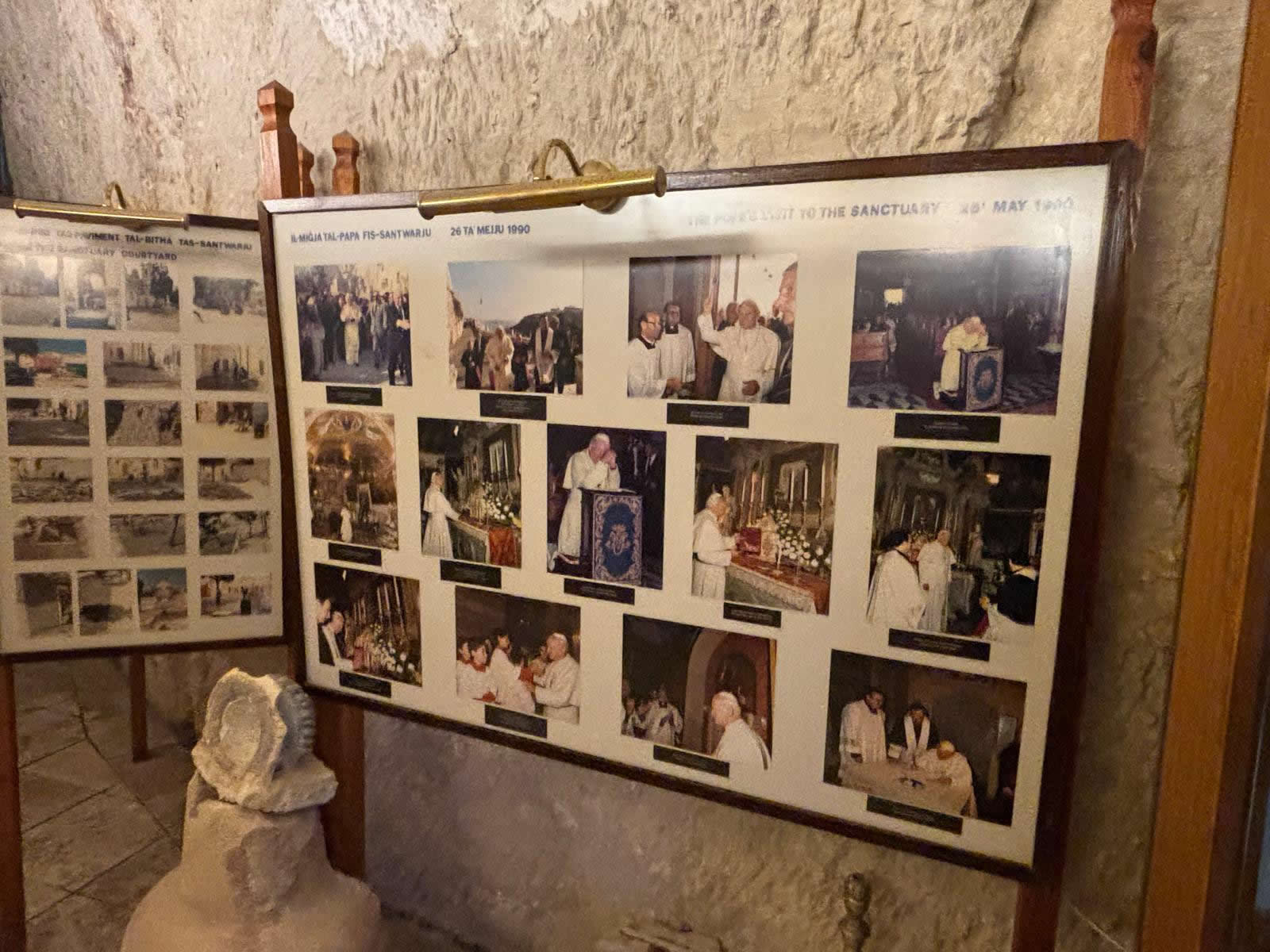
The visit formed part of a wider programme that celebrated Malta’s enduring Catholic identity and its historical links to Saint Paul. By including the Mellieħa sanctuary in his itinerary, Pope John Paul II emphasised the importance of Marian devotion within Maltese religious life, particularly in a shrine so strongly associated with intercession, protection, and pilgrimage.
The event was attended by clergy, local parishioners, and pilgrims, many of whom gathered to witness this historic occasion. It further strengthened the sanctuary’s reputation as a national spiritual landmark and reinforced its role within the wider network of Marian shrines in Europe.
Today, the visit of Pope John Paul II remains a cherished part of the sanctuary’s history, symbolising its continued relevance in both local devotion and the universal Church.
Restoration and Modern Use
Over the centuries, the sanctuary has undergone various restoration efforts to preserve both its structural integrity and artistic heritage. It remains an active place of worship, with regular Masses and continued pilgrimage traditions.
Today, it is also part of the European Marian Network, further highlighting its importance as a spiritual and cultural landmark.
The Sanctuary Today
Visitors to the sanctuary can experience not only its religious significance but also breathtaking views over Mellieħa Bay, Comino, and Gozo. The site continues to attract both pilgrims and tourists, offering a unique glimpse into Malta’s deep-rooted Christian heritage.
Frequently Asked Questions
What makes the Sanctuary of Our Lady of Mellieħa unique?
It is built within a natural cave and is considered the oldest Marian shrine in Malta.
How old is the Mellieħa sanctuary?
Its origins date back to early Christianity, with documented references from 1436.
Can visitors access the cave?
Yes, the cave chapel forms part of the sanctuary and is open to visitors.