📍 Location
Location Map Coordinates 35.960255, 14.361891
The shrine of Our Lady of the Grotto in Mellieħa, Malta, is one of the most atmospheric and spiritually significant sacred spaces on the island. Located beneath the Sanctuary of Our Lady of Mellieħa, this underground chapel represents the earliest form of worship at the site and forms the heart of one of Malta’s oldest Marian pilgrimage traditions.
Carved into natural rock, the grotto offers a unique combination of geology, history, and devotion. It preserves the original cave environment that gave rise to the sanctuary, providing visitors with an authentic experience of early Christian worship in Malta.
Explore more oldest chapels in Malta and Gozo to discover similar historic religious sites.
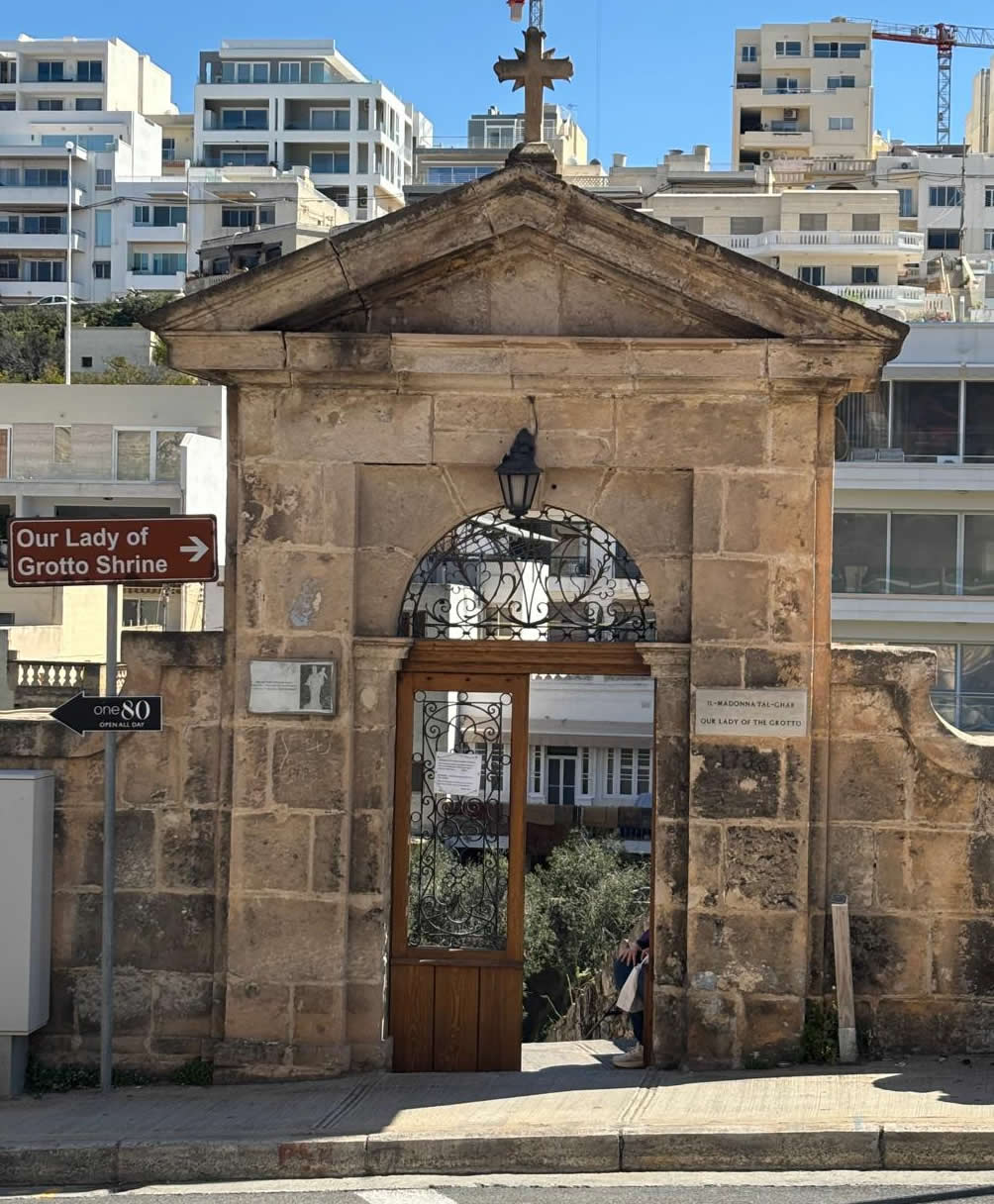
Origins and Early Christian Significance
The grotto forms the earliest sacred nucleus of the Mellieħa sanctuary complex. Tradition links the cave to the arrival of Christianity in Malta following the shipwreck of Saint Paul in 60 AD.
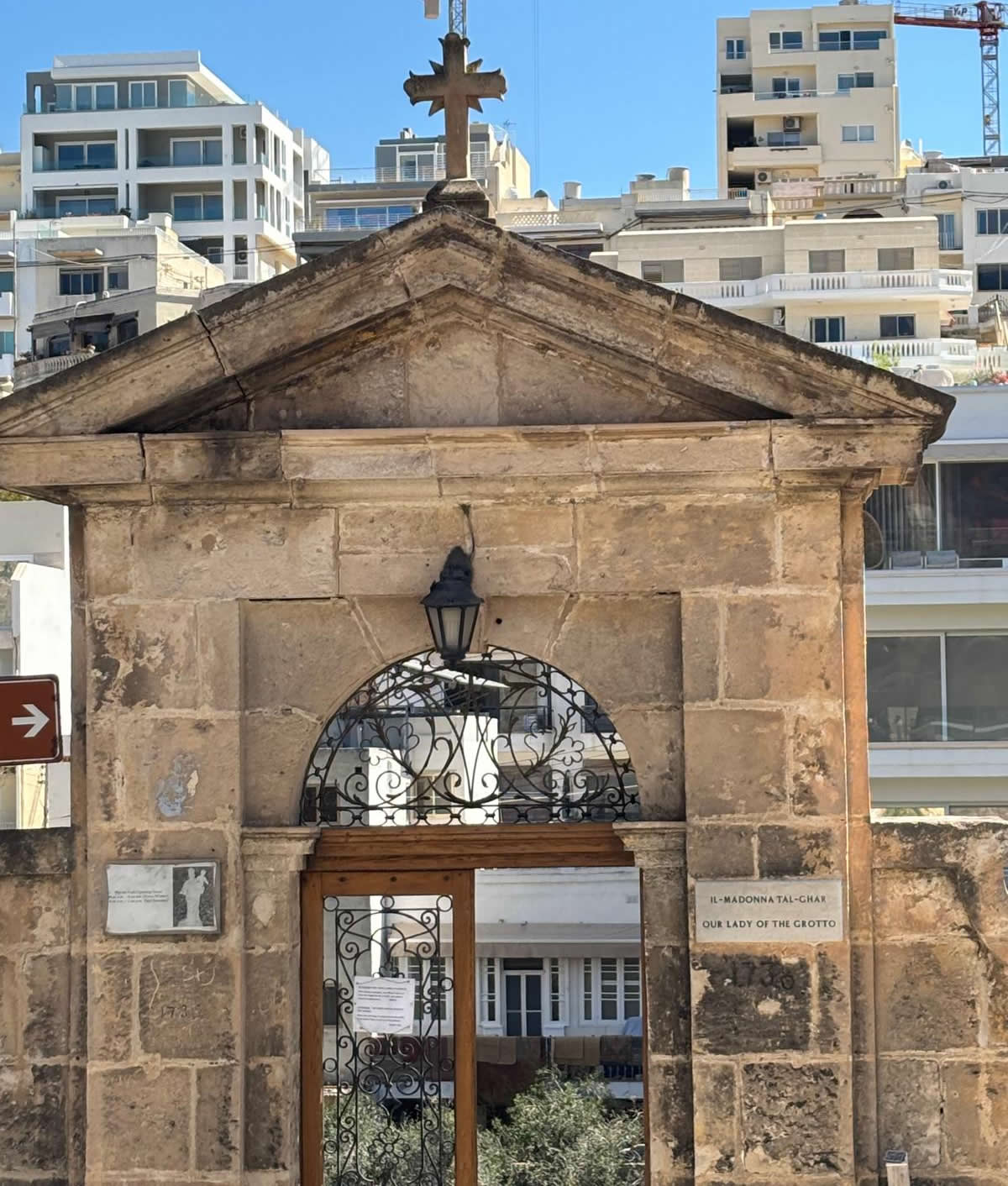
According to longstanding belief, the cave was used as a place of prayer by early Christians and later developed into a Marian shrine. It is traditionally associated with Saint Luke, who is said to have painted the original image of the Virgin Mary within the cave.
While historical evidence suggests the current devotional image dates from the medieval period, the site’s origins undoubtedly stretch back to the earliest phases of Christian worship in Malta.
Development of the Grotto Shrine
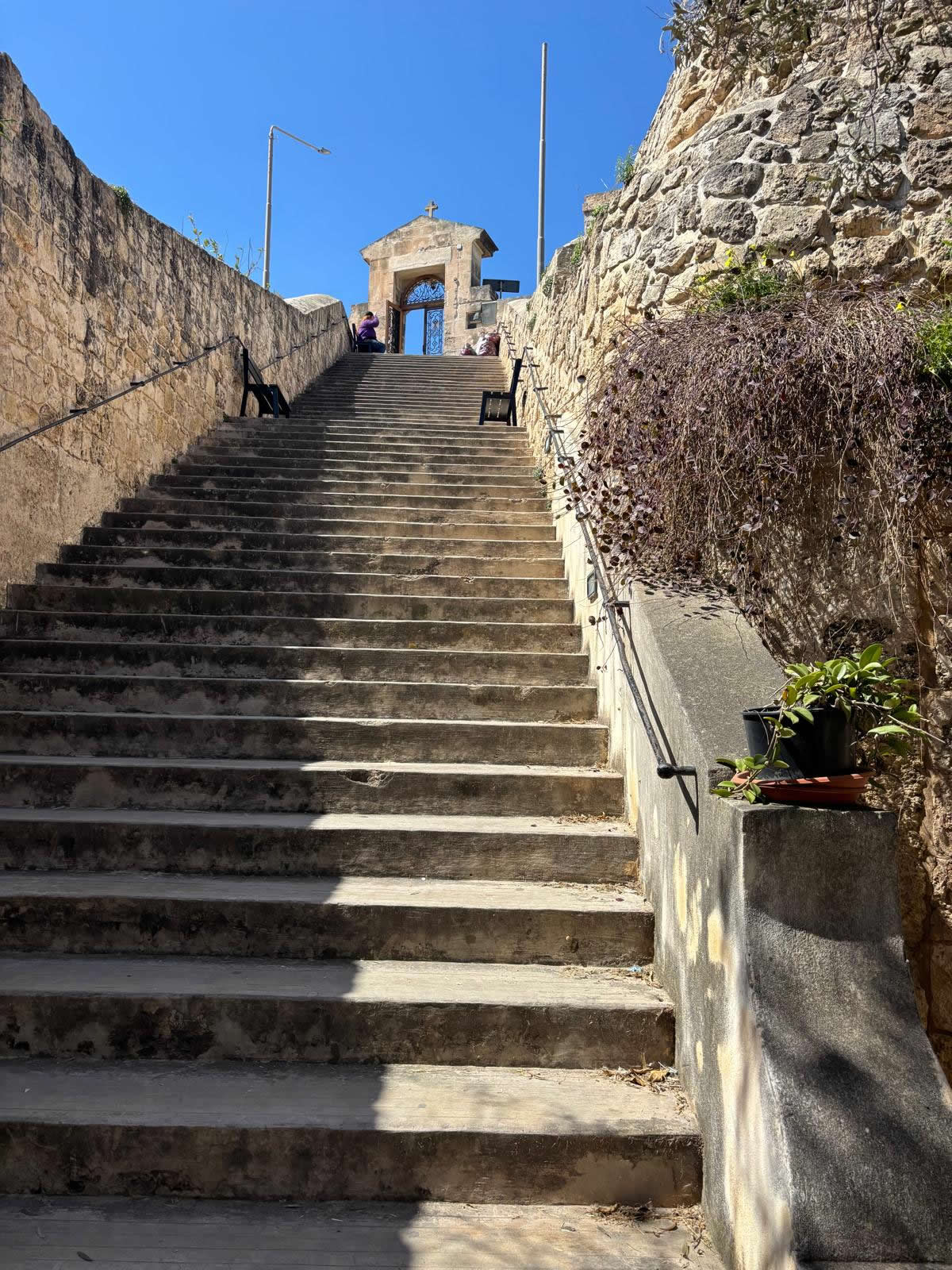
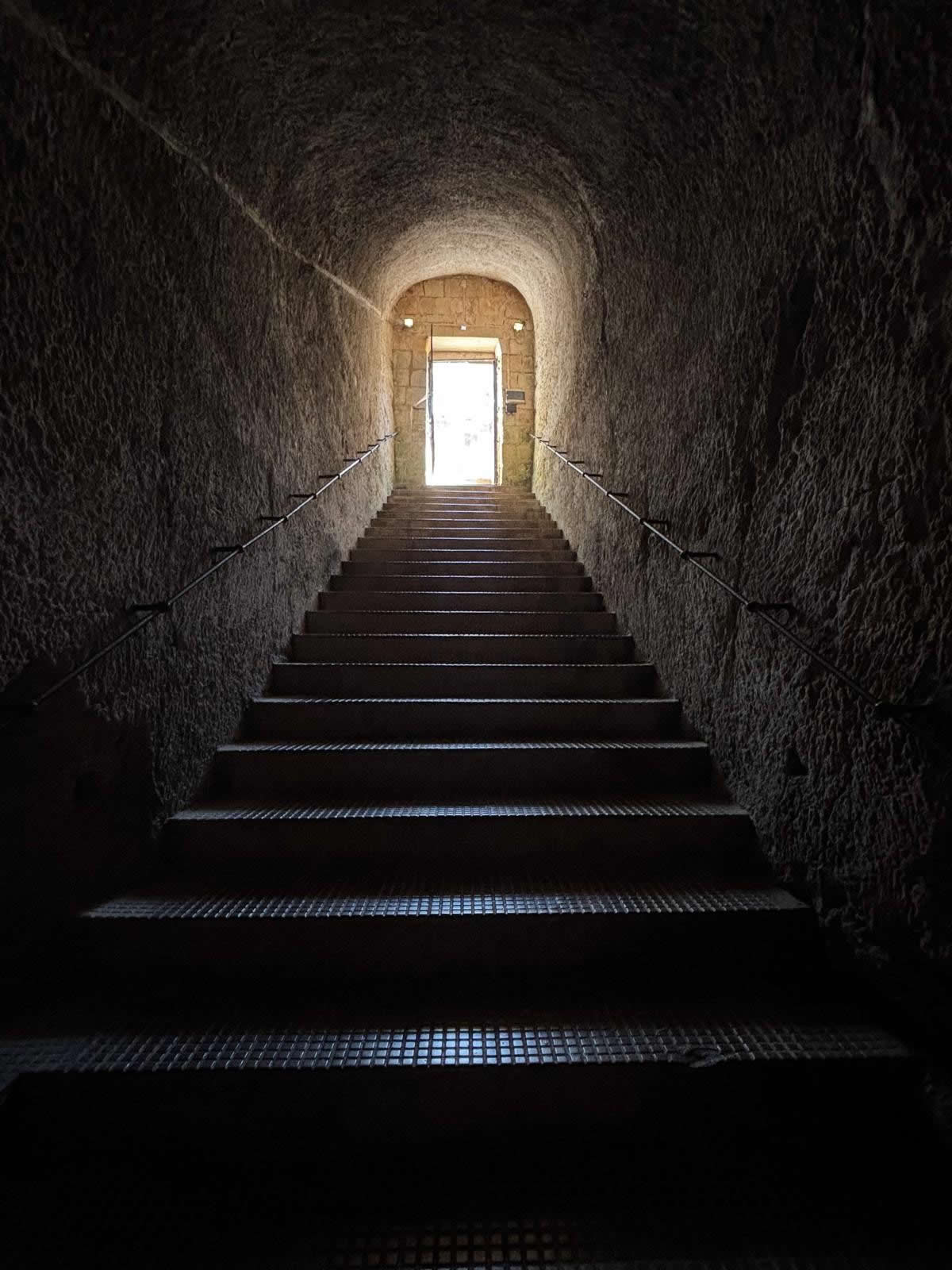
As devotion to the Virgin Mary increased, the cave was gradually adapted into a formal place of worship. Steps were carved into the rock to allow access, and the space was enhanced with altars, niches, and devotional features.
Over time, the grotto became integrated into the larger sanctuary complex above it, forming a spiritual foundation upon which the later church was built.
Despite these developments, the grotto has retained its natural character, preserving the atmosphere of an ancient cave chapel.
Architecture and Atmosphere
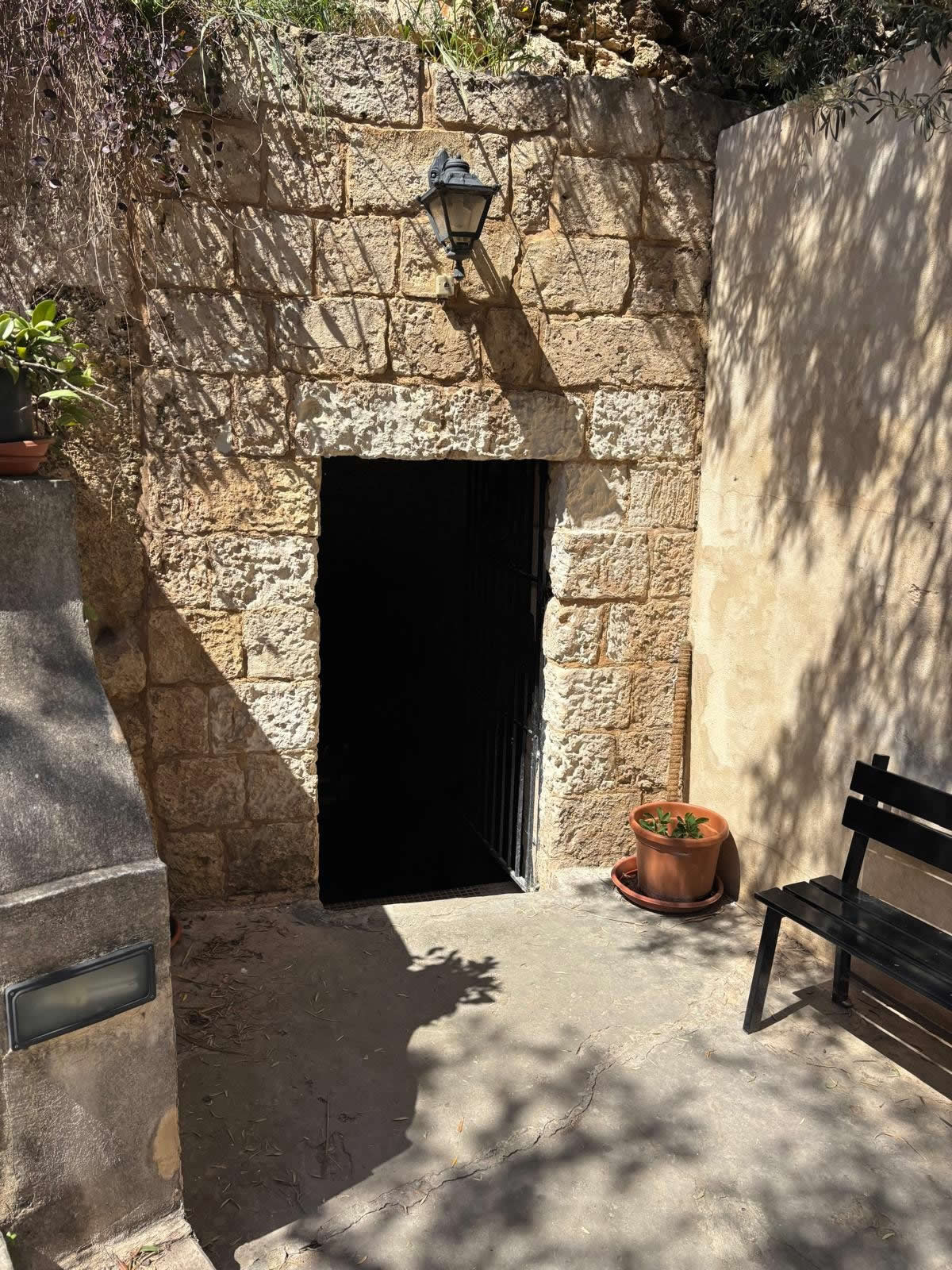
The grotto is accessed via a flight of steps leading down from the sanctuary. Inside, visitors encounter a cool, dimly lit space defined by natural rock walls and a quiet, contemplative atmosphere.
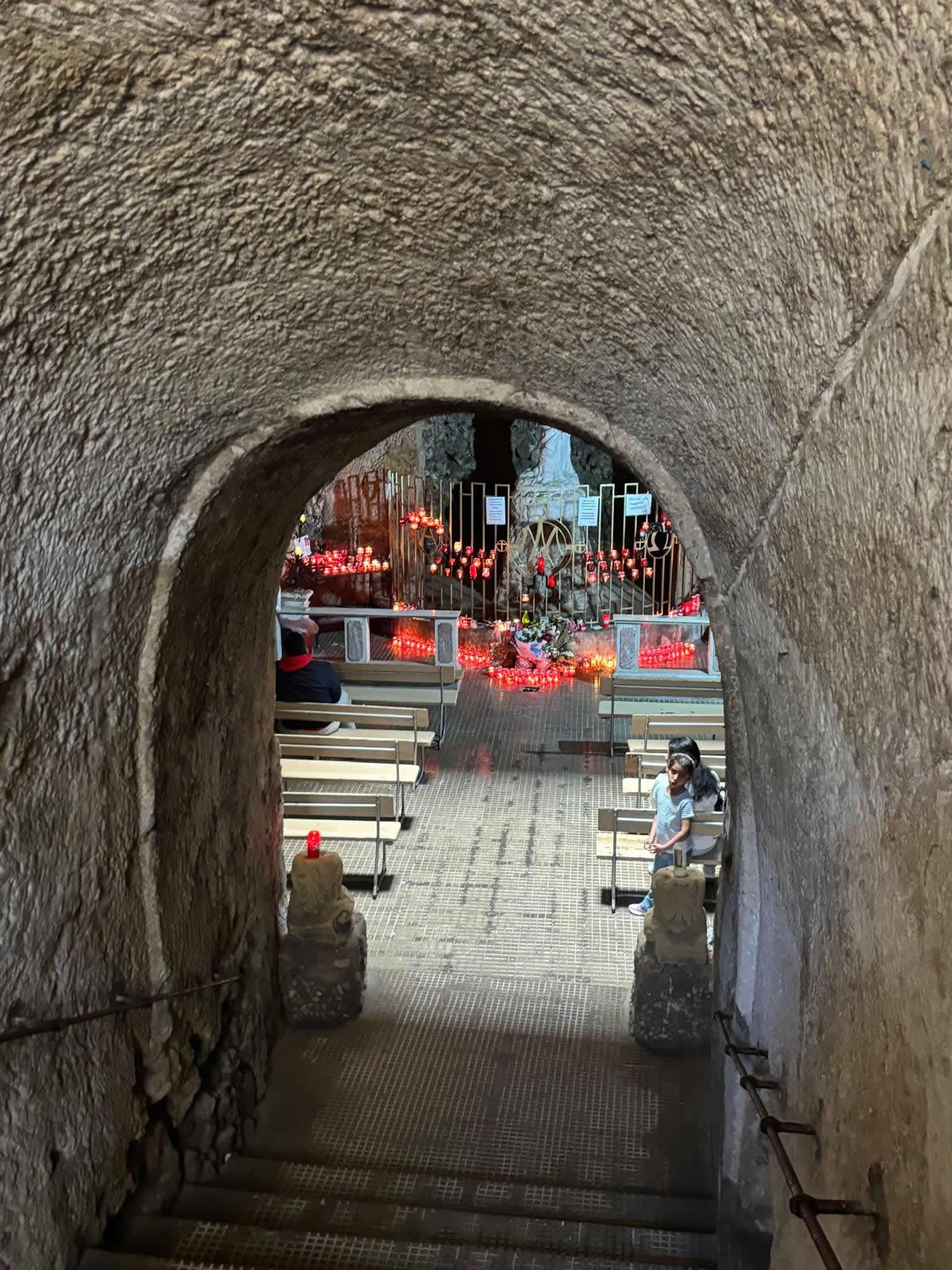
Key features include:
- Rock-hewn walls and ceiling
- Small altar dedicated to the Virgin Mary
- Devotional statues and candles
- Prayer niches carved into the stone
The simplicity of the grotto contrasts with the more elaborate architecture of the sanctuary above, offering a powerful sense of spiritual continuity.
Religious Importance and Pilgrimage
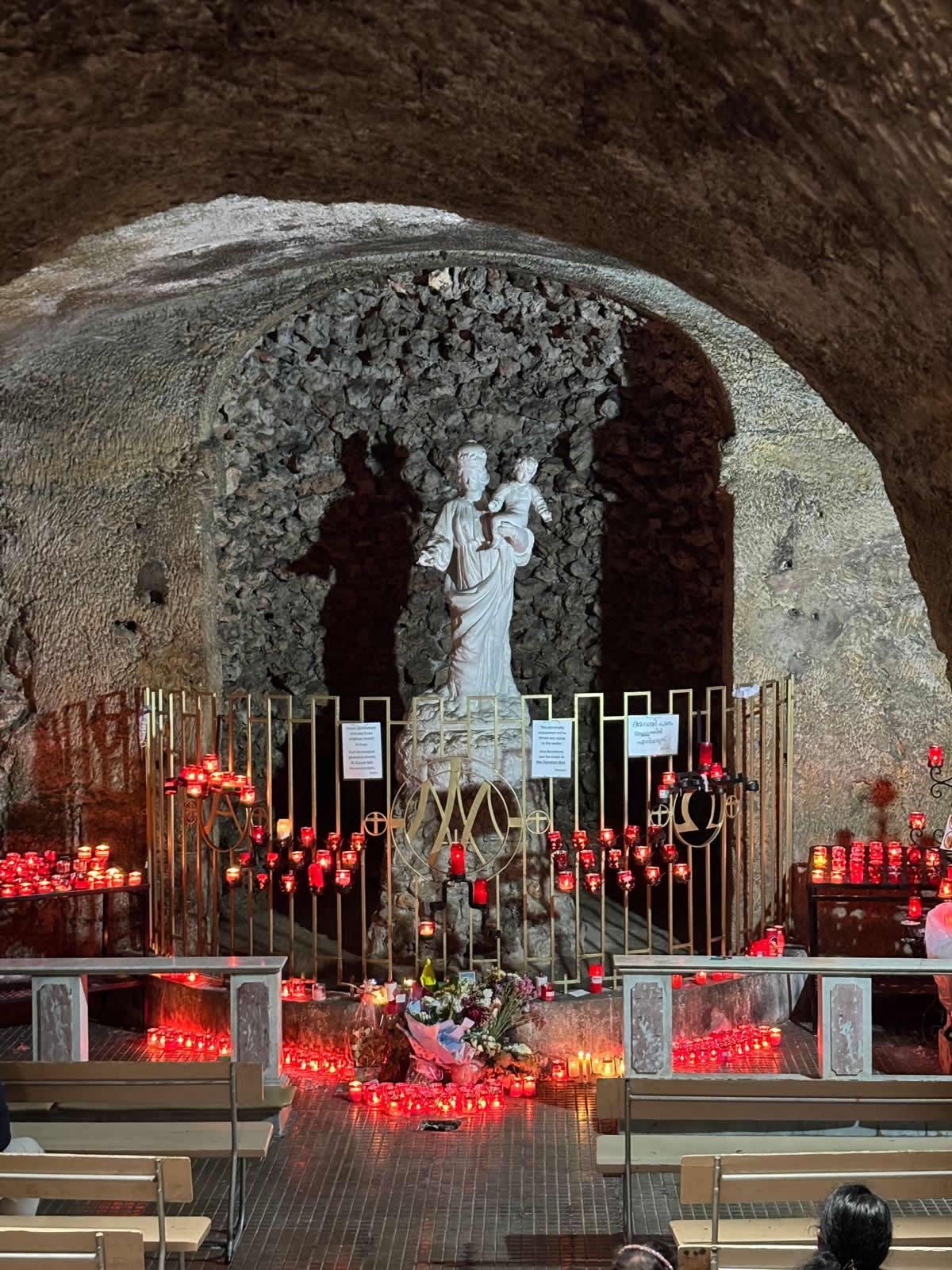
The grotto has long been a focal point of pilgrimage, attracting visitors seeking a deeper spiritual experience. Its association with early Christianity and Marian devotion gives it a special place within Malta’s religious landscape.
Pilgrims often descend into the grotto for quiet prayer and reflection, continuing traditions that have endured for centuries.
Artworks and Devotional Elements
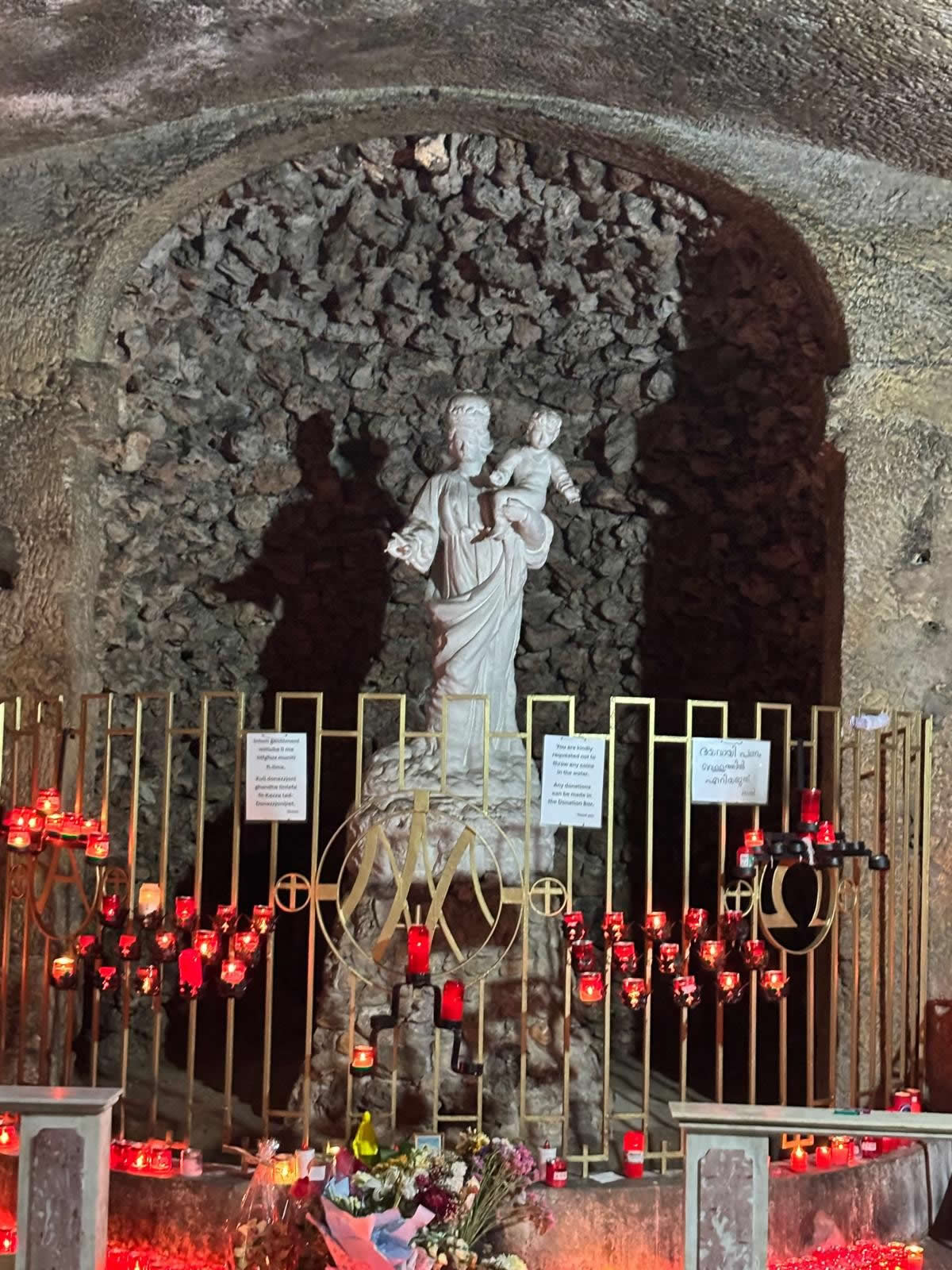
Although modest in scale, the grotto contains important devotional features that reflect its long history of worship. These include statues of the Virgin Mary, candles, and offerings left by pilgrims.
The atmosphere is enhanced by the natural rock setting, which serves as a reminder of the humble origins of Christian worship on the island.
Restoration and Preservation
The grotto has been carefully preserved as part of the wider sanctuary complex. Conservation efforts have focused on maintaining both its structural integrity and its historical character.
Today, it remains accessible to visitors while continuing to function as a place of prayer.
The Grotto Today
Our Lady of the Grotto continues to attract both pilgrims and tourists, offering a unique experience that combines history, spirituality, and natural beauty.
Its connection to the Sanctuary of Our Lady of Mellieħa makes it an essential part of any visit to the area, providing insight into the origins of one of Malta’s most important religious sites.
Frequently Asked Questions
What is the Grotto in Mellieħa?
An underground Marian shrine forming part of the Mellieħa sanctuary.
How old is the grotto?
Its origins may date back to early Christianity, though the current structure developed later.
Is it open to visitors?
Yes, it is accessible as part of the sanctuary complex.