📍 Location
Location Map Coordinates 35.885223, 14.403590
Introduction
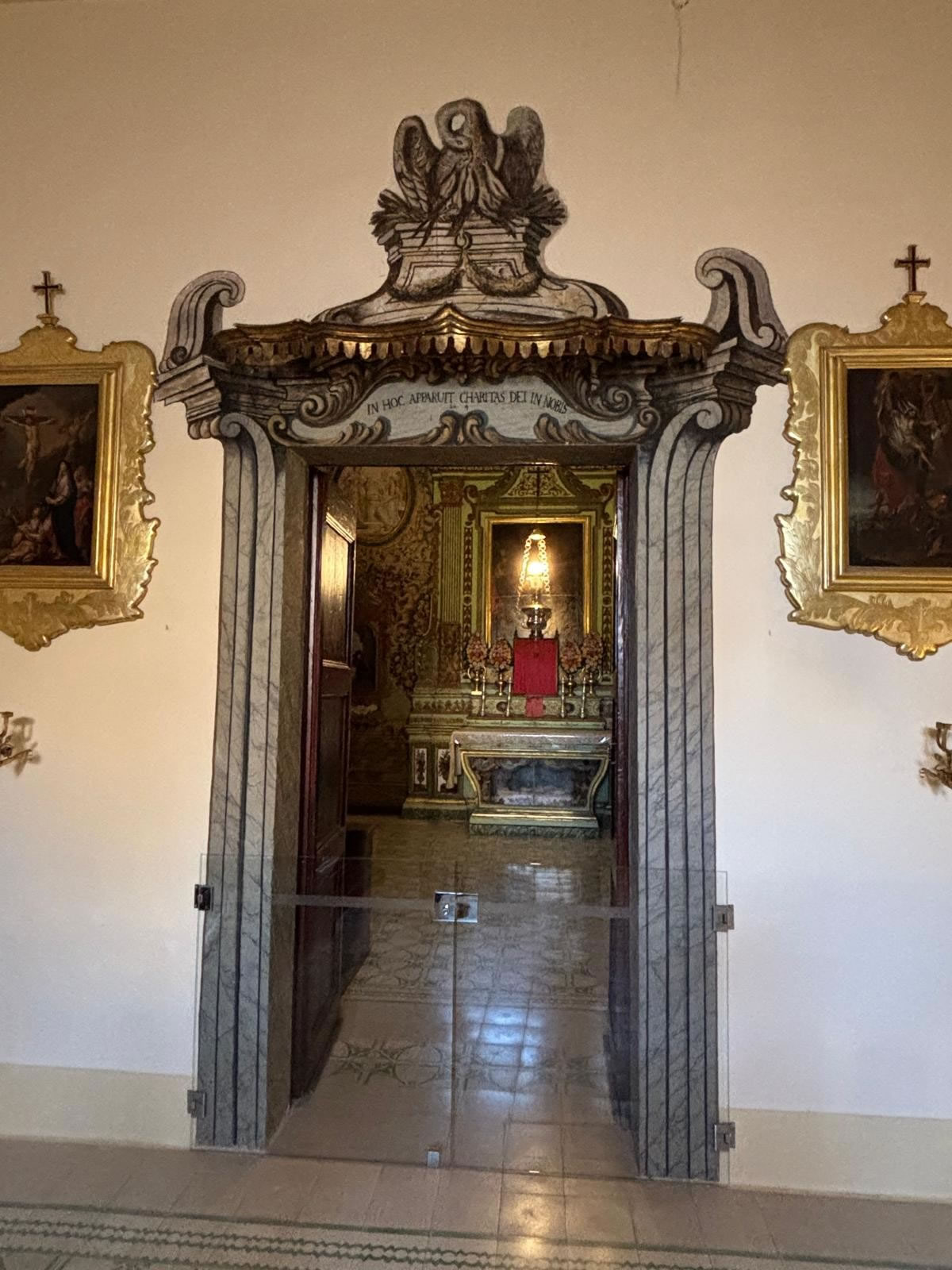
The internal chapel of St Peter’s Monastery in Mdina is one of the most secluded and historically significant religious spaces in Malta. Unlike many chapels across the Maltese Islands, this sacred space was never intended for public access and remains physically enclosed within the monastery complex. It has no direct entrance from the street, reinforcing its role as a private place of worship exclusively for cloistered Benedictine nuns.
Situated within the ancient fortified city of Mdina, this chapel formed the spiritual heart of the monastery, serving generations of religious women who lived in strict enclosure. Its history, architecture, and artworks offer a rare glimpse into the hidden world of monastic devotion.
Origins and Early History (15th Century)
The chapel’s origins are closely tied to the foundation of St Peter’s Monastery itself, which dates back to the mid-15th century. Around 1455, the monastery was formally established after receiving papal approval, transforming a former hospital into a religious institution for Benedictine nuns.
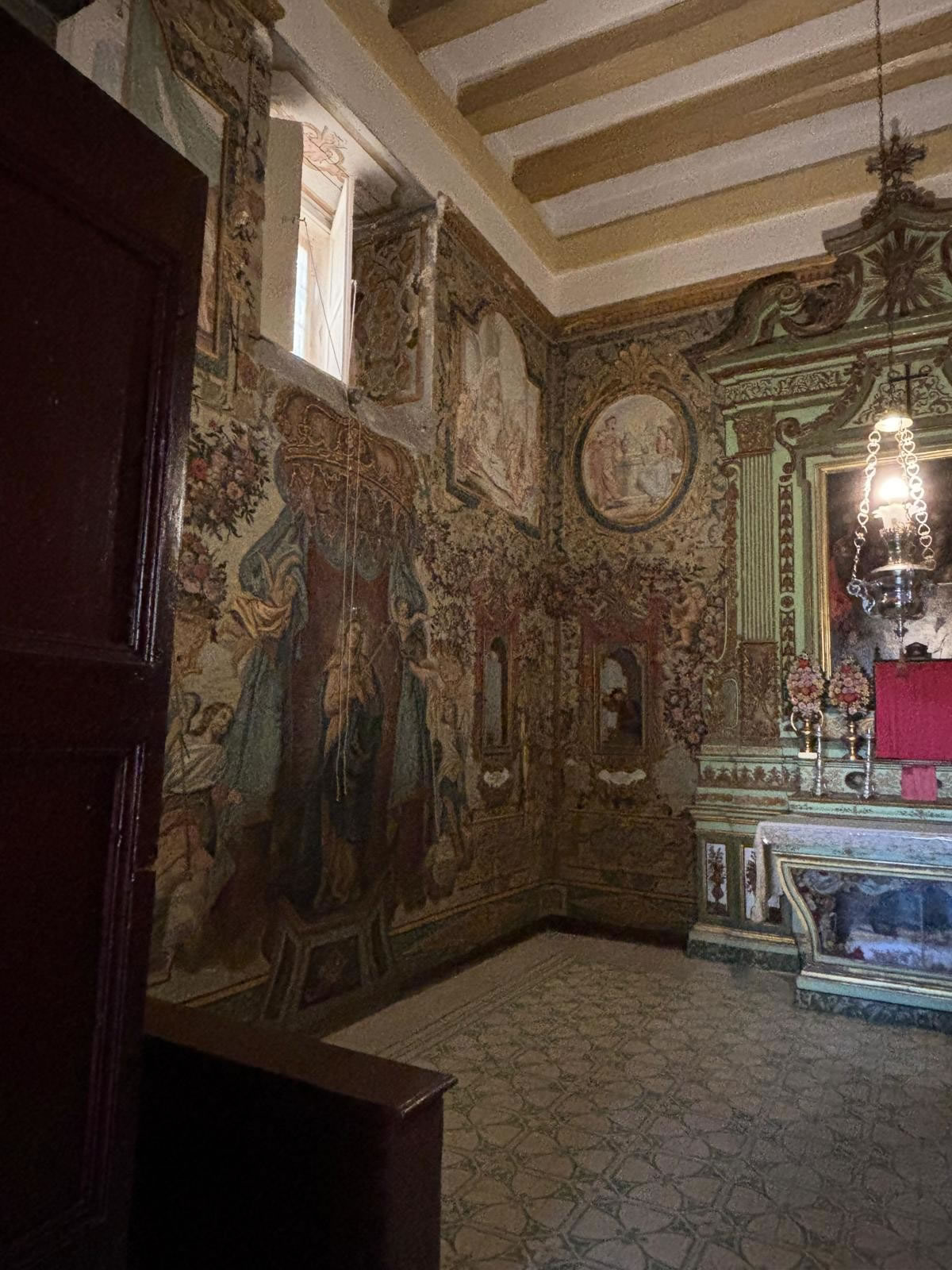
From its earliest days, the monastery required an internal chapel to serve the spiritual needs of the enclosed community. Unlike parish churches or public chapels, this sacred space was designed for private liturgical use, ensuring that the nuns could attend Mass and prayer without breaking their vows of enclosure.
Historical references indicate that by 1555, the chapel was already well-equipped, containing valuable liturgical objects made of gold and silver and all the necessary furnishings required for religious services.
This early development highlights the importance of the chapel as a central element of monastic life, both spiritually and materially.
Architectural Development and Baroque Transformation (17th Century)
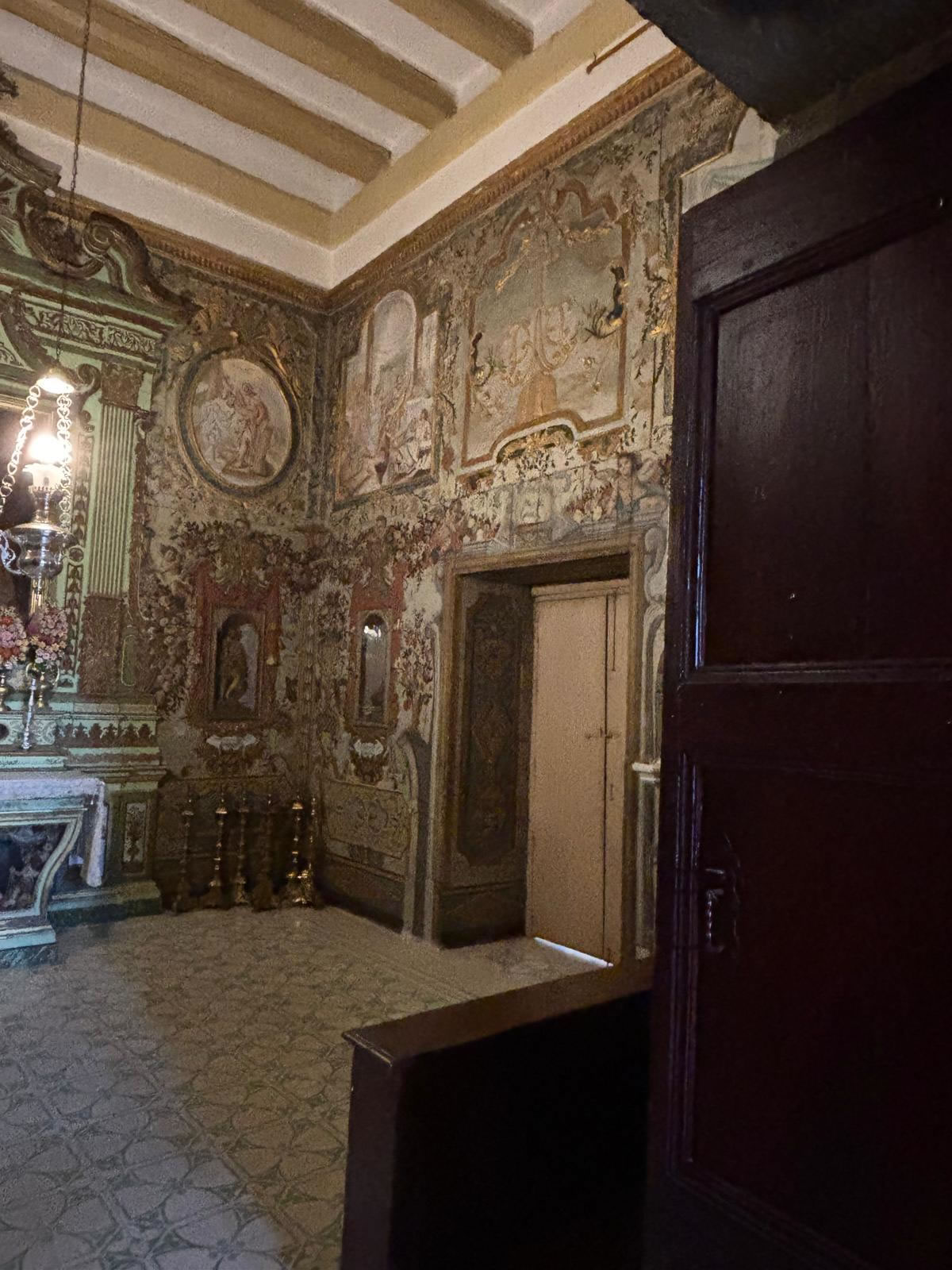
The chapel as seen today largely reflects the architectural transformations of the early 17th century. Around 1625, major reconstruction and renovation works were undertaken, aligning the monastery with the prevailing Baroque style in Malta.
Although modest in scale compared to larger churches, the chapel exhibits key Baroque characteristics:
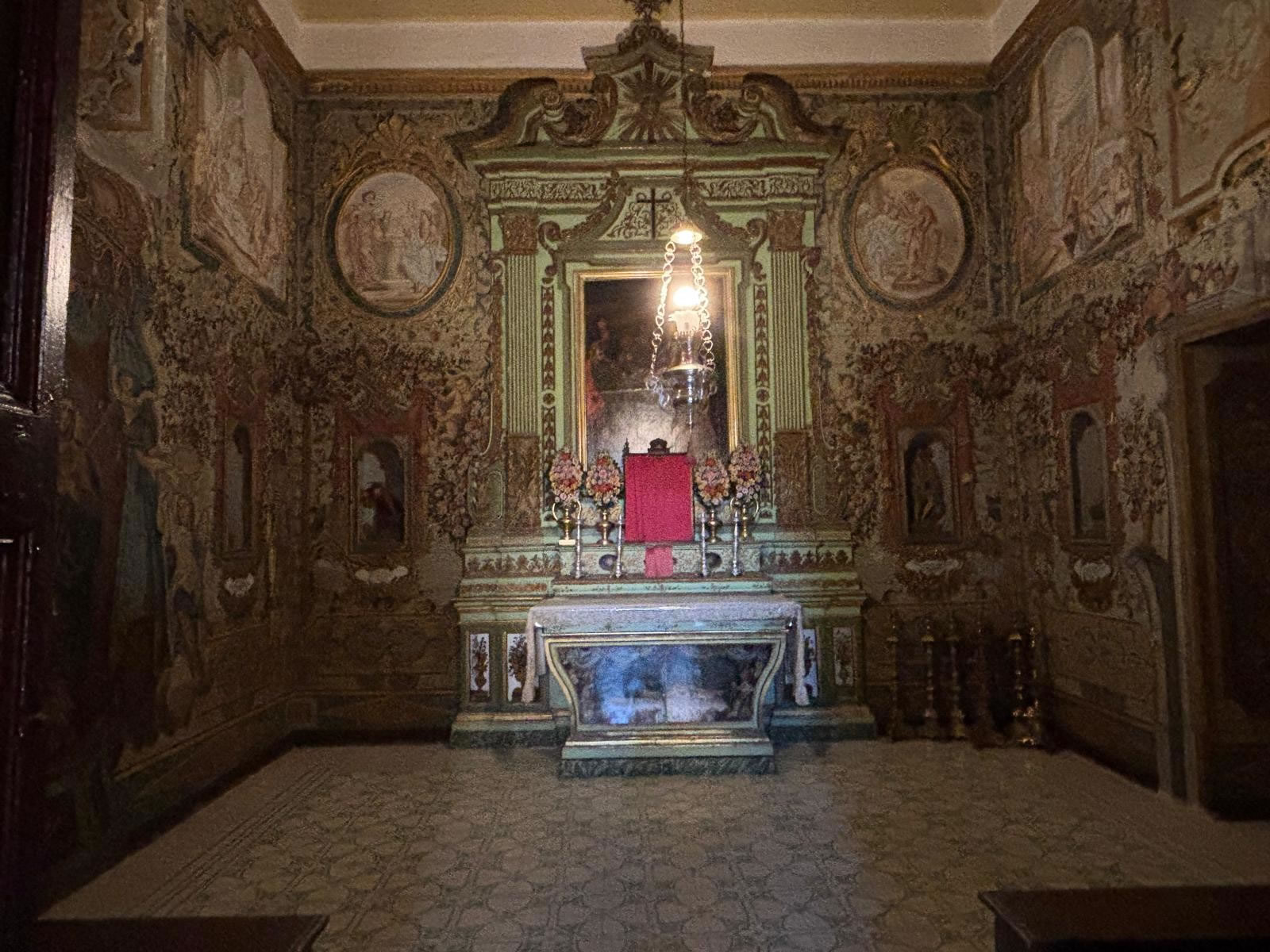
- Richly decorated altar area
- Vaulted ceilings enhancing acoustics for liturgical chanting
- Subtle ornamental detailing reflecting spiritual austerity
- Integration within the monastery’s enclosed layout
Its design was carefully adapted to suit the needs of cloistered worship. The absence of a public façade or external access distinguishes it from most Maltese chapels and reinforces its strictly internal function.
Role in Benedictine Monastic Life
For centuries, the chapel functioned as the spiritual core of the Benedictine community. The nuns followed a daily routine structured around prayer, contemplation, and communal worship, with the chapel serving as the focal point of these activities.
Life within the monastery was governed by the Rule of St Benedict, emphasising stability, obedience, and devotion. The chapel was where:
- Daily Mass was celebrated
- Divine Office prayers were recited
- Religious ceremonies and vows took place
- Spiritual reflection and meditation occurred
Young women often entered the monastery in their early teens and spent their entire lives within its walls.The chapel therefore became a lifelong spiritual companion, marking every stage of monastic existence.

Artworks and Sacred Heritage
Despite its secluded nature, the chapel houses significant works of religious art, reflecting Malta’s rich Baroque artistic tradition.
The most notable artwork is the altarpiece dating to 1682, attributed to the renowned artist Mattia Preti. It depicts the Madonna and Child accompanied by Saint Peter, Saint Benedict, and Saint Scholastica, symbolising the theological and monastic identity of the site.
Additional paintings within the chapel include works by Francesco Zahra, featuring themes such as the Resurrection of Christ and Marian devotion.
These artworks not only enhance the visual and spiritual atmosphere of the chapel but also place it within the broader context of Maltese religious art history.
Association with Blessed Maria Adeodata Pisani
One of the most important figures associated with the chapel is Blessed Maria Adeodata Pisani, a Benedictine nun who lived in the monastery during the 19th century. Her spiritual life was deeply connected to this sacred space, where she prayed and participated in daily worship.
Her remains are preserved within the monastery complex, further elevating the chapel’s religious significance.
Beatified in 2001 by Pope John Paul II, she remains an important figure in Maltese Catholic heritage, and her presence continues to attract religious interest.
Modern History and Restoration
For centuries, the chapel remained inaccessible to the public due to the strict enclosure of the monastery. This changed in 2023, when parts of the monastery were opened as a museum, allowing visitors for the first time to glimpse previously hidden areas of the complex.
The opening required careful conservation and restoration work to ensure that the chapel and its contents were preserved while accommodating controlled public access.
In 2026, the monastery underwent a significant administrative change when the Holy See suppressed the monastic institution and transferred its governance to the Benedictine Order.
Despite these changes, the chapel remains an essential part of Malta’s cultural and religious heritage.
Unique Characteristics
The internal chapel of St Peter’s Monastery is unique among Maltese chapels for several reasons:
- No external entrance or public façade
- Designed exclusively for cloistered religious use
- Preserved within an active monastic environment for centuries
- Contains original artworks and liturgical furnishings
- Represents a rare example of enclosed spiritual architecture
This combination of features makes it one of the most authentic and least altered religious spaces in Malta.
Visitor Experience Today
Today, visitors to the St Peter’s Monastery Museum may have limited access to areas surrounding the chapel, depending on preservation restrictions. Unlike standalone chapels, this space must be experienced within the broader context of the monastery.
The atmosphere remains one of quiet reflection, offering a powerful contrast to more accessible and frequently visited religious sites in Malta.
Its hidden nature enhances its appeal, making it a unique highlight for those interested in Malta’s lesser-known heritage.
Conclusion
The internal chapel of St Peter’s Monastery in Mdina stands as a remarkable testament to centuries of cloistered religious life. From its 15th-century origins to its Baroque artistic enrichment and modern transformation, it remains a deeply significant spiritual and cultural landmark.
Unlike public churches and chapels, its enclosed nature preserves an authenticity rarely found elsewhere. It offers visitors a rare opportunity to connect with Malta’s hidden religious heritage and understand the profound role of monastic life in shaping the island’s history.