📍 Location
Location Map Coordinates 35.882301, 14.527639
Introduction
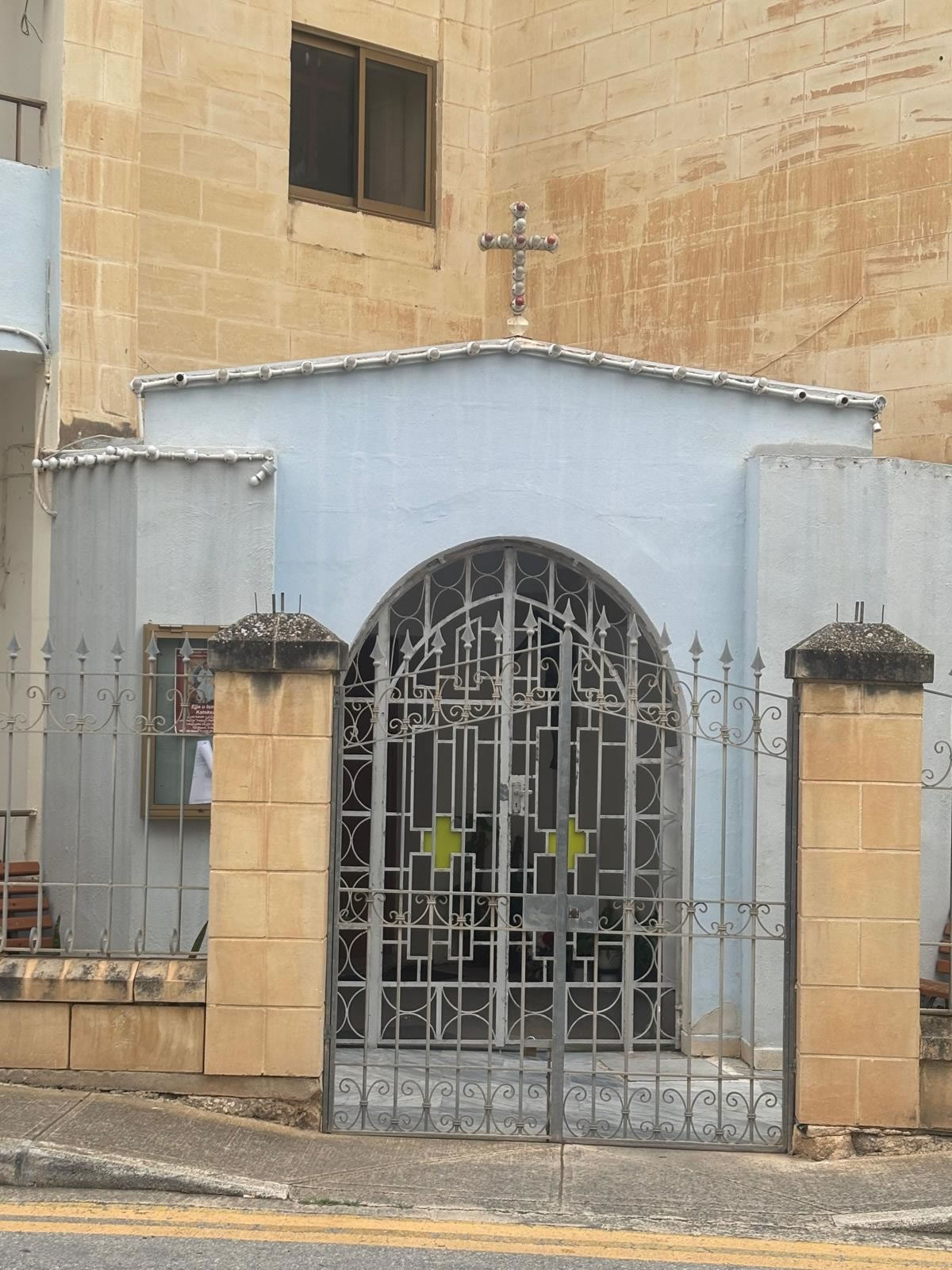
The Sacred Heart of Jesus Chapel in Birgu, locally known as Qalb Mqaddsa ta’ Ġesù, represents a unique aspect of Malta’s religious heritage. Unlike many of the island’s older medieval or Baroque churches, this chapel is closely linked to the modern history of Birgu, particularly the dramatic events of World War II and the subsequent development of pastoral centres within local communities.
Situated within the wider urban fabric of Birgu, the chapel reflects both resilience and adaptation, serving as a place of worship during times of crisis and later evolving into a centre for community-based religious life.
Historical Background and Wartime Origins
The origins of devotion associated with the Sacred Heart of Jesus in Birgu are closely tied to the events of World War II, when the Grand Harbour area experienced intense aerial bombardment.
During this period, when the dome of the parish church of St Lawrence was damaged by bombing, a small chapel within the Couvre Porte area was used to administer the sacraments.
This temporary use of a modest chapel highlights the adaptability of the Maltese Church during wartime, ensuring that religious services continued even under extreme conditions.
Although this earlier chapel later ceased to function as a place of worship and was repurposed as exhibition space, it laid the foundation for the continued presence of Sacred Heart devotion in the area.
Development of the Tal-Ħawli Chapel
A more permanent establishment dedicated to the Sacred Heart of Jesus emerged in the late 20th century.
The chapel known as Qalb Mqaddsa ta’ Ġesù (Tal-Ħawli) was opened in the 1990s to serve as a pastoral centre for residents of the locality.
This development reflects a broader shift within the Maltese Church towards creating smaller, community-focused places of worship, particularly in densely populated or expanding residential areas.
Unlike traditional parish churches, which often serve large congregations, the Tal-Ħawli chapel was designed to provide a more intimate and accessible environment for local worshippers.
Religious Significance of the Sacred Heart Devotion
The dedication to the Sacred Heart of Jesus holds deep theological and devotional significance within the Catholic Church.
This devotion emphasises:
- The love and compassion of Christ for humanity
- The symbol of the heart as a source of divine mercy
- Personal devotion and spiritual renewal
In Malta, devotion to the Sacred Heart became particularly widespread during the 19th and 20th centuries, often associated with:
- Parish missions and retreats
- Household consecrations
- Community feasts and processions
The presence of a chapel dedicated to this devotion in Birgu reflects the continuation of these traditions within a modern urban context.
Architecture and Layout
Exterior Features
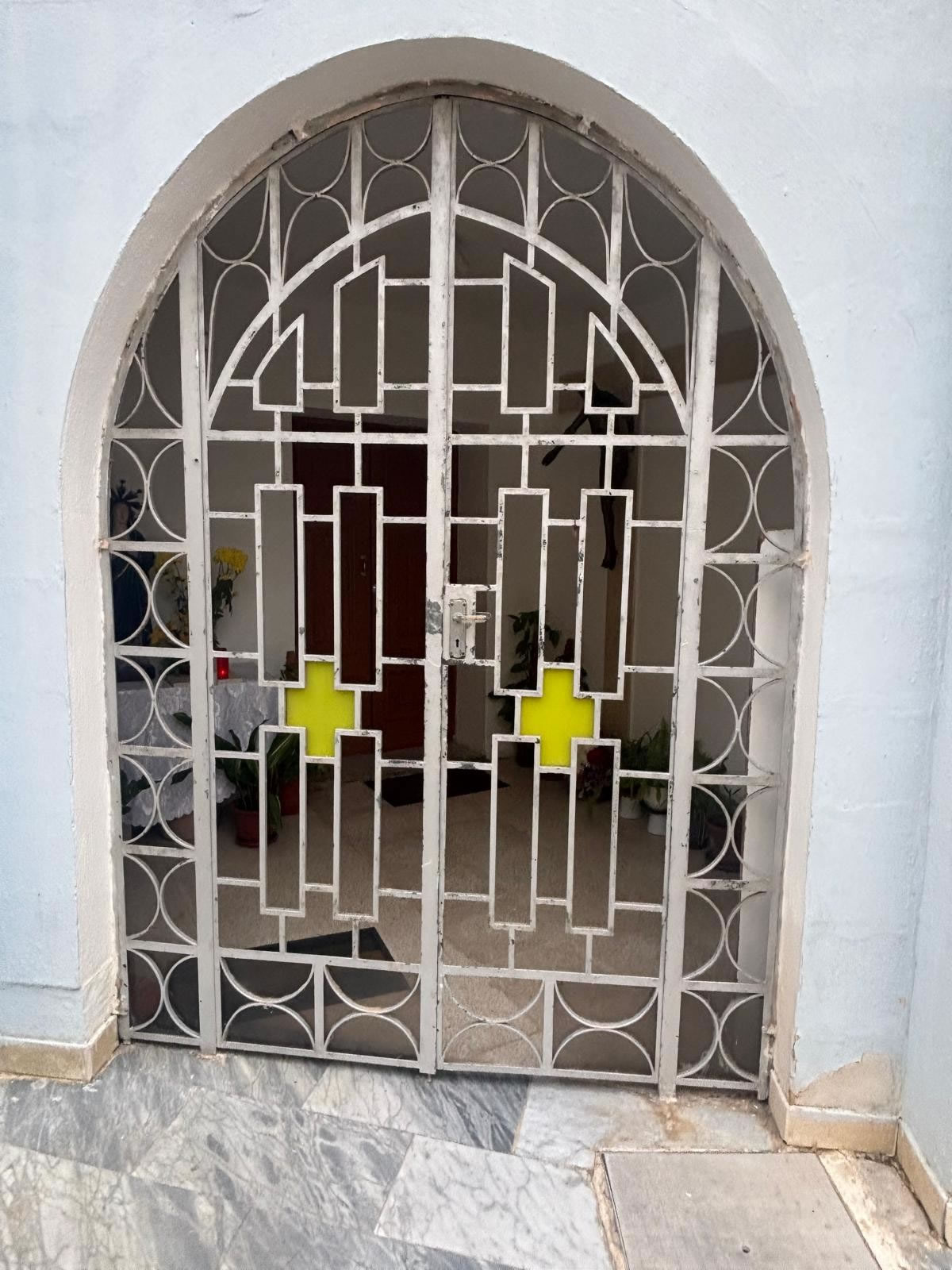
The Sacred Heart Chapel in Birgu is modest in scale, reflecting its role as a local pastoral centre rather than a monumental church.
- Simple façade constructed in Maltese limestone
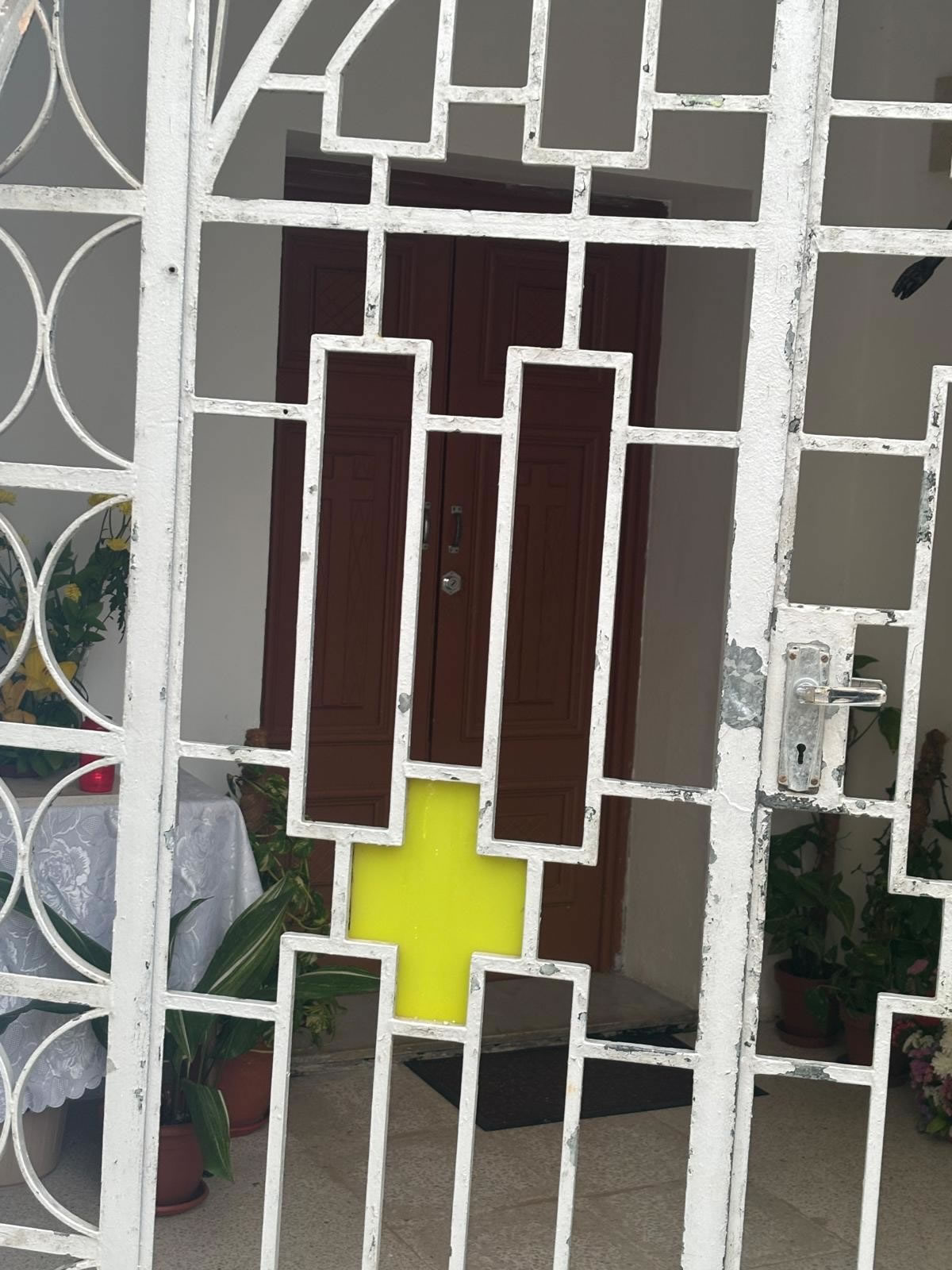
- Functional entrance design
- Minimal external ornamentation
This simplicity aligns with the chapel’s purpose as a community-focused place of worship.
Interior Design
The interior is designed to foster a sense of closeness and participation:
- Single open worship space
- Central altar clearly visible to all attendees
- Simple decorative scheme focused on devotion
Such layouts are typical of late 20th-century chapels, emphasising accessibility and communal prayer.
Artworks and Devotional Elements
Main Altar and Image
The focal point of the chapel is the representation of the Sacred Heart of Jesus, typically depicted with Christ revealing His heart as a symbol of divine love.
This imagery serves as a powerful visual expression of the chapel’s dedication and spiritual focus.
Additional Features
The chapel may include:
- Stations of the Cross
- Statues or devotional images of saints
- Liturgical furnishings suited to small congregations
These elements support both individual and communal worship.
Liturgical Use and Community Role
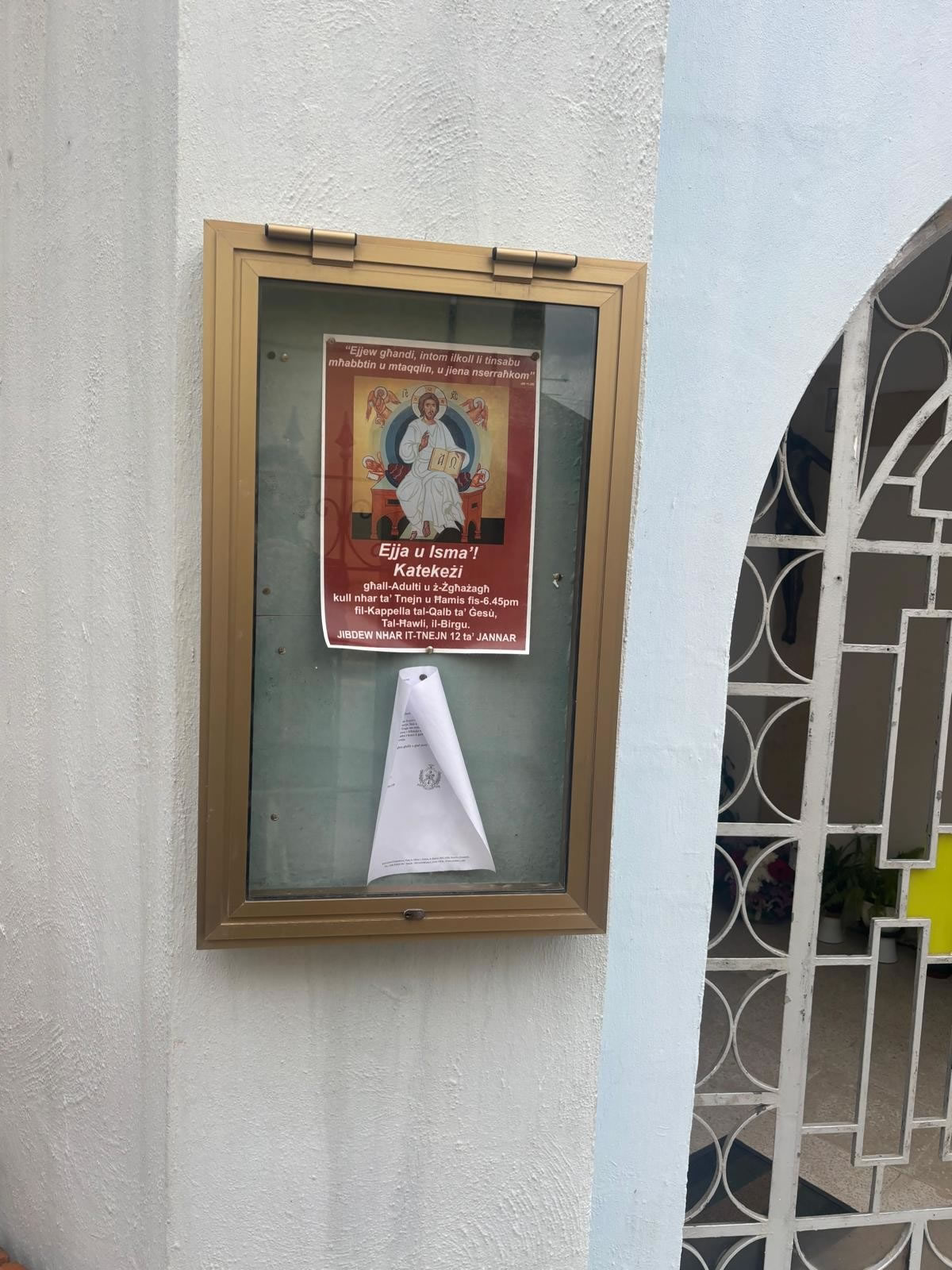
The Sacred Heart Chapel serves as an active place of worship within Birgu.
Regular services are held, including daily Mass and Sunday celebrations, reflecting its role as a functioning pastoral centre. :contentReference[oaicite:3]{index=3}
The chapel provides:
- A convenient place of worship for local residents
- A venue for smaller liturgical gatherings
- A space for spiritual reflection and prayer
Its presence enhances the accessibility of religious services within the community.
Role in Modern Birgu
In modern times, the Sacred Heart Chapel contributes to the religious and social fabric of Birgu in several ways:
- Supporting parish activities
- Providing pastoral outreach in residential areas
- Maintaining continuity of Catholic traditions
Its establishment in the 1990s reflects the evolving needs of the community, demonstrating how religious institutions adapt to changing social conditions.
Cultural and Heritage Importance
Although relatively recent compared to other churches in Birgu, the Sacred Heart Chapel holds cultural significance:
- It represents the continuity of religious life after World War II
- It reflects modern developments in Maltese ecclesiastical architecture
- It contributes to the rich network of chapels in Birgu
The chapel’s connection to wartime history adds an additional layer of meaning, linking it to one of the most challenging periods in Malta’s past.
Visiting Information
Visitors exploring Birgu can include the Sacred Heart Chapel as part of a broader tour of the city’s religious sites.
- Location: Birgu (Vittoriosa)
- Coordinates: 35.882301, 14.527639
- Use: Active chapel and pastoral centre
- Access: Open during services and specific times
Conclusion
The Sacred Heart of Jesus Chapel in Birgu is a meaningful example of how Malta’s religious heritage continues to evolve. From its indirect origins during World War II to its establishment as a pastoral centre in the late 20th century, the chapel embodies resilience, devotion, and community spirit.
While modest in scale, it plays an important role in the daily spiritual life of Birgu’s residents, offering a place of prayer, reflection, and connection. As part of the wider network of churches and chapels in the city, it contributes to Birgu’s identity as one of Malta’s most historically and spiritually significant locations.