The Chapel of St. Publius, located near Għarb in Gozo at coordinates 36.065625, 14.216964, is a historic rural chapel reflecting centuries of religious devotion. Dedicated to Malta’s first bishop, it embodies the island’s deep-rooted Christian heritage and evolving ecclesiastical landscape.
Location and Setting
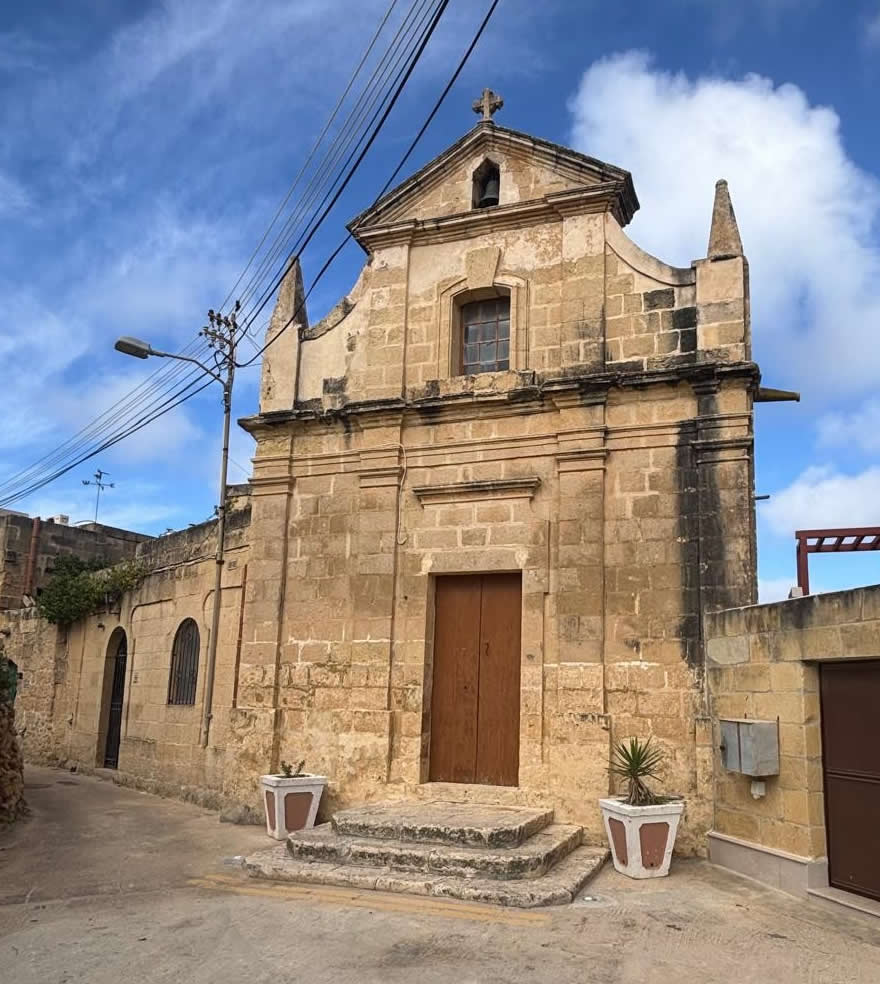
The chapel lies in the rural surroundings between Għarb and Għasri, an area characterised by traditional farmland, narrow lanes, and historic religious landmarks. Its discreet architectural form allows it to blend seamlessly with nearby buildings, making it one of the more understated chapels in Gozo.
This setting reflects the historical function of such chapels, which were often built to serve scattered rural communities and agricultural workers who lived far from parish churches.
Dedication to St. Publius
The chapel is dedicated to St. Publius, a central figure in Maltese Christian tradition. According to the Acts of the Apostles, Publius was the Roman governor of Malta who welcomed St Paul after his shipwreck on the island.
Tradition holds that Publius converted to Christianity, became Malta’s first bishop, and later suffered martyrdom. His veneration spread widely across the islands, leading to numerous churches and chapels dedicated in his honour.
Early History – The 16th Century Chapel
The origins of the site date back to the mid-16th century when an earlier chapel was constructed, originally dedicated to St Leonard.
This early structure also included a cemetery, highlighting its importance as a religious and communal centre for the surrounding rural population. However, like many small chapels of the period, it underwent cycles of use, neglect, and ecclesiastical review.
In 1654, the chapel was deconsecrated by Bishop Miguel Juan Balaguer Camarasa, and it was subsequently demolished a few years later in 1657.
Reconstruction in the 19th Century
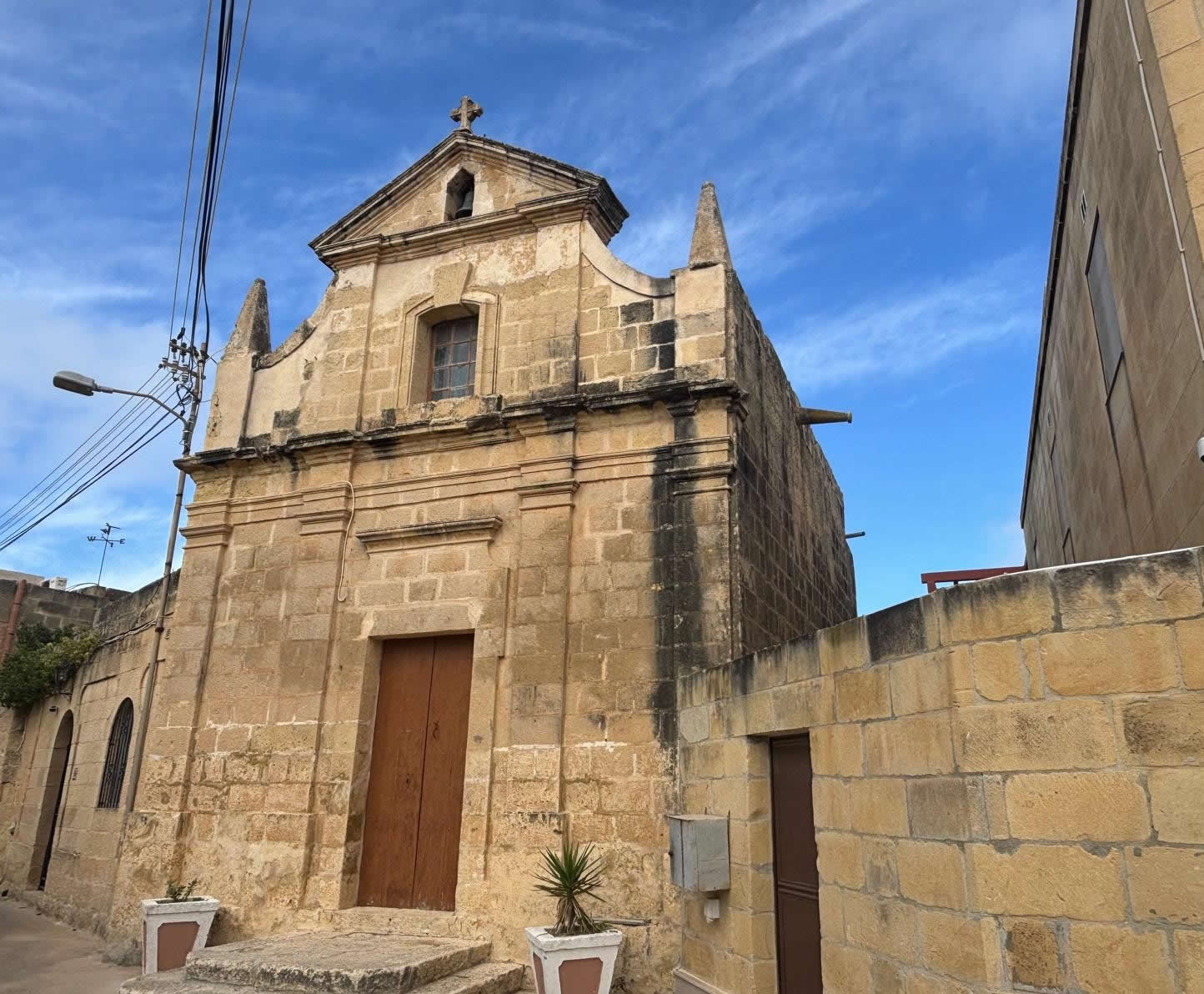
The present chapel was built between 1850 and 1852, marking a revival of religious activity at the site. The foundation stone was laid on 26 July 1850, and construction was completed in just over two years.
The chapel was officially blessed on 10 October 1852, restoring its role as a place of worship.
This reconstruction was financed by the rector of the nearby sanctuary of Ta’ Pinu, demonstrating the interconnected nature of religious institutions in the region.
Unlike the earlier structure, the new chapel was dedicated to St Publius, reflecting the growing prominence of his cult in Maltese spirituality during the 19th century.
Architecture and Design
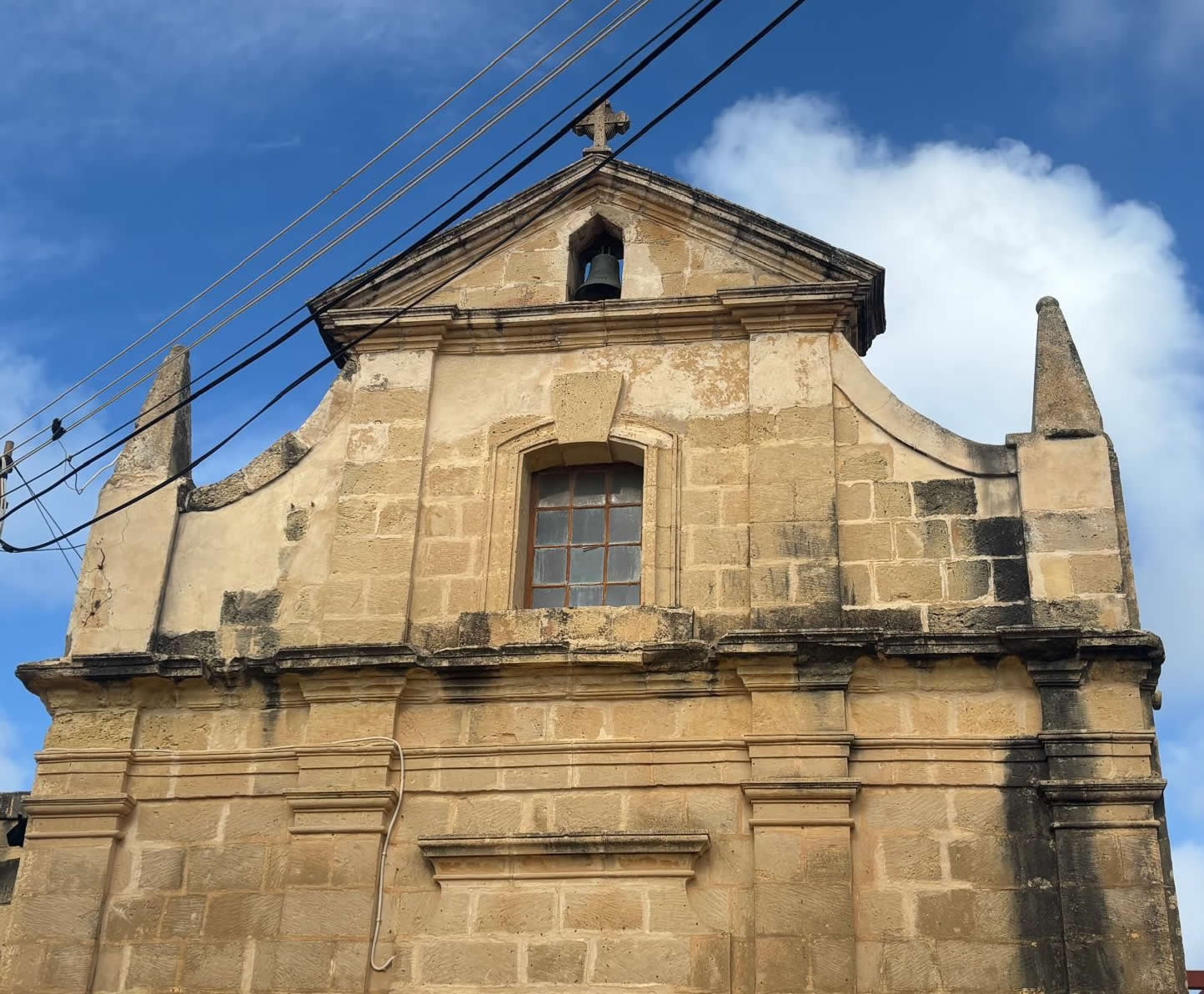
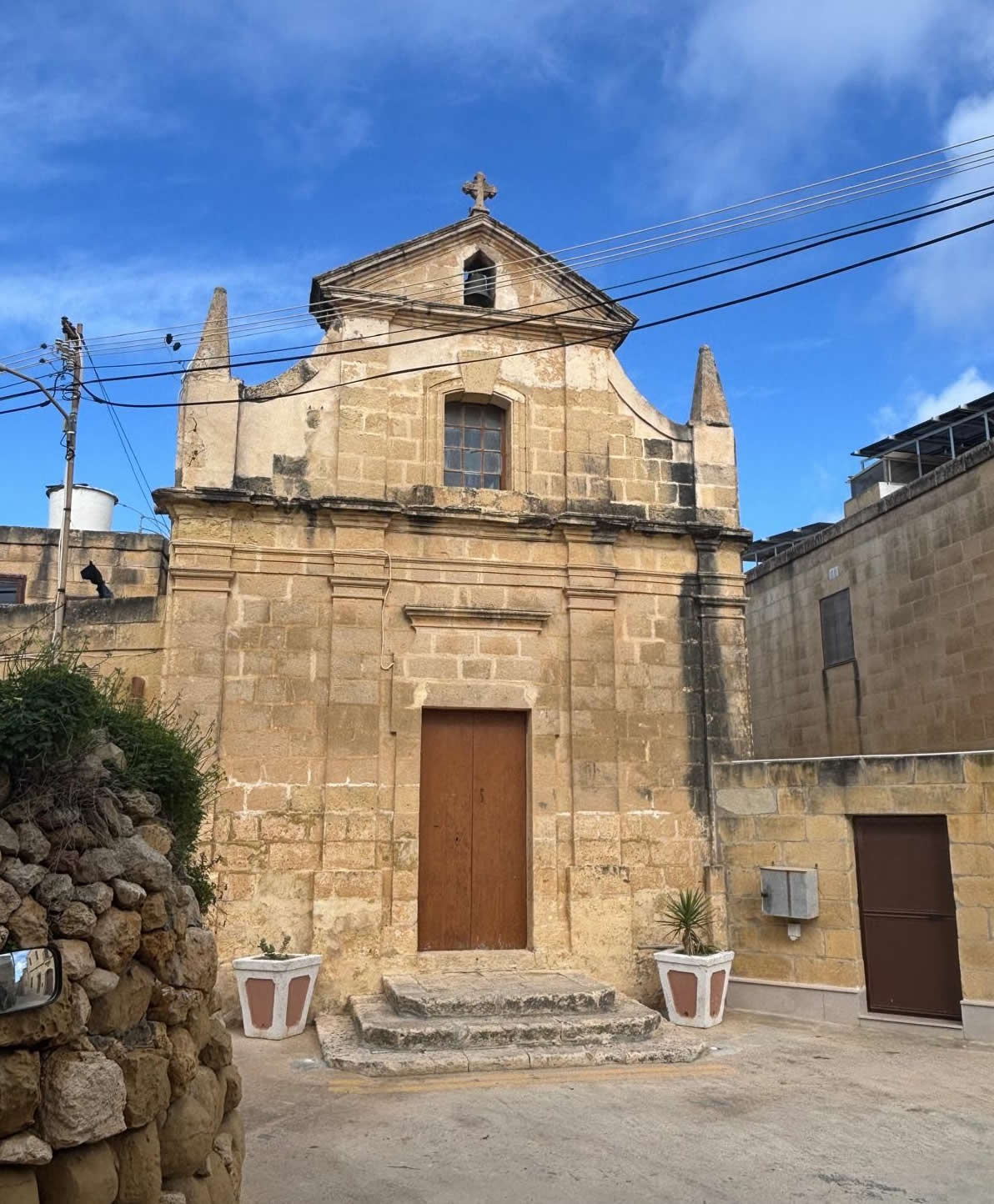
The Chapel of St. Publius is characterised by its modest and functional design. Built using local limestone, it follows the architectural traditions of rural Gozitan chapels.
- Simple rectangular layout
- Unadorned façade blending with surrounding buildings
- Compact interior space focused on the altar
- Minimal decorative elements
Its understated appearance is one of its defining features, often described as “camouflaged” within the surrounding environment due to its similarity in size and style to nearby houses.
Interior and Artworks
Despite its simplicity, the chapel contains several important artistic elements. The interior includes a marble altar and a painting depicting St Publius, which serves as the focal point of devotion.
Additional artworks include paintings of the Assumption of the Virgin Mary and the Immaculate Conception, reflecting broader Marian devotion within Maltese religious culture.
These artworks contribute to the chapel’s spiritual atmosphere, enhancing its role as a place of prayer and reflection.
Religious Function and Use
Historically, the chapel served the spiritual needs of rural inhabitants who lived at a distance from the main parish church of Għarb. It provided a convenient location for prayer, small gatherings, and occasional liturgical services.
Today, the chapel is no longer in regular use for mass, though it remains an important heritage site and a symbol of the region’s religious history.
Connection to Għarb Parish
Although geographically located near Għasri, the chapel falls under the ecclesiastical jurisdiction of the parish of Għarb.
This reflects historical administrative arrangements within the Diocese of Gozo, where parish boundaries often extended beyond village limits.
Cultural and Heritage Significance
The Chapel of St. Publius is an important example of Gozo’s rural religious heritage. It illustrates the evolution of chapel construction from the 16th to the 19th century and highlights the enduring importance of faith in local communities.
Its association with St Publius further enhances its significance, linking it to one of the most important figures in Maltese Christianity.
The chapel also contributes to the rich network of chapels across Gozo, each representing a unique aspect of the island’s cultural and spiritual identity.
Visiting the Chapel
The chapel can be viewed externally when exploring the Għarb countryside. Visitors should respect its historical and religious importance, maintaining the quiet and contemplative atmosphere of the site.
Its discreet presence makes it a rewarding discovery for those interested in Malta’s lesser-known heritage sites.
Frequently Asked Questions (FAQs)
Where is the chapel located?
It is located near Għarb, Gozo at coordinates 36.065625, 14.216964.
When was it built?
The current chapel was built between 1850 and 1852.
What existed before the current chapel?
A 16th-century chapel dedicated to St Leonard stood on the site before being demolished in the 17th century.
Is the chapel still in use?
It is no longer regularly used for services but remains a heritage site.